
Better recovery means better training.
Red light therapy (also called photobiomodulation or PBM) has become a practical tool for athletes looking to reduce post-workout discomfort, accelerate recovery, and improve sleep without adding extra strain to the body. This guide includes a weekly protocol tailored to your training volume and intensity , with realistic guidelines for home use with solutions like Kumo . ( fda.gov )
Red & infrared light
Recover faster, at home
★★★★★ 4,8/5 · rated by verified customers
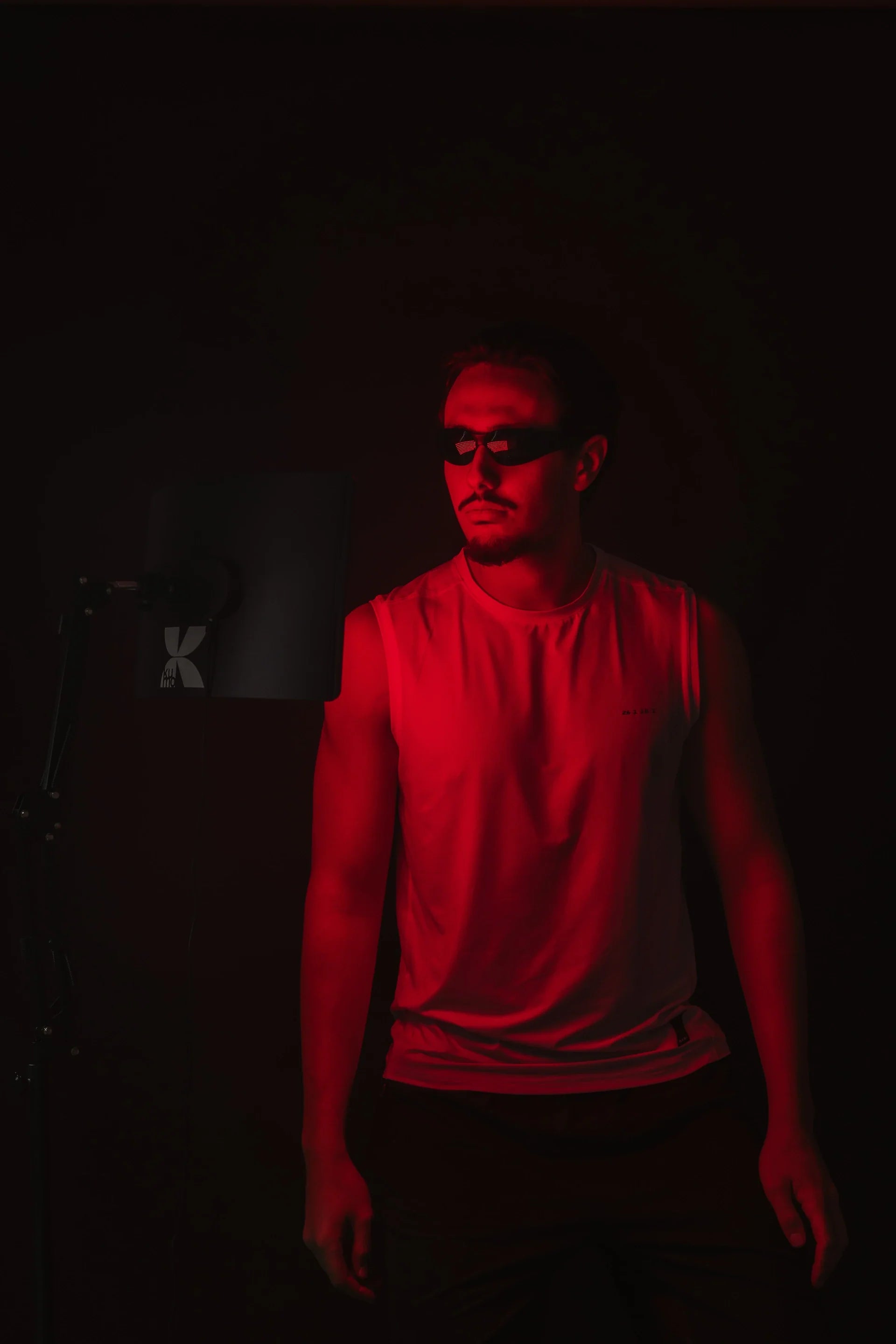
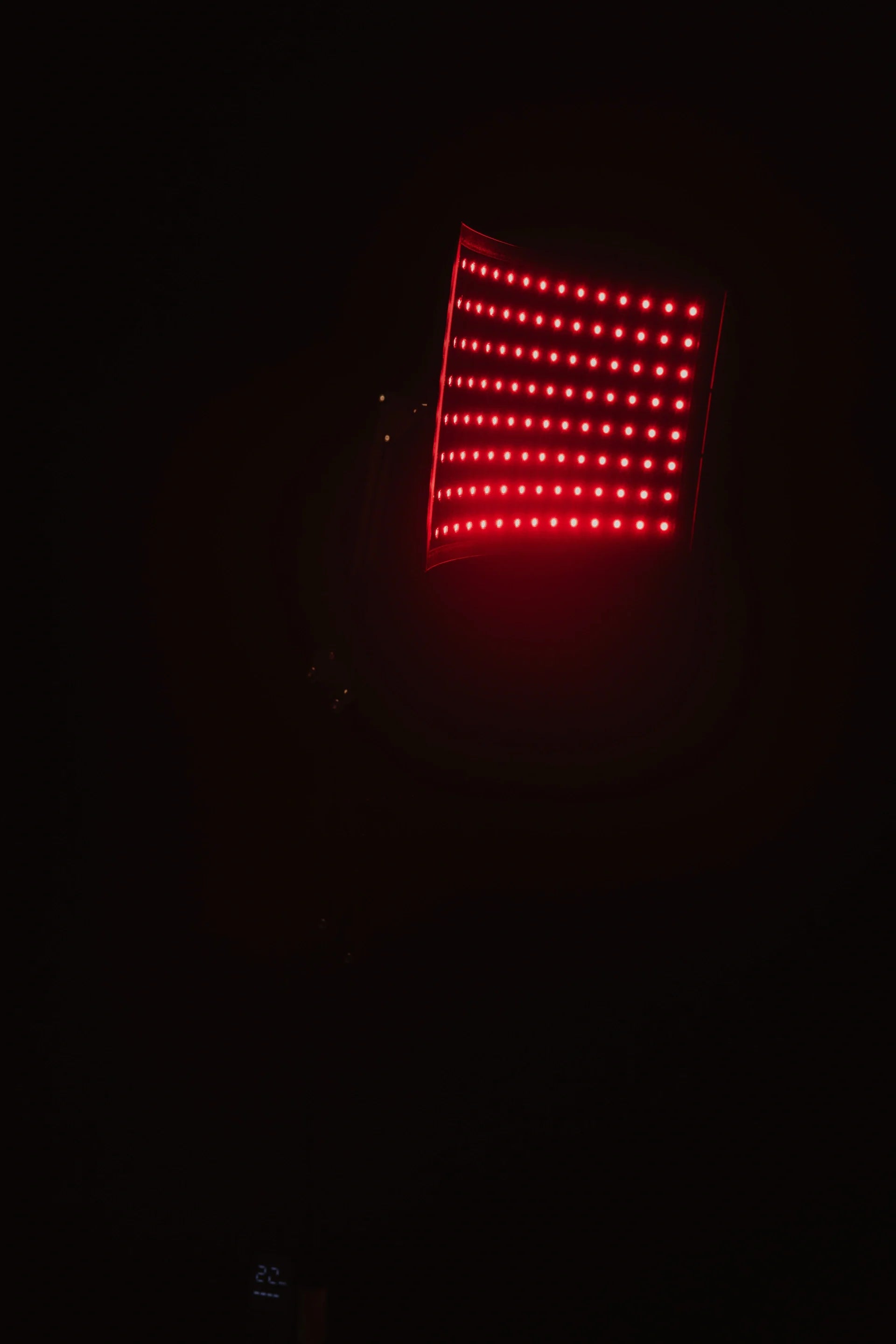
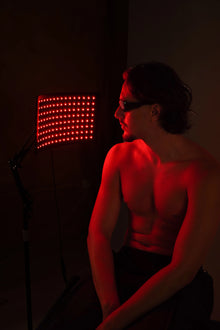
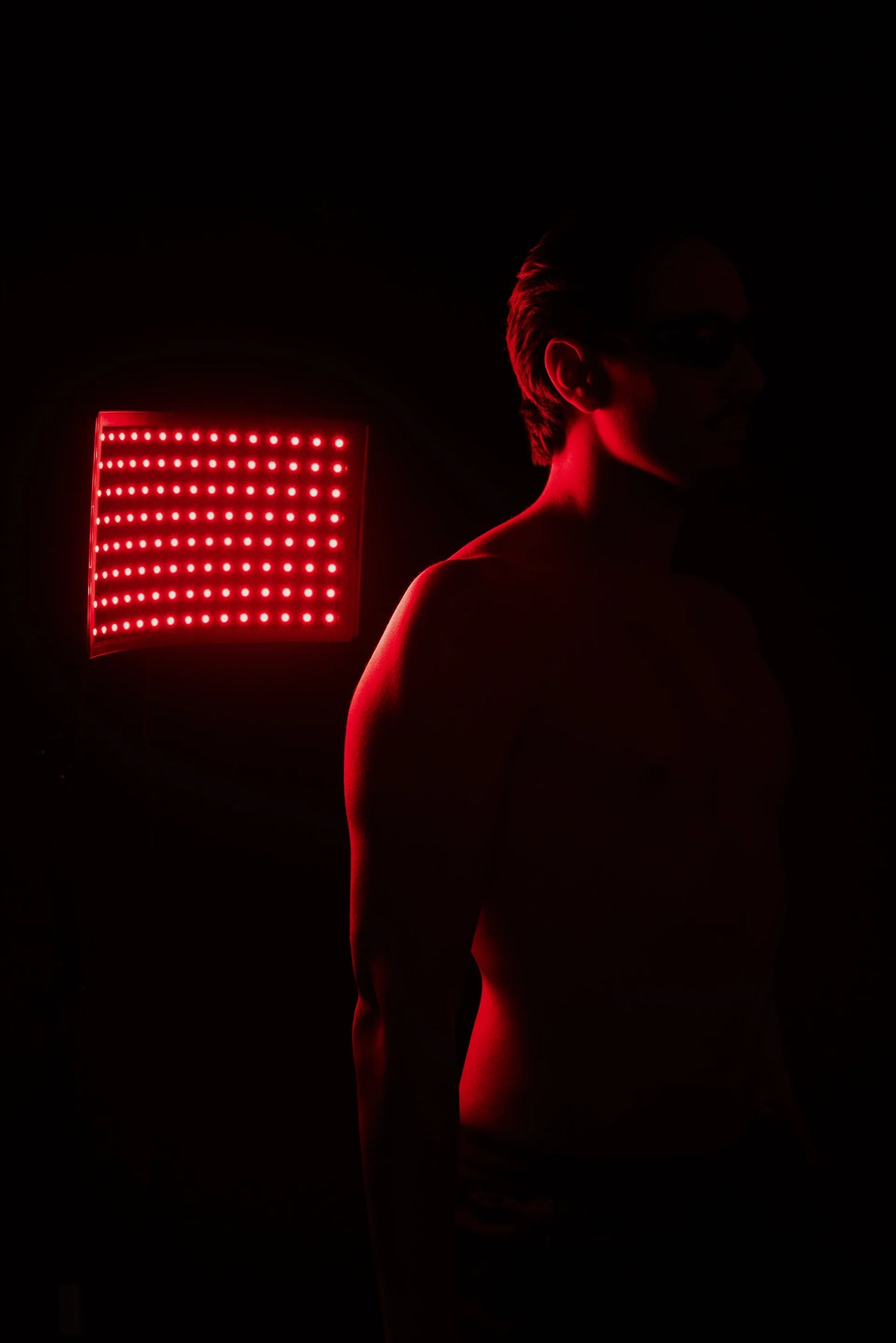
The KumoLux panel supports muscle recovery with full-body red and infrared light.
- 660 nm red + 850 nm infrared light
- Full-body muscle recovery
- Clinically validated biohacking protocols
€399,00€499,00
−10% on your 1st order when you subscribe to the newsletter

What is red light therapy (photobiomodulation) and why is it of interest to athletes?
Photobiomodulation uses red and/or near-infrared light to generate biological responses related to cellular metabolism, pain modulation, and recovery. In sports, it is usually applied to specific muscle groups (quadriceps, hamstrings, calves, glutes, back) or more broadly (full-body exposure).
Sports and clinical literature reports protocols with wavelengths that, as a guideline, typically range from ~660–950 nm (depending on the study and device). ( pmc.ncbi.nlm.nih.gov )
Personalized protocol · included with your purchase
Want us to tell you how to use it in your case?
With your purchase, our experts set up your red and infrared light sessions for your sport and goal.
Message us on WhatsAppOur experts reply · no obligation
Regarding "how it works," there are hypotheses focused on the interaction with mitochondrial processes and signals such as nitric oxide; but let's be honest: the exact mechanism is not fully understood , and there are critical reviews of simplified explanations. ( pmc.ncbi.nlm.nih.gov )
What the evidence says (and doesn't say) about recovery, performance, and sleep
Delayed onset muscle soreness (DOMS) and strength recovery
A recent systematic review and meta-analysis (2025) on DOMS concluded that photobiomodulation may be associated with less pain at 72–96 hours and better strength recovery in the following 24–48 hours , although with heterogeneity of protocols (wavelength, points, dose, etc.). ( pmc.ncbi.nlm.nih.gov )
This fits well with the athlete's practical goal: to arrive "less loaded" at the next stimulus, especially in microcycles with eccentric strength, changes of pace or high volume.
on your first order when you join the newsletter
We send you the code instantly. No spam.
Performance: improvements possible, but not guaranteed
In a healthy population (trained and untrained), a meta-analysis (search up to January 2024) found a statistically significant improvement in muscular endurance with PBM (moderate overall effect; results varied by subgroups). ( pubmed.ncbi.nlm.nih.gov )
However, not all trials replicate clear improvements in strength or markers, and the benefit appears to depend on parameters (dose, timing of application, muscle group, load context) and the athlete's profile . ( pubmed.ncbi.nlm.nih.gov )
Pain in injured athletes: relief yes, “coming back sooner” not always
In athletes with musculoskeletal injuries, a systematic review and meta-analysis (up to November 2023) observed a positive effect in pain reduction compared to controls, but the available evidence did not consistently support that it shortens return-to-play time. ( pubmed.ncbi.nlm.nih.gov )
Dream: a “classic” sports study and caution in interpreting it
In 2012, a trial in elite female basketball players applied 30 minutes of full-body red light (≈ 658 nm , reported dose 30 J/cm² ) nightly for 14 days and found improvements in PSQI (sleep questionnaire) and serum melatonin , with a correlation between changes in PSQI and melatonin. ( pubmed.ncbi.nlm.nih.gov )
That said, reviews of sleep interventions in athletes have pointed out methodological limitations (tool used, short period, measurements), so it should be used as a useful clue , not a universal promise. ( pmc.ncbi.nlm.nih.gov )
Overall quality of evidence: useful, but with nuances
An umbrella review (2025) synthesizing meta-analyses of randomized trials across multiple conditions reported benefits in several areas (depending on the pathology), but also notes that there are no results with "high" certainty in terms of GRADE and that certainty is usually low to moderate depending on the outcome. ( systematicreviewsjournal.biomedcentral.com )
Key parameters for the protocol to be useful (without going overboard)
1) Wavelength and target: red vs near infrared
- Red light : widely used for tolerance and surface application (skin/surface tissue).
- Near infrared (NIR) : usually seeks greater relative penetration into tissues (depending on the device and area).
In sports practice, the most common approach is to combine (red + NIR) or choose according to the area and sensitivity. What matters is not the isolated "number," but the actual dose delivered and consistency .
2) Irradiance, fluence (J/cm²) and time: how not to get lost
To standardize your protocol, you need, at a minimum, information on wavelength (nm), irradiance (mW/cm²), and time . Fluence (energy per area) is usually expressed as J/cm² .
A useful formula:
Fluence (J/cm²) = Irradiance (W/cm²) × Time (s)
Real-world research example: The 2012 nighttime basketball protocol reports a dose of 30 J/cm² with a 30-minute exposure and an average wavelength of ~ 658 nm . ( pmc.ncbi.nlm.nih.gov )
If your device doesn't provide this data, the "protocol" becomes trial and error. At the regulatory and labeling level, agencies like the FDA outline what information and tests are typically expected for PBM devices in healthcare settings (2023 draft guidance). ( fda.gov )
As a clinical/research practice reference, WALT (World Association for Photobiomodulation Therapy) publishes tables and recommendations by indication (useful for guidance, not for indiscriminate copying and pasting). ( waltpbm.org )
3) The dose is biphasic: more is not always better
Photobiomodulation exhibits a biphasic response : one dose may be beneficial, but exceeding it can reduce the benefit or even have the opposite effect (fatigue, headache, a feeling of "overstimulation" in some individuals). This has been clearly observed in laboratory dose-response studies with different energies/fluences (e.g., fibroblasts at 660 nm). ( pubmed.ncbi.nlm.nih.gov )
Practical translation for athletes: start with less , evaluate for 7–14 days, and adjust.
4) Safety and precautions (athlete first, protocol second)
- Eyes : Avoid direct exposure. If the device is powerful, use appropriate eye protection or keep your eyes closed according to the manufacturer's recommendations.
- Photosensitivity : If you are taking photosensitizing medication or have a history of reactions to light, consult a healthcare professional beforehand.
- Injuries and pathology : Avoid applying to suspicious lesions or areas with conditions requiring medical evaluation. Reviews mention precautions regarding application to malignant lesions or sensitive areas such as the thyroid, depending on the context and clinical judgment. ( pmc.ncbi.nlm.nih.gov )
Note: This guide is educational and does not replace medical diagnosis or treatment, especially if there is acute injury, persistent pain, or neurological symptoms.
Weekly protocol according to volume and intensity (practical templates)
To make the plan truly "load-based," use two simple variables:
- Volume : number of sessions/week + total duration + number of sets/km/minutes.
- Intensity : RPE (0–10), %1RM, power/rhythm zones or presence of HIIT/heavy eccentric.
Table: Indicative weekly protocol (by training profile)
| Profile | Example of a week | Main objective | PBM Frequency | When | How to apply it (simple) |
|---|---|---|---|---|---|
| Low volume / low-medium intensity | 2–3 gentle sessions + 1–2 days of rest | General recovery and occasional discomfort | 2–3 sessions/week | Post-workout or on a rest day | Prioritize 1-2 "loaded" areas (e.g., calves and quadriceps) with moderate times; consistency > duration. |
| Medium volume / mixed intensity | 4–5 sessions (strength + cardio), 1–2 demanding sessions | Reduce DOMS and arrive fresh on key days | 4–5 sessions/week | Hard post-workout + (optional) pre-workout on key day | Post: applies to the major groups used. Pre (if you tolerate it well): brief, focused, and without "burning out" with high doses. |
| High volume / high intensity | 6–10 stimuli/week (double sessions, HIIT, eccentric) | Manage accumulated fatigue + sleep | 5–7 sessions/week | Post-workout almost daily + 2–4 nights/week if sleep is impaired | Frequent microdoses: shorter, more targeted sessions. If you experience overstimulation, reduce the frequency or switch to earlier times. |
How to place your sessions within the microcycle (without complicating things)
- Identify 2 "red" days (the hardest of the week): series, heavy strength, game, long run.
- Book PBM post for those days (and for the following day if DOMS usually appears within 24–48 hours).
- If you're looking for acute performance , try PBM pre-training only on 1 key day per week for 2 weeks and evaluate (feelings + metrics).
- If sleep is disrupted , try a sleep hygiene program (PBM) 2–4 nights/week and adjust the schedule based on your response (some people experience NIR activation if it's used too late). The 2012 nighttime protocol was daily for 14 days, but it's not mandatory to replicate it exactly. ( pmc.ncbi.nlm.nih.gov )
Concrete examples (so you can copy the logic)
- Runner (10K / half marathon, 5 days/week): Post-exercise PBM in calves + hamstrings after sets and after long run; light PBM in quadriceps the following day if DOMS appears (24–48 h).
- Strength/hypertrophy (4 days/week, high eccentric): Post-exercise PBM on quads/glutes after leg; Post-exercise PBM on back/biceps after pull; optional pre-exercise PBM before the heaviest day (if it works for you, keep it; if not, simplify).
- Cross-training/HIIT (3–5 WOD/week): Post-post PBM in posterior chain (hamstrings/glutes/lower back) 2–3 times/week + 1 "full" gentle session on mobility day.
How to integrate red light therapy with other Kumo recovery strategies (complete routine)
One advantage of having a weekly plan is that you can combine tools without getting overwhelmed. If you're already building your recovery "stack," a simple routine would be:
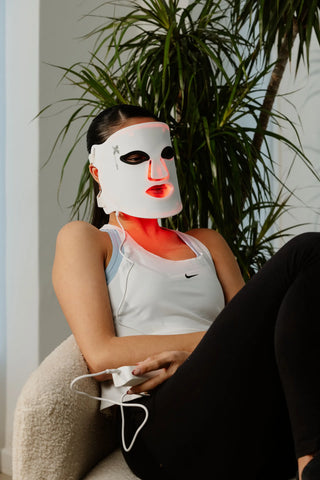
- Red light/PBM to prepare the tissue or reduce post-workout discomfort (depending on the day). You can explore solutions in the LED light therapy collection (muscle recovery, rest, and wellness).
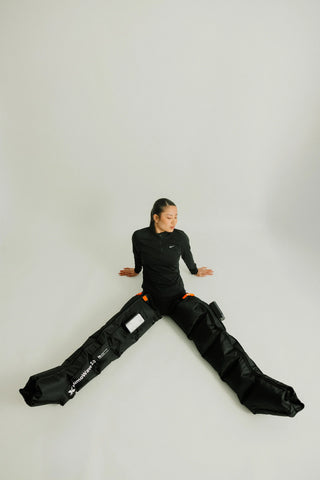
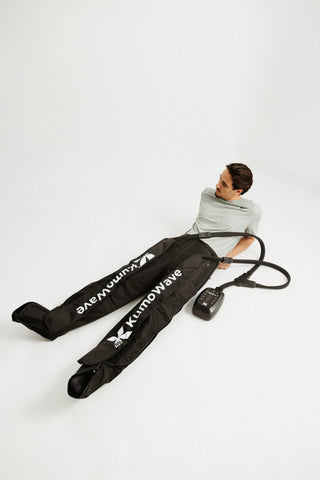
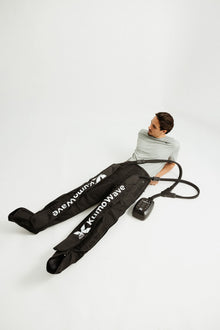
- Pressotherapy to promote a feeling of lighter legs after high volume (especially on days of running, cycling or double sessions): pressotherapy boots .
- Localized discharge when there are trigger points or point stiffness (without turning it into torture): KumoPulse Air .
Recommended (practical) order: if you come in very stressed, first a gentle intervention (PBM or pressotherapy), then mobility/breathing, and leave the more intense work (gun) for very specific areas and for a short time.
Common mistakes when using red light on athletes (and how to avoid them)
- Doing light “marathons” because “more is better”: remember the biphasic response and prioritize consistency. ( pubmed.ncbi.nlm.nih.gov )
- Do not measure anything : if you do not record RPE, sleep (even if it is subjective) and DOMS, you will not know if it works.
- Copying protocols without context : The 2012 study is interesting, but your workload, schedules, and tolerance may be different. ( pmc.ncbi.nlm.nih.gov )
- Ignoring the goal of the day : pre and post do not pursue exactly the same thing; define if today you are looking for performance, pain or sleep.
FAQ: Frequently asked questions about Kumo and red light therapy for training more and recovering better
How many times per week should I use red light therapy if I train 4–5 days?
As a starting point, it fits well with 4–5 weekly exposures when your week has a mixed load (strength + cardio) and 1–2 hard sessions. Prioritize post-workout use on your most demanding days, and if you want to experiment with performance, try 1 pre-workout session on your key day for two weeks. Adjust based on your response: if you notice unusual fatigue, headaches, or worsening sleep, reduce the duration or move the sessions to earlier times. Consistency usually trumps intensity.
Can the red light help if my main problem is sleep after training late?
It can be an interesting option, but it's important to be methodical. A 2012 trial in athletes with nighttime exposure for 14 days observed improvements in PSQI and melatonin levels, although subsequent reviews urge caution in interpreting the results due to measurement limitations. The practical way to use it is: 2–4 nights per week, monitor your bedtime, caffeine intake, and screen time, and assess your response. If near-infrared light (NIR) activates you, move the session earlier or use a gentler approach.
What's better for an athlete: red light before or after training?
It depends on the goal. For recovery and DOMS , it usually makes sense to prioritize post-workout training (especially after eccentric training, HIIT, or high-volume workouts), as recent meta-analyses link pre-workout muscle training (PBM) with improvements in pain and strength recovery within a 24–96 hour window (with some variability). For a potential "ergogenic" effect, some studies have found improvements in muscular endurance, but this isn't always the case; therefore, if you try it pre- workout, do so only in one key session per week and measure the results (feeling, times, repetitions).
Can I combine red light therapy with pressotherapy and a massage gun on the same day?
Yes, as long as you do it sensibly and in moderation. A typical combination on high-intensity days is: first, red light therapy (for a general feeling of relief), then compression therapy if your legs feel heavy, and finally, a pressure gun only on specific points if there's localized stiffness. The important thing is not to turn recovery into another "hard session." If your training is high-intensity and you also don't get enough sleep, choose only 1-2 tools that day and prioritize sleep, hydration, and post-workout nutrition.
So what now?
If you want to make this a sustainable habit, the key is to simplify : choose your two hardest days, schedule your sessions, and reassess every 14 days. For guidance on which solution best fits your training and recovery routine, you can contact us here: Kumo contact .

Red & infrared light
KumoLux Panel – Red and Infrared LED Panel
★★★★★ 4,8/5 · rated by verified customers
- 660 nm red + 850 nm infrared light
- Full-body muscle recovery
- Clinically validated biohacking protocols
€399,00€499,00· pay in installments with seQura or Klarna