Purchase red light therapy wisely. If you are looking to buy equipment for home use, start with the technical specifications and intended use, not with commercial promises: photobiomodulation works with red light and sometimes near-infrared; broad ranges like 600–1000 nm often appear in the literature, and 660 nm is a very common wavelength, although there is still no absolute consensus on the optimal dose. (pmc.ncbi.nlm.nih.gov)
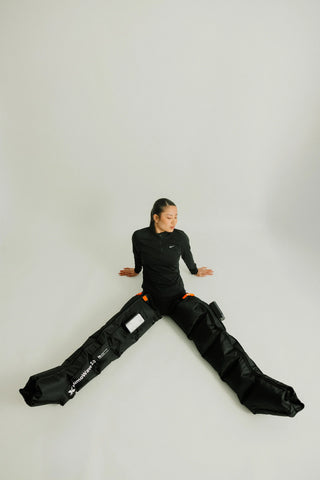
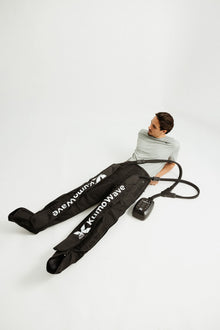
If you want to focus on a wellness and recovery approach designed for real use, Kumo Balance's high-end recovery technology clearly shows how a serious offering is structured. To better understand the context, you can also review how red light therapy works and its key benefits and uses.
Red & infrared light
Recover faster, at home
★★★★★ 4,8/5 · rated by verified customers
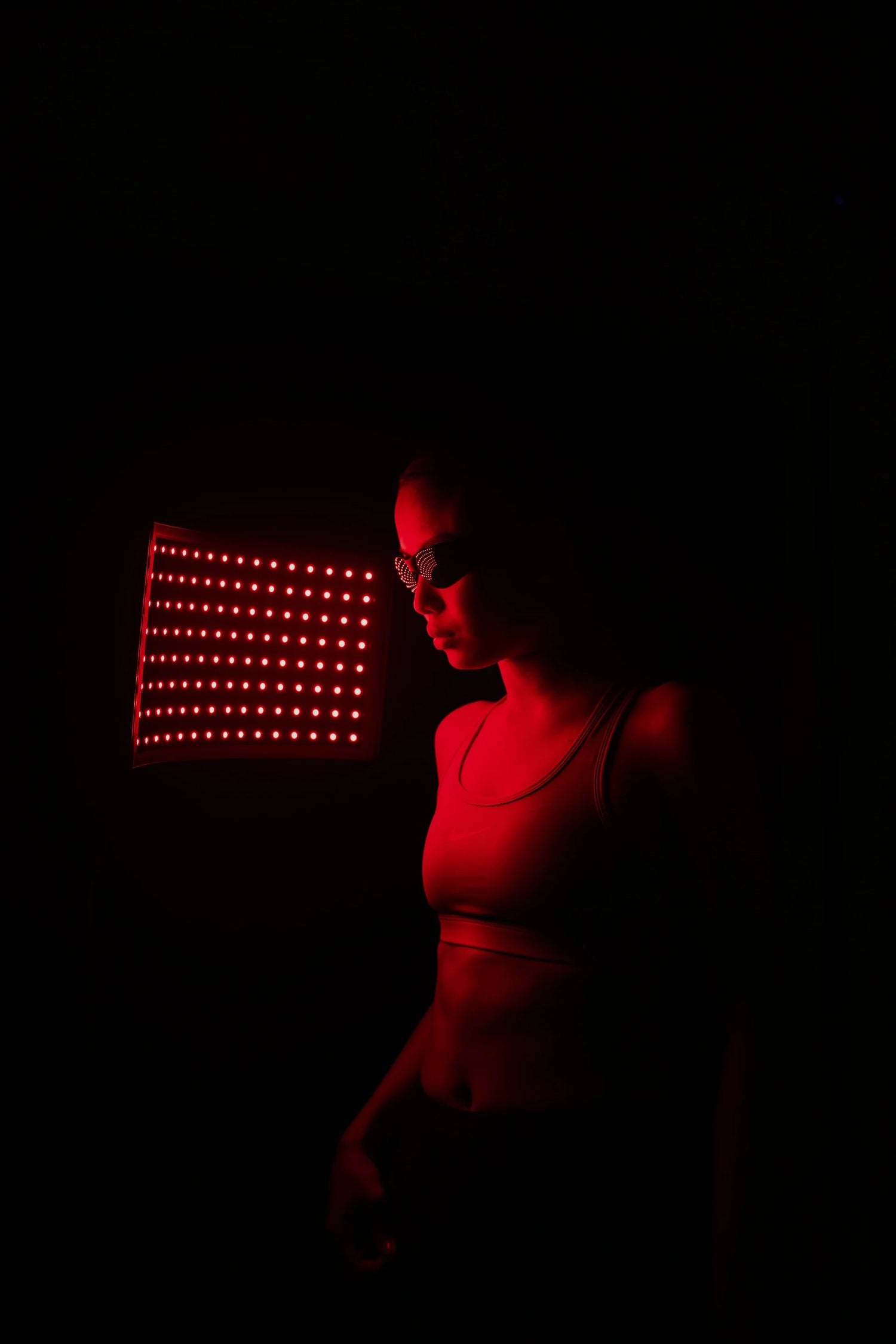
The KumoLux panel supports muscle recovery with full-body red and infrared light.
- 660 nm red + 850 nm infrared light
- Full-body muscle recovery
- Clinically validated biohacking protocols
€399,00€499,00
−10% on your 1st order when you subscribe to the newsletter

What Red Light Therapy Really Is
Red light therapy, or photobiomodulation, brings together LED devices and some low-intensity lasers that aim to activate biological processes without using ultraviolet radiation. Recent reviews describe it as a non-invasive intervention that uses red or near-infrared light to modulate cellular functions, with studied applications in skin, pain, and muscle recovery. (pmc.ncbi.nlm.nih.gov)
For skin, the strongest evidence usually focuses on photoaging and some dermatological uses. A meta-analysis of cutaneous LED therapy found favorable results for rejuvenation, and a randomized trial in 2023 observed a reduction in periorbital wrinkle volume after a photobiomodulation protocol. (pubmed.ncbi.nlm.nih.gov)
Personalized protocol · included with your purchase
Want us to tell you how to use it in your case?
With your purchase, our experts set up your red and infrared light sessions for your sport and goal.
Message us on WhatsAppOur experts reply · no obligation
The right question is not whether the device "shines brightly," but whether it explains what it emits, how much it emits, and how it is used safely. (fda.gov)
Where to Buy Without Making a Mistake
The safest way to buy is to prioritize the brand's official store, authorized distributors, and retailers that publish a complete technical data sheet. If the device is presented as a medical or therapeutic product, check its regulatory status in the FDA's 510(k) database, and if you buy in Europe, review the official explanation of the CE marking. The FDA also publishes specific guidance for photobiomodulation devices on premarket notification, non-clinical testing, and labeling. (fda.gov)
In practice, "where to buy" means "where can I get enough information to decide." A serious seller is not limited to a pretty picture: they specify the wavelength, coverage area, type of use, safety warnings, and documentation supporting the product. (fda.gov)
on your first order when you join the newsletter
We send you the code instantly. No spam.
What a Serious Technical Data Sheet Should Say
If you are considering a panel, a facial mask, or a full-body device, this table will help you filter what is important before buying. For a more practical view of the panel format, you can also see the guide to choosing a red light panel in 2026 and the red and infrared LED panel. (pubmed.ncbi.nlm.nih.gov)
Data that should not be missing
| Element | What to look for | Warning sign |
|---|---|---|
| Wavelength | Declared values consistent with the objective: around 630–660 nm for skin and 810–850 nm for deeper tissues. (pubmed.ncbi.nlm.nih.gov) | Vague phrases like “full spectrum” without detailing nanometers. |
| Dose and use | Manual, time per session, distance or application area. There is no single consensus on the optimal dose, so instructions matter greatly. (pubmed.ncbi.nlm.nih.gov) | Universal promises such as “it works for everything and everyone.” |
| Safety | Eye protection, warnings, and defined intended use. The FDA insists on evaluating specific risks and properly labeling these devices. (fda.gov) | Total absence of warnings or poorly explained manual. |
| Regulation | Reference to 510(k), CE, or the appropriate regulatory framework. (fda.gov) | Generic seals without a number, without an organization, or without documentation. |
What Format to Choose Based on Your Goal
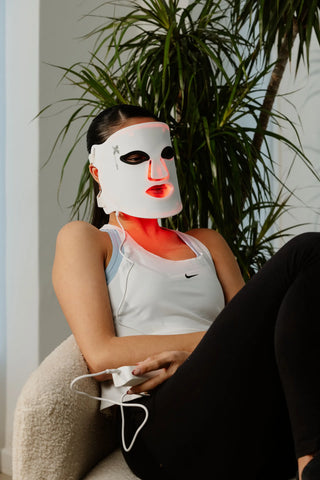
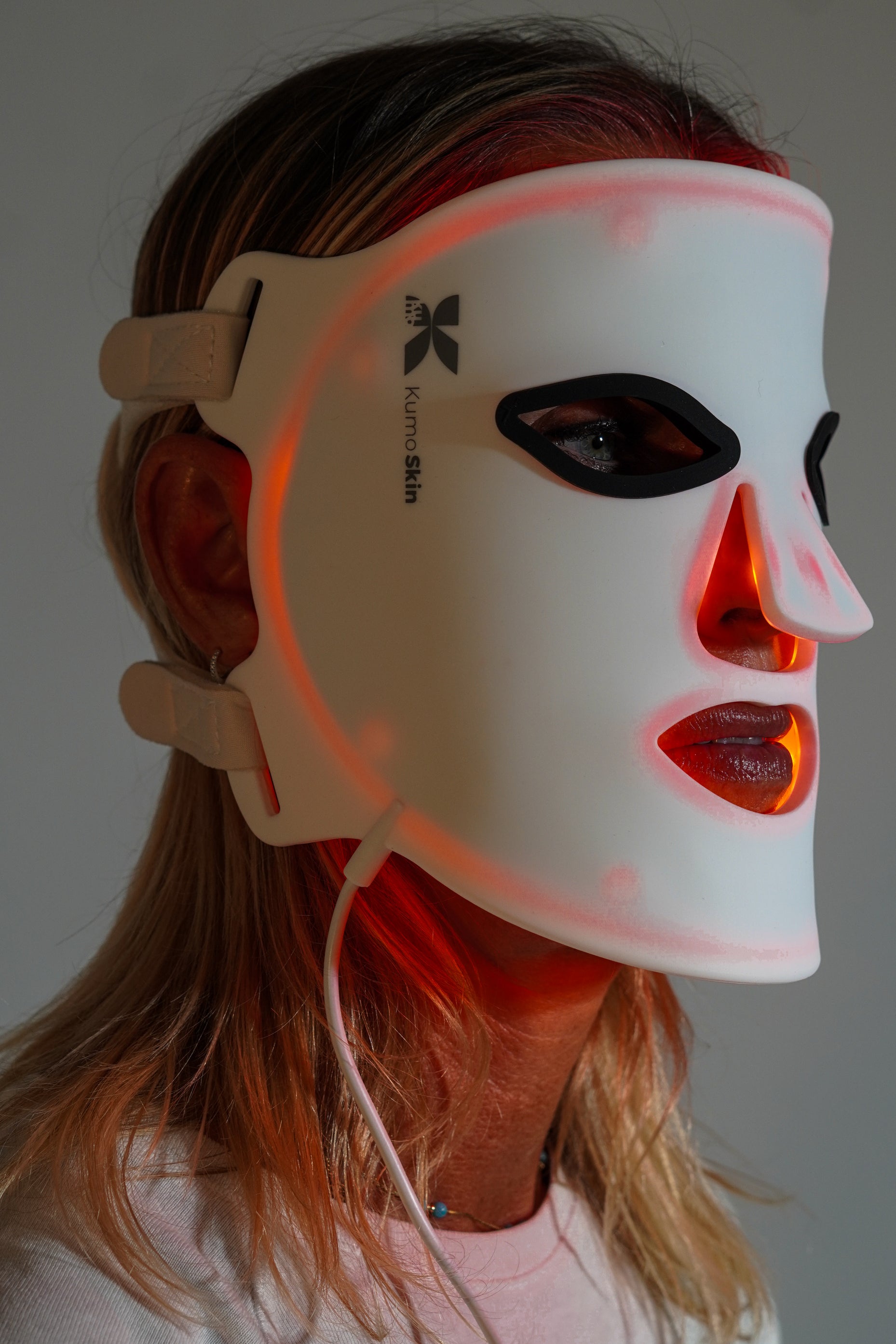
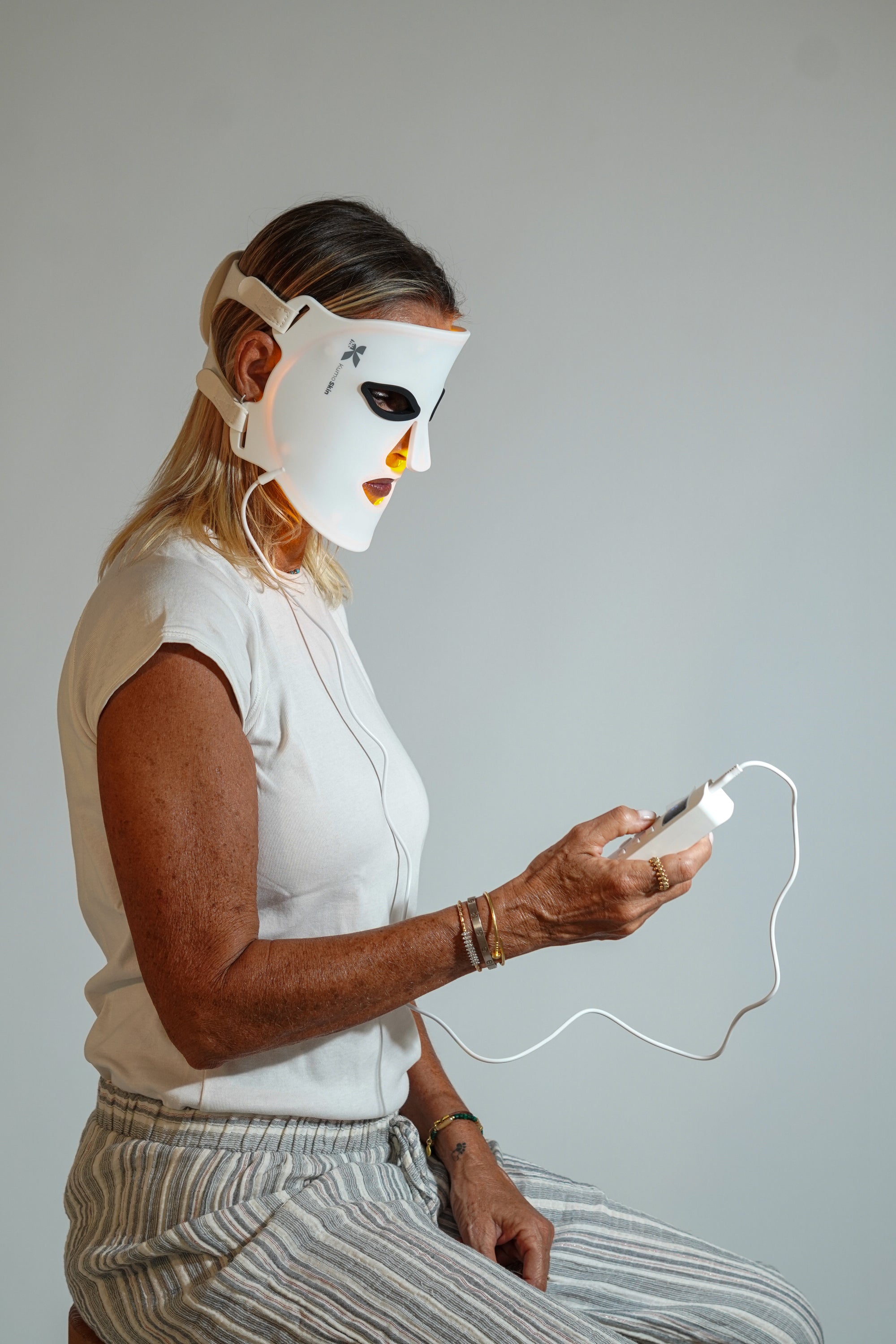
Not all formats solve the same problem. A facial mask usually makes more sense if your focus is facial skin; a panel is more practical for large areas like legs, back, or abdomen; and a focused device can be useful when you want to target a specific area without dispersing the light. In studies and reviews, the context of use is as important as the wavelength. (pmc.ncbi.nlm.nih.gov)
If your priority is skin, a useful reference is advanced home LED light therapy. If your main focus is recovery, the guide to red light therapy for muscle recovery better fits that objective. (journals.sagepub.com)
Common Buying Mistakes
- Do not buy a device that does not clearly state its wavelength or intended use. (pubmed.ncbi.nlm.nih.gov)
- Be wary of "one-size-fits-all" promises, as the literature still does not establish a universal dose or a single winning protocol. (pubmed.ncbi.nlm.nih.gov)
- Avoid equipment without eye safety warnings or a clear user manual. (fda.gov)
- Do not be swayed by an isolated seal or a logo without a registration number, document, or verifiable database. (fda.gov)
How to Use it Well at Home
The key is not just buying well, but using it well. Most positive studies involve repeated sessions and consistent protocols, not sporadic uses; that's why regularity often outweighs a single isolated session. If the manufacturer provides a distance, time, or frequency, respect them and do not improvise with power or exposure. (journals.sagepub.com)
For face and skin, many people seek consistency to improve texture, luminosity, or marks; for muscle recovery, the logic is similar, but the format and coverage change. Evidence continues to grow, but it is still important to set realistic expectations: help, not magic. (pubmed.ncbi.nlm.nih.gov)
Who is a Home Device Most Suitable For?
A home device usually makes more sense when you want to integrate therapy into your routine and repeat it easily. If you want to frequently treat your face, maintain a muscle recovery routine, or consistently work on specific areas, the home format can be practical. If you only want to try the experience occasionally, a clinic may suffice. The decision should not be based on the device's brightness, but on the objective, frequency of use, and quality of technical information. (pubmed.ncbi.nlm.nih.gov)
FAQ
Where to buy red light therapy for home use without making a mistake?
Start with the brand's official store or distributors that publish a complete technical data sheet. Check that the product indicates wavelength, mode of use, warnings, and regulatory documentation. If the equipment is marketed as a medical device, check if it appears in the FDA's 510(k) database or if it bears the CE mark when buying in Europe. The key is not just finding a seller, but finding verifiable information. (fda.gov)
What is the most suitable wavelength for facial treatment with red light and how to know if it is real?
For facial use, the literature usually places useful red light around 630–660 nm. In some protocols, it is combined with near-infrared, especially when aiming to reach somewhat deeper tissues. To know if it is real, do not just go by the color: ask for the exact nanometer data, verify that it appears in the technical data sheet, and check that the manufacturer explains the type of LED and the intended use. (pubmed.ncbi.nlm.nih.gov)
When is it worth buying a home device versus going to a clinic?
If you plan to use it frequently and want to maintain consistency, the home format usually makes more sense. If you are looking for something specific, supervised, or very specialized, a clinic may be sufficient. It is not advisable to focus only on the cost of a single session, because the real decision depends on how many times you plan to use it, what area you want to treat, and what level of technical control you need. In any case, always ask for a clear data sheet and well-explained use. (pubmed.ncbi.nlm.nih.gov)
How to choose a safe, effective, and certified red light therapy device?
Look for four things: declared wavelength, usage instructions, eye safety warnings, and a verifiable regulatory reference. In the United States, the FDA publishes databases for checking 510(k) devices and specific guidance for PBM; in Europe, the CE marking and associated documentation are part of the conformity framework. If the seller cannot clearly explain these points, it is prudent to keep looking. (fda.gov)
Does red light therapy work the same with home devices compared to professional equipment, and what are its limitations?
It does not work exactly the same. Home equipment can be useful for regular routines, but professional equipment usually offers greater control over application, coverage, and context of use. Furthermore, evidence shows that the response depends on the dose, distance, frequency, and specific objective. Therefore, a good home device can fit very well, but it does not automatically replace a clinical protocol or guarantee the same results. (pubmed.ncbi.nlm.nih.gov)
What Now?
If you want to proceed with good judgment, start with the guide to choosing a red light panel in 2026, explore advanced home LED light therapy, and return to the Kumo Balance homepage to find the format that best fits your routine and goals. If you buy with data, it's much harder to make a mistake. For more in-depth information, visit Kumo.

Red & infrared light
KumoLux Panel – Red and Infrared LED Panel
★★★★★ 4,8/5 · rated by verified customers
- 660 nm red + 850 nm infrared light
- Full-body muscle recovery
- Clinically validated biohacking protocols
€399,00€499,00· pay in installments with seQura or Klarna