
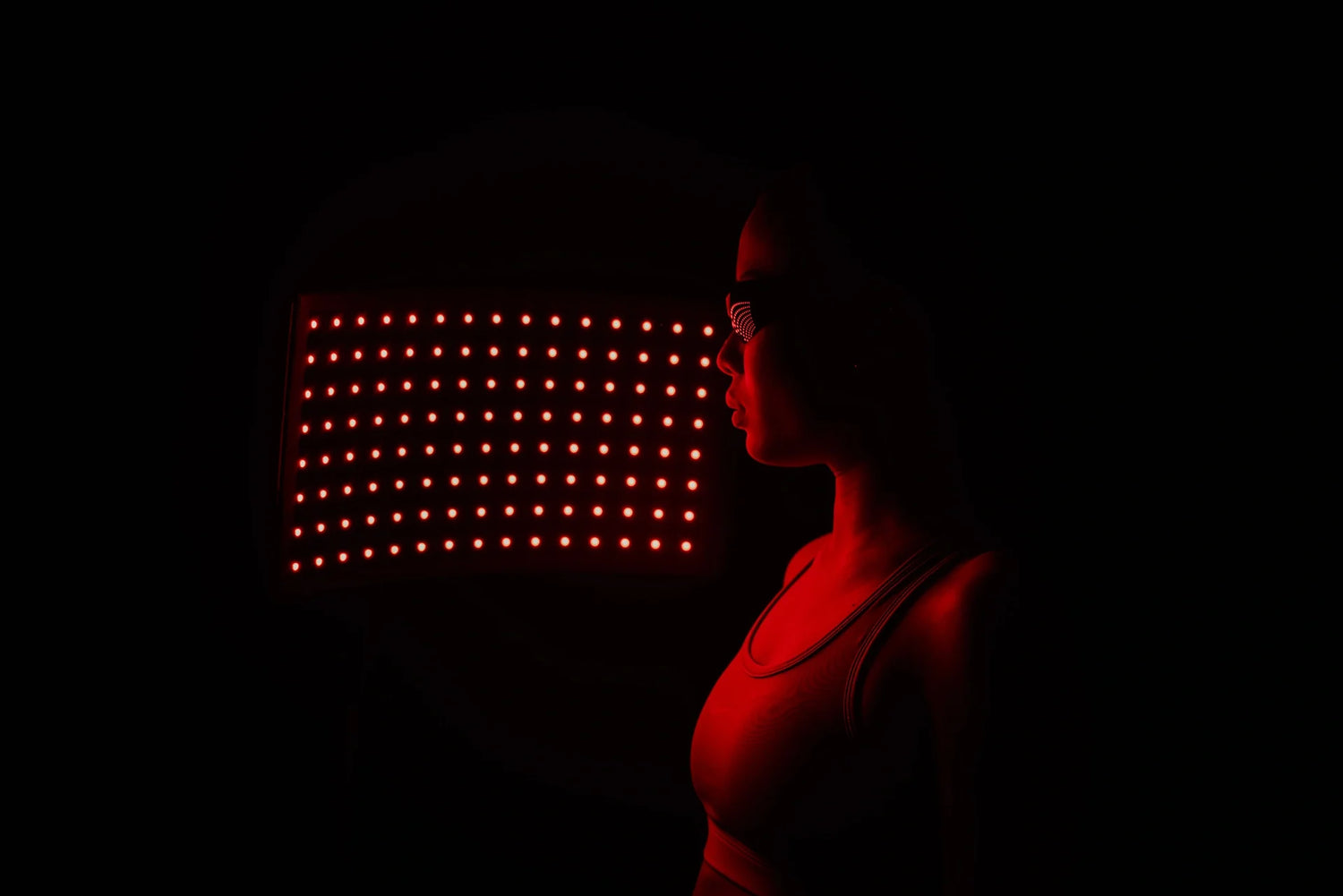
Introduction: More energy, less fatigue
Red light therapy can change how you feel every day. This type of light therapy uses specific wavelengths (red and near-infrared) to stimulate your cells, improve muscle recovery, support sleep, and help you maintain more stable energy levels throughout the day.
In this article we'll see exactly what red light therapy is, how it acts on your mitochondria and nervous system, what energy benefits have been observed in scientific studies, and how to safely incorporate it into your wellness and performance routine.
Red & infrared light
Recover faster, at home
★★★★★ 4,8/5 · rated by verified customers
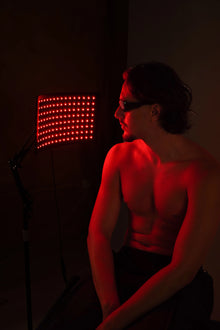
The KumoLux panel supports muscle recovery with full-body red and infrared light.
- 660 nm red + 850 nm infrared light
- Full-body muscle recovery
- Clinically validated biohacking protocols
€399,00€499,00
−10% on your 1st order when you subscribe to the newsletter

What is red light therapy?
Red light therapy (or photobiomodulation) involves exposing the skin to low-intensity light at red wavelengths (approximately 620–700 nm) and often near-infrared wavelengths (approximately 800–900 nm). It does not overheat or burn the skin and is clearly different from the UV rays used for tanning.
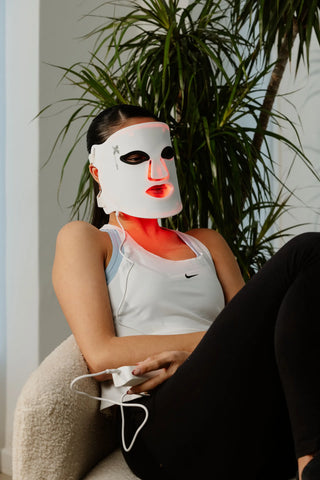
It is applied using specific LED devices, light panels, face masks or partial or full body light therapy equipment, such as those found in Kumo's LED light therapy collection .
Personalized protocol · included with your purchase
Want us to tell you how to use it in your case?
With your purchase, our experts set up your red and infrared light sessions for your sport and goal.
Message us on WhatsAppOur experts reply · no obligation
How it works at the cellular level
The key lies in the mitochondria, the "powerhouses" of cells. Certain mitochondrial receptors absorb red and near-infrared light, which can:
- Increase the production of ATP (the cell's energy "currency").
- Improve local blood flow and tissue oxygenation.
- Modulating inflammation and oxidative stress.
- Promote cell repair and regeneration processes.
All of this translates into a subjective feeling of increased energy, better recovery after exertion, and a reduction in certain muscle or joint discomfort when combined with rest and healthy habits.
Benefits of red light therapy on your energy
The feeling of having "more energy" is complex: it depends on your nervous system, your sleep quality, your muscles, and your hormonal and emotional state. Red light therapy acts on several of these levels indirectly.
on your first order when you join the newsletter
We send you the code instantly. No spam.
1. Improvement of mitochondrial function
Most studies on photobiomodulation agree that red light can improve mitochondrial efficiency and increase ATP synthesis in specific tissues exposed to light. This has been observed in both cell models and muscle tissue subjected to intense exercise.
In practice, a muscle with a better capacity for energy production fatigues less and recovers faster. This is especially relevant for athletes or people who perform strength or high-intensity training.
2. Less muscle fatigue and better performance
Recent scientific reviews have found that applying red or near-infrared light before or after exercise can reduce indicators of muscle damage and improve performance in subsequent efforts when appropriate dosage and frequency parameters (exposure time, distance to the skin, etc.) are used.
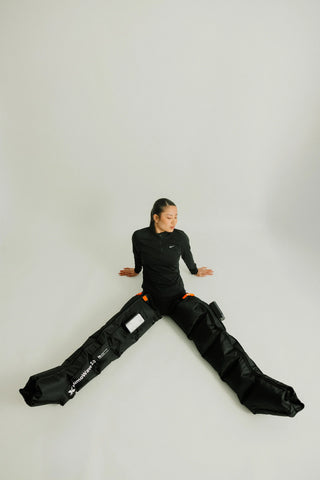
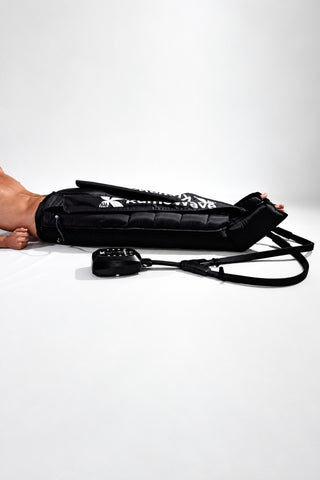
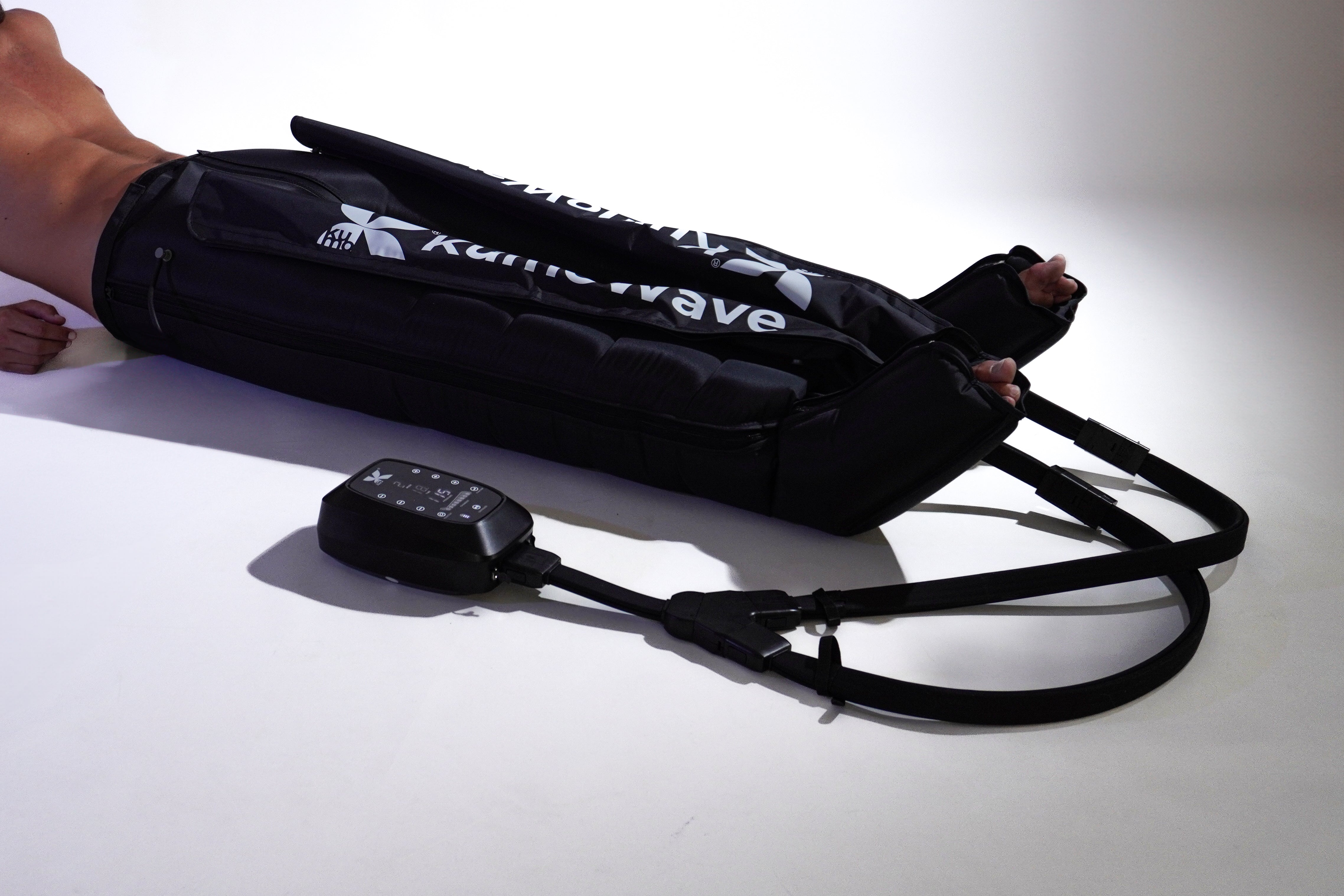
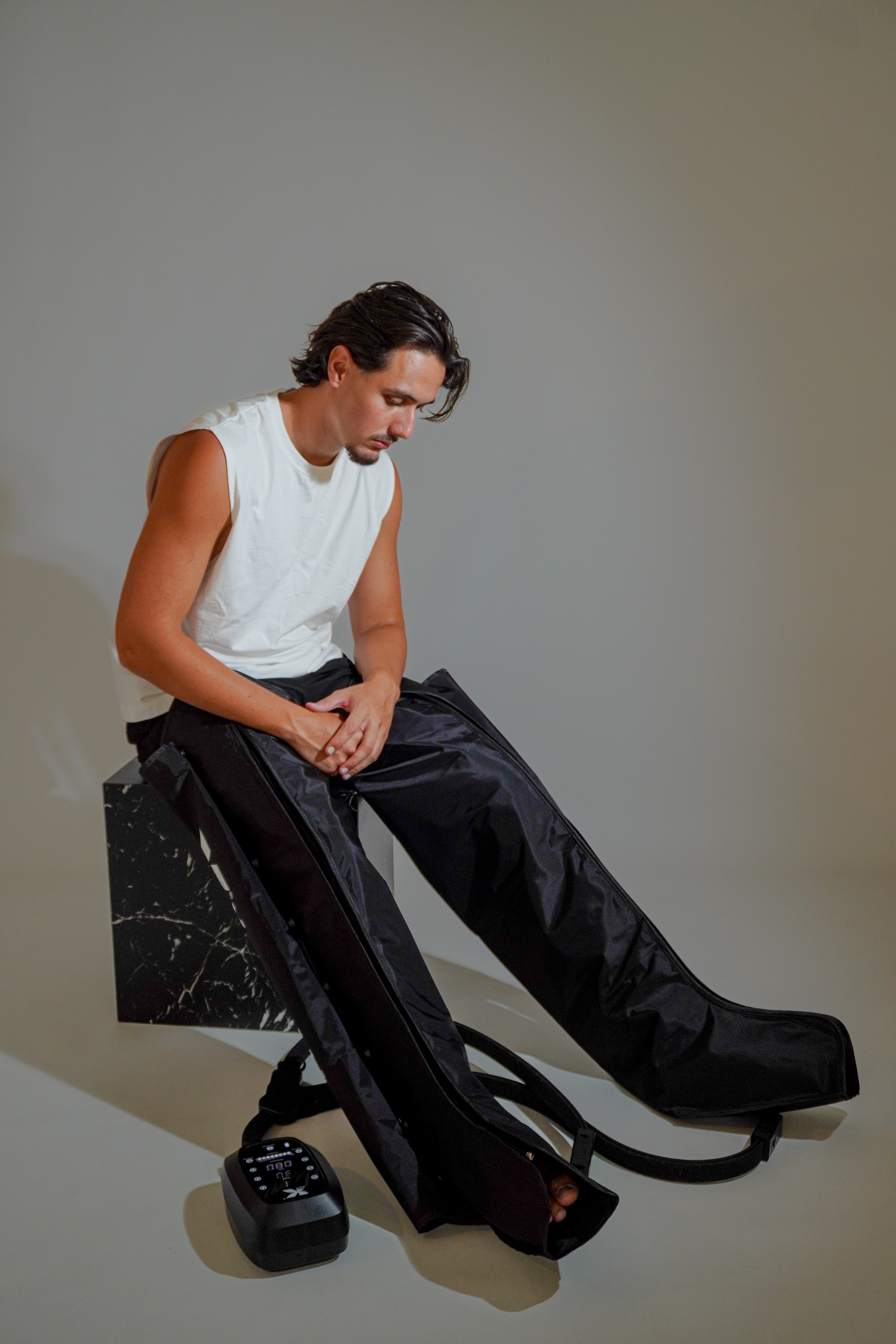
Combined with recovery tools such as Kumo leg compression boots or percussion massage guns , red light therapy can be part of a comprehensive routine to optimize your physical performance and daily energy levels.
3. Regulation of circadian rhythm and sleep quality
Bright blue light at night disrupts melatonin secretion and can make it difficult to fall asleep. Red light, on the other hand, has a much smaller impact on these rhythms and, in some contexts, has been explored to help improve the quality of nighttime rest, especially when used away from bedtime and within guided protocols.
Better sleep means better physical and cognitive recovery, less morning fatigue, and greater mental clarity, which indirectly increases your available energy during the day.
4. Mood and subjective feeling of vitality
Although bright white light is the most studied light therapy for mood disorders, some research is beginning to explore combining different wavelengths (including red) to modulate mood and well-being. If you sleep better, recover faster from workouts, and experience less muscle soreness, it's only natural that you'll feel more motivated to move and tackle your day.
Main applications: skin, muscles, sleep and general well-being
Skin care and regeneration
Red LED therapy is frequently used in aesthetic and dermocosmetic settings because it can:
- Promote the production of collagen and elastin.
- Improve skin microcirculation.
- Accelerate repair in cases of mild redness or tired skin.
The latest generation of LED facial masks , such as those offered by Kumo, allows you to receive these benefits at home, integrating the therapy into your skincare routine while you relax and recover your mental energy.
Muscle recovery and athletic performance
Strength, endurance, and mixed-discipline athletes have incorporated red light therapy into their recovery routines due to its potential for:
- Reduce the feeling of heaviness and muscle stiffness after training.
- Improve recovery between intense sessions.
- Supporting joint and tendon function when combined with good training programming.
Used in conjunction with leg pressotherapy or percussion massage, it creates an optimal environment for your tissues to repair themselves and for you to perform better in your next session.
Support for rest and stress
Brief exposure to red light in the late afternoon, separate from bedtime, is being investigated as a tool to promote relaxation and reduce muscle tension after work or exercise. It is not a substitute for good sleep hygiene (regular sleep schedule, less screen time at night, dark bedroom), but it can be a valuable addition to a self-care routine.
How to use red light therapy to improve your energy
Frequency and duration of sessions
Exact recommendations depend on the device, its power, and the area of the body, but generally, many protocols fall into the following categories:
- 3–7 sessions per week in the area to be treated.
- Approximate duration of 5 to 20 minutes per area depending on the power and the objective (skin, muscle, relaxation).
- Distance to the skin of a few centimeters, as indicated by the manufacturer.
It is important to start with moderate times and frequencies and only increase if you tolerate it well and the device allows it.
Recommended times of day
For most people, the best times for a session are:
- In the morning or at midday for a gentle boost of energy and mood.
- Post-workout to promote muscle recovery.
- Early afternoon if you're looking to use it as a relaxation ritual (leaving enough time before going to sleep).
Avoid very intense sessions right before bed if you notice that they overstimulate you.
Integration with other recovery tools
Red light therapy does not work in isolation; its effect is multiplied when you integrate it into a comprehensive wellness strategy:
- After a massage gun session to release deep tension.
- In combination with pressotherapy boots to activate circulation and relieve tired legs.
- After a mobility routine or gentle stretching to enhance relaxation.
The key is to create consistent rituals: small daily moments dedicated to your physical and mental recovery.
Summary table: objectives and ways of using
Practical summary of uses of red light therapy
| Main objective | Application area | Approximate duration | Time of day | Recommended combination |
|---|---|---|---|---|
| General energy | Face and neck | 10–15 minutes | Morning or midday | Deep breathing, hydration |
| Muscle recovery | Muscles worked | 10–20 minutes per zone | After training | Massage gun, gentle stretching |
| Relief from tired legs | Thighs and calves | 10–15 minutes | Late | Compression therapy boots, leg elevation |
| Skin care | Face | 5–10 minutes | Night (before your facial routine) | Hydrating face masks, skincare routine |
| Relaxation and stress | Shoulders, neck | 10–15 minutes | Late | Breathing, stretching, soft music |
Safety, contraindications and good practices
Is red light therapy safe?
When used with quality devices and according to the instructions, red light therapy is generally considered safe. Unlike UV light, it does not tan or burn the skin, and the energy levels used are low compared to high-powered medical equipment.
However, it is important to follow the manufacturer's instructions, use eye protection when recommended, and not exceed the suggested exposure times.
People who should consult with a healthcare professional first
In the following cases, it is advisable to speak with a doctor or healthcare professional before starting red light therapy sessions:
- Pregnancy.
- Use of photosensitizing medication.
- Serious dermatological diseases or undiagnosed injuries.
- History of photosensitive epilepsy.
- Any chronic condition for which the doctor recommends caution with intense light sources.
Red light therapy is a complementary treatment for well-being and recovery, not a substitute for medical treatment. For persistent pain, extreme fatigue, or prolonged sleep problems, it is essential to consult a healthcare professional.
How to choose a red light therapy device
When incorporating red light therapy into your routine, it's important to consider some key criteria:
LED wavelengths and quality
Quality devices specify the wavelengths they use (for example, around 630–660 nm for red light and 800–850 nm for near-infrared). This helps verify that they fall within the range used in the scientific literature.
Comfort and design for constant use
An effective device is, above all, one that you use consistently. Important elements:
- Ergonomic design (e.g., LED masks that fit the face well).
- Ease of use (timers, predefined programs).
- Compatibility with your lifestyle (size, portability, plug type).
Kumo designs its recovery technologies — including LED light therapy — so that integrating them into your daily life is as simple as putting on a face mask while reading or relaxing on the sofa.
Support and after-sales service
Choosing brands that offer clear information, a guarantee, and accessible customer service is key to resolving usage questions and getting the most out of the therapy. If you need personalized advice, you can always contact the Kumo team through the contact page.
Frequently asked questions about red light therapy
How long does it take for red light therapy to have an effect on energy?
The response is highly individual. Some people notice a slight improvement in their energy levels and muscle recovery after the first 1–2 weeks of consistent use, while others need several more weeks. Red light therapy is not an immediate stimulant like caffeine; its effect is gradual and based on small, cumulative cellular changes. To assess results, keep a record of your sleep quality, muscle fatigue, and mood for at least 4–6 weeks of regular use.
Can I use red light therapy every day?
Many wellness protocols recommend frequent, even daily, use, always within the times and distances specified by the manufacturer. However, more isn't always better: overexposing your skin or tissues may not provide additional benefits and could even lead to mild irritation or discomfort. A good strategy is to start with 3–4 sessions per week, observe your response, and adjust the frequency accordingly, following the device's instructions or consulting a healthcare professional.
Does red light therapy help you sleep better?
Red light interferes less with melatonin production than intense blue light, and some studies are exploring its use as a complementary tool to improve sleep quality and relaxation. However, it's not a magic bullet for insomnia. It works best when combined with healthy habits: regular sleep schedules, avoiding screens before bed, a dark and cool bedroom, and good stress hygiene. If you have chronic sleep problems, always consult a medical professional before relying solely on light therapy.
Does red light therapy replace exercise for increasing energy?
No. Red light therapy can help your muscles recover better and your cells produce energy more efficiently, but it doesn't replace the overall benefits of movement and physical training. Ideally, it should be combined with a regular activity routine, a balanced diet, and adequate rest. Think of light therapy as a recovery and wellness booster, not a shortcut to avoid effort. Integrating it with tools like compression therapy and massage can further enhance your training results.
Is red light therapy painful?
No, red light therapy with LED devices for home use is usually painless. It's perceived as a very gentle warmth or simply a pleasant light sensation on the skin. If at any point you experience burning, pain, or intense discomfort, stop the session and check that you are using the device correctly (distance, time, power). Always be sure to follow the manufacturer's instructions, and if you have any doubts or skin conditions, consult a dermatologist before continuing use.
So what now? Integrate red light therapy into your routine
If you want to boost your daily energy, accelerate muscle recovery, and transform recovery into a true wellness ritual, red light therapy can be a powerful ally. At Kumo, you'll find high-performance recovery technologies—from LED therapy devices to pressotherapy and massage guns—designed to seamlessly integrate into your life. Explore the LED light therapy collection or contact the team through the contact page to get your questions answered and take the next step toward more sustainable energy every day.

Red & infrared light
KumoLux Panel – Red and Infrared LED Panel
★★★★★ 4,8/5 · rated by verified customers
- 660 nm red + 850 nm infrared light
- Full-body muscle recovery
- Clinically validated biohacking protocols
€399,00€499,00· pay in installments with seQura or Klarna