
Red light therapy is no longer a fad: it's a recovery tool with benefits measured in clinical studies. By 2025, the scientific evidence surrounding this light therapy allows us to better understand when, how, and why it can help you… and also its limitations.
The goal of this article is to explain to you, in clear language, what red light therapy is, how it works in your body, what benefits recent studies have shown, and how to safely integrate it into your wellness and performance routine.
Red & infrared light
Recover faster, at home
★★★★★ 4,8/5 · rated by verified customers
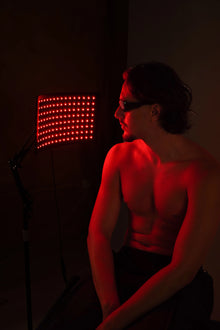
The KumoLux panel supports muscle recovery with full-body red and infrared light.
- 660 nm red + 850 nm infrared light
- Full-body muscle recovery
- Clinically validated biohacking protocols
€399,00€499,00
−10% on your 1st order when you subscribe to the newsletter

What exactly is red light therapy?
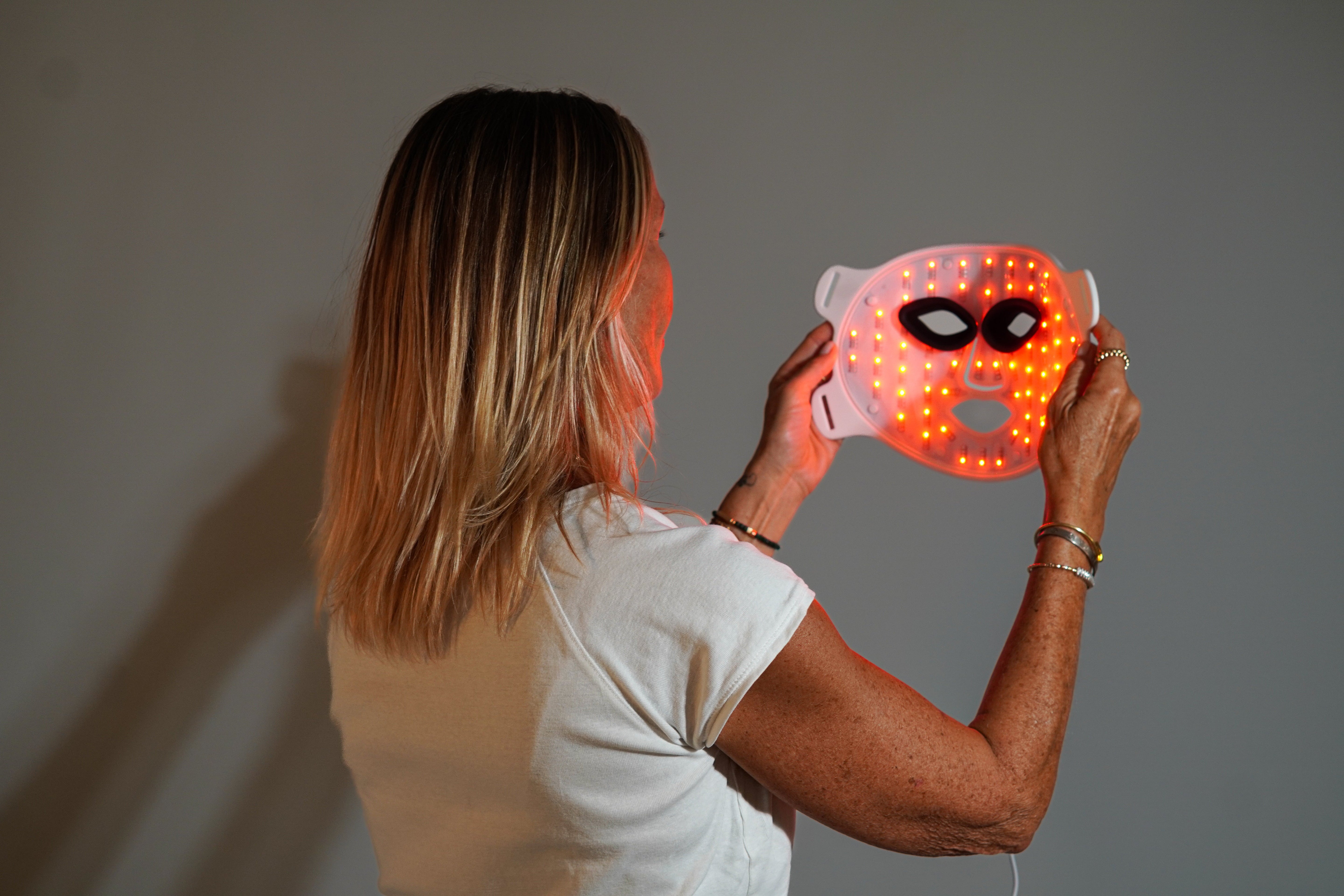
Red light therapy, also called photobiomodulation , involves exposing the skin to low-intensity red and/or near-infrared light, usually using LEDs or mild lasers. The most commonly used wavelengths are approximately between 630–660 nm (red) and 800–850 nm (near-infrared) .
It doesn't heat tissues like a traditional infrared lamp: it works at the cellular level, stimulating biochemical processes. That's why it's used in both facial devices and body panels or muscle recovery equipment.
Personalized protocol · included with your purchase
Want us to tell you how to use it in your case?
With your purchase, our experts set up your red and infrared light sessions for your sport and goal.
Message us on WhatsAppOur experts reply · no obligation
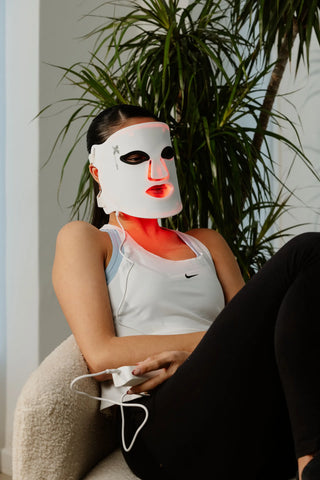
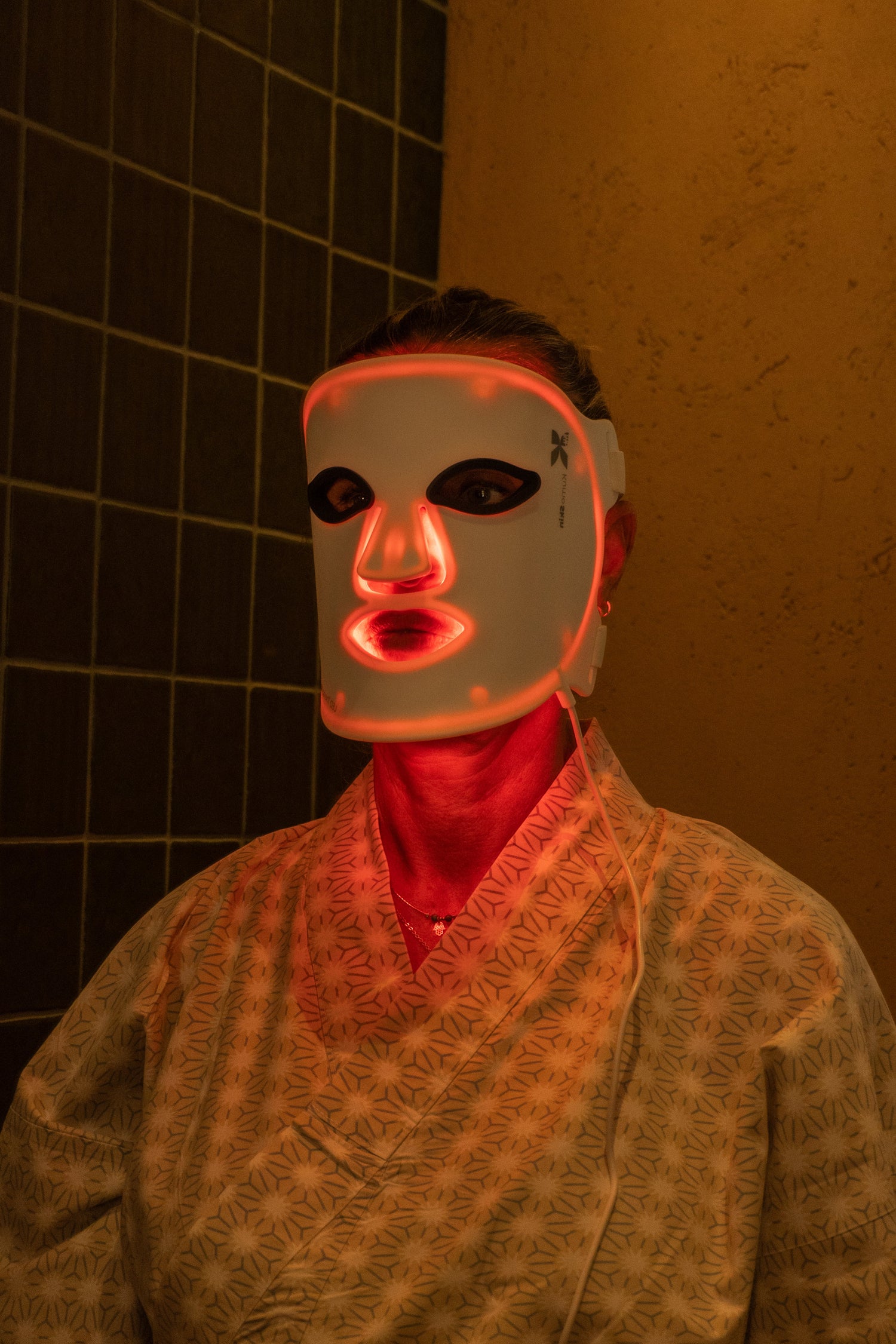
In the case of KUMO, this technology is integrated into LED skin masks and light therapy devices intended for muscle recovery and sleep , consistent with its overall approach to wellness and performance.
How red light affects your body
An extra boost for your mitochondria
The most widely accepted explanation is that red light is absorbed by a key mitochondrial enzyme (cytochrome c oxidase). This absorption enhances the production of ATP , the cell's "energy currency."
This increase in cellular energy is associated with:
on your first order when you join the newsletter
We send you the code instantly. No spam.
- More efficient tissue regeneration
- Reduction of oxidative stress
- Decrease in certain inflammatory markers
In other words, damaged cells have more resources to repair themselves .
Effects on circulation, inflammation and collagen
According to various clinical trials and reviews, photobiomodulation can:
- Promoting local microcirculation , which helps to "carry" nutrients and remove metabolites
- Modulating the inflammatory response , reducing pain in some cases
- Stimulate the synthesis of collagen and elastin in the skin, which explains its cosmetic use
These effects are not magical or instantaneous, but positive trends have been observed in specific contexts when appropriate parameters are used repeatedly.
Science-backed benefits of red light therapy in 2025
Below you will see the areas where the evidence is most interesting today, with the understanding that it does not replace medical treatments , but acts as a complement.
Skin: aging, scars and texture
Several studies have observed that repeated exposure to red and/or near-infrared light can:
- Smooth fine lines and slight wrinkles
- Improve skin texture and radiance
- To accelerate superficial healing in certain contexts
- Modulating inflammation in problems such as mild acne (as an adjunct)
In practice, this translates to LED facial masks designed for short sessions, several days a week. The key is consistency , not a single session.
Pain and joints
Photobiomodulation has been studied as a support in different types of pain:
- Knee osteoarthritis : A 2023 systematic review with meta-analysis concluded that low-intensity light therapy may reduce pain at rest compared to placebo, although with low-quality evidence and a moderate effect. ( pubmed.ncbi.nlm.nih.gov )
- Acute pain : A 2024-2025 meta-analysis of dental injections found that photobiomodulation significantly reduced pain scores on a visual analog scale compared to controls. ( pubmed.ncbi.nlm.nih.gov )
In summary, red light therapy can help reduce pain and disability in some musculoskeletal conditions, especially when combined with exercise, physical therapy, and other strategies recommended by professionals.
Muscle performance and recovery
Sport is one of the fields where this technology has been most researched:
- Controlled clinical trials show that appropriate application of photobiomodulation before exercise can improve muscle endurance and accelerate strength recovery after intense exertion. ( pubmed.ncbi.nlm.nih.gov )
- A 2024 meta-analysis concludes that pre-exercise photobiomodulation moderately improves muscle endurance , strength recovery, and reduces markers of muscle damage such as creatine kinase, especially in athletes and sedentary individuals. ( pubmed.ncbi.nlm.nih.gov )
- In high-performance athletes (including CrossFit® practitioners), well-dosed local applications have been associated with improved functional performance and reduced fatigue up to 48 hours after exertion. ( pubmed.ncbi.nlm.nih.gov )
For those who train hard, this translates into an additional tool to perform better and recover faster , always integrated into a complete routine that includes sleep, nutrition and mobility.
Sleep, melatonin, and circadian rhythms
The relationship between light and sleep is critical:
- A study in healthy adults exposed for 3 hours to red (631 nm) or blue (464 nm) light showed that both initially reduced melatonin, but blue light maintained intense suppression, while red light allowed levels to recover much more. ( pubmed.ncbi.nlm.nih.gov )
- In athletes (elite female basketball players), 14 days of full-body irradiation with red light at night improved sleep quality , increased serum melatonin, and optimized performance in endurance tests. ( pubmed.ncbi.nlm.nih.gov )
That's why many people use dim red light at night as an alternative to white or blue lights: it helps maintain a less disruptive environment for the internal clock and, in some cases, can support better sleep quality.
Summary of benefits and level of evidence (2025)
Table: Main benefits of red light therapy according to current evidence
| Area / Objective | Predominant type of evidence (2025) | Typical target area | Practical commentary |
|---|---|---|---|
| Skin (wrinkles, texture) | Small controlled clinical trials and pilot studies | Face, neck, décolletage | Moderate improvement in texture and luminosity with consistent use. |
| Superficial scarring | Clinical and preclinical studies | Superficial wounds, post-procedures | It can accelerate repair phases; always under medical supervision in complex cases. |
| Joint pain (e.g., knee) | Systematic reviews and meta-analyses with low-to-moderate evidence | Knees, other painful joints | Pain reduction as a complement to physiotherapy and exercise. |
| Post-exercise muscle recovery | Randomized trials, recent meta-analyses | Muscle groups worked | Less fatigue and muscle damage, useful in demanding workouts. |
| Sleep and circadian rhythms | Small human trials | Body or environmental exposure | Red night light is less disruptive than blue light and can support sleep quality. |
How can it help you in your day-to-day life?
Red light therapy is especially interesting if:
- You train frequently and notice persistent muscle fatigue
- You spend many hours sitting and feel heavy legs or muscle overload
- You are concerned about fine lines and loss of skin firmness
- You are a light sleeper and want to optimize your nighttime light hygiene
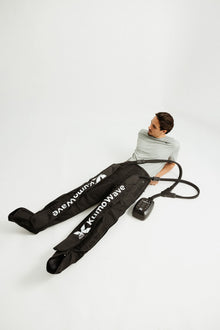
As part of a broader recovery routine, combining light therapy with tools like leg compression therapy , percussion massage, and good sleep hygiene enhances the results. The philosophy of brands like KUMO is based precisely on uniting these technologies in a coherent and easy-to-integrate way into daily life.
How to use red light therapy safely
Important: The information in this section is general and does not replace individual medical advice or the manufacturer's instructions.
Indicative frequency and duration
Each device has its own parameters, but, in general:
- Sessions typically last between 5 and 20 minutes per area
- The typical frequency ranges from 3 to 7 times per week , depending on the objective and tolerance.
- For skin, repeated use over several weeks is usually recommended before assessing results.
- For muscle recovery, many people apply it before or after training , on the worked muscle group.
The key is to follow the team's specific instructions , avoid excessive exposure, and be consistent.
Precautions and contraindications
In general terms, the following is recommended:
- Do not look directly at powerful LEDs without proper eye protection
- Avoid using on suspicious skin lesions , known tumors, or areas with active cancer without medical advice.
- Consult your doctor if you are pregnant , taking photosensitizing drugs, or have eye diseases.
- Do not apply it to areas with implanted electronic devices (pacemakers, etc.) without professional assessment.
If you have a chronic condition or specific doubts, talk to your doctor or physiotherapist before starting any protocol on your own.
Integrate red light into a complete recovery routine
Red light therapy works best when it is part of a comprehensive strategy :
- Sleep : maintain regular schedules, limit blue screens at night and, if desired, use dim red light as ambient lighting.
- Movement : combine strength training with mobility, gentle stretching, and unloading days.
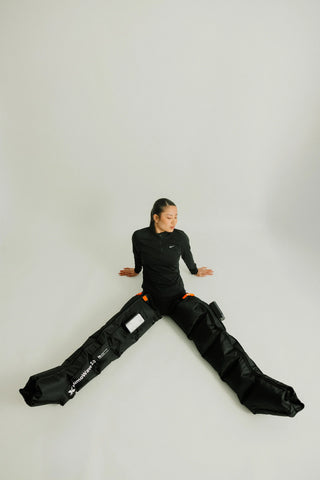
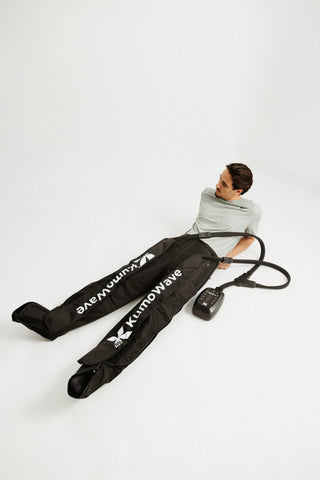
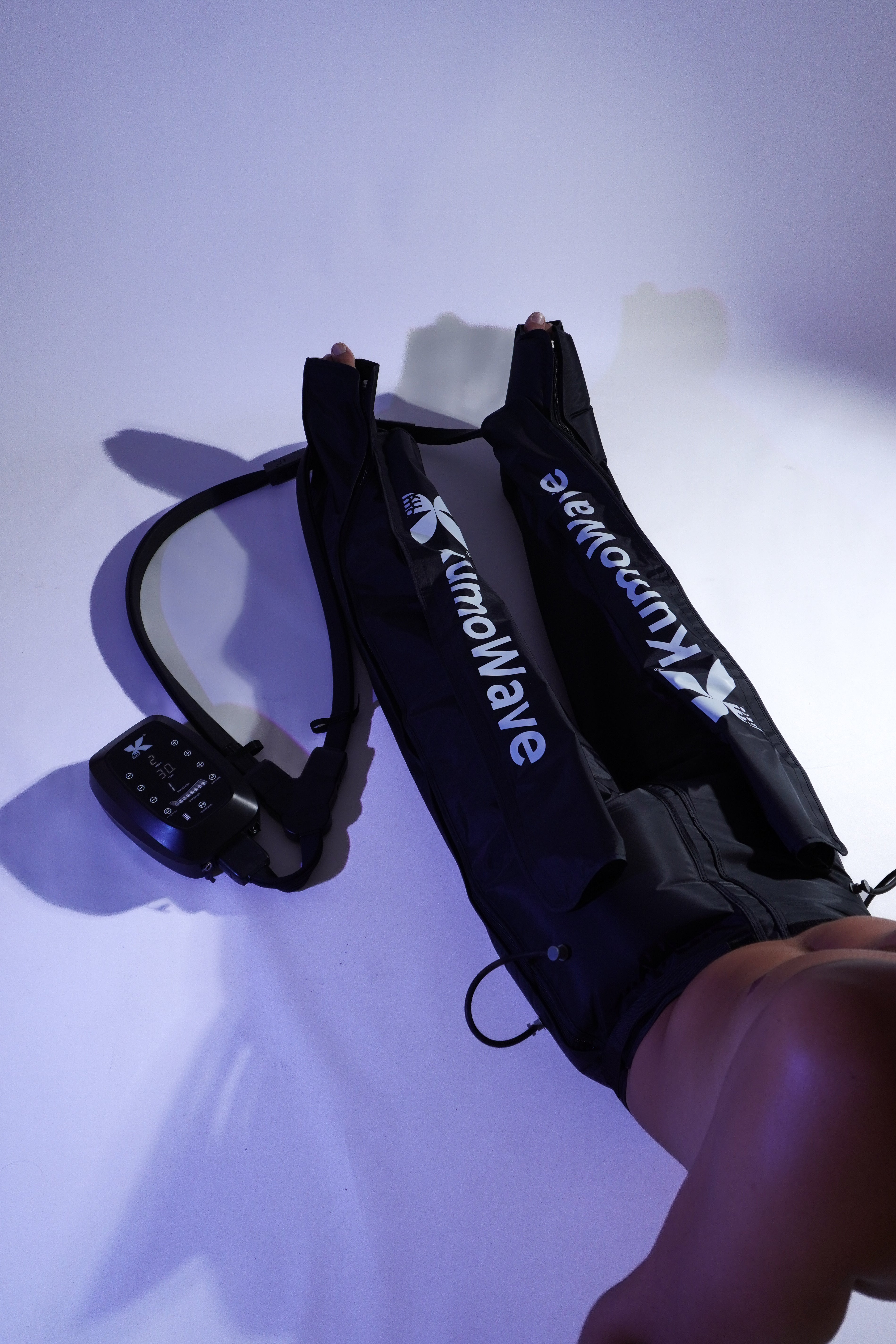
- Circulation : Pressotherapy boots can be an excellent complement to drain and relieve tired legs; explore options in the pressotherapy section.
- Muscle release : a massage gun allows you to release deep tension points; for example, percussion devices such as KUMOPulse Air .
- Skin care : LED masks and light therapy panels are easily integrated into a daily routine or several days a week; you can discover specific devices in the LED light therapy collection.
Combining these tools with proper nutrition and hydration makes recovery a lifelong habit , not just a temporary fix.
Frequently asked questions about red light therapy
How long does it take to see improvement with red light therapy?
It depends a lot on the goal and the starting point. In muscle recovery , some studies observe changes in fatigue and performance markers after just a few well-dosed sessions, even with targeted applications around training. ( pubmed.ncbi.nlm.nih.gov )
In skincare , it typically takes several weeks of consistent use (for example, 3–5 times per week) to see improvements in texture and radiance. For chronic joint problems, the effects are usually gradual and modest, complementing therapeutic exercise and other interventions.
Is red light therapy safe for home use?
In general, low-intensity red and infrared light devices designed for home use have a good safety profile when used according to the manufacturer's instructions. However, direct exposure of the eyes to intense light sources should be avoided, and these devices should not be used on suspicious skin lesions or by individuals with a history of cancer in the affected area without medical consultation.
If you are taking photosensitizing medications, are pregnant, or have an eye condition, it is advisable to speak with your doctor first. If you experience any unexpected reaction (irritation, pain, worsening of symptoms), discontinue use and consult a healthcare professional.
Does red light therapy really help you sleep better?
Red light is not a sleep aid, but it can create a more sleep-friendly environment . Evidence suggests that, compared to bright blue or white light at night, red light is less suppressive of melatonin and allows for a recovery of its levels, thus helping to respect circadian rhythms. ( pubmed.ncbi.nlm.nih.gov )
In studies with athletes, nighttime red light exposure programs have improved subjective sleep quality and some performance indicators. However, results vary between individuals and should always be accompanied by basic healthy habits: regular sleep schedules, reduced screen time, and a suitable sleep environment.
Can I combine red light therapy with intense exercise?
Yes, in fact, much of the research has focused on its application in relation to exercise . Some trials show that photobiomodulation applied before exertion can improve muscle endurance and reduce post-exercise damage, while its use afterward can accelerate recovery and decrease inflammatory markers. ( pubmed.ncbi.nlm.nih.gov )
The key is to respect the dosage and application area indicated by the manufacturer and not use it as an excuse to overtrain . It should be a tool that complements a smart training plan, not replace it.
Who should not use red light therapy devices?
In general, it is advisable to avoid or use red light therapy with extreme caution in:
- People with active cancer in the application area (unless expressly indicated by a doctor)
- Pregnancy, especially over the abdomen or lower back, without professional supervision
- Patients with photosensitive epilepsy or other light-related neurological disorders
- Users of strongly photosensitizing drugs, unless medically approved
If you have any doubts or complex medical conditions, the safest recommendation is to consult your doctor or physiotherapist before incorporating any device into your routine.
So what now?
If you want to integrate red light therapy into your daily routine, the next step is to choose a device that suits your goal: skincare, muscle recovery, or improved sleep. At KUMO, you'll find LED light therapy technologies, pressotherapy, and percussion massage designed to create a complete recovery routine.
If you need more personalized guidance on which solution best suits you, you can contact the team through the contact page and resolve your doubts before taking the next step.

Red & infrared light
KumoLux Panel – Red and Infrared LED Panel
★★★★★ 4,8/5 · rated by verified customers
- 660 nm red + 850 nm infrared light
- Full-body muscle recovery
- Clinically validated biohacking protocols
€399,00€499,00· pay in installments with seQura or Klarna