Light can transform your skincare routine. In this article, you'll learn, step by step, how to safely integrate an LED face mask into your daily skincare routine to get the most out of it.
A well-designed routine with an LED light mask isn't just about wearing it for a few minutes. The order of the products, the frequency, the exposure time, and how it fits into your daily life are all important. Below you'll find a clear guide on what to do before, during, and after using your device, depending on your skin type and your goals (anti-aging, acne, radiance, recovery, etc.).
Facial red light
Bring your skin back to life
★★★★★ 4,8/5 · rated by verified customers
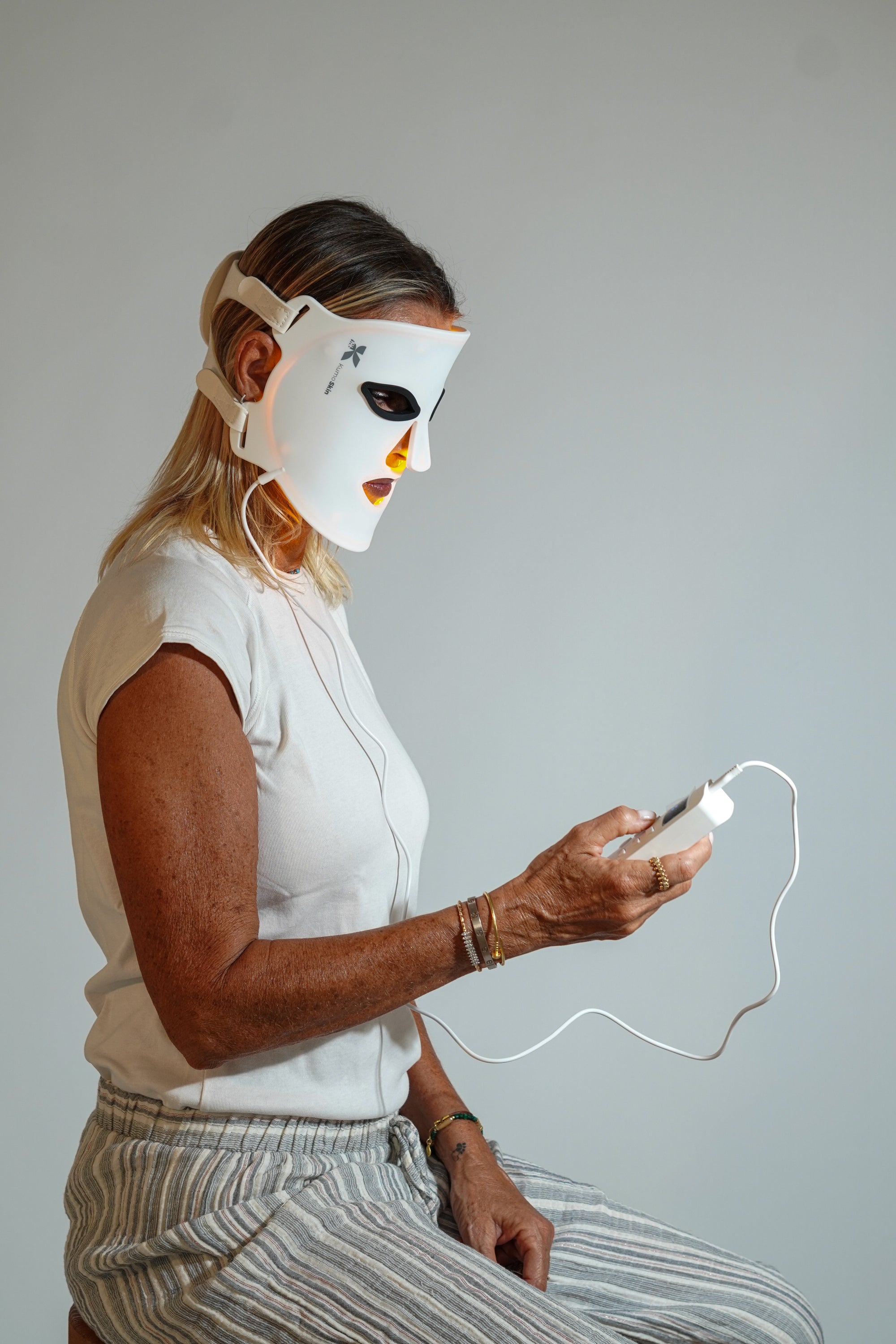
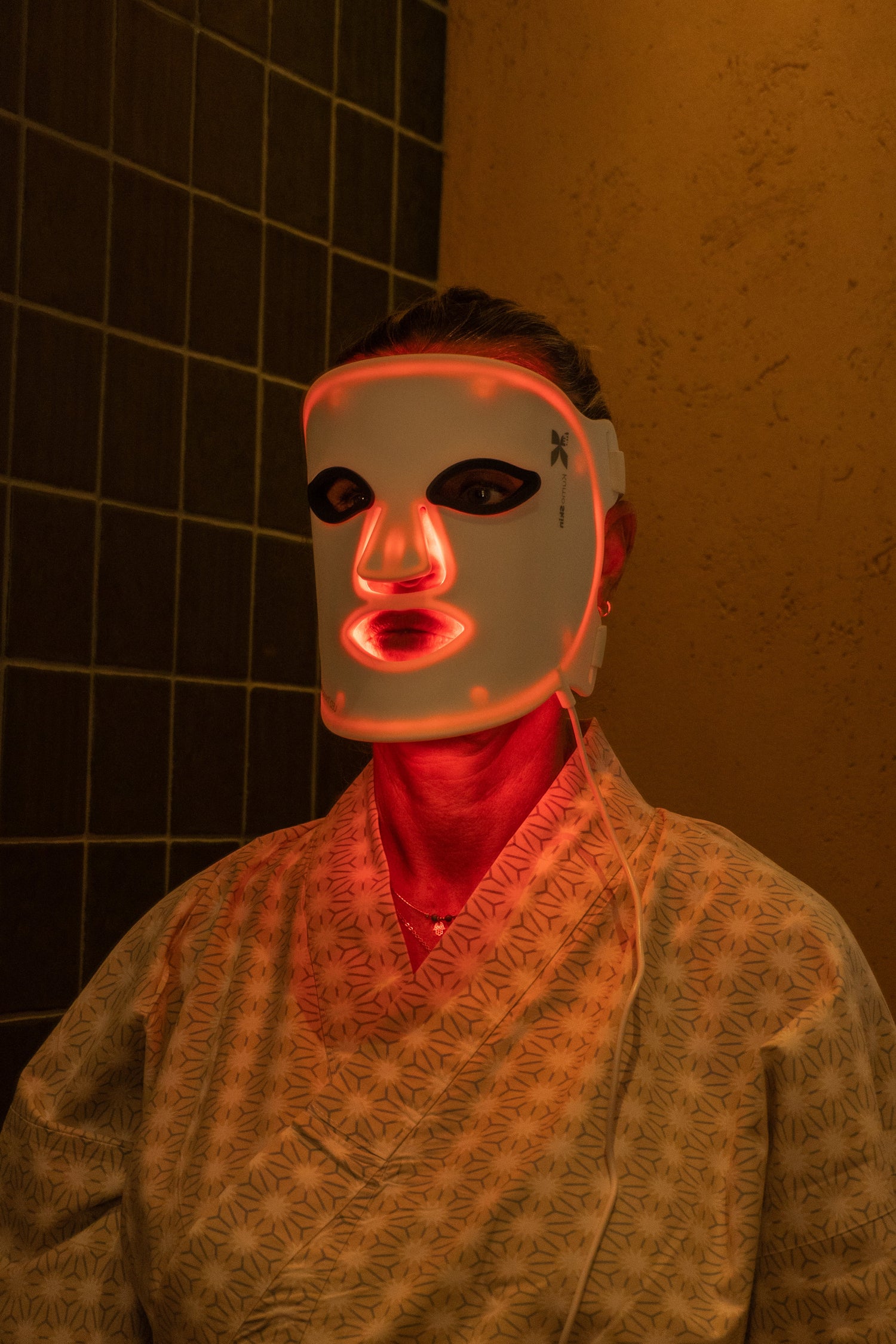
The KumoSkin LED mask helps repair and calm your skin in short sessions at home.
- 250 LEDs in flexible medical silicone
- Red light to boost collagen and glow
- 4 lights: red, infrared, blue and yellow
€299,00€429,00
−10% on your 1st order when you subscribe to the newsletter

What is an LED face mask and how does it work?
An LED facial mask is a device that emits different wavelengths of low-intensity light (red, blue, infrared, etc.) onto the skin. This light does not burn or exfoliate: it acts at a cellular level, modulating processes such as inflammation and collagen production.
- Red light : is associated with collagen stimulation, reduction of fine lines, and improvement of skin texture. ( pubmed.ncbi.nlm.nih.gov )
- Blue light : It is especially used on acne-prone skin because it helps reduce the bacteria involved in breakouts. ( consumerreports.org )
- Near-infrared light : penetrates deeper and is being investigated for its effect on tissue regeneration and repair. ( pubmed.ncbi.nlm.nih.gov )
Unlike medical lasers, LED therapy is usually non-invasive and has zero recovery time, making it ideal for integrating into a daily routine or several times a week at home.
Personalized protocol · included with your purchase
Want us to tell you how to use it in your case?
With your purchase, our experts prepare the ideal LED protocol for your skin type and goal (acne, wrinkles, dark spots...).
Message us on WhatsAppOur experts reply · no obligation
Benefits of including an LED mask in your facial routine
Anti-aging and skin firming
Several studies have observed that red and near-infrared light can increase collagen and elastin synthesis , improving firmness and reducing fine wrinkles. ( pubmed.ncbi.nlm.nih.gov )
In a study with over 100 participants, repeated exposure to red light led to:
- Reduction in wrinkle depth.
- Improved skin surface smoothness.
- Measurable increase in intradermal collagen density. ( pubmed.ncbi.nlm.nih.gov )
Translated to your routine: with consistent use for weeks, you can notice more elastic, luminous skin with a more even texture .
on your first order when you join the newsletter
We send you the code instantly. No spam.
Acne, inflammation and redness
Blue light has been shown to be useful in reducing acne-associated bacteria, while red light helps to calm inflammation and promotes skin repair. ( consumerreports.org )
In recent guidelines from the American Academy of Dermatology , light and lasers are considered a complementary option to improve acne control, especially in people who do not tolerate some topical or systemic treatments well. ( ovid.com )
With a consistent routine, an LED mask can:
- Decrease the frequency and intensity of outbreaks.
- Reduce associated redness.
- Promote a faster recovery after grains.
Luminosity, texture and uniform tone
By improving cell renewal and the skin's inflammatory environment, many people report:
- More luminosity and a "good face effect" .
- Less feeling of dull or tired skin.
- More homogeneous texture, with visually less noticeable pores.
A recent trial of at-home LED masks for under-eye wrinkles showed a significant improvement in the appearance of crow's feet after several weeks of controlled use, with no relevant side effects. ( pubmed.ncbi.nlm.nih.gov )
Preparing your skin before using the LED facial mask
Clean gently, without excessive friction.
Before any session with your LED facial mask , your skin should be:
- Clean , without makeup or sunscreen.
- Free of heavy oils that may reflect light.
- No residue of irritating products applied just before.
Practical recommendations:
- Use a mild cleanser (foam, gel or milk) and warm water.
- Dry with gentle pats, without rubbing.
- Avoid mechanical exfoliation just before treatment to prevent sensitizing the skin.
Products to avoid right before
Some molecules may increase sensitivity or interfere with the comfort of the treatment:
- Retinoids (retinol, tretinoin) : it's best to leave them for the night when you're NOT using the mask, if your skin is sensitive.
- Strong exfoliating acids (high concentration AHA/BHA): use them every other day.
- Perfumes or highly alcoholic formulas : can add unnecessary irritation.
In general, try to apply only a very mild toner or nothing at all before the session. Potent active ingredients are best used afterward (depending on tolerance) or on alternate nights.
Facial routine with LED mask: essential steps
Basic steps of the routine (morning or evening)
A simple and effective structure could be:
-
Gentle cleaning
Remove dirt, sweat, and sunscreen. Dry skin before proceeding. -
(Optional) Hydrating toner
Only if it's very gentle and your skin tolerates it well. -
Session with LED facial mask
Put on the mask, adjust the program (color and time) recommended by the manufacturer and relax. -
Treatment serum
Ideally, use with calming ingredients (hyaluronic acid, niacinamide, peptides). Avoid mixing too many strong active ingredients on the same day. -
Moisturizer
To seal in moisture and strengthen the skin barrier. -
Sunscreen (if the routine is during the day)
Essential for protecting the skin and enhancing any anti-aging or anti-blemish results.
Think of the LED mask as an "accelerator" of your routine, not the main focus. It works best when combined with proper hydration and daily sun protection .
Morning routine vs. evening routine
-
In the morning :
Ideal if you like to start the day with an energy ritual and a "glow effect". - Cleansing → LED mask → hydrating serum → light moisturizer → SPF.
-
At night :
It pairs very well with restorative ingredients. - Cleansing → LED mask → serum (e.g., peptides, niacinamide) → nourishing cream.
- If retinoids irritate you, you can use them on nights other than when you wear a mask.
Summary table: Facial LED mask routine according to your goal
Practical summary of a routine with an LED facial mask
| Main objective | Most common type of light* | Recommended moment | Indicative frequency** | Ideal complementary assets |
|---|---|---|---|---|
| Anti-aging / wrinkle | Red / red + infrared | Evening | 3–5 times/week | Peptides, niacinamide, antioxidants |
| Acne and inflammation | Blue + red | Morning or evening | 3–4 times/week | Niacinamide, zinc, light moisturizers |
| Luminosity and texture | Red | Morning or evening | 2–4 times/week | Hyaluronic acid, gentle vitamin C |
| Sensitive skin | Low intensity red | Evening | 2–3 times/week | Pain relievers (allantoin, panthenol, ceramides) |
* Always follow the instructions on your device.
** Frequencies based on usual recommendations from manufacturers and dermatologists for home-use devices.
Frequency, timing and consistency: the key to results
With LED masks for home use, the results are not immediate : they usually require several weeks of constant use.
- Many devices and experts recommend 10–20 minute sessions, 3 to 5 times per week , for at least 8–12 weeks to see visible changes. ( consumerreports.org )
- After that, you usually move on to a maintenance phase (2-3 times per week).
Tips for maintaining consistency:
- Schedule your sessions as if they were a fixed "appointment" (for example, after your evening shower).
- Take advantage of wearing it to meditate, listen to music, or practice breathing.
- Take regular photos (every 4 weeks) under the same lighting conditions to realistically assess the changes.
Safety, contraindications and good practices
In general, quality, home-use LED face masks have a favorable safety profile when used as directed. ( usdermatologypartners.com )
However, keep in mind:
- Eye protection : Always wear the included safety goggles or appropriate eye protection, especially if the mask emits bright light near your eyes. ( consumerreports.org )
- Very sensitive skin or with pre-existing conditions (active rosacea, severe dermatitis, etc.): consult your dermatologist before starting.
- Photosensitizing medications (some antibiotics, oral retinoids, etc.): require prior medical evaluation.
- Melasma or a tendency towards hyperpigmentation : some specialists warn that heat and certain wavelengths can aggravate these spots in predisposed skin; it is best to have an individual assessment with a professional. ( harpersbazaar.com )
If you notice intense redness, itching, or unusual discomfort, discontinue use and seek medical advice.
How to combine the LED mask with other KUMO recovery habits
Your skin is part of a system: your body and your overall recovery. If you're interested in a more holistic approach to wellness, light therapy can be combined with other technological tools.
At KUMO, the same philosophy behind LED light therapy for the skin extends to technologies designed to optimize muscle recovery and rest:
-
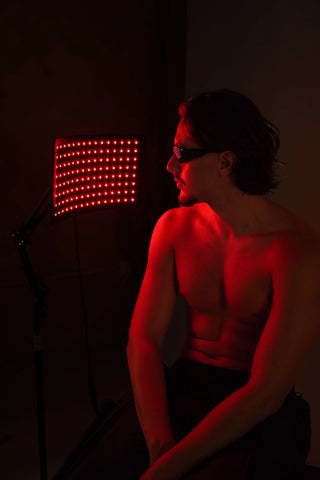
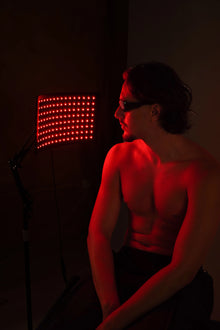
Red light therapy for the body : it can help you create recovery rituals after sports and even improve sleep quality when used at appropriate times.
Explore the LED light therapy collection. -
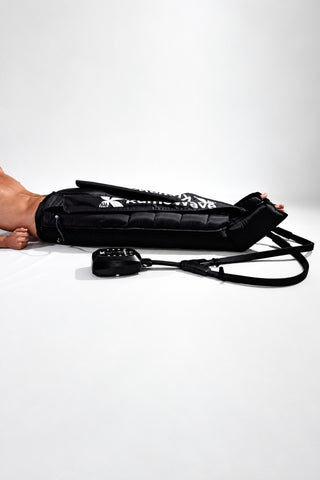
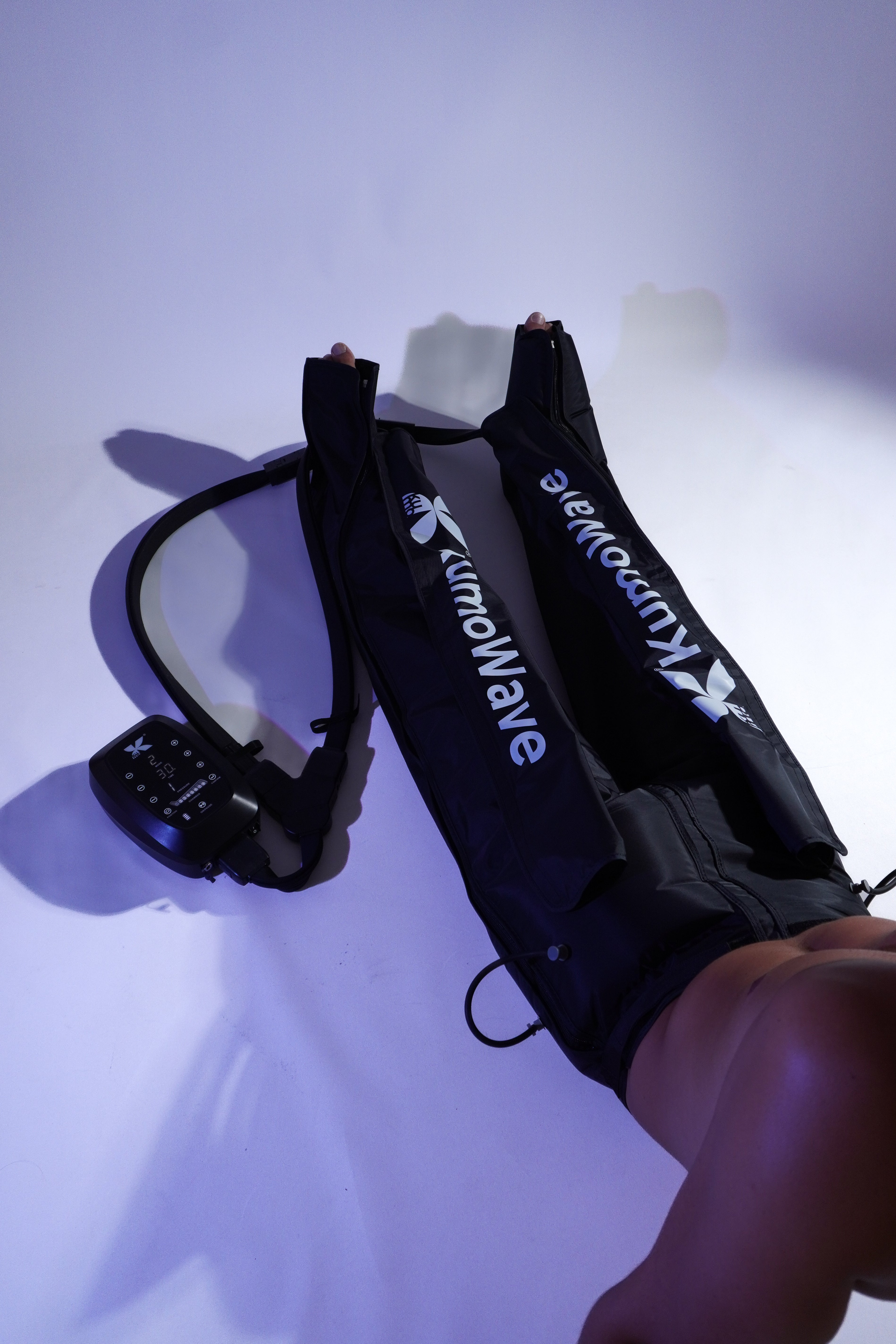
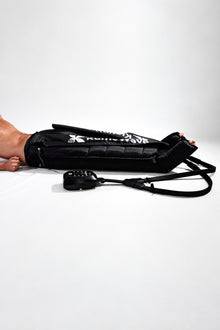
Pressotherapy boots : ideal for activating circulation and relieving the feeling of heavy legs after training or spending many hours standing.
Discover more in the pressotherapy section. -
Massage gun : useful for releasing deep muscle tension and complementing your physical care routine after work or the gym.
Check out the KUMOPULSE Air model.
Integrating these elements into your LED facial mask ritual allows you to create a recovery ecosystem at home, taking care of your skin, muscles, and overall well-being.
Frequently asked questions about the LED face mask
How many times a week should I use an LED face mask?
Most home-use devices recommend using the mask 3 to 5 times per week , with sessions of about 10–20 minutes, for at least 8–12 weeks to see clear results. ( consumerreports.org )
After that initial phase, many people reduce to 2–3 weekly sessions for maintenance. The most important thing is to follow the manufacturer's specific instructions and listen to your skin: if you notice irritation or sensitivity, reduce the frequency or exposure time, and if it persists, consult a dermatologist.
Does the LED facial mask replace my anti-aging creams?
No. Ideally, an LED mask should complement your skincare routine, not replace it. The light works at a cellular level, stimulating processes like collagen production and inflammation modulation, while your creams and serums provide active ingredients (antioxidants, peptides, moisturizers, etc.) that work on the surface and outermost layers of the skin.
The combination of light therapy , well-formulated cosmetics , and daily sunscreen often offers better results than any of these elements alone. Think of the mask as a medium- to long-term boost within a comprehensive skincare plan.
Can I use the LED mask if I have active acne or sensitive skin?
In many cases, yes, but with nuances. Blue light and red light have been used as support in acne treatments, helping to reduce bacteria and inflammation. ( consumerreports.org )
However, if your acne is severe, you're taking photosensitizing medication, or you have highly reactive skin (active rosacea, severe dermatitis, etc.), it's essential to consult a dermatologist before starting. Begin with short sessions, low frequency, and observe your skin's response. If significant irritation occurs, discontinue use and seek professional evaluation.
How long does it take to see results with an LED facial mask?
Improvement is usually gradual , not immediate. Many studies and testimonials indicate visible changes in texture, radiance, and fine lines after 8–12 weeks of consistent use, with several sessions per week. ( pubmed.ncbi.nlm.nih.gov )
In mild inflammatory acne, some people notice less intense breakouts within the first few weeks, while in photoaging (wrinkles, loss of firmness) the results tend to be slower and more subtle. To assess objectively, it's a good idea to take comparative photos each month under the same lighting conditions.
Is it safe to use an LED face mask at home?
LED masks from reputable brands and with appropriate certifications generally have a good safety profile when used according to instructions. ( consumerreports.org )
Even so, precautions should be taken: use eye protection, adhere to the recommended times and frequencies, and avoid using it if you have a history of photosensitive epilepsy, are taking highly photosensitizing medications, or have specific eye or skin conditions without medical supervision. If you experience eye pain, changes in vision, or severe skin irritation, stop using it and consult a healthcare professional.
So what now?
If you want to make your LED facial mask the centerpiece of a more comprehensive care and recovery routine, you can explore all of KUMO's technological solutions for skin, body, and wellness on the homepage . To delve deeper into phototherapy devices, visit the LED light therapy collection, and if you have any questions about which tool best suits your needs, you can get in touch through the contact page. Create your own recovery ritual, at your own pace and in the comfort of your own home.

Facial red light
KumoSkin Mask – LED Facial Mask
★★★★★ 4,8/5 · rated by verified customers
- 250 LEDs in flexible medical silicone
- Red light to boost collagen and glow
- 4 lights: red, infrared, blue and yellow
€299,00€429,00· pay in installments with seQura or Klarna