
Swollen legs don't appear by chance. When fluid retention affects the ankles, feet, or calves, it's most likely peripheral edema, an excess of fluid trapped in the tissues that appears most frequently in the legs and feet. Mayo Clinic and MedlinePlus link it to prolonged sitting or standing, eating too much salt, pregnancy, and some medications. (mayoclinic.org)
The good news is that many mild forms improve with movement, elevation, less sodium, and compression when indicated. But swelling in a single leg, pain, redness, or shortness of breath necessitate thinking about more serious causes and seeking prompt medical attention. (medlineplus.gov)
Pressotherapy at home
End the day with light legs
★★★★★ 4,8/5 · rated by verified customers
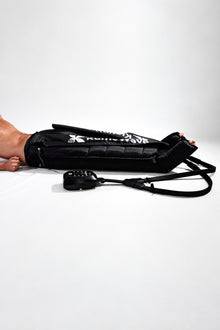
KumoWave pressotherapy boosts circulation and helps drain fluid with sequential compression, in 20-minute sessions at home.
- Boosts circulation and helps drain fluid
- Chamber-based compression, adjustable to you
- Sequential compression that mimics manual drainage
€799,00€999,00
−10% on your 1st order when you subscribe to the newsletter

What is fluid retention in the legs?
In practice, it is edema: fluid that leaks from capillaries and accumulates in tissues. It is usually more noticeable at the end of the day and can leave a temporary mark when pressing the skin, which is known as pitting edema.
Why it happens
Frequent and often reversible causes
The most common reasons are quite commonplace: spending many hours sitting or standing, eating too much salt, being pregnant, premenstrual period, and certain drugs, such as anti-inflammatories, steroids, estrogens, and some medications for blood pressure, diabetes, or nerve pain. In summer, swelling can also become more evident.
Personalized protocol · included with your purchase
Want us to tell you how to use it in your case?
With your purchase, our experts prepare a personalized usage protocol for your case: sport, circulation, fluid retention, pregnancy or lipedema.
Message us on WhatsAppOur experts reply · no obligation
If you want a more practical version of these tips, habits, foods, and exercises that do help outlines an easy-to-apply routine.
MedlinePlus notes that slight leg swelling is common in the summer months, especially if you spend a lot of time standing or walking. If this is your case, fluid retention in summer expands on this scenario. (medlineplus.gov)
Causes that deserve more attention
When the problem is not merely functional, the cause may be venous insufficiency, lymphedema, or heart, kidney, or liver disease. Mayo Clinic also reminds us that pain and swelling in a single leg can indicate deep vein thrombosis. An infection or local injury can also inflame the leg.
on your first order when you join the newsletter
We send you the code instantly. No spam.
How to guide yourself according to the swelling pattern
| Situation | What it usually suggests | What to do |
|---|---|---|
| Both legs swell more at the end of the day. | Usually points to prolonged posture, salt, or heat. | Walk, elevate your legs, and reduce sodium. |
| One leg is more inflamed, red, or painful. | Could be thrombosis or infection. | Seek medical evaluation on the same day. |
| Swelling appears with shortness of breath or chest pain. | May be related to heart or clots. | It's an emergency. |
| Started after pregnancy or medication change. | Can be a common trigger. | Discuss it with your healthcare professional. |
How to relieve it simply
The key is to aid venous and lymphatic return: move, activate the calf, elevate the legs, and reduce excess sodium. MedlinePlus and Mayo Clinic agree on these measures, and Cleveland Clinic notes that compression can also improve blood flow in the lower legs.
- Walk regularly and stand up every so often if you spend many hours sitting or standing. (medlineplus.gov)
- Elevate your legs above your heart when resting.
- Reduce salt and highly processed foods if you notice recurrent swelling.
- Use compression if indicated by a healthcare professional. (mayoclinic.org)
- Review your medications if the swelling began after a change in treatment.
Useful leg exercise
Intense training is not necessary. The important thing is to activate the calf "pump": walk, get up often, and perform gentle flexion and extension movements of the legs or ankles when you've been sitting for a long time. MedlinePlus recommends gentle exercises to help blood return to the heart, and Mayo Clinic reminds us that moving and using the muscles in the swollen area can help move fluid.
And can pressotherapy help?
Pressotherapy fits best as support when there is a feeling of heaviness, working on your feet, or mild venous edema. In a 2022 crossover trial with 39 people who worked on their feet more than 8 hours a day, intermittent pneumatic compression and compression stockings reduced edema and discomfort; a 2021 study described it as a widely used therapy to prevent thrombosis and treat lymphedema and chronic venous insufficiency. (pubmed.ncbi.nlm.nih.gov)
If you are interested in the physical mechanism, what pressotherapy is and how it works is explained step by step. You can also delve into the benefits of pressotherapy according to science or the approach focused on heavy legs in pressotherapy for legs to relieve heaviness.
When to consult without delay
Seek medical attention if swelling appears suddenly, if it affects only one leg, if there is pain, warmth, redness, fever, shortness of breath or chest pain, or if you are pregnant and the increase is sudden or more than mild. If self-care does not help or the edema worsens, it should also be reviewed.
For an overall view of signs, causes and solutions, you can also review fluid retention: causes, symptoms and solutions.
FAQ about fluid retention in the legs
What causes fluid retention in the legs and how to relieve it?
The most common causes are prolonged sitting or standing, excess salt, pregnancy, and some medications. Venous insufficiency, lymphedema, and heart, kidney, or liver disease can also play a role. To relieve it, moving more, elevating the legs, reducing sodium, and using compression if advised usually help. If the swelling is unilateral or painful, it is advisable to rule out thrombosis.
What exercises are effective in reducing fluid retention in the legs?
The most useful ones are walking, taking active breaks, and frequently moving ankles and legs to activate the calf. MedlinePlus recommends gentle exercises to help blood return to the heart, and also suggests getting up and moving frequently if you spend a lot of time sitting or standing. Intense exercise is not necessary: regularity matters more than intensity.
How can I eliminate fluid retention in my legs without using diuretics?
In many mild cases, it improves without diuretics with simple habits: more movement, less salt, leg elevation, and compression when appropriate. Mayo Clinic indicates that moving the muscles in the swollen area can help move fluid, and that compression and sodium reduction usually relieve edema. However, if the cause is an illness, treating that cause is decisive.
What are the warning signs of fluid retention in the legs that require medical attention?
Warning signs include sudden or unilateral swelling, calf pain, redness, local warmth, fever, shortness of breath, and chest pain. During pregnancy, a sudden or more than mild increase also warrants review. If the edema does not improve with self-care or worsens, medical evaluation should be sought as soon as possible.
Can fluid retention in the legs indicate heart problems or other health issues?
Yes, it can be a sign of heart failure, kidney or liver disease, venous insufficiency, lymphedema, or even deep vein thrombosis. Therefore, it's not advisable to assume it's always just a temporary problem. The pattern matters: if it's bilateral and mild, it usually points more to habits or posture; if it's unilateral, painful, or accompanied by shortness of breath, it needs to be investigated.
What now?
If swelling recurs, start by correcting daily habits, and if you are looking for compression support for heavy legs, check out the home pressotherapy collection. You can also learn about Kumo Balance's general approach before deciding which solution best fits your routine.
KumoWave pressotherapy
Choose your at-home pressotherapy
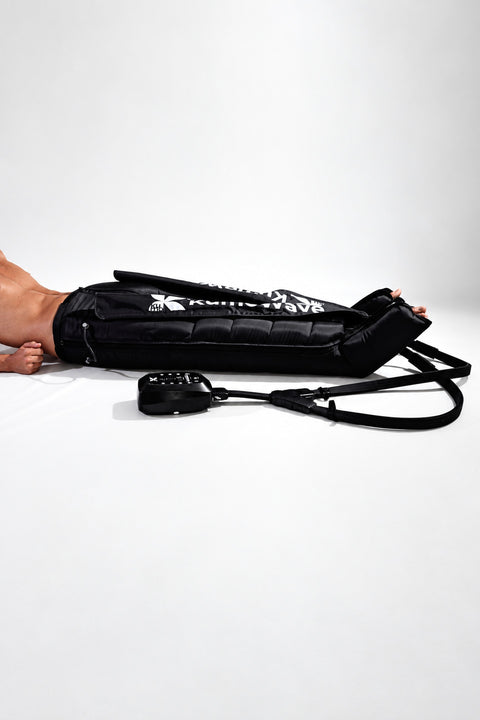
KumoWave Elite – Pressotherapy Pants
Full-coverage trousers. Ideal for lipedema, fluid retention and intensive use.
€799,00 €999,00
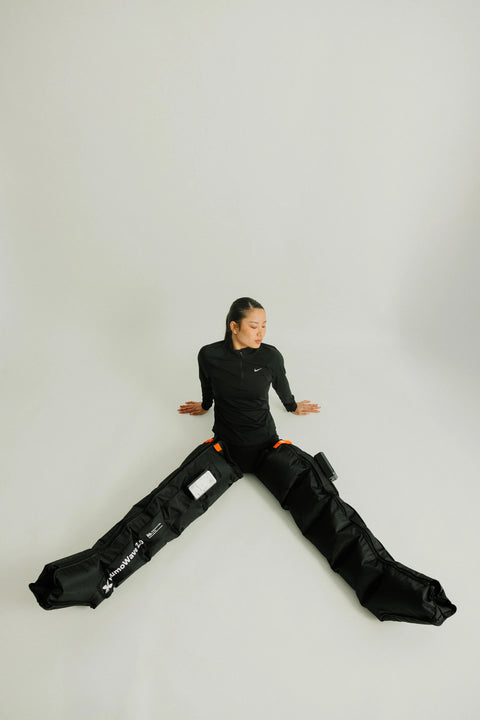
KumoWave 2.0 - Wireless Pressotherapy
Wireless, lightweight boots. Perfect for daily use and recovery.
€499,00 €599,00