

Fluid retention makes you feel swollen and heavy. It occurs when too much fluid accumulates in the tissues and can be noticed in the legs, ankles, hands, or face. Sometimes it's temporary; other times, it indicates a problem that needs treatment.
The most common causes range from spending too much time sitting or standing, consuming too much sodium, or being pregnant, to the effects of certain medications or diseases of the heart, kidneys, or liver. If it appears suddenly, affects only one leg, or is accompanied by chest pain or shortness of breath, seek medical attention.
Pressotherapy at home
End the day with light legs
★★★★★ 4,8/5 · rated by verified customers
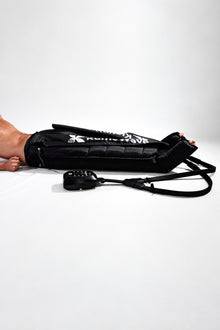
KumoWave pressotherapy boosts circulation and helps drain fluid with sequential compression, in 20-minute sessions at home.
- Boosts circulation and helps drain fluid
- Chamber-based compression, adjustable to you
- Sequential compression that mimics manual drainage
€799,00€999,00
−10% on your 1st order when you subscribe to the newsletter

What exactly is fluid retention?
Swelling from edema appears when water accumulates at a point in the body and drainage does not compensate for that excess. The NIH article in Spanish on body swelling summarizes this idea well: edema can appear in the feet, legs, ankles, hands, or even the face, and it doesn't always have the same cause. (salud.nih.gov)
How edema forms
In simple terms, the problem usually appears when capillaries leak more fluid than the venous and lymphatic systems can remove. That's why fluid retention is more visible in areas where gravity makes return difficult, such as the legs and ankles.
Personalized protocol · included with your purchase
Want us to tell you how to use it in your case?
With your purchase, our experts prepare a personalized usage protocol for your case: sport, circulation, fluid retention, pregnancy or lipedema.
Message us on WhatsAppOur experts reply · no obligation
Most common causes
The Mayo Clinic guide on edema makes it clear that the causes range from daily habits to diseases that require a medical approach. Understanding the origin is key because not all swelling is treated the same way.
- Excess sodium. Eating too many salty foods causes the body to retain water and worsen swelling.
- Too much time in the same posture. Remaining seated or standing for hours, especially in hot weather, can cause fluid to accumulate in the legs.
- Pregnancy and hormonal changes. Menstruation and pregnancy can promote more visible retention, especially in the legs and ankles.
- Medications. Some drugs, such as certain antihypertensives, anti-inflammatories, corticosteroids, estrogens, and diabetes medications, can contribute to edema.
- Heart, kidney, or liver problems. When one of these systems is not functioning well, fluid can accumulate more easily in the legs, abdomen, or throughout the body.
- Lymphatic system disorders or trauma. Surgery, injury, or lymphatic damage can slow drainage and produce persistent edema.
Accompanying symptoms
If you want to review specific signs, you can also see these 10 symptoms you should know. Fluid retention is usually recognized by a combination of visible swelling, a feeling of heaviness, and changes in the skin or weight.
- Swollen ankles, feet, or legs. These are the most common areas because fluid tends to accumulate easily there.
- Sock marks or skin indentations. When swelling leaves an indentation upon pressing, it is called pitting edema.
- Heaviness, tightness, or discomfort. The body can feel "loaded" and mobility of the legs or hands becomes less comfortable. (newsinhealth.nih.gov)
- Swelling in hands, fingers, or face. Not all edema appears in the legs; it can also be noticed in upper body areas.
- Rapid weight gain in a short time. MedlinePlus indicates that fluid accumulation can cause weight to increase noticeably in days or weeks. (medlineplus.gov)
Quick summary: when it seems mild and when it doesn't
| Situation | What it might mean | What to do |
|---|---|---|
| Swelling at the end of the day after much heat or many hours sitting. | Usually points to mild, functional edema, related to posture, heat, or excess sodium. | Move, elevate your legs, and reduce salt for a few days. (mayoclinic.org) |
| Repeatedly swollen feet and ankles. | There may be venous insufficiency, fluid retention, or a combination of both. | Consider compression, elevation, and medical review if it recurs. |
| Swelling in only one leg with local pain or warmth. | This is a warning sign because it can be related to deep vein thrombosis. (medlineplus.gov) | Seek medical attention without delay. |
| Swelling in face, hands, and legs all at once, or rapid weight gain. | May suggest a systemic cause, a complicated pregnancy, or a drug side effect. | Consult to find the cause and adjust treatment. |
Solutions that really help
If you're looking for a practical approach, you can delve deeper into how to naturally eliminate fluid retention with habits, foods, and exercises that truly help. The most useful approach is usually to combine small daily changes with a review of the actual cause.
on your first order when you join the newsletter
We send you the code instantly. No spam.
Practical 5-step plan
- Reduce sodium. The CDC reminds that the federal recommendation for adolescents and adults is to keep sodium below 2,300 mg per day, and MedlinePlus notes that limiting salt helps reduce swelling. (cdc.gov)
- Move frequently. Walking, activating calf muscles, and avoiding prolonged immobility promotes the return of blood and fluid to the heart.
- Elevate your legs. Raising your legs above heart level several times a day can help reduce inflammation when swelling is concentrated in the lower limbs.
- Use compression if indicated. Compression stockings or garments can help prevent fluid from accumulating in the ankles and calves.
- Review the cause if it doesn't improve. If edema persists, the professional may request blood tests, ultrasound, or venous studies, and adjust medications if they are the source of the problem.
Compression and pressotherapy as support
External compression is often one of the most useful measures when edema affects the legs and ankles. Cleveland Clinic explains compression therapy as a way to improve blood flow in the legs and limit fluid accumulation. In parallel, an NCBI review on intermittent pneumatic compression found variable results depending on the pressure, regimen, and cause of the edema, so it usually works better as a complement than as a sole solution.
Therefore, if the swelling is mainly concentrated in the legs, you might be interested in understanding why it occurs in the legs and how to alleviate it. The logic is simple: reduce the pressure that promotes accumulation and facilitate fluid return.
When the origin is medical, treating the cause changes everything
If retention appears due to medication, a heart, kidney, or liver disease, or a lymphatic problem, the most effective approach is to treat the source. Mayo Clinic indicates that the professional may change a medication, request tests, or consider diuretics when they are truly indicated; MedlinePlus, for its part, summarizes that elevating the legs, using support stockings, and limiting salt are useful supportive measures.
Fluid retention in legs and ankles: what to do first
If the swelling is concentrated in the lower extremities, you can find more information in this article about fluid retention in the legs. In practice, what helps most is usually to move more, rest with your legs elevated, and use compression only when it makes sense for your case.
When you should consult a doctor without delay
Not all swelling is the same. There are signs that require prompt medical evaluation because they can indicate a more serious problem, such as deep vein thrombosis, heart failure, or a significant reaction.
- Swelling in only one leg. If it appears new, painful, or more pronounced than in the other, it should be ruled out quickly.
- Chest pain or pressure. It can be an emergency, especially if it coincides with shortness of breath or recent immobility. (medlineplus.gov)
- Shortness of breath. When swelling is accompanied by difficulty breathing, it is not advisable to wait to see if it goes away on its own. (mayoclinic.org)
- Rapidly progressing swelling. If edema worsens in a short time or affects several areas of the body, it needs medical review.
- Face or mouth swelling with possible allergy. When edema is associated with an allergic reaction, it can be an emergency. (my.clevelandclinic.org)
FAQ about fluid retention
What is fluid retention and why does it occur?
Fluid retention, also called edema, is the accumulation of water in the body's tissues. It can appear in the legs, ankles, hands, face, or in several areas at once. It is usually due to excess sodium, immobility, pregnancy, medications, or diseases that hinder venous or lymphatic return or fluid balance. When swelling is new or does not improve, it is advisable to look for the cause instead of just trying to "reduce swelling."
What are the most common causes of fluid retention?
The most common causes are eating too much salt, sitting or standing for long periods, heat, pregnancy, and some medications. Venous insufficiency, heart, kidney, or liver problems, and lymphatic system disorders can also play a role. In other words, fluid retention can be an isolated symptom or a clue to a broader condition. That's why it's important to observe whether it is mild, recurrent, unilateral, or generalized.
What symptoms are associated with fluid retention in the body?
The most common symptoms are visible swelling, a feeling of heaviness, skin tension, and sock marks or indentations. In some cases, pitting edema appears, which leaves an indentation when pressed. There can also be rapid weight gain, difficulty moving comfortably, or swelling in the hands and face. If swelling comes with intense pain, shortness of breath, or chest pain, it is no longer a simple cosmetic issue.
How can I reduce fluid retention naturally?
The most useful approach is usually to combine habits: reduce sodium, walk more, activate your legs during the day, elevate them when resting, and review whether any food or medication is worsening the swelling. Better distribution of standing or sitting periods also helps. MedlinePlus and Mayo Clinic agree that these measures can alleviate mild edema, although if the origin is medical, the real solution involves treating it. (medlineplus.gov)
What treatments are available for fluid retention in the legs and ankles?
For legs and ankles, the most common treatments are limb elevation, compression stockings, gentle exercise, and correcting the underlying cause. If edema is due to a medication, a change may be considered; if it's due to a disease, the focus will be on that specific problem. Diuretics are used in selected cases and always with medical discretion. If only one leg swells or there is pain and shortness of breath, a medical review should be sought as soon as possible.
What now?
If swelling recurs, start with these habits, foods, and exercises that do help, and if you notice more heaviness in your legs, review how to relieve it in the leg area. To follow the complete approach to recovery and well-being, return to the Kumo Balance homepage.
KumoWave pressotherapy
Choose your at-home pressotherapy
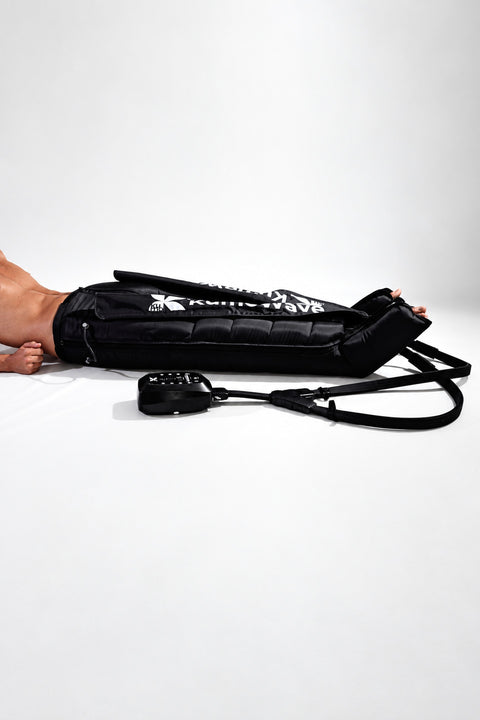
KumoWave Elite – Pressotherapy Pants
Full-coverage trousers. Ideal for lipedema, fluid retention and intensive use.
€799,00 €999,00
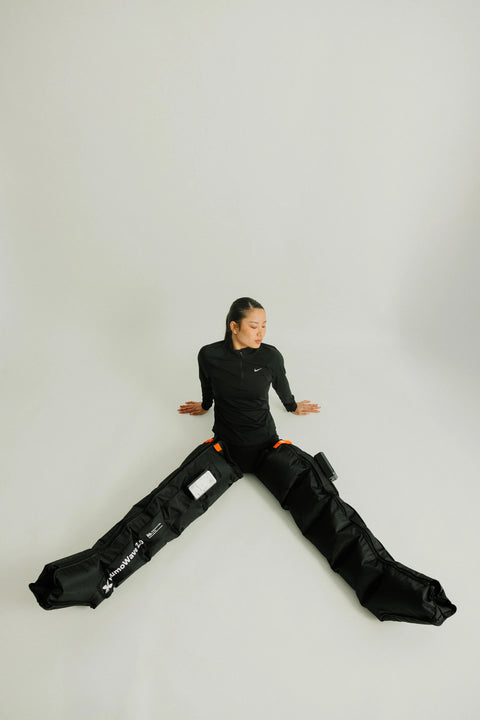
KumoWave 2.0 - Wireless Pressotherapy
Wireless, lightweight boots. Perfect for daily use and recovery.
€499,00 €599,00