Pressotherapy at home: real results in 4 weeks with a clear and measurable plan.
If you're wondering what improvements you can expect in a month with compression boots, here's the short answer: less heaviness in your legs, better recovery after exercise, and a feeling of lightness every day, provided you follow a consistent and safe protocol. Below you'll find a 4-week plan, how to measure your progress, and best practices to make every session count. If you're new, start today with simple, specific goals.
Pressotherapy at home
End the day with light legs
★★★★★ 4,8/5 · rated by verified customers
KumoWave pressotherapy boosts circulation and helps drain fluid with sequential compression, in 20-minute sessions at home.
- Boosts circulation and helps drain fluid
- Chamber-based compression, adjustable to you
- Sequential compression that mimics manual drainage
€799,00€999,00
−10% on your 1st order when you subscribe to the newsletter

In a little while
- 3–5 weekly sessions, 15–30 minutes, low to medium intensity, adjusted to your comfort.
- Typical results in 4 weeks: less swelling and heaviness, better recovery and more energy in the legs.
- Measure progress with circumferences (ankle/calf), heaviness scale (0–10) and sleep quality.
- Avoid using if you have contraindications (e.g., thrombosis) and consult if you have any doubts.
- Incorporate helpful habits: hydration, walking, sleep, gentle stretching.
What is pressotherapy and why can it produce results in 4 weeks?
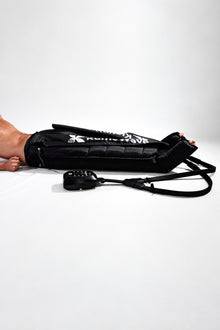
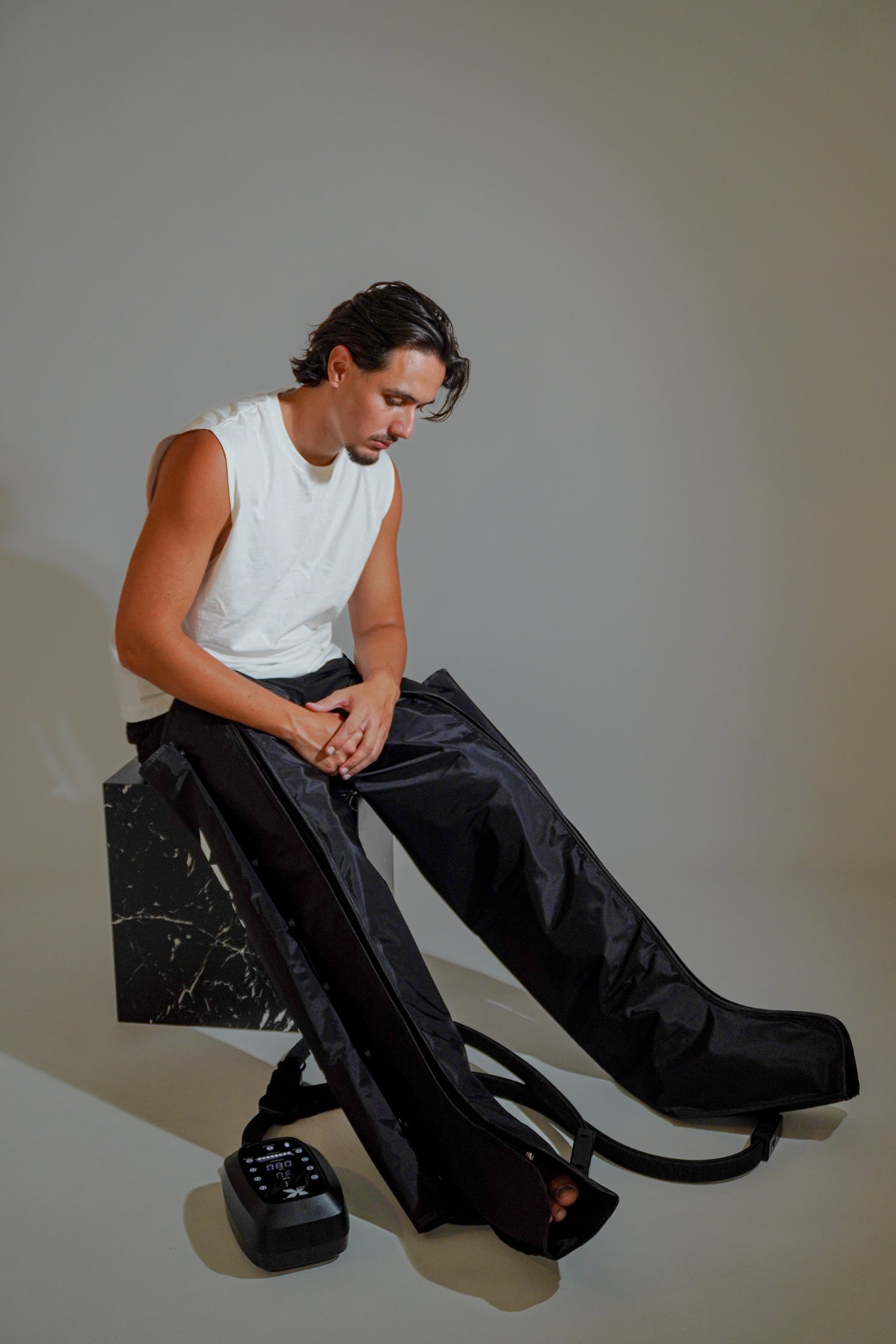
Pressotherapy (intermittent pneumatic compression) applies sequential and rhythmic pressure to the legs (or arms) to promote venous and lymphatic return. At home, it is performed with compression boots that alternate inflation and deflation cycles, mimicking a deep, targeted massage.
- In vascular health, pneumatic compression has shown utility in improving fluid return and reducing edema in different clinical contexts, according to high-quality reviews such as Cochrane (2014) Intermittent pneumatic compression for venous leg ulcers .
- In sports recovery, mechanical compression is a complementary aid that can reduce the perception of delayed onset muscle soreness and accelerate the feeling of recovery, according to syntheses in exercise science published in Frontiers in Physiology, 2018 and Sports Medicine – Open, 2020. Although many reviews focus on compression garments, the mechanical principles (external compression that promotes the clearance of metabolites and the return of fluids) are shared with pneumatic boots.
Practical tip: consistency is better than intensity. Four weeks of a regular routine is worth more than two very long, sporadic sessions.
Personalized protocol · included with your purchase
Want us to tell you how to use it in your case?
With your purchase, our experts prepare a personalized usage protocol for your case: sport, circulation, fluid retention, pregnancy or lipedema.
Message us on WhatsAppOur experts reply · no obligation
How it works in the short term
- It promotes the return of venous blood and lymph, relieving the feeling of heaviness and "tired legs".
- It reduces the accumulation of interstitial fluids after prolonged periods of standing or intense training.
- It induces a "massage" effect that can improve the perception of relaxation and subsequent rest.
To understand the home use and general safety of sequential compression devices, consult the guidance from a leading healthcare center such as Cleveland Clinic and the lymphedema best practice recommendations from the International Lymphoedema Framework .
4-week plan: what to do and what results to expect
Table: Suggested protocol for home pressotherapy (4 weeks)
| Week | Main objective | Frequency | Duration per session | Indicative intensity | Signs of progress |
|---|---|---|---|---|---|
| 1 | Adaptation and safety | 3–4 days/week | 15–20 min | Low (comfortable) | Less heaviness at the end of the day; better leg rest |
| 2 | Consistency | 4–5 days/week | 20–25 min | Low-medium | Less evening swelling; faster recovery after walking/training |
| 3 | Optimization | 5–6 days/week | 25–30 min | Media (pain-free) | Greater morning lightness; less late-night muscle soreness |
| 4 | Consolidation | 4–6 days/week | 20–30 min | Average, according to tolerance | Stability of perimeters; sustained sense of well-being |
Note: Adjust the intensity according to the manufacturer's instructions and your own comfort level. If pain, numbness, or persistent discomfort occurs, stop the session.
Week 1: Laying the groundwork
- 3–4 sessions of 15–20 minutes, low intensity, legs slightly elevated above the heart.
- Objective: to familiarize yourself with the inflation rate and your comfortable limit.
- Initial metrics: ankle and calf circumference (at night), heaviness scale 0–10, hours of sleep.
Week 2: Adding Consistency
- 4–5 sessions of 20–25 minutes, you can alternate modes (if your equipment offers it: sequential or “wave”).
- Incorporate gentle walks (the WHO's general physical activity recommendations, 2020, suggest moving daily) to boost venous return.
- Signs of improvement: less wear on socks at the end of the day, faster recovery after everyday activities.
Week 3: Optimize recovery
- 5–6 sessions of 25–30 minutes; if you train, schedule a post-exercise session.
- Prioritize sleep (sleep hygiene influences recovery; CDC guide).
- Signs of improvement: less delayed onset muscle soreness and "lighter" legs when climbing stairs.
Week 4: Consolidate and evaluate
- Maintain 4–6 sessions of 20–30 minutes, adjusting intensity without pain or numbness.
- Repeat measurements and compare with the baseline: perimeters, heaviness scale, notes on energy and rest.
- Typical result: sustained perception of less swelling and better recovery after exertion.
How to measure your progress without bias
Objective indicators
- Circumferences: measure ankle (over malleoli) and calf (widest point) at the end of the day, 2–3 times/week, same position.
- Comparative photos: same lighting conditions and posture.
- Activity: steps/walking duration (apps or watch) to relate daily use and load.
Subjective indicators
- Heaviness scale 0–10 and delayed onset muscle soreness 0–10, 3 times/week.
- Sleep quality: note the hours and how rested you feel. Hydration also matters; for general reference, check the EFSA's recommendations for adequate water intake.
Common mistakes to avoid
- Excessive intensity in the pursuit of "going faster": can be counterproductive.
- Sporadic use: prioritize regularity.
- Inadequate postures: keep your legs aligned and relaxed.
- Forgetting progress assessment: without measurements, it's difficult to see progress.
Best practices for using pressotherapy at home
- Posture: Lie down or sit with your legs slightly elevated; avoid crossing your legs during the session.
- Breathing: slow and diaphragmatic; promotes relaxation.
- Hydration: drink water before and after (the lymphatic system needs fluids).
- Time of day: after work or after training; it can also be helpful before bed if it helps you relax.
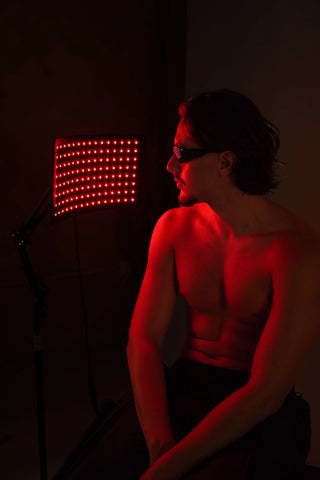
- Non-invasive synergies: gentle stretching, short walks, and, if available, red light routines for general recovery (without replacing the primary use of compression).
- Sustainable routine: schedule reminders and "free" days to avoid getting overwhelmed.
To learn about the recovery and wellness philosophy promoted by KUMO, visit the KUMO homepage .
on your first order when you join the newsletter
We send you the code instantly. No spam.
Safety and contraindications: use with discretion
Intermittent pneumatic compression is generally well-tolerated in healthy individuals and has validated clinical uses, but it's not for everyone. Review typical contraindications and consult a healthcare professional if you have any questions.
- Suspected or known deep vein thrombosis or embolism.
- Severe peripheral arterial disease, decompensated heart failure, active skin infections.
- Significant changes in sensation or open wounds in the area of use.
- Pregnancy: consult before starting.
For general information on sequential compression devices, you can consult clinical resources such as Cleveland Clinic resources and the International Lymphoedema Framework 's lymphedema practice guidelines. Remember that this text is not a substitute for medical advice.
Evidence and realistic expectations
- In clinical settings, pneumatic compression has been shown to reduce edema and promote healing in combination with other care, according to reviews such as Cochrane .
- In sports, reviews on external compression indicate improvements in the perception of recovery and reduction of post-exercise pain, with modest and variable effects between individuals (Frontiers in Physiology, 2018 , Sports Medicine – Open, 2020).
- The results after 4 weeks at home are usually noticeable and functional: less heaviness and bloating at the end of the day and improved readiness for exercise or walking. The exact magnitude varies depending on habits, activity level, hydration, and sleep quality (CDC and WHO ).
FAQ
How many times a week should I use pressotherapy at home to notice changes?
For most people, 3–5 sessions per week for 15–30 minutes are usually enough to notice less heaviness and bloating within 2–4 weeks. If you train intensely, you can add a post-workout session on key days. The key is consistency and adjusting the intensity to a comfortable, never painful, feeling. Combine use with daily walking, good hydration, and adequate sleep to maximize results. If you have any medical conditions, consult your doctor before starting.
What intensity level is safe if I'm a beginner?
Start with a low intensity and gradually increase to a comfortable medium level without numbness. The pressure should not cause pain or leave your skin persistently red. Always follow the manufacturer's instructions and listen to your body: if you experience tingling, pain, or cramping, stop the session and reduce the intensity. If you have vascular or lymphatic conditions, consult a healthcare professional before adjusting the intensity.
Does it help improve cellulite or only for muscle recovery?
Pressotherapy can help reduce swelling and improve the feeling of lightness, sometimes resulting in a temporary improvement in the skin's appearance due to less fluid retention. However, cellulite is multifactorial, and there is no single solution. Consider pressotherapy as a support within a comprehensive approach: physical activity, a balanced diet, hydration, and rest. For aesthetic goals, allow at least 4–8 weeks of regular use and evaluate the results with comparable photos.
Is it better to use it before or after training?
Both options can be helpful. Before training, a short, gentle session can "wake up" your legs and improve your sense of mobility. After exercise, a 20–30 minute session helps reduce stiffness and kickstart recovery. Choose the time based on your schedule and how you feel. If your workout is very intense, prioritize post-exercise use and another session on active rest days.
Who should not use pressotherapy without supervision?
Avoid this product if you have suspected or past deep vein thrombosis, decompensated heart failure, severe peripheral arterial disease, active skin infections, or open wounds in the area. Consult a doctor first if you are pregnant or suffer from lymphedema or complicated varicose veins. If you experience any unusual symptoms (pain, numbness, persistent discoloration), discontinue use and seek professional advice.
To remember
- Well-planned home pressotherapy can provide less heaviness, swelling, and better recovery in 4 weeks.
- Prioritize consistency (3–5 times/week) over intensity; always adjust to comfort.
- Measure your progress: perimeters, heaviness scales, and sleep/energy notes.
- Strengthen with helpful habits: daily walking, hydration, and gentle stretching.
- Respect contraindications and consult if you have any medical condition.
- Ready to make recovery a habit? Discover KUMO's vision of wellness on the homepage and start your 4-week plan today.
KumoWave pressotherapy
Choose your at-home pressotherapy
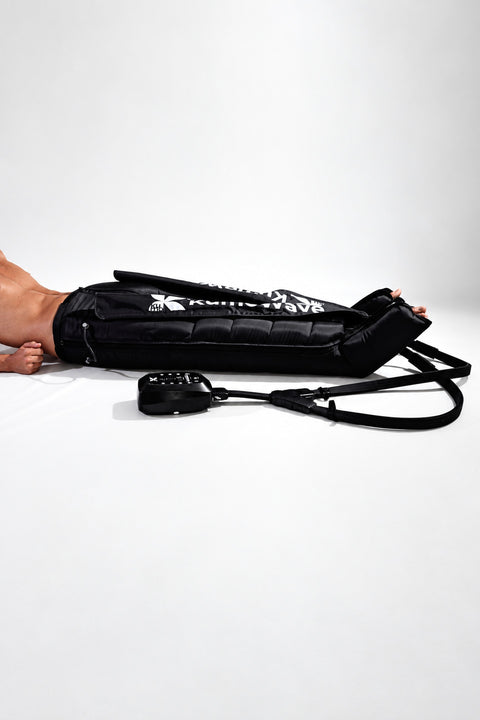
KumoWave Elite – Pressotherapy Pants
Full-coverage trousers. Ideal for lipedema, fluid retention and intensive use.
€799,00 €999,00
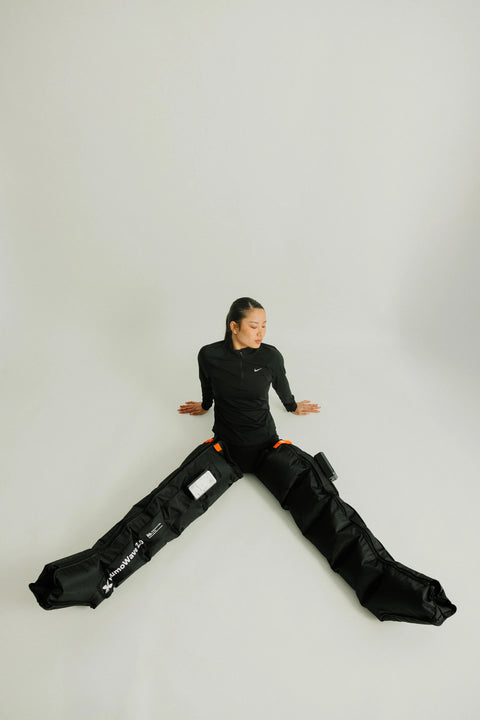
KumoWave 2.0 - Wireless Pressotherapy
Wireless, lightweight boots. Perfect for daily use and recovery.
€499,00 €599,00