What does facial rejuvenation with LED light involve?
Rejuvenating your face at home with LED light is possible, safe, and increasingly supported by science.
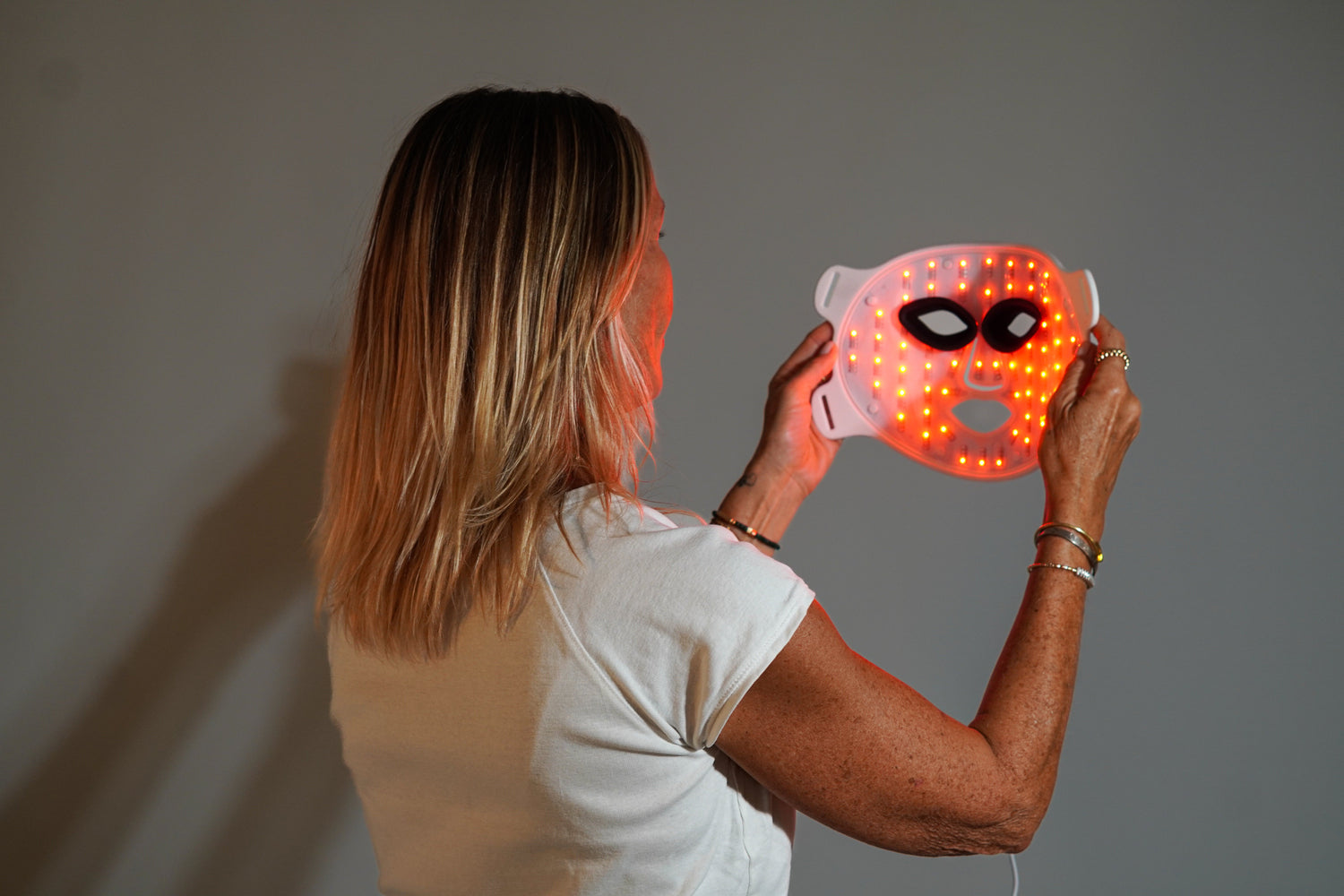
LED facial rejuvenation uses specific wavelengths of light (red, amber, blue, and near-infrared) to stimulate biological processes in the skin, a phenomenon known as photobiomodulation . This light energy does not emit UV rays and, when used correctly, can promote collagen production, improve elasticity, reduce fine lines, lighten blemishes, and soothe inflammation. ( my.clevelandclinic.org )
Red & infrared light
Recover faster, at home
★★★★★ 4,8/5 · rated by verified customers
The KumoLux panel supports muscle recovery with full-body red and infrared light.
- 660 nm red + 850 nm infrared light
- Full-body muscle recovery
- Clinically validated biohacking protocols
€399,00€499,00
−10% on your 1st order when you subscribe to the newsletter

Clinical studies have shown that red and near-infrared LED protocols can reduce facial wrinkles by up to 30–36% after several weeks of regular use, with improvements in firmness, texture, and overall skin quality. ( pubmed.ncbi.nlm.nih.gov ) This explains why LED masks have moved from dermatology clinics to the home as an anti-aging skincare tool.
At KUMO , LED technology is part of a recovery and wellness ecosystem that also includes pressotherapy, massage guns and red light therapy to optimize the recovery of the body and mind.
Personalized protocol · included with your purchase
Want us to tell you how to use it in your case?
With your purchase, our experts set up your red and infrared light sessions for your sport and goal.
Message us on WhatsAppOur experts reply · no obligation
Benefits of at-home facial rejuvenation with LED technology
1. Collagen stimulation and wrinkle reduction
Red light (approx. 630–660 nm) and near-infrared light (800–850 nm) penetrate deep layers, where they stimulate the mitochondria of fibroblasts, the cells responsible for producing collagen and elastin. ( my.clevelandclinic.org ) Several controlled trials have observed:
- Reduction of periorbital wrinkle volume of approximately 30% after 4 weeks of treatment with red and amber LED. ( pubmed.ncbi.nlm.nih.gov )
- Wrinkle reduction of up to 36% and elasticity increase of around 19% using 633 and 830 nm combined. ( pubmed.ncbi.nlm.nih.gov )
- Progressive improvements in firmness and texture visible between the first and third month of consistent use of LED masks. ( pubmed.ncbi.nlm.nih.gov )
In practice, this translates into visually smoother skin, with less noticeable pores and a facial contour that feels firmer.
2. Improved skin texture and radiance
Photobiomodulation helps regulate the activity of collagen-degrading enzymes (MMP-1) and promotes a denser, more ordered organization of fibers in the dermis. ( pubmed.ncbi.nlm.nih.gov ) When using an LED mask at home several times a week, many people report:
on your first order when you join the newsletter
We send you the code instantly. No spam.
- More uniform texture, with less surface roughness.
- Skin that feels softer to the touch.
- Increased brightness and a more even tone.
These improvements usually appear gradually, first as a "good face" after the sessions and, over time, as more lasting structural changes.
3. Support for mild blemishes and photoaging
Recent studies (2024–2025) combining yellow light (570–590 nm) with red and infrared light have shown improvements in photoaging parameters such as pore size, texture, fine wrinkles, and brown spots after 8 weeks of treatment. ( pubmed.ncbi.nlm.nih.gov ) Although LED light does not replace medical peels or lasers, it can be an interesting complement to:
- Mild to moderate photoaging.
- Diffuse spots associated with sun exposure.
- Dull skin due to stress or fatigue.
4. Support for mild acne and inflammation
The combination of blue light (around 405–450 nm) and red light can decrease the population of C. acnes and modulate inflammation, helping in cases of mild acne and occasional blemishes. ( my.clevelandclinic.org ) Many home-use devices alternate between acne and anti-aging programs, allowing for the treatment of occasional breakouts without abandoning the goal of rejuvenation.
5. Convenience and consistency: the great value of doing it at home
The key to success with LED light therapy is repetition: short sessions several times a week, for weeks or months. ( my.clevelandclinic.org ) Having a quality mask at home allows you to maintain that consistency with minimal effort.
- No need to travel to a doctor's office or spa.
- 10–20 minute sessions that can be done while you read or rest.
- Easy integration into a global wellness and body recovery routine.
How does an LED facial rejuvenation mask work?
From light energy to skin rejuvenation
LED masks emit light at precise wavelengths. These wavelengths are absorbed by cellular chromophores (primarily mitochondrial cytochrome c oxidase), increasing ATP production and triggering signaling cascades that:
- They increase the synthesis of type I collagen.
- They reduce certain metalloproteinases (such as MMP-1) associated with extracellular matrix degradation. ( pubmed.ncbi.nlm.nih.gov )
- They modulate inflammatory mediators, promoting a repair microenvironment.
All of this occurs without damaging the surface of the skin, unlike more aggressive treatments such as some ablative lasers or deep peels.
LED light colors and their main facial uses
Not all LED lights are created equal. Quality devices specify their wavelengths in nanometers (nm) and combine various colors to address different skin concerns. ( my.clevelandclinic.org )
Main wavelengths for facial rejuvenation
| Light color | Typical range (nm) | Main action | Frequent facial indications |
|---|---|---|---|
| Red | 630–660 | Stimulates collagen, improves elasticity, reduces mild inflammation. ( my.clevelandclinic.org ) | Fine wrinkles, expression lines, dull skin, support in photoaging. |
| Amber / Yellow | 570–590 | Gently stimulating and calming action, improves tone and texture. ( pubmed.ncbi.nlm.nih.gov ) | Mild photoaging, occasional redness, sensitive skin. |
| Blue | 405–450 | Antibacterial action against C. acnes . ( my.clevelandclinic.org ) | Mild acne, inflamed pimples, prevention of occasional outbreaks. |
| Near infrared | 800–850 | It penetrates deeper, supports tissue repair, and reduces the appearance of lines. ( my.clevelandclinic.org ) | Deeper wrinkles, loss of firmness, overall skin recovery. |
Step-by-step protocol: how to do LED facial rejuvenation at home
1. Before we begin: safety and diagnosis
Although LED light is considered safe in the short term, dermatologists at the American Academy of Dermatology recommend prior evaluation if you have skin conditions, take photosensitizing medications, or have a history of hyperpigmentation or skin cancer. ( aad.org ) They also advise choosing “FDA cleared” devices, following the manufacturer’s instructions, and wearing eye protection when indicated.
If you have specific medical concerns, it is best to consult a dermatologist before starting any intensive at-home treatment protocol.
2. Prepare the skin and the device
- Gentle cleansing: wash your face with a non-aggressive cleanser and pat dry, without rubbing.
- Bare skin: avoid makeup and products with physical filters that may partially block light.
- Mask placement: Adjust the straps for a comfortable fit, without excessive pressure.
- Eye protection: Wear the included or manufacturer-recommended goggles, especially if the device is powerful. ( aad.org )
3. Recommended duration and frequency
Most clinical sources agree on similar ranges:
- Session duration: 10–20 minutes, according to device instructions. ( my.clevelandclinic.org )
- Frequency: 3–5 times per week in the initial phases.
- Minimum time to assess results: 4–8 weeks of consistent use, with improvements that may continue to progress for up to 3 months. ( pubmed.ncbi.nlm.nih.gov )
After the intensive phase, many people move on to a maintenance of 1–2 weekly sessions, adapting the frequency to how their skin responds.
4. Post-session care
After removing the mask:
- Apply a gentle serum or moisturizer (for example, with aloe vera or low molecular weight hyaluronic acid), avoiding harsh acids immediately afterward. ( health.com )
- Use broad-spectrum sunscreen during the day; your skin may be more reactive to visible and sunlight. ( my.clevelandclinic.org )
- Drink water and avoid harsh cleansers or intense exfoliation in the hours that follow.
Safety, contraindications and good practices
Medical literature and sources such as the American Academy of Dermatology, Cleveland Clinic, and Harvard agree that LED light therapy, when used correctly, is generally safe , with mild and transient side effects (redness, warmth, slight irritation). ( aad.org ) Red light has not been shown to cause cancer, unlike UV radiation.
Even so, it is important to keep in mind:
- Photosensitivity: Certain drugs (some antibiotics, oral retinoids, hormone treatments) or diseases such as lupus can increase sensitivity to light; consult your doctor. ( aad.org )
- Darker skin tone: Highly pigmented skin may be more sensitive to visible light and develop hyperpigmentation; caution and dermatological supervision are recommended. ( aad.org )
- Eyes: Avoid looking directly at LEDs without protection, especially in powerful devices; always wear the recommended glasses. ( aad.org )
- Overuse: Very long or too frequent sessions can cause minor burns or blisters; more is not always better. ( my.clevelandclinic.org )
Practical advice: If you notice persistent redness, intense itching, worsening of blemishes or acne breakouts, discontinue use and consult a dermatologist.
Integrate facial LED into a comprehensive wellness and recovery routine
Facial rejuvenation with LED technology is even more effective when integrated into a comprehensive body care and recovery strategy. That's where KUMO's holistic approach comes in:
- Face: KUMO LED light therapy masks support skin regeneration, texture improvement and fine line reduction as part of an anti-aging routine.
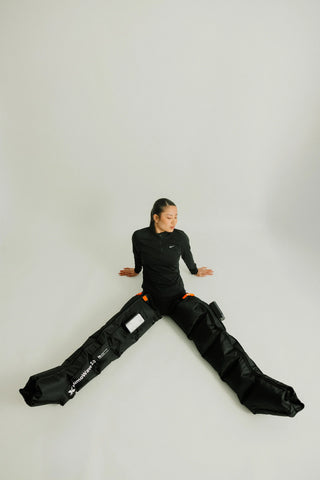
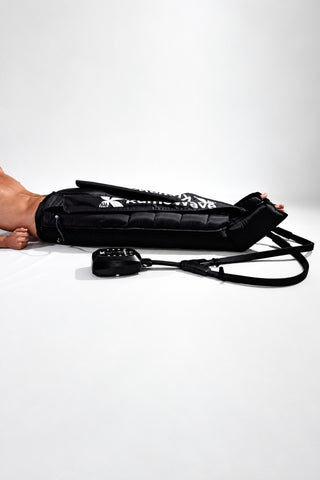
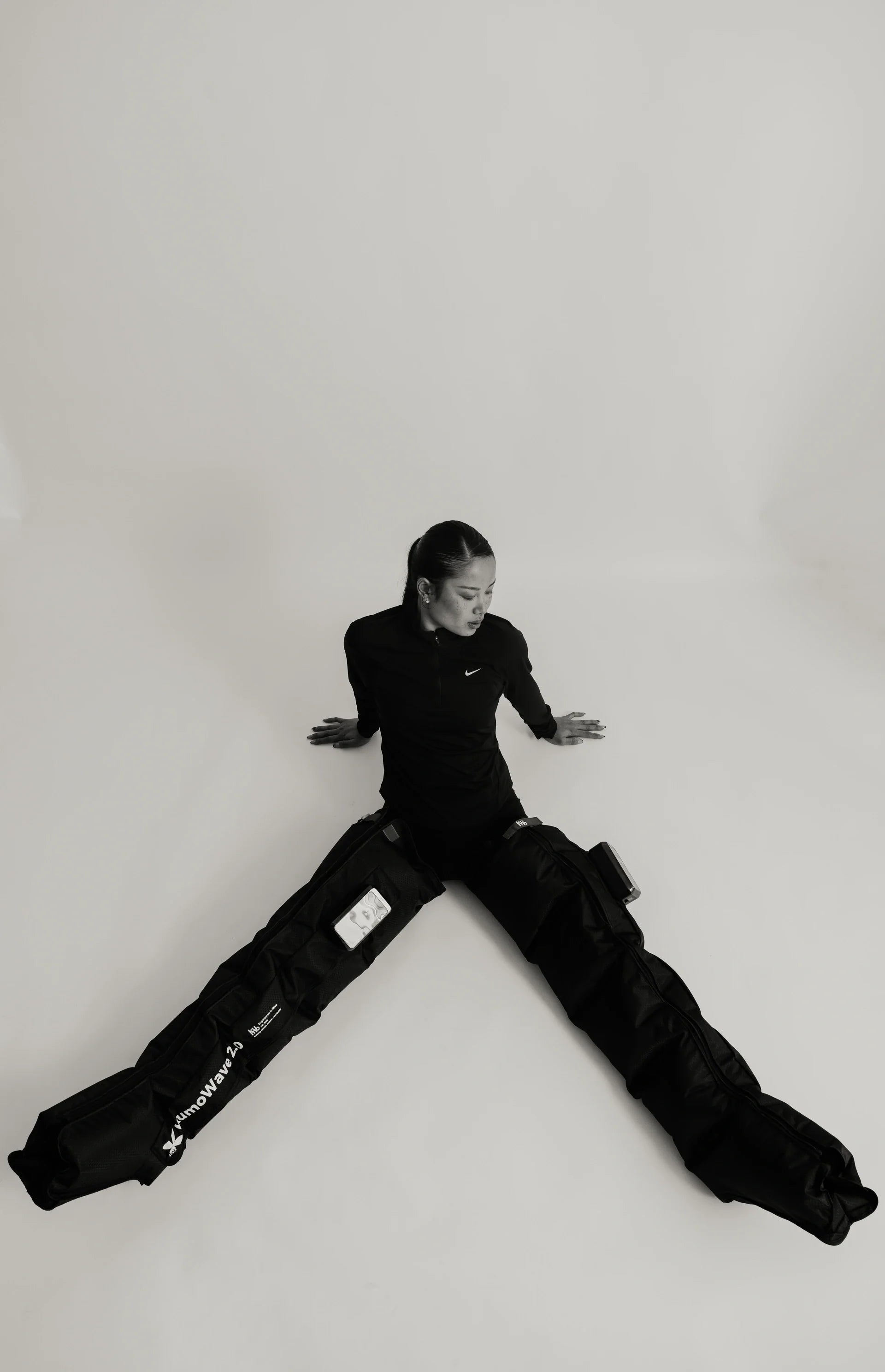
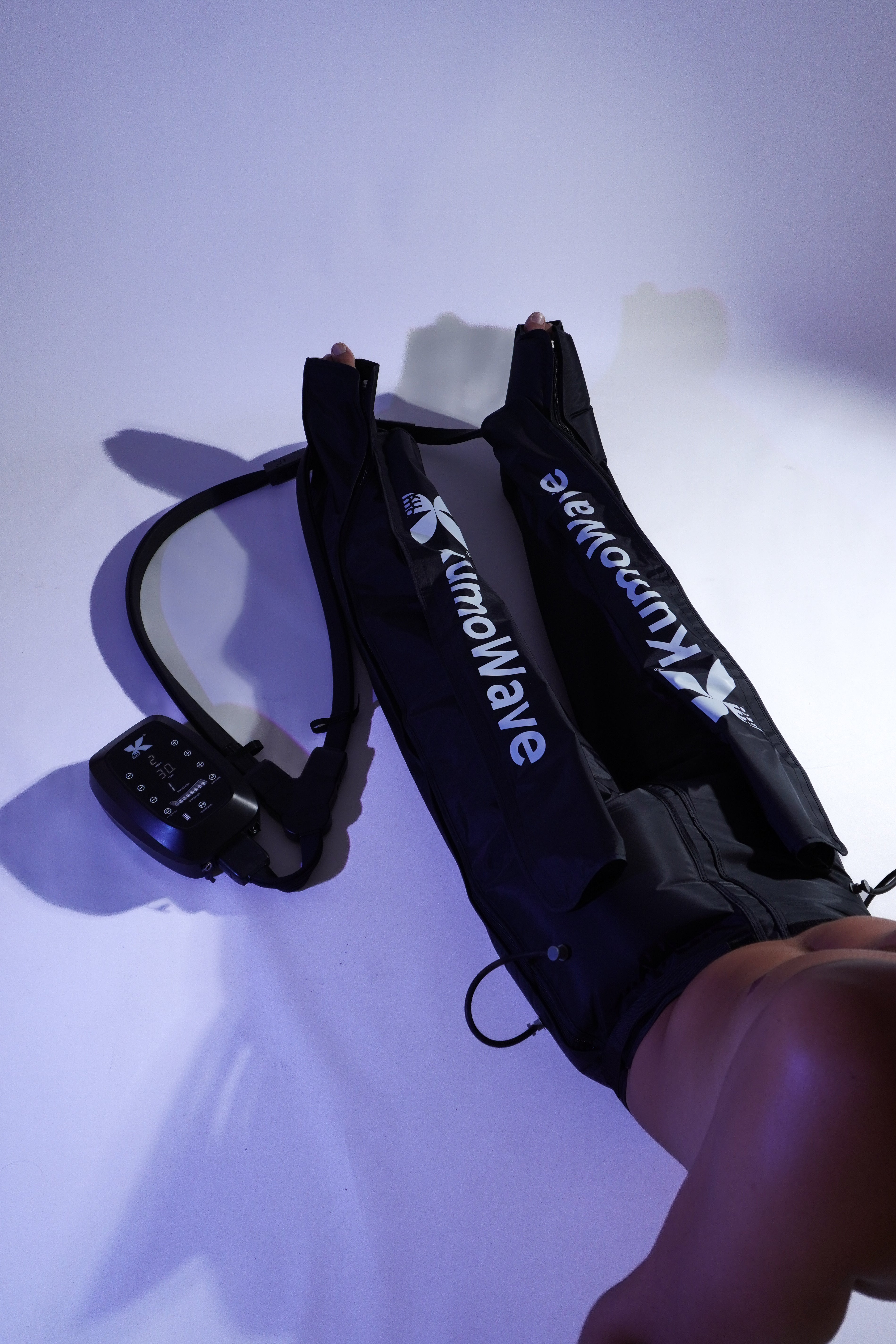
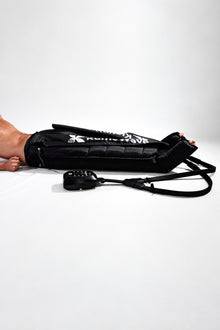
- Body and legs: Pressotherapy boots promote circulation and a feeling of lightness in the legs, reinforcing the feeling of general well-being that is also reflected in the face.
- Muscle recovery: a pistol like KumoPulse Air helps to deeply relax the muscles, reducing tension that often accumulates in the neck, shoulders and jaw.
When your body recovers better, you sleep more deeply and manage stress better, your face also notices: less morning puffiness, better tone and a more rested expression.
Frequently asked questions about at-home LED light facial rejuvenation
How long does it take to see facial rejuvenation with an LED mask?
It depends on the initial condition and consistency, but clinical studies typically evaluate results after 4–12 weeks of regular use, with 2–5 sessions per week. ( pubmed.ncbi.nlm.nih.gov ) Many people describe an almost immediate “improved complexion” (brighter, calmer skin) from the first few sessions. However, structural changes—such as a visible reduction in wrinkles and improved firmness—usually become established between the first and third month. Afterward, a maintenance phase with fewer sessions per week is recommended.
Is it safe to use an LED mask every day to rejuvenate the skin?
In general, red and infrared LED light is considered safe when used at appropriate doses; however, most experts and manufacturers recommend 3–5 sessions per week, not necessarily daily. ( my.clevelandclinic.org ) Excessive time or frequency can cause redness, irritation, or, in extreme cases, superficial burns. It is best to follow the device's instructions and, if you wish to increase the frequency, do so gradually, observing your skin's response. If you experience any persistent discomfort, reduce usage or consult a dermatologist.
Can LED rejuvenation be combined with retinol or other powerful active ingredients?
Yes, but with a strategy. Many dermatologists recommend not applying retinoids, exfoliating acids (AHAs/BHAs), or highly concentrated vitamin C right before an LED session to minimize irritation. ( my.clevelandclinic.org ) A common guideline is to use the mask on clean skin, then apply a light moisturizer, and reserve stronger active ingredients for the night you don't use LED, or introduce them on alternate nights. If you are on prescription retinoids, follow your dermatologist's instructions before adding any light device at home.
Are LED masks only good for wrinkles or also for acne?
Quality LED masks typically include separate programs: red/infrared light for skin rejuvenation and blue light (sometimes combined with red) for mild acne. ( my.clevelandclinic.org ) Blue light helps reduce bacteria involved in inflammatory acne, while red light modulates inflammation and can help blemishes fade faster. They are not a substitute for medical treatments for severe acne, but they can be a useful complement for moderate breakouts or maintenance. For persistent acne, it is best to consult a dermatologist.
What skin type benefits most from LED facial rejuvenation?
The advantage of LED technology is that it is suitable, in principle, for almost all phototypes and skin types, including sensitive skin, because it does not use UV radiation and does not cause peeling or abrasion. ( my.clevelandclinic.org ) That said, skin with signs of photoaging (fine wrinkles, rough texture, loss of radiance) is the one that usually notices the most changes. Very dark skin or skin prone to hyperpigmentation requires more caution and, preferably, dermatological supervision to adjust the frequency and avoid blemishes. Any skin under medication or with an active condition should be evaluated on a case-by-case basis.
So what now?
If you want to integrate LED light therapy into your daily routine, choose a reliable device with clear wavelengths and a design built for consistent use. In the KUMO wellness universe, you'll find recovery technologies—such as facial LED light therapy , pressotherapy , and massage guns—that help you make body and skin regeneration a habit. If you're unsure which solution is right for you, please contact us through our contact page for guidance.

Red & infrared light
KumoLux Panel – Red and Infrared LED Panel
★★★★★ 4,8/5 · rated by verified customers
- 660 nm red + 850 nm infrared light
- Full-body muscle recovery
- Clinically validated biohacking protocols
€399,00€499,00· pay in installments with seQura or Klarna