
Your skin regenerates every day. But your habits determine whether it does so well or poorly.
In this article you will discover how skin regeneration works, what daily routine really helps (without falling into fads or using too many products), what lifestyle habits accelerate or slow down this process, and how to intelligently integrate LED light technologies, pressotherapy, and massage at home to boost skin recovery.
Facial red light
Bring your skin back to life
★★★★★ 4,8/5 · rated by verified customers
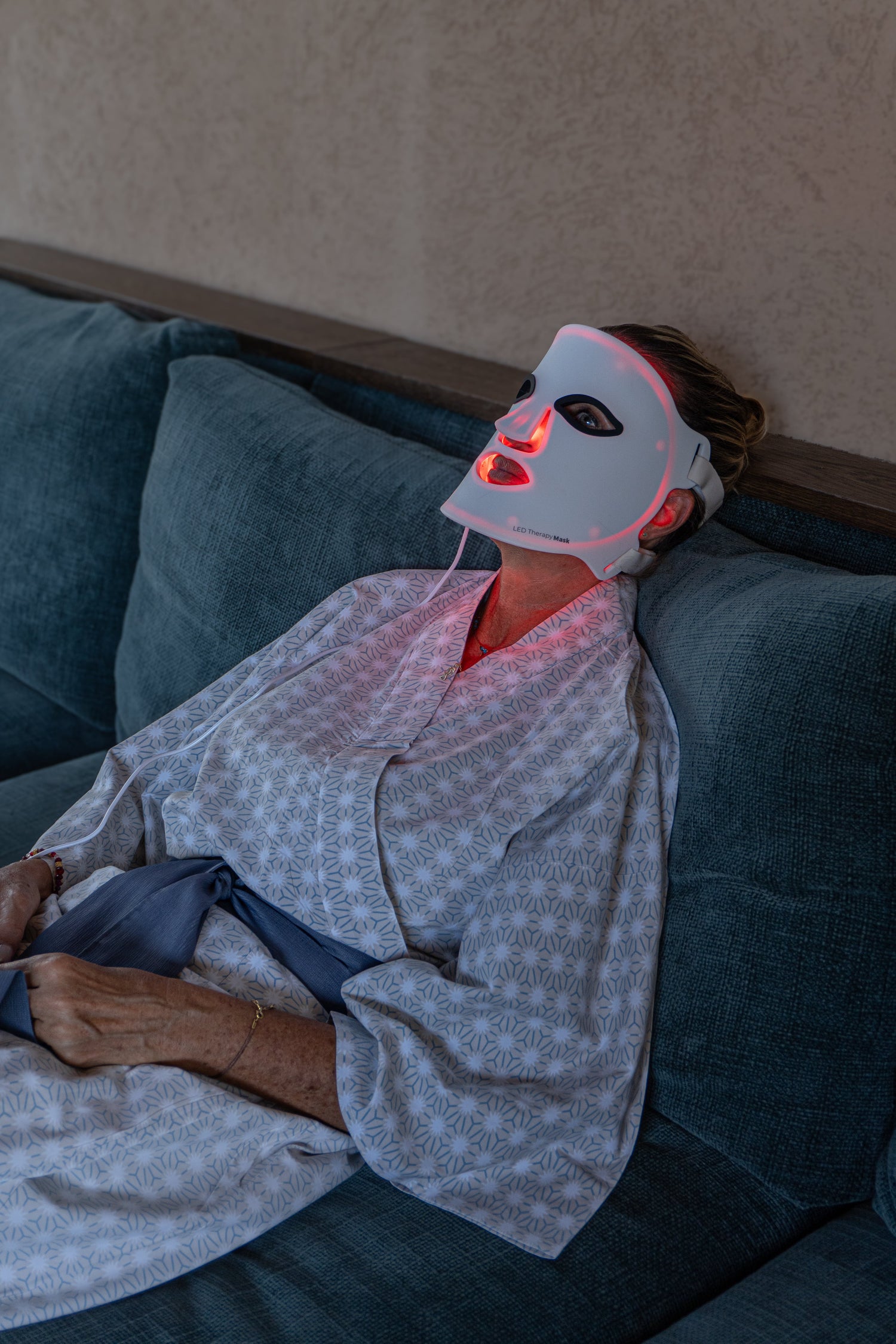
The KumoSkin LED mask helps repair and calm your skin in short sessions at home.
- 250 LEDs in flexible medical silicone
- Red light to boost collagen and glow
- 4 lights: red, infrared, blue and yellow
€299,00€429,00
−10% on your 1st order when you subscribe to the newsletter

What is skin regeneration and why does it matter in your daily life?
The skin is the body's largest organ and is constantly renewing itself: epidermal cells are born in deep layers and rise to the surface, where they are shed. This cycle usually lasts a few weeks and is greatly affected by age, sun exposure, stress, smoking, sleep, and the quality of your skincare routine.
In addition to cell renewal, “regeneration” includes repairing the skin barrier (the protective layer that prevents water loss and the entry of irritants) and synthesizing collagen and elastin in the dermis. When this barrier is damaged, dryness, inflammation, and the risk of premature aging increase. (time.com)
Personalized protocol · included with your purchase
Want us to tell you how to use it in your case?
With your purchase, our experts prepare the ideal LED protocol for your skin type and goal (acne, wrinkles, dark spots...).
Message us on WhatsAppOur experts reply · no obligation
The good news: small daily gestures, maintained over time, measurably improve the skin's hydration, texture, and defense function, according to recommendations from international dermatological societies. ( aad.org )
Basic daily routine to promote skin regeneration
In 2026, the trend in dermatology is clear: fewer steps, more consistency. Many experts agree that an effective skincare routine is based on three pillars: cleansing, moisturizing, and sun protection ; everything else is complementary, not the foundation. ( aad.org )
Tomorrow: protect so that the skin can regenerate
In the morning, the main goal is to protect the skin from the day's aggressions (UV radiation, pollution, temperature changes), so that at night it can focus on repairing itself.
on your first order when you join the newsletter
We send you the code instantly. No spam.
- Gentle cleansing : Use a cleanser with a pH close to that of your skin, without harsh sulfates or strong perfumes, especially if your skin is dry or sensitive. ( aad.org )
- Light Moisturizer : Look for ingredients like glycerin, hyaluronic acid, or ceramides to reinforce the barrier and reduce water loss.
- Sunscreen with SPF 30 or higher : This is the daily step with the greatest impact on preventing blemishes, wrinkles, and skin cancer, according to dermatologists from universities such as Yale and medical organizations. (time.com)
- Antioxidants (optional) : Serums with vitamin C, niacinamide, or similar ingredients can help neutralize free radicals, provided they don't irritate your skin. ( health.com )
If you work near windows, live in very sunny areas, or practice outdoor sports, reapply sunscreen every 2–3 hours to exposed areas.
Night: the golden time for repairs
While you sleep, your skin strengthens its barrier, repairs DNA damage, and adjusts its circadian clock . Recent studies show that sleep disturbances worsen inflammatory skin conditions and slow down the skin's ability to recover. ( mdpi.com )
That's why nighttime is the best time to help her with a restorative routine:
- Gentle double cleansing (if you use makeup or mineral filters) : first an oil cleanser or balm, then a gentle water cleanser.
-
Renewing actives (according to your tolerance) :
- Retinoids (vitamin A derivatives) to stimulate cell renewal and collagen.
- Mild acids (such as glycolic or lactic acid in low concentrations) are fine if your skin tolerates them well. ( health.com )
- Nourishing moisturizing cream : slightly denser textures, with lipids (ceramides, cholesterol, fatty acids) that repair the barrier.
- Optional: occlusive layer on very dry areas (e.g., a little petroleum jelly) to minimize transepidermal water loss, as recommended by several dermatological guidelines. ( aad.org )
Common errors that hinder regeneration
If your skin is sensitive, red, or flaky, your routine is likely hindering its ability to regenerate. Dermatologists and review articles agree on some key mistakes: (time.com)
- Over-exfoliating : Using physical exfoliants with granules, acids daily, or aggressive brushing devices damages the barrier and generates micro-inflammation.
- Accumulating too many potent actives : combining retinol, strong vitamin C and several acids in the same routine is often unnecessary and increases the risk of irritation.
- Very aggressive cleansers : alkaline soaps or very degreasing foams alter the skin microbiome and cause excessive drying.
- Forgetting sunscreen “just one day”: UV radiation is cumulative; intense exposure without protection can undo weeks of progress.
If your skin is irritated, the first step is not to add more products, but to simplify : gentle cleanser, repairing moisturizer and SPF, and nothing else until it recovers.
Lifestyle habits that accelerate (or slow down) skin renewal
Skin regeneration doesn't depend solely on what you apply to your face. Your daily habits affect blood flow, hormonal balance, systemic inflammation levels, and oxidative stress—all key factors in how your skin renews itself. ( usdermatologypartners.com )
Deep sleep and circadian rhythms
Improving sleep hygiene is one of the most powerful actions you can take for your skin's health. Recent reviews on the sleep-skin axis describe how lack of rest disrupts the skin barrier function, increases inflammatory markers, and worsens conditions such as psoriasis, atopic dermatitis, and acne. ( mdpi.com )
- Prioritize getting between 7 and 9 hours of sleep per night, at regular times.
- Avoid very bright screens in the hour before going to sleep: blue light confuses the circadian clock.
- Try sleeping on your back or changing sides to reduce "sleep lines" on your face and décolletage, as recommended by dermatologists from the American Academy of Dermatology. ( aad.org )
Nutrition and microbiota
A diet rich in fruits, vegetables, healthy fats (oily fish, nuts, olive oil) and low in ultra-processed foods is associated with lower levels of systemic inflammation, which translates into better skin repair capacity. Many studies also point to a relationship between the balance of the gut microbiota and the appearance of acne, rosacea, or eczema outbreaks, although the exact mechanisms are still being investigated. (time.com)
There is no "miracle food", but there are favorable global patterns: a Mediterranean-type diet, enough protein to support collagen synthesis and avoid deficiencies in key vitamins (A, C, D, B group) and minerals such as zinc or iron.
Movement, circulation, and muscle recovery
Moderate exercise improves circulation, increases the supply of oxygen and nutrients to the skin, and helps regulate stress—all factors that support good regeneration. ( usdermatologypartners.com )
In addition, proper muscle recovery (stretching, massage, active rest) helps you sleep better and reduces muscle tension in the neck and jaw that can intensify expression lines and bruxism.
Stress, tobacco and alcohol
Chronic stress increases cortisol and other hormones that break down collagen, slow healing, and aggravate various skin conditions. Smoking reduces blood flow to the skin and accelerates the appearance of deep wrinkles; excessive alcohol consumption dehydrates, dilates blood vessels, and worsens rosacea. ( verywellhealth.com )
Reducing or eliminating tobacco, moderating alcohol, and cultivating stress management tools (breathing, meditation, therapy, exercise) is a direct investment in the quality of your skin in the medium and long term.
Summary table: your daily skin regeneration plan
| Time of day | Key habit | Main objective | Level of evidence |
|---|---|---|---|
| Tomorrow | Gentle cleanser + light moisturizer | Maintain the barrier and hydration | High (recommended by dermatological guidelines) ( aad.org ) |
| Tomorrow | Sunscreen SPF ≥ 30 | Prevent UV damage, blemishes and aging | Very high (broad consensus) (time.com) |
| Evening | Repair routine + possible retinoid | Stimulate renewal and collagen | Stop for retinoids and barrier ( health.com ) |
| Evening | 7–9 hours of sleep | Promote skin repair and reduce inflammation | On the rise (growing evidence) ( mdpi.com ) |
| Diary | Balanced diet + hydration | Support collagen synthesis and the barrier | Moderate (indirect but consistent relationship) ( usdermatologypartners.com ) |
Home recovery technologies: how to integrate them with common sense
The popularization of at-home devices (LED masks, compression boots, massage guns) has brought technologies previously reserved for clinics closer to many people. However, dermatologists insist: these tools should complement , not replace, the basic pillars of cleansing, moisturizing, and sun protection. ( apnews.com )
At KUMO, recovery is a new way of life: aesthetics, technology, and performance come together so you can care for your skin and body more intelligently. You can learn about the brand's philosophy and its range of products on the KUMO Balance website.
Red light and LED masks for skin regeneration
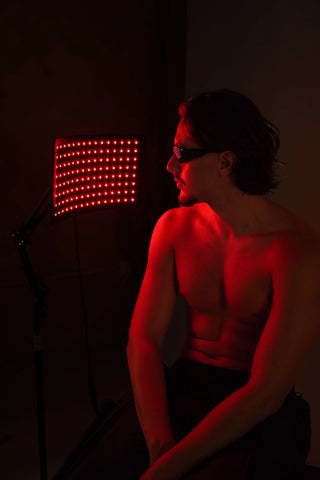
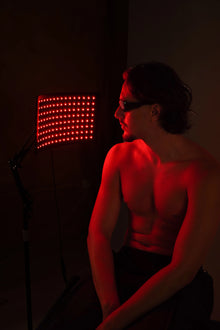
Red and near-infrared light can stimulate biological processes in skin cells, a phenomenon known as photobiomodulation. In a controlled trial with more than 100 volunteers, several courses of red light treatment showed improvements in skin texture, smoothness, and increased collagen density, with no relevant adverse effects. ( pubmed.ncbi.nlm.nih.gov )
KUMO LED light therapy devices apply this principle in a home format, allowing for regular sessions at home. It is important to:
- Always follow the manufacturer's instructions regarding timing and frequency.
- Wear protective eyewear if indicated.
- Do not abandon daily sun protection or other basic measures.
The available evidence suggests moderate and safe benefits when quality devices are used and with realistic expectations; they do not replace medical treatments nor do they immediately "erase" deep wrinkles. ( pubmed.ncbi.nlm.nih.gov )
Pressotherapy and circulation for light legs
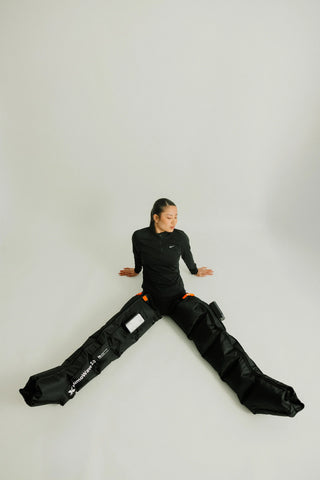
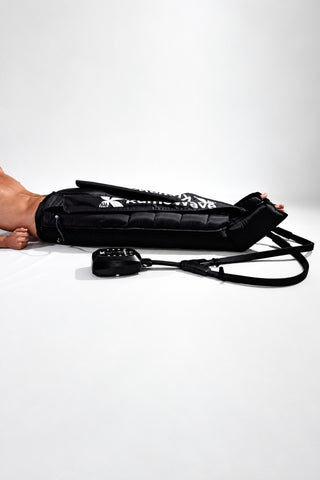
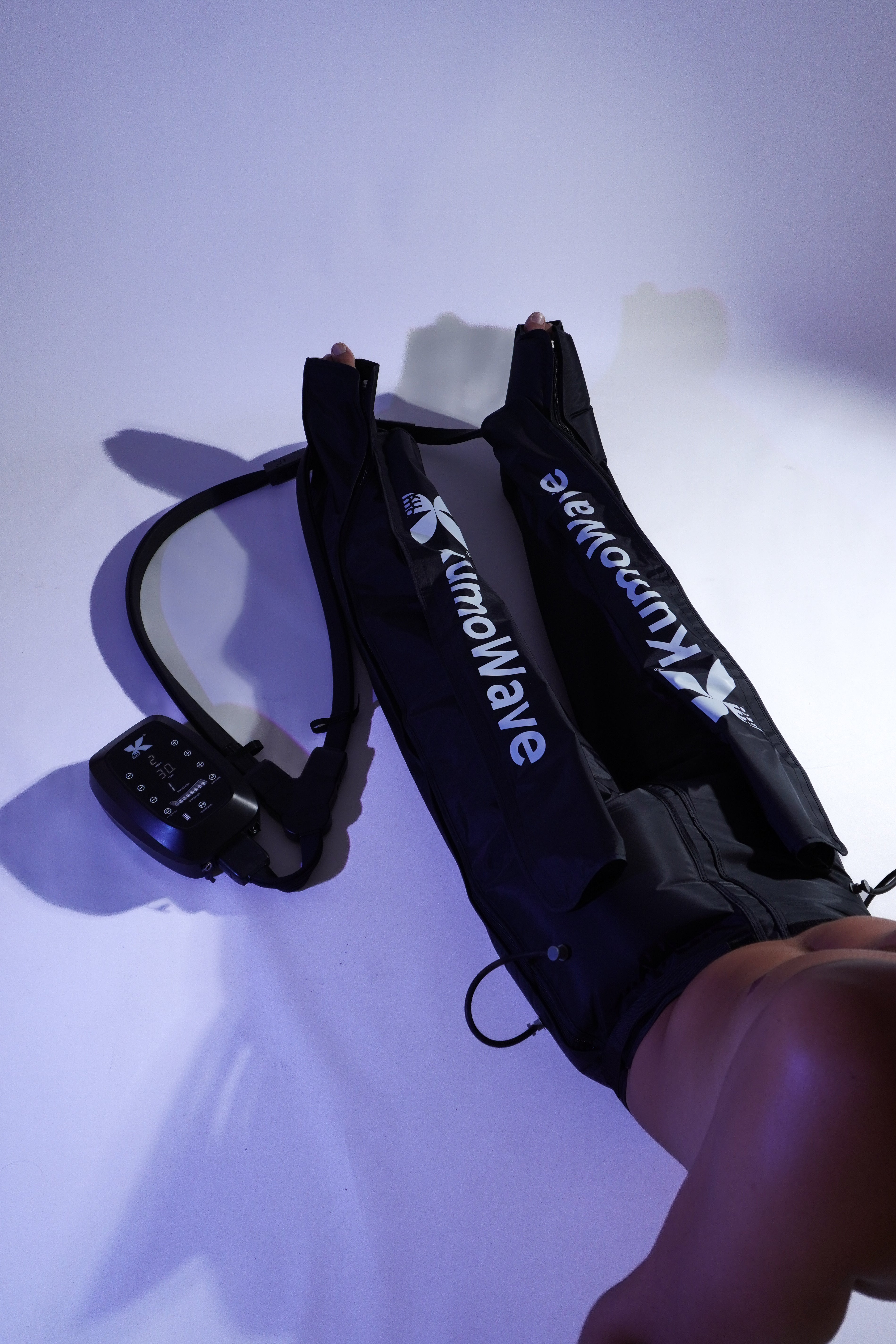
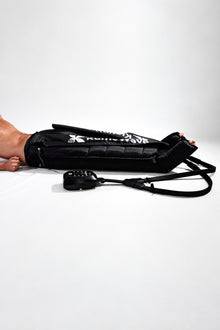
Compression therapy boots apply rhythmic compression to the legs to promote venous and lymphatic return. While their primary purpose is to relieve heaviness, improve muscle recovery, and reduce swelling, better circulation can indirectly contribute to healthier, more even-toned skin on the legs.
KUMO's range of compression boots is designed to be integrated into home recovery routines, especially after intense workouts or long days on your feet. They are not a substitute for medical treatment for circulatory conditions, but can be a helpful aid for healthy individuals seeking lighter legs and muscle relief.
Massage guns and deep muscle relaxation
Percussion massage guns are used to release muscle tension, improve mobility, and accelerate recovery after exercise. A less tense body with better muscle rest tends to sleep better and manage stress more effectively, two factors directly related to skin health. ( mdpi.com )
The KUMO Kumopulse Air massage gun is designed to provide a deep yet controlled massage, with different heads and intensity levels. It is crucial to avoid using it directly on inflamed skin, open wounds, or significant varicose veins without professional supervision.
How to combine them with your regeneration routine
- 2-4 times per week : short LED mask sessions, preferably in the late afternoon/evening and always with clean skin.
- After exercise : pressotherapy and percussive massage to promote muscle recovery, never replacing stretching and hydration.
- Synchronize with sleep : avoid highly stimulating sessions right before bed if you notice they activate you; in other people, the feeling of relaxation helps to fall asleep.
The key is that these technologies are integrated into a coherent and sustainable long-term global routine , not into a one-off "shock plan".
Frequently asked questions about skin regeneration
How long does it take for facial skin to regenerate naturally?
In healthy adults, the facial epidermis renewal cycle typically takes a few weeks, although it varies depending on age, hormonal status, sun exposure, and habits such as smoking and sleep patterns. In young people, renewal tends to be faster; as we age, the process slows down and dead cells accumulate more easily. Factors such as good hydration, a balanced diet, consistent sun protection, and avoiding over-exfoliation help keep this cycle as efficient as possible.
Which is better for skin regeneration: retinol or glycolic acid?
These are different tools, and there isn't always a universally "best" one. Retinoids (retinol, tretinoin, etc.) have strong evidence supporting increased cell renewal, improved texture, and collagen stimulation, which is why they are often considered the cornerstone of many anti-aging routines. ( health.com ) Glycolic acid is an alpha-hydroxy acid that chemically exfoliates the outermost layer of skin, helping to smooth and improve tone. Very sensitive skin may tolerate mild retinoids used slowly better than frequent acids, and vice versa. The important thing is to introduce one at a time, at a low frequency, observe tolerance, and always prioritize barrier repair.
Does red light really help with skin regeneration?
Available evidence indicates that certain parameters of red and near-infrared light can moderately improve skin texture and collagen density when applied in controlled protocols, generally several times a week for consecutive weeks. In a controlled trial with over 100 participants, the treated groups showed significant improvements compared to the control group in skin roughness and feel. ( pubmed.ncbi.nlm.nih.gov ) However, results are usually gradual, not dramatic, and depend heavily on the quality of the device, consistency, and combination with other habits (sunscreen, hydration, not smoking). It should not be considered a substitute for sun protection or medical treatments prescribed by a dermatologist.
How do I know if my skin barrier is damaged?
A compromised skin barrier often manifests as tight, red, itchy, or easily flaky skin; products you previously tolerated begin to sting, and you notice increased sensitivity to temperature changes. Review articles on the topic also describe increased water loss, eczema flare-ups, or more inflammatory acne when the barrier is compromised. (time.com) If you observe these signs, it's advisable to simplify your routine: a gentle cleanser, a repairing cream without perfumes or many active ingredients, and sunscreen. Temporarily discontinue exfoliants and retinoids, and if there's no improvement within a few weeks or if the condition worsens, consult a dermatologist to rule out any underlying medical conditions.
What daily habits worsen skin regeneration?
Some repeated behaviors directly hinder your skin's ability to repair itself: unprotected sun exposure, frequent use of tanning beds, smoking, chronic lack of sleep, sustained stress, diets very high in ultra-processed foods and sugar, and harsh skincare routines (strong cleansers, daily exfoliation, many potent active ingredients at once). (time.com) Reducing these factors usually has a greater impact in the medium term than adding the "latest trendy product." As a guide, ask yourself: "Does this help my skin barrier or damage it?" If the answer is the latter, optimal regeneration will be difficult.
So what now?
If you want your skin's regeneration to work in your favor in 2026, start by reviewing your basics: cleanse gently, moisturize daily, protect from the sun, and take care of your sleep and lifestyle. From there, recovery technologies like LED light masks , compression boots , or the Kumopulse Air massage gun can become allies to boost your results and make recovery a way of life.
If you have any questions about which combination of tools best suits your needs, you can contact the KUMO team through their contact page and design a skin recovery and care routine tailored to your goals.

Facial red light
KumoSkin Mask – LED Facial Mask
★★★★★ 4,8/5 · rated by verified customers
- 250 LEDs in flexible medical silicone
- Red light to boost collagen and glow
- 4 lights: red, infrared, blue and yellow
€299,00€429,00· pay in installments with seQura or Klarna