


What exactly is cell regeneration?
Cell regeneration is the body's ability to repair and replace damaged or aged cells with new ones. Thanks to this process, skin is renewed, muscles recover after exercise, and many tissues maintain their basic functions throughout life.
At a biological level, it involves the division of stem cells or already specialized cells that replicate to replace those that die (apoptosis). This balance between programmed cell death and renewal is key to health, physical performance, and healthy aging.
Not all tissues regenerate equally: skin and liver have a high capacity for repair, while the central nervous system and heart tissue do so to a very limited extent. Therefore, supporting recovery processes in tissues that respond well can make a significant difference in well-being and performance.
How cell regeneration works in the body
Basic stages of the regeneration process
Although each tissue has its own particularities, cell regeneration usually follows these stages:
- Damage or stimulus : intense exercise, minor injuries, sun exposure, oxidative stress, etc.
- Controlled inflammatory response : the body sends chemical signals and immune cells to clear cellular debris and prepare for repair.
- Cell proliferation : stem or progenitor cells divide to generate new cells.
- Remodeling : the new cells organize themselves, mature and integrate into the tissue, regaining their function.
This cycle occurs continuously, even without us noticing, but it can accelerate or be blocked depending on lifestyle, age, and environment.
Factors that influence regenerative capacity
Among the most important factors that modulate cell renewal are:
- Biological age : over the years the ability of many cells to divide decreases, telomeres shorten and oxidative damage increases.
- Hormonal state : hormones such as growth hormone, IGF-1, melatonin or even cortisol influence repair and rest.
- Sleep quality : an important part of tissue repair processes is concentrated in the deep phases of nighttime sleep.
- Nutrition and microbiota : a deficiency in proteins, vitamins, or antioxidants can slow down the synthesis of new cells.
- Stress and physical load : an adequate dose of stimulus (exercise, for example) promotes regeneration; excess blocks it.
Cell regeneration and aging: why it matters
As we age, the balance shifts: the loss of functional cells outpaces the ability to replace them. This results in thinner skin, slower muscle recovery, increased fatigue, and a higher risk of injury.
Habits that support repair—such as deep sleep, complete nutrition, stress management, and well-used recovery technologies—can help maintain better regenerative capacity in the long term. It's not about "stopping time," but about giving the body the conditions to renew itself as effectively as possible at every stage of life.
How to stimulate cell regeneration naturally
1. Nutrition: what your cells need to renew themselves
Nutrition is one of the most powerful levers for promoting tissue renewal. For the body to produce new cells, it needs raw materials and cofactors:
- Quality proteins : provide essential amino acids for the synthesis of collagen, muscle fibers, enzymes and cell receptors.
- Healthy fatty acids : omega-3 and monounsaturated fats participate in the structure of cell membranes and in the modulation of inflammation.
- Micronutrients : vitamins A, C, D, E, B complex, zinc, selenium, iron and magnesium are involved in DNA repair, collagen synthesis and antioxidant defense.
- Natural antioxidants : present in fruits, vegetables, pure cocoa, green tea or spices such as turmeric, help to neutralize free radicals that damage cells.
It's not about following a "perfect" diet, but about ensuring variety, minimally processed foods, and sufficient intake of protein and vegetables daily.
2. Sleep and circadian rhythms
Much of tissue repair occurs while we sleep. During deep sleep, hormones related to regeneration, such as growth hormone, are released, and brain cleaning processes (glymphatic system) and muscle repair are activated.
Some guidelines for improving this pillar:
- Respect regular bedtimes and wake-up times.
- Reduce bright screens 1–2 hours before bedtime.
- Take care of the environment: cool temperature, darkness and silence.
- Avoid heavy meals or alcohol before going to bed.
In addition, the structured use of red or near-infrared light therapy can promote the regulation of the biological clock and the quality of rest, always as a complement to good sleep hygiene.
3. Exercise and smart movement
Movement is a direct stimulus for cell renewal, especially in muscle, bone, and the cardiovascular system. Exercise:
- It promotes mitochondrial biogenesis (more "power plants" in the cells).
- It stimulates angiogenesis (formation of new capillaries).
- It improves insulin sensitivity and nutrient utilization.
The key is finding the balance between training and recovery. Overtraining or insufficient rest both impair tissue repair. Incorporating recovery tools—such as compression boots or high-quality massage guns —helps accelerate the elimination of metabolites, reduce muscle tension, and prepare the body for the next effort.
4. Stress management and breathing
Chronic stress leads to sustained elevated cortisol levels, which can interfere with tissue repair, worsen sleep quality, and promote inflammation. Simple techniques such as diaphragmatic breathing, active breaks throughout the day, meditation, or yoga can help modulate the nervous system and create a more favorable internal environment for regeneration.
Cell recovery and regeneration technologies
In recent years, various non-invasive technologies have gained prominence, aiming to optimize muscle recovery, skin health, and overall well-being. They don't replace the fundamental pillars of health (sleep, nutrition, exercise), but they can significantly enhance the body's natural processes.
Red light and LED therapy for cell regeneration
Photobiomodulation—also known as red light and near-infrared light therapy—uses specific wavelengths (typically between 600 and 1,000 nm) to stimulate cellular processes. This light penetrates tissues and is primarily absorbed by mitochondria, promoting energy (ATP) production and modulating inflammation.
Studies published in the last decade have observed positive effects of red light on skin quality, wound healing, muscle recovery after intense exercise and the reduction of certain types of pain, provided that appropriate doses, times and protocols defined by the scientific literature are respected.
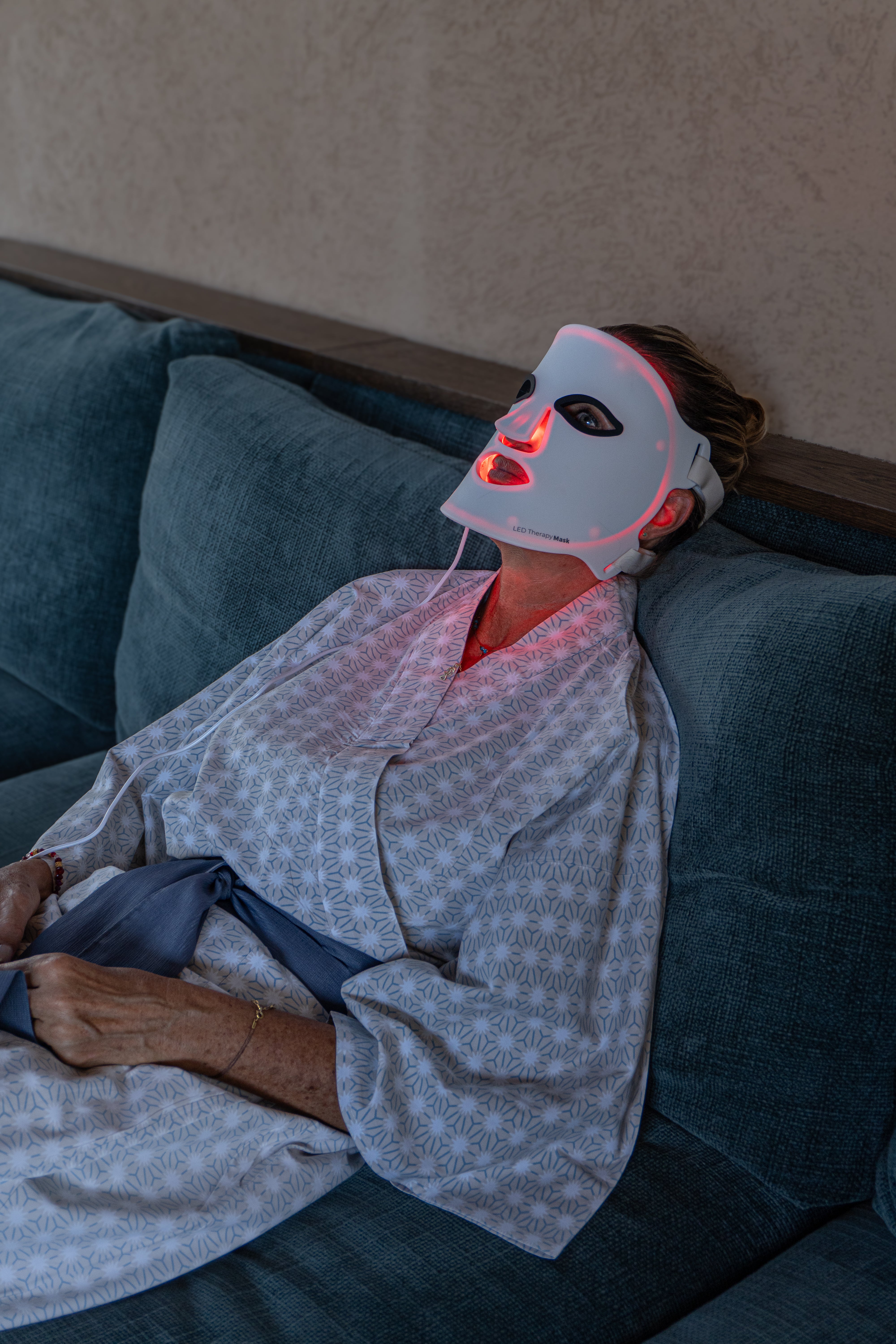
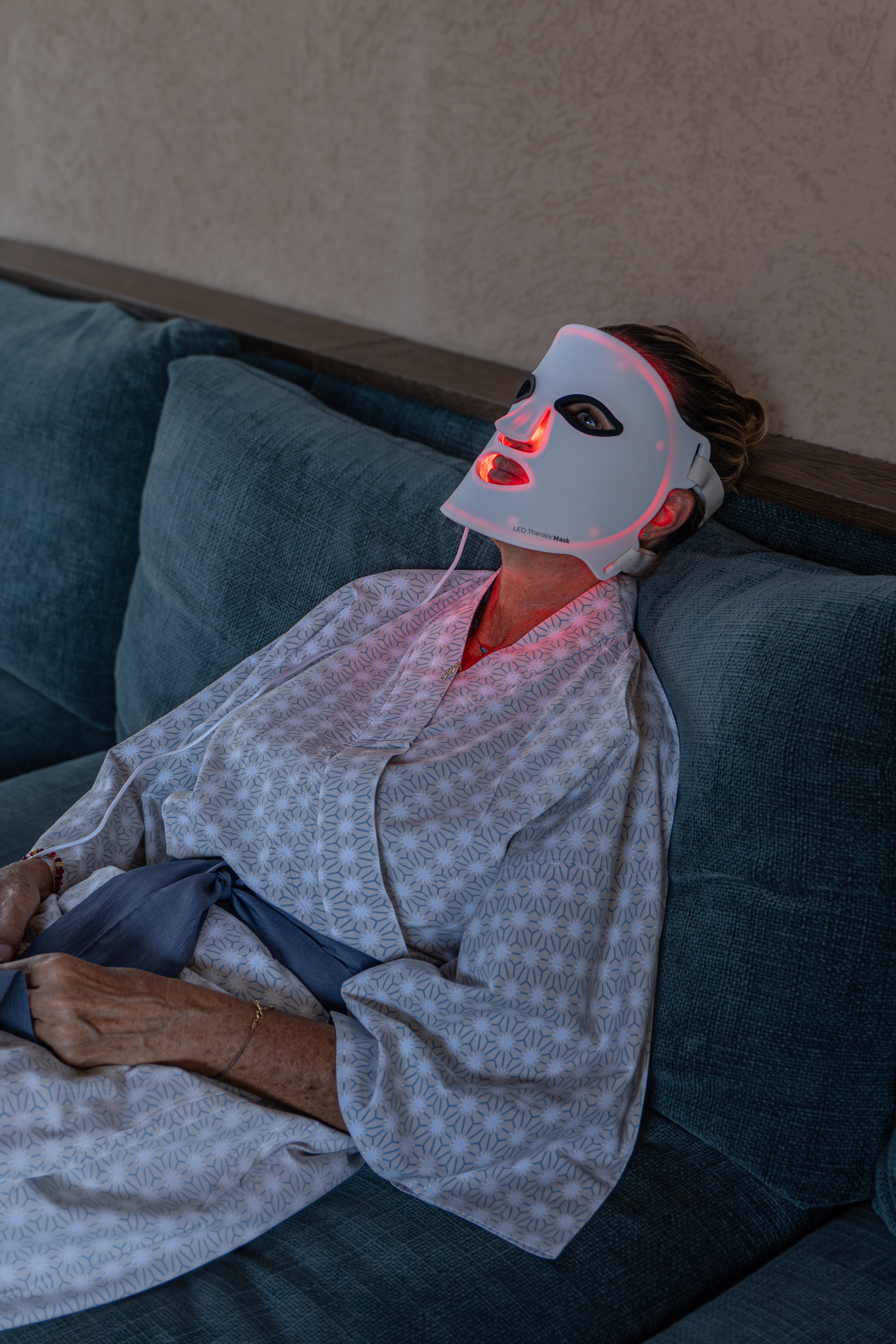
In the realm of daily wellness, solutions such as high-end LED therapy devices allow for the incorporation of photobiomodulation sessions at home to support skin regeneration and post-training recovery.
Percussion massage and muscle recovery
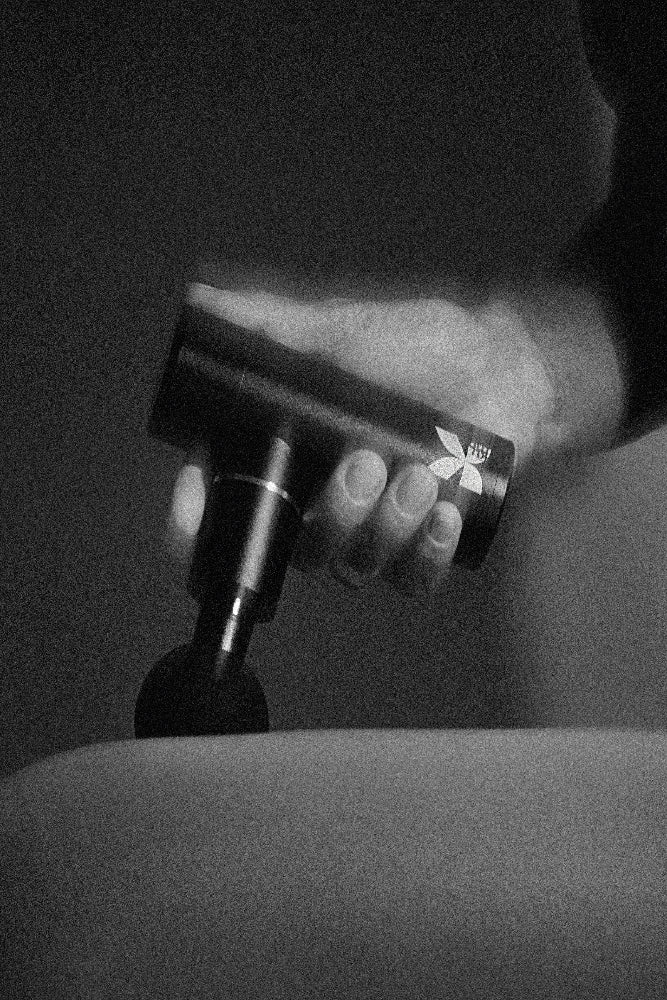
Massage guns or percussion devices apply rapid, deep vibrations to the muscles. Their main purpose is:
- Improve local blood flow.
- Reduce the feeling of stiffness and muscle contractions.
- Promote the elimination of byproducts of effort.
By relieving tension and improving circulation, the environment of muscle tissue becomes more conducive to regenerative processes. A tool like the KumoPulse Air massage gun can be integrated into short routines before or after training to optimize muscle preparation and recovery.
Pressotherapy and circulation to nourish the cells
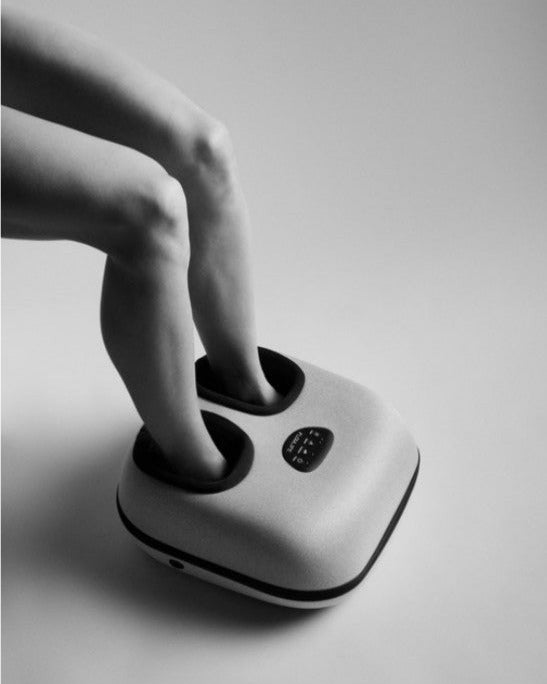
Cell regeneration requires good blood flow: oxygen and nutrients must reach the tissues, and metabolic waste must be efficiently removed. Pressotherapy —boots or sleeves that inflate and deflate sequentially—is designed precisely for this purpose:
- Stimulate venous and lymphatic return.
- Reduce the feeling of heavy legs.
- To accelerate recovery after intense exertion or prolonged periods of standing or sitting.
Regularly incorporating quality pressotherapy boots can help leg tissues receive a better supply of nutrients and release toxins and retained fluids sooner, creating a more favorable environment for cell repair.
LED masks for skin and skin rejuvenation
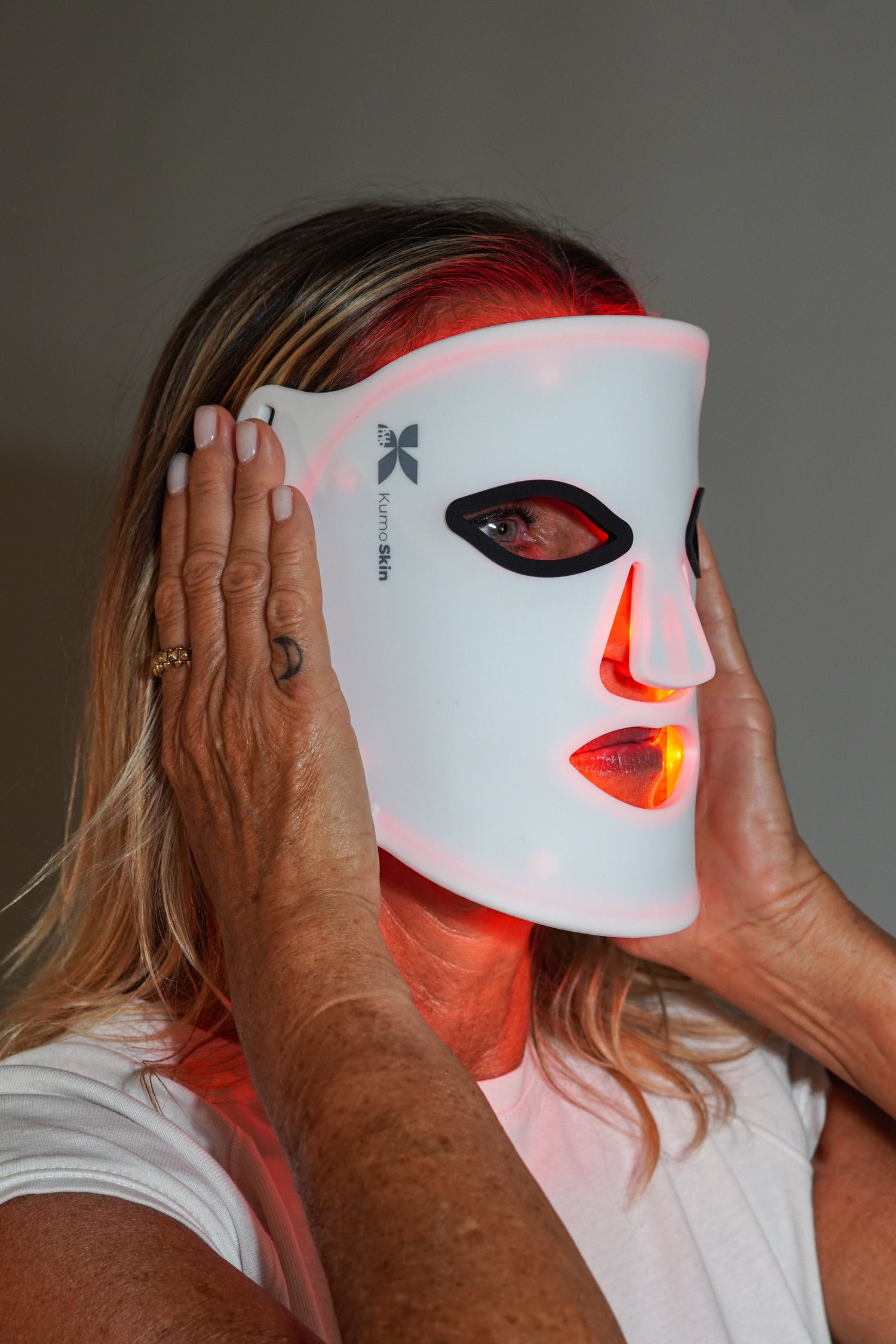
The skin is one of the tissues with the greatest capacity for renewal. In fact, the outermost layer renews itself in cycles of approximately 28 days in young adults, although this cycle can lengthen with age. LED facial masks combine different wavelengths (red, near-infrared, and in some cases, others such as blue) to:
- Stimulate the production of collagen and elastin.
- Improve skin texture and radiance.
- Support regeneration after external aggressions (sun, pollution, etc.).
When used consistently, according to the manufacturer's recommendations and available evidence, they can be an interesting support for those seeking healthier-looking skin and better repair capacity after daily use.
Summary table: habits and technologies that support cell regeneration
| Factor / Tool | Main benefit regarding cell regeneration | Examples of practical application |
|---|---|---|
| Deep and regular sleep | It releases restorative hormones, promotes brain cleansing and tissue repair. | Fixed sleep routine, reduced screen time, dark and cool environment. |
| Proper nutrition | It provides amino acids, healthy fats, vitamins and key minerals. | Quality protein in every meal, a variety of fruits and vegetables. |
| Moderate and consistent exercise | It stimulates muscular, bone, and cardiovascular adaptation. | Combination of strength, gentle cardio and mobility. |
| Red light therapy / LED | It supports mitochondrial function and cellular energy production. | Regular sessions with specialized light therapy devices. |
| Pressotherapy | It improves circulation and drainage, promoting a regenerative environment. | Use of sequential compression boots after sports or long days. |
| Percussion massage | It reduces stiffness and improves local blood flow. | Short routines with a massage gun on overloaded muscle groups. |
Cellular regeneration and athletic performance
In the context of sports, cell regeneration is synonymous with effective recovery. Each training session produces micro-damage in the muscle and connective tissue; it is precisely the repair of this micro-damage that allows for gains in strength, endurance, or power.
A smart recovery strategy includes:
- Schedule days and weeks of relative rest.
- Pay attention to your protein and carbohydrate intake after exercise.
- Ensure sufficient and quality sleep.
- Integrate recovery technologies (pressotherapy, red light, massage) according to needs and schedule.
For athletes and very active people, having home-use tools like those from Kumo makes it easier to maintain a consistent recovery routine, without always depending on external centers.
Cellular regeneration in the skin: beyond aesthetics
The skin visibly reflects the body's regenerative capacity: radiance, texture, firmness, and healing time are clear indicators. Stimulating its renewal not only has an aesthetic impact; it also improves the skin's barrier function, protects against external aggressors, and can help maintain a better overall sense of well-being.
In addition to photobiomodulation with LED masks, the skin benefits from:
- Adequate sun protection in daily life.
- Internal hydration (water) and external hydration (well-formulated cosmetics).
- Habits that reduce tobacco and excessive alcohol consumption.
Combining good habits with safe and controlled light technology can make a noticeable difference in the appearance and ability of the skin to repair itself in the medium term.
Frequently asked questions about cell regeneration
How long does cell regeneration take in the human body?
The rate of tissue renewal varies greatly depending on the tissue. For example, the outermost layer of skin typically renews itself approximately every 3–4 weeks in young adults, while red blood cells have a lifespan of around 120 days. Other tissues, such as bone, are continuously remodeled but in longer cycles, which can last for months. Furthermore, age, lifestyle, sleep, and nutrition can accelerate or slow down these processes, hence the importance of maintaining healthy daily habits.
Is it really possible to "accelerate" cell regeneration?
There's no magic switch to double the speed of regeneration, but it is possible to optimize the biological conditions so the body can repair itself as effectively as possible. This includes good quality sleep, a nutrient-rich diet, regular exercise without overexertion, stress management, and the consistent use of supportive technologies such as red light therapy, compression therapy, or percussion massage. Rather than "speeding up," it's about removing the brakes (chronic stress, lack of rest, nutritional deficiencies) and boosting natural processes.
Does cell regeneration help slow down aging?
The ability to regenerate and repair tissues is closely linked to healthy aging. When cell renewal functions properly, skin maintains its elasticity, muscles recover more effectively, and the body better manages daily wear and tear. This doesn't mean we can stop the passage of time, but we can influence how we experience it. Healthy habits combined with recovery technologies can help maintain key functions for longer and improve quality of life at every stage.
Is red light therapy safe for stimulating cell regeneration?
When used within appropriate parameters and with quality devices, red and near-infrared light therapy is generally considered safe for most people. It is important to always follow the manufacturer's instructions, avoid looking directly at intense light sources, and consult a healthcare professional if you have any medical conditions or are undergoing specific treatments (e.g., photosensitivity, certain medications, or eye diseases). Used responsibly, it can be a valuable tool to support muscle and skin recovery.
Do recovery technologies replace rest and good nutrition?
No. Recovery technologies are a complement, not a substitute. The body needs quality sleep, a balanced diet, hydration, and regular movement to maintain proper cell regeneration. Tools like pressotherapy, massage guns, or LED therapy enhance these processes, help reduce recovery time, and provide comfort, but they cannot compensate for a chronic lack of rest or a very poor diet. The best strategy is to combine both approaches: a solid lifestyle foundation plus well-chosen technologies.
So what now? Integrate regeneration into your daily routine
Cellular regeneration isn't an abstract concept: it's the process that, day after day, determines how you recover, how you perform, and how you age. You can start by adjusting your basics—sleep, nutrition, movement, and stress management—and gradually incorporate supportive tools that fit your lifestyle.
At Kumo, you'll find high-end recovery technologies such as LED therapy devices , compression boots , and the KumoPulse Air massage gun , designed to help you make recovery a daily habit. If you're unsure which solution is best for you, you can contact us through our contact page for personalized advice.