
Introduction: Why cell regeneration matters more than ever
Cell regeneration is the real basis of aging — and how we experience it.
When we talk about “aging well,” we’re not just talking about wrinkles, but about how the cells of the skin, muscles, nervous system, and immune system renew themselves (or not). This 2025 guide brings together what we know today about cell regeneration, aging, and lifestyle, and how new recovery technologies—such as photobiomodulation with red light, pressotherapy, and percussive massage—can support these natural processes as a complement to healthy habits.
Red & infrared light
Recover faster, at home
★★★★★ 4,8/5 · rated by verified customers
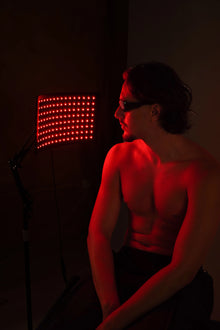
The KumoLux panel supports muscle recovery with full-body red and infrared light.
- 660 nm red + 850 nm infrared light
- Full-body muscle recovery
- Clinically validated biohacking protocols
€399,00€499,00
−10% on your 1st order when you subscribe to the newsletter

It's not a promise of miraculous "anti-aging," but a clear roadmap to understand what you can control, what science says, and how to integrate advanced wellness solutions like KUMO's into your daily routine.
What is cell regeneration (and what is not)
Natural tissue renewal
Every day, millions of cells in your body die and are replaced by new ones. This continuous cycle of damage and repair is what we call cell regeneration . In tissues with high turnover—like skin or gut—renewal is rapid; in others, like muscle or certain neurons, it is much slower.
Personalized protocol · included with your purchase
Want us to tell you how to use it in your case?
With your purchase, our experts set up your red and infrared light sessions for your sport and goal.
Message us on WhatsAppOur experts reply · no obligation
With age, the ability to repair cells decreases: damaged cells accumulate, the energy efficiency of mitochondria declines, and more "senescent" cells appear, which no longer divide but secrete inflammatory molecules that affect neighboring tissue. ( pubmed.ncbi.nlm.nih.gov )
Repair, regenerate, rejuvenate: they are not the same thing
In everyday language, terms are mixed up:
- Repair : the tissue heals or compensates for the damage, but does not always recover its original state.
- Regeneration : new tissue is formed that is very similar to the original (for example, muscle after a well-recovered workout).
- Rejuvenation : involves not only creating new cells, but also reversing biological markers of aging (telomeres, inflammation, mitochondrial function…).
Most current interventions—habits, nutrition, and recovery technologies—are aimed at promoting repair and regeneration , and slowing down certain aging mechanisms, rather than "turning back the clock."
on your first order when you join the newsletter
We send you the code instantly. No spam.
Cellular aging: what happens inside your cells
Telomeres: the “counter” of cell divisions
Telomeres are structures that protect the ends of chromosomes. They shorten with each cell division and also due to external factors such as smoking, chronic inflammation, and oxidative stress. Shorter telomere length is associated with an increased risk of cardiovascular disease, type 2 diabetes, and overall mortality. ( pubmed.ncbi.nlm.nih.gov )
Studies in large populations show that smoking, inactivity, and insomnia are linked to shorter telomeres, while moderate and vigorous physical activity is associated with better preservation of their length. (pubmed.ncbi.nlm.nih.gov) A classic study estimated that smoking a pack of cigarettes a day for 40 years is equivalent to a telomere loss similar to 7.4 extra years of biological aging. ( pmc.ncbi.nlm.nih.gov )
Cellular senescence and “inflammaging”
When a cell accumulates too much damage, it can enter senescence : it stops dividing, but it doesn't die. These senescent cells secrete a cocktail of inflammatory molecules (SASP) that promote further damage and senescence around them, impairing the tissue's regenerative capacity. ( pubmed.ncbi.nlm.nih.gov )
In animal models, eliminating these senescent cells improves organ function and extends healthy lifespan, which has led to the development of “senolytic” drugs in investigations. ( pubmed.ncbi.nlm.nih.gov ) Although we are still far from a definitive solution, the practical message is clear: reducing cellular stress (metabolic, inflammatory, and oxidative) helps fewer senescent cells accumulate .
Mitochondria, energy and oxidative stress
Mitochondria are the cell's powerhouses. With age, their function deteriorates: they produce less energy (ATP) and more free radicals, which contributes to damage to DNA, proteins, and cell membranes. (pubmed.ncbi.nlm.nih.gov) This dysfunction has been linked to sarcopenia (loss of muscle mass), neurodegenerative diseases, and age-related frailty. ( frontiersin.org )
A key point is that mitochondria are very sensitive to the environment: regular physical activity, good nutrition and restorative sleep improve their biogenesis and their ability to handle oxidative stress; conversely, sedentary lifestyle, excess calories and lack of rest deteriorate them rapidly.
Factors that accelerate or slow down cell regeneration
Lifestyle: much more than genetics
Genetics explains only about 20–25% of our estimated lifespan; the rest is related to modifiable factors such as diet, exercise, sleep, stress, and environmental toxins. ( eatingwell.com ) Studies on telomeres and aging confirm that:
- Tobacco : accelerates telomere shortening in a dose-dependent manner and is associated with premature biological aging. ( pmc.ncbi.nlm.nih.gov )
- Physical inactivity : is linked to shorter telomeres and poorer vascular and muscle repair capacity. (pubmed.ncbi.nlm.nih.gov)
- Chronic insomnia : correlates with shorter telomeres even when total sleep duration is not extremely low. (pubmed.ncbi.nlm.nih.gov)
The good news is that changing these habits—quitting smoking, moving more, sleeping better—not only improves how you feel today, but also directly modulates several markers of cellular aging.
Nutrition, antioxidants, and cellular longevity
A diet rich in vegetables, fruits, legumes, fish, and healthy fats is associated with less systemic inflammation and better maintenance of telomere length. ( eatingwell.com ) Components such as polyphenols, antioxidant vitamins, and omega-3 fatty acids help reduce oxidative stress and low-grade inflammation (“inflammaging”). ( pmc.ncbi.nlm.nih.gov )
Conversely, an excess of simple sugars, trans fats, and ultra-processed foods is linked to greater oxidative damage and poorer vascular health. From the perspective of cell regeneration, what matters most is not a specific "superfood," but rather your overall dietary pattern.
Sleep: when the body truly repairs itself
Deep sleep is one of the most powerful windows of cellular repair . In older humans, a single night of partially restricted sleep activates molecular pathways associated with DNA damage and the senescence phenotype (SASP), that is, typical signals of biological aging. (pubmed.ncbi.nlm.nih.gov)
Other studies in humans and animals show that sleep deprivation increases DNA breaks and oxidative stress, while restorative sleep reverses many of these markers. ( academic.oup.com ) Getting enough sleep (around 7–9 hours for most adults) and at regular times isn't just "resting": it's giving your body time to repair tissues, clear metabolic waste, and restore immune balance.
Technologies to support regeneration and recovery in 2025
In addition to the classic pillars (nutrition, exercise, sleep, stress management), recent years have seen the emergence of recovery technologies that aim to support specific cellular processes: improving microcirculation, modulating inflammation, and optimizing muscle repair. KUMO's solutions are inspired by this evidence, always as a complement to a healthy lifestyle and never as a substitute for medical care.
LED photobiomodulation and skin regeneration
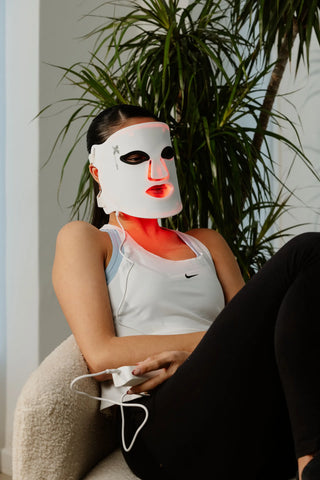
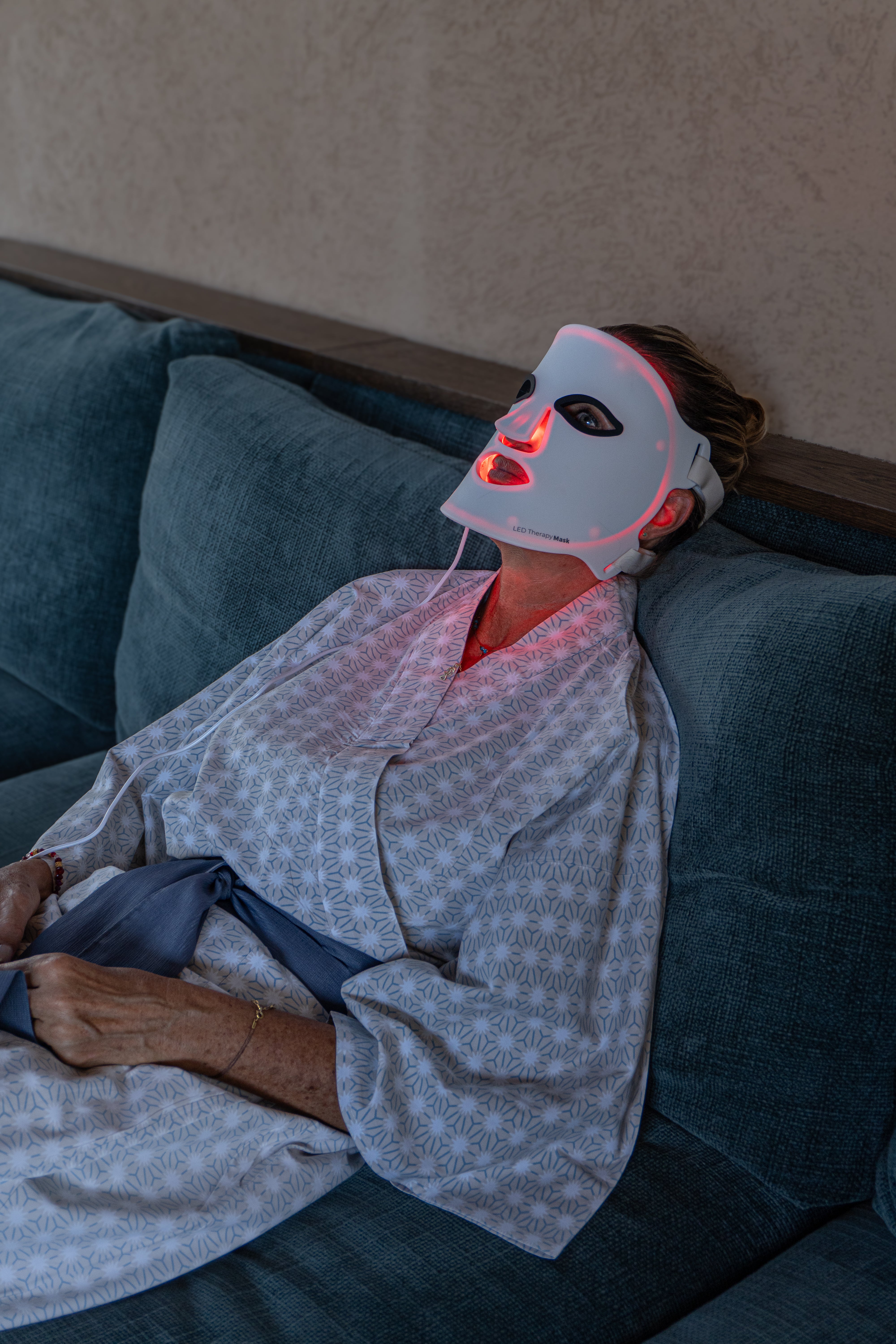
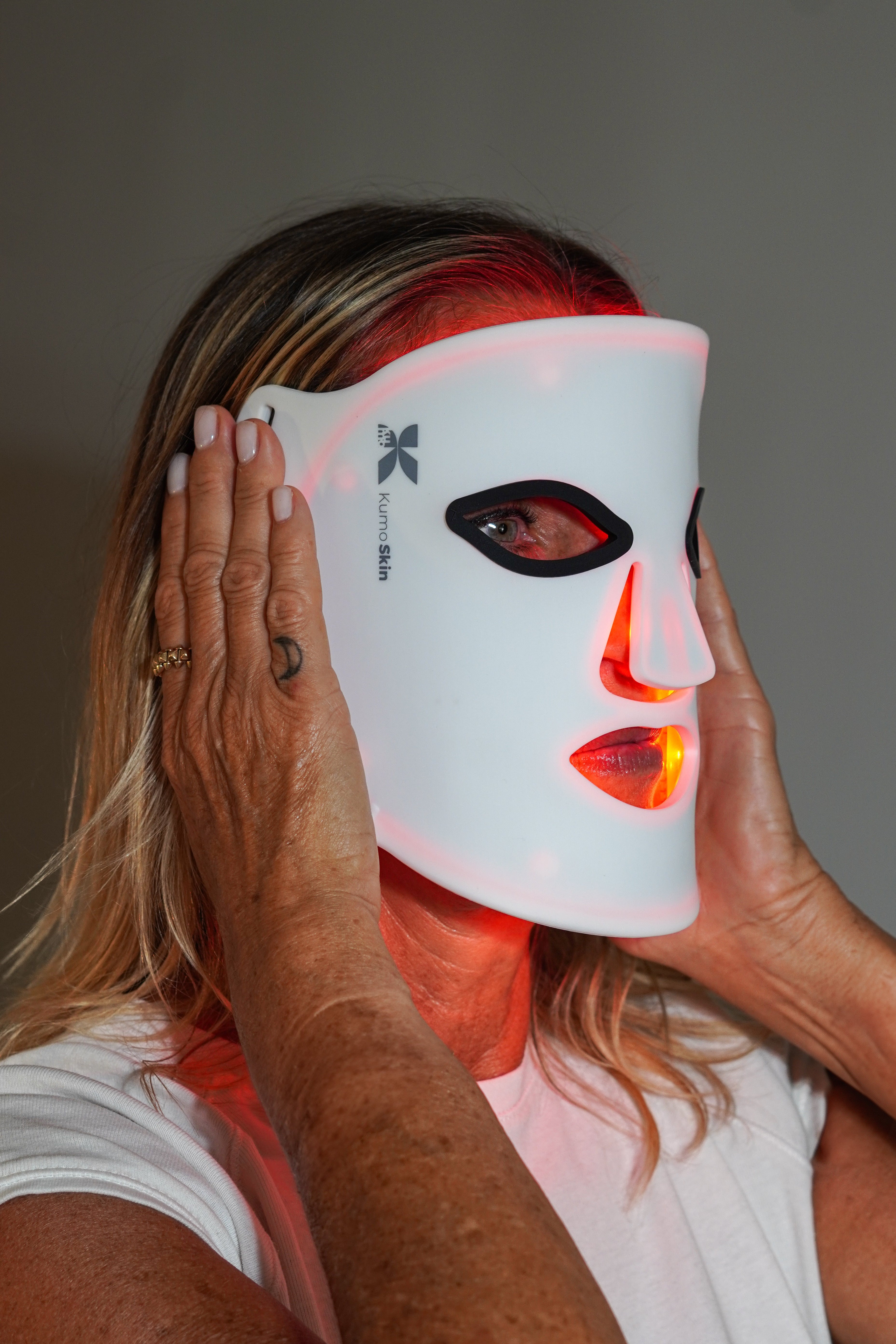
Photobiomodulation uses low-intensity red and near-infrared light to stimulate cellular processes such as mitochondrial energy production and collagen synthesis. Systematic reviews and meta-analyses on LED therapy show improvements in skin texture, fine wrinkles, and signs of photoaging , with a good safety profile when appropriate parameters are used. (pubmed.ncbi.nlm.nih.gov)
A 2023 study with LED masks observed progressive improvements in skin quality after 1–3 months of regular use, with effects that lasted at least a month afterward, suggesting structural and not just cosmetic changes. (pubmed.ncbi.nlm.nih.gov) KUMO LED light therapy devices apply these principles for at-home facial and body care, always as part of a comprehensive skin health routine.
Red light and muscle recovery
In the muscular field, several clinical trials have analyzed photobiomodulation with LEDs or low-intensity lasers around the time of intense exercise. Some studies show that a single session following a fatigue protocol can reduce markers of muscle damage and improve strength recovery compared to placebo or cryotherapy. (pubmed.ncbi.nlm.nih.gov)
In critically ill patients in the ICU, daily application of red light/NIR to large muscle groups shortened the length of stay in intensive care by about 30% and increased strength and mobility compared to a sham group, without relevant adverse effects. (pubmed.ncbi.nlm.nih.gov) This does not mean that red light “cures” on its own, but it can be a useful tool to support muscle function, especially when combined with physical therapy and progressive movement.
Pressotherapy: pneumatic compression and circulation
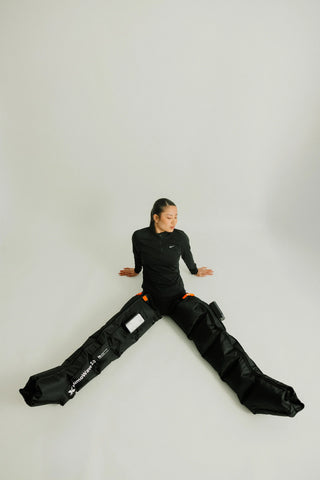
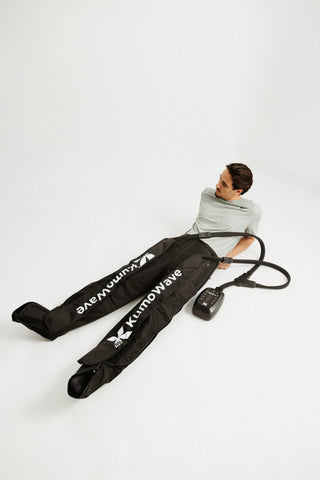
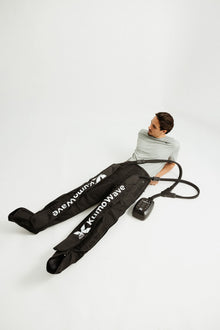
Intermittent pneumatic compression boots apply sequential pressure from the foot to the thigh to promote venous and lymphatic return. Experimental studies show that this compression can increase blood flow in the femoral artery during exercise and recovery, and improve local vascular conductance. (pubmed.ncbi.nlm.nih.gov)
Other studies in athletes indicate that, after intense sprints, recovery with intermittent compression improves cardiovascular parameters compared to passive rest, reducing hemodynamic load. (pubmed.ncbi.nlm.nih.gov) However, a 2025 review concludes that, while no clear superiority over other recovery methods is observed, there are also no signs of harm; the evidence remains limited and more research is needed. (pubmed.ncbi.nlm.nih.gov)KUMO compression boots build upon these principles to offer a comfortable tool for relieving tired legs and providing everyday circulatory support.
Massage guns and muscle regeneration
Percussive massage guns apply rapid, controlled blows to soft tissue. Recent trials indicate that, after inducing delayed onset muscle soreness (DOMS), percussive therapy can more effectively reduce pain and improve range of motion than static stretching, especially when applied in longer sessions. (pubmed.ncbi.nlm.nih.gov)
These effects appear to be related to improved local perfusion, modulation of muscle tone, and stimulation of mechanoreceptors that reduce the sensation of stiffness. Integrating devices like the KumoPulse Air massage gun into a post-workout routine—along with proper hydration, sleep, and nutrition—can help muscles complete their repair and remodeling processes.
The importance of context and security
Although the evidence on photobiomodulation, pneumatic compression, and percussive massage is promising, there are key points worth remembering:
- Most studies are conducted under highly controlled conditions; your actual results may vary.
- The parameters (light dose, pressure, duration) are crucial; using "more" is not always better.
- These technologies do not replace medical treatments or physiotherapy when there is an injury or illness.
If you have a relevant medical condition (severe vascular problems, altered sensation, active cancer, high-risk pregnancy, etc.), consult a healthcare professional before using these devices.
Cellular regeneration in real life: combining habits and technology
Smart exercise and “young” muscle
Studies in animal models show that regular exercise improves the ability of muscle stem cells to repair tissue in old age, in part by restoring levels of key cell-activating proteins. (pubmed.ncbi.nlm.nih.gov) In humans, moderate-to-vigorous physical activity is associated with longer telomeres and less functional frailty. (pubmed.ncbi.nlm.nih.gov)
The ideal combination to support muscle regeneration includes:
- Strength training 2-3 times per week.
- Regular aerobic activity (brisk walking, cycling, swimming…).
- Active recovery strategies (e.g., gentle walking) and passive recovery supported, if desired, with tools such as pressotherapy, LED therapy or percussive massage.
Your skin as a mirror of your cellular aging
The skin is one of the tissues where we most clearly see the balance between damage and repair: UV radiation, pollution, tobacco, and stress accelerate photoaging. In response, a routine that combines daily photoprotection, antioxidant-rich nutrition, and controlled regeneration stimuli (such as LED photobiomodulation) can improve both the skin's barrier function and its visible appearance. (pubmed.ncbi.nlm.nih.gov)
The important thing is not to add more and more products, but to choose well: gentle cleansing, adequate hydration, sun protection and, if desired, home LED devices based on wavelengths and energies that have been shown to be safe in clinical studies. (pubmed.ncbi.nlm.nih.gov)
Summary table: habits and technologies that support cell regeneration
| Factor/tool | Main cellular mechanism | Key evidence | How to integrate it into your routine |
|---|---|---|---|
| Regular physical activity | Improves mitochondrial function, reduces inflammation, and supports telomere length. | Reviews associate more exercise with longer telomeres and less frailty. (pubmed.ncbi.nlm.nih.gov) | Combine strength and cardio 3–5 days/week, adapting the intensity to your level. |
| Sufficient and quality sleep | Promotes DNA repair and immune balance; reduces SASP. | A single night of partial sleep activates molecular pathways of aging in older adults. (pubmed.ncbi.nlm.nih.gov) | Prioritize 7–9 hours of sleep, regular routines, and good sleep hygiene. |
| Anti-inflammatory nutrition | It reduces oxidative stress and protects telomeres. | Diets rich in vegetables, fiber, and omega-3 fatty acids are associated with better telomeric health. ( eatingwell.com ) | Fill your plate with vegetables, fruits, legumes, olive oil and oily fish. |
| LED Photobiomodulation | It modulates mitochondrial function and collagen synthesis in skin and muscle. | Trials show improvements in signs of skin aging and in select muscle recovery. (pubmed.ncbi.nlm.nih.gov) | Use household LED devices following the time, distance, and frequency guidelines. |
| Pressotherapy | It improves venous return and blood flow in the extremities. | Studies observe increased femoral blood flow and improved post-exercise hemodynamic recovery. (pubmed.ncbi.nlm.nih.gov) | Ideal after days of standing or leg training, in short and regular sessions. |
| Percussive massage | It stimulates mechanoreceptors, local circulation, and muscle relaxation. | Recent trials indicate better recovery from DOMS compared to static stretching. (pubmed.ncbi.nlm.nih.gov) | Apply to muscle groups that are strained after sports or long hours of sitting. |
Frequently asked questions about cell regeneration
At what age does cell regeneration begin to decline?
There is no exact age at which cellular regeneration "shuts down," but many markers begin to worsen from the third decade of life onward. For example, telomere length decreases continuously with age, and the rate of loss can accelerate with smoking, obesity, or a sedentary lifestyle. ( pmc.ncbi.nlm.nih.gov ) Similarly, mitochondrial function in muscle and neurons begins to deteriorate noticeably in middle age, contributing to loss of strength and fatigue. (pubmed.ncbi.nlm.nih.gov) The key is that it is never "too late" to improve habits and slow down some of this process.
Can cellular aging be reversed with healthy habits alone?
Healthy habits have a profound impact on markers of aging, but talking about a “total reversal” would be an exaggeration. Studies on telomeres indicate that quitting smoking, exercising, and sleeping better are associated with a lower rate of shortening, and even some stabilization in certain groups. (pubmed.ncbi.nlm.nih.gov) Likewise, improving nutrition and stress management reduces chronic inflammation and oxidative stress, two key drivers of aging. ( eatingwell.com ) However, chronological age and genetic predisposition still play a role. The most realistic goal is to aspire to slower aging and a better quality of life , not to “stop time.”
Does red light therapy really regenerate cells?
The red and near-infrared light used in photobiomodulation acts primarily on the mitochondria, transiently increasing energy production and modulating signaling pathways. (pubmed.ncbi.nlm.nih.gov) In the skin, clinical trials have demonstrated improvements in texture, fine wrinkles, and firmness, consistent with increased collagen and better organization of the extracellular matrix. (pubmed.ncbi.nlm.nih.gov) In muscle, some studies show improved recovery after intense exertion. (pubmed.ncbi.nlm.nih.gov) But this does not equate to “creating new cells from scratch.” Rather, red light optimizes existing cellular repair and remodeling processes , always within physiological limits.
How long does it take for skin to regenerate and how can I support it?
In healthy adults, the epidermal renewal cycle typically lasts around 28–40 days, although it lengthens with age and factors such as smoking, UV radiation, or lack of sleep. (pubmed.ncbi.nlm.nih.gov) To support this regeneration, the most effective approach is to combine: daily sun protection, a diet rich in antioxidants and essential fatty acids, sufficient rest, and, if desired, controlled stimuli such as LED photobiomodulation to promote collagen production. (pubmed.ncbi.nlm.nih.gov) Consistency is key: visible structural changes usually require weeks or months, not days.
What supplements can help protect cells?
The evidence regarding supplements is much more heterogeneous than that regarding dietary habits. Some studies suggest that nutrients such as vitamin D, certain antioxidants, and omega-3 fatty acids may support cellular and telomeric health in specific contexts, particularly when a deficiency already exists. ( pmc.ncbi.nlm.nih.gov ) However, trials with high-dose antioxidants have not consistently demonstrated that they prolong life or prevent disease in the general population, and in some cases, they have even been neutral or negative. (pubmed.ncbi.nlm.nih.gov) Therefore, it is prudent to prioritize a balanced diet and use supplements only to correct confirmed deficiencies, ideally under professional supervision.
So what now? Integrate cell regeneration into your daily routine
If you want to take care of your cellular regeneration and age better, the first step will always be your foundation: daily movement, mindful eating, good sleep, and limiting toxins like tobacco. From there, you can support yourself with high-end recovery technologies such as LED light therapy ,pressotherapy , or percussive massage guns to make your rest and muscle care more efficient.
At KUMO, you'll find solutions designed to integrate recovery into your lifestyle, with aesthetics and technology tailored for everyday use. If you have questions about which tool is best for you or how to combine it with your physical activity, you can contact our team for personalized guidance adapted to your goals and health context.

Red & infrared light
KumoLux Panel – Red and Infrared LED Panel
★★★★★ 4,8/5 · rated by verified customers
- 660 nm red + 850 nm infrared light
- Full-body muscle recovery
- Clinically validated biohacking protocols
€399,00€499,00· pay in installments with seQura or Klarna