Introduction
Light can be a therapy.
Photobiomodulation, also known as red light or near-infrared light therapy , uses specific wavelengths of light to stimulate beneficial biological processes in the skin, muscles, and other tissues. Today, there are home devices—such as LED face masks or red light panels—that allow you to enjoy this technology at home, provided it is used safely and with proper planning . In this article, you will learn what it is, what benefits have been observed in clinical studies, how to use it at home, and what precautions to take.
Red & infrared light
Recover faster, at home
★★★★★ 4,8/5 · rated by verified customers
The KumoLux panel supports muscle recovery with full-body red and infrared light.
- 660 nm red + 850 nm infrared light
- Full-body muscle recovery
- Clinically validated biohacking protocols
€399,00€499,00
−10% on your 1st order when you subscribe to the newsletter

What is photobiomodulation and how does it work?
Photobiomodulation (PBM) is a non-invasive therapy that uses low-power light , typically in the red (approximately 600–700 nm) and near-infrared (approximately 800–900 nm) ranges. This light is absorbed by cellular structures such as mitochondria, which can increase ATP production, modulate oxidative stress, and regulate inflammatory pathways without significantly heating or damaging tissues, unlike surgical lasers or UV radiation. (keystoyourhealth.org)
PBM is applied using LEDs or low-intensity lasers and has been studied in fields such as cosmetic dermatology, sports rehabilitation, pain management, and sleep improvement. It is not a miracle therapy, but when used correctly, it can be a valuable complementary tool within a wellness and recovery routine.
Personalized protocol · included with your purchase
Want us to tell you how to use it in your case?
With your purchase, our experts set up your red and infrared light sessions for your sport and goal.
Message us on WhatsAppOur experts reply · no obligation
Potential benefits of at-home photobiomodulation
Skin care and aging
Photobiomodulation with red and infrared LEDs has been used to improve skin texture, the appearance of fine wrinkles, and skin tone . In a randomized clinical trial with 76 patients, LED phototherapy with 633 nm and 830 nm applied twice a week for four weeks showed a measurable improvement in wrinkles and elasticity, accompanied by histological changes consistent with collagen stimulation. ( pubmed.ncbi.nlm.nih.gov )
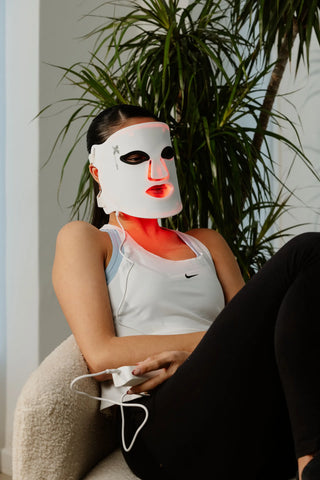
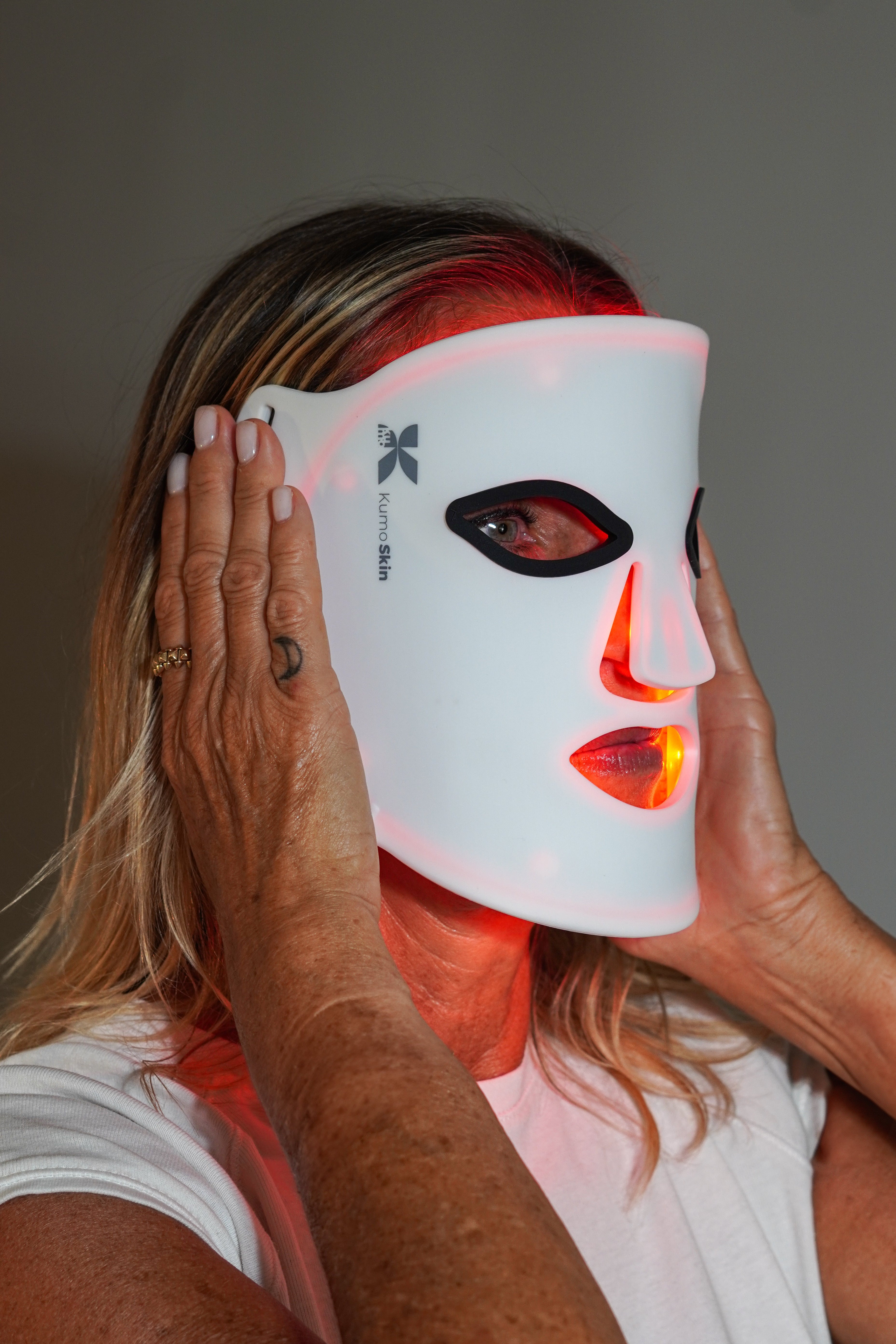
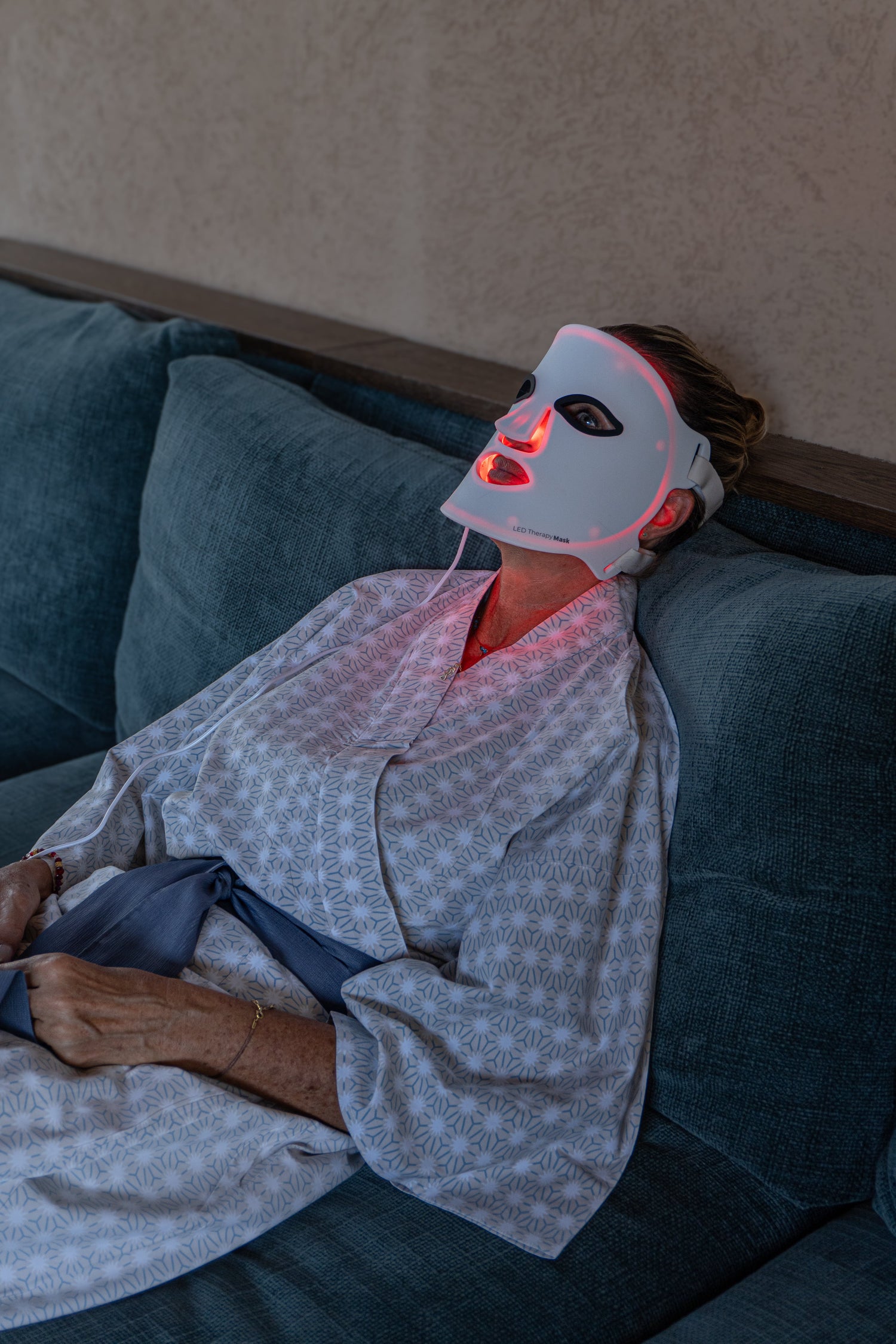
In the domestic context, LED facial masks — such as those offered by KUMO for LED light therapy — allow these parameters to be applied in a simple and localized way, always following the times and recommendations of the manufacturer.
Muscle recovery and physical performance
Several studies in athletes have observed that photobiomodulation applied to large muscle groups before or after intense exercise can reduce markers of muscle damage (such as creatine kinase), decrease fatigue, and improve strength recovery. ( pubmed.ncbi.nlm.nih.gov )
on your first order when you join the newsletter
We send you the code instantly. No spam.
A systematic review and meta-analysis published in 2023 found that pre-infrared irradiation of the lower limbs helped maintain peak torque, reduce lactate and creatine kinase, and alleviate delayed onset muscle soreness after strenuous exercise. ( pubmed.ncbi.nlm.nih.gov ) At home, this translates to using red light panels or devices on the quadriceps, hamstrings, or calves after intense workouts, as a complement to stretching, hydration, and rest.
Joint and soft tissue pain
Photobiomodulation has also been studied for the relief of joint and tendon pain , thanks to its effects on local inflammation and microcirculation. Although results vary depending on the pathology and protocol, it is generally considered a low-risk technique that can support the management of chronic pain when integrated into a plan supervised by healthcare professionals. (keystoyourhealth.org)
For home use, devices are placed on the knees, shoulders or lower back for a few minutes, several days a week, without replacing physiotherapy or the indicated medical treatment.
Sleep and general well-being
Exposure to low-intensity red and infrared light at the end of the day may help regulate the circadian rhythm and promote melatonin production , unlike the intense blue light from screens and conventional LED bulbs. Some clinical reports and popular reviews indicate improvements in sleep quality with 10–15 minute sessions in the late afternoon or evening, although the evidence is still emerging and heterogeneous. ( redlightstherapy.org )
In this context, red light therapy devices for recovery and sleep — such as those from KUMO — can fit into a nighttime routine that also includes sleep hygiene, reduced screen time, and relaxation techniques.
Is photobiomodulation safe at home?
General safety and common side effects
Photobiomodulation with red and near-infrared light is generally considered safe and well-tolerated when used within recommended parameters. It is non-ionizing light, with no UV radiation and no intention of deeply heating tissues. ( erythroslight.com )
The most common side effects described in safety guidelines and studies are mild: transient redness, a moderate burning sensation, dryness, or slight irritation in sensitive skin. These usually resolve by reducing exposure time, increasing the distance from the device, or spacing out sessions.
Contraindications and when to consult a professional
Although it is a low-risk therapy, there are situations in which caution or medical supervision is recommended before using photobiomodulation:
- Photosensitivity disorders (e.g., lupus) or use of photosensitizing drugs.
- Active cancer or suspicious lesions in the area to be treated.
- Pregnancy : avoid abdomen and lower back area due to insufficient data.
- Epilepsy , especially with pulsed or flashing light modes. ( insideouthealthwellness.com )
- Thyroid hyperactivity when applying direct light to the neck.
- Open wounds or infections without professional supervision.
If you have a chronic illness, take medication continuously, or have doubts about your case, it is best to consult your doctor before starting a home protocol.
Eye protection and use on the face
Most guidelines agree that the red and infrared light used in photobiomodulation does not contain UV radiation and, within therapeutic ranges, has a favorable eye safety profile; even so, it is recommended not to look directly at the LEDs and to avoid prolonged glare. ( erythroslight.com )
Good practices when treating the face include:
- Keep your eyes closed during the session.
- Wear protective eyewear if the glare is bothersome or if the manufacturer indicates it.
- Always supervise children and people sensitive to light.
How to use photobiomodulation at home step by step
Choosing the right device
Before starting, it's a good idea to choose a device that suits your goals:
- LED facial masks : ideal for skin care and photoaging. They usually combine red and infrared wavelengths and allow for very simple protocols.
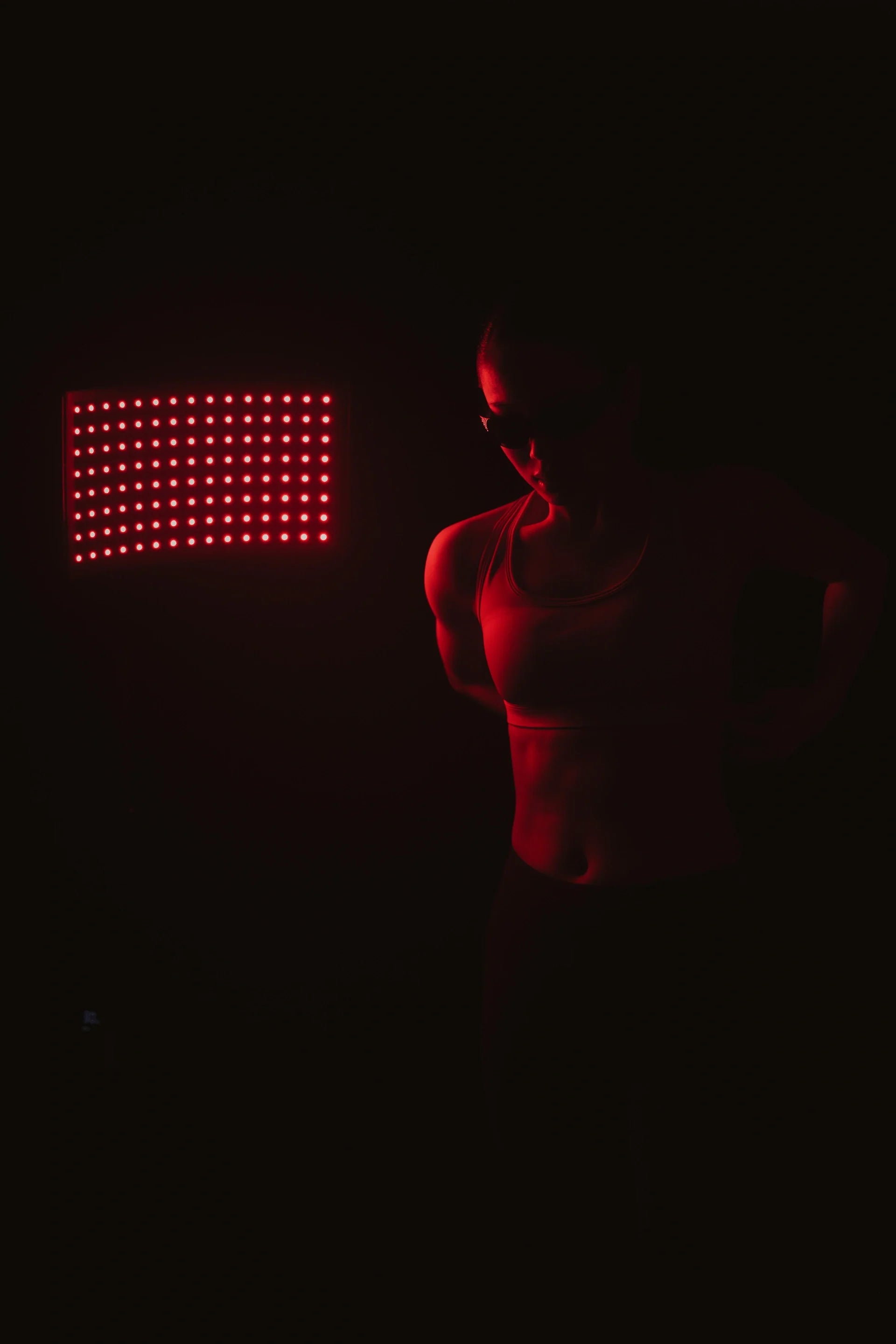
- Red/infrared light panels : cover large areas of the body, useful for muscle recovery or general well-being.
- Spot devices : suitable for small areas, such as a specific joint.
When choosing, always check: wavelengths, power (irradiance), certifications, and the clarity of the user manual. KUMO LED light therapy solutions are precisely designed for easy home use, combining effectiveness and design.
Examples of indicative parameters for home use
The following ranges are guidelines and are based on common recommendations for quality home devices. You should always prioritize the specific instructions from your equipment manufacturer. ( insideouthealthwellness.com )
| Area / Target | Typical session duration | Recommended frequency | Approximate distance to the device |
|---|---|---|---|
| Face (skin, wrinkles, texture) | 10–15 minutes | 3–5 times/week | 10–20 cm or a fitted mask |
| Muscles (quadriceps, hamstrings, calves) | 10–20 minutes per muscle group | 3–4 times/week, depending on training load | 15–30 cm, depending on the panel's power |
| Sore joints (knee, shoulder, elbow) | 5–10 minutes | 3–7 times/week (depending on tolerance) | 10–20 cm |
| Sleep/relaxation routine | 10–15 minutes at sunset/night | Daily or almost daily | 20–40 cm, soft and pleasant light |
Remember the golden rule of PBM: not too little, not too much . An excessively long session will not multiply the benefits and may increase the risk of skin irritation.
Simple routines according to objective
- Skin and facial radiance : 3–5 weekly sessions with an LED facial mask, on clean, dry skin, without makeup or photosensitizing products. Follow with a gentle moisturizer after each session.
- Recovery after training : After showering, apply a red light panel to the most stressed areas (e.g., legs) for 10–15 minutes. You can combine this with gentle stretching.
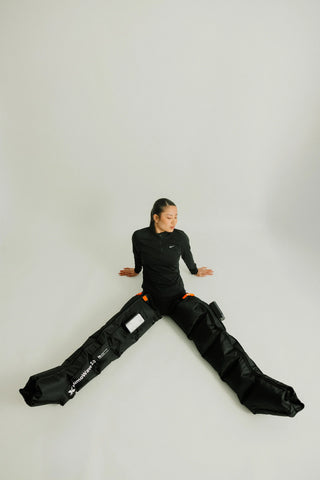
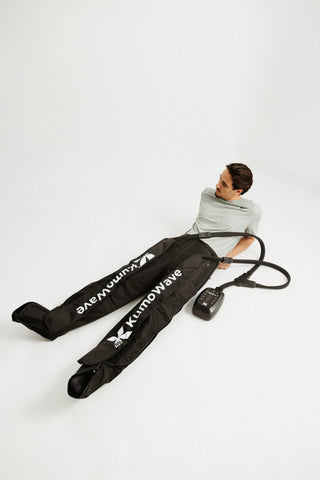
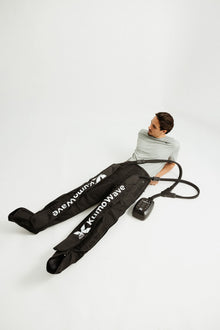
- Heavy legs and circulation : alternate red light sessions on legs with pressotherapy boots to promote venous return and relieve the feeling of fatigue.
- Nighttime relaxation : 10–15 minutes of soft red light while reading or meditating, away from bright screens.
Common mistakes with home photobiomodulation
Overexposure: “more” is not always better
Photobiomodulation follows a "Goldilocks" or biphasic response: an insufficient dose has little effect, but an excessive dose can reduce the benefits or cause discomfort. ( peakprimalwellness.com )
Safety guidelines for home use typically recommend sessions of 5 to 20 minutes per area , several times a week, rather than very long exposures. If you experience intense heat, persistent redness, or a burning sensation, it's a sign that you should reduce the time, distance, or frequency.
Incorrect distance and lack of effective power
Another common mistake is standing too far from the device, so the intensity reaching the skin is too low to activate the desired biological processes. Irradiance decreases rapidly with distance, so being 40–50 cm from a panel can result in an effective dose that is a fraction of what is expected. ( peakprimalwellness.com )
Conversely, placing it too close (just a few centimeters away) can create "hot spots" and an uncomfortable feeling of heat. Ideally, you should follow the distance range recommended by the manufacturer, usually between 10 and 30 cm for household appliances.
Lack of consistency and unrealistic expectations
Photobiomodulation does not usually produce drastic changes in a single session. Most studied protocols extend over several weeks, with 3–5 weekly sessions to observe progressive improvements in skin, pain, or recovery. ( redlightstherapy.org )
To get the most out of it, think of PBM as a routine , similar to exercising or taking care of your skin daily. Keeping a simple record of sessions and how you feel (pain, sleep quality, skin appearance) can help you adjust timing and frequency accordingly.
Integrate photobiomodulation with other recovery tools
Combination with pressotherapy and massage
In a modern approach to recovery, photobiomodulation can be combined with techniques such as pressotherapy and massage. An example of a routine after intense training could be:
- 5–10 minutes of gentle stretching.
- Red light therapy session on the muscles involved.
- Use of pressotherapy boots to activate circulation.
- Targeted massage with a massage gun like KUMOPULSE AIR in particularly tense areas.
The key is to respect your feelings and avoid overloading the tissues with too many interventions in the same area if you notice irritation or pain.
Sleep hygiene and lifestyle habits
If you use photobiomodulation hoping to sleep better or feel more relaxed, remember that it's a complementary tool . Its effect will be greater if you integrate it into a healthy lifestyle.
- Reduce blue light and screen time at least 60 minutes before bed.
- Maintain relatively regular sleep schedules.
- Pay attention to your diet and hydration, especially around exercise.
- Include moderate physical activity according to your condition.
In this context, a brief red light session can be the trigger for your nightly bedtime ritual.
Frequently asked questions about at-home photobiomodulation
Is at-home photobiomodulation safe for most people?
In general, yes: photobiomodulation with red and near-infrared light is considered safe for most healthy adults when the manufacturer's recommended times, distances, and frequencies are followed. The light used is non-ionizing, does not include UV radiation, and, within therapeutic ranges, does not burn the skin. (keystoyourhealth.org)
However, you should exercise extreme caution if you have photosensitive conditions, a history of skin cancer, epilepsy, are pregnant, or are taking photosensitizing medication. In these cases, consult your doctor before starting any home treatment protocol.
How long does it take to see improvement with photobiomodulation?
The time it takes to notice changes varies depending on the goal and consistency. In skin studies, many protocols extend over 4–8 weeks with two or more sessions per week before evaluating results in wrinkles or texture. ( pubmed.ncbi.nlm.nih.gov ) For muscle recovery or pain, some people experience relief after just a few sessions, while others need several weeks of regular use.
Think of photobiomodulation as a cumulative stimulus: the key is regularity , not very long isolated sessions.
Can I use photobiomodulation every day?
Many manufacturers and guides indicate that daily use can be safe for specific areas, always within the recommended times (usually 5–20 minutes per area). ( insideouthealthwellness.com ) However, for facial aesthetic applications or muscle recovery, 3–5 weekly sessions are usually sufficient to obtain benefits without overexposing the skin.
If you decide to use it daily, observe your response: if persistent irritation, worsening pain, or unusual fatigue appear in the treated area, reduce the frequency or time and consult a health professional.
What is the difference between red light and near-infrared light in photobiomodulation?
Both are used in photobiomodulation, but they have distinct characteristics. Red light (approximately 600–700 nm) is absorbed mainly in the outermost layers of the skin, making it widely used in facial aesthetic treatments and wound healing. Near-infrared light (approximately 800–900 nm) penetrates somewhat deeper and is frequently used in muscle recovery and pain relief protocols in deeper tissues. (keystoyourhealth.org)
Many devices combine both wavelengths to cover different objectives in the same session.
Can photobiomodulation be combined with other medical or aesthetic treatments?
In many cases, yes. PBM has been used in conjunction with physical therapy, training programs, dermatological care, and non-invasive aesthetic procedures to support recovery and modulate inflammation . (keystoyourhealth.org)
However, if you are undergoing medical treatment (for example, for severe acne, autoimmune diseases, cancer, or complex lesions), it is wise to discuss your intention to use photobiomodulation with your doctor or dermatologist to ensure that it does not interfere with your primary therapy.
So what now?
If you want to integrate photobiomodulation into your daily routine, the first step is choosing reliable equipment and creating a realistic and safe regimen. At KUMO, you'll find LED light therapy solutions for skincare and recovery, as well as compression boots and tools like the KUMOPULSE AIR massage gun to complete your at-home wellness system. If you're unsure which device is right for you, you can contact us through our contact page , and we'll help you design your personalized recovery routine.

Red & infrared light
KumoLux Panel – Red and Infrared LED Panel
★★★★★ 4,8/5 · rated by verified customers
- 660 nm red + 850 nm infrared light
- Full-body muscle recovery
- Clinically validated biohacking protocols
€399,00€499,00· pay in installments with seQura or Klarna