What is photobiomodulation?
Photobiomodulation is no longer science fiction.
This technique uses low-intensity, near-infrared red light, without producing heat, to trigger beneficial biological responses in cells. It is also known as low-level light therapy (LLLT) or red light therapy. Unlike the sun's UV rays, it does not seek to "burn" or destroy tissue, but rather to stimulate processes such as cellular energy production, inflammation modulation, and tissue repair.
Red & infrared light
Recover faster, at home
★★★★★ 4,8/5 · rated by verified customers
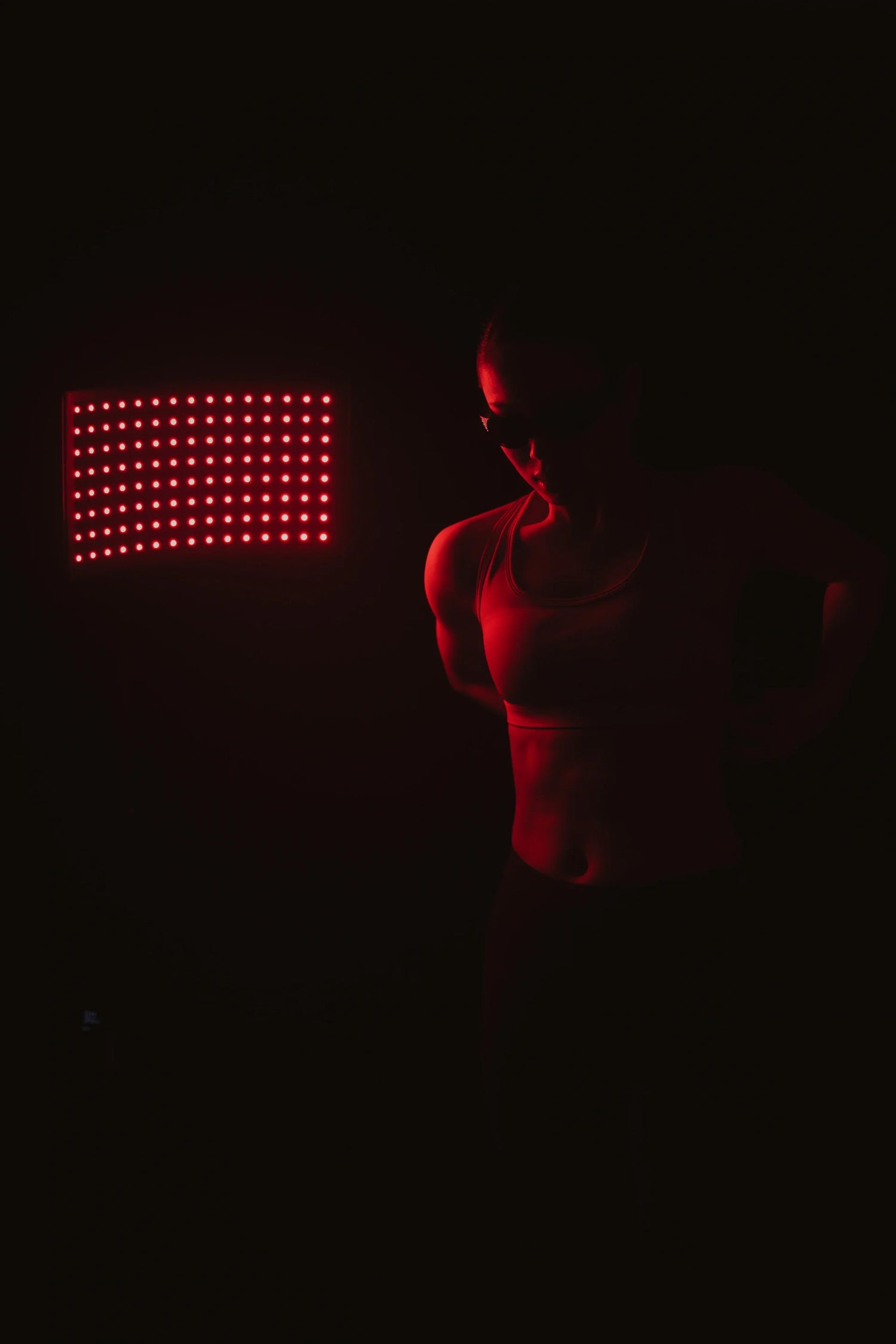
The KumoLux panel supports muscle recovery with full-body red and infrared light.
- 660 nm red + 850 nm infrared light
- Full-body muscle recovery
- Clinically validated biohacking protocols
€399,00€499,00
−10% on your 1st order when you subscribe to the newsletter

Today, it is used in clinics and in home devices for purposes such as skin rejuvenation, muscle recovery, pain relief, and improved overall well-being. However, the scientific evidence is inconsistent depending on the indication and the quality of the device, which is key to its responsible use.
In KUMO 's recovery ecosystem, photobiomodulation is integrated into wellness solutions such as LED masks and red light panels, designed to facilitate a daily, aesthetic and technological recovery routine, without replacing medical advice.
Personalized protocol · included with your purchase
Want us to tell you how to use it in your case?
With your purchase, our experts set up your red and infrared light sessions for your sport and goal.
Message us on WhatsAppOur experts reply · no obligation
How photobiomodulation works at the cellular level
Red light, mitochondria, and more cellular energy
When the skin is exposed to low doses of red light (approximately 600–670 nm) or near-infrared light (approximately 800–900 nm), some of that energy is absorbed by internal cell structures, primarily the mitochondria. Several reviews explain that the light interacts with enzymes such as cytochrome c oxidase, increasing ATP production (cellular energy), modulating reactive oxygen species, and releasing nitric oxide.
This “energy boost” translates, according to studies, into effects such as:
- Increased synthesis of collagen and growth factors in the skin.
- Modulation of inflammation and oxidative stress.
- More efficient tissue repair after physical exertion or injury.
Dosage and frequency: why in photobiomodulation less is not always more (but neither is more)
Photobiomodulation follows a dose-dependent response pattern of the "therapeutic window" type. Basic studies show that low doses may be insufficient, an intermediate window may produce beneficial effects, and excessively high doses may cease to be useful or even be counterproductive.
on your first order when you join the newsletter
We send you the code instantly. No spam.
The parameters that define this window include, among others:
- Wavelength (color of light: red or near infrared).
- Fluency or delivered energy (J/cm²) and power.
- Duration of each session.
- Weekly frequency and total duration of the protocol (weeks).
That is why it is essential to always follow the manufacturer's instructions and, if a therapeutic effect is sought on a specific disease, to do so under the supervision of a healthcare professional.
Potential benefits of photobiomodulation backed by science
Skin wellness and rejuvenation
The indication with the most clinical studies is dermatological. A 2021 review concludes that red and near-infrared light, applied at low energy, is a reasonably safe and effective tool for facial rejuvenation, acne, and certain forms of alopecia, although with small studies and highly variable methodologies.
In 2023, a randomized trial with 137 women showed that 10 sessions of photobiomodulation with red (660 nm) and amber (590 nm) LEDs reduced the volume of periorbital wrinkles by approximately 30%, with a perceived improvement in quality of life. Another study from 2025 found that combining yellow (570 or 590 nm) light with red (620 nm) and infrared (850 nm) light, three times a week for eight weeks, improved pores, wrinkles, texture, and facial photoaging spots.
In practice, this translates into frequent use of LED masks and panels for:
- Reduce the appearance of fine wrinkles and expression lines.
- Improve texture and tone of photo-aged skin.
- Promote repair after cosmetic procedures (always following medical protocol).
Athletic performance and muscle recovery
In the field of sports, photobiomodulation has been studied to improve performance and recovery after exercise, using lasers and LEDs at wavelengths between 655 and 950 nm.
A large meta-analysis of 39 trials in healthy individuals found that, when applied to specific muscles before or after exercise, low-intensity phototherapy tended to improve time to exhaustion, number of repetitions, and indicators of muscle damage, although the quality of evidence ranged from very low to moderate and there was significant variability in protocols. More recent reviews of 16 studies (340 participants) confirm modest improvements in strength and fatigue, but emphasize the heterogeneity of parameters.
Furthermore, a 2024 review of whole-body photobiomodulation devices suggests they could aid subjective recovery after intensive exercise, although only five studies with 105 participants were identified, so more data is needed.
Practical conclusion: photobiomodulation can be an interesting tool in the athlete's toolbox (along with sleep, nutrition, pressotherapy or massage), but it is not yet a "magic wand" nor does it replace other proven strategies.
Chronic pain and joint health
The evidence for chronic pain is promising in some conditions and negative in others. In knee osteoarthritis, a randomized clinical trial published in 2025 found that a 790 nm laser, following the recommendations of the World Association for Laser Therapy, significantly reduced pain and improved function compared to placebo and control. A 2024 meta-analysis of 10 trials (542 participants) concluded that photobiomodulation decreases pain intensity and may improve disability in knee osteoarthritis, although the overall certainty of the evidence is very low.
There are also reviews that show positive short-term effects on plantar pain (plantar fasciitis) and on the combination of photobiomodulation with exercise in osteoarthritis, especially in the reduction of perceived pain.
However, a 2021 trial in nonspecific chronic low back pain found no relevant differences between photobiomodulation and placebo, which serves as a reminder that not all conditions respond the same way and that protocol design is critical.
Key message: It can be a useful complement (along with exercise, physiotherapy and lifestyle changes), but it does not replace medical follow-up or treatments recommended in clinical guidelines.
Is photobiomodulation safe?
What studies say about general safety and cancer
Safety is one of the most frequent concerns. A 2021 clinical review on aesthetic applications of photobiomodulation concludes that, within the parameters used in the trials (red light and low-energy infrared), the technique is generally safe, with mild and transient adverse effects (redness, sensation of heat, occasional discomfort).
In 2023, a specific systematic review of oncological safety in skin rejuvenation found no evidence that photobiomodulation causes skin cancer or relapses of previous tumors when using standard low-energy parameters. Another 2020 review in cancer patients reported that the therapy is considered safe in the protocols studied and useful for managing certain side effects of chemotherapy and radiotherapy, although in vitro results are sometimes contradictory depending on the dose.
Even so, if you have had or currently have cancer, it is advisable to consult with your oncologist before using any light device, even for aesthetic or wellness purposes.
Regulation of devices and domestic use
In the United States, the FDA classifies many photobiomodulation devices for medical use as Class II devices and has published guidance on safety, testing, and labeling requirements for their approval. Some products aimed at “general wellness” may be exempt from this strict regulation, provided their risks and claims are limited.
For the home user, this translates into several recommendations:
- Always choose devices from reputable manufacturers, with clear manuals and safety warnings.
- Respect recommended distances, exposure times and frequency of use.
- Wear eye protection when indicated by the manufacturer (especially on powerful panels or near the eyes).
- Avoid pointing the light directly at unprotected eyes or areas with suspicious skin lesions without having been evaluated by a doctor.
KUMO's wellness products are positioned within this framework of responsible use for recovery and daily care, not as a substitute for medical treatments or as diagnostic devices.
How to integrate photobiomodulation into your wellness routine
Choosing the right type of device
Today there are multiple formats:
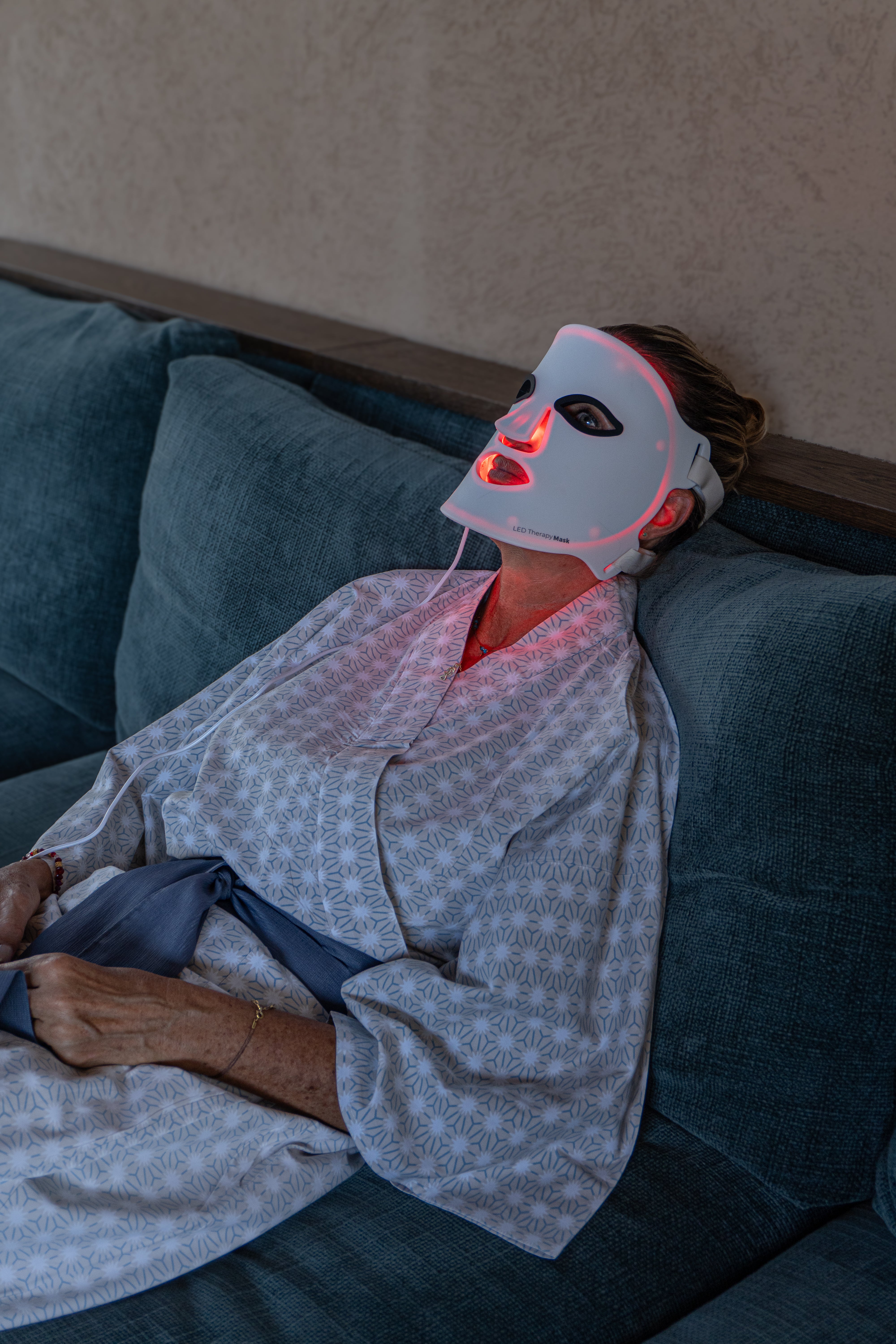
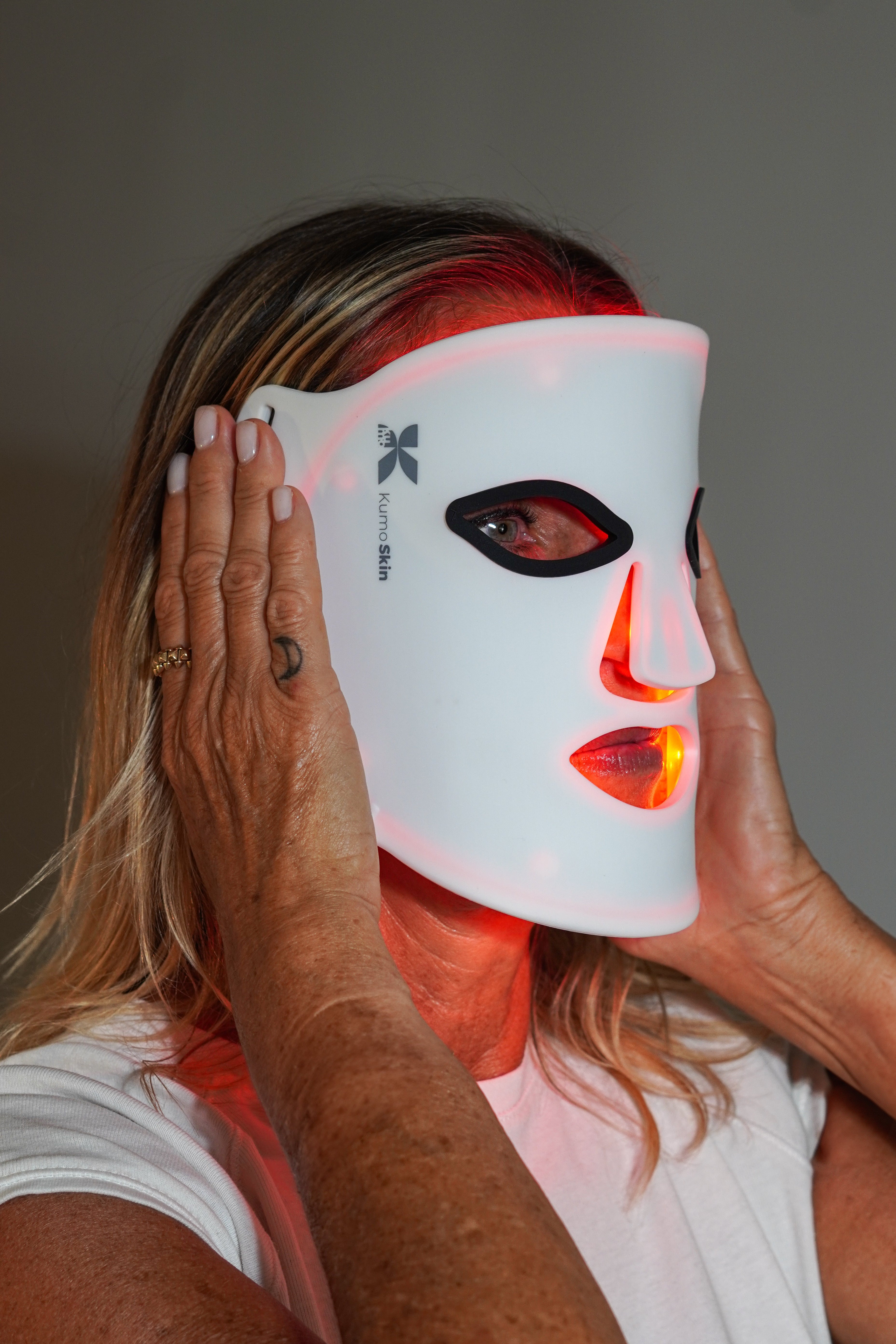
- LED facial masks : These focus on the face and sometimes the neck. They are useful for improving photo-aged skin, texture, and tone.
- Red light panels or pads : allow you to work on larger areas such as the back, thighs or joints.
- Spot devices : apply light to small areas, such as a specific joint.
If your priority is skincare, a quality LED mask, like those you can find in KUMO's LED light therapy section, can fit into your daily beauty routine. If your focus is on muscle or joint recovery, red and infrared light panels and pads are usually more practical for covering large muscle groups.
Most common application areas
In wellness contexts, the areas most often addressed are:
- Face and neck : to improve signs of photoaging and even out skin tone.
- Back, thighs and buttocks : for recovery after intense training or prolonged postural loads.
- Joints such as knees, shoulders or hips, especially in active people or those with functional overload (always within the framework of well-being, not as a substitute for medical treatment).
In all cases, the skin must be clean and dry, without photosensitizing cosmetics, and areas with open wounds, active infections or suspicious lesions without diagnosis must be avoided.
Guidance table of basic parameters in photobiomodulation studies
The parameters vary considerably between studies and devices. The following table summarizes some ranges used in clinical trials, for guidance only. It does not constitute a medical protocol and does not replace the instructions for your device or the advice of a healthcare professional.
| Aim | Area | Wavelengths used in studies | Session frequency | Total duration of the protocol | Key comment |
|---|---|---|---|---|---|
| Rejuvenation of periorbital wrinkles | Eye contour | Red 660 nm and amber 590 nm | 10 sessions (~2–3/week) | 4 weeks | Randomized trial: reduction of approximately 30% in wrinkle volume, with no relevant adverse effects. |
| Global facial photoaging | Full face | Yellow 570/590 nm, red 620 nm, infrared 850 nm | 3 sessions/week | 8 weeks | 2025 study: improvement in pores, wrinkles, texture and brown spots with good tolerance. |
| Knee osteoarthritis (clinical setting) | Knee | Infrared 790 nm | According to WALT recommendations (multiple points per session) | Several weeks (clinical trial) | 2025 Randomized Trial: Pain Reduction and Function Improvement vs. Placebo, with Parameters Controlled by Professionals. |
| Muscle performance and recovery | Active muscle groups (e.g., quadriceps) | Red/infrared 655–950 nm | Before or after exercise, according to protocol | Dose per point 20–60 J (small muscles) and 60–300 J (large muscles) | Meta-analysis in healthy people: modest improvements in performance and fatigue; low to moderate quality of evidence. |
In home devices, the session duration is usually pre-set (for example, from a few to several minutes per area). Since power and design vary, it's essential to always refer to the manual for each device.
Combining photobiomodulation with other recovery strategies
Synergies with pressotherapy and massage
Recovery is more effective when addressed holistically. Photobiomodulation can be combined with:
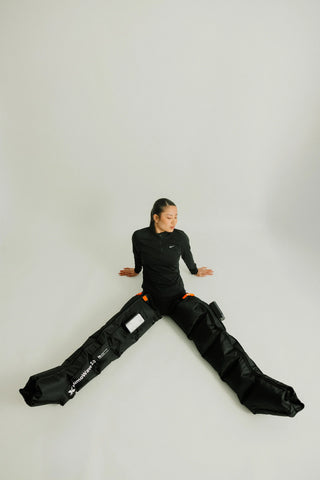
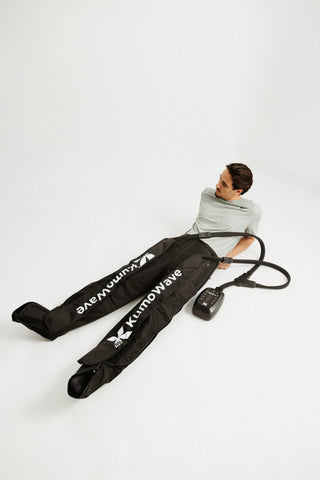
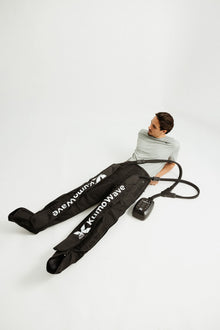
- Pressotherapy to improve venous return and relieve the feeling of heavy legs after workouts or long days on your feet. KUMO pressotherapy boots are an example of a complementary tool to activate circulation and promote recovery.
- Percussion massage to relax trigger points and reduce muscle stiffness. A massage gun like the KUMOPULSE Air allows you to work on deep areas, while red light can act at a cellular level in the same region.
In general, it is recommended to use these methods leaving a few minutes between each one, listening to the body's sensations and avoiding excessive stimulation in the same area if there is acute pain, obvious inflammation or undiagnosed injuries.
Common mistakes when starting with photobiomodulation
When starting out, it's common to fall into some of these traps:
- Expect immediate results : most clinical trials for skin and pain take between 4 and 12 weeks of treatment.
- Using the device too many times "just in case" : more sessions or higher power do not guarantee better results and may take you out of the useful therapeutic window.
- Not being consistent : quitting after a few days prevents the desired biological effects from accumulating.
- Apply to areas not medically assessed (changing moles, skin lesions, intense pain without diagnosis) without consulting first.
It proposes photobiomodulation as a medium-term investment, integrated into a routine that includes adequate sleep, daily movement, good hydration, and balanced nutrition.
Frequently asked questions about photobiomodulation
Is photobiomodulation safe at home?
Within the parameters used by quality wellness devices (low-intensity red and infrared light), photobiomodulation is generally considered safe, with mild adverse effects such as temporary redness or a slight sensation of warmth. However, not all devices are subject to the same regulatory control, and not all are suitable for everyone. If you are pregnant, have a serious illness, a history of cancer, are taking photosensitizing medication, or suffer from light-triggered migraines, it is advisable to consult a healthcare professional before starting. In all cases, strictly follow the device's instructions and protect your eyes when indicated.
How long does it take for photobiomodulation to show results?
It depends on your goal and your starting point. In skin studies, many trials show visible improvements in texture and wrinkles after 4 to 8 weeks of regular treatment, with several sessions per week. For pain or osteoarthritis, some patients notice relief within a few weeks, while in others the changes are more subtle or nonexistent. The most realistic approach is to plan a trial period of at least 1–2 months, objectively evaluating (comparative photos, pain scales, athletic performance) whether it's worth continuing. It should always be seen as a complement to a healthy lifestyle and, in the case of a medical condition, to the treatment prescribed by your doctor.
How does photobiomodulation differ from sunbathing or using UVA rays?
Photobiomodulation uses specific wavelengths (red and near-infrared) that are non-ionizing and, at appropriate doses, do not damage DNA or cause burns. The sun, on the other hand, emits a broad spectrum that includes ultraviolet (UV) radiation, responsible for sunburn, accelerated photoaging, and an increased risk of skin cancer. Tanning beds also use UVA rays. Therefore, although all three "use light," they are distinct phenomena: well-applied photobiomodulation aims to modulate cellular processes to stimulate regeneration, while excessive UV exposure causes structural damage and long-term cumulative risk.
Can I combine photobiomodulation with exercise or physiotherapy?
Yes. In fact, much of the research on performance and pain considers photobiomodulation as a complement to therapeutic exercise or training programs, not as a substitute. Some studies show that adding red or infrared light to an exercise program for knee osteoarthritis can reduce pain more than exercise alone, although improvements in function are not always significant and the quality of the evidence is limited. In practice, you can use it before exercise (to prepare the tissue) or afterward (to promote recovery), respecting the recommended times and avoiding applying it directly over areas with acute inflammation without professional supervision.
Can photobiomodulation replace medical treatment?
No. Although there are promising studies on pain, osteoarthritis, wound healing, and skin, photobiomodulation should not be seen as a replacement for medically prescribed treatments. Scientific societies and systematic reviews indicate that, with the current evidence, its role is that of a complementary therapy , with modest benefits that depend on the dose, protocol, and quality of the device. If you have a diagnosed condition or persistent symptoms (intense pain, inflammation, skin changes, marked fatigue), a complete medical evaluation is the priority. Based on that evaluation, you and your healthcare professional can decide whether photobiomodulation makes sense as a supportive treatment, and with what parameters.
So what now?
If photobiomodulation aligns with your wellness goals—whether it's skincare, accelerated muscle recovery, or relief from heavy legs—the next step is to integrate it into a routine that fits your lifestyle: regular sessions, adequate rest, daily movement, and complementary strategies such as pressotherapy or massage. At KUMO, you'll find high-end recovery technologies, from masks and light panels to pressotherapy and massage guns, designed to make recovery a simple and enjoyable habit. If you're unsure which solution is best for you, you can contact us through our contact page, and we'll help you design a personalized routine, always respecting the recommendations of your healthcare professional.

Red & infrared light
KumoLux Panel – Red and Infrared LED Panel
★★★★★ 4,8/5 · rated by verified customers
- 660 nm red + 850 nm infrared light
- Full-body muscle recovery
- Clinically validated biohacking protocols
€399,00€499,00· pay in installments with seQura or Klarna