What is cell regeneration and why is it key after exercise?
Your muscles silently regenerate after each workout.
When you train hard, you don't just "tire" your muscles: you cause micro-damage to the fibers, alterations in cellular energy, and minor inflammatory processes. Cellular regeneration is the set of mechanisms by which your body repairs this damage, strengthens the tissue, and adapts it to better withstand the next effort.
Red & infrared light
Recover faster, at home
★★★★★ 4,8/5 · rated by verified customers
The KumoLux panel supports muscle recovery with full-body red and infrared light.
- 660 nm red + 850 nm infrared light
- Full-body muscle recovery
- Clinically validated biohacking protocols
€399,00€499,00
−10% on your 1st order when you subscribe to the newsletter

In skeletal muscle, this process relies on local stem cells called satellite cells , which are activated after intense exercise to repair damaged fibers and, over time, contribute to hypertrophy and the maintenance of muscle mass. ( mdpi.com ) At the energy level, training also stimulates mitochondrial biogenesis , increasing the number and efficiency of mitochondria, the cell's "powerhouses." ( pubmed.ncbi.nlm.nih.gov )
Understanding and caring for this regeneration at the cellular level allows you to:
Personalized protocol · included with your purchase
Want us to tell you how to use it in your case?
With your purchase, our experts set up your red and infrared light sessions for your sport and goal.
Message us on WhatsAppOur experts reply · no obligation
- Reduce the feeling of fatigue and muscle soreness (DOMS).
- Perform better in the following sessions.
- Protect your muscles in the long term.
- Make recovery a strategic part of your training.
You don't improve when you train, you improve when you recover... provided your body has the right conditions to regenerate.
In this article we will see how cell regeneration works after exercise, what factors enhance or hinder it, and how to integrate modern technologies—such as red light, pressotherapy, or percussive massage—into a smart recovery routine.
How exercise activates muscle regeneration
From microscopic damage to a stronger muscle
Each intense strength training session, HIIT session, or run generates:
on your first order when you join the newsletter
We send you the code instantly. No spam.
- Micro-tears in muscle fibers.
- Mechanical stress on tendons and connective tissue.
- Metabolic stress (accumulation of metabolites, changes in pH, etc.).
In response, the organism initiates an ordered sequence:
- Controlled inflammatory phase : arrival of immune cells that eliminate cellular debris.
- Activation of satellite cells : they transition from a resting state to proliferating, differentiating, and fusing with existing fibers to repair them. ( mdpi.com )
- Remodeling : reorganization of tissue, reinforcement of structures and, over time, increase in muscle cross-section.
This damage-repair cycle is at the heart of athletic adaptation. If cellular regeneration is insufficient (due to lack of rest, poor nutrition, stress, or overtraining), the risk of stagnation, chronic fatigue, or injury increases significantly.
Mitochondria: energy for cell regeneration
Regeneration is not free: it requires energy. This is where mitochondria come in. Studies in recent years confirm that resistance exercise and interval training significantly increase the expression of PGC-1α, a key regulator of mitochondrial biogenesis, with major effects on muscle oxidative capacity. ( pubmed.ncbi.nlm.nih.gov )
More functional mitochondria imply:
- Improved ability to produce ATP (cellular energy).
- Greater tolerance to prolonged exertion.
- Faster metabolic recovery between sets and workouts.
Therefore, taking care of cell regeneration is not only about "repairing damage", but also about optimizing the energy machinery of your muscle cells.
Factors that accelerate or block cell regeneration
Sleep: the great “night laboratory”
During deep sleep, anabolic hormones such as growth hormone are released, neuronal adaptations are consolidated, and much of the tissue repair is coordinated. Chronically sleeping less than 7 hours in adults is associated with poorer performance, more injuries, and impaired immune regulation.
To promote muscle cell regeneration processes:
- Ensure 7–9 hours of regular sleep.
- Avoid bright screens 60–90 minutes before going to bed.
- Introduce relaxing routines: breathing exercises, light reading, gentle stretching.
Nutrition: Building blocks and tools for your cells
Without going into complex protocols, there are two basic ideas:
- Sufficient protein : provides the necessary amino acids for the synthesis of new muscle proteins. The literature generally suggests a range of 1.4–2 g/kg/day for active individuals, always adjusted by a healthcare professional.
- Appropriate carbohydrates : they replenish glycogen, key to training again and maintaining the anabolic signal.
Vitamins, minerals, and antioxidants from fruits, vegetables, and minimally processed foods support the immune system and repair processes, although megadoses of antioxidants immediately after exercise may attenuate some adaptations; it is advisable to individualize with professional help.
Training load, stress, and age
Even if you maintain adequate sleep and nutrition, cell regeneration is greatly affected by:
- Training volume and intensity : more is not always better; overload without periodization reduces the muscle's ability to regenerate.
- Systemic stress (work-related, emotional): raises cortisol, can disrupt sleep and negatively modulate repair processes.
- Age : Over the years, the reserve and effectiveness of satellite cells decrease, as does the quality of the vascular and inflammatory environment of the muscle. ( pubmed.ncbi.nlm.nih.gov )
In this context, creating a recovery strategy that combines basic habits and well-chosen technologies becomes especially interesting.
Modern technologies that support cell regeneration after exercise
In addition to the classic pillars (sleep, nutrition, stress management), we now have recovery tools that aim to influence cellular regeneration and circulation in a targeted way. In the KUMO ecosystem, these technologies are integrated into devices designed for regular, home use, making recovery a way of life.
Photobiomodulation and red light: energy for cells
Photobiomodulation (PBM) uses low-intensity red and/or near-infrared light to modulate cellular processes. Current evidence indicates that certain wavelengths (approximately 600–850 nm) can be absorbed by mitochondrial chromophores such as cytochrome c oxidase, increasing membrane potential, ATP production, and modulating mediators such as nitric oxide and reactive oxygen species. ( mdpi.com )
Clinical and preclinical studies have observed effects such as:
- Stimulation of cell proliferation and migration in various types of stem cells and fibroblasts, key to tissue repair. ( nature.com )
- Improvements in skin quality, increased collagen density, and reduction of fine wrinkles after repeated red light therapy programs on the body or face. ( pubmed.ncbi.nlm.nih.gov )
- Potential reduction of inflammatory markers and pain in specific contexts.
In the sports field, a recent meta-analysis in high-level volleyball and soccer players suggests that photobiomodulation can improve maximum voluntary strength and number of repetitions, with modest and heterogeneous effects depending on the protocol, dose, and time of application. ( pubmed.ncbi.nlm.nih.gov )
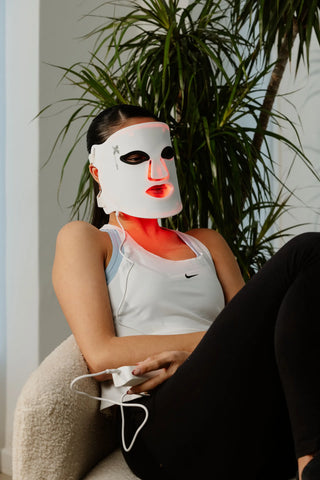
KUMO's LED light therapy devices are designed to bring these principles into your daily routine, both for muscular therapy (red light for large muscle groups) and facial therapy with LED masks , focused on skin regeneration for athletes (addressing oxidative stress, sun exposure, friction from helmets or glasses, etc.). They should always be used according to the manufacturer's instructions and, in cases of pre-existing conditions or photosensitivity, under professional supervision.
LED masks and skin regeneration for athletes
Intense exercise, sweat, sun exposure, and the use of equipment (helmets, goggles, masks) can irritate the skin and disrupt its protective barrier. Here, red light LED masks work at another level of cellular regeneration: the skin level.
Controlled studies with red and polychromatic light have shown improvements in:
- Skin texture and softness.
- Homogeneity of tone.
- Collagen density in the dermis, associated with firmer skin. ( pubmed.ncbi.nlm.nih.gov )
For athletes who train outdoors, incorporating regular facial red light sessions can help support skin repair after exposure to the sun or cold, always as a complement (never a substitute) for adequate photoprotection and good facial care habits.
Pneumatic pressotherapy: circulation and venous return
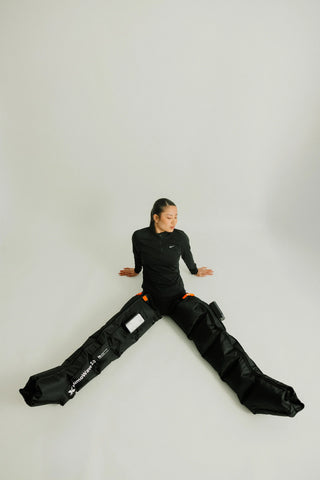
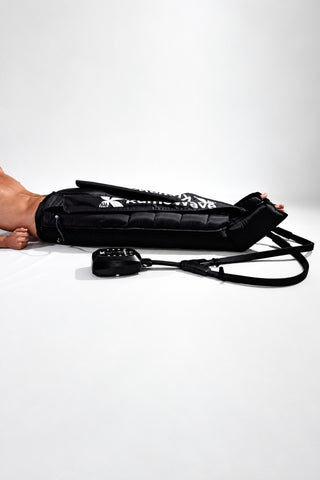
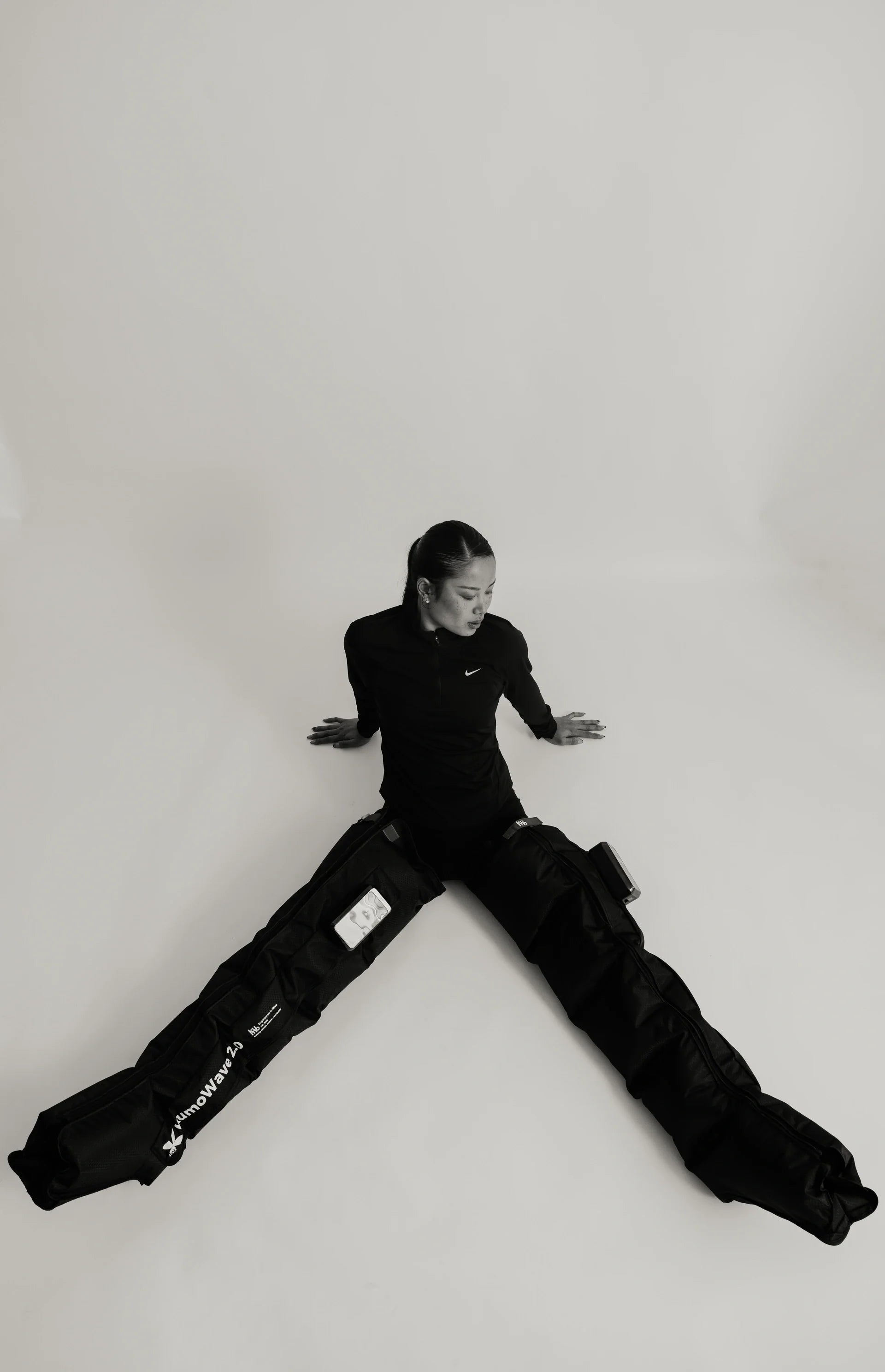
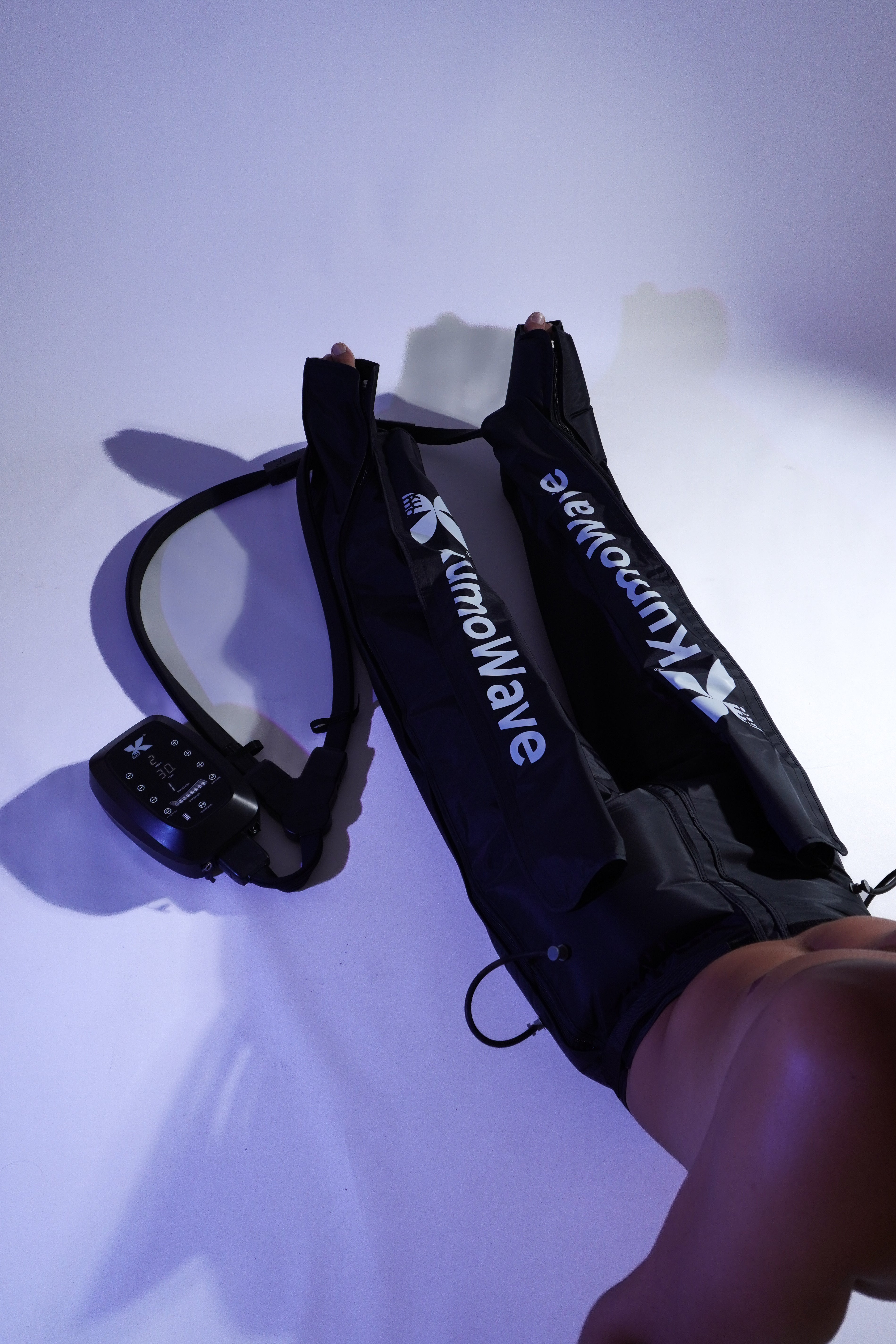
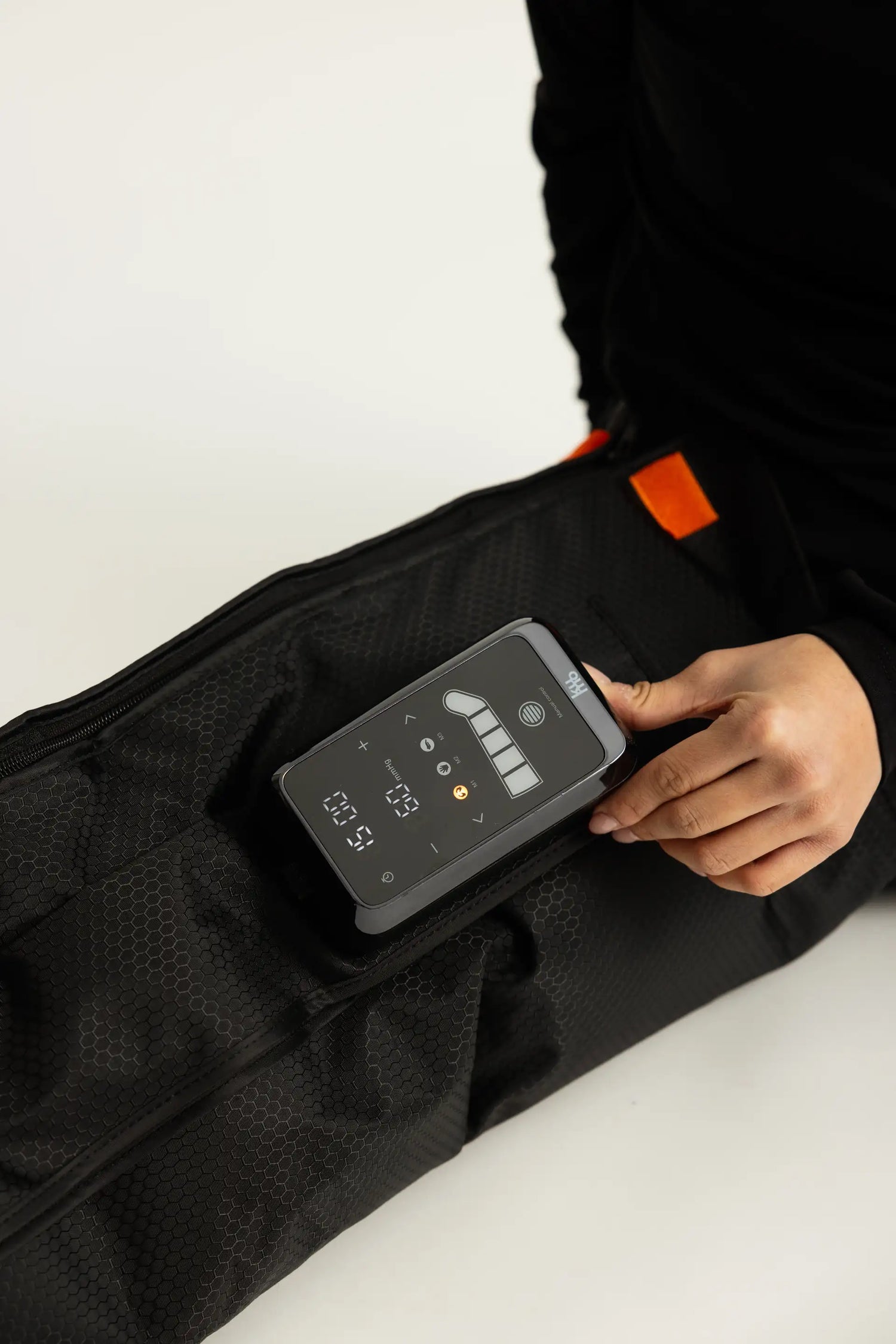
Intermittent pneumatic compression therapy , applied using boots that inflate and deflate sequentially, aims to enhance venous return and lymphatic drainage in the legs. This type of dynamic compression has been studied in both exercise and rehabilitation settings.
In trials with intermittent pneumatic compression of the leg during and after exercise, a significant increase in blood flow in the femoral artery and vascular conductance has been observed, which could promote the elimination of metabolites and the delivery of oxygen to the muscles. ( pubmed.ncbi.nlm.nih.gov ) In addition, recent systematic reviews suggest that compression garments can improve venous flow at rest, during, and after exertion, although the effects on performance are more modest. ( pubmed.ncbi.nlm.nih.gov )
In practice, compression boots for legs allow:
- Create a feeling of lightness in heavy legs.
- Promote venous return after prolonged training (running, cycling, team sports).
- Introduce a moment of active rest focused on well-being.
Typical use ranges from 15 to 30 minutes per session, adjusting pressure and programs to individual tolerance. They are not recommended for people with vascular, cardiac, or thrombotic conditions without prior medical evaluation.
Percussive massage: controlled mechanical impact
Massage guns apply rapid, deep percussion to soft tissue. Their primary purpose is not to "break down" muscle fibers, but to modulate muscle tension, local blood flow, and sensations of stiffness.
Scientific evidence is still emerging and nuanced:
- A systematic review of 13 studies suggests that percussion therapy can acutely improve strength, explosive power, and flexibility, and reduce musculoskeletal pain after multiple applications, although with methodological limitations. ( pubmed.ncbi.nlm.nih.gov )
- A more recent controlled trial found that 5 minutes of massage gun therapy after intense leg exercise did not improve short-term physical recovery compared to passive rest, and may have slightly increased the sensation of pain in the hours that followed. ( pubmed.ncbi.nlm.nih.gov )
Practical conclusion: When used judiciously, massage guns can be a useful tool for modulating perceived stiffness , improving range of motion before training, or as part of a muscle care routine. The KUMOPULSE Air massage gun fits this approach: adjustable impact, ergonomic design, and ease of use for short, regular sessions, without replacing the work of a physiotherapist when needed.
Summary of tools to support cell regeneration
| Tool | Main objective | Recommended moment | Scientific evidence (summary) |
|---|---|---|---|
| Restful sleep | Hormonal coordination, tissue repair, and neuromuscular consolidation. | Every night, 7–9 a.m., on a regular schedule. | Associated with better performance, fewer injuries, and a better immune response. |
| Protein-rich nutrition | To provide amino acids for the synthesis of new muscle proteins. | Throughout the day; post-workout intake aids recovery. | It enhances muscle repair and adaptation to training. |
| Red light / LED therapy | Modulate cellular processes (ATP, inflammation, collagen, pain). | Before or after exercise; regular programs of several weeks. | Promising results in skin, muscle recovery and performance, with heterogeneity depending on dose and protocol. ( pubmed.ncbi.nlm.nih.gov ) |
| Pneumatic pressotherapy | Improve venous return, blood flow and drainage in lower limbs. | After intense or long sessions (running, cycling, team sports). | Studies show increased blood flow and potential support for recovery, especially venous recovery. ( pubmed.ncbi.nlm.nih.gov ) |
| Percussive massage | Reduce stiffness, improve range of motion and muscle comfort. | Warm-up (mobility) or between sessions; avoid overexertion right after extreme efforts. | It may improve acute strength and flexibility; effects on pain and immediate recovery are variable. ( pubmed.ncbi.nlm.nih.gov ) |
Example of a recovery routine to boost cell regeneration
0–2 hours after training
- Rehydration with water and, if it has been very demanding, some source of electrolytes.
- Protein intake (full meal or snack) along with quality carbohydrates.
- Take a lukewarm shower (avoid extremes) and wear dry, comfortable clothes.
- Gentle movement of the most strained areas to maintain blood flow.
Late / early recovery hours
- If you tolerate it well, 15–30 min of leg compression therapy with a progressive compression program.
- A light walk of 10–20 min to promote circulation and the clearance of metabolites.
- If there is a lot of localized stiffness, use a massage gun for 2–5 minutes per muscle group, avoiding passing directly over joints or areas of acute pain.
Night: preparing the environment for regeneration
- Reduce the use of bright screens; you can replace them with warmer, dimmer light .
- Integrate a brief red light session (e.g., 10–20 min with LED panel or mask) following the guidelines of your device.
- Very gentle stretching, diaphragmatic breathing, or brief meditation to lower the tone of the nervous system.
This routine is a guideline and should be adapted to your individual circumstances, training level, injury history, and any existing medical conditions. If you have any questions or concerns about your medical condition, it's important to consult a healthcare or exercise professional.
Frequently asked questions about cell regeneration and sports
How long does muscle cell regeneration take after exercise?
It depends on the intensity, volume, and your fitness level, but generally, muscles need between 24 and 72 hours to complete most of the repair processes after a demanding workout. Delayed onset muscle soreness (DOMS) usually appears after 24 hours and reaches its peak around 48–72 hours. At the cellular level, satellite cell activation and tissue remodeling can continue for several more days, especially after intense eccentric efforts (for example, steep downhill runs or very heavy strength training sessions). Alternating muscle groups, planning rest periods, and paying attention to sleep and nutrition helps make this regeneration more efficient.
Does cell regeneration decrease with age? Can it be improved?
Yes, over the years a decrease in the number and functionality of satellite cells is observed, as well as changes in the inflammatory and vascular environment of the muscle, which slow down repair and growth. ( pubmed.ncbi.nlm.nih.gov ) However, this doesn't mean you can't improve: regular exercise (strength and endurance), adequate protein intake, quality sleep, and good stress management can maintain or even greatly enhance your muscle regeneration capacity. The key is to adjust the training load (emphasizing quality over volume) and integrate recovery strategies, including technologies like red light therapy or compression therapy if they fit your needs and are recommended by a professional.
Is passive rest enough or do I need recovery technologies?
For most active people, the cornerstones remain adequate rest, a balanced diet, and good training planning. Without these foundations, no technology will compensate for the deficit. That said, tools like compression therapy, red light therapy, or percussive massage can provide additional benefits in terms of comfort, perceived fatigue, skin quality, or, in some cases, certain recovery markers. ( pubmed.ncbi.nlm.nih.gov ) The wisest approach is to view them as accelerators or supports within an overall strategy, not as magic bullets. Start by optimizing the basics, and if you're already doing well, consider integrating these technologies based on your budget, goals, and individual response.
Is red light safe for daily use by athletes?
Photobiomodulation with red and near-infrared light, applied within reasonable dose ranges and with quality devices, is generally considered safe and well-tolerated in studies and clinical practice. ( mdpi.com ) Reported side effects are usually mild (local heat, transient redness). However, it is essential to follow the instructions for use (distance, time, frequency), avoid looking directly at intense light sources without eye protection when appropriate, and exercise caution in cases of pregnancy, a history of cancer, photosensitizing medication, or specific medical conditions: in these cases, it is recommended to consult a doctor beforehand. For healthy athletes, regular, well-dosed sessions can be integrated as part of their recovery routine.
How often should you use compression therapy boots after training?
There is no universal frequency, but many protocols for recreational and high-performance athletes involve 15–30 minutes per session, 2 to 4 times per week, adjusting the pressure and duration to the subjective sensation and training load. Studies with pneumatic compression show improvements in blood flow and venous return during recovery, which could support cell regeneration processes by facilitating the delivery of oxygen and nutrients and the removal of metabolites. ( pubmed.ncbi.nlm.nih.gov ) If you have a history of vascular or clotting problems, it is important to obtain approval from a healthcare professional before incorporating these types of devices.
So what now? Integrate cell regeneration into your athletic life
Cell regeneration isn't an abstract concept: it's the foundation of how your body adapts, improves, and protects itself during exercise. You can enhance it by combining smart rest, proper nutrition, and technologies that support your muscle cells and skin.
At KUMO you'll find an ecosystem of recovery solutions — from red LED light therapy for skin and muscles, to compression boots and the KUMOPULSE Air massage gun — designed to integrate aesthetics, technology and performance into your daily life.
If you'd like us to help you choose the most suitable combination for your discipline, skill level, and lifestyle, you can contact the team through the contact page. Making recovery a habit will be one of the best investments you can make in your long-term health and performance.

Red & infrared light
KumoLux Panel – Red and Infrared LED Panel
★★★★★ 4,8/5 · rated by verified customers
- 660 nm red + 850 nm infrared light
- Full-body muscle recovery
- Clinically validated biohacking protocols
€399,00€499,00· pay in installments with seQura or Klarna