
Overworked calves and soleus muscles slow down your performance.
If you run, jump, or do strength training, it's normal for your calves to take some of the strain: the gastrocnemius (calf muscle) works harder during explosive movements, and the soleus supports a lot of weight and posture. A short routine with percussion massage can help improve mobility and provide relief when you feel tension, always with realistic expectations and safe technique. In this guide, I'll give you a step-by-step routine, practical guidelines, and how to integrate it into a comprehensive Kumo -style recovery plan.
Pressotherapy at home
End the day with light legs
★★★★★ 4,8/5 · rated by verified customers
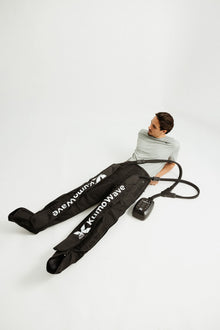
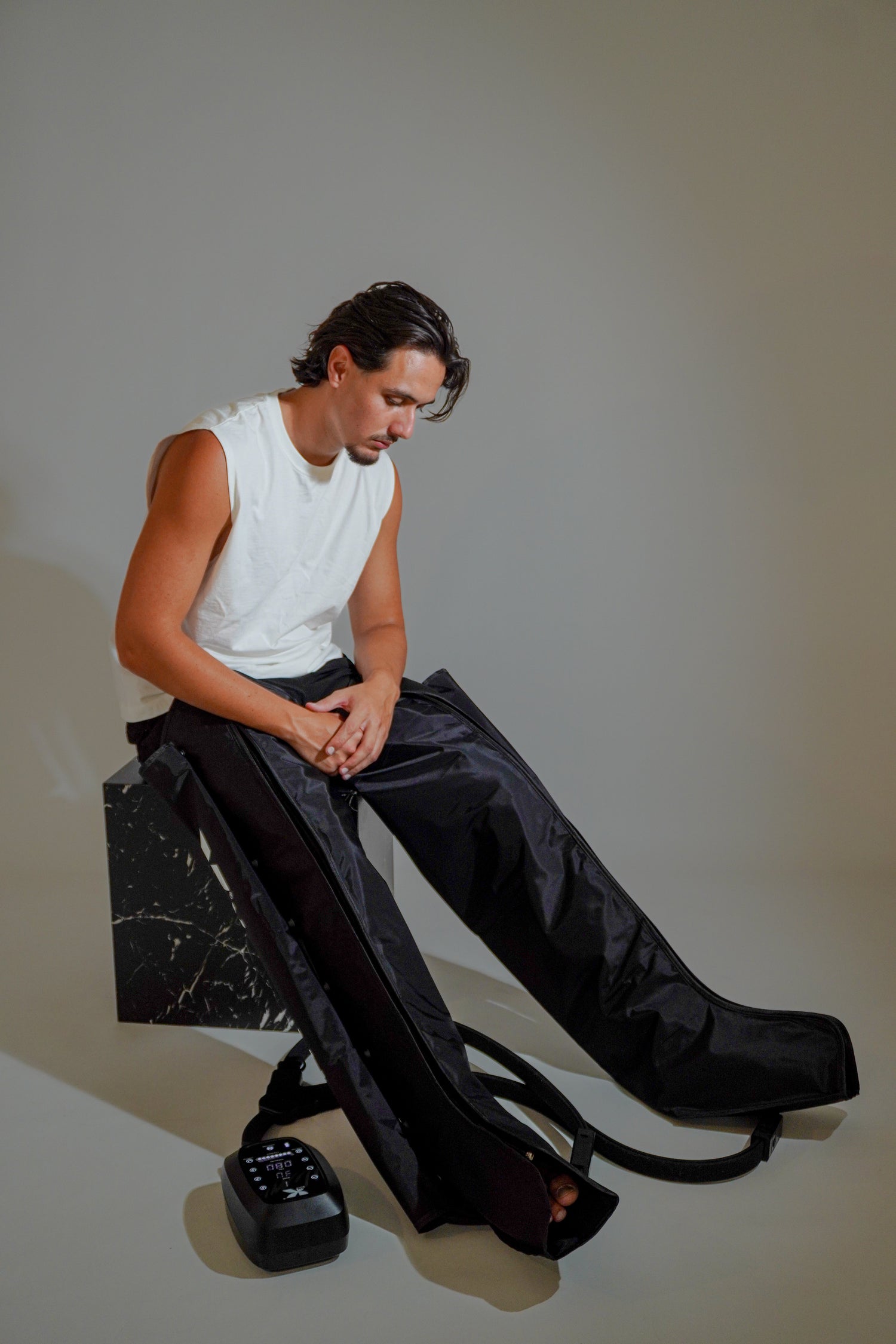
KumoWave pressotherapy boosts circulation and helps drain fluid with sequential compression, in 20-minute sessions at home.
- Boosts circulation and helps drain fluid
- Chamber-based compression, adjustable to you
- Sequential compression that mimics manual drainage
€799,00€999,00
−10% on your 1st order when you subscribe to the newsletter

Why do the gastrocnemius and soleus muscles get sore (and how to tell them apart)
Functions: the gastrocnemius is not the same as the soleus
The gastrocnemius muscles are powerful in plantar flexion and also influence the knee, which is why they are felt a lot during sprints, jumps, and changes of pace. The soleus, on the other hand, is the more consistent "engine" when the knee is flexed and plays a key role in keeping you stable and upright for extended periods. This difference explains why you can sometimes do heel raises with your knee straight without pain, but feel a twinge or burning sensation when doing them with your knee flexed. (Anatomical reference: Kenhub on gastrocnemius and soleus .)
Typical signals according to the sport
- Running (asphalt / intervals): calf muscle "harder" after high paces; soleus muscle more stressed after long runs or accumulation of fatigue.
- Cross training / weightlifting: overload due to jumps, double-unders, squats with little ankle mobility.
- Track sports: calves due to accelerations and braking; soleus due to volume and repetition.
What the evidence says about percussion massage (and what to expect)
Percussion devices (popularly known as "massage guns") are used to stimulate soft tissue with quick, controlled blows. In practice, the most useful are usually:
Personalized protocol · included with your purchase
Want us to tell you how to use it in your case?
With your purchase, our experts prepare a personalized usage protocol for your case: sport, circulation, fluid retention, pregnancy or lipedema.
Message us on WhatsAppOur experts reply · no obligation
- Acute mobility: there are studies that show immediate improvements in range of motion after a short application to the calf, with no clear changes in maximum strength immediately afterwards (study with percussive massage on plantar flexors: PMC, 2020 ).
- Perception of relief: many people notice less stiffness or "looser legs", although that does not always mean that the muscle "recovers" faster at a structural level.
- DOMS (delayed onset muscle soreness): Manual massage has moderate evidence for reducing delayed onset muscle soreness (meta-analysis: Frontiers in Physiology, 2017 ; review in sport: meta-analysis, 2020 ). Percussion massage is a mechanical variant: it can be helpful primarily as a tool for comfort, mobility, and preparation, without promising to "accelerate" all recovery markers.
Important: DOMS usually appears 1 to 3 days after intense or new stimulation, and resolves within a few days in most cases (updated clinical guideline: Cleveland Clinic, updated 12/19/2025 ).
Golden rules: safe technique before starting
Where to apply percussion and where not to
- Yes: over the muscular belly (the “fleshy” part) of the medial/lateral gemellus and the soleus (deeper and lower).
- No: not directly on the Achilles tendon , bones (tibia/fibula), joints (ankle/knee) or areas with sharp “electric” pain.
Stop signs
- Sharp pain, tingling, numbness or a "shocking" sensation.
- Rapid bruising or noticeable increase in swelling.
- Calf pain with swelling and heat (possible vascular problem: do not "massage" it and consult a doctor).
Why it's wise to be prudent with time and intensity
Percussion is powerful. There are rare clinical cases described in the medical literature following aggressive or prolonged use, such as rhabdomyolysis after use of a percussion gun (case, 2021) . In other sensitive areas, there are also reports of serious events associated with intense massage (e.g., vertebral artery dissection likely caused by massage, case, 2019 ). The practical conclusion: less is more , and technique matters.
Kumo 8-12 minute routine: calves and soleus (step by step)
This routine is designed for athletes who want to relieve calf tension after training or improve ankle mobility before a session. You can do it with a percussion massager like KumoPulse Air (app for guidance; always follow your device's manual).
on your first order when you join the newsletter
We send you the code instantly. No spam.
Table: Practical parameters by zone (fast and effective)
| Area | Position to “find her” | Time | Recommended intensity | Aim |
|---|---|---|---|---|
| Medial gastrocnemius (inner part) | Standing or sitting, knee straight, ankle relaxed | 60–90 s | Low-medium | Reduce stiffness and surface “knots” |
| Lateral gastrocnemius (outer part) | Same as before, slightly rotating the leg inwards | 45–75 s | Low-medium | Balancing tension between compartments |
| Soleus (deep) | Knee flexed 30–60° (seated or lunging) | 60–90 s | Go down (progress if it's comfortable) | Fatigue relief through volume and support |
| Peroneals (lower outer side, optional) | Seated, ankle neutral, on muscle (not on bone) | 30–45 s | Low | Lateral ankle stability support |
1) Preparation (1–2 minutes): activates circulation without “crushing”
- Breathing + support: 4–5 deep breaths, relax the foot.
- Ankle mobility: 10–12 repetitions of dorsiflexion/plantar flexion (without pain).
2) Calf sweeps (2–4 minutes)
Place the head over your calf (muscular belly). Perform slow sweeps from the middle of your calf upwards and back, without staying in one spot for more than 2–3 seconds.
- Knee extended to emphasize gastrocnemius.
- If you find a sensitive spot: lower the intensity, breathe and hold for a maximum of 10–15 seconds.
3) Soleus: the “trick” is to flex the knee (2–3 minutes)
The soleus muscle works extensively with the knee flexed . For better access:
- Sit with your knee bent or take a lunge while supporting your weight gently.
- Apply percussion to the lower and central area of the calf (always on the muscle, avoiding the Achilles tendon).
- Prioritize low intensity : it's easy to overdo it here.
4) “Sealing” with mobility (1–2 minutes)
So that the work is noticeable when you move:
- Calf stretch (knee straight) 30–40 s.
- Soleus stretch (knee flexed) 30–40 s.
- 10 slow heel raises, comfortable range.
When to use the routine: before or after training
Before training (5–7 minutes)
Objective: to prepare without fatigue. Keep the times short (30–60 s per zone), low intensity, and finish with dynamic mobility. Studies using percussion have observed acute improvements in calf range of motion after brief applications, without clear changes in immediate maximum strength ( PMC, 2020 ).
After training (8–12 minutes)
Objective: to reduce muscle soreness and the feeling of strain. Here you can work for 60–90 seconds per area and add gentle stretching. If muscle soreness occurs, remember the typical pattern: pain that appears 1–3 days after the stimulus (DOMS) according to the Cleveland Clinic (2025) . Percussion can provide comfort, but it is not a substitute for sleep, nutrition, and load management.
Recovery supplements (without the hassle): the Kumo approach
At Kumo we understand recovery as a system: a tool works best when it is integrated with habits and technologies that attack different “bottlenecks” (circulation, relaxation, rest).
1) Pressotherapy for tired legs
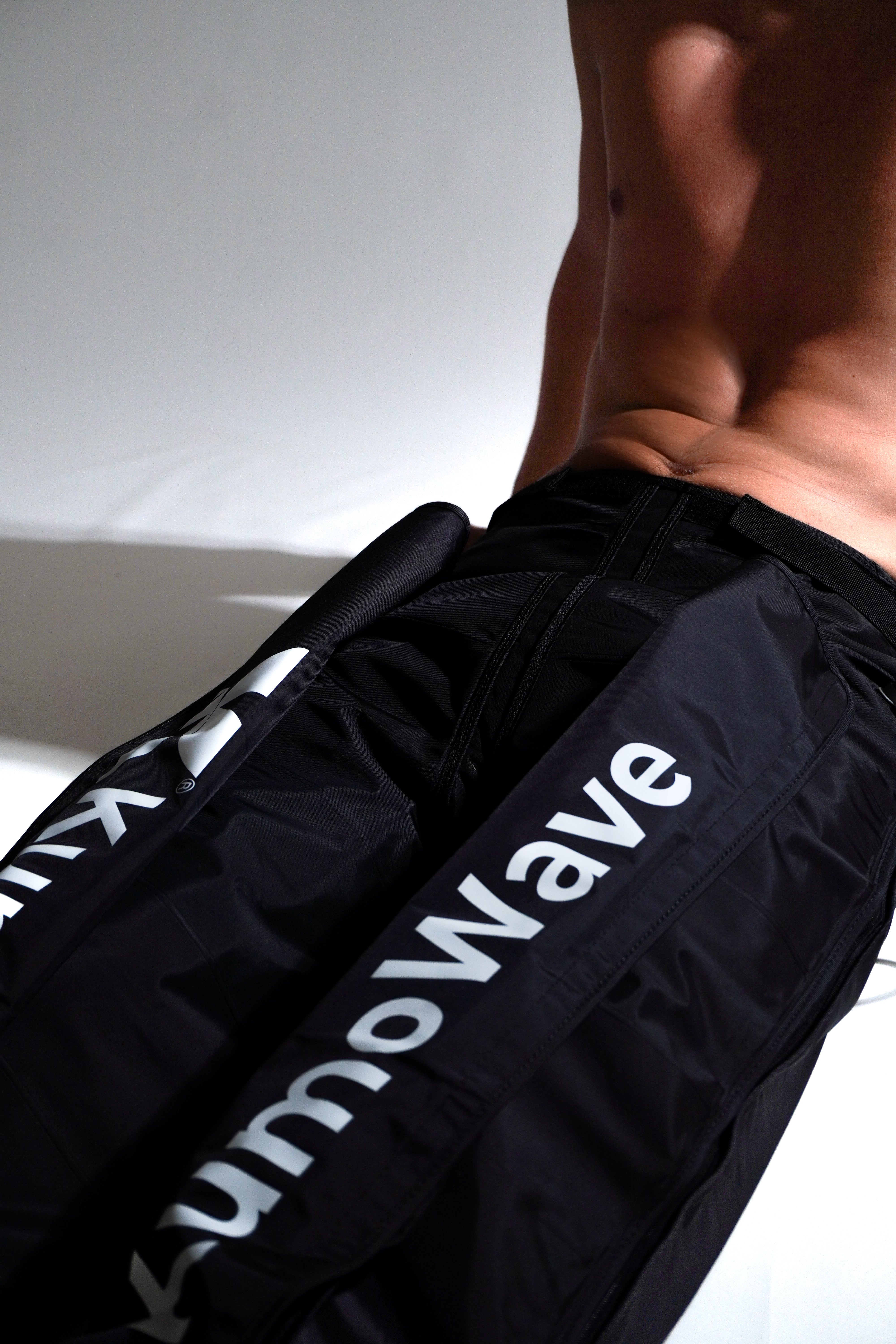
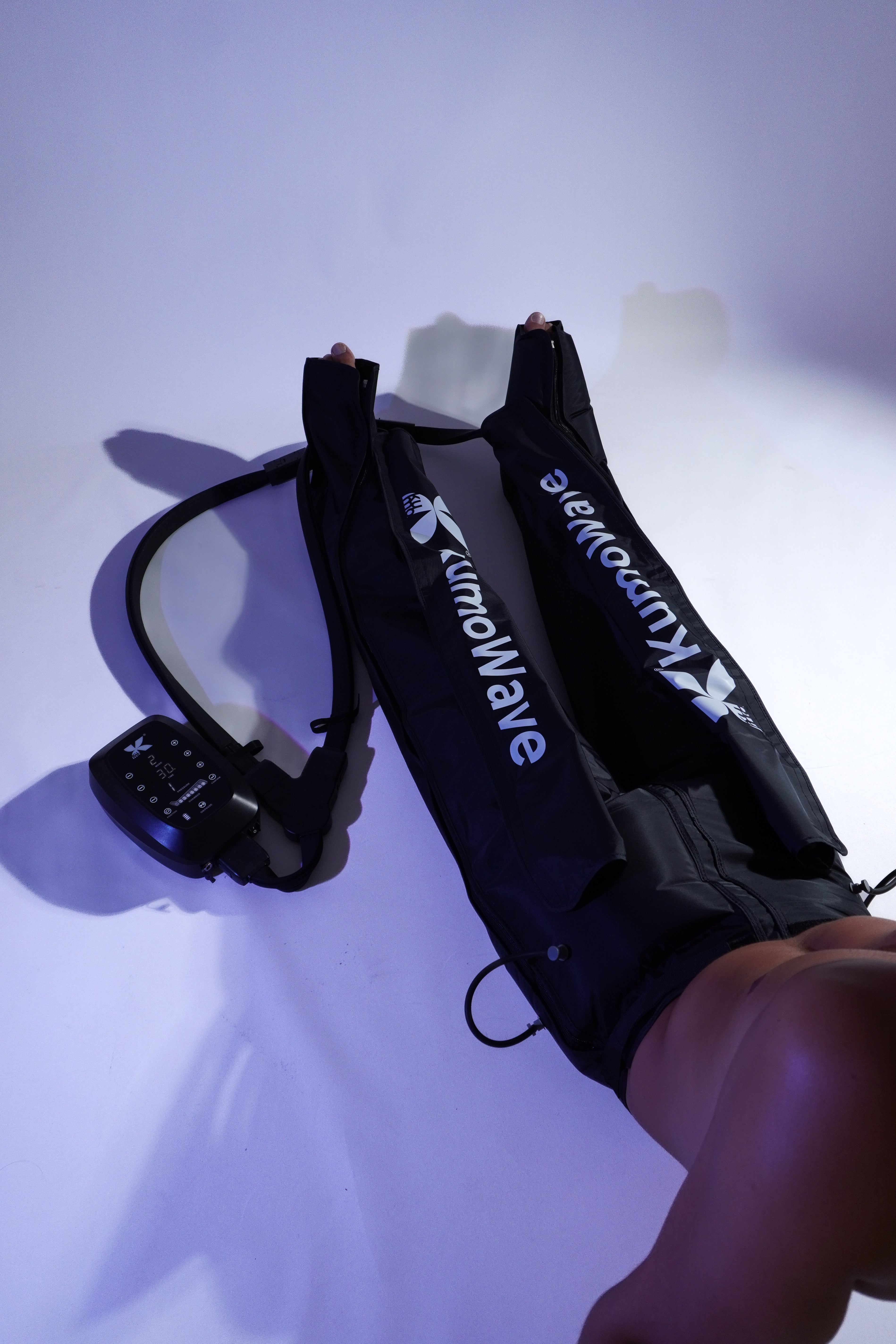
If your problem is "heavy legs" or accumulated fatigue due to high volume (long runs, double sessions), sequential compression can be an ally for comfort and a feeling of lightness. You can see options in the pressotherapy collection .
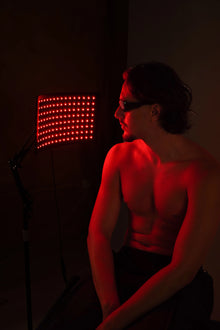
2) Red/LED light as part of the recovery ritual
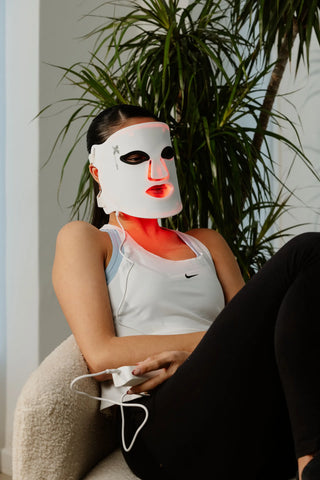
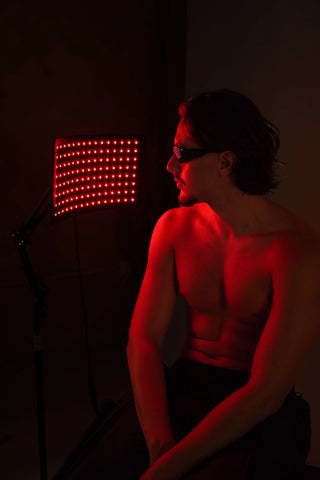
Light (including red light in wellness protocols) often fits well into nighttime routines due to its "passive" nature: the key is consistency and not expecting instant results. If you'd like to explore this approach within the Kumo ecosystem, you can check out LED light therapy .
3) Sleep: the most undervalued “supplement”
As a general framework, a consensus statement from the American Academy of Sleep Medicine and the Sleep Research Society recommends that adults sleep 7 or more hours regularly for optimal health ( consensus, 2015 ). For many athletes, improved sleep reduces the perception of fatigue and allows their legs to respond better to training.
Common mistakes with calf percussion massage
- Go straight for the Achilles tendon: the intention is to release muscle, not to hit insertions.
- Too much intensity "to work": it often increases irritation and leaves you more sensitive the next day.
- Staying fixed in one spot: slow and controlled sweeps are best.
- Using it to "fix" an acute injury: If there was a sudden pinch, bruise, or limp, first get an evaluation (recovery from a real injury takes weeks; for example, Mayo Clinic explains that calf injuries can require 6–8 weeks or more depending on age and context: Mayo Clinic News Network ).
FAQ: Kumo percussion massage for calves and soleus
How long should I use KumoPulse Air on my calves and soleus muscles?
As a practical guideline, work out for 8–12 minutes for both legs: 60–90 seconds per main muscle group (medial gastrocnemius, lateral gastrocnemius, and soleus), plus 1–2 minutes of cool-down mobility exercises. If it's for pre-training preparation , reduce to 5–7 minutes with shorter intervals. Avoid long sessions "just in case": there are rare clinical reports of complications from aggressive or prolonged use (for example, a case of rhabdomyolysis described in 2021). Prioritize consistency, proper technique, and a comfortable intensity.
How can I tell if the pain is from my soleus or gastrocnemius muscle when using Kumo?
The most helpful clue is the position of your knee . If the discomfort appears or worsens when doing heel raises with your knee bent (or when running at a gentle pace after many kilometers), it's usually more likely related to the soleus muscle. If you feel it more with your knee straight , during sprints, or jumps, it's usually more related to the gastrocnemius. When performing percussion exercises, try both positions: straight knee for the gastrocnemius and bent knee for the soleus. Always work on the muscle belly and finish with a specific stretch (soleus stretch = bent knee).
Can I use Kumo percussion massage if I have severe muscle soreness (DOMS)?
Yes, but with a focus on relief , not a "quick fix." DOMS usually appears 1 to 3 days after intense stimulation and typically resolves within a few days. Gentle massage can improve how the area feels and help you move more comfortably, especially when combined with light walking and mobility exercises. If the pain is debilitating, there is significant inflammation, or you notice marked weakness, reduce your workload and rule out injury. Remember: (manual) massage has been shown in reviews and meta-analyses to reduce DOMS, but the results depend on the dosage and the context.
Which brush head and intensity level are best for calf training with Kumo?
For the calves and soleus muscles, a wide brush head (to distribute pressure) and a low-to-medium intensity usually work best. The goal is to "sweep" and relax, not to strike deeply. For the soleus, keep the intensity lower because it's an area that irritates easily, especially if you're building up your running volume. If you find tender spots, reduce the intensity, breathe, and don't stay in one position for too long. Avoid using very pointed brush heads on the calf if you're inexperienced: they increase the risk of subsequent discomfort.
Does it make sense to combine Kumo (percussion) with pressotherapy and LED light?
Yes, if you approach it as a layered ritual . Percussion can be your active tool (8–12 minutes) for mobility and a feeling of release. Pressotherapy works well on days with heavy legs, providing comfort and muscle relaxation through compression. And LED light can be integrated as a passive habit, especially in the late afternoon and evening, to complete your wellness routine. The key is not to "add everything" with intensity: a little goes a long way, done well, and repeated week after week.
So what now?
If you want to make recovery a habit (and not just a temporary fix when you're already in pain), start with a simple routine: smart percussion for your calves and soleus muscles, mobility exercises, and rest. Explore percussion massage with KumoPulse Air , complement it with compression therapy or LED light therapy depending on your needs, and if you need guidance in choosing the best combination, you can contact us through our contact page .
KumoWave pressotherapy
Choose your at-home pressotherapy
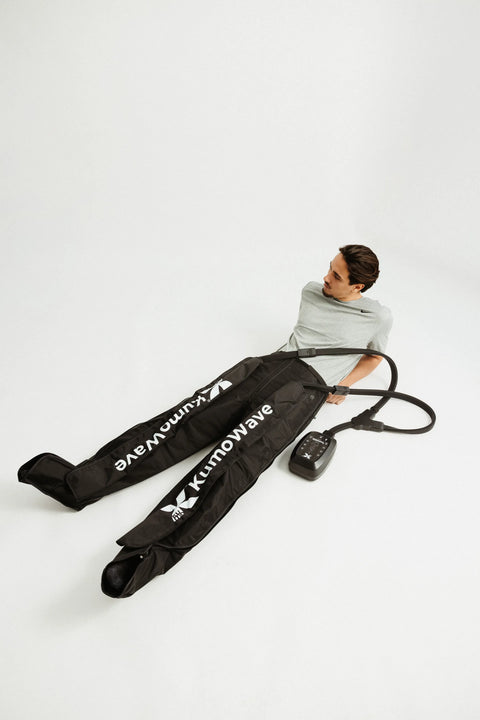
KumoWave Elite – Pressotherapy Pants
Full-coverage trousers. Ideal for lipedema, fluid retention and intensive use.
€799,00 €999,00
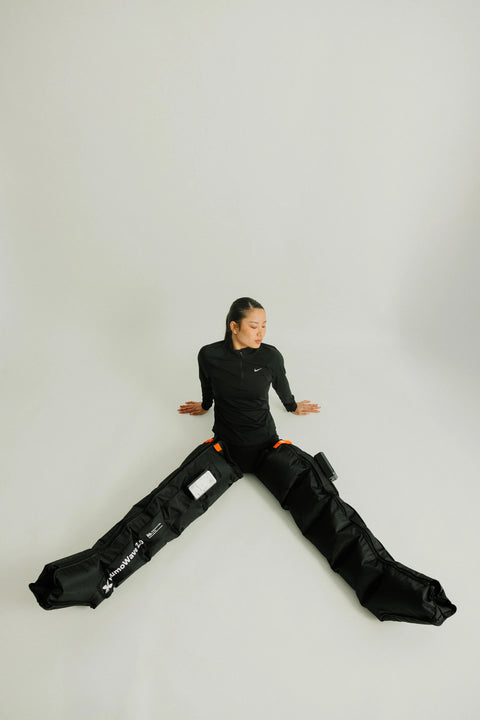
KumoWave 2.0 - Wireless Pressotherapy
Wireless, lightweight boots. Perfect for daily use and recovery.
€499,00 €599,00