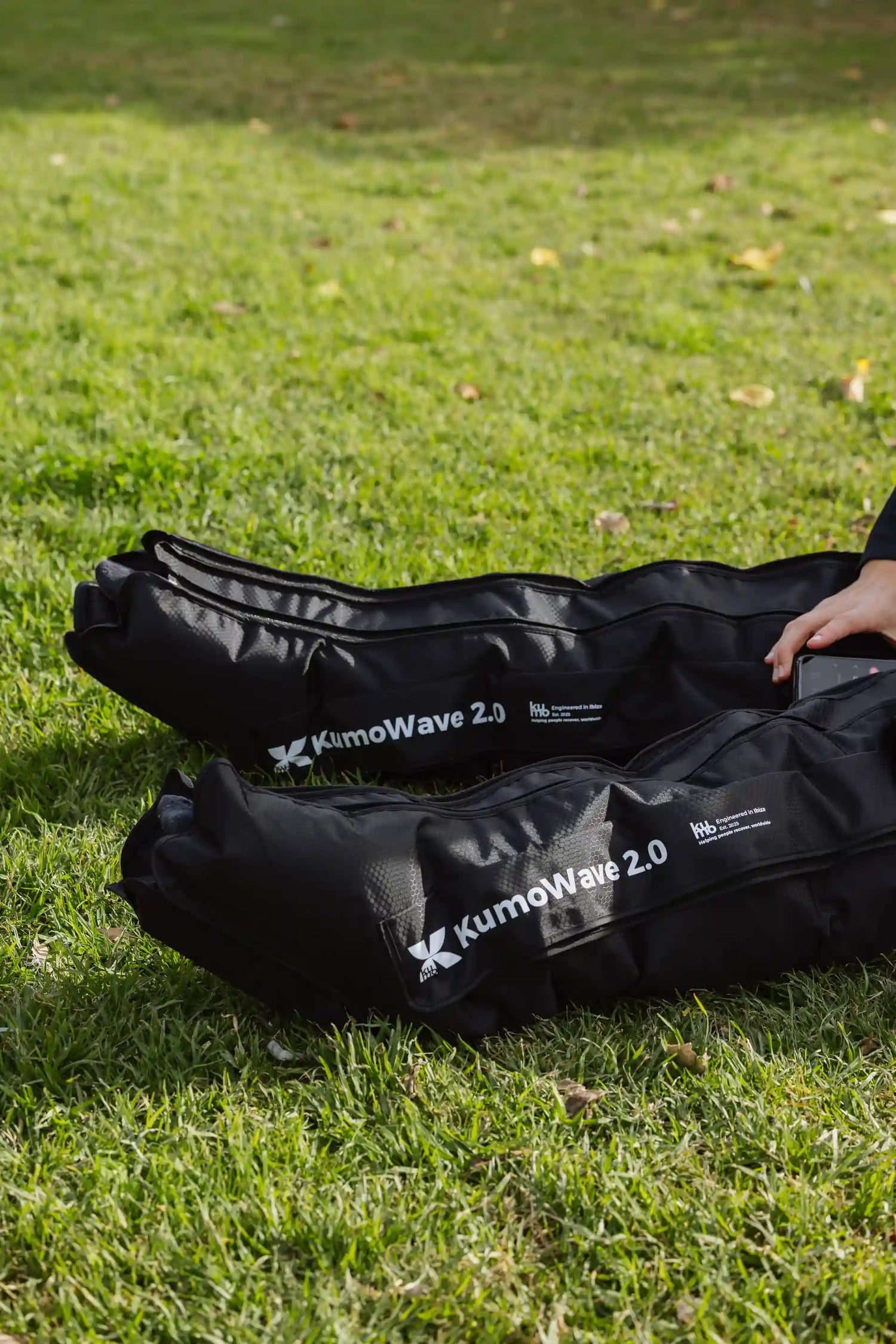
195 mmHg is a high pressure.
In pressotherapy (also called intermittent pneumatic compression), this number indicates the inflation intensity that the chambers of boots or sleeves reach during the cycle. Practically speaking: the higher the mmHg, the more the equipment "squeezes"... but more is not always better, and in many cases, a well-applied moderate pressure (good fit, good program, and good time) achieves similar sensations and goals with fewer risks. (hopkinsmedicine.org)
Pressotherapy at home
End the day with light legs
★★★★★ 4,8/5 · rated by verified customers
KumoWave pressotherapy boosts circulation and helps drain fluid with sequential compression, in 20-minute sessions at home.
- Boosts circulation and helps drain fluid
- Chamber-based compression, adjustable to you
- Sequential compression that mimics manual drainage
€799,00€999,00
−10% on your 1st order when you subscribe to the newsletter

In this Kumo guide, you will see what 195 mmHg represents, how it compares to ranges used in clinical and sports settings, and in which scenarios it makes sense to consider it (and in which to avoid it). (hopkinsmedicine.org)
195 mmHg: What it is exactly (and what it is not)
mmHg = millimeters of mercury (a unit of pressure)
mmHg stands for millimeters of mercury: a traditional unit for measuring pressure, widely used in medicine. Physically, 1 mmHg is approximately equivalent to 133.322 Pa, so 195 mmHg ≈ 26 kPa (approx.). (es.wikipedia.org)
Personalized protocol · included with your purchase
Want us to tell you how to use it in your case?
With your purchase, our experts prepare a personalized usage protocol for your case: sport, circulation, fluid retention, pregnancy or lipedema.
Message us on WhatsAppOur experts reply · no obligation
It's not your blood pressure (although it's measured the same way)
A display showing "195 mmHg" does not mean that your body has "195 blood pressure." It is the inflation pressure of the equipment on the tissue, comparable in sensation to a blood pressure cuff, but applied in cycles and by zones (chambers) to promote venous return and drainage. (hopkinsmedicine.org)
Key idea: in pressotherapy, effectiveness depends as much on how compression is applied (sequence, timings, fit) as on the mmHg number. Increasing to 195 mmHg unnecessarily can increase discomfort without providing proportional benefits. (pmc.ncbi.nlm.nih.gov)
How pressotherapy works (intermittent pneumatic compression)
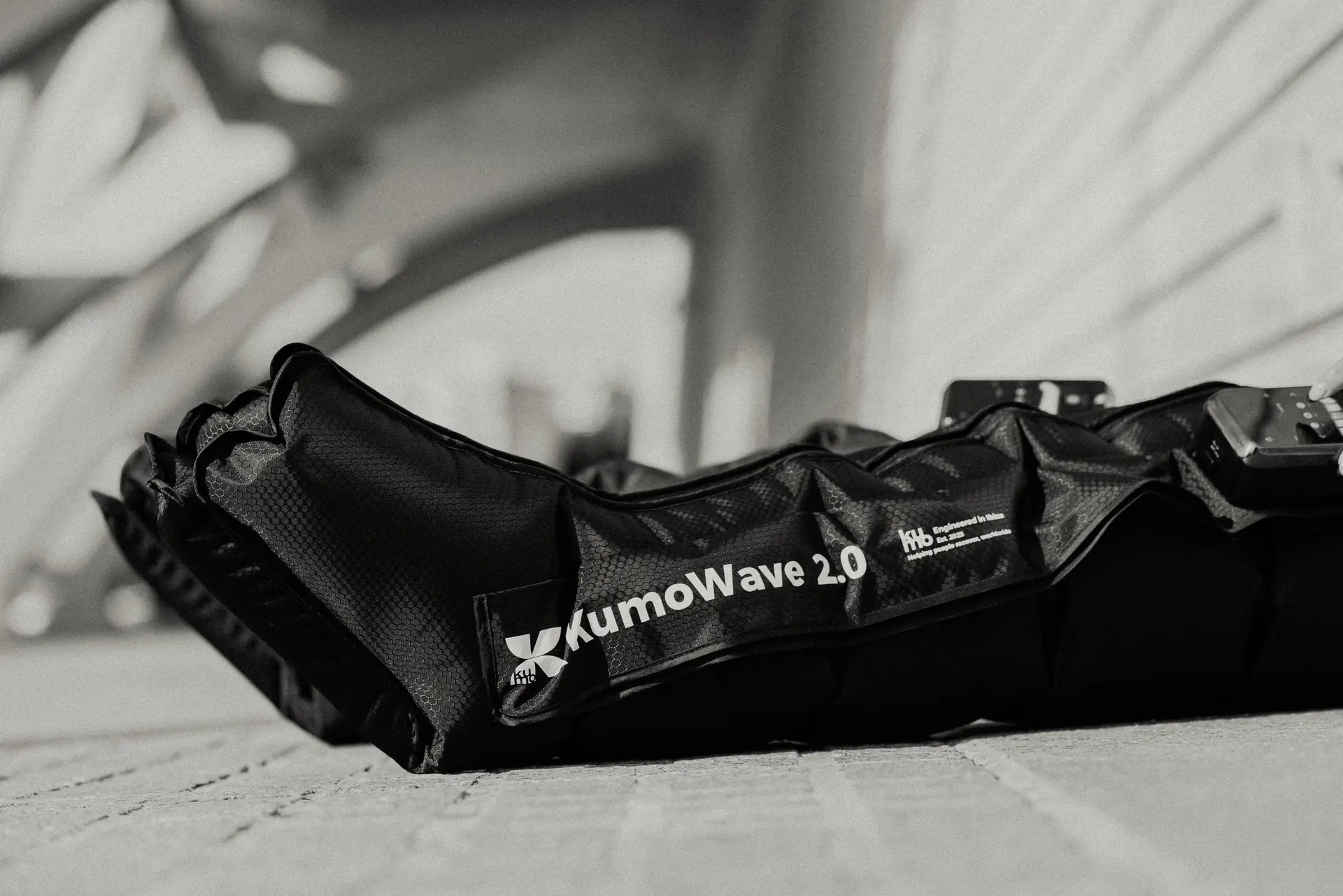
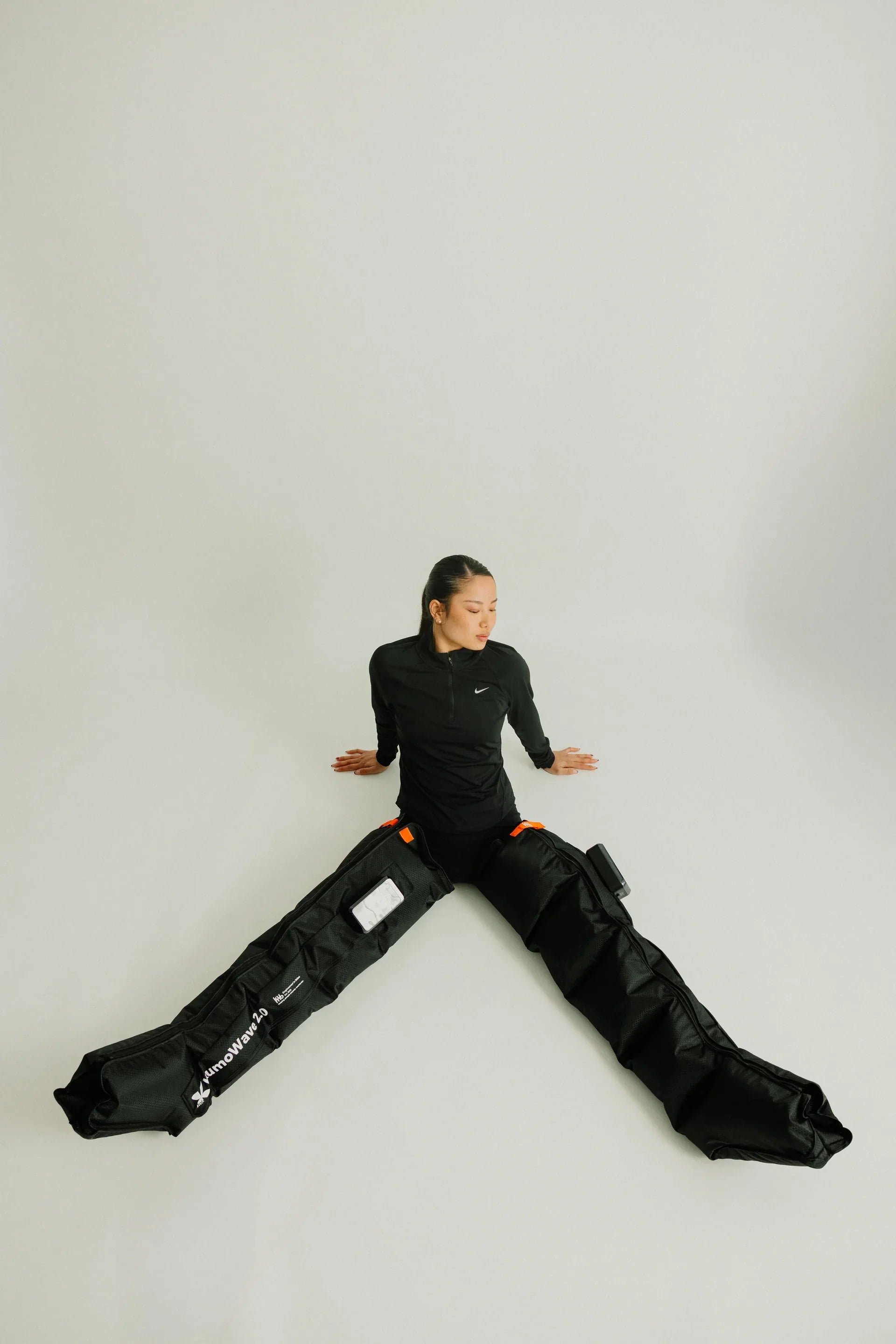
Pneumatic compression devices use chambers that inflate and deflate around the leg. This "squeeze and release" helps move blood through the veins back to the heart and can support the management of heaviness, swelling, and recovery. (hopkinsmedicine.org)
on your first order when you join the newsletter
We send you the code instantly. No spam.
In the medical field, they are used, for example, to help prevent deep vein thrombosis (DVT) in immobilized patients, and in other contexts for edema/lymphedema under professional guidance. (hopkinsmedicine.org)
Is 195 mmHg a lot? Putting it in context
Yes: 195 mmHg is considered a high intensity within what is seen in many clinical protocols and studies. In guidelines for sequential devices for DVT prevention, maximum pressures per zone are described, such as 45–50 mmHg at the ankle, 35 mmHg in the calf, and 30 mmHg in the thigh ("gradient" compression). (east.org)
In research aimed at sports recovery or massage, moderate pressures are also used: for example, a randomized trial (2021) applied IPC with 80 mmHg for 30 minutes after eccentric exercise. (bmcsportsscimedrehabil.biomedcentral.com)
In lymphedema/edema, the literature shows that values such as 50, 80, and 120 mmHg have been tested depending on inflation/pause times, and that inflation time can be crucial for achieving "effective" fluid pressures. (pmc.ncbi.nlm.nih.gov)
At the same time, there are devices (according to regulatory documentation) with output ranges that can reach up to 240 mmHg and high predefined levels (e.g., 150/185/215 mmHg in one example). This explains why numbers like 195 mmHg sometimes appear in controls or apps: they are within what some devices allow, even if it is not the most common in health protocols. (accessdata.fda.gov)
Table: Indicative pressure ranges by objective (and where 195 mmHg fits)
| Objective | Pressures appearing in guides/studies and clinical records (mmHg) | What to prioritize | Practical reading on 195 mmHg |
|---|---|---|---|
| DVT prevention in hospital (clinical SCD/IPC) | Described gradient: 45–50 (ankle), 35 (calf), 30 (thigh) | Correct fit, constant cycles, no pain | 195 mmHg is well above what is described in this guideline |
| Sports recovery / “massage boots” | Study example: 80 mmHg for 30 min | Comfort + regularity (moderate and consistent is better than occasional maximum) | 195 mmHg is usually unnecessary as a starting point |
| Edema/lymphedema (therapeutic setting) | In research, 50–120 mmHg are tested; inflation times influence | Supervision, tolerance, skin, and sensations | 195 mmHg is not a "standard" in these works and may be excessive |
| Devices with high ranges (according to technical documentation) | Regulatory example: 0–240 mmHg output; high levels 150/185/215 | Use only if contemplated by the manufacturer and without adverse symptoms | 195 mmHg fits as a high intensity within the maximum ranges of certain equipment |
Context sources: gradient pressures in clinical SCD/IPC, example in recovery (80 mmHg), studies on pressures/times in edema, and technical documentation on maximum ranges. (east.org)
So… when would it make sense to use 195 mmHg?
In a wellness/recovery use, 195 mmHg is usually considered an "intense" mode. It may make sense only if these conditions are met:
- The device explicitly allows it and the boot fit is correct (size and placement). A poor fit increases the risk of discomfort and pressure injuries. (hopkinsmedicine.org)
- You already tolerate medium pressures well (e.g., 60–100 mmHg) without pain, tingling, numbness, or color changes.
- You are looking for a punctual deep compression sensation (for example, very heavy legs after training, or a feeling of heaviness from standing), and you will do it for a short time.
- You have no relevant risk factors or contraindications (see safety section).
Even in therapeutic scenarios, literature warns that high pressures may not be tolerated: in a study on phlebolymphedema, three patients reported pain/discomfort at 120 mmHg and treatment was stopped. This is a good reminder that "more pressure" can quickly become "too much." (pmc.ncbi.nlm.nih.gov)
When NOT to use 195 mmHg (or when to lower it immediately)
Avoid 195 mmHg (and, if any symptom appears, lower the pressure or stop the session) if you notice:
- Pain instead of "pleasant" pressure.
- Tingling, numbness, or electrical sensation (possible nerve irritation).
- Marked color change (paleness, purple) or coldness in the foot.
- Localized pressure at one point (crease, chamber edge) due to poor placement.
As a general reference for risks, Johns Hopkins describes possible IPC complications such as discomfort, sweating/heat under the cuff, skin lesions and, rarely, nerve damage or pressure injury. (hopkinsmedicine.org)
How to choose the correct pressure: a simple guideline (without "overdoing it")
If your equipment offers a wide range, a conservative and effective strategy is to progress in stages:
- First week: prioritize soft/medium programs and a pressure that allows you to maintain a conversation without "holding the squeeze."
- Week 2–3: increase slightly if the sensation is too mild, but maintain the criterion: zero pain, zero tingling.
- High intensity (like 195 mmHg): reserve it for specific moments and for short durations, only if tolerance is excellent.
Why this matters: in lymphedema, it was observed that with very short inflations (5–20 s) not even with 120 mmHg were certain "effective" fluid pressures achieved, while with longer inflations (50 s) greater values were reached. That is: program and timings can weigh as much as the mmHg number. (pmc.ncbi.nlm.nih.gov)
Safety: contraindications and situations to consult before use
Pressotherapy acts on the circulatory system; therefore, there are scenarios where it is discouraged or requires professional evaluation. Contraindications described in literature and manuals include, for example:
- Current thrombosis or pulmonary embolism. (mdpi.com)
- Decompensated heart failure. (mdpi.com)
- Severe peripheral arterial disease. (mdpi.com)
- Untreated acute infections (e.g., phlebitis, erysipelas) or skin infections on the legs. (mdpi.com)
- DVT/PE and risk of mobilizing a clot: clinical resources warn of this risk if applied to a leg with DVT. (litfl.com)
Furthermore, a Spanish manual on pressotherapy mentions contraindications/precautions such as deep vein thrombosis, thrombophlebitis, severe peripheral arterial insufficiency, heart failure and cases of extreme hypo/hypertension, among others, recommending prior consultation with a specialist. (sveltia.com)
Pressotherapy and "premium" recovery with Kumo: how to integrate it into your routine
At Kumo, we understand recovery as a habit: high-level technology, careful design, and an experience that is easy to sustain over time. If you are exploring options, you can see the selection of pressotherapy and understand what type of use best fits your goals (daily wellness, tired legs, post-workout recovery).
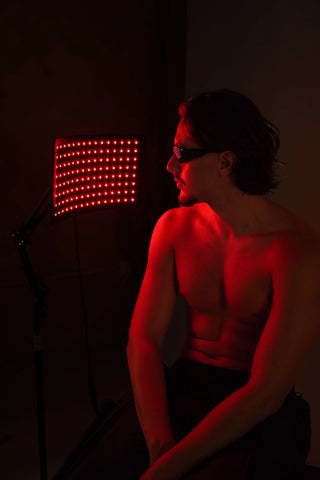
For a more complete approach, many people combine compression with other recovery strategies: for example, tissue work (massage gun) or photobiomodulation. In the Kumo ecosystem, you can explore LED light therapy and, if you are looking for a localized massage, the KumoPulse Air device. The key is that everything adds up without overwhelming you: consistency > maximum intensity.
Examples of use (indicative) and what pressure is usually sufficient
These examples do not replace medical advice; they are common sense guides based on tolerance and ranges used in literature/clinical-sports settings.
- Post-workout (heavy legs): 15–30 min at medium pressure, seeking a sensation of "relief" and not pain. In recovery research, 80 mmHg for 30 min has been used as a reference for moderate work. (bmcsportsscimedrehabil.biomedcentral.com)
- Long trip or day spent standing: soft-to-medium pressure, focus on comfort and regularity. Clinical devices for DVT work with pressures in zones much lower than 195 mmHg, which helps to contextualize that you don't need "max" to stimulate return. (east.org)
- Punctual intense session (only if you are an advanced user): gradually increase and, if you reach 195 mmHg, make it for a short block and always without tingling/numbness. If some people already cannot tolerate 120 mmHg, 195 mmHg should not be your norm. (pmc.ncbi.nlm.nih.gov)
FAQ about pressotherapy, mmHg, and Kumo
What pressure should I use in Kumo pressotherapy boots if I'm a beginner?
Start with soft to medium pressure and focus on learning the correct sensation: firm compression but without pain. Evidence in clinical and sports contexts shows that moderate pressures are used (for example, clinical protocols describe gradients around 30–50 mmHg depending on the zone, and in a recovery trial, 80 mmHg was used for 30 minutes). Once you master the fit, program, and tolerance, you can gradually increase. (east.org)
Is 195 mmHg in pressotherapy dangerous?
It is not "dangerous" by definition, but it is a high intensity that increases the likelihood of discomfort if there is not good tolerance or if the fit is not perfect. General IPC risks have been described, such as discomfort, skin lesions, and rarely nerve damage/pressure injury; furthermore, one study reported pain and treatment interruption at 120 mmHg in some patients. Therefore, 195 mmHg should be considered an advanced and occasional mode, not the standard. (hopkinsmedicine.org)
Can I use pressotherapy if I have varicose veins or venous insufficiency?
It depends on the case. Pneumatic compression is used in different contexts related to circulation, but there are also contraindications and situations that require supervision (for example, current thrombosis, acute infections, decompensated heart failure, or severe peripheral arterial disease). If you have varicose veins with pain, significant edema, a history of DVT, or diagnostic doubts, it is prudent to consult beforehand and, if used, to do so at moderate pressures and with good tolerance, avoiding high intensities like 195 mmHg. (mdpi.com)
Does pressotherapy at 195 mmHg "drain" faster than at 80–120 mmHg?
Not necessarily. Studies on fluid/lymph flow show that inflation time and sequence greatly influence it: with short inflations, even using 120 mmHg, certain effective pressures of fluids were not achieved; with longer inflations, they were. This suggests that greatly increasing mmHg does not guarantee better results if the program and times do not accompany it. In sports recovery, moderate pressures (80 mmHg) with 30-min sessions have also been used. (pmc.ncbi.nlm.nih.gov)
How often can I use pressotherapy if I train often?
As a practical rule, prioritize moderate and consistent sessions over occasional maximum sessions. If you train 4–6 days a week, many people integrate compression on heavy days or at the end of the day, taking care of skin, hydration, and tolerance signals (no pain, no numbness). If you notice that you need "more and more pressure" to feel relief, it is usually better to review fit, timings, and overall recovery (sleep, mobility, strength) before chasing intensities like 195 mmHg. (hopkinsmedicine.org)
What now?
If you want to integrate pressotherapy intelligently (without overdoing the pressure), explore Kumo's recovery universe at kumobalance.com and visit the pressotherapy collection to find a solution aligned with your routine. If you have questions about responsible use, compatibilities, or contraindications, contact the team from the contact page.
KumoWave pressotherapy
Choose your at-home pressotherapy
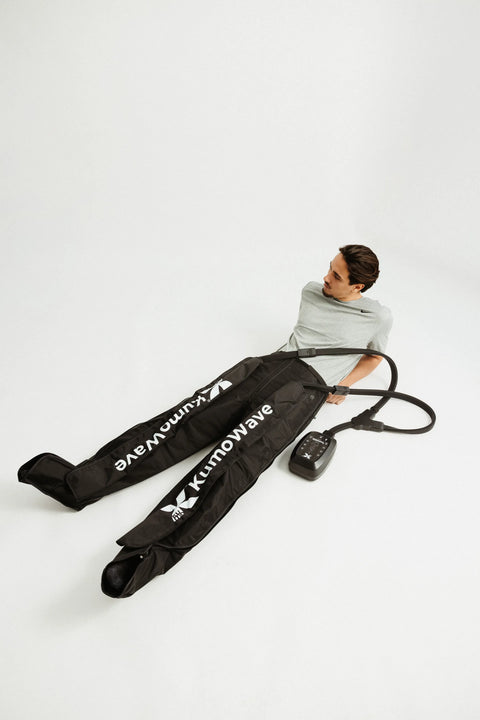
KumoWave Elite – Pressotherapy Pants
Full-coverage trousers. Ideal for lipedema, fluid retention and intensive use.
€799,00 €999,00
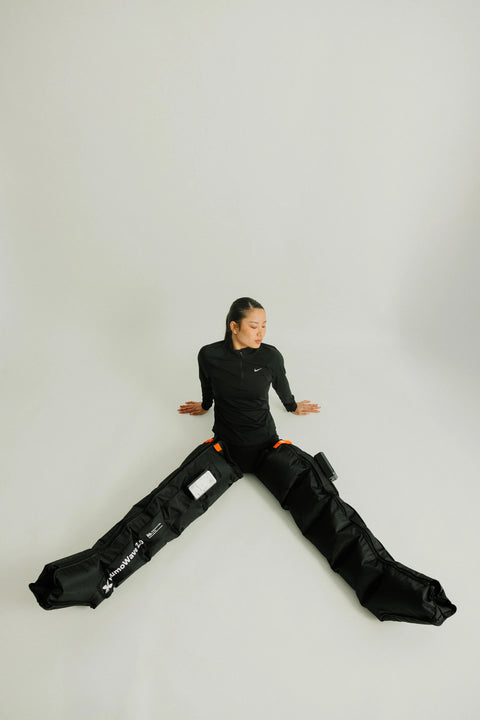
KumoWave 2.0 - Wireless Pressotherapy
Wireless, lightweight boots. Perfect for daily use and recovery.
€499,00 €599,00