
Avoid leaks, malfunctions, and surprises with a monthly check-up.
If you use recovery technology at home, the maintenance of tubes and connections (air hoses, couplers, cables, charging ports, and plugs) is what most influences the safety, hygiene, and consistency of your routines. In this guide, you’ll find a clear and practical monthly checklist, designed for recovery equipment like Kumo's, with no fluff and actionable steps.
Red & infrared light
Recover faster, at home
★★★★★ 4,8/5 · rated by verified customers
The KumoLux panel supports muscle recovery with full-body red and infrared light.
- 660 nm red + 850 nm infrared light
- Full-body muscle recovery
- Clinically validated biohacking protocols
€399,00€499,00
−10% on your 1st order when you subscribe to the newsletter

To learn about the Kumo ecosystem and its premium recovery solutions, you can start with the official website: Kumo Balance.
What "tubes and connections" includes in a home recovery routine
In daily life, "tubes and connections" isn't just about plumbing: in recovery equipment, it also signifies critical performance points.
Personalized protocol · included with your purchase
Want us to tell you how to use it in your case?
With your purchase, our experts set up your red and infrared light sessions for your sport and goal.
Message us on WhatsAppOur experts reply · no obligation
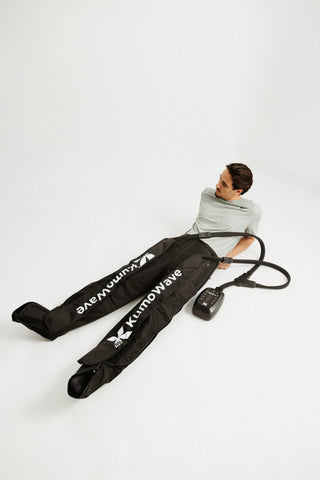
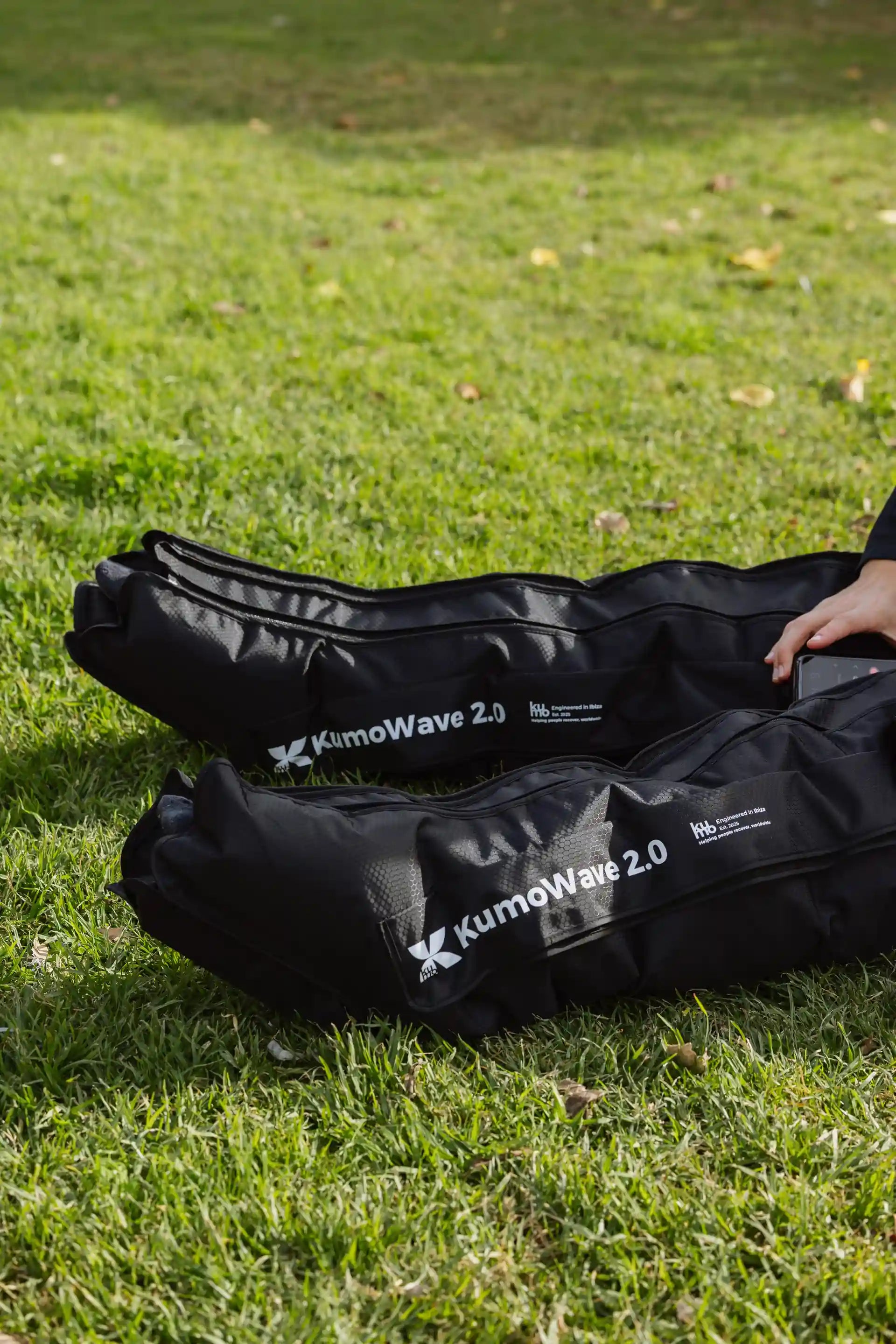
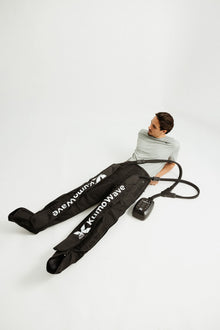
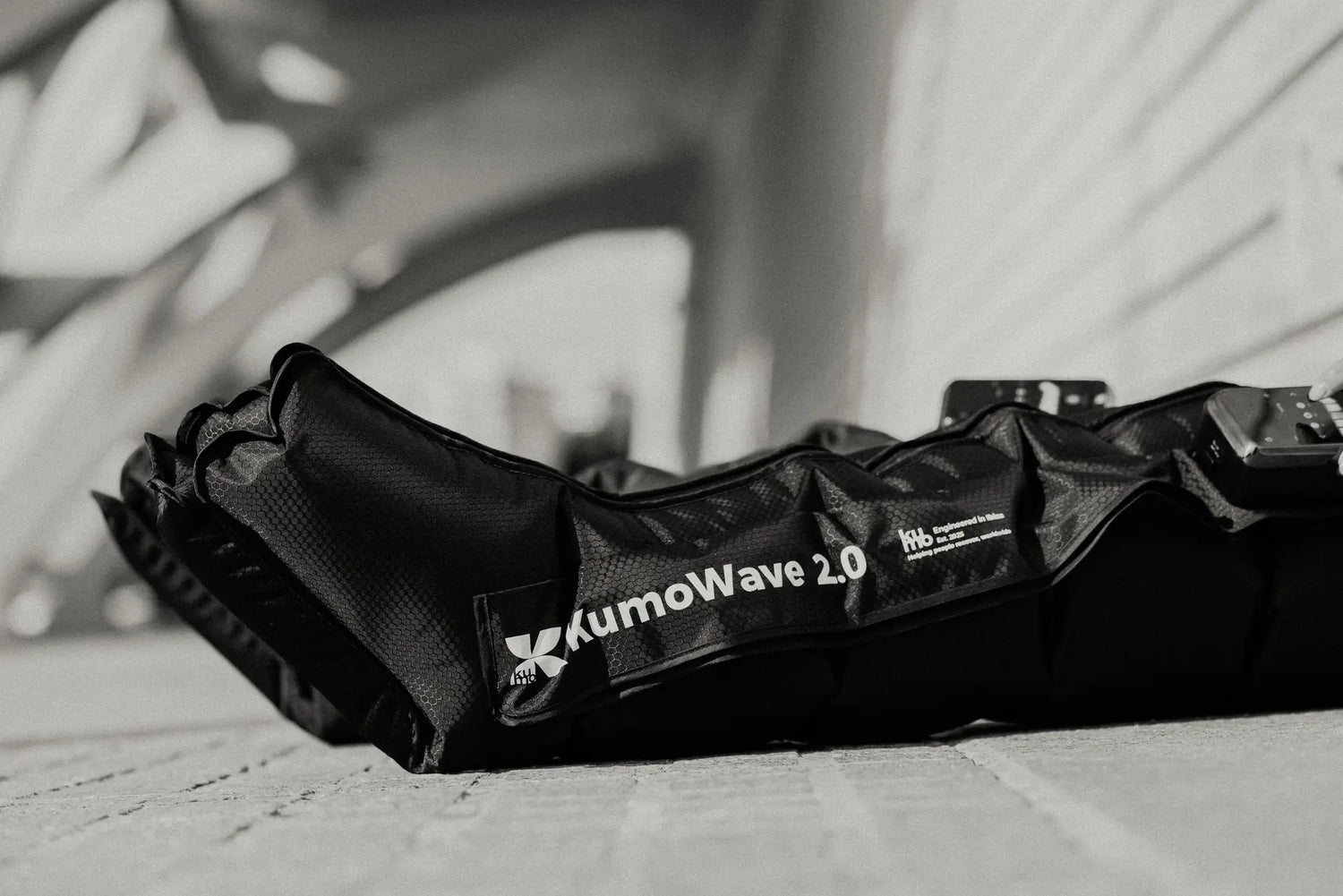
- Pressotherapy: pneumatic hoses/tubes, quick-connect fittings, nozzles, gaskets, and air inlets on the device and boots.
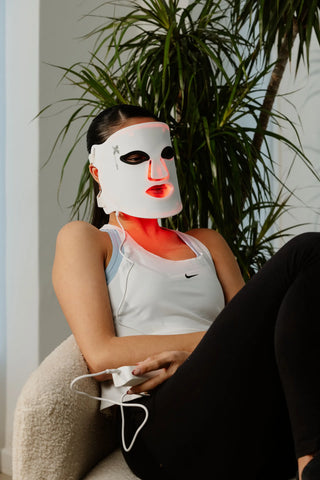
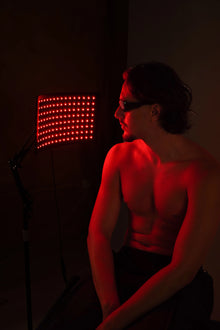
- Light therapy (LED / red light): power cables, connectors, adapters, and junction points (where the cable experiences the most stress).
- Massage gun: charging port, cable, connector, and the cable entry area into the device (strain relief).
This checklist is general and safe for home use; when a manufacturer's instruction contradicts something, the manual takes precedence. To see product categories related to this guide: pressotherapy and LED light therapy.
Why it's a good idea to do it monthly (and not just when "it's already failing")
1) Safety: damaged cables and overloaded connections
A poor electrical connection (loose plug, pinched cable, cracked insulation) doesn't just cause outages: it increases the risk of overheating and malfunctions. Electrical safety organizations cite NFPA data indicating that, between 2011 and 2023, there was an annual average of 31,647 home fires linked to electrical distribution equipment or lighting (wiring, plugs, etc.). (esfi.org)
The CPSC (U.S. Consumer Product Safety Commission) recommends inspecting and replacing cracked or worn cables, as well as paying attention to safety certifications and labeling on electrical accessories. (cpsc.gov)
on your first order when you join the newsletter
We send you the code instantly. No spam.
2) Performance: small leaks = poorer sessions
In pressotherapy, a micro-leak in a coupling or a slightly damaged hose can lead to irregular inflation, more noise, less stable cycles, or a feeling of "less pressure." The monthly check aims to detect early signs: abrasion, cracks, bubbles, kinks, and looseness in connectors, which are typical inspection criteria in hose safety guides. (parker.com)
3) Hygiene: sweat + dust + moisture in connection areas
Connections accumulate dirt in grooves and edges. The general recommendation in public health guides is to combine cleaning (removing organic matter/dirt) and then, if appropriate, disinfection with a suitable product for surfaces. The WHO mentions the use of 70–90% alcohol for disinfecting surfaces (in general surface cleaning contexts). (who.int)
Practical idea: "well-done" cleaning is often more important than using a strong disinfectant. Clean first; then, if you need to disinfect, do so with a compatible product and observe contact times.
Simple maintenance kit (without becoming a technician)
- Microfiber cloth (2 units: one damp and one dry).
- Neutral soap or mild cleaner (solvent-free).
- Cotton swabs for connector grooves.
- Flashlight (to see micro-cracks, deformities, and lint).
- 70% isopropyl alcohol (wipes or liquid on a cloth, do not spray on electronics). The CDC considers 70% isopropyl alcohol as a disinfection option in certain home care contexts, with references to contact time. (cdc.gov)
Kumo monthly checklist (15–25 min): step-by-step
1) Safe preparation (2 min)
- Turn off the equipment and disconnect it from the power (if applicable).
- For pressotherapy, ensure there is no pressure in the system before handling hoses.
- Work on a clean, dry surface; avoid doing it right after a session if there is sweat/moisture.
2) Cleaning: first "remove the visible" (5–7 min)
- Wipe hoses, connectors, and external casings with a lightly damp cloth and neutral soap.
- Pay special attention to junction points: where the tube enters the connector and where the cable enters the device.
- Dry with another cloth. Retained moisture in joints is not helpful.
3) Optional disinfection (2–5 min, only on non-porous parts)
If you share equipment at home or sweat a lot, you can disinfect the external surfaces of plastic/metal connectors and hoses (on the outside) with compatible alcohol. The WHO cites 70–90% alcohol for surface disinfection. (who.int)
For contact times, the CDC mentions examples such as 70% isopropyl alcohol for 5 minutes on certain reusable household items (healthcare context). For domestic equipment, use this as a reference for "keeping the surface moist for the product's recommended time," without soaking or introducing liquids into ports. (cdc.gov)
4) Inspection of tubes/hoses (5 min)
Check the entire length with the flashlight, gently running your fingers:
- Cracks, crazing, or loss of elasticity.
- Abrasion (scratched areas), cuts, or flattened spots.
- Bubbles/bulges (material deformation).
- Marked kinks: shorten tube life and favor failures; hose inspection guides advise against reusing damaged or kinked hoses. (parker.com)
If you store the equipment in a cold place, consider that the material may become stiffer; technical publications on agricultural extension indicate that extreme cold can make rubber more prone to cracking when bent. (ag.purdue.edu)
5) Inspection of connectors and couplings (3–5 min)
- Check that the connector "snaps in" and "snaps out" with a firm click (without looseness).
- Look for dust or residue in the sealing area; clean with a barely dampened cotton swab.
- If there are metal parts, check for signs of corrosion or discoloration.
6) Inspection of cables and ports (3–5 min)
- Check for any exposed wires, cuts, crushing, or abnormal heating.
- Plugs/adapters: avoid suspicious accessories or those without reliable labeling. The CPSC warns about problems with cables and power strips, and recommends replacing worn or cracked cables. (cpsc.gov)
- Do not "tension" the cable near the connector: that area suffers the most.
7) Short functional test (2–3 min)
- Reconnect everything and run a brief test.
- For pressotherapy: listen for hissing (leak) and observe if inflation is uniform.
- For wired equipment: check for intermittent cuts when gently moving the cable (without forcing it).
Monthly control table (to not forget anything)
| Area | What to check | How to do it | Warning signs | Safe action |
|---|---|---|---|---|
| Pressotherapy hoses/tubes | Cracks, abrasion, bulges, stiffness, kinks | Flashlight + tactile inspection along the entire hose | Flattened area, marked kink, bubbles, "sticky" material | Stop use if damage is clear and request replacement/support |
| Quick connectors (couplings) | Fit, cleanliness, seal | Connect/disconnect 2–3 times; clean grooves with a cotton swab | Looseness, easy disconnection, audible leak | Clean; if it persists, do not force and request assistance |
| Junction points (tube↔connector) | Cracks at the end and mechanical stress | Gently bend (without creasing) the end to see micro-cracks | Fine cracks at the "mouth" of the tube | Avoid use until the section or accessory is replaced |
| Power/charging cables | Insulation, pinches, heating | Full visual inspection + touch | Deformation, rigid parts, smell of hot plastic | Replace the cable/adapter; do not use with visible damage |
| Electrical ports and connectors | Dirt, looseness, corrosion | Dry cloth; 70% alcohol on cloth only if non-porous and unpowered | Intermittent contacts, sparks, discoloration | Discontinue use and consult technical support |
| Power strips/extension cords (if used) | Overheating, overload, damage | Check casing and cable; avoid "daisy chain" | Hot casing, dark marks, cracked cable | Replace; follow CPSC safety tips |
How to clean and disinfect without damaging materials
Golden Rule: clean first, disinfect afterwards (if necessary)
The CDC distinguishes between cleaning and disinfection, and generally, prior cleaning improves the outcome. Disinfection recommendations mention minimum contact times (e.g., at least 1 minute for many hospital disinfectants, according to a summary of recommendations). (cdc.gov)
Tubes/hoses (exterior)
- Do: cloth with neutral soap + thorough drying.
- If disinfecting: 70–90% alcohol applied to a cloth/wipe (not sprayed directly). The WHO mentions 70–90% alcohol for surfaces. (who.int)
- Don't: immerse, fill the tube with liquids, or use aggressive solvents.
Connectors (grooves, tabs, and seals)
- Use a barely moistened cotton swab to remove dirt.
- Avoid leaving "pooled" liquid in the sealing area.
- Allow to air dry before reconnecting.
Cables and electrical ports
- Disconnect from power before cleaning.
- Dry or very slightly dampened cloth; if using alcohol, use a minimal amount and no drips.
- If visible damage is detected (cut, exposed insulation), consumer protection organizations recommend replacing rather than "patching." (cpsc.gov)
Warning signs: when to stop and not "force the session"
- Pressotherapy: uneven inflation, leaking noises, connector easily detaches, rigid hose or with bubbles.
- LED/red light: intermittent shutdowns when moving the cable, loose connector, strange smell.
- Any equipment: abnormal heating in adapter/cable, dark marks on plug or power strip (risk of overheating). The CPSC warns about dangers of cables and power strips, especially if they are damaged or overloaded. (cpsc.gov)
When to replace tubes, connectors, or cables (clear criteria)
As a practical rule, it is advisable to replace (or request a review) when any of these points appear:
- Cracks or cuts in the tube, especially near the end.
- Marked kinks or permanent deformation; hose safety guides recommend removing damaged or kinked hoses. (parker.com)
- Connector with looseness, a leak that does not disappear after cleaning, or signs of corrosion.
- Cable with exposed insulation, crushed areas, or abnormal heat: the CPSC recommends replacing cracked or worn cables. (cpsc.gov)
If you need help identifying the correct replacement or if the equipment is behaving erratically, the safest thing to do is request support: Kumo contact.
Good storage practices (to make maintenance even easier)
- Avoid tight bends: store hoses in wide loops and without knots.
- Do not hang the equipment by the cable or pull the cable to unplug it.
- Protect from extreme cold and direct heat: the material can become stiffer; cold can promote cracking when bending in certain compounds. (ag.purdue.edu)
- Separate "clean area" and "sweat area": clean before storing after intense sessions.
Quick monthly routine (10-minute template)
- □ Disconnect from power / turn off equipment
- □ Damp cloth + neutral soap on hoses and connectors
- □ Thorough drying
- □ Check hoses: cracks, abrasion, bubbles, kinks (parker.com)
- □ Check connectors: firm fit + cleaning of grooves
- □ Check cables: cuts, pinches, heat; replace if damaged (cpsc.gov)
- □ Short functional test (listen for leaks / detect intermittent cuts)
FAQ: maintenance of tubes and connections on Kumo equipment
How do I clean the hoses of Kumo pressotherapy boots without damaging them?
Do it in two steps: first, clean with a cloth lightly dampened with neutral soap (without solvents) and dry thoroughly. If you need to disinfect, apply alcohol to a wipe or cloth (do not spray directly) and wipe the exterior. The WHO mentions 70–90% alcohol as an option for disinfecting surfaces, which serves as a general reference. (who.int)
How often should I check couplings and connectors to prevent leaks in pressotherapy?
A monthly check is a good minimum, and it's advisable to add a mini-visual check weekly if you use pressotherapy frequently. During the monthly inspection, look for looseness, dirt in the sealing area, and signs of tube damage (cracks, abrasion, kinks). Hose safety and care guides recommend removing damaged hoses and monitoring for deformations. (parker.com)
Can I use alcohol to disinfect connectors and cables on my Kumo devices?
Generally, yes for external non-porous surfaces, but with great caution: equipment off/unplugged, alcohol applied to a cloth (not directly), no drips, and allowed to dry completely before use. The CDC considers 70% isopropyl alcohol in disinfection recommendations for certain home scenarios, and the WHO mentions 70–90% alcohol for surfaces. If there is exposed electronics or compatibility doubts, prioritize gentle cleaning. (cdc.gov)
What should I do if I notice pressure loss or irregular inflation during my pressotherapy sessions?
First, stop the session and check the basics: ensure the connector is properly seated, there's no dirt in the joint, and the hose isn't kinked or crushed. Then run a short test and listen for leaks. If you detect cracks, bubbles, or permanent deformation, do not force use: hose safety guides recommend removing damaged components. For support and replacements, the safest option is to contact the Kumo team. (parker.com)
How do I store my KumoPulse Air massage gun to extend the life of the charging port and cable?
Store it with the cable free of tension, in wide loops, and avoiding bends near the connector (the most fragile area). Keep the port free of dust and clean only dry or with minimal moisture, always unplugged. If the cable is cracked, pinched, or heats up abnormally, replace it: consumer safety organizations recommend changing damaged cables instead of improvising repairs. You can see the product here: KumoPulse Air. (cpsc.gov)
What next?
If you want your recovery routine to be more consistent, the best next step is to combine simple maintenance with regular practice: explore the pressotherapy and LED light solutions within the Kumo universe, and if you need help with connections, spare parts, or diagnosis, contact official support directly from the contact page.
Recommended sources (further reading): CDC – Disinfection & Sterilization (summary), WHO – Cleaning and disinfecting surfaces, CPSC – Extension Cord and Power Strip Safety, Parker – Safety Guide (hose inspection), Purdue Extension – Hose Selection and Inspection, ESFI – Home Electrical Safety.

Red & infrared light
KumoLux Panel – Red and Infrared LED Panel
★★★★★ 4,8/5 · rated by verified customers
- 660 nm red + 850 nm infrared light
- Full-body muscle recovery
- Clinically validated biohacking protocols
€399,00€499,00· pay in installments with seQura or Klarna