
Better recovery means better training.
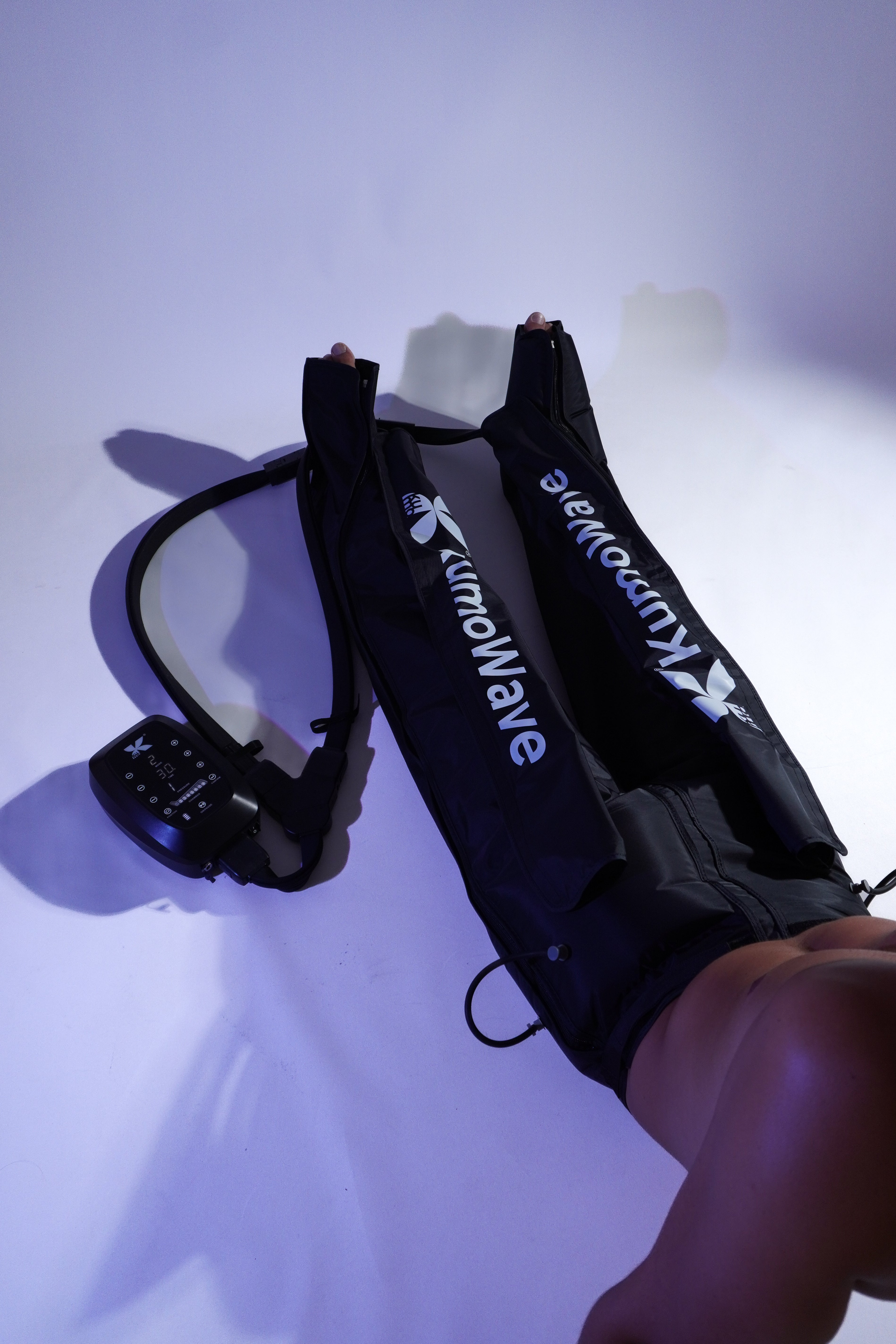
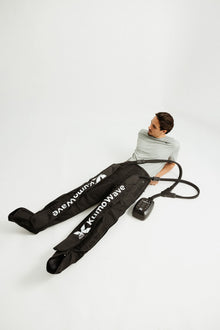
If you manage a training studio (strength, HIIT, cycling, Pilates reformer, or functional training), integrating pressotherapy (pneumatic compression) and red light (photobiomodulation) can transform recovery into a measurable, scalable, and consistent service. In this practical guide, I explain what each technology does , what the latest evidence says, and how to build ready-to-implement protocols with a premium experience aligned with Kumo . To explore the brand's ecosystem, you can start with Kumo Balance .
Red & infrared light
Recover faster, at home
★★★★★ 4,8/5 · rated by verified customers
The KumoLux panel supports muscle recovery with full-body red and infrared light.
- 660 nm red + 850 nm infrared light
- Full-body muscle recovery
- Clinically validated biohacking protocols
€399,00€499,00
−10% on your 1st order when you subscribe to the newsletter

1) Why standardize retrieval within the study
Most studios focus on training (programming, technique, coaching), but leave recovery "up to the client's discretion." The results are often inconsistent: some accumulate fatigue, others become frustrated with delayed onset muscle soreness (DOMS), and many fail to connect their progress with their habits outside of class.
An internal protocol works because it creates consistency and facilitates three objectives:
Personalized protocol · included with your purchase
Want us to tell you how to use it in your case?
With your purchase, our experts set up your red and infrared light sessions for your sport and goal.
Message us on WhatsAppOur experts reply · no obligation
- Reduce the perception of pain and heaviness after intense sessions (especially lower body).
- Improve adherence : when people "come out better" from the study, they return sooner.
- Organize the experience : times, shifts, hygiene, contraindications and follow-up.
Golden rule: recovery doesn't compete with training; it makes it sustainable. If your client can train well for 2–4 weeks straight, the studio gains results, reputation, and retention.
2) Pressotherapy (pneumatic compression): what it provides and what the evidence shows
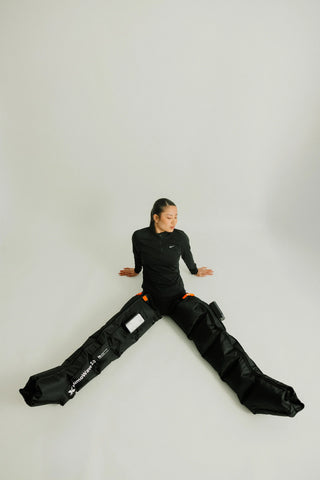
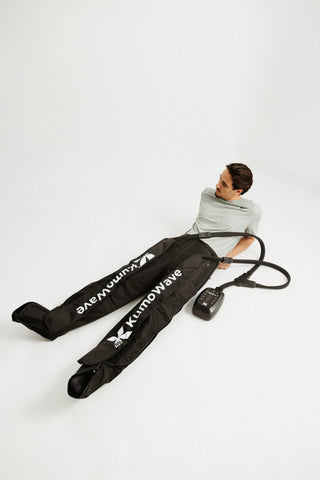
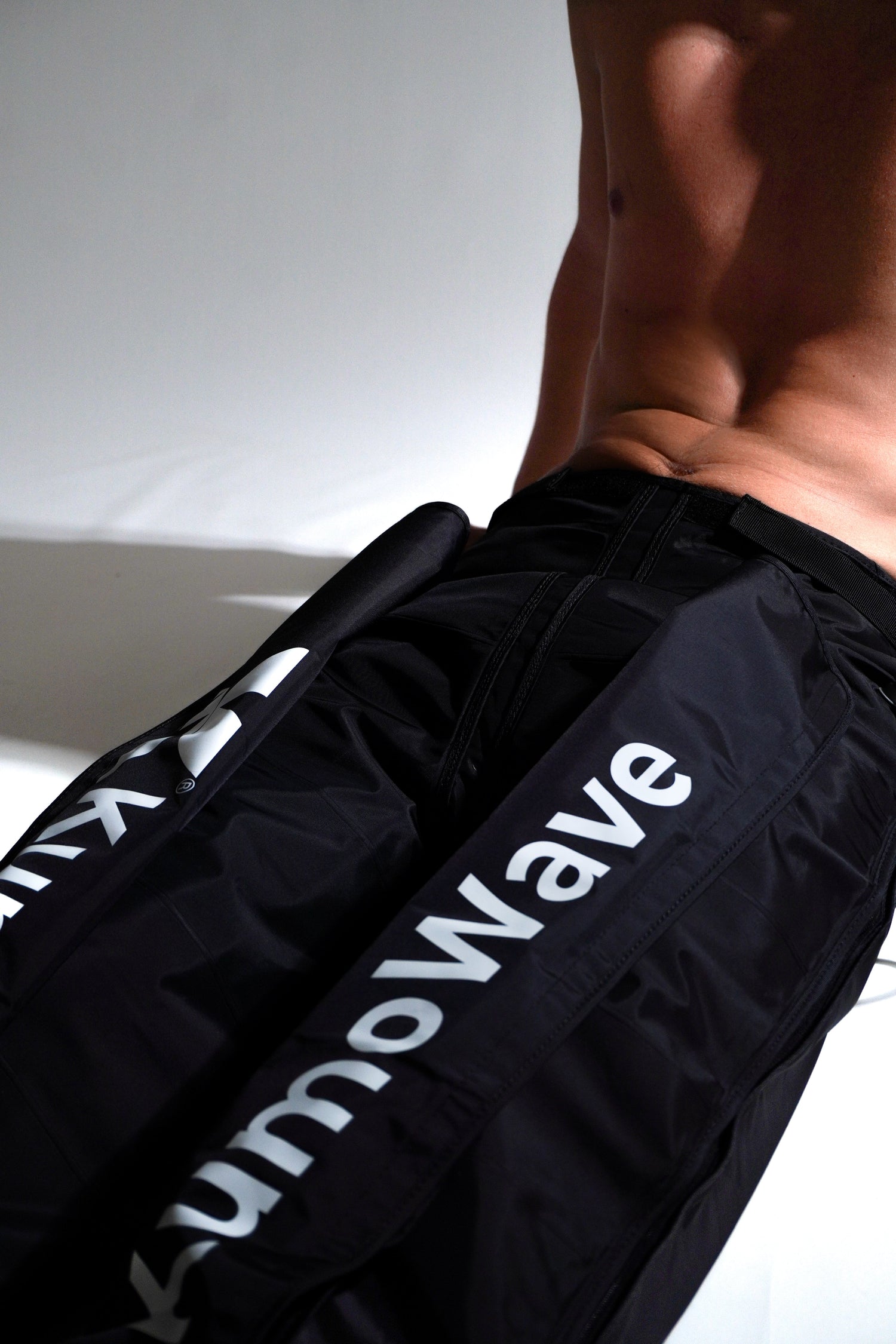
Pressotherapy in sports medicine typically uses intermittent pneumatic compression devices (inflation/deflation cycles in boots or sleeves). The theory is simple: to promote venous return, modulate the sensation of heaviness, and support perceived recovery.
Evidence (without promising miracles)
A systematic review and meta-analysis (2024) on intermittent pneumatic compression in sports recovery included 17 studies (319 participants) . The authors report small (trivial to moderate) benefits, primarily in perceived pain/muscle soreness , and variable effects on markers of muscle damage. They also note that the most commonly used protocols involve 20–30 minutes and pressures around 80 mmHg . ( pmc.ncbi.nlm.nih.gov )
on your first order when you join the newsletter
We send you the code instantly. No spam.
In addition, a randomized trial (2025) with 20 participants applied compression for 15 minutes immediately post-exercise and repeated at 24/48/72 h , observing significant improvements in recovery from muscle soreness and muscle condition parameters, with the maximum effect suggested at 48–72 h . ( pubmed.ncbi.nlm.nih.gov )
When does it best fit into a study?
- Post-training lower body (squats, lunges, jumps, sprints, intense cycling).
- High density weeks (customers who come 4–6 times/week).
- Between sessions on the same day (double stimulus: strength + cardio), when the goal is to "reset" the legs.
Practical parameters: time, pressure, and experience
As an operating rule (and without replacing the device manual):
- Duration: 20–30 min is the most frequently used range in sports protocols. ( pmc.ncbi.nlm.nih.gov )
- Pressure: If your device allows adjustment, operate within a tolerable range (no pain, no tingling). The literature frequently cites ~80 mmHg, but the "optimal" is not universally applicable. ( pmc.ncbi.nlm.nih.gov )
- Frequency: 1–3 times/week for most; at peak workloads, more may be used if tolerated and there are no contraindications.
- Context: hydration, slow nasal breathing, and gentle movement improve the overall perception of the "reset".
Safety: Screening and contraindications (essential)
Pneumatic compression is used in medical settings for thrombosis prevention in immobilized patients, and may have risks/limitations depending on the individual. Therefore, in a sports medicine study, it is advisable to implement basic screening and refer patients to a healthcare professional when there are any doubts. ( hopkinsmedicine.org )
- Do not use if deep vein thrombosis is suspected, or if there is unusual acute pain, localized redness/heat, or asymmetric swelling (refer). ( hopkinsmedicine.org )
- Caution is advised in cases of vascular disease, decompensated heart failure, open wounds/active dermatitis, infections, or if the client is under specific medical supervision.
- Instructions: correct size, dry skin, no objects in pockets, and stop if pain, numbness or tingling occurs.
Note: This is not medical advice; it is a responsible implementation guide for a wellness/performance environment.
If you want to see options geared towards this use, you can explore Kumo's pressotherapy collection .
3) Red light (photobiomodulation): how to integrate it for muscle recovery and rest
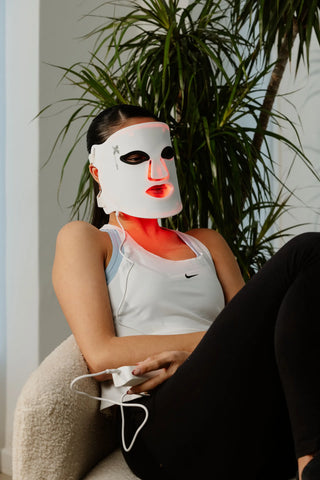
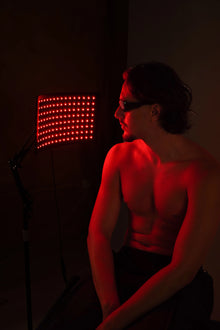
Red light (and in some devices also near-infrared ) is used in photobiomodulation to support cellular processes related to recovery. In sports, the focus is usually on DOMS (delayed onset muscle soreness), pain perception, and performance in the days following exercise.
What does recent evidence say about DOMS?
A meta-analysis (2025 collection) on photomodulation for DOMS found significant reductions in perceived pain (VAS) at 72 h and 96 h (standardized effect size ~ -0.55 and -0.56 ) and improvements in strength at 24 h and 48 h (SMD ~ 0.97 and 0.99 ), although with heterogeneity and a limited number of studies for quantitative analysis. ( pmc.ncbi.nlm.nih.gov )
In that same study, the wavelengths reported for the protocols varied, ranging from 660 to 950 nm according to the included studies. ( pmc.ncbi.nlm.nih.gov )
How to translate it into a real protocol (without inventing parameters)
In studies, the most common mistake is setting “X minutes” as the standard without considering the device. The correct way is:
- Follow the equipment manufacturer's instructions (distance, time, frequency, glasses if applicable).
- Choose one intention per session: (a) local recovery (quadriceps/hamstrings/calf), (b) relaxation/post-workout ritual, (c) gentle routine on deload day.
- Be consistent for 2–4 weeks and measure: perceived pain 0–10, leg sensation, sleep, and readiness to train.
Safety and precautions: eyes, photosensitivity and responsible use
In general, red light is considered safe in the short term if used correctly, but misuse can irritate skin or eyes, and the long-term effects of some household devices are not fully established. ( my.clevelandclinic.org )
- Eye protection: Wear eye protection if indicated by the device (do not improvise). ( aad.org )
- Photosensitivity: If the client has conditions that increase sensitivity to light or is taking photosensitizing medication, do not "experiment": refer/consult. ( aad.org )
- Skin: If irritation occurs, reduce frequency, check distance/time and stop if it worsens.
If you're looking to incorporate this part into the customer journey, you can check out Kumo's selection of LED light therapy (focusing on wellness, skin, and recovery habits).
4) Intelligent integration: pressotherapy + red light in the same circuit
Combining both technologies makes sense when you approach it as a circuit : first, you reduce "noise" (tension, heaviness, fatigue) and then reinforce a consistent recovery routine. Evidence suggests particularly noticeable effects on pain perception in windows such as 48–96 hours post-workout, so the circuit can also be programmed for subsequent days, not just "after class." ( pmc.ncbi.nlm.nih.gov )
Table: Typical protocols (30–55 min) for studies
| Scenery | Aim | Pressotherapy (operational guide) | Red light (operating guide) | Extra that makes a difference |
|---|---|---|---|---|
| Post-strength lower body | Reduce heaviness and DOMS | 20–30 min, tolerable intensity (sports protocols usually use ~80 mmHg) | Local application to quadriceps/hamstrings/calf following the equipment | 5 min slow breathing + 500 ml water |
| Post-HIIT / intervals | Perceived neuromuscular “reset” | 15–25 min (if the client is sensitive, start short) | Short session focused on legs or lower back, without overexposure | Gentle ankle/hip mobility 3–5 min |
| Day +48 h (peak DOMS) | Reduce muscle soreness and stiffness | 20–30 min if there are no contraindications | Local session; in studios, a “Recovery Class” can be created without impact | 10–20 min light walk that day |
| Download routine (1x/week) | Sustained recovery | 20 min moderate | Gentle session focused on relaxation (as indicated by the team) | Sleep checklist (light, schedule, caffeine) |
Note: Time/pressure ranges are inspired by protocols commonly used in sports studies and reviews; always adjust for tolerance, equipment, and screening. ( pmc.ncbi.nlm.nih.gov )
5) Implementation in the studio: flow, hygiene and premium experience
Design a “Recovery Lane” (frictionless)
- Simple reservation: 30 min and 50 min slots (short vs full circuit).
- 60-second brief: what it will feel like, when to stop, what to expect.
- Atmosphere: low light, slow music, leg support and a breathing guide (poster).
Operational screening (1 minute, in writing)
- Asymmetrical pain/swelling in one leg, local heat, recent history of thrombosis?
- Open wounds, active infection, severe discomfort when compressed?
- Is it a photosensitivity condition or medication that increases sensitivity to light?
This step reduces risks and raises the professional level of the study. Clinical entities describe both the use and possible complications (skin irritation, discomfort, etc.) and the need for proper use and correct size. ( hopkinsmedicine.org )
Tracking: Measure what matters
- DOMS 0–10 (at 24/48/72 h) and leg sensation (lightness/heaviness).
- Availability to train (Ready 0–10 before class).
- Sleep (perceived quality 0–10 and hours).
With 3-4 weeks of data, you can fine-tune protocols by modality (strength vs HIIT) and by profile (novice vs advanced).
6) How Kumo fits into a studio “Recovery System”
Kumo promotes recovery as a habit, not a temporary fix: technology, aesthetics, and ease of use. In a study, this translates into a clear ecosystem:
- Pressotherapy for legs and post-load circulation (ideal for "walking out better").
- LED light / red light as a recovery ritual (and also as support for wellness/skin routines, if your studio includes it).
- Percussive massage to release tension points before or after the circuit (always using a gentle technique and without aggravating acute pain). You can see the KumoPulse Air device.
FAQ: frequently asked questions about pressotherapy and red light with Kumo approach
How long should I wear Kumo compression boots after training?
As a practical guideline in studies, many protocols use 20–30 minutes for post-exercise recovery, with pressures that should be tolerable (no pain or tingling). In sports literature, the most commonly used protocols for optimizing recovery tend to have these durations and pressures close to ~80 mmHg, but there is no universal value. Start with a short session (15–20 min) for new users and adjust according to comfort and response. ( pmc.ncbi.nlm.nih.gov )
Can pressotherapy and red light therapy be combined on the same day?
Yes, provided the client tolerates both well and there are no contraindications. In practical terms, it works as a "circuit": compression therapy to relieve the feeling of heaviness, followed by red light therapy as a calming closure. Recent evidence suggests that photobiomodulation can be particularly helpful within a 72–96 hour window for DOMS (delayed onset muscle soreness), so you can also schedule the combination for a day after the main session, not just immediately afterward. ( pmc.ncbi.nlm.nih.gov )
Does Kumo red light therapy help with muscle recovery or only with skin?
Red/LED light is used in various contexts. In muscle, the literature on photobiomodulation and DOMS shows promising results (reduction in perceived pain and improvements in strength at certain time points), but with variability in protocols and study quality. In skin, it is also used for other purposes (dermatological approach). In a training study, the most responsible approach is to present it as a support within a comprehensive plan (sleep, hydration, well-programmed load), and always follow the device instructions and eye safety guidelines. ( pmc.ncbi.nlm.nih.gov )
What protocol should you recommend for clients with severe muscle soreness 48–72 hours later?
This moment often coincides with the peak of discomfort in DOMS, and some studies identify this as a window where pneumatic compression and photobiomodulation can be particularly useful for pain perception . A simple protocol under study: 20–30 minutes of compression therapy at a comfortable intensity + a session of local red light therapy following the device, plus 5 minutes of gentle walking or mobility exercises. Avoid "compensating" with excessive pressure or aggressive treatments: the goal is to facilitate recovery, not add stress. ( pmc.ncbi.nlm.nih.gov )
Who shouldn't use pressotherapy or red light therapy in a studio?
In compression therapy, exercise extreme caution if there are signs or suspicion of vascular problems (e.g., symptoms consistent with thrombosis) and refer the client to a healthcare professional. With red light therapy, avoid use if the client has significant photosensitivity or is taking medication that increases light sensitivity, and apply eye protection when indicated by the equipment. In both cases, if there is acute pain, abnormal swelling, or worsening of symptoms, the protocol is stopped. A brief written screening reduces risks and enhances the professionalism of the service. ( hopkinsmedicine.org )
So what now?
If you want to transform recovery into a premium and consistent experience, create your circuit with Kumo technologies: leg pressotherapy, LED lighting for a wellness ritual, and massage tools to release tension. Explore the solutions at Kumo, and if you need help structuring the flow in your studio (schedules, protocols, and safety), contact us here: contact page .

Red & infrared light
KumoLux Panel – Red and Infrared LED Panel
★★★★★ 4,8/5 · rated by verified customers
- 660 nm red + 850 nm infrared light
- Full-body muscle recovery
- Clinically validated biohacking protocols
€399,00€499,00· pay in installments with seQura or Klarna