Recovery cannot be improvised.
If your facility (gym, clinic, boxing studio, wellness studio, or sports club) incorporates technologies such as LED lighting, red light therapy, pressotherapy, or percussive massage, the next step is to train your team to ensure all sessions are safe, consistent, and easy to replicate. This practical guide will show you how to structure training, which protocols to standardize, and which controls to implement to reduce variability, incidents, and user questions, all within the framework of Kumo 's philosophy: aesthetics, technology, and performance to make recovery a habit.
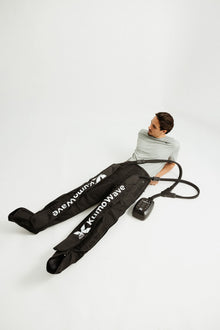
Pressotherapy at home
End the day with light legs
★★★★★ 4,8/5 · rated by verified customers
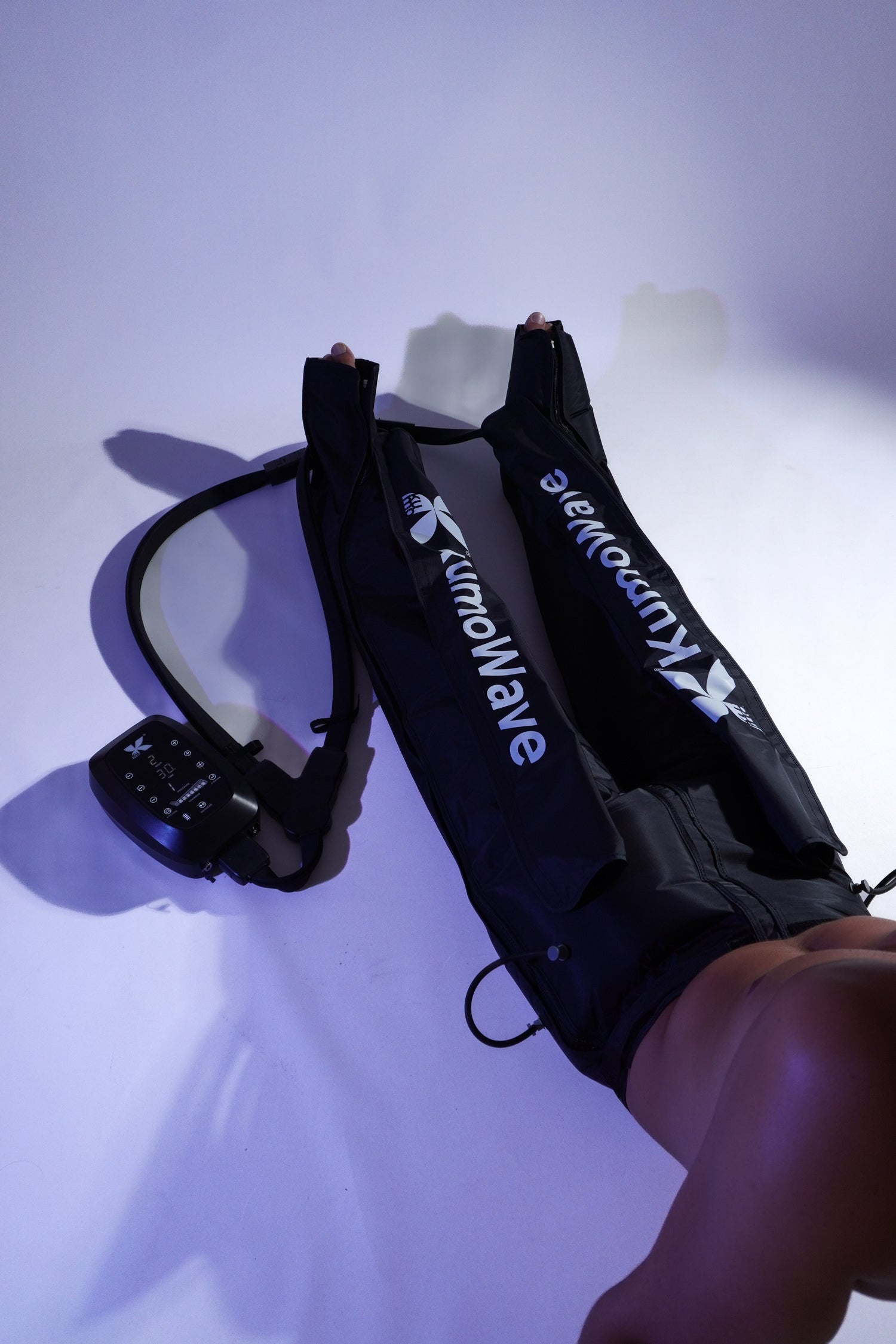
KumoWave pressotherapy boosts circulation and helps drain fluid with sequential compression, in 20-minute sessions at home.
- Boosts circulation and helps drain fluid
- Chamber-based compression, adjustable to you
- Sequential compression that mimics manual drainage
€799,00€999,00
−10% on your 1st order when you subscribe to the newsletter

Why team building is the most important “technology”
In recovery technologies, the device is only one part of the outcome. The other part (and the most crucial) is how it is used : user selection, parameters, communication, hygiene, monitoring, and recording.
- Consistency: without standardization, two “identical” sessions can be completely different.
- Safety: the team must detect contraindications and warning signs, and know when to stop.
- Experience: a clear script reduces friction, increases confidence, and improves adherence.
- Scalability: With SOPs (standard operating procedures) you can incorporate new members without losing quality.
Recovery technology map: what the team needs to master
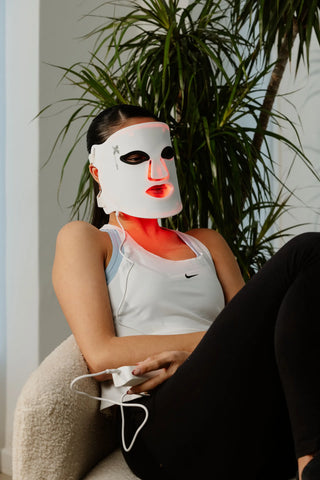
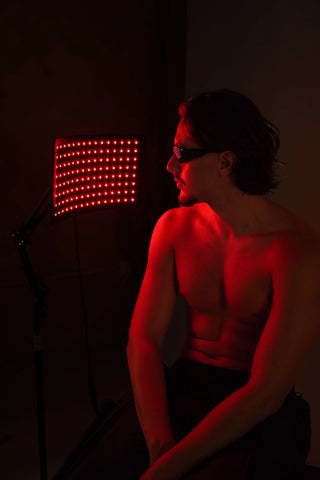
1) LED and photobiomodulation: basic parameters and realistic expectations
In everyday language, people talk about "LED" or "red light" as if they were the same thing, but the team needs to use a common language:
Personalized protocol · included with your purchase
Want us to tell you how to use it in your case?
With your purchase, our experts prepare a personalized usage protocol for your case: sport, circulation, fluid retention, pregnancy or lipedema.
Message us on WhatsAppOur experts reply · no obligation
- Wavelength (nm): defines the type of light (e.g., red, blue, near infrared).
- Power density (mW/cm²) and dose: influence the energy delivered.
- Time and frequency: determine adherence and progression.
- Objective: skin (more common with LED masks), muscle comfort, relaxation, sleep routine, etc.
To avoid the team simply "selling smoke," it's advisable to rely on clinical reviews: a systematic review of randomized trials on LEDs in dermatology describes the parameters used and clinical recommendations (e.g., power density ranges and session times in studies) and highlights the heterogeneity of protocols. ( pmc.ncbi.nlm.nih.gov )
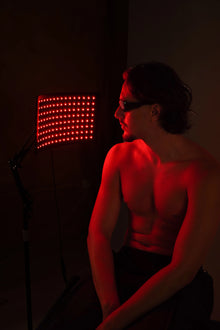
At Kumo, this block can be connected with user routines and user education around LED light therapy , without confusing cosmetic/wellness benefits with medical promises.
2) Pressotherapy (compression): technique, adjustment and screening
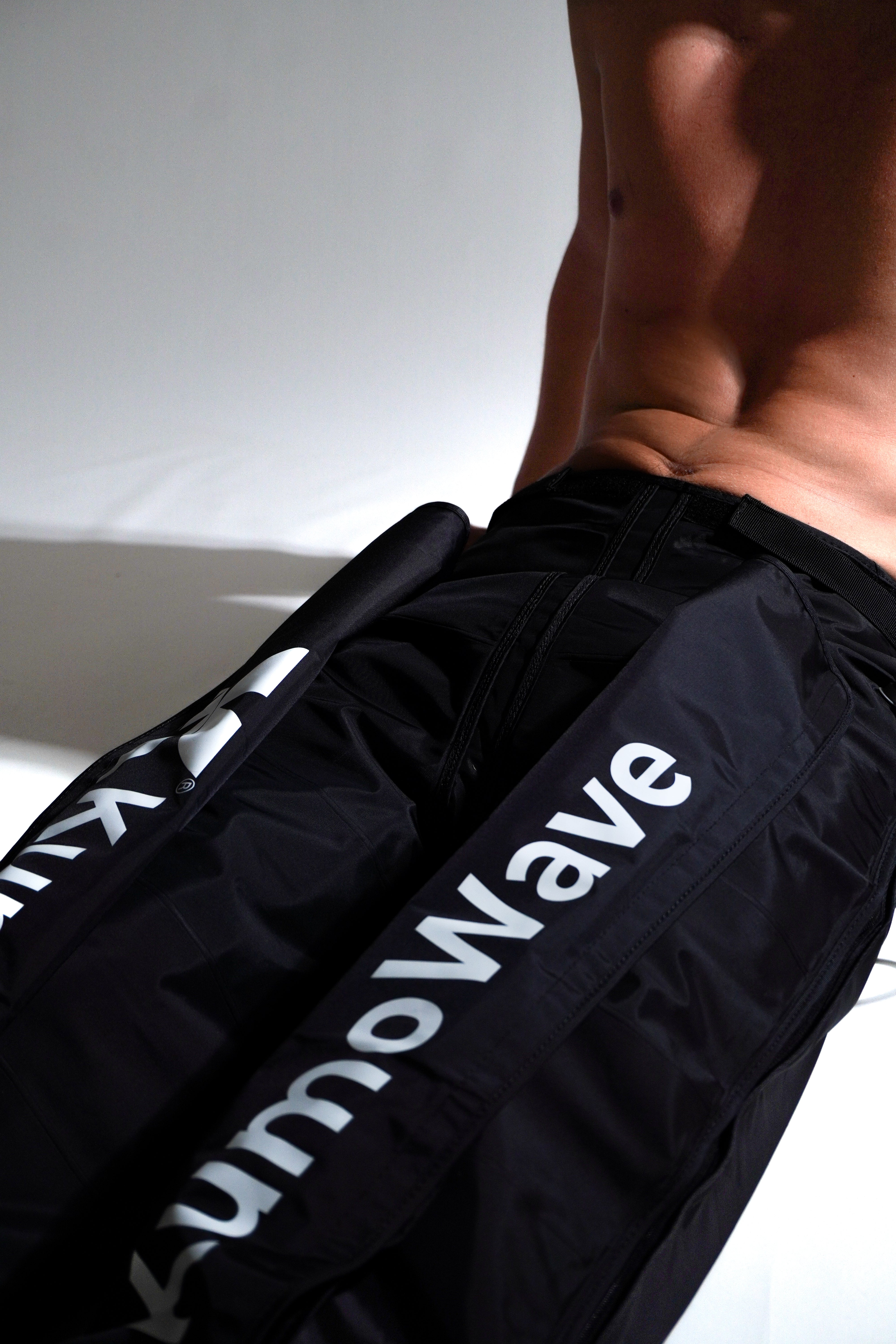
Compression therapy boots aim to promote comfort and a feeling of lightness through sequential compression. The team must be proficient in:
on your first order when you join the newsletter
We send you the code instantly. No spam.
- Placement: sizing, fold-free closure, camera alignment, comfort.
- Progression: start conservatively, adjust for tolerance and goal.
- Monitoring: tingling, pain, numbness, changes in color, "point" pressure.
For safety, it is crucial that the team is aware of relevant contraindications for compression in general: an international consensus reviews risks/contraindications and provides clinical thresholds (e.g., severe peripheral arterial disease with ABPI < 0.6 or low ankle pressure, or severe heart failure) and mitigation measures (correct sizing, skin care, neuropathy monitoring). ( pmc.ncbi.nlm.nih.gov )
If your practice includes IPC (intermittent pneumatic compression) protocols in clinical settings, there are specific guidelines (e.g., S1 guidelines) that emphasize adherence to absolute/relative contraindications and note that adverse events are rare when applied correctly. ( pubmed.ncbi.nlm.nih.gov )
At Kumo, this focus translates into experience and consistency in the use of boots, such as those available in the pressotherapy collection .
3) Percussive massage (guns): dosage and risk areas
Massage guns are easy to misuse without guidance: too much pressure, too long, or inappropriate areas. A systematic review of massage guns lists contraindications and situations to avoid (wounds, recent fractures, deep vein thrombosis, certain neurological conditions, sensitive areas such as the neck, spine, and superficial vessels) and warns of the risk of prolonged overuse (e.g., avoid aggressive and lengthy applications on the same area). ( pmc.ncbi.nlm.nih.gov )
To standardize treatment in the treatment room, it's best to work with "simple rules": duration per area, perceived pressure, and a body map of "forbidden zones." At Kumo, you can use a massage device like KumoPulse Air to create repeatable protocols focused on comfort and release, without encroaching on clinical practice.
Design a 3-level training program (no filler, but complete)
Level 1 (fundamentals): common language, expectations and limits
Objective: to ensure everyone speaks the same way and doesn't overpromise.
- What each technology (LED, red/NIR, compression, percussion) is and what it is used for in your center.
- What it is NOT: It does not replace diagnosis, medical treatment, or clinical rehabilitation.
- What can be said to the user (benefits of well-being/perceived recovery, routine, adherence).
- When to refer (acute pain, suspected injury, vascular symptoms, skin reactions).
It includes a mini regulatory guide to help the team understand terms like “FDA clearance” when applying to devices in the U.S.: The FDA explains how to check if a device has been authorized for marketing (510(k)) and what substantial equivalence entails. ( fda.gov )
Level 2 (technical): device-specific protocols + supervised practice
Objective: that each member performs the session with the same quality.
- Preparation checklist (hygiene, visual inspection of equipment, consumables, timer).
- Placement and ergonomics (especially in pressotherapy and massage).
- Dosage : times, progression, parameter recording.
- Communication : short questions to calibrate sensations (“0–10 pressure”, “discomfort yes/no”).
- Practice with typical cases : tired legs after a long day, nighttime relaxation routine, calf release after training, etc.
Level 3 (operational): standardization, hygiene, documentation and audits
Objective: to make quality independent of who provides the service.
- SOP per session (start → development → closure).
- Cleaning protocols between users and at the end of the day.
- Incident management (what to record, who to escalate to, when to stop).
- Quarterly/semester recycling with practical assessment.
Safety first: screening, contraindications and consent
The minimum (rapid) screening that standardizes everything
Create a short form (paper or digital) for the user to complete and for staff to confirm before the first session (and revalidate if anything has changed). It should include:
- Pregnancy/postpartum (depending on technology and internal policy).
- Vascular history (thrombosis, arterial insufficiency, varicose veins with complications, etc.).
- Diagnosed heart failure or relevant symptoms.
- Neuropathies/diabetes with loss of sensation.
- Acute injuries, recent fractures, wounds, skin infections.
- Medication or products that increase photosensitivity (to light).
- Implanted devices (as a precaution and according to the manufacturer's manual).
Operating rule: if there is reasonable doubt, the session is postponed and referred to a healthcare professional.
Security through technology (what the team should know "by heart")
If you can't explain why a session is safe, it's not yet standardized.
- LED/red light: Check photosensitivity, skin tolerance, and proper use (distance, time, eye protection if appropriate). In clinical studies with lighting, the use of protective eyewear is common during procedures with light. ( journals.lww.com )
- Compression therapy: Special attention should be paid to severe peripheral arterial disease, advanced heart failure, severe neuropathy, and correct sizing/application. The international consensus details contraindications and clinical thresholds (e.g., low ABPI) and notes that serious events are rare when used correctly. ( pmc.ncbi.nlm.nih.gov )
- Percussive massage: avoid wounds, recent fractures, thrombosis, and high-risk areas (anterior neck, spine, superficial nerves/vessels), and avoid prolonged/aggressive overuse. ( pmc.ncbi.nlm.nih.gov )
Standardization of sessions: from briefing to closing (operational script)
SOP (procedure) template for any session
- Brief (1 minute): user's goal today (unloading, relaxation, heavy legs, skin routine), and "traffic light" of sensations (green/amber/red).
- Quick check: Screening confirmation (has anything changed since the last session?).
- Preparation: hygiene, positioning, explanation of what you will feel and how to notify.
- Standardized execution: time, progression, brief supervision halfway through.
- Closing: feedback (immediate feeling), simple recommendations (hydration, rest, light movement).
- Record: parameters, tolerance and observations.
Standardization table by technology (what to record and what to monitor)
| Technology | Typical objective (well-being) | Parameters to be recorded | Approximate duration | Signals to pause or stop | Hygiene |
|---|---|---|---|---|---|
| LED (skin) | Skincare routine, skin appearance, “spa-tech” experience | Mode/color, time, weekly frequency, skin tolerance | Depending on the device; clinical trials report sessions of ~20 min with some frequency for weeks (depending on the objective) | Intense burning, persistent redness, headache, eye discomfort | Disinfection of contact surfaces + accessories after each use |
| Red light / NIR (body) | Muscle comfort, relaxation, recovery routine | Program, time, distance/position (if applicable), feedback | According to device and internal protocol | Excessive heat, dizziness, eye discomfort, worsening of symptoms | Disinfection of contact points and controls |
| Pressotherapy | Light legs, post-workout recovery | Size, program, perceived intensity, time, tolerance | According to program and tolerance | Pain, numbness, change in color, localized pressure | Sanitize interior/contact areas according to materials and protocol |
| Percussive massage | Timely discharge and a feeling of relief | Head, speed, time per zone, perceived pressure | Avoid prolonged exposure to the same area; some reviews advise against prolonged/aggressive use (e.g., >30 min repeated on the same spot). | Acute pain, bruising, tingling, neurovascular symptoms | Disinfect heads and handle after each user |
Note: The exact evidence and parameters depend on the objective and the equipment; therefore, it is crucial to document and maintain active SOPs. In dermatology, a systematic review of LED RCTs reports parameter recommendations (e.g., power density ranges and repeated sessions over 4–8 weeks in studies) and emphasizes that there is no single “best” protocol for everything. ( pmc.ncbi.nlm.nih.gov )
Hygiene and maintenance: cleaning between users without operational friction
If the device comes into contact with skin, clothing, or sweat, your cleaning system must be documented and trainable. The practical recommendation is to work with:
- A “cleaning chart” (what is cleaned, how, how often, and who does it).
- Manufacturer's instructions (material and disinfectant compatibility).
- Simple registration (check signed per shift).
The CDC recommends developing a cleaning schedule and training responsible staff before putting equipment into use, as well as cleaning and disinfecting shared equipment before and after each use in healthcare settings. This is a good benchmark for wellness facilities that want to operate rigorously. ( cdc.gov )
“Quick” cleaning protocol (can be completed in 2–4 minutes)
- Remove consumables (if applicable) and check for visible dirt.
- Clean with a soft cloth (remove residue first).
- Disinfection with compatible product (respect contact time).
- Drying and final inspection (no moisture in connectors/controls).
- Record (checklist + incidents).
Quality control: how to certify that the team “knows how to do it”
Competency assessment (practical checklist)
- Explain the session in 30–45 seconds without promising medical results.
- It performs screening and detects red flags (simulated cases).
- Position the equipment correctly (pressotherapy) and adjust for comfort.
- Dose without overuse (percussive massage) and avoid risk areas.
- Clean and register according to the SOP.
Light (monthly) audit that maintains the standard
- Sampling of records : Are parameters and tolerances noted?
- Observation of 2–3 sessions : Do they follow the script and ensure safety?
- Incident review : what happened, what is adjusted in the SOP.
- 15-minute reinforcement in team briefing.
Example of implementation in 30 days (without stopping operations)
- Days 1–3: Draft SOPs and checklists (1 version per technology) + cleaning chart.
- Week 1: Level 1 training (fundamentals) + short theoretical assessment.
- Week 2: Level 2 training (supervised practice) with 3 typical cases per technology.
- Week 3: operational standardization (Level 3): hygiene, record keeping, incidents.
- Week 4: Light audit + final SOP adjustments (version 1.1).
This “iterative” approach avoids blocking the team with endless manuals and creates a solid foundation for growth.
FAQ about Kumo and training in recovery technologies
What should an LED light session protocol include to ensure consistency?
- session objective (care routine, calm, experience), (
- Recommended mode/time and frequency according to the device, (
- clear preparation instructions (clean skin, posture, what sensations are normal), (
- pause criteria (intense burning, eye discomfort, persistent erythema) and (
- Minimum recording (mode, minutes, tolerance). Clinical evidence with LEDs in dermatology shows parameters used in trials and highlights that protocols vary, so documentation and standardization are key. (pmc.ncbi.nlm.nih.gov)
How to train the team to use compression therapy boots safely?
Training should focus on three competencies: screening (vascular history, advanced heart failure, neuropathies, pain, or injuries), application technique (size, no folds, even closure), and monitoring (asking for numbness, pain, or localized pressure). In addition, the team should be aware of relevant contraindications for compression; an international consensus outlines risks, preventive measures (skin care, correct sizing), and clinical thresholds that help determine when NOT to apply compression. ( pmc.ncbi.nlm.nih.gov )
How long is it prudent to use a massage gun per area in a standardized session?
The prudent approach is to work with short sessions per area, at a tolerable intensity, and avoid repetitive, forceful use on the same spot. A systematic review on massage guns lists contraindications (wounds, recent fractures, thrombosis, certain conditions) and warns of risks from repeated and aggressive use for extended periods in the same area (for example, it mentions avoiding applications >30 minutes in the same area due to the risk of tissue damage and internal bleeding). With this information, your PCOS can establish clear and easily trainable limits. ( pmc.ncbi.nlm.nih.gov )
How to avoid legal problems or claims when offering recovery technologies?
The key is to separate “wellness” from “treatment.” Standardize a script: what the session entails, what the user can expect to feel, what you don’t promise (no diagnosis, no cure), and when to refer. Maintain a written screening process, simple informed consent, and a record for each session. If you operate in the U.S. or communicate about authorizations, train your team on regulatory terms: the FDA explains how to check if a device has been authorized for marketing (510(k)) and what “substantial equivalence” means, avoiding confusion with “approval.” ( fda.gov )
So what now?
If you want to make recovery a standard practice for your team (and not just an extra), start with a Standard Operating Procedure (SOP) for each technology and a hands-on training session with a checklist. Explore the Kumo ecosystem to build a cohesive recovery room: LED light therapy , compression therapy , and massage with KumoPulse Air . For support, operational questions, or to define a clear internal protocol, contact us here: contact page .
KumoWave pressotherapy
Choose your at-home pressotherapy
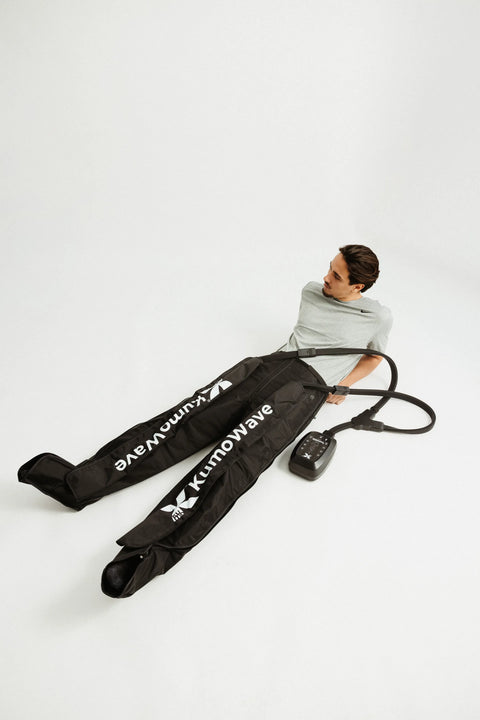
KumoWave Elite – Pressotherapy Pants
Full-coverage trousers. Ideal for lipedema, fluid retention and intensive use.
€799,00 €999,00
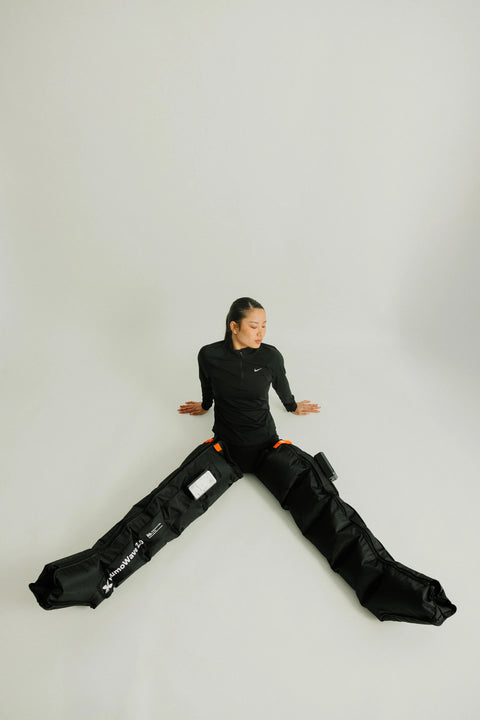
KumoWave 2.0 - Wireless Pressotherapy
Wireless, lightweight boots. Perfect for daily use and recovery.
€499,00 €599,00