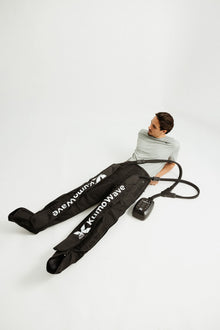

Order matters.
If you want to recover better (and not just "do things" after training), the most useful thing is to decide what goal you are pursuing: relieving leg fatigue, reducing feelings of heaviness, lowering pain perception, or gaining mobility. In this Kumo guide, you'll see the ideal order between pressotherapy and stretching according to the context, with practical protocols and recent scientific evidence.
Pressotherapy at home
End the day with light legs
★★★★★ 4,8/5 · rated by verified customers
KumoWave pressotherapy boosts circulation and helps drain fluid with sequential compression, in 20-minute sessions at home.
- Boosts circulation and helps drain fluid
- Chamber-based compression, adjustable to you
- Sequential compression that mimics manual drainage
€799,00€999,00
−10% on your 1st order when you subscribe to the newsletter

The quick answer: what comes first, pressotherapy or stretching?
- If your priority is "light legs" and decongestion (lots of running volume, travel, standing): pressotherapy → gentle stretching.
- If your priority is real flexibility (gaining range of motion): light warm-up → (more complete) stretching → optional pressotherapy.
- If you're coming from a tough lower body day (squats, eccentrics, sprints): short active cool-down → pressotherapy → short, tolerable stretches.
Important: science suggests that stretching alone does not significantly accelerate recovery (soreness, strength, performance). So the "best order" is usually the one that improves your adherence and your sense of well-being without adding extra fatigue. (pubmed.ncbi.nlm.nih.gov)
What is pressotherapy (intermittent pneumatic compression) and how it can help
What happens in the body: circulation, venous return, and feeling of relief
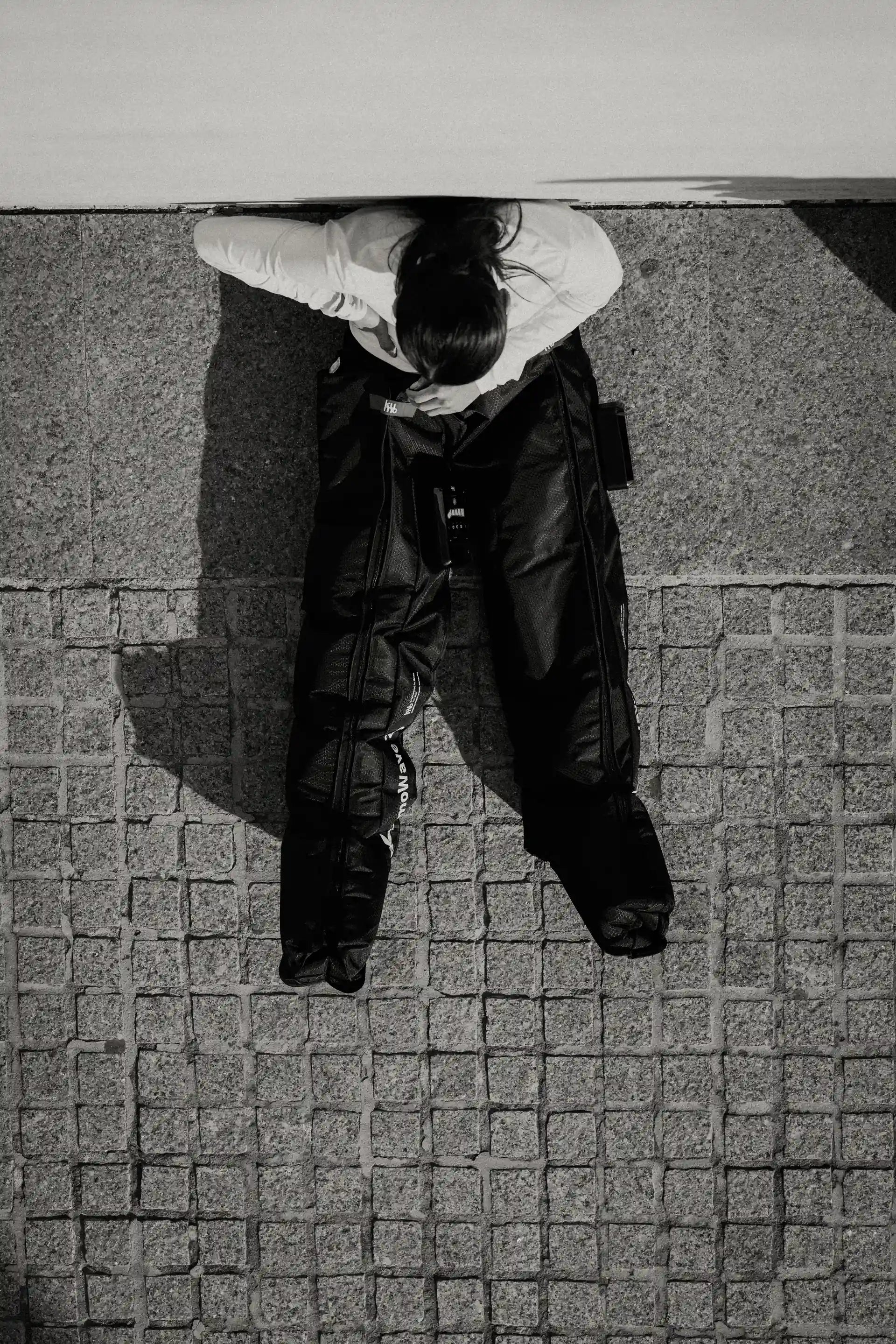
Leg pressotherapy is based on intermittent pneumatic compression (cuffs or boots that inflate and deflate in cycles). In the medical field, this type of compression is used to increase venous blood flow and help move blood towards the heart, reducing stasis during periods of immobility. (hopkinsmedicine.org)
Personalized protocol · included with your purchase
Want us to tell you how to use it in your case?
With your purchase, our experts prepare a personalized usage protocol for your case: sport, circulation, fluid retention, pregnancy or lipedema.
Message us on WhatsAppOur experts reply · no obligation
In physiological studies, pneumatic compression can increase venous return and reduce limb volume during intervention, which aligns with the typical feeling of "lighter legs" after the session (without implying a cure for pathologies). (pubmed.ncbi.nlm.nih.gov)
What the evidence says in sports (and what is still unclear)
In sports recovery, a systematic review with meta-analysis (Biology of Sport, 2024) concluded that lower limb pressotherapy provides, at most, moderate benefits in pain perception and soreness, while the effects on recovery of mechanical functions (e.g., performance or strength) tend to be small and non-significant. (pmc.ncbi.nlm.nih.gov)
Practical reading: pressotherapy can be a great ally if you are looking for a subjective feeling of relief and an easy-to-maintain recovery routine. If you are looking to "recover your best performance" no matter what, it should be seen as a complement (along with sleep, nutrition, training load, and, sometimes, active recovery).
on your first order when you join the newsletter
We send you the code instantly. No spam.
Duration and pressure: ranges used in studies (not a universal prescription)
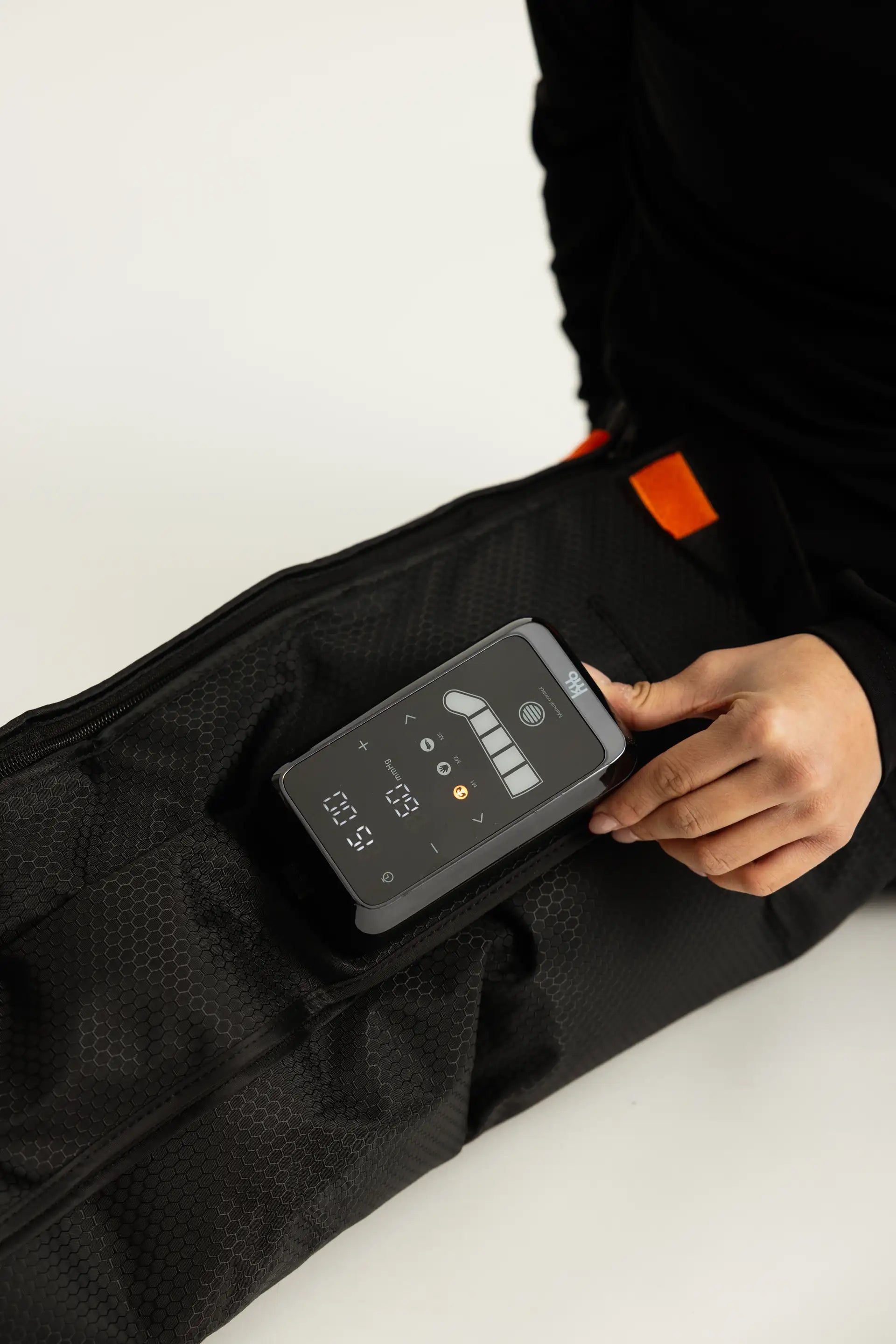
In sports research protocols, a frequent range is 20–30 minutes per session and pressures around 80 mmHg, although there is much variability among studies and devices. At home, the priority should be comfort, progression, and consistency rather than "pressing harder." (pmc.ncbi.nlm.nih.gov)
Stretching and recovery: real benefits (without myths)
Stretching is not the same as “recovery”
Stretching can be very useful for mobility, reducing stiffness, and mentally "closing" the session. But recovery (getting back to performing at the same or a better level, reducing soreness, regaining strength) is a distinct and broader concept.
What reviews show about DOMS and performance
The strongest evidence indicates that stretching before or after exercise does not significantly reduce delayed onset muscle soreness (DOMS) in healthy adults.
The updated Cochrane review (2011) found very small reductions in pain (for example, differences of around 1 point on a 0–100 scale in some analyses), insufficient to be considered a relevant change for most people. (pubmed.ncbi.nlm.nih.gov)
Similarly, a meta-analysis of randomized controlled trials (Frontiers in Physiology, 2021) found no effect of post-exercise stretching on strength recovery or DOMS at 24–72 hours, and warned that the available evidence is scarce and of low confidence. (pmc.ncbi.nlm.nih.gov)
And a more recent review/meta-analysis (Frontiers in Physiology, 2025) also found no significant improvements when stretching is used as a single intervention: muscle pain (SMD ≈ -0.06), strength (SMD ≈ 0.27), performance (SMD ≈ 0.18), and other markers with no relevant changes. (pubmed.ncbi.nlm.nih.gov)
How to stretch intelligently: simple and effective dosage
If your goal is mobility (not "curing soreness"), a widely used guideline in exercise prescription guides is:
- 10–30 seconds per static stretch.
- 2–4 repetitions per muscle group.
- To the point of tension or mild discomfort, without acute pain.
These types of recommendations appear in materials based on ACSM (Guidelines for Exercise Testing and Prescription, 10th ed.). (leehealth.org)
How to decide the ideal order: a practical framework (easy to apply)
1) If you're looking to relieve fatigue and "decongest" (heavy legs, travel, many hours on your feet)
Prioritize pressotherapy first. Reason: it's passive, easy to tolerate even with high fatigue, and usually improves the subjective feeling of heavy legs. Then do gentle stretches (few, without high intensity) to loosen hips, calves, and hamstrings without adding extra stress.
2) If you're seeking flexibility (to gain range of motion)
Prioritize stretching first, but with a key detail: do a light warm-up beforehand (5–10 minutes walking, gentle cycling, or dynamic mobility). Afterwards, pressotherapy can fit in as a cool-down if it relaxes you or if you accumulate a lot of leg load, but it's not essential for "gaining flexibility."
3) If you're coming from a tough eccentric lower body workout and have severe muscle soreness
Tolerance is key here: if stretching is unpleasant, don't force it. Do:
- Active cool-down 3–8 minutes (walking, very gentle cycling).
- Pressotherapy 20–30 minutes (comfortable, no feeling of "crushing").
- Short stretches 5–8 minutes, very progressive.
This order usually works because it reduces mental friction: first a passive modality, then "the minimum effective" mobility.
Table: recommended order by objective (and how much to do)
Practical summary to choose in 10 seconds
| Your main goal | Recommended order | Approximate duration | Key notes |
|---|---|---|---|
| Heavy legs / high daily load | Pressotherapy → gentle stretching | 20–30 min → 5–8 min | In sports studies, 20–30 min is a frequent range; the benefit is usually more perceptual than performance-related. (pmc.ncbi.nlm.nih.gov) |
| Flexibility / mobility | Warm-up → stretching → optional pressotherapy | 5–10 min → 10–20 min → 10–20 min | Stretching is more useful for ROM than for "recovering from soreness." (pubmed.ncbi.nlm.nih.gov) |
| Short on time (quick routine) | Pressotherapy → 2–3 key stretches | 15–20 min → 3–5 min | Weekly consistency is better than a perfect session every two weeks. |
| Post-tough leg workout | Active cool-down → pressotherapy → short stretches | 3–8 min → 20–30 min → 5–8 min | Post-exercise stretching shows no clear improvements in DOMS/strength in meta-analyses, so keep it tolerable. (pmc.ncbi.nlm.nih.gov) |
Ready-to-use protocols for your Kumo routine (without complications)
If you train frequently, what makes the biggest difference is having a simple protocol you can repeat. If you're considering integrating at-home pressotherapy, you can explore options in the pressotherapy boots collection.
Routine 1 (10 minutes): mobility “reset”
- 2 min nasal breathing + gentle walking around the house.
-
6 min light stretches (2 exercises, 2–3 sets of 10–20 s):
- Hip flexors (lunge).
- Gastrocnemius/soleus (knee bent against wall).
- 2 min ankle and hip mobility (controlled circles).
Ideal when you don't have time for a full session but want to maintain the "recovery habit."
Routine 2 (30 minutes): leg-focused "relief"
- Pressotherapy: 20–25 min (comfortable mode).
- Stretching: 5–8 min (4–6 exercises, 10–30 s, 2 repetitions).
If your priority is a feeling of lightness, this is the most efficient combination for most people.
Routine 3 (45 minutes): tough lower body day
- Active cool-down: 5–8 min (walking/gentle cycling).
- Pressotherapy: 25–30 min.
- Stretching: 8–12 min, no high intensity (focus on hips, glutes, hamstrings, calves).
In sports research, 20–30 minute protocols are very common; beyond that, there isn't always more benefit (but more time invested). (pmc.ncbi.nlm.nih.gov)
Common mistakes when combining pressotherapy and stretching (and how to avoid them)
- Stretching "to death" to relieve muscle soreness: evidence does not support that it significantly reduces DOMS; furthermore, if it hurts, you're probably adding stress. (pubmed.ncbi.nlm.nih.gov)
- Turning recovery into another workout: if your post-session adds fatigue, it can be counterproductive.
- Using pressotherapy with excessive pressure: "stronger" does not equal "better"; prioritize comfort and regular use.
- Forgetting the basics: sleep, hydration, sufficient protein, and load management usually have a greater impact than the exact order of two techniques.
Safety: contraindications and warning signs (consult if applicable)
Pressotherapy is a wellness and recovery tool, but it is not for everyone. In clinical contexts, contraindications and precautions are described (for example, untreated deep vein thrombosis, acute skin infections such as cellulitis, uncontrolled heart/kidney/liver failure, ischemic vascular disease, or pulmonary edema). (wsh.nhs.uk)
Furthermore, medical sources explain that these devices are used to improve venous flow and prevent clots in certain scenarios, and that there are risks such as discomfort, sweating, irritation, or (rarely) pressure injuries if used incorrectly or with incorrect sizes. (hopkinsmedicine.org)
Signs to stop and consult: severe and localized pain, sudden asymmetric swelling, intense heat/redness, marked numbness, shortness of breath, or chest pain.
Multimodal recovery: how LED and massage fit into the same plan
If you want a more complete recovery, thinking in "layers" usually works:
- Mechanical relief: pressotherapy (sensation, circulation, comfort).
- Tissue and pain perception: massage and self-massage.
- Regulation: breathing, light, sleep routine.
Regarding massage, a meta-analysis (2017) found reductions in the perception of muscle soreness after post-exertion massage with moderate to large effect sizes depending on the time (for example, at 48 h, SMD ≈ -1.51 was reported). This does not mean it is "magic", but it is one of the interventions with the best support for perceived pain. (pubmed.ncbi.nlm.nih.gov)
If you like the "quick and deep" format, a practical option is a massage gun for specific points (calf, gluteus medius, quadriceps). At Kumo, you have the KumoPulse Air massage gun, which can fit very well before stretching (to reduce local tone) or after pressotherapy (if you want to finish releasing specific areas).
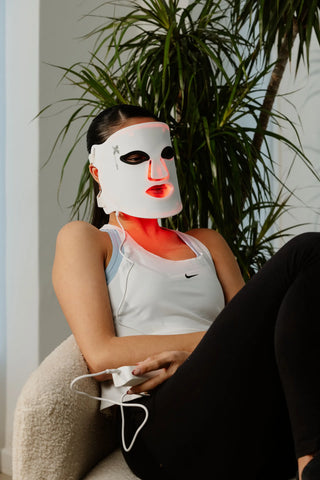
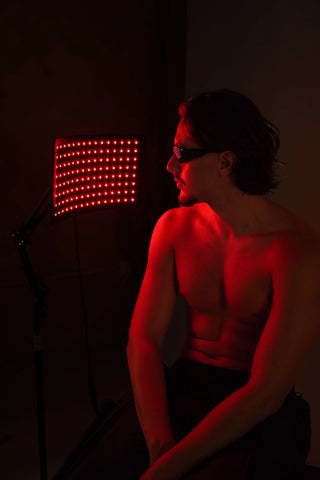
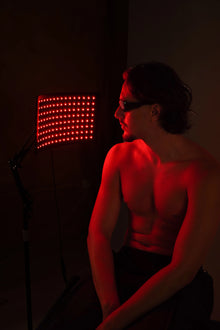
And if you're looking to add a technology component geared towards wellness, LED light therapy (photobiomodulation) is also being studied in the context of performance and recovery, with growing evidence but still heterogeneous protocols. A review with meta-analysis (published in 2025) analyzed photobiomodulation, pressotherapy, and electrostimulation as recovery strategies, reflecting that the topic is in full scientific evolution. (pubmed.ncbi.nlm.nih.gov)
FAQ: pressotherapy, stretching and Kumo
When to use Kumo pressotherapy boots: before or after stretching?
It depends on your goal. If you're looking to relieve leg fatigue and finish with a feeling of lightness, pressotherapy usually works best first, followed by gentle stretches (few and tolerable). If your priority is flexibility (gaining range of motion), do a short warm-up first and then stretch more completely; pressotherapy can be saved for the end as a relaxing cool-down. Evidence suggests that post-exercise stretching alone doesn't significantly improve recovery, so the best order is the one you can maintain week after week without adding fatigue. (pubmed.ncbi.nlm.nih.gov)
How long should a home pressotherapy session last?
As a general reference, in sports recovery studies, protocols of 20 to 30 minutes are frequently seen. However, this is not a universal rule: the most important thing is that it is comfortable, does not cause tingling or pain, and that you can repeat it regularly. If you are just starting, a sensible progression is to begin with shorter sessions (for example, 15–20 min) and increase if it feels good. If you have a history of vascular problems, acute inflammation, or health concerns, it is responsible to consult before using pneumatic compression. (pmc.ncbi.nlm.nih.gov)
Do stretches replace Kumo pressotherapy (or vice versa)?
They don't replace each other; they fulfill different functions. Stretching is primarily aimed at mobility and alleviating stiffness; it hasn't been shown to significantly reduce muscle soreness or accelerate strength recovery when used as the sole strategy. Pressotherapy typically contributes more to the subjective feeling (lighter legs, comfort) than to major performance improvements. The smartest approach is to combine them with intention: pressotherapy for relief, stretching for maintaining range, and the basics (sleep, nutrition, training load) as the foundation for progress. (pubmed.ncbi.nlm.nih.gov)
Can I combine Kumo pressotherapy with a massage gun?
Yes, and it's often a very practical combination if you keep it simple. A common guideline is: pressotherapy (main, passive session) and then a massage gun only on 1–3 "problem areas" (30–60 s per point, without pain). Alternatively, first use the gun to reduce local tension and then gently stretch. Evidence on post-exercise massage shows reductions in perceived pain in DOMS in systematic reviews, which aligns with using percussion/massage as a supplement to feel better the next day. (pubmed.ncbi.nlm.nih.gov)
What should I do if I have varicose veins or a history of thrombosis?
If you have a history of deep vein thrombosis, suspected blood clot, acute skin inflammation (e.g., cellulitis), uncontrolled heart failure, or other relevant vascular problems, do not self-treat with pneumatic compression without professional medical advice. Clinical and hospital documentation lists specific contraindications and precautions for intermittent compression in these scenarios. If you want to integrate a recovery plan safely, the most responsible approach is to consult first and adapt your strategy (gentle mobility, active recovery, tolerable massage, etc.). (wsh.nhs.uk)
What next?
If you want to make recovery a simple (and sustainable) habit, you can explore pressotherapy for leg relief, complement it with LED technology for well-being, or add localized work with your massage tool. And if you need guidance on which routine best suits your daily life, the easiest way is to contact the Kumo team.
KumoWave pressotherapy
Choose your at-home pressotherapy
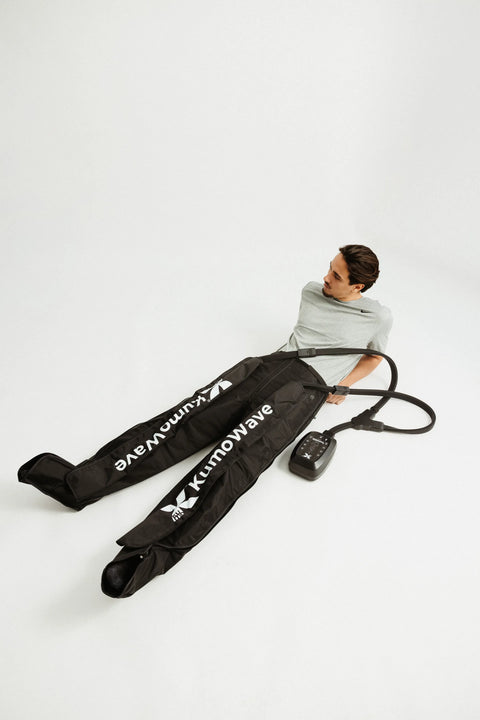
KumoWave Elite – Pressotherapy Pants
Full-coverage trousers. Ideal for lipedema, fluid retention and intensive use.
€799,00 €999,00
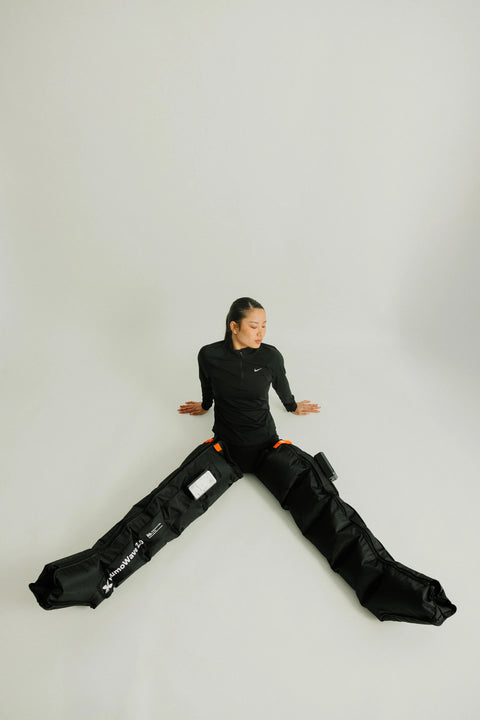
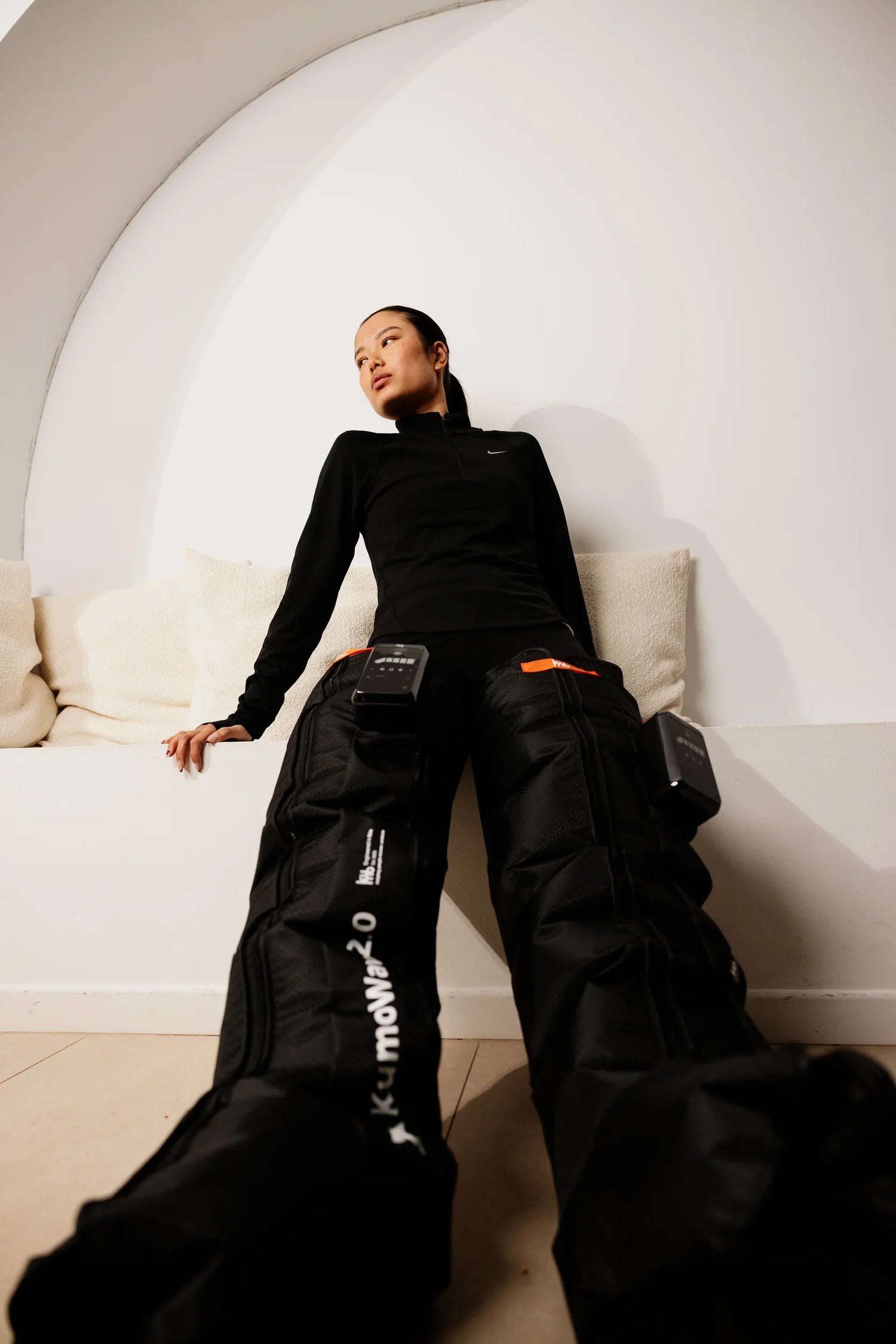
KumoWave 2.0 - Wireless Pressotherapy
Wireless, lightweight boots. Perfect for daily use and recovery.
€499,00 €599,00