
Standing all day takes its toll.
If you work long hours without being able to sit down (healthcare, hospitality, retail, hairdressing, logistics, events), it's normal to end up with heavy legs, swollen ankles or a feeling of "heat" and fatigue in the calves. In these cases, presotherapy (also known as intermittent pneumatic compression) is increasingly used as part of a wellness routine to promote venous return and relieve feelings of congestion after the workday.
Pressotherapy at home
End the day with light legs
★★★★★ 4,8/5 · rated by verified customers
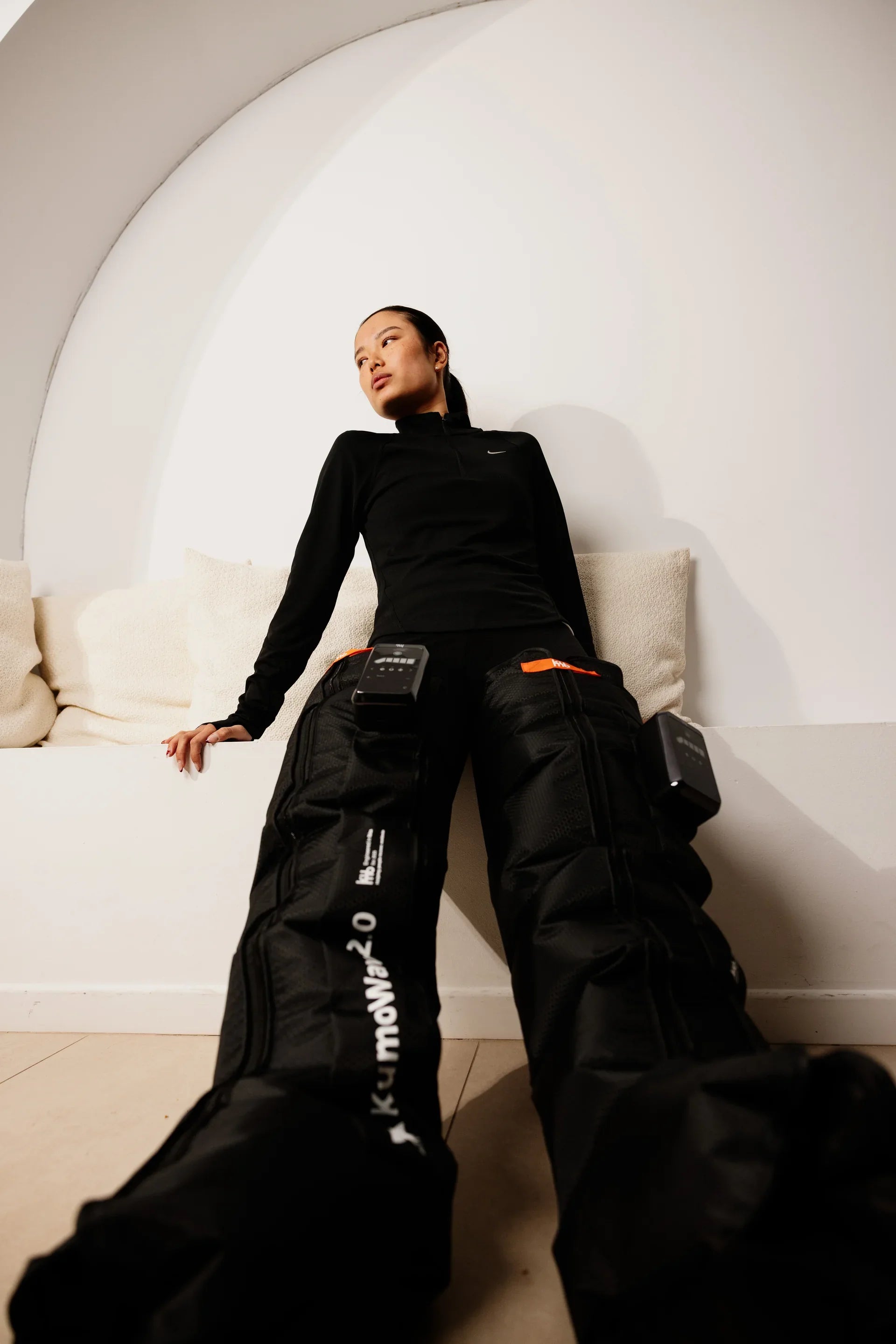
KumoWave pressotherapy boosts circulation and helps drain fluid with sequential compression, in 20-minute sessions at home.
- Boosts circulation and helps drain fluid
- Chamber-based compression, adjustable to you
- Sequential compression that mimics manual drainage
€799,00€999,00
−10% on your 1st order when you subscribe to the newsletter

In this article, you will find a clear and practical guide to understanding how it works, when it makes sense to use it, how to integrate it into your daily life, and what precautions should be observed. Additionally, you'll see how it fits into a recovery routine with Kumo, a brand specializing in premium wellness technologies.
Why standing jobs are so hard on your legs
The circulatory "bottleneck" when you are still
The veins in your legs must return blood to the heart against gravity. To achieve this, the body relies on two major "aids":
Personalized protocol · included with your purchase
Want us to tell you how to use it in your case?
With your purchase, our experts prepare a personalized usage protocol for your case: sport, circulation, fluid retention, pregnancy or lipedema.
Message us on WhatsAppOur experts reply · no obligation
- Venous valves, which help prevent blood from flowing backward.
- The calf muscle pump (gastrocnemius and soleus), which by moving "pushes" blood upwards.
When you spend hours standing with little movement (especially in the same spot), this muscle pump works less, and venous stasis (accumulation) can occur, leading to a feeling of heaviness and edema (swelling).
Common symptoms at the end of a shift (and why they occur)
- Swollen feet and ankles: fluid tends to accumulate in the lower areas.
- Tired or heavy legs: typical sensation of congestion and fatigue.
- Calf cramps or tension: overload from maintaining posture or from unsuitable footwear.
- Lower back pain: the body compensates; posture and muscle fatigue play a role.
- Appearance or worsening of visible veins: in some people, time and risk factors promote varicose veins.
A review published by NIOSH (CDC, 2014) on the risks of prolonged standing highlighted that dynamic movement (alternating postures and walking) is one of the most consistent strategies for reducing discomfort such as fatigue, muscle pain, and leg swelling.
What pressotherapy is (and what it is NOT)
Simple definition
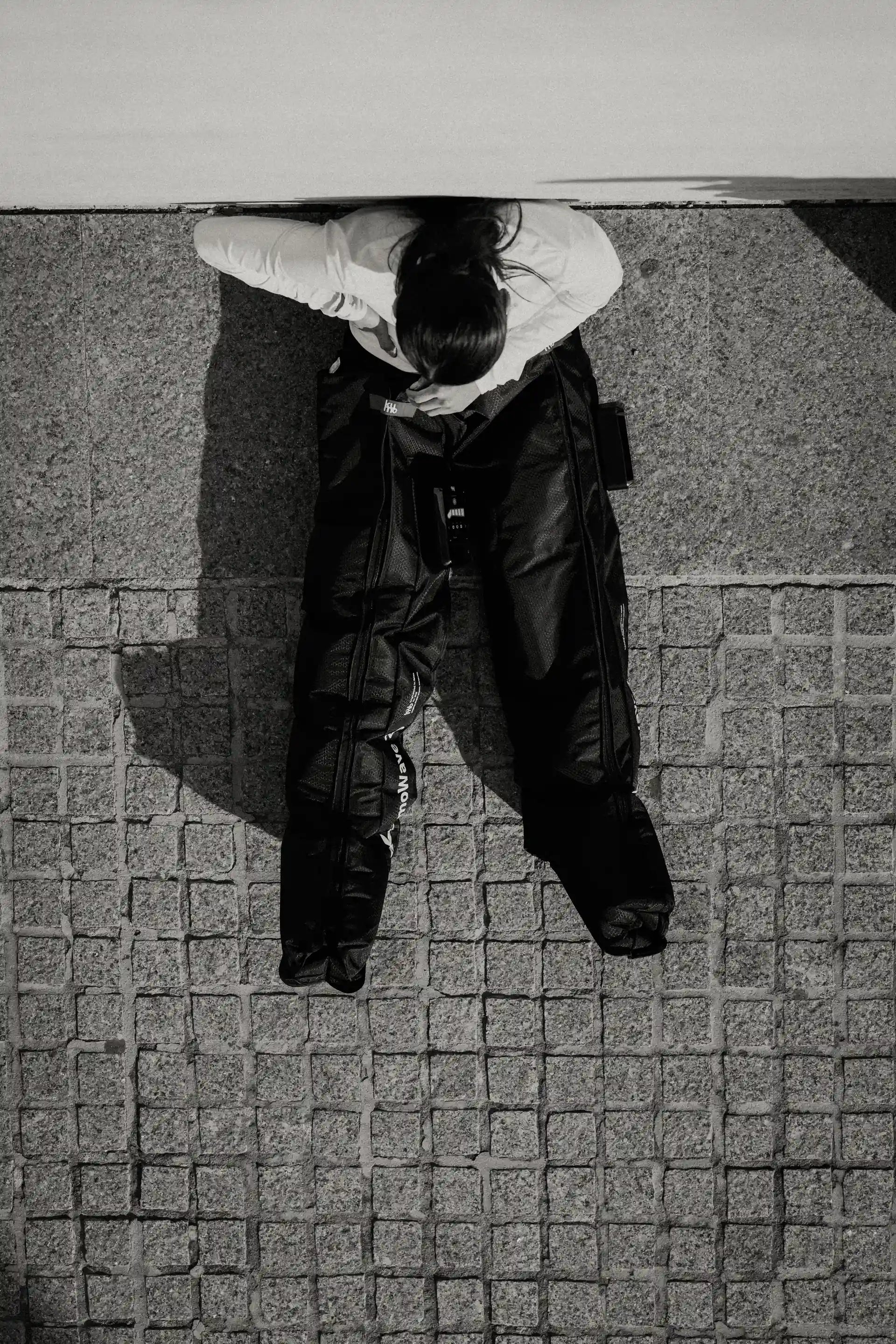
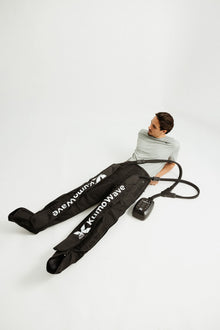
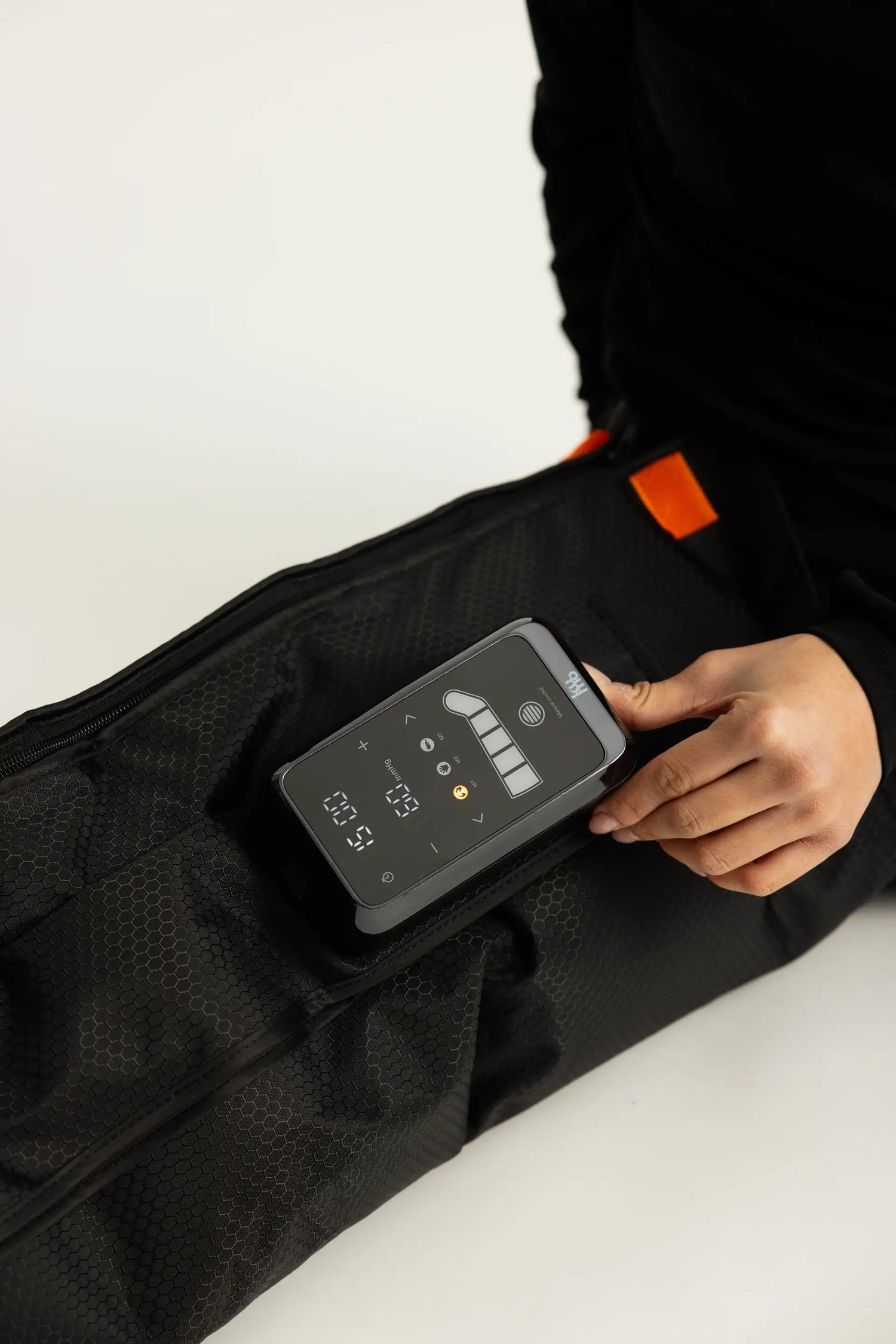
Pressotherapy is performed with inflatable boots connected to a compressor that applies pressure in cycles (inflation/deflation). This compression pattern is known in medicine as intermittent pneumatic compression.
on your first order when you join the newsletter
We send you the code instantly. No spam.
What to expect in the context of "legs tired from standing work"
In the wellness field, many people use it for purposes such as:
- Reducing the feeling of heaviness after a long day.
- Promoting recovery when your legs feel "blocked."
- Supplementing habits that have solid evidence for venous health (movement, leg elevation, medical compression when indicated).
Important: clinical guidelines on venous disease make it clear that compression (including stockings) and, in specific cases, intermittent pneumatic compression are used in medical scenarios (edema, venous insufficiency, venous ulcers, post-thrombotic syndrome), but consistent data is not always available for all clinical classes in general conservative use. This does not invalidate its use as a comfort routine; it simply helps set realistic expectations.
Pressotherapy vs. compression stockings: distinct roles
Compression stockings are worn during the day and aim to support venous return while you work. Pressotherapy is typically used after the shift (or during rest periods) as a "reset" for the legs.
Who benefits most (and when it makes less sense)
Typical "standing work" profiles where it fits well
- People who stand for more than 4 hours a day or have long periods without walking.
- Shifts with few breaks and hard floors.
- Professions with rigid or poorly cushioned uniforms/footwear.
- People who notice a sock mark on their ankle or a feeling of "full leg" when they get home.
When it might not help much
- If your main discomfort is localized pain (e.g., plantar fasciitis, Achilles tendinopathy): it can relieve general sensation, but it doesn't replace specific treatment.
- If the problem is postural (hip/lumbar) and there's no circulatory fatigue: prioritize mobility, strength, and ergonomics.
- If there are warning signs (see safety section): first, seek medical evaluation.
Practical guide: how to use pressotherapy boots at home sensibly
1) The best time: after your shift (or during a real break)
For standing jobs, the most appreciated window is usually:
- Upon arriving home (before dinner or shower) to "unload."
- Before bed if you have trouble falling asleep due to restless legs or a feeling of heaviness (without promising medical effects; it's a comfort strategy).
2) Duration and frequency: "less but constant"
As a practical wellness rule:
- 10–20 minutes per session is usually enough to notice subjective relief.
- 3–6 days per week fits better than sporadic, very long sessions.
If you have no prior experience, start with short sessions and observe how you feel at the end and the next day (lightness, rest, discomfort).
3) Intensity: start gentle and progress
Without going into numbers (which vary by equipment and program), the idea is simple: the pressure should not hurt or leave a strange sensation of persistent tingling. If all you "feel" is pleasant pressure and relief at the end, you're on the right track.
4) Posture during the session
- Lie down or recline with your back comfortable.
- If you can, elevate your legs slightly (a pillow under your calves) to add the effect of gravity.
- Avoid crossing your legs or compressing the groin area.
5) A quick 15-minute protocol (step-by-step list)
- Hydrate (a glass of water).
- Pressotherapy session (10–15 min) at a comfortable intensity.
- 1–2 minutes of ankle mobility (flexion/extension and circles).
- Leg elevation for 3–5 minutes (if you can).
Useful table: symptoms after standing work and what strategy to prioritize
Quick decision map (without replacing medical advice)
| Symptom at the end of the shift | What usually helps first | How pressotherapy fits in | When to consult |
|---|---|---|---|
| Heavy legs + bilateral swollen ankle | Gentle walking, elevation, active breaks | Good post-shift option for a "unloading" sensation | If it worsens week by week or significant pain appears |
| Calf cramps | Mobility, hydration, footwear review | Can complement for general relaxation | If frequent or very painful nocturnal cramps |
| Sore feet (sole) when bearing weight | Foot exercises, plantar/calf stretches, rest | May not be the main thing; use it if it provides comfort | Intense morning pain or functional limitation |
| Swelling of only one leg | No "self-treatment" | Not a priority until causes are ruled out | Urgent if there is pain, heat, redness, or shortness of breath |
| Very painful veins, ulcer, or skin changes | Vascular/medical evaluation | Only with indication and precautions | Priority medical consultation |
Safety: contraindications and warning signs
Relevant contraindications (compression: ESVS 2022 guidelines)
European clinical guidelines (ESVS, 2022) list contraindications for sustained compression treatments. Although pressotherapy is intermittent, these references serve as a framework for prudence (especially if you have a vascular/cardiac diagnosis):
- Severe peripheral arterial disease (e.g., ankle-brachial index/ABI < 0.6 or ankle pressure < 60 mmHg, according to ESVS 2022).
- Severe heart failure (NYHA class IV) or class III without clinical/hemodynamic monitoring (ESVS 2022).
- Confirmed allergy to compression materials (ESVS 2022).
- Severe diabetic neuropathy with sensory loss or microangiopathy with risk of skin necrosis (ESVS 2022).
If you have medical doubts (diabetes with loss of sensation, history of thrombosis, bypass, arterial or cardiac pathology), it is most prudent to consult a healthcare professional first.
Warning signs: don't ignore them
Seek medical attention if any of these signs appear:
- New swelling of only one leg, especially with pain or tenderness.
- Redness, local heat, or sudden pain.
- Shortness of breath, chest pain, or a choking sensation (emergency).
- Ulcer, significant skin color change, or a very painful area with bruising near a vein (Harvard Health warns that new swelling of only one leg can be a clot and requires treatment).
Complete plan for "light legs": what you do during your shift matters
Micro-habits at work (high impact)
- Move every 30–45 minutes: 1–2 minutes of walking or shifting your weight already activates the muscle pump.
- Ankle mobility while waiting: 20 heel raises + 20 toe raises.
- Alternate posture: if you can, rest one foot on a small step and switch sides.
- Footwear: prioritize cushioning and stability; avoid high heels for prolonged periods (Mayo Clinic recommends avoiding high heels to promote calf muscle work).
- Elevate your legs during short breaks when possible (Mayo Clinic suggests brief breaks to elevate them above the heart).
Useful supports (depending on context)
- Anti-fatigue mat if you are in a fixed position on a hard floor (NIOSH mentions the use of mats as an intervention used to reduce discomfort).
- Compression stockings if your healthcare professional recommends them or if you know they work well for you (in venous disease, compression is a conservative cornerstone; ESVS 2022).
How Kumo fits into a recovery routine (without complicating things)
Kumo offers a modern vision of recovery: technology, aesthetics, and performance to turn daily care into a real habit. If your number one problem is your legs after standing at work, a simple routine could be:
- Pressotherapy as a central tool for post-shift comfort: visit Kumo's pressotherapy collection.
- Muscle massage if you also accumulate tension in your calves, soleus, or fascia: the KumoPulse Air massage gun can complement your muscle release (especially after double shifts or days with many stairs).
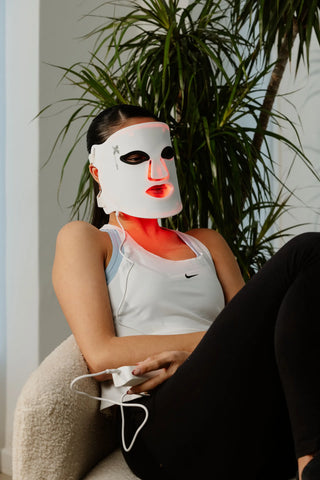
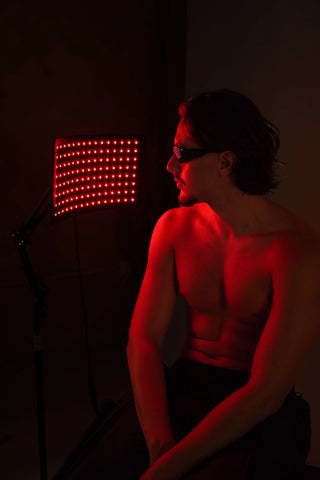
- Red light/LED for a more global wellness routine (skin and recovery): explore Kumo's LED light therapy.
If you want to discover the Kumo universe and build your routine at your own pace, you can start by visiting the official Kumo website.
Recommended sources (for further reading)
- NIOSH/CDC (2014): Prolonged Standing at Work
- ESVS (2022): Clinical guidelines on chronic venous disease and compression
- PubMed (2020): Systematic review on working conditions and peripheral vascular disease
- PubMed (2014): Intermittent pneumatic compression and venous ulcers (review)
- Mayo Clinic (2024): Lifestyle tips for varicose veins
- Harvard Health: warning signs to consult (new leg swelling, ulcers, etc.)
FAQ: Pressotherapy for standing jobs and Kumo
Does Kumo pressotherapy work if I stand for 8–12 hours a day?
For many people, a short session after their shift helps alleviate the sensation of tired legs, especially if the day has been static (a lot of time in the same spot). Still, the result depends heavily on your habits during the day: walking during micro-breaks, ankle mobility, and elevating your legs when you can often make more of a difference than it seems. Pressotherapy can be the "closer" for your routine. If you notice unilateral swelling, severe pain, or skin changes, prioritize medical evaluation.
How often should I use Kumo pressotherapy boots if my goal is "light legs"?
In a wellness approach, consistency is usually most practical: 10–20 minute sessions, several days a week (or daily if it feels good) tend to fit better than very long, occasional sessions. Start gently, observe how you feel afterward (lightness, comfort), and adjust. If you work standing from Monday to Friday, many people prefer to do it when they get home and save weekends for more punctual sessions as needed.
Can I combine Kumo pressotherapy with compression stockings during work?
Yes, they are different strategies for different times: stockings (if indicated or useful for you) act during the workday, while pressotherapy is usually used afterward for recovery. If you have diagnosed venous disease, follow your healthcare professional's recommendations regarding compression type and use. And if you have vascular risk factors (arterial, cardiac, diabetes with loss of sensation), exercise extra caution before adding compression on your own.
What is better after a shift: pressotherapy or the KumoPulse Air massage gun?
They don't do the same thing. Pressotherapy focuses more on the sensation of congestion and heaviness; percussive massage usually works better when the main problem is muscle tension ("hard" calves, tense spots, feeling of muscle knots). In practice, you can alternate them: pressotherapy on days with more swelling or general fatigue, and massage on calves/soleus after shifts with many stairs or heavy loads. If there is acute pain or injury, reduce intensity and prioritize professional evaluation.
Does pressotherapy help if I have varicose veins or venous insufficiency?
Compression is a tool used in the conservative management of venous disease (according to clinical guidelines), but pressotherapy does not replace a diagnosis or a medical plan. If you already have symptomatic varicose veins, edema, or skin changes, a medical evaluation is ideal (for example, with duplex ultrasound if indicated). From there, the professional can recommend measures such as compression, habits, and in some cases, procedures. At home, prioritize safety: if there is significant pain, an ulcer, or new swelling of one leg, consult a doctor.
What now?
If you want to make leg relief a simple routine (without relying only on "toughing it out"), explore Kumo pressotherapy and combine it with daily movement habits. To design your recovery with the approach that best suits you, you can also write to us from the contact page and discover which Kumo wellness solutions fit into your daily life.
KumoWave pressotherapy
Choose your at-home pressotherapy
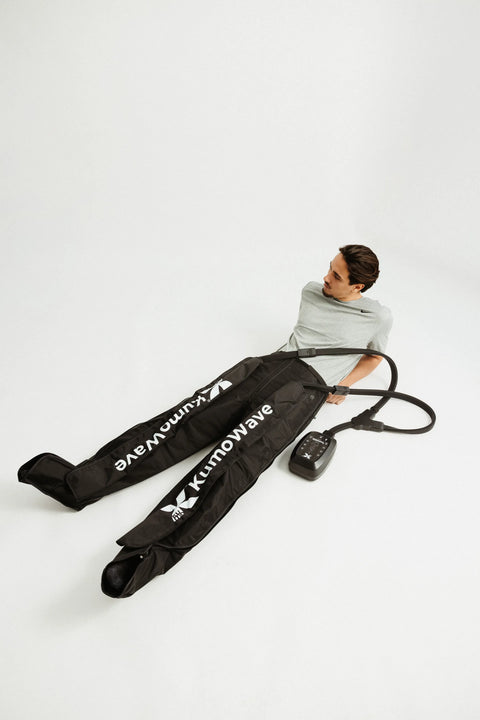
KumoWave Elite – Pressotherapy Pants
Full-coverage trousers. Ideal for lipedema, fluid retention and intensive use.
€799,00 €999,00
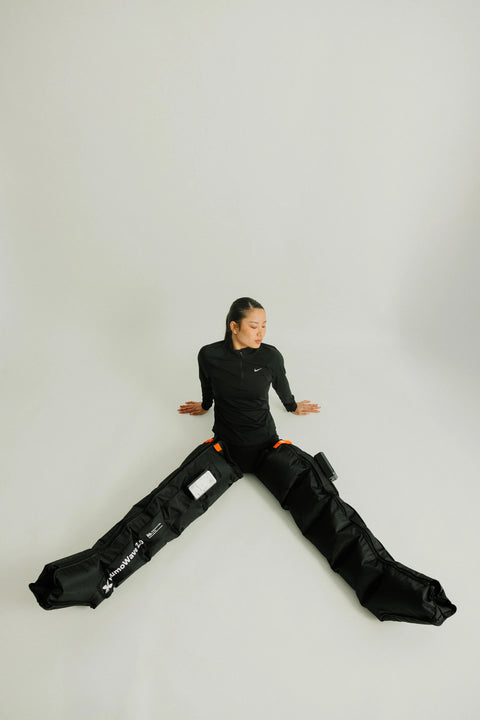
KumoWave 2.0 - Wireless Pressotherapy
Wireless, lightweight boots. Perfect for daily use and recovery.
€499,00 €599,00