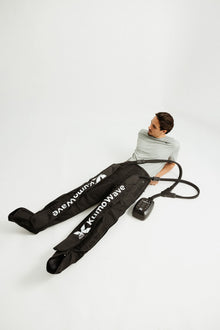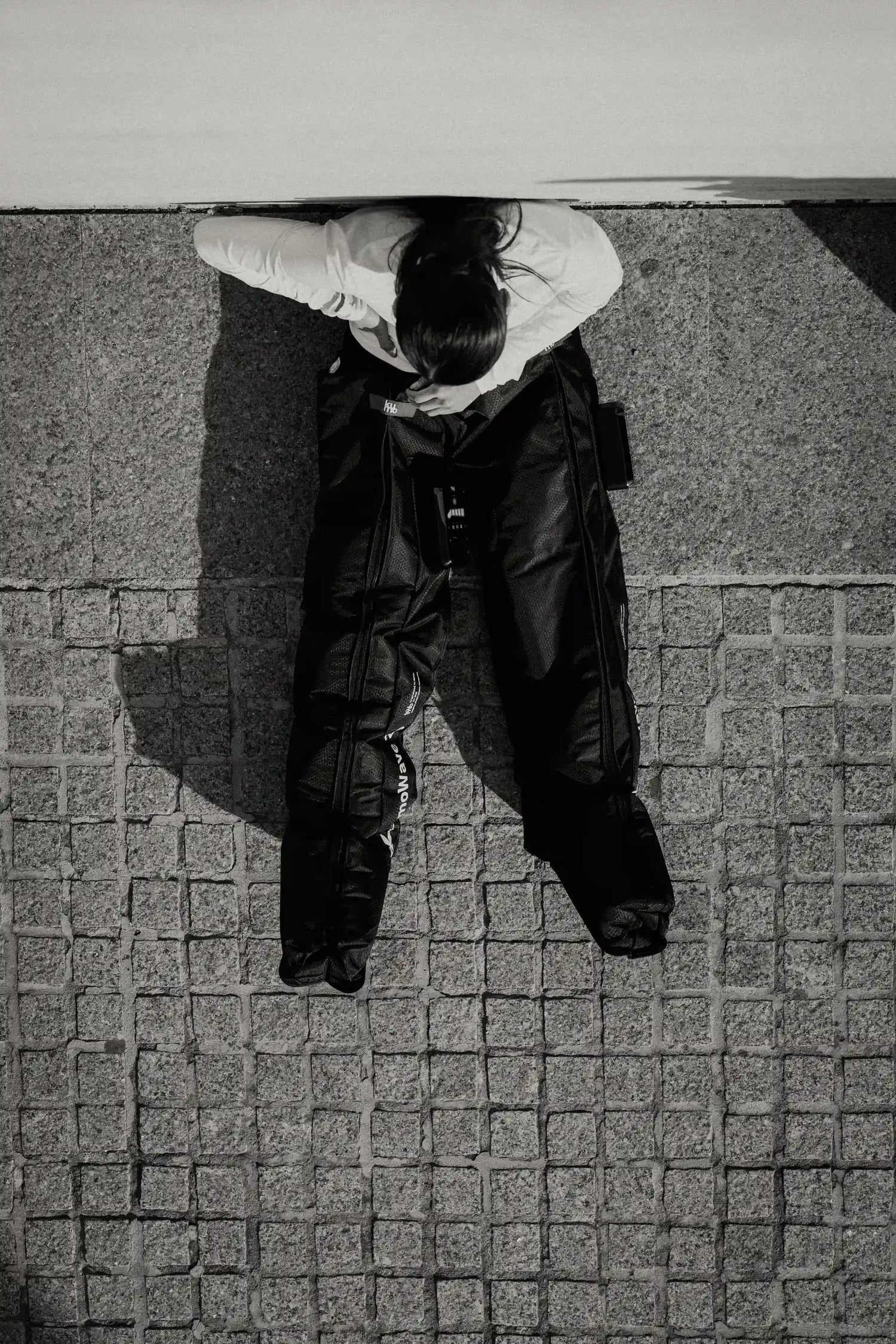
Start your day with light legs.
Doing presotherapy in the morning can be a very useful strategy if your goal is to activate circulation, reduce the feeling of heavy legs from the first hour, and "prepare" your legs for a long day of standing or sitting. In this guide, I'll explain its benefits, when it's appropriate to choose it upon waking (and when not), and how to intelligently integrate it into your recovery routine with Kumo.
Pressotherapy at home
End the day with light legs
★★★★★ 4,8/5 · rated by verified customers
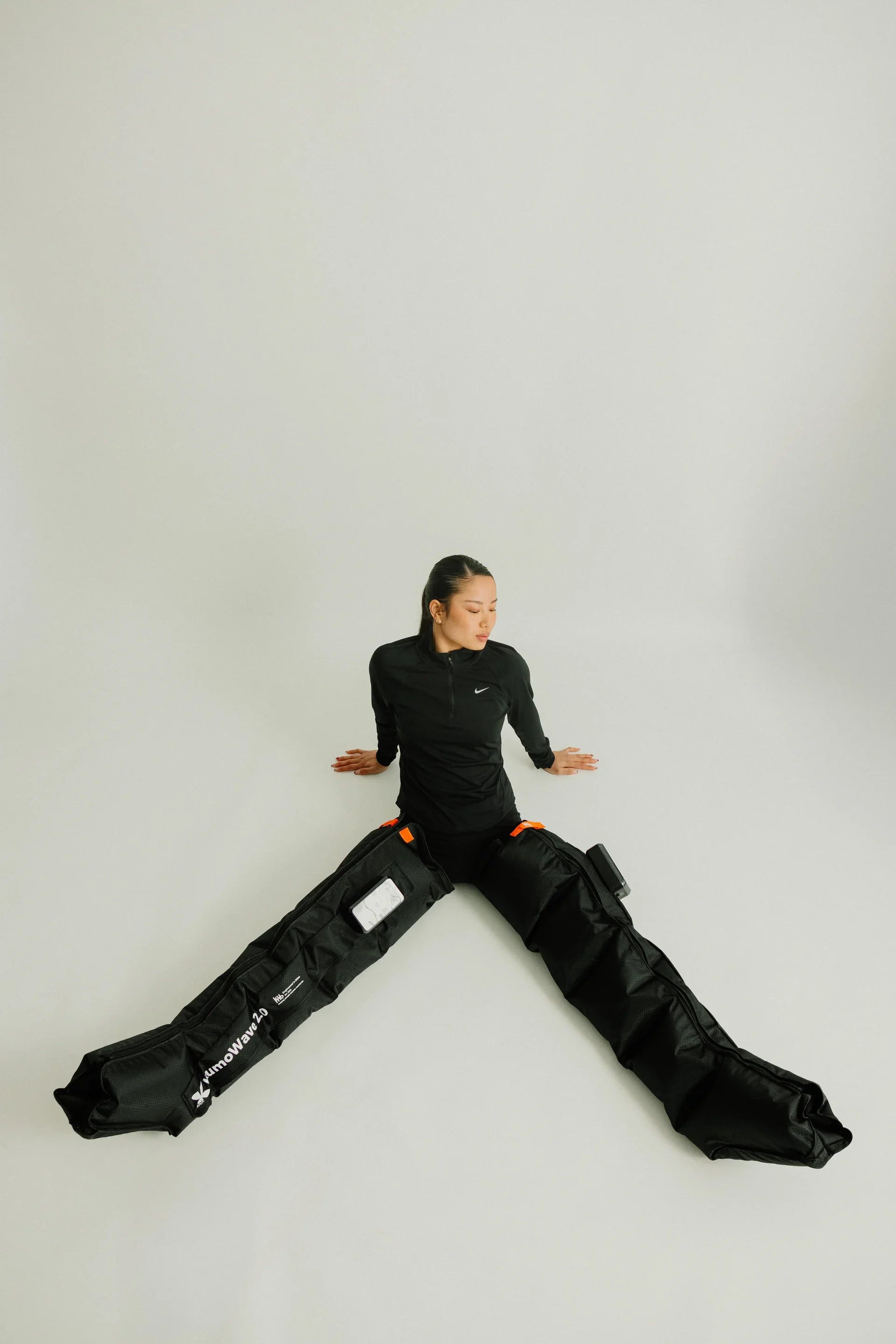
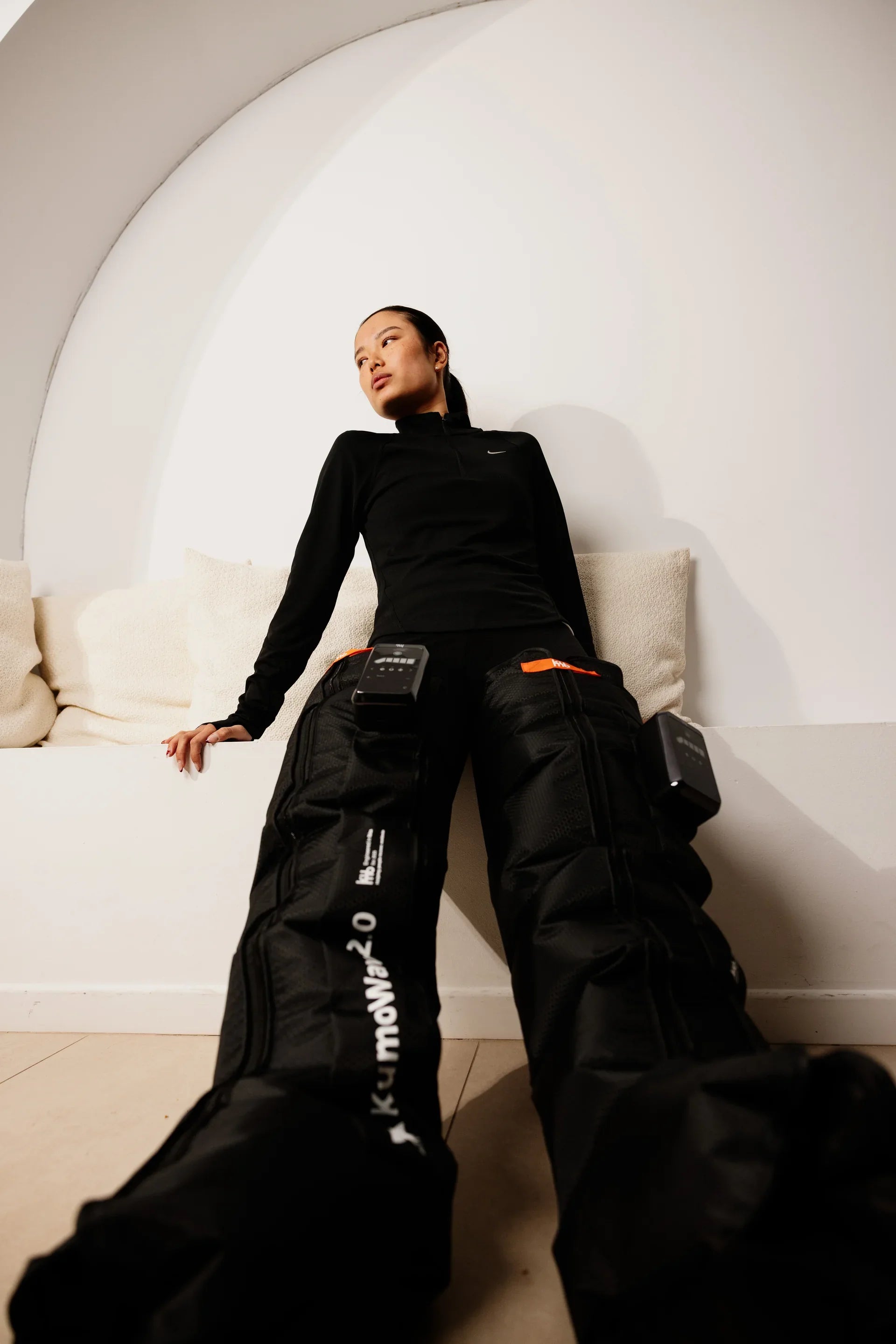
KumoWave pressotherapy boosts circulation and helps drain fluid with sequential compression, in 20-minute sessions at home.
- Boosts circulation and helps drain fluid
- Chamber-based compression, adjustable to you
- Sequential compression that mimics manual drainage
€799,00€999,00
−10% on your 1st order when you subscribe to the newsletter

What is presotherapy and what does it do to the body?
Presotherapy (also called intermittent pneumatic compression or IPC) uses air chambers that inflate and deflate sequentially to apply pressure to the legs. In the clinical setting, IPC is used, among other purposes, for decongestive edema therapy, support for venous/arterial circulation, and thromboembolic prophylaxis in certain contexts. (pubmed.ncbi.nlm.nih.gov)
In a wellness and recovery context (e.g., with presotherapy boots), the idea is to promote venous return and fluid movement, which can result in less feeling of heaviness and a better "reset" for legs after demanding workouts or very sedentary days.
Personalized protocol · included with your purchase
Want us to tell you how to use it in your case?
With your purchase, our experts prepare a personalized usage protocol for your case: sport, circulation, fluid retention, pregnancy or lipedema.
Message us on WhatsAppOur experts reply · no obligation
Presotherapy vs. Manual Lymphatic Drainage (MLD): They don't compete, they complement each other.
It's common to compare presotherapy with manual lymphatic drainage. They are not the same: MLD depends on the practitioner's technique, while presotherapy applies programmed pressure cycles. In a clinical setting, protocols and selection depend on the specific case (edema, venous insufficiency, lymphedema, etc.) and contraindications. (pubmed.ncbi.nlm.nih.gov)
Why choose presotherapy in the morning?
There isn't one "universal best time" for everyone. Still, the morning makes very clear sense when you're looking for a proactive effect: to activate legs and circulation before accumulating strain (hours sitting, heat, travel, many stairs, or long shifts).
- Preventive approach: You start the day with a feeling of lightness that can help you better tolerate the day.
- Sustainable routine: Many people find it easier to "secure" the habit in the morning, before the day gets complicated.
- Good combination with mobility: A brief session + 5–10 minutes of gentle walking usually fits very well into a morning routine.
Key idea: Morning presotherapy usually works best when you want to prepare your legs for the day. If your main goal is to relieve accumulated strain, late afternoon/evening usually makes more sense.
−10%on your first order when you join the newsletter
We send you the code instantly. No spam.
Potential morning benefits (with realistic expectations)
1) Feeling of "lighter" legs to start the day
For people with sedentary jobs or who spend many hours on their feet, the morning goal is often simple: start without heaviness. Although scientific evidence focuses heavily on clinical contexts (edema, venous insufficiency) and sports (post-exercise recovery), the mechanism (sequential compression facilitating return) is consistent with that subjective feeling of lightness. (pubmed.ncbi.nlm.nih.gov)
2) Sports recovery: possible help, but not "magical"
In post-workout recovery, the literature shows mixed results depending on the protocol, population, and application time. For example:
- A randomized controlled trial (2025) applied IPC for 15 minutes immediately after plyometric exercise and then at 24, 48, and 72 hours; it reported improvements in pain (VAS) and muscular parameters in windows like 48–72 hours compared to control. (pubmed.ncbi.nlm.nih.gov)
- Another trial (2021) with 30-minute sessions (immediately, 24 h, and 48 h) found no clear attenuation of pain or functional markers until 48 h and suggests that frequency/duration may influence results. (pmc.ncbi.nlm.nih.gov)
- A systematic review with meta-analysis (2025) concluded with moderate certainty evidence that IPC does not reduce muscle pain at 24 h (compared to control) in the analyzed studies. (pubmed.ncbi.nlm.nih.gov)
How to translate this to your morning: If you train hard and wake up with stiffness or a feeling of "heavy legs," a gentle-to-moderate session can be pleasant. But if your main goal is to consistently reduce DOMS, the evidence does not guarantee a powerful effect and depends heavily on how and when it is applied. (pubmed.ncbi.nlm.nih.gov)
3) Gentle activation on travel days or days with a lot of immobility
In sports, IPC has been investigated as a tool to facilitate blood/lymph movement and reduce fluid accumulation after repeated efforts; for example, studies on cardiovascular recovery after intense exercise. (pubmed.ncbi.nlm.nih.gov)
Without promising to prevent medical problems, it can make sense as a wellness ritual on mornings following a day of extensive immobility (long meetings, car travel, airplane), as long as you don't have contraindications.
When to choose morning (and when to choose another time)
Cases where morning is usually a good choice
- Office days (many hours sitting): brief session upon waking to "kick-start" legs.
- Standing professions (hospitality, retail, healthcare): preventive routine before the shift.
- You train at noon or in the afternoon: morning presotherapy as part of your recovery hygiene (without replacing warm-up, mobility, or strength).
- You struggle to maintain habits at night: morning usually offers more consistency.
Cases where late afternoon/evening might fit better
- Heaviness that appears at the end of the day: If the main symptom accumulates over the hours, relieving it at the end is usually more logical.
- After training: many research protocols are applied post-exercise (immediately and/or in the following hours). (pubmed.ncbi.nlm.nih.gov)
- Marked edema (or suspected pathology): professional evaluation and an individualized plan should be prioritized. (wsh.nhs.uk)
Practical table: what time to choose based on your goal
| Main Goal | Best Time (Indicative) | Why | Typical Duration in Studies/Settings |
|---|---|---|---|
| Prepare legs for many hours sitting/standing | Morning | Preventive approach: start the day "light" | In sports recovery, 15–30 min have been used depending on the protocol (pubmed.ncbi.nlm.nih.gov) |
| Relieve accumulated heaviness | Late afternoon/evening | You act when the problem is present | Depends on the device and tolerance; in clinical settings, sessions may be longer (wsh.nhs.uk) |
| Post-workout recovery | After training (when it suits you) | Many protocols are applied immediately post-exercise and on successive days | Examples: 15 min (2025) or 30 min (2021) (pubmed.ncbi.nlm.nih.gov) |
| Edema/venous insufficiency (therapeutic approach) | According to prescription | Indication and timing must be individualized | Example from NHS leaflet: 45–60 min per session, several sessions course (wsh.nhs.uk) |
How to do morning presotherapy: a simple protocol (without overcomplicating it)
For most morning routines, the key is consistency + comfortable intensity + little time. And if your goal is wellness, it's best if you can repeat it several days a week.
Step-by-step (10–35 minutes total)
- Light hydration: a glass of water when you wake up.
- 2–5 minutes of gentle mobility: ankles, calves, walking around the house.
- Presotherapy session: approximately 15–30 minutes (common durations in muscle recovery studies). (pubmed.ncbi.nlm.nih.gov)
- Exit "compression mode": walk for 5 minutes or do diaphragmatic breathing to return to normal activity.
Intensity: the golden rule
Avoid the mindset of "more pressure = more results." In compression, tolerance and safety matter. Signs to lower intensity or stop: pain, numbness, tingling, noticeable color change, or unusual increase in inflammation (and consult if it persists). In clinical practice, the importance of assessing contraindications and adjusting pressure is emphasized. (wsh.nhs.uk)
Safety: important contraindications and precautions
This is key: although presotherapy is also used in wellness settings, it is still a compression technique. If you have a medical history or worrying symptoms, it is correct to consult a healthcare professional.
Contraindications mentioned in clinical settings
An NHS hospital leaflet for IPC (in the context of lymphedema/edema) lists contraindications such as: acute cellulitis or skin inflammation, severe or uncontrolled cardiac/renal/hepatic failure, ischemic vascular disease, severe peripheral neuropathy, pulmonary edema, or open wounds, among others. (wsh.nhs.uk)
Furthermore, reviews on compression in venous disease include deep vein thrombosis (DVT) as a contraindication for IPC, and mention thresholds/precautions in peripheral arterial disease (for example, low ankle-brachial indices). (pmc.ncbi.nlm.nih.gov)
If in doubt, this guideline is prudent
- Do not use presotherapy if you suspect DVT (sudden leg swelling, pain, warmth, redness, unilateral swelling) and seek medical attention. (pmc.ncbi.nlm.nih.gov)
- If you have peripheral arterial disease or have been told you have a low ABI/ITB, consult first: caution/contraindication thresholds are cited in clinical resources. (pmc.ncbi.nlm.nih.gov)
- With heart failure or kidney problems, prioritize medical opinion due to fluid concerns. (wsh.nhs.uk)
How to fit morning presotherapy into a Kumo recovery "ecosystem"
At Kumo, we talk about recovery as a habit: technology + routine + consistency. Morning presotherapy can be your "base" for legs, and then you can complete it according to your goal (skin, sleep, muscles).
- Legs and circulation: explore Kumo's presotherapy boots to integrate regular sessions at home.
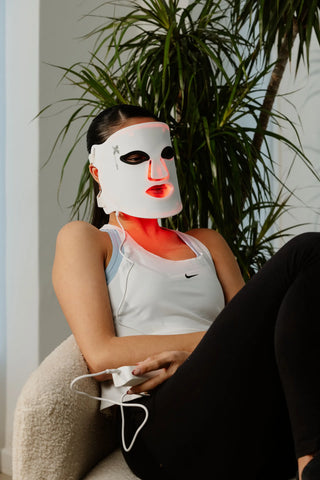
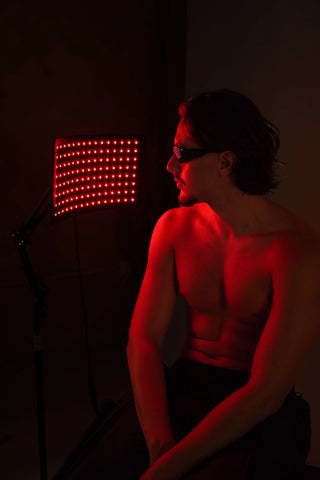
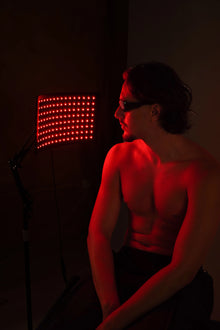
- Recovery and rest: evidence in sports usually studies photobiomodulation (red light) in specific windows; for example, a 2025 review observed that photobiomodulation applied before exercise reduced muscle pain in its analyses, while post-exercise IPC showed no clear reduction at 24 h. (pubmed.ncbi.nlm.nih.gov) At Kumo, you can find options in LED light therapy.
- Localized relief: for specific tension points (glutes, calves, quads), a massage gun can complement your routine. Discover the KumoPulse Air massage gun.
Example Kumo routine (morning on a workday)
- Water + 3 minutes of mobility.
- Presotherapy 15–25 minutes.
- Brief walk (5–10 min) or gentle stretching.
- If you train that day: save percussive massage for after your workout or for the evening (depending on tolerance).
FAQ: Morning Presotherapy with Kumo
How long should I do morning presotherapy at home with Kumo?
As a practical guide, many people find 15–30 minutes in the morning fits well: it's enough to feel lightness without eating up your schedule. In sports research, durations like 15 min (with repeated applications on subsequent days) or 30 min have been used in different protocols, with variable results depending on the study. (pubmed.ncbi.nlm.nih.gov) My advice: start with the minimum you can sustain 3–5 days/week, prioritize comfort and consistency, and adjust progressively according to how you feel.
Does morning presotherapy help with DOMS (muscle soreness) if I train in the afternoon?
It can help your legs feel less "heavy," but it's important to be realistic about DOMS: it usually appears between 12 and 48 hours after intense eccentric exercise, and studies on IPC show mixed results depending on the protocol. (pmc.ncbi.nlm.nih.gov) If you train in the afternoon, morning presotherapy can be part of your recovery hygiene, but it doesn't replace sleep, nutrition, smart load progression, and complementary strategies (mobility, accessory strength, etc.).
Can I combine Kumo morning presotherapy with red light or LED?
Yes, they are usually complementary technologies: presotherapy focuses on the legs (sequential compression) and red light/LED on photobiomodulation (depending on the device and objective). In a meta-analysis review (2025), photobiomodulation applied before exercise was associated with less muscle pain in the analyzed studies, while post-exercise IPC showed no clear reduction at 24 h. (pubmed.ncbi.nlm.nih.gov) In practice, you can do presotherapy in the morning and reserve light therapy for when it best fits your routine (for example, late afternoon/evening to wind down).
Is it better to do morning presotherapy on an empty stomach or after breakfast?
There's no universal rule: presotherapy doesn't depend on being on an empty stomach to "work." If you do it upon waking, many people feel better after hydrating and having something light if needed (especially if they have low blood pressure or train early). The important thing is that you are comfortable, without dizziness, and that the pressure is tolerable. If you have vascular pathology, significant edema, or any medical condition, prioritize professional guidance and precautions described in clinical resources. (wsh.nhs.uk)
When should I not use presotherapy boots without prior consultation?
If you have symptoms consistent with deep vein thrombosis (sudden swelling in one leg, pain, warmth, redness), avoid presotherapy and seek medical attention. Resources on compression mention DVT as a contraindication for IPC. (pmc.ncbi.nlm.nih.gov) Also consult if you have heart failure, peripheral arterial disease (low ABI/ITB), acute skin infection, or severe neuropathy, as these appear as contraindications/precautions in clinical documentation. (wsh.nhs.uk)
What now?
If you want to make recovery an easy-to-maintain routine, start simple: a brief morning presotherapy session and a habit you can actually repeat. Discover Kumo's presotherapy collection, combine it with LED technologies or the KumoPulse Air according to your goals, and if you need guidance to choose your approach, you can contact the Kumo team.
KumoWave pressotherapy
Choose your at-home pressotherapy
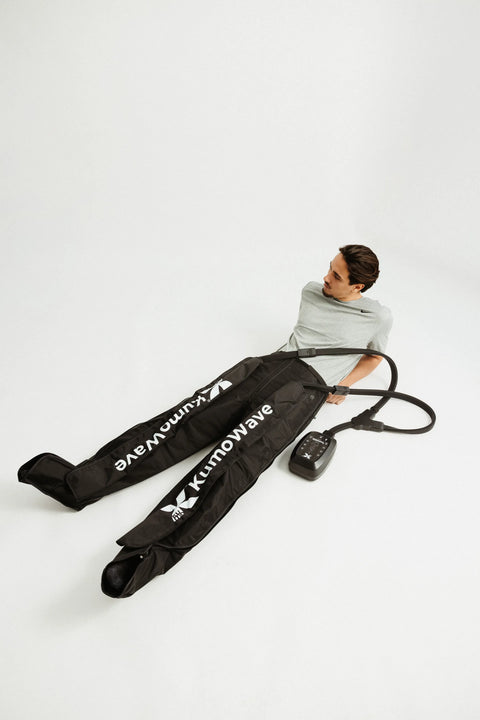
KumoWave Elite – Pressotherapy Pants
Full-coverage trousers. Ideal for lipedema, fluid retention and intensive use.
€799,00 €999,00
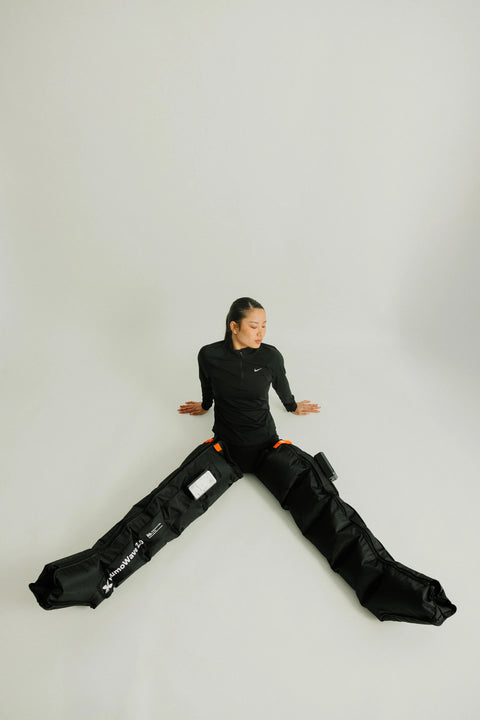
KumoWave 2.0 - Wireless Pressotherapy
Wireless, lightweight boots. Perfect for daily use and recovery.
€499,00 €599,00