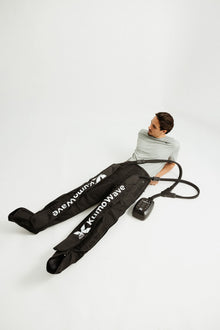

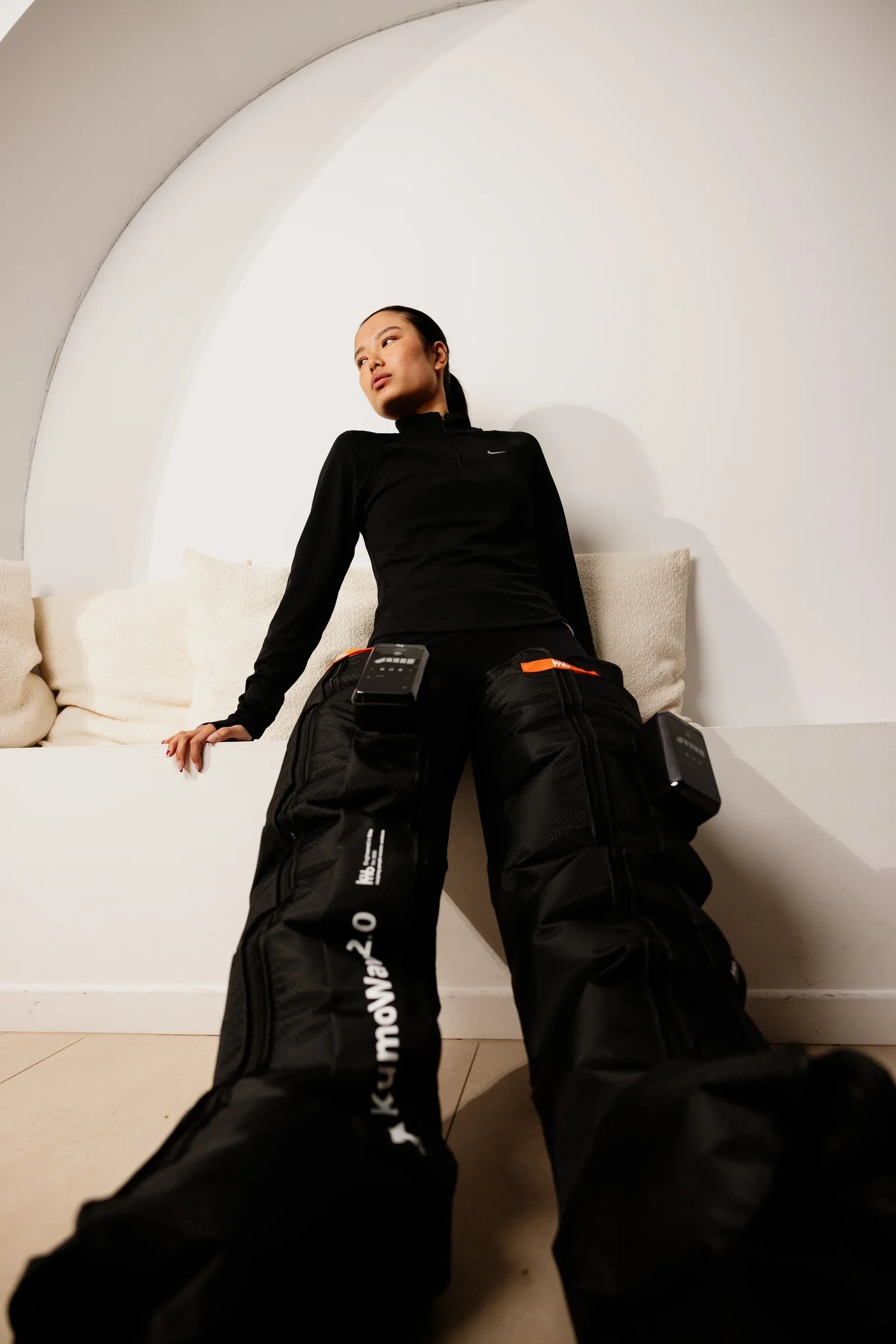
Diabetes requires extra care when using pressotherapy.
If you have diabetes and are looking to relieve tired legs, heaviness, or swelling, pressotherapy (intermittent pneumatic compression) can be an interesting tool provided it is used judiciously and with special attention to sensitivity, skin, and vascular health. In this guide, I explain when it is usually compatible, when it should be avoided, and how to integrate a responsible recovery routine with Kumo without taking unnecessary risks.
Pressotherapy at home
End the day with light legs
★★★★★ 4,8/5 · rated by verified customers
KumoWave pressotherapy boosts circulation and helps drain fluid with sequential compression, in 20-minute sessions at home.
- Boosts circulation and helps drain fluid
- Chamber-based compression, adjustable to you
- Sequential compression that mimics manual drainage
€799,00€999,00
−10% on your 1st order when you subscribe to the newsletter

Important: This content is for informational purposes only and does not replace your doctor's assessment. In diabetes, "I feel good" does not always reflect what is happening in nerves and arteries, especially if neuropathy or peripheral artery disease is present.
Can you do pressotherapy if you have diabetes?
In many cases, yes, but with conditions. Diabetes is associated with complications that affect exactly what pressotherapy "touches": legs, feet, circulation, and sensitivity. For example, diabetic neuropathy (nerve damage) affects approximately half of people with diabetes, which can reduce the ability to notice excessive pressure, chafing, or local heat.
Personalized protocol · included with your purchase
Want us to tell you how to use it in your case?
With your purchase, our experts prepare a personalized usage protocol for your case: sport, circulation, fluid retention, pregnancy or lipedema.
Message us on WhatsAppOur experts reply · no obligation
Additionally, diabetes increases the risk of peripheral artery disease (PAD). If blood supply to the leg is compromised, uncontrolled compression can be a bad idea (or require professional supervision). In people with diabetes, even common tests like the ankle-brachial index (ABI) can be falsely normal or high due to arterial calcification, so results should be interpreted with caution.
Why diabetes changes the rules: circulation, edema, and sensitivity
1) Reduced sensitivity (neuropathy): the "silent" risk
When sensitivity is altered, the problem is not just "tingling": it's that you may not notice excessively high pressure, a friction point inside the boot, or progressive numbness during the session. This increases the risk of skin irritation, blisters, or pressure injuries (especially on ankles, instep, and toes).
2) Vascular health (PAD): it's not all about venous return
Pressotherapy is designed to promote venous return and fluid drainage. But if significant PAD exists, the safety margin may change. Clinically, the ABI helps guide compression decisions; however, in diabetes, it can be affected by arterial stiffness/calcification, generating falsely elevated readings that underestimate the problem.
on your first order when you join the newsletter
We send you the code instantly. No spam.
3) More vulnerable skin and slower healing
The combination of dry skin, micro-injuries, and potentially slower healing means the approach must be conservative: it is better to prevent a wound than to "treat it afterward." This is especially important if you have already had calluses, cracked heels, or previous wounds.
What is pressotherapy (intermittent pneumatic compression) and what it can offer
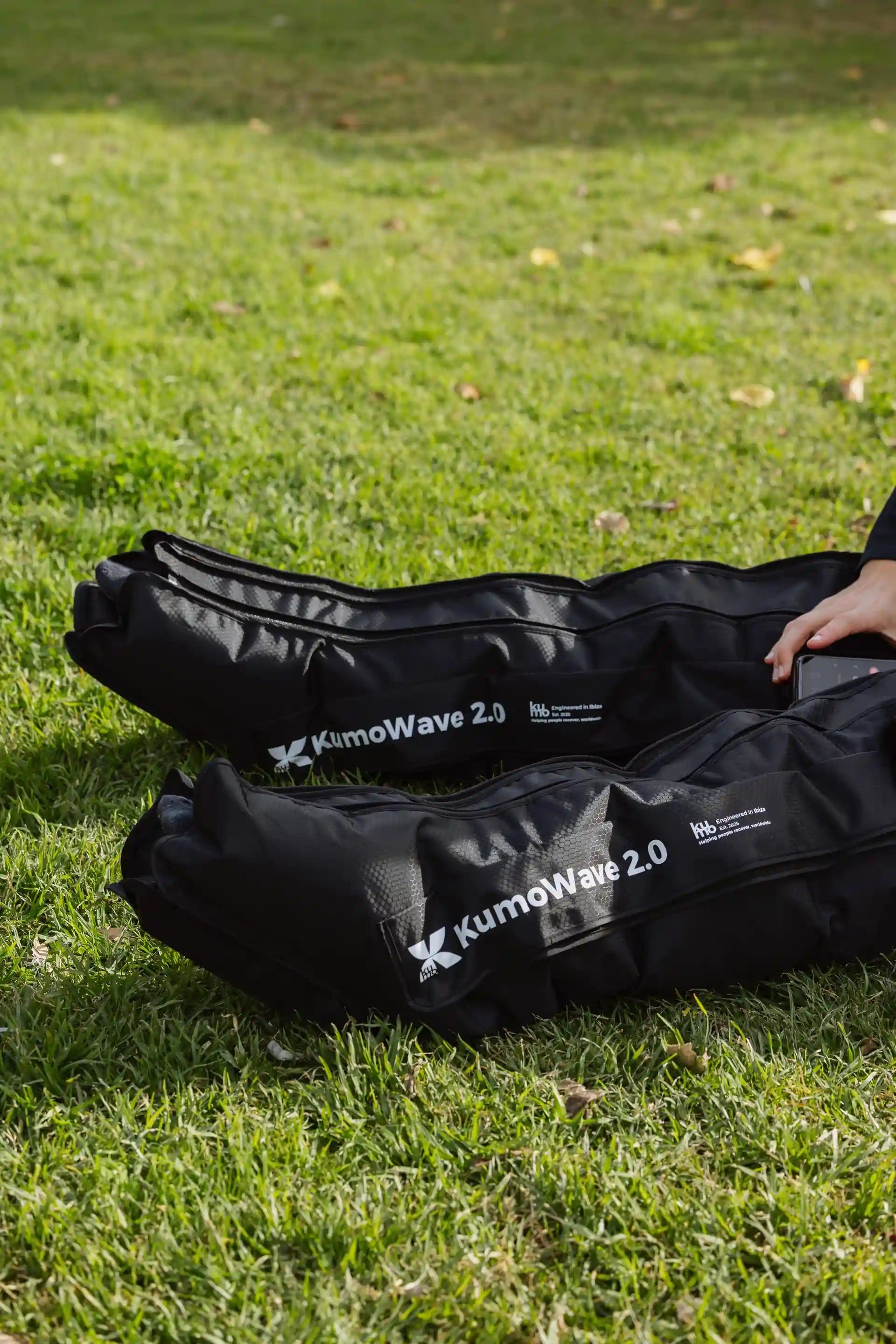
Pressotherapy applies cyclic pressure through air chambers (e.g., in boots) that inflate and deflate in sequences. The general goal is to support venous return circulation and the feeling of lightness, something useful for those who spend many hours sitting/standing or train frequently.
In the medical field, intermittent pneumatic compression is used in different contexts and has clear indications and contraindications (e.g., active thrombosis, untreated acute infection, decompensated heart failure, or severe PAD, among others). A recent clinical trial on intermittent pneumatic compression lists contraindications such as thrombosis/pulmonary embolism, acute decompensated heart failure, untreated acute infection, and severe PAD.
And although in wellness we talk about "recovery," it is worth remembering something: a pressotherapy boot is not a treatment for diabetes. It is a body care tool that, in people with diabetes, must be used respecting limits and signals.
Risks and contraindications: what you should check before putting on boots
An international review of the risks and contraindications of compression therapy describes frequent adverse effects (e.g., discomfort) and other rare but serious ones (e.g., nerve damage or necrosis), emphasizing that severe events usually occur in predisposed individuals or due to improper use, and that it is crucial to screen for risk factors and ensure correct fit.
- Do not use (and consult a doctor as a priority) if there is suspicion/diagnosis of deep vein thrombosis or pulmonary embolism.
- Avoid in acute infections of the leg/skin (cellulitis, erysipelas, phlebitis), until assessed.
- Be careful in heart failure (especially if unstable or decompensated).
- Exercise extreme caution if there is PAD, ischemic pain, non-healing wounds, or changes in foot color/temperature.
- Extra caution if there is neuropathy, as it can mask pain or excessive pressure.
Safety Checklist (diabetes + pressotherapy) before starting
Quick self-assessment (2 minutes)
- Check skin and nails: cracks, redness, blisters, purple areas, wounds, fungi.
- Check sensitivity: Do you feel light touch equally in both feet? Are there "numb" areas?
- Observe vascular signs: very cold foot, persistent pallor, pain when walking that improves when stopping, wounds that take time to heal.
- If something doesn't feel right, prioritize professional assessment before using compression.
If peripheral artery disease (PAD) is suspected
In clinical practice, the ankle-brachial index (ABI) is used as an initial tool for PAD. Low values suggest PAD, and high values may suggest arterial stiffness. In diabetes, calcification can make arterial compression difficult and artificially elevate the ABI, so it is not always useful for "ruling out" PAD without further tests (such as toe-brachial index, Doppler, or others).
In venous wounds, algorithms exist that guide the use of compression based on the ABI, although the exact thresholds may vary depending on guidelines. A review of algorithms for venous ulcers highlights this variability and mentions "modified compression" approaches in less severe arterial disease (for example, ABPI > 0.5 or ankle pressure > 60 mmHg, according to cited consensuses).
Table: control points for using pressotherapy with diabetes
| Control point | What to check | What to do if in doubt |
|---|---|---|
| Sensitivity | Numbness, burning, tingling, lack of "protective pain." | Use only under professional guidance; prioritize foot inspection and conservative adjustments. |
| Skin | Wounds, blisters, cracks, red areas, fungal infections. | Do not apply pressure to injured skin; consult if there are signs of infection. |
| Arterial circulation | Cold foot, color changes, pain when walking, non-healing wounds. | Avoid pressotherapy until significant PAD is ruled out (ABI can be misleading in diabetes). |
| History of thrombosis | Previous DVT/PE, thrombotic risk, sudden unilateral pain and swelling. | Do not use without medical indication; emergency if acute suspicion. |
| Heart | Heart failure, new shortness of breath, sudden edema. | Consult to avoid overload; discontinue if symptoms worsen. |
How to use pressotherapy boots with diabetes: conservative and practical protocol
Before the session
- Visual inspection of feet and legs with good light (a mirror if necessary).
- Clean and dry skin; avoid creams just before if they promote slipping/chafing (better to moisturize outside the session).
- No objects in pockets, anklets, socks with prominent seams, or folds that create pressure points.
- First time: choose the softest setting available and a short time according to the equipment manual.
During the session
- Do not fall asleep with the boots on: you need to detect changes in color, pain, or numbness.
- Mid-session check: notice your toes (temperature, color, sensation), and see if "band" redness appears.
- Golden rule: pain, increasing tingling, progressive numbness, or "electric" sensation = stop.
After the session
- Immediate skin check: intense marks that do not disappear, pale or purple areas, blisters.
- Gentle mobility (walk a little) to normalize sensations and venous return.
- Simple log: note how you felt and any marks. This helps adjust intensity and duration.
Warning signs: when to stop and consult
In diabetes, it's advisable to be "boringly prudent." Stop the session and consult if any of these signs appear:
- Intense pain or cramp that does not subside after deflation.
- New or increasing numbness (especially if it lasts after the session).
- Color change (marked pallor, cyanosis), unusual coldness of toes/foot.
- Skin lesion: blister, wound, bleeding, or spreading redness.
- Suspicion of infection (local heat, pain, fever) or sudden unilateral inflammation.
Comprehensive leg and foot care in diabetes (what has the most impact)
Pressotherapy can be a complement, but the "hard core" of diabetes care remains: foot vigilance, metabolic control, and daily habits.
Inspection and check-ups: the basics that prevent big problems
The CDC recommends promoting basic check-ups at each healthcare visit and annual comprehensive foot exams. It also highlights useful data to gauge the risk: approximately 12% of people with diabetes develop foot ulcers during their lifetime, and in 2016, 4.9 lower extremity amputations per 1,000 adults with diagnosed diabetes were reported (US).
- Daily self-inspection (especially if there is neuropathy).
- Footwear and socks that do not create pressure points.
- Early attention to calluses, ingrown toenails, and small wounds.
Movement, elevation, and "medical" compression when appropriate
If you have frequent edema or diagnosed venous insufficiency, your professional may recommend specific strategies (elevation, ankle exercise, graduated compression, etc.). In the clinical context, compression is adjusted to the vascular situation (for example, with ABI and other tests), and published algorithms show that the decision is not "all or nothing," but graduated and based on evaluation.
How Kumo approaches it: premium recovery without losing focus on safety
Kumo is a brand focused on high-end recovery technologies and creating sustainable wellness habits. If your situation is compatible with pneumatic compression, you can explore pressotherapy boots as part of a leg care routine (active rest, mobility, and skin monitoring).
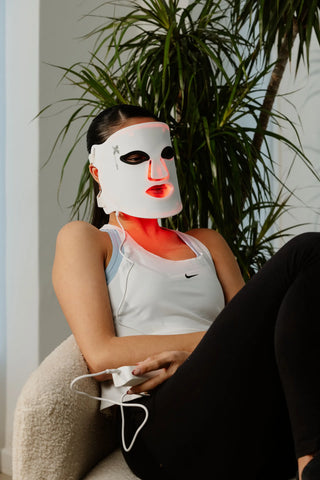
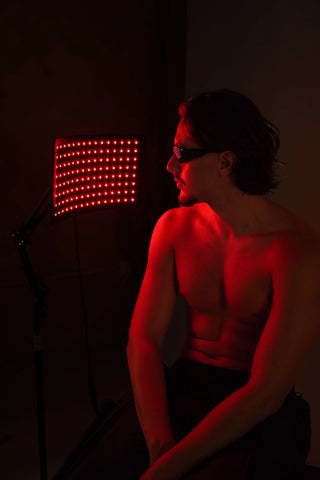
For a more comprehensive recovery approach, some people combine tools according to their goal: localized muscle relaxation with a KumoPulse Air massage gun or aesthetic care/rituals with LED light therapy. These technologies can support your general well-being, but they do not replace diabetes control or medical follow-up.
If you want to know more about the brand's recovery philosophy and solutions, you can start by visiting Kumo Balance.
FAQ: pressotherapy, diabetes and Kumo
Can I use Kumo pressotherapy boots if I have diabetic neuropathy?
With neuropathy, extreme caution is required because you may not perceive signs of excessive pressure or friction. The American Diabetes Association states that diabetic neuropathy affects about half of people with diabetes, and that loss of "protective sensation" is precisely what helps you detect a problem in time. The most sensible thing is to ask your doctor/podiatrist for guidance, start (if authorized) with very gentle settings, monitor the skin before and after, and stop at any new numbness or persistent marks.
Does Kumo pressotherapy improve tingling or reduced sensitivity?
Pressotherapy can give a feeling of lighter legs and promote comfort after many hours of sitting or standing, but it is not a treatment for neuropathy. If there is tingling, burning, or loss of sensitivity, the main goal is usually to evaluate the cause (neuropathy, nerve compression, PAD, inappropriate footwear) and reinforce foot care. As a reference, the ADA insists that maintaining blood glucose in range and healthy habits is key to preventing or delaying complications. If tingling worsens with the session, it should be stopped and consulted.
If I have varicose veins and diabetes, is it compatible to use Kumo pressotherapy?
Varicose veins and diabetes can coexist, but compatibility depends on your vascular status and your skin. In general, compression (when properly indicated) is used for venous problems; however, if peripheral artery disease is also present, the strategy changes. In addition, in diabetes, arterial alterations may exist that are not detected simply by "how you feel." Therefore, a prior assessment is advisable if there is pain when walking, cold feet, color changes, or wounds that take time to heal. With professional green light, always prioritize comfort, absence of pain, and meticulous skin inspection.
How often can I use Kumo pressotherapy if I have diabetes and tired legs?
There is no universal frequency: it depends on your sensitivity, skin response, and vascular situation. In diabetes, the most important thing is that pressotherapy does not "compete" with the essentials: foot inspection, appropriate footwear, daily movement, and clinical follow-up. As a practical rule, start with few sessions, evaluate marks and sensations for 24 hours, and only increase if everything goes well. If persistent redness, numbness, or new discomfort appears, reduce intensity/time or stop use. In case of a history of ulcers, amputation, or PAD, consult before establishing a routine.
Can I combine Kumo pressotherapy with red light/LED or massage in diabetes?
Many recovery routines combine tools, but in diabetes, it is advisable to do so in order and without "overstimulating" the skin. A reasonable strategy is: first pressotherapy (if safe in your case), then gentle mobility, and at another time, localized massage avoiding areas with reduced sensitivity. If you use LED light for wellness or aesthetic purposes, monitor the skin's response and avoid applying it to wounds or irritated areas unless professionally indicated. In case of neuropathy, deep massage can be misleading because you might not feel excessive pressure.
Now what?
If your situation is compatible with pneumatic compression and you want to build a safe recovery routine, explore Kumo's solutions aimed at daily wellness. And if you need general guidance on which technology best suits your routine (without replacing medical advice), you can write to the team from the contact page.
KumoWave pressotherapy
Choose your at-home pressotherapy
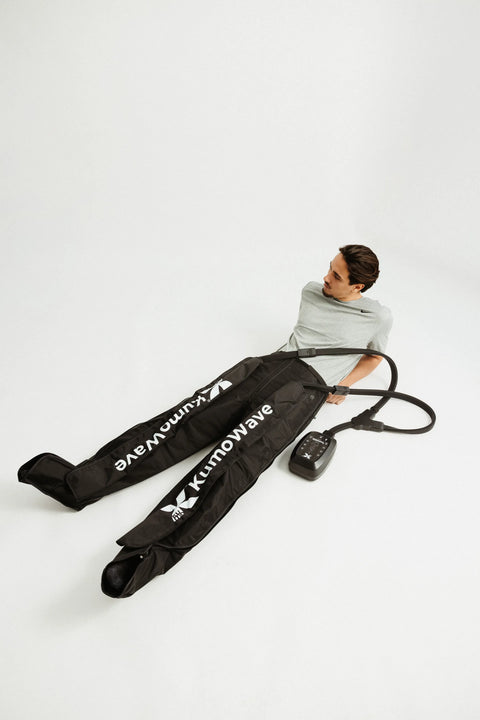
KumoWave Elite – Pressotherapy Pants
Full-coverage trousers. Ideal for lipedema, fluid retention and intensive use.
€799,00 €999,00
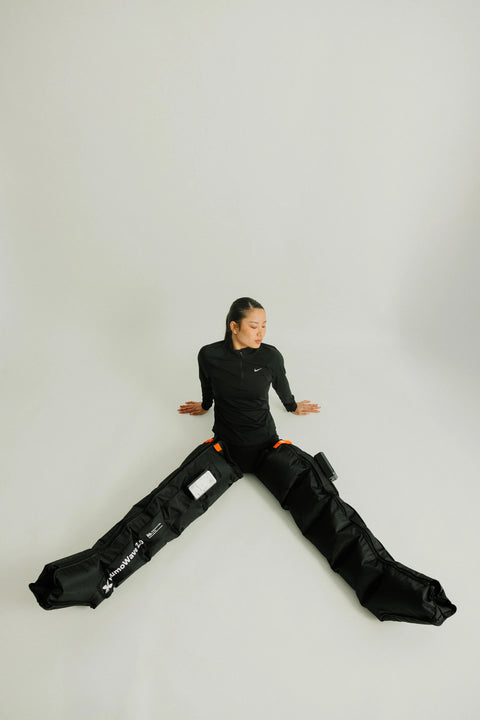
KumoWave 2.0 - Wireless Pressotherapy
Wireless, lightweight boots. Perfect for daily use and recovery.
€499,00 €599,00