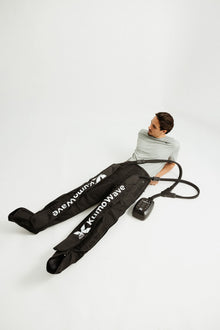

Heat changes how your body responds to pressotherapy.
In summer, pressotherapy boots (also called intermittent pneumatic compression) can still be a great tool for relieving tired legs and supporting recovery, but it's important to adjust the time of day, hydration, intensity, and duration. In this practical guide, you'll see how to do it safely and effectively, and how to integrate "smart" recovery the Kumo way on hotter days.
Pressotherapy at home
End the day with light legs
★★★★★ 4,8/5 · rated by verified customers
KumoWave pressotherapy boosts circulation and helps drain fluid with sequential compression, in 20-minute sessions at home.
- Boosts circulation and helps drain fluid
- Chamber-based compression, adjustable to you
- Sequential compression that mimics manual drainage
€799,00€999,00
−10% on your 1st order when you subscribe to the newsletter

If you want to explore premium recovery solutions, you can start with the Kumo page and its pressotherapy collection.
Why summer requires adjustments (and not just "turning down the intensity a bit")
What heat does to your body
When the temperature rises, the body prioritizes heat dissipation: circulation to the skin increases (vasodilation), you sweat more, and you can lose water and salts. This combination can lead to drops in blood pressure, dizziness, or feelings of weakness, especially if you've been exercising, walking a lot, or haven't drunk enough.
Personalized protocol · included with your purchase
Want us to tell you how to use it in your case?
With your purchase, our experts prepare a personalized usage protocol for your case: sport, circulation, fluid retention, pregnancy or lipedema.
Message us on WhatsAppOur experts reply · no obligation
Additionally, heat can cause swelling of the ankles and feet ("heat edema") in some people, something described in medical literature on heat-related illnesses.
What pressotherapy (intermittent pneumatic compression) does
Pressotherapy applies compression cycles to the legs to promote venous return and manage feelings of heaviness. In a clinical context, compression (including intermittent pneumatic compression) is also used for edema/lymphedema and thrombosis prevention in specific settings, always with clear criteria and contraindications.
In summer, the goal is simple: to get the benefits of compression without adding extra stress (heat + dehydration + vasodilation) to the cardiovascular system and skin.
on your first order when you join the newsletter
We send you the code instantly. No spam.
Practical rule: if you are hot, very thirsty, or feel dizzy, postpone the session and prioritize cooling down and hydrating first.
Most frequent risks when combining pressotherapy and heat (and how to recognize them)
Most summer problems do not come from the "machine" itself, but from the context: high ambient temperature, sweating, insufficient hydration, alcohol, intense training, or certain drugs that alter thermoregulation. The CDC, for example, details how heat can be related to symptoms such as dizziness, nausea, weakness, and when to seek medical attention.
Signs to stop the session
- Dizziness, faintness, or blurred vision.
- Nausea or headache that appears during the session.
- Cold sweat, very pale skin, or a feeling of "fading."
- Cramps or unusual weakness.
These signs are consistent with symptoms described in heat stress conditions (cramps, heat exhaustion, heat syncope). If symptoms worsen or are severe, seek medical help.
When NOT to use pressotherapy (or only with medical indication)
Therapeutic compression has contraindications and precautions. International consensuses and clinical documents repeatedly mention, among others, situations such as: significant arterial insufficiency, decompensated heart failure with edema, active skin infection/cellulitis, or suspected acute thrombosis.
Important: if you experience sudden calf pain with local redness/heat, shortness of breath, chest pain, fever, or a leg infection, do not "cover it up" with recovery: consult a doctor.
Safe adjustments in summer: the Kumo practical guide
1) Choose the right time and environment
- Best time: early morning or night, when your body temperature and the environment are usually lower.
- Environment: prioritize a ventilated or air-conditioned room. The CDC recommends using air conditioning or going to an air-conditioned place during heat waves.
- Avoid: using pressotherapy in the sun, inside the car, after a sauna, or just after prolonged heat exposure.
2) Hydrate beforehand (and not just with water if you sweat a lot)
Under normal conditions, there are references for adequate total water intake (including food and beverages) such as 3.7 L/day for men and 2.7 L/day for women (NASEM/Institute of Medicine, widely cited guide). In summer, your needs may increase depending on sweating, activity, and humidity.
- Before: arrive at the session without intense thirst and with clear/pale yellow urine (indicative).
- If you have sweated a lot: also consider electrolytes (especially sodium) or salty foods, because salt loss is associated with cramps and heat exhaustion if not adequately replenished.
- Avoid right before: alcohol and excessive caffeine if you notice they dehydrate you.
3) Adjust intensity and duration wisely (less is more when it's hot)
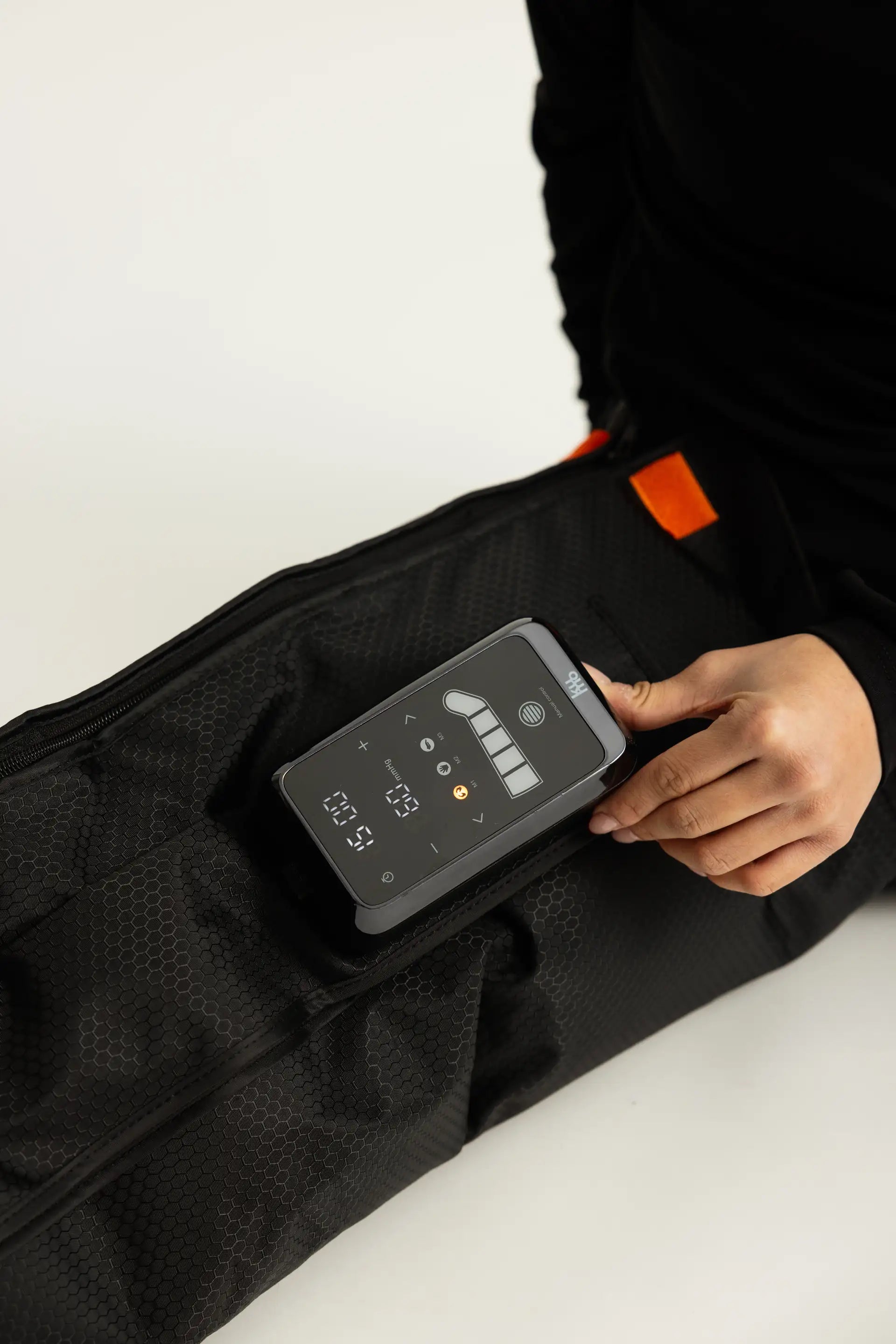
There is no "universal" ideal pressure for summer, but there is a prudent approach: start low and only increase if you feel perfectly well. In clinical literature on lymphedema, a systematic review reported improvements with sequential programs using 30–60 mmHg for 45–60 minutes (clinical protocols, not necessarily equivalent to wellness/fitness use). Use this as a reference for magnitude, not as a prescription.
On hot days, a safe strategy is usually:
- Reduce intensity compared to what you use in cooler months.
- Shorten the session if you've been in the sun, if you've trained hard, or if your legs feel "very hot."
- Prioritize regularity (shorter, more consistent sessions) over "long sessions at maximum pressure."
4) Skin control: sweat + compression = more friction
With heat, you sweat more, and the skin can become irritated more easily. An international consensus on compression risks describes effects such as irritation/itching and emphasizes the importance of checking the skin and the fit of the device.
- Dry your legs well before putting on the boots.
- Avoid very greasy creams right before (they can increase friction and heat).
- After the session, check your ankles and shins: if there is redness that does not subside, intense itching, or pain, lower the intensity or take a break.
5) Post-session: return to "cool mode"
- Get up slowly (to avoid dizziness).
- Drink water and, if appropriate, replenish salts.
- If you are very hot, cool your body with simple measures (shade, ventilation, cool cloths). The CDC describes cooling actions and warning signs of heatstroke.
Quick checklist before putting on your pressotherapy boots
- Am I cool? (not right after sun/sauna or feeling overheated).
- Am I hydrated? (not intensely thirsty; if I sweated a lot, with electrolytes/something salty).
- Do I have any strange symptoms? (dizziness, nausea, fever, acute leg pain, skin infection → do not use and consult a doctor).
- Can I be in a cool environment? (fan/AC, no direct sun).
- Will I start gently? (low intensity and gradual increase).
Table of recommended adjustments according to "heat scenario"
Quick guide: what to modify and what to watch out for
| Summer situation | Recommended adjustment | What to watch out for |
|---|---|---|
| Returning from a long walk in the heat | Shorter session, low intensity, cool room | Dizziness when standing up, persistent redness |
| Exercised outdoors (high sweating) | First hydrate + cool down, then gentle pressotherapy | Cramps, weakness, nausea |
| Long flight/car ride in summer | Hydrate, prior mobility, moderate pressotherapy if it feels good | Acute calf pain or asymmetrical swelling (consult a doctor) |
| Heatwave day | Prioritize air conditioning; if you use it, lower intensity and shorten session | Symptoms of heat exhaustion |
| Sensitive skin or chafing from sweat | Avoid friction: dry skin, lower intensity, pause if irritated | Intense itching, pain, worsening irritation |
Complete recovery in summer: how Kumo fits beyond pressotherapy
Recovery is not just "squeezing your legs." On hot days, a routine that combines circulation, muscle release, and rest habits usually works best:
- Pressotherapy for tired legs: available in the Kumo pressotherapy collection.
- Percussive massage (if it feels good) to release calves/quads: you can check out the KumoPulse Air.
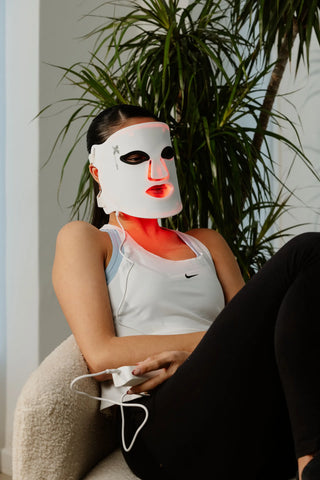
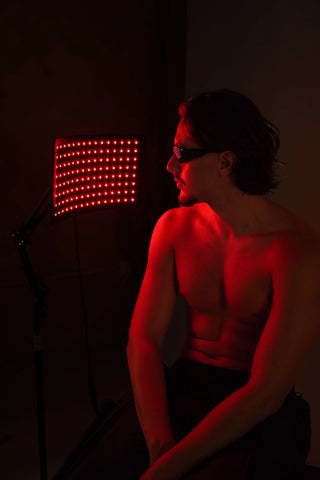
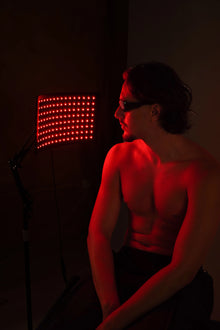
- LED light therapy as part of a wellness and care approach: explore the LED light therapy section.
In summer, the key is the order: first lower temperature and hydrate, then apply the recovery tool. If you want general guidance on which Kumo product fits your habits, you have a direct channel on the contact page.
A fact that puts heat into perspective (and why it should be taken seriously)
Extreme heat is not a minor inconvenience: an article in Nature Medicine estimated 62,862 heat-related deaths in Europe in 2022, with 61,672 concentrated between May 30 and September 4. This is a reminder that, when temperatures rise, adjusting habits (hydration, rest, sun exposure, and recovery) can be more important than it seems.
Source: Nature Medicine (DOI: 10.1038/s41591-023-02419-z).
FAQ: pressotherapy in summer with Kumo
Can I use pressotherapy boots if my legs are swollen from the heat?
In many cases, heat swelling is transient, but you shouldn't assume it's "normal" if it appears markedly or asymmetrically. If it's a mild discomfort after walking or standing, a gentle session in a cool environment, along with hydration and leg elevation, can help. If there is acute pain, localized redness, fever, shortness of breath, or swelling in only one leg, avoid the session and consult a doctor. The CDC details symptoms of heat illnesses and when to seek care.
What intensity is safest for pressotherapy on very hot days?
There is no single valid figure for everyone. On hot days, the safest approach is to start at the lowest intensity and keep sessions shorter, observing how you respond (general feeling, dizziness, skin). For clinical reference (not as a prescription), a systematic review on lymphedema reported protocols with 30–60 mmHg for 45–60 minutes, which provides a magnitude framework. In summer, many people tolerate going below their "usual" and progressing gradually better.
Is it a good idea to do pressotherapy right after running in 30 °C (86 °F)?
Better not immediately. After running in the heat, your body is in "cooling" mode: you sweat, lose fluids, and blood pressure can drop due to vasodilation. First, spend 15–30 minutes cooling down (shade/AC, breathing, lukewarm shower) and hydrating (and salts if you've sweated a lot). Then, if you feel stable, you can use pressotherapy at low intensity. If you experience dizziness, nausea, or weakness, stop: these are signs consistent with heat stress described by entities like the CDC and Mayo Clinic.
Can I combine Kumo pressotherapy with a massage gun or LED therapy in summer?
Yes, but with a low "total load" logic: in summer, it's advisable to avoid chaining intense stimuli. A common combination is a massage gun (brief and localized) to release tight spots, followed by gentle pressotherapy for the legs. LED light therapy can fit into another time of day (e.g., late evening) as part of your wellness routine. Always prioritize the basics: body temperature, hydration, and rest. If you need to see options, you have the LED therapy collection and the KumoPulse Air.
What now?
If you want your recovery to be more consistent this summer (and safer when the heat hits), explore Kumo's pressotherapy collection and complete your routine with tools like the KumoPulse Air or LED light therapy. And if you have questions about which option fits your daily life, you can write directly from the contact page.
KumoWave pressotherapy
Choose your at-home pressotherapy
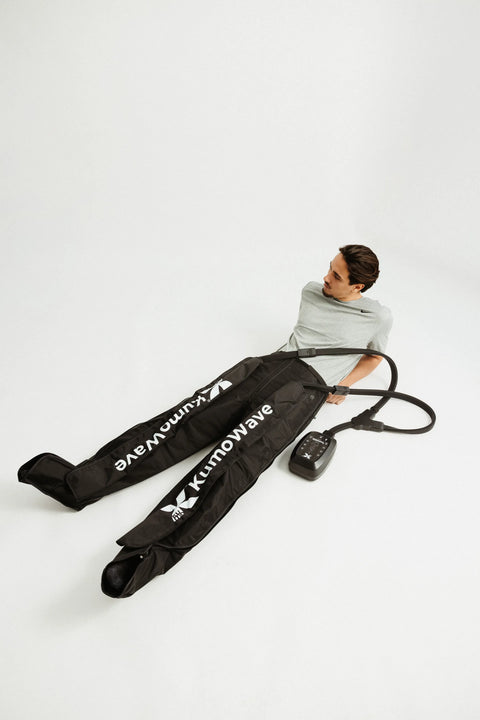
KumoWave Elite – Pressotherapy Pants
Full-coverage trousers. Ideal for lipedema, fluid retention and intensive use.
€799,00 €999,00
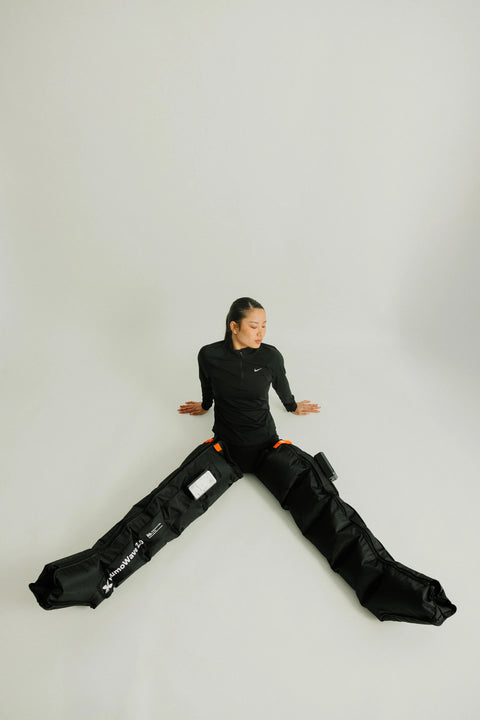
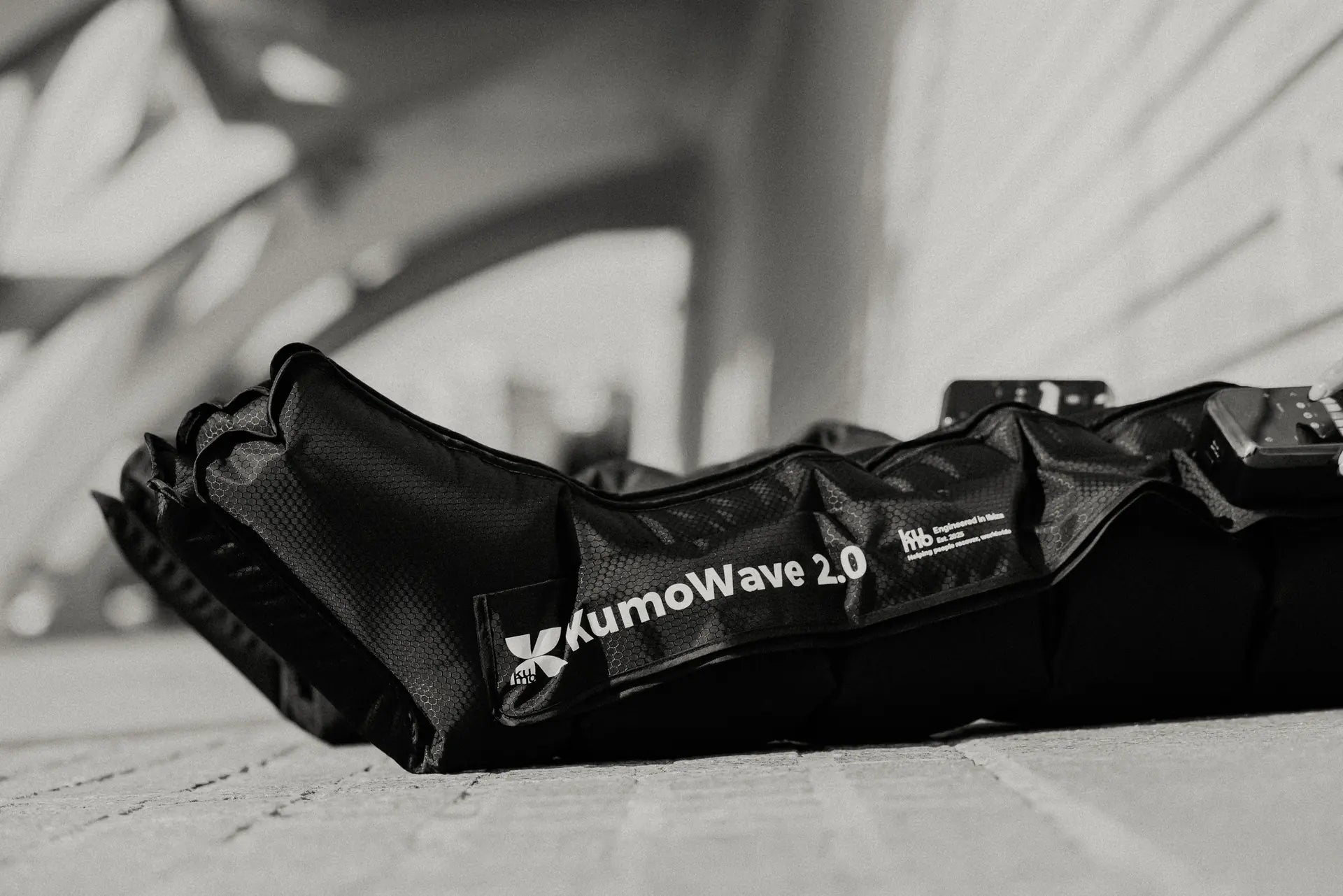
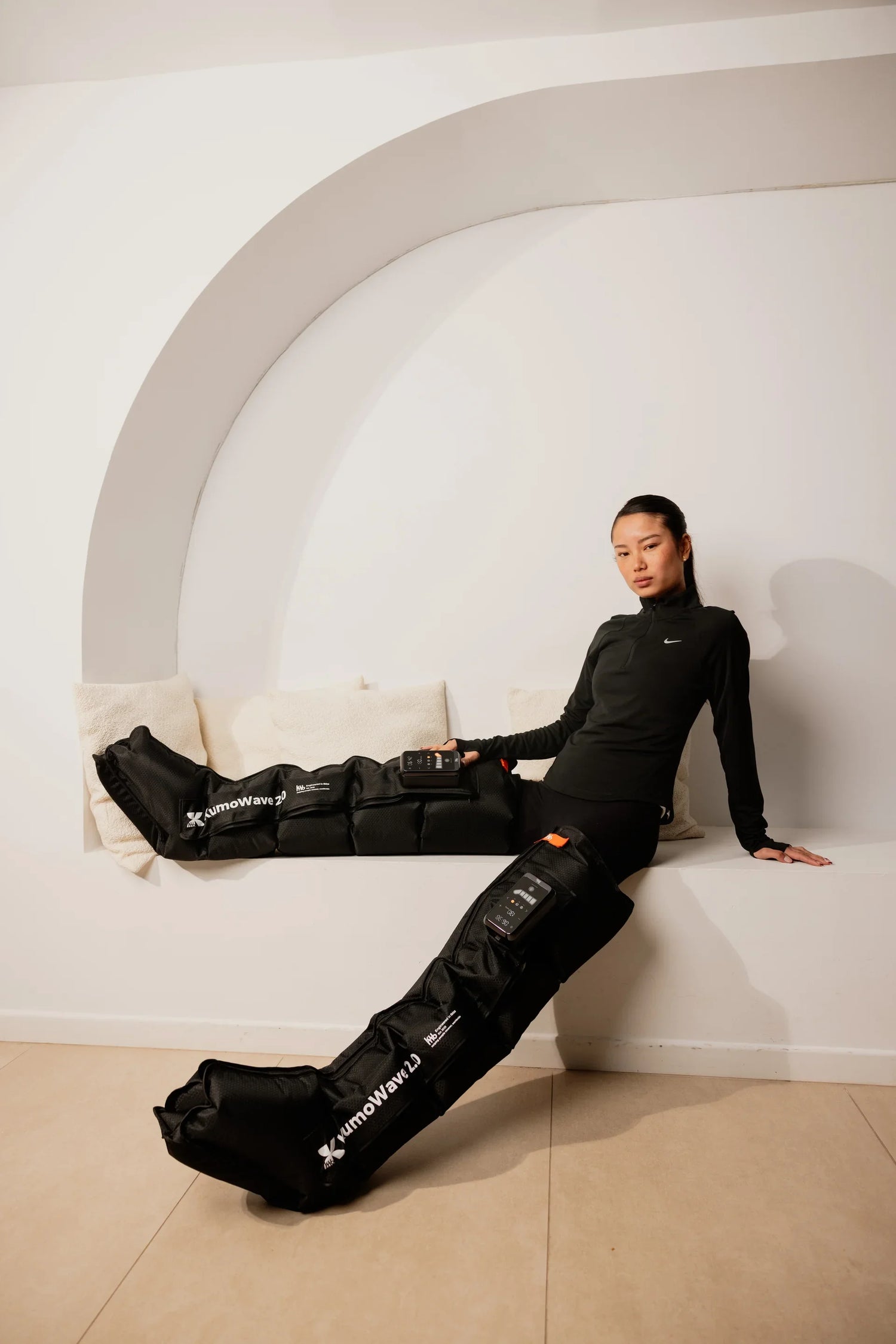
KumoWave 2.0 - Wireless Pressotherapy
Wireless, lightweight boots. Perfect for daily use and recovery.
€499,00 €599,00