
Introduction: What exactly is professional pressotherapy?
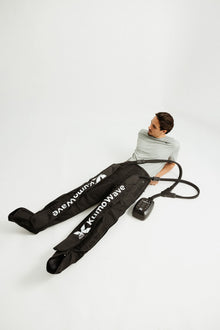
Professional pressotherapy is sequential pneumatic compression applied using boots or suits connected to a controlled compressor. In a treatment room, it is used to improve venous and lymphatic return, relieve the sensation of tired legs, support certain types of edema, and accelerate recovery after exertion.
In medical literature it is described as intermittent pneumatic compression (IPC): an air pump inflates chambers in segments (foot, calf, thigh…), compressing the tissues and facilitating the movement of blood and lymph towards the trunk. (healthline.com )
Pressotherapy at home
End the day with light legs
★★★★★ 4,8/5 · rated by verified customers
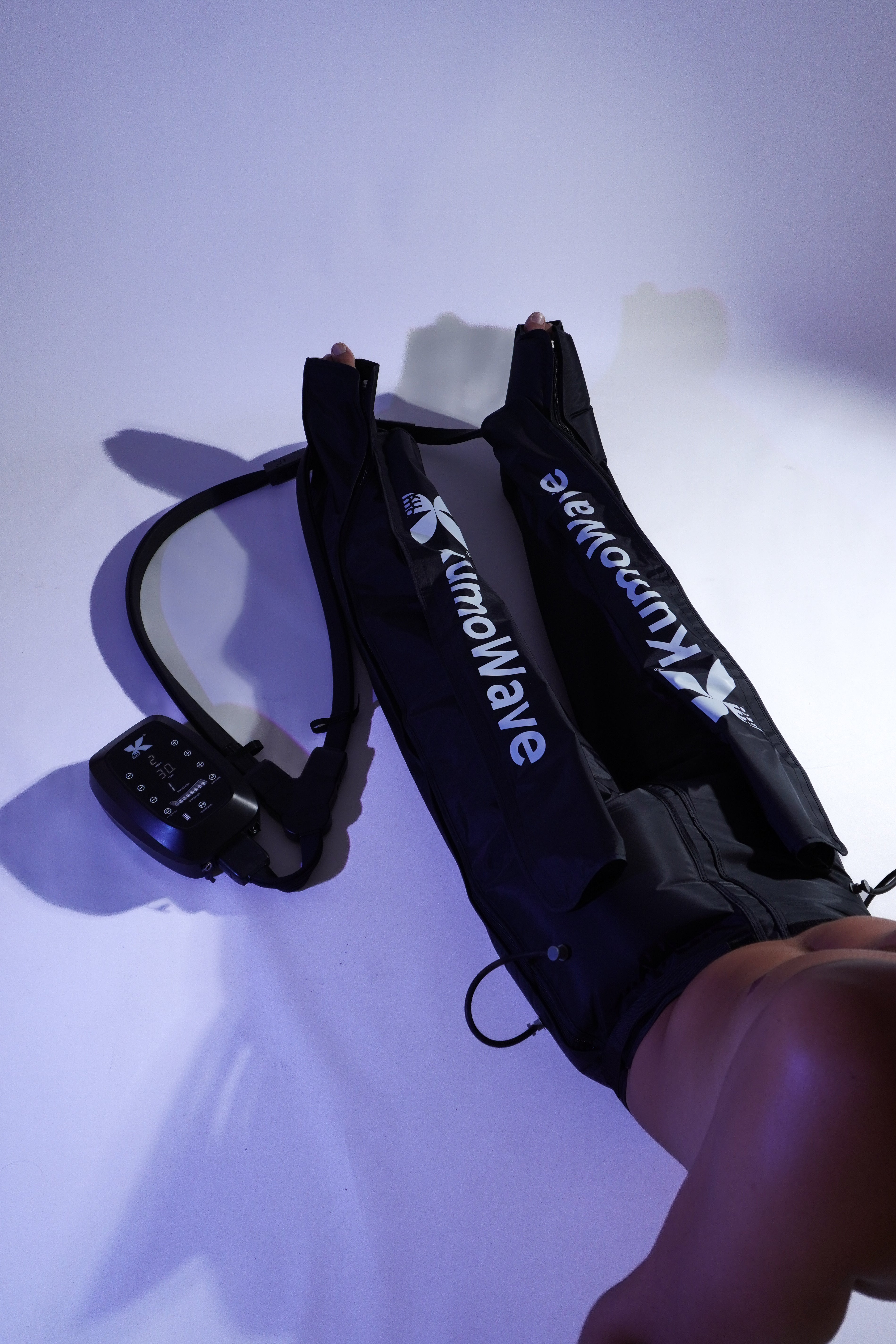
KumoWave pressotherapy boosts circulation and helps drain fluid with sequential compression, in 20-minute sessions at home.
- Boosts circulation and helps drain fluid
- Chamber-based compression, adjustable to you
- Sequential compression that mimics manual drainage
€799,00€999,00
−10% on your 1st order when you subscribe to the newsletter

This article focuses on its use in professional settings: what effects can be expected, what studies say, how to structure safe protocols, and how to integrate this tool into a modern recovery system like the one offered by the Kumo recovery ecosystem . It is not a self-diagnosis guide and does not replace medical evaluation.
How professional pressotherapy works at a physiological level
Basic mechanics of pneumatic compression
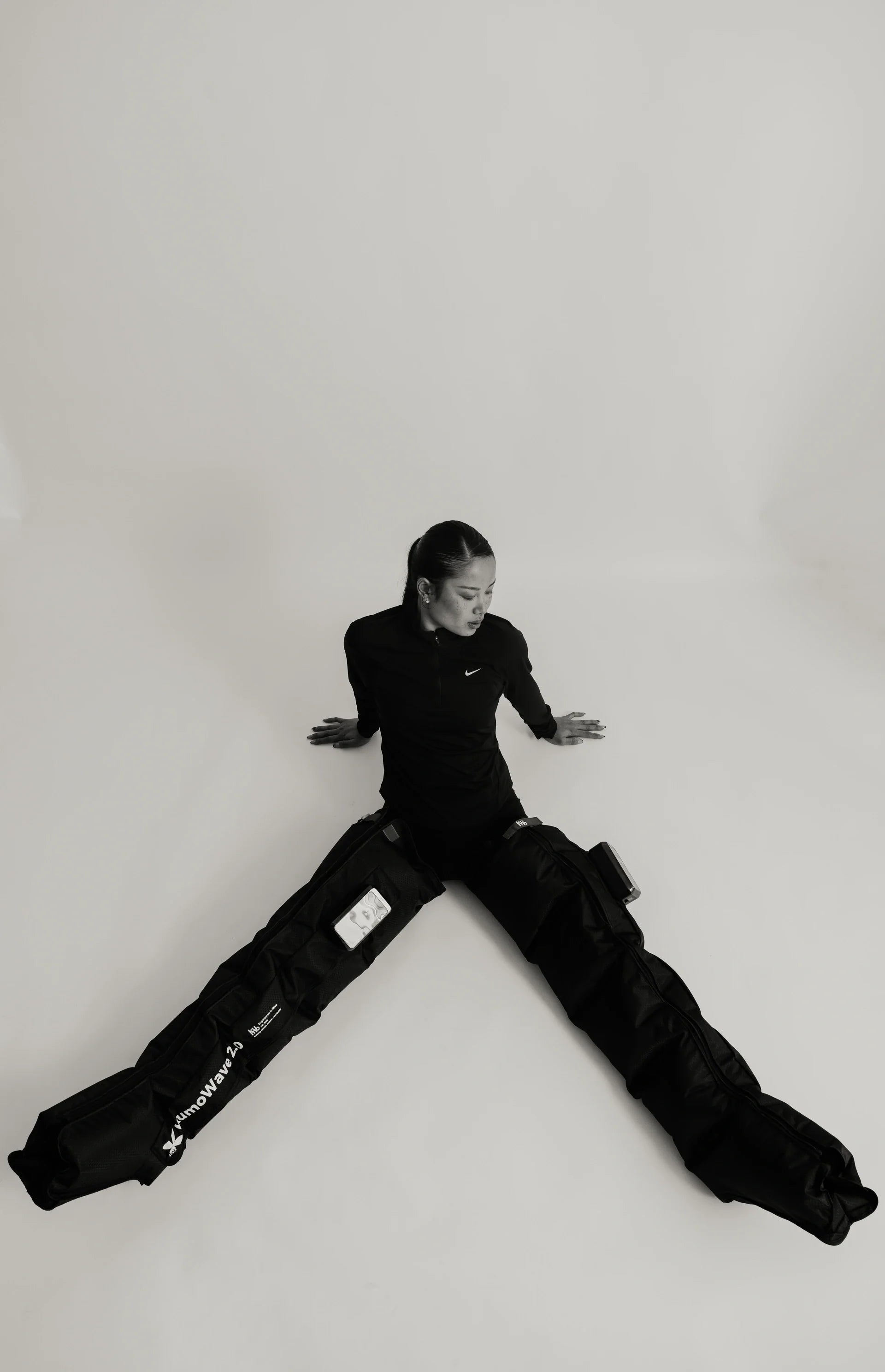
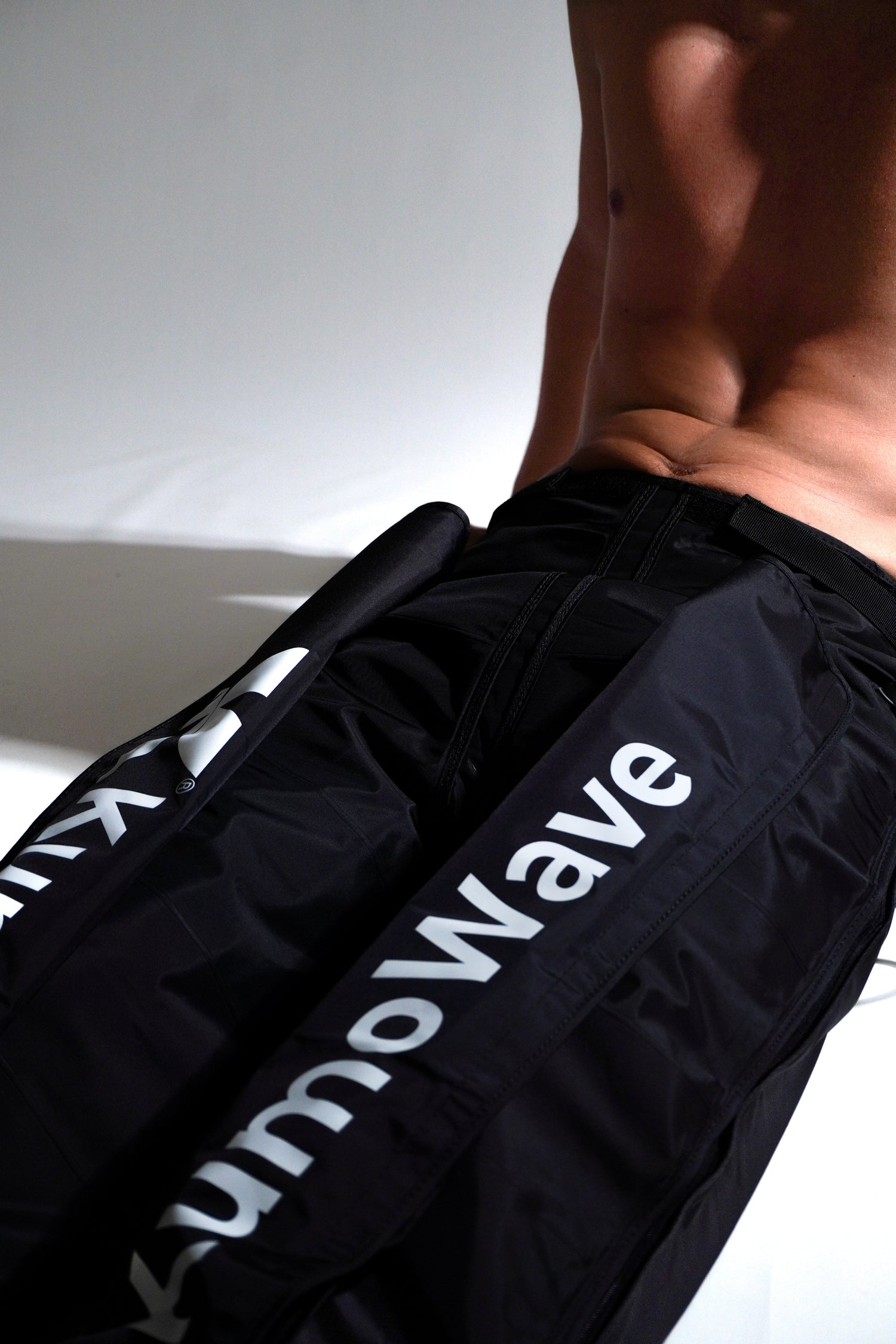
During a session, the user wears boots, pants, or arm sleeves with several air chambers. The device inflates and deflates these chambers sequentially and rhythmically, generating a pressure "wave" from the most distal area (foot or hand) to the proximal area (thigh or shoulder).
Personalized protocol · included with your purchase
Want us to tell you how to use it in your case?
With your purchase, our experts prepare a personalized usage protocol for your case: sport, circulation, fluid retention, pregnancy or lipedema.
Message us on WhatsAppOur experts reply · no obligation
This pattern mimics natural muscle pumping and the closure of venous valves, promoting:
- Increased venous return to the heart.
- Stimulation of lymphatic drainage.
- Redistribution of interstitial fluids, reducing local swelling.
Clinical guidelines on IPC in vascular disease describe its use to improve arterial and venous circulation, reduce edema, and support the healing of venous ulcers when used with the correct indications. ( pubmed.ncbi.nlm.nih.gov )
From medicine to spa and sports recovery
Originally, pneumatic compression was used in hospitals to prevent deep vein thrombosis and treat chronic venous insufficiency or lymphedema. ( pubmed.ncbi.nlm.nih.gov ) Over time, the technology has been adapted to aesthetic settings (reduction of fluid retention, support in cellulite) and sports recovery (relief of heaviness and muscle pain).
on your first order when you join the newsletter
We send you the code instantly. No spam.
In today's professional booth, three main uses coexist:
- Medical/therapeutic (under prescription and health supervision).
- Aesthetic (fluid retention, skin appearance, cellulite).
- Functional and sports recovery (feeling of muscle rest and light legs).
Effects and benefits of professional pressotherapy in a cabin
Venous and lymphatic circulation and edema
European guidelines on intermittent pneumatic compression recommend this therapy as an adjunct in severe venous insufficiency, lymphedema, and other forms of refractory edema, with the aim of improving symptoms and promoting the healing of venous ulcers when other compressions are not well tolerated. ( pubmed.ncbi.nlm.nih.gov )
A single-center clinical trial published in 2025 in patients with stasis dermatitis (associated with chronic venous insufficiency) observed that adding 4 hours of daily pneumatic compression for 5 days, compared to standard therapy alone, significantly reduced ankle circumference and improved tissue oxygenation of the treated leg. ( mdpi.com ) Although the context is hospital-based, these data support the potential of compression therapy to reduce edema and venous congestion when indicated correctly.
Muscle recovery and sport: what the evidence says
In the sports field, pressotherapy with compression boots has become popular in high-performance centers and professional clubs, but the scientific evidence is nuanced:
- A 2021 controlled trial (45 healthy men) compared 30 minutes of intermittent pneumatic compression following eccentric exercise with a placebo treatment. No significant improvements were observed in markers of muscle damage (CK, LDH) or strength, although a typical pattern of pain and performance loss after exertion was present in all groups. ( pubmed.ncbi.nlm.nih.gov )
- More recent studies (2024–2025) indicate that, in repeated multi-day protocols, compression can reduce delayed onset muscle soreness (DOMS) and improve muscle contraction parameters measured with tensiomyography, suggesting a slightly faster subjective and muscular recovery compared to control. ( pubmed.ncbi.nlm.nih.gov )
- A systematic review published in 2025 on compression boots as a post-exercise recovery method concluded that, based on studies available up to 2021, no clear superiority over other methods can be established; however, no relevant adverse effects were detected, and many users reported comfort and less leg heaviness. ( sciencedirect.com )
In summary: in the treatment room, pressotherapy seems useful for reducing the feeling of fatigue, stiffness and heaviness in athletes, while the objective improvements in performance are moderate and depend heavily on the protocol and the user profile.
Aesthetics, fluid retention and cellulite
In professional aesthetics, pressotherapy is integrated into body contouring programs, as an adjunct treatment for cellulite, and in lymphatic drainage plans. Medical sources for the general public describe benefits such as:
- Reduction of swelling and the feeling of heavy legs.
- Improvement of skin appearance and texture associated with cellulite.
- A feeling of lightness and general muscle relaxation. (healthline.com )
Rigorous scientific evidence in aesthetics is more limited than in venous pathology or lymphedema, but the physiological basis (better drainage and venous return) and the accumulated experience in treatment rooms support its use as a complement —not as a substitute— to healthy habits, exercise and, if appropriate, other medical or aesthetic treatments.
Indications and contraindications in professional pressotherapy
When might it be indicated in the cabin?
In a professional wellness or performance setting, pressotherapy is often considered for:
- Tired legs, heaviness after long days of standing or sitting.
- Recovery after intense training or competitions.
- Mild or occasional fluid retention (long trips, heat, sedentary lifestyle).
- Symptomatic support in mild-to-moderate chronic venous insufficiency or lymphedema, always as a complement to the regimen indicated by a doctor.
In cases of vascular disease, lymphedema, pregnancy with complications, or a history of thrombosis, the indication and parameters should be defined by a healthcare professional, not by the aesthetic or recovery center. ( pubmed.ncbi.nlm.nih.gov )
Main contraindications
Although pressotherapy is generally considered safe when used correctly, clinical guidelines and medical websites agree that there are clear contraindications: ( pubmed.ncbi.nlm.nih.gov )
- Deep vein thrombosis (DVT) or active or recent pulmonary embolism.
- Severe or decompensated heart failure.
- Active skin infections, uncontrolled ulcers, or open wounds in the area.
- Severe peripheral arterial disease (critical ischemia, pain at rest).
- Edema of unknown cause without prior medical evaluation.
- Neoplasms or oncological processes without the express authorization of the oncologist.
- High-risk pregnancy or obstetric complications (always under medical supervision).
In a professional setting, a prior health questionnaire is essential, referring to a doctor in case of any doubt and suspending the session if intense pain, persistent tingling, lack of sensitivity or difficulty breathing appear.
Professional pressotherapy protocols in the cabin
Assessment and preparation before the first session
A robust in-cabin protocol should include:
- Initial structured interview : cardiovascular history, previous thrombosis, recent surgeries, pregnancy, anticoagulant medication, etc.
- Definition of main objective : well-being and light legs, aesthetic support, post-exercise recovery or specific medical indication.
- Selection of appropriate garment : boots, full-length trousers, arm sleeves, abdominal belt, depending on the area to be treated.
- Optional reference measures : ankle/calf circumference, subjective heaviness scale (0–10), pain or DOMS.
- Explanation to the user of expected sensations (firm but not painful pressure, compression wave) and possibility of stopping the session at any time.
Indicative parameters for professional pressotherapy in a cabin
Exact ranges should always follow the manufacturer's instructions and, if medically indicated, the healthcare professional's guidelines. However, technical literature and clinical practice offer typical pressure and duration ranges that serve as a reference. ( senyangcare.co.uk )
| Main objective | Typical pressure (mmHg) | Duration per session | Indicative frequency | Security comments |
|---|---|---|---|---|
| Well-being, tired legs | 30–60 mmHg | 20–30 minutes | 2–5 days/week | Ideal for users without significant medical conditions. Adjust for comfort; the pressure should feel firm but pleasant. |
| Post-exercise recovery | 40–80 mmHg | 15–30 minutes, within 2 hours after exertion | 3–5 days/week, depending on training load | Avoid very long sessions right before maximum effort. Prioritize consistency over extreme pressure. |
| Support in edema/lymphedema* (under medical supervision) | ≈40–120 mmHg, as indicated | 30–60 minutes | 5–7 days/week, within a drainage plan | *Only with medical diagnosis and protocol. Monitor tissue and skin response; combine with bandages or stockings if indicated. |
Development of a typical session in a booth
As a general guide, a professional session can follow these steps:
- Positioning : The user lies supine or semi-seated, without crossing their legs, with hips and knees slightly flexed.
- Garment fit : the boots or trousers fit without marked creases; thin clothing or socks can be used for added comfort.
- Initial calibration : Start at a low-moderate pressure level for the first 5–10 minutes to assess tolerance.
- Working phase : The pressure is gradually increased within the target range if the sensation is pleasant. The cycles typically alternate between inflation and deflation every 20–60 seconds.
- End of session and rehydration : the pressure is released completely, the user slowly gets up and it is recommended to drink water and walk for a few minutes to integrate the drainage.
Professional pressotherapy and modern recovery technology
In facilities designed for high-level recovery, pressotherapy is rarely used alone. It is usually integrated into circuits that combine different physiological stimuli:
- Before exertion or at the start of the circuit : myofascial release with a massage gun to relax tension points and improve the response after compression.
- Central block : 20–30 minutes of pressotherapy, adjusting the program and pressure according to whether the goal is post-training recovery, relief from heavy legs, or deeper drainage.
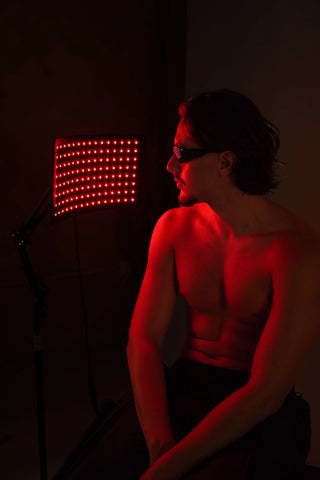
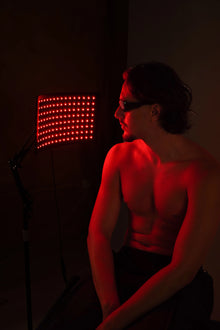
- Final block : red or near-infrared light therapy to support muscle recovery, modulate inflammation and promote restful sleep.
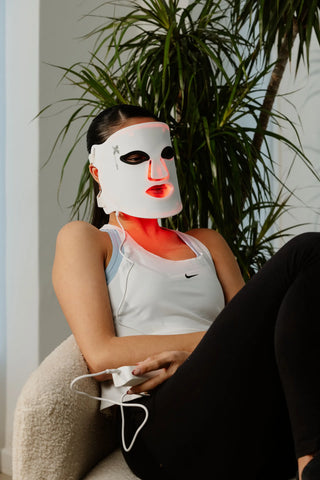
If you run a cabin or performance center, you can rely on advanced compression equipment like those found in Kumo's compression therapy collections , combine them with LED light therapy devices , and add deep release tools like the KumoPulse Air massage gun to design truly comprehensive recovery experiences.
Frequently asked questions about professional pressotherapy
How many professional pressotherapy sessions per week are recommended?
For healthy individuals seeking well-being and lighter legs, a frequency of 2 to 5 weekly sessions of 20–30 minutes is usually sufficient. For athletes in high-intensity training phases, some centers schedule 3–5 post-workout sessions, adjusting the pressure to the level of fatigue. In cases of medical indication (advanced venous insufficiency, lymphedema), protocols may be daily and longer, but always under the supervision of a physician. More important than the intensity at any given time is consistency, listening to your body's signals, and respecting any contraindications.
What pressure is safe during a pressotherapy session in a cabin?
Clinical equipment typically operates within a range of 30 to 120 mmHg, adjustable according to the indication and area. ( senyangcare.co.uk ) For wellness and sports recovery, many centers use moderate pressures (around 40–80 mmHg), where the sensation is firm but not painful. A good rule of thumb is that the user should be able to speak normally, without acute pain or persistent tingling. If there is vascular pathology, advanced lymphedema, or a history of thrombosis, the pressure should be set under medical supervision and following the specific instructions for the device being used.
Does professional pressotherapy really help with muscle recovery?
Recent studies show that intermittent pneumatic compression can reduce delayed onset muscle soreness (DOMS) and improve the subjective perception of recovery, especially when applied repeatedly over several days ( pubmed.ncbi.nlm.nih.gov ). However, improvements in strength, jump power, or race times compared to methods like passive rest or massage are small or inconsistent. Therefore, it is reasonable to consider compression therapy as a useful support for feeling less strained and lighter, within a comprehensive plan that includes adequate sleep, nutrition, hydration, and training planning.
Is it better to have pressotherapy in a treatment room or with pressotherapy boots at home?
The treatment room offers a controlled environment, with initial assessment, parameter monitoring, and the option to combine pressotherapy with other technologies (LED, massage, cryotherapy, etc.). Pressotherapy boots for home use, on the other hand, facilitate adherence thanks to their comfort and the possibility of frequent sessions at home. The choice depends on your goal, your budget, your sport, and whether or not there is a medical indication. Many users combine both: in-room sessions for more advanced protocols and home use for maintenance between appointments.
Can pressotherapy be combined with other aesthetic or recovery treatments?
Yes, in fact, that's one of its greatest advantages. In aesthetics, it's frequently combined with radiofrequency, topical anti-cellulite treatments, or cavitation, taking advantage of the fact that the subsequent drainage helps mobilize fluids and metabolites. In sports recovery, it's often combined with massage, stretching, myofascial release, and red light therapy. The key is to respect the skin and tissues' natural healing processes: avoid adding aggressive techniques to the same area if there's irritation, control the total volume of mechanical load, and coordinate with the medical team if the client has underlying health conditions.
So what now?
If you manage a beauty salon, physiotherapy center, or sports performance facility, professional pressotherapy can become the cornerstone of an attractive recovery program, provided it's used with clear protocols and safety criteria. To design sessions tailored to your clientele, integrate compression with LED light and deep tissue massage, or resolve specific questions about parameters and combinations, you can contact the Kumo team through their contact form and align your offerings with a modern, technologically advanced, and evidence-based approach to recovery.
KumoWave pressotherapy
Choose your at-home pressotherapy
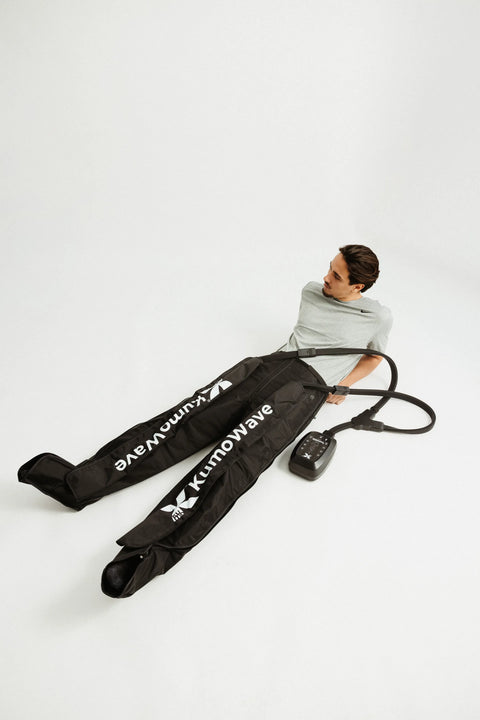
KumoWave Elite – Pressotherapy Pants
Full-coverage trousers. Ideal for lipedema, fluid retention and intensive use.
€799,00 €999,00
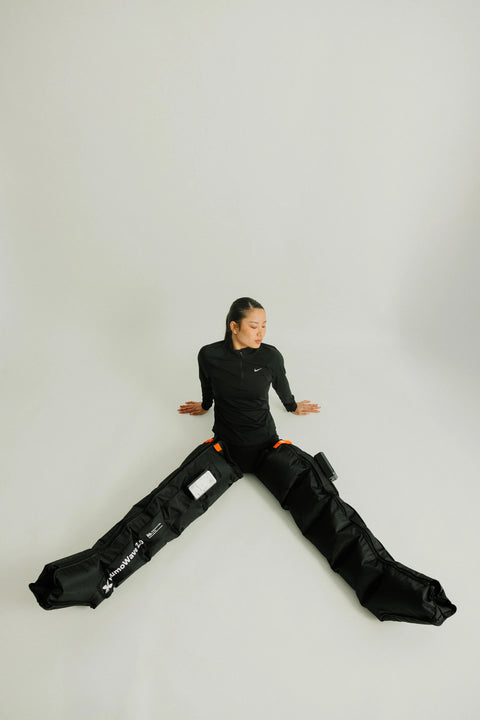
KumoWave 2.0 - Wireless Pressotherapy
Wireless, lightweight boots. Perfect for daily use and recovery.
€499,00 €599,00