Swollen legs after a long flight are not a coincidence.
If you travel frequently (for work, tours, or short trips), the combination of long periods of sitting , limited mobility, and continuous pressure on the knee area can cause blood and fluids to pool in the legs . The Mayo Clinic explains that this swelling is common and, in most cases, not serious , but it's advisable to take action to restore a feeling of lightness as soon as possible ( Mayo Clinic ).
Pressotherapy at home
End the day with light legs
★★★★★ 4,8/5 · rated by verified customers
KumoWave pressotherapy boosts circulation and helps drain fluid with sequential compression, in 20-minute sessions at home.
- Boosts circulation and helps drain fluid
- Chamber-based compression, adjustable to you
- Sequential compression that mimics manual drainage
€799,00€999,00
−10% on your 1st order when you subscribe to the newsletter

This article provides a clear and realistic (no filler) ritual to reduce post-flight swelling, with a special focus on pressotherapy (intermittent pneumatic compression) as a recovery habit, within Kumo 's wellness and performance approach.
Why do your legs swell when you fly (and why does it happen "more" if you travel a lot)
The mechanism: immobility + slower venous return
On long flights, we spend a lot of time without activating the calf muscles, which promotes venous stasis . The CDC reminds us that any trip longer than 4 hours (plane, car, bus, train) can increase the risk of problems associated with immobility and recommends moving around and exercising your legs during the journey ( CDC ).
Personalized protocol · included with your purchase
Want us to tell you how to use it in your case?
With your purchase, our experts prepare a personalized usage protocol for your case: sport, circulation, fluid retention, pregnancy or lipedema.
Message us on WhatsAppOur experts reply · no obligation
In addition, sitting with your feet on the ground for hours increases pressure in the veins of the legs and makes it easier for fluid to pass into the tissues, resulting in visible edema (swelling) in the ankles and feet ( Mayo Clinic ).
Swelling vs. warning sign
Bilateral swelling (in both legs) that improves with walking is usually benign. Even so, it's important to know how to identify signs that require medical attention. The CDC describes symptoms and risk factors for travel-related deep vein thrombosis (DVT) and recommends consulting a healthcare professional if you have risk factors or concerning symptoms ( CDC ).
The American Heart Association also summarizes population data and symptoms: pain and swelling in the leg, local heat; and, in the case of pulmonary embolism, shortness of breath, cough and chest pain ( American Heart Association, 2024 ).
on your first order when you join the newsletter
We send you the code instantly. No spam.
What is pressotherapy (intermittent pneumatic compression) and why does it fit into a “post-flight ritual”?
Simple definition (without technical terms)
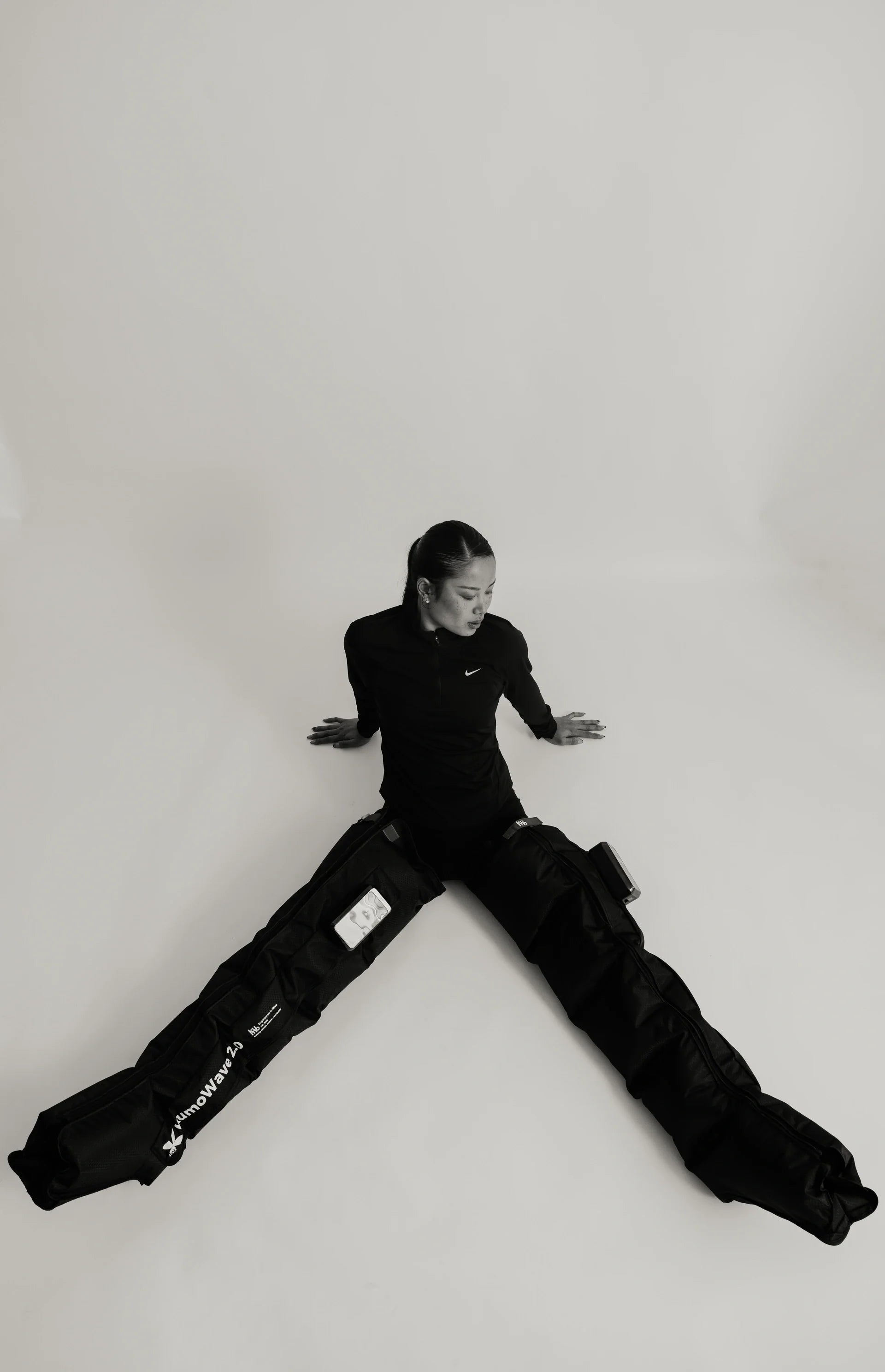
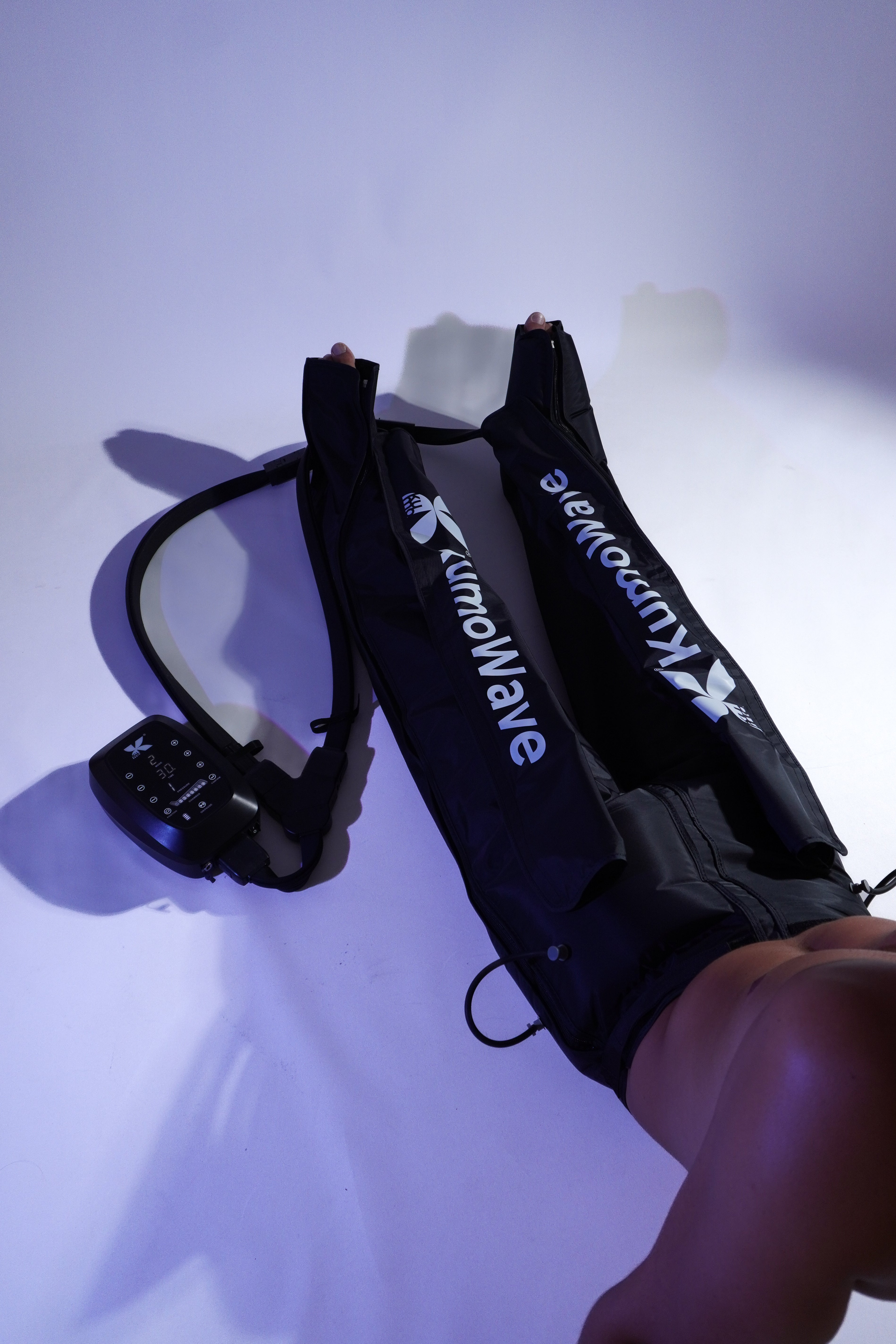
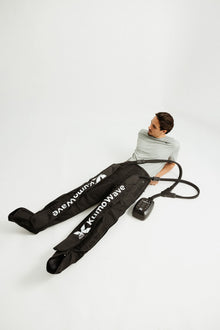
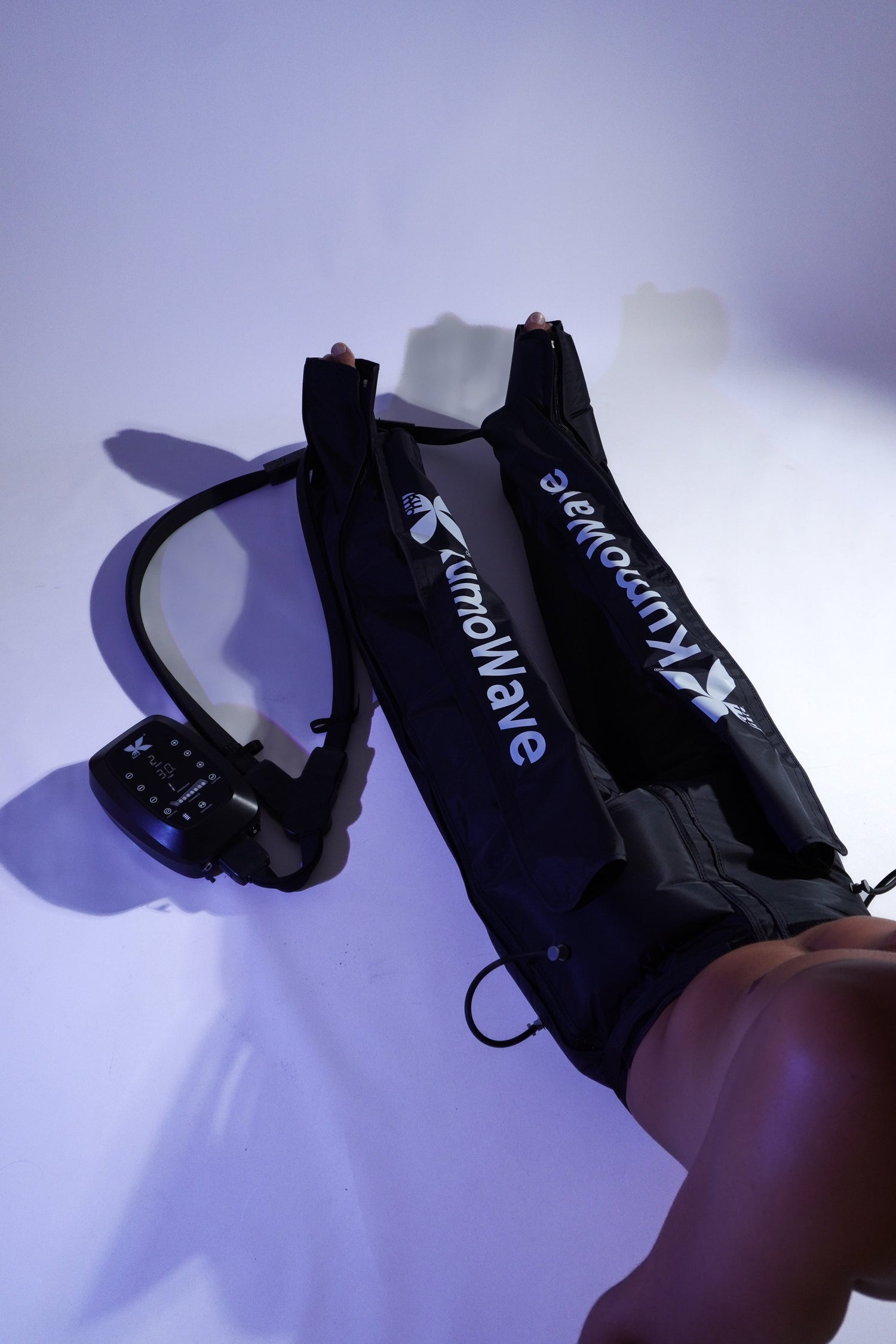
Pressotherapy uses boots or sleeves with air chambers that inflate and deflate sequentially to generate rhythmic compression in the legs. In the clinical setting, the NICE guideline describes intermittent pneumatic compression as a system designed to improve venous circulation through inflation-deflation cycles that simulate the action of the muscle pump during walking ( NICE ).
In a context of recovery and well-being (such as the one promoted by Kumo ), this type of technology is integrated as a tool to promote a feeling of lightness after many hours of sedentary behavior, especially in frequent travelers who seek consistent routines.
What you can expect (and what you can't)
- Yes: support for subjective recovery after sitting for many hours, a feeling of less "heavy" legs, and an easy-to-maintain ritual upon arriving home/hotel.
- No: This is not an emergency treatment or a substitute for medical evaluation. If you suspect DVT (marked swelling in one leg, pain, redness/warmth), do not use it and seek medical attention.
If you want to explore this category within the brand's recovery ecosystem, you can check out Kumo's compression boots (for wellness and recovery purposes).
Anti-bloating ritual: before, during and after the flight
Before the flight: prepare your venous return
- Choose an aisle seat if you can: the CDC (Yellow Book) notes that mobility and access to get up frequently are relevant, and mentions studies where aisle seating is associated with lower risk by facilitating movement ( CDC Yellow Book ).
- Clothing and footwear that do not compress (especially in the knee and ankle area).
- If you tend to swell: consider graduated compression socks. A Cochrane review (updated 2021) found that, in trials with flights >5 hours, the socks significantly reduced the incidence of asymptomatic DVT (odds ratio 0.10) and also reduced edema measured in included studies ( Cochrane, 2021 (PubMed) ).
During the flight (every 30–60 minutes): “micro-mobility”
The key is to create regular mini-stimuli so that circulation doesn't "fall asleep." The CDC recommends moving your legs frequently and walking whenever possible during long trips ( CDC ).
- Ankle pumps: toe-heel 20 repetitions.
- Calf contractions: squeeze and release 10–15 times.
- Alternating knees: gently raise one knee towards your chest 5–8 times per side.
- Short walks in the hallway when it is safe (ideally every 1–2 hours).
Upon landing (first 15 minutes): the “reset” that changes everything
- Walk 5–10 minutes (even if it's through the terminal).
- Normal hydration : The CDC (Yellow Book) indicates that maintaining hydration is reasonable, although it cannot be specifically recommended as the sole prevention of thromboembolic events ( CDC Yellow Book ).
- Avoid “blocking” yourself with alcohol or sedatives if your goal is to move and recover (Mayo Clinic also suggests this to help you get up and relieve swelling) ( Mayo Clinic ).
The Kumo post-flight ritual (30–60 minutes) to feel light legs
Quick plan in 3 phases
- Decompression (5–10 min): warm shower + gentle mobility (ankles, calves, hips).
- Pressotherapy (15–30 min): session on legs with comfortable intensity (no pain, no tingling).
- Sealing (5–10 min): Leg elevation + slow breathing (2–4 minutes) to lower the “stress mode” of the trip.
To integrate it into your recovery routine, start with the pressotherapy category at Kumo and make it a post-flight habit as automatic as charging your phone.
Table: Anti-bloating ritual according to the actual time you have
| Available time | What to do (order) | Aim | Practical tip |
|---|---|---|---|
| 15 minutes |
|
Reduce the feeling of "heaviness" upon arrival | Do it before you sit down to dinner or open your laptop |
| 30 minutes |
|
Complete routine, easy to repeat | Ideal upon arrival at the hotel or upon returning home |
| 60 minutes |
|
Premium recovery for frequent travelers | Perfect for jet lag: prioritize calm and consistency |
Accessories that enhance the ritual (without complicating things)
Graduated compression: solid evidence for long flights
If your problem is swelling during flights (not just upon arrival), the evidence is especially relevant: the Cochrane review, updated in 2021, analyzed trials of flights longer than 5 hours and reported a marked reduction in asymptomatic DVT in those who wore compression socks, as well as a reduction in edema in reported measurements ( Cochrane, 2021 ). For frequent travelers, it's a "baseline" measure that doesn't require extra time.
Localized self-massage: when the calf muscle is "rock hard"
If you land with a very tight calf or notice tight spots, a short massage can help you regain comfort while walking. As part of Kumo's recovery approach, you can complement this with a short, deep tissue massage using the KumoPulse Air (gently and avoiding painful or inflamed areas).
LED light and nighttime routine: useful if you travel with jet lag and "tense body"
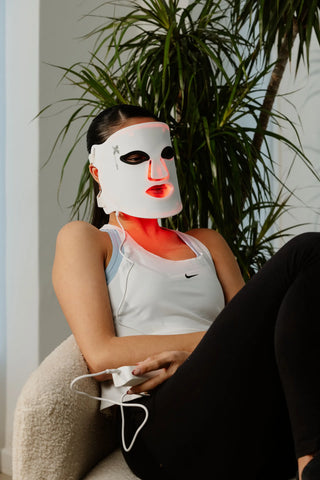
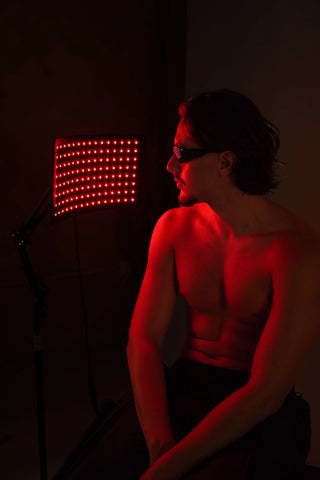
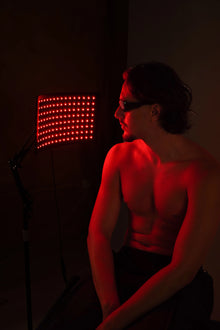
Many travelers not only experience bloating, but also general fatigue and dull skin due to jet lag. If a complete wellness ritual is your priority, you can explore LED light therapy within the Kumo ecosystem as part of a calming post-flight routine (especially on jet-lagged nights).
Precautions and “red flags”: when NOT to do pressotherapy
Pressotherapy is a wellness resource, but there are situations in which it is advisable to avoid it and consult a professional:
- Suspected thrombosis: significant swelling in one leg, pain, warmth, redness, or pain when walking; the CDC recommends seeking care and assessing risks if predisposing factors exist ( CDC ).
- Respiratory symptoms after the flight (shortness of breath, chest pain, cough): are warning signs described in medical information resources such as the American Heart Association ( AHA, 2024 ).
- Open wounds , active skin infections, or severe pain with no clear cause.
- Relevant medical conditions (e.g., heart failure, peripheral artery disease, high-risk pregnancy): confirm with your doctor whether you can use compression.
Disclaimer: This article is for informational purposes only and is not a substitute for medical advice. If you are traveling with risk factors (recent surgery, history of thrombosis, pregnancy, hormone therapy, cancer, etc.), the CDC recommends speaking with a healthcare professional about personalized preventive measures ( CDC ).
FAQ: pressotherapy and long flights (Kumo)
Does Kumo pressotherapy help with swelling after flying?
It can be a very practical tool in a post-flight routine: after hours of sitting, many people seek to restore lightness and comfort to their legs. Pressotherapy is based on intermittent pneumatic compression, a principle described in clinical guidelines for improving venous circulation through inflation-deflation cycles ( NICE ). For well-being, the key is to use it regularly: a comfortable, pain-free session, combined with walking and gentle movement. If there are any warning signs (severe pain, unilateral swelling), do not use it and consult a doctor.
How long should I wear compression boots after a long flight?
For a realistic approach, most frequent travelers benefit from a 15- to 30-minute session upon arriving home or at their hotel, after walking around a bit and stretching their ankles and calves. If you have more time (for example, an evening without meetings), you can extend the routine to 45–60 minutes by adding leg raises and slow breathing. The key is consistency: 20 repeatable minutes after each long flight are better than one “perfect” session once a month.
Is it better to use compression therapy or compression socks on the plane?
They don't compete; they serve different purposes. During flights, graduated compression socks are supported by reviews such as the Cochrane Review (updated in 2021) for reducing asymptomatic DVT on long flights and decreasing edema in reported measurements ( Cochrane, 2021 ). Compression therapy is more suitable as a post-flight tool (or on days with heavy exertion) to help you recover and support your recovery routine. If you have an increased risk of thrombosis, consult your doctor.
Can I combine Kumo pressotherapy with a massage gun after traveling?
Yes, with common sense and without aggression. A practical approach is: first, walk and do some mobility exercises; then, pressotherapy; and finally, a short massage (5–8 minutes) on the calves, soleus muscles, and thighs if you notice stiffness. Avoid areas with acute pain, bruising, or inflammation. If you want to add this layer to your routine, the KumoPulse Air can be used as a complement, prioritizing comfort and moderate pressure to avoid leaving the tissue "sensitive" the next day.
Does pressotherapy help prevent blood clots from flying?
Preventing blood clots while traveling depends on your risk profile and measures such as movement, calf exercises, seat selection, and, in selected individuals, graduated compression; the CDC and professional guidelines address this in their recommendations for travelers ( CDC Yellow Book ). Wellness compression therapy should not be presented as a method of preventing deep vein thrombosis (DVT). If you have a history of DVT, risk factors, or suspicious symptoms, the decision should be made by a doctor.
So what now?
If you want to transform your flight arrivals into a moment of recovery (instead of dragging heavy legs all week), start by integrating a simple ritual with wellness technology. Explore the Kumo collection , discover the compression therapy options, and complement your routine with tools like the KumoPulse Air or LED therapy . If you need guidance in choosing your routine, you can contact the team through the contact page.
KumoWave pressotherapy
Choose your at-home pressotherapy
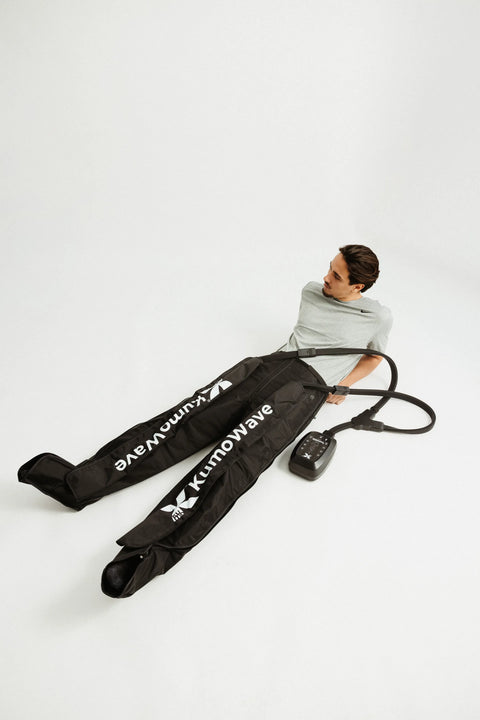
KumoWave Elite – Pressotherapy Pants
Full-coverage trousers. Ideal for lipedema, fluid retention and intensive use.
€799,00 €999,00
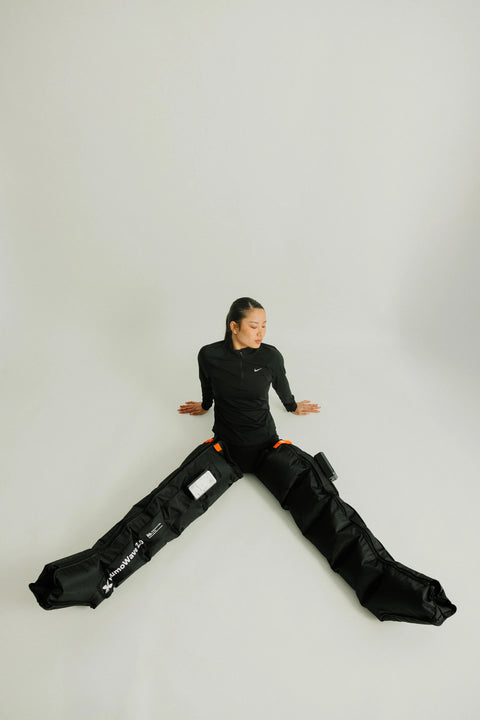
KumoWave 2.0 - Wireless Pressotherapy
Wireless, lightweight boots. Perfect for daily use and recovery.
€499,00 €599,00