
Heavy feet at the end of the day.
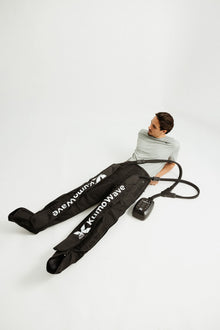
If you end up feeling fatigued, with swollen ankles, or "throbbing feet," a short pressotherapy session can be a practical way to regain lightness in just a few minutes. The idea is simple: apply sequential pneumatic compression to promote venous return and fluid management in the legs, without needing to dedicate a full hour.
Pressotherapy at home
End the day with light legs
★★★★★ 4,8/5 · rated by verified customers
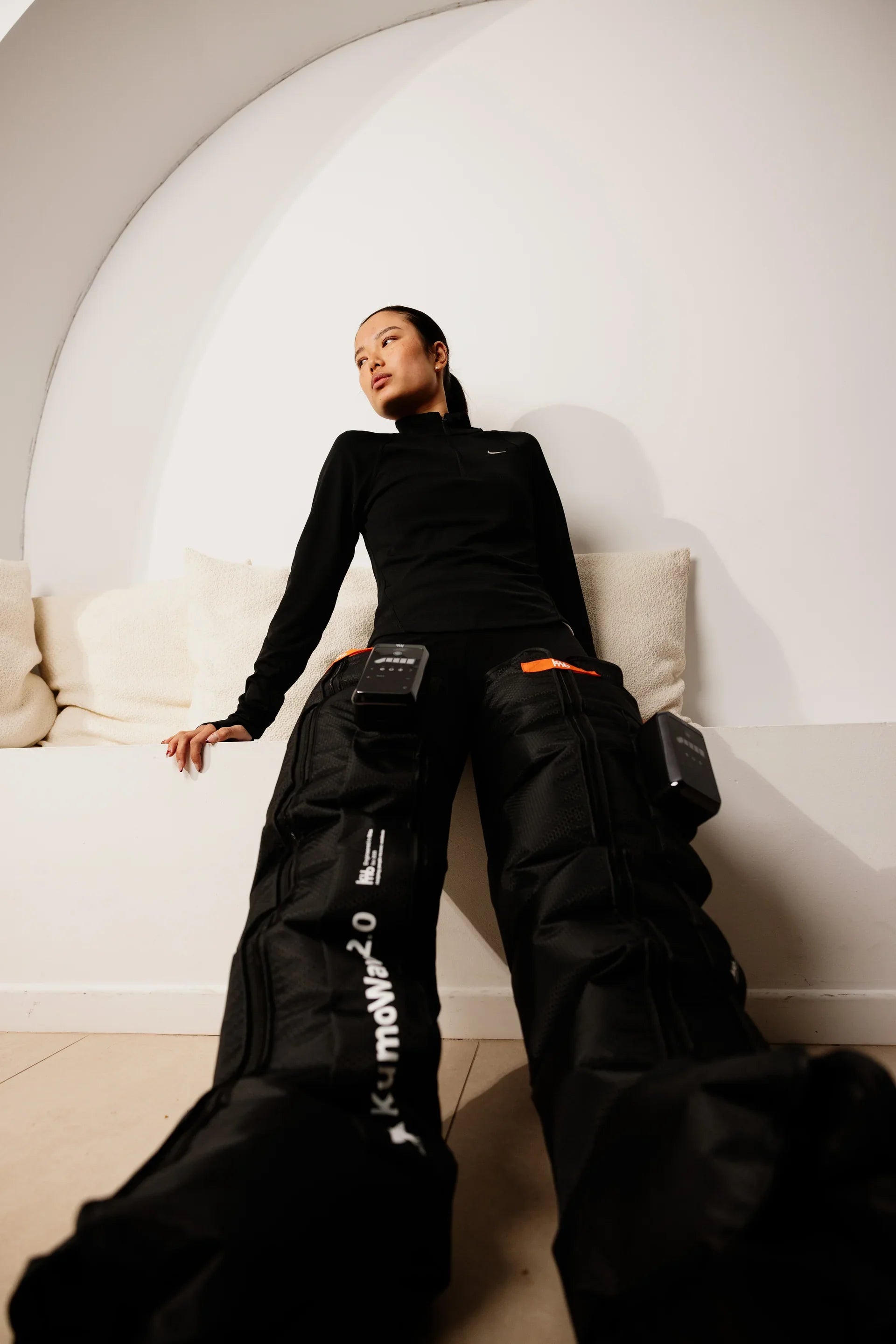
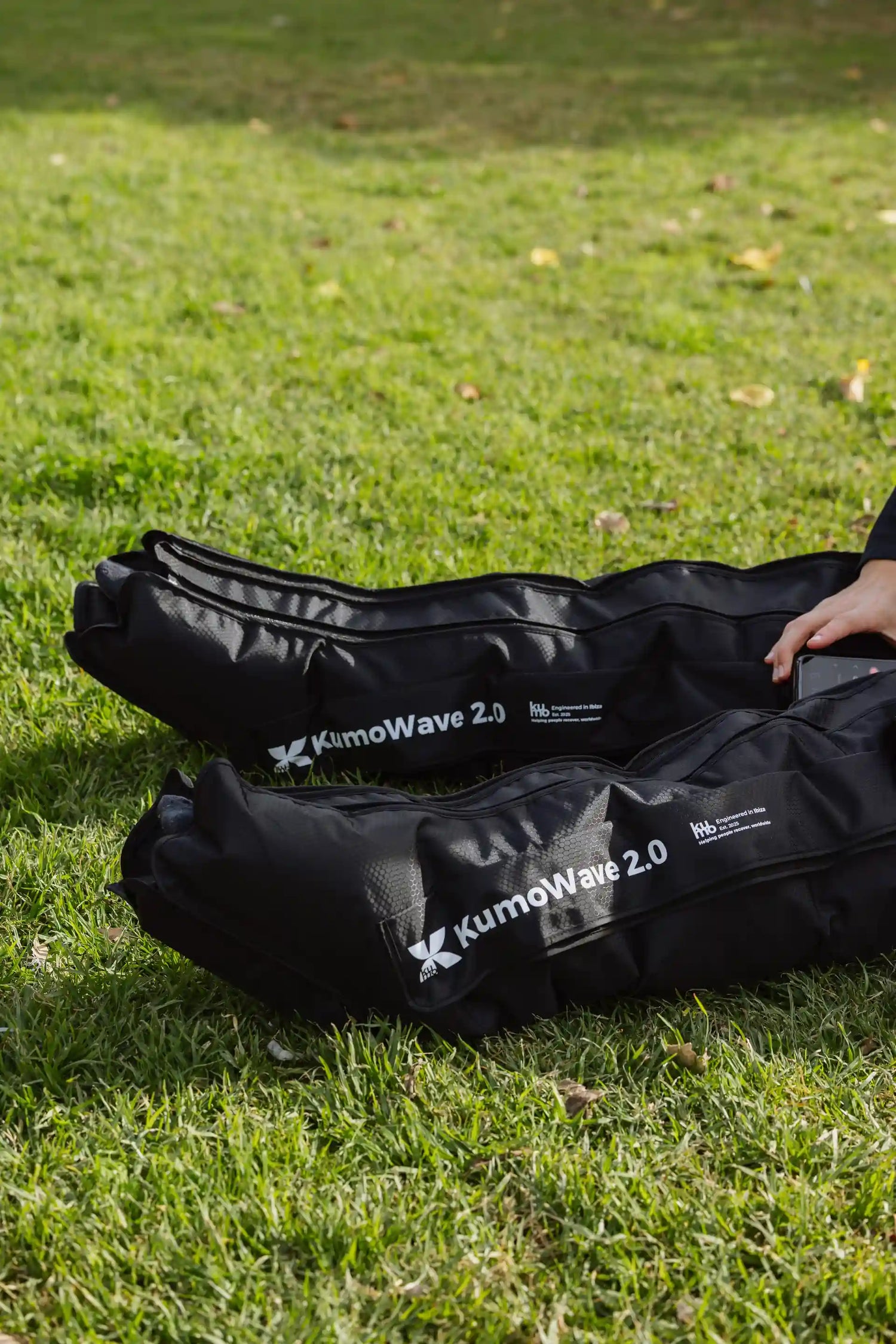
KumoWave pressotherapy boosts circulation and helps drain fluid with sequential compression, in 20-minute sessions at home.
- Boosts circulation and helps drain fluid
- Chamber-based compression, adjustable to you
- Sequential compression that mimics manual drainage
€799,00€999,00
−10% on your 1st order when you subscribe to the newsletter

At Kumo, we approach recovery as a habit: technology, comfort, and consistency. In this article, you'll find a brief protocol, tips for making it more effective, and warning signs for using it wisely.
Why feet get tired (and why it "moves up" to the legs)
The feeling of tired feet usually appears when several factors combine:
Personalized protocol · included with your purchase
Want us to tell you how to use it in your case?
With your purchase, our experts prepare a personalized usage protocol for your case: sport, circulation, fluid retention, pregnancy or lipedema.
Message us on WhatsAppOur experts reply · no obligation
- Many hours standing or walking (hospitality, retail, events).
- Many hours sitting (remote work, car, plane): less movement = less muscle "pump."
- Heat and dehydration: promote vasodilation and the feeling of heaviness.
- Training (running, strength, jumping sports): muscle micro-loading and perception of stiffness.
- Fluid retention or occasional peripheral edema.
When there is a lack of movement, the "pumping effect" of the leg muscles decreases, and swelling in the ankles and feet can increase; this is why it is recommended to frequently move the ankles and feet to help prevent fluid accumulation. (dchft.nhs.uk)
If swelling is frequent or noticeable, it is advisable to review possible causes and basic measures (elevation, habits, etc.). MedlinePlus describes swelling of the ankles, feet, and legs and suggests, among other measures, elevating the legs. (medlineplus.gov)
What is pressotherapy and how can it help tired feet?
Pressotherapy = intermittent pneumatic compression (sequential)
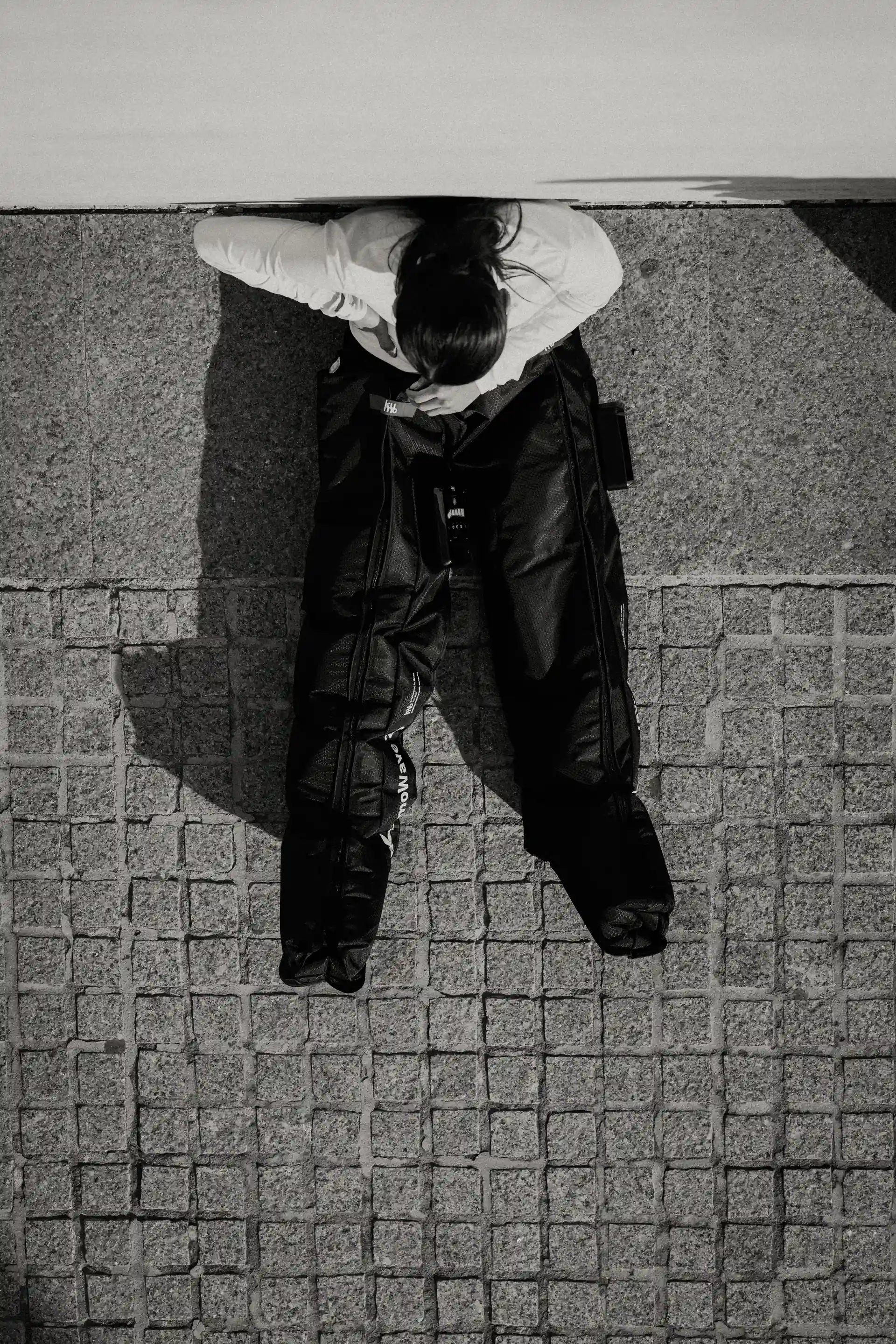
Pressotherapy in the form of boots relies on a principle also used in clinical settings: sequential pneumatic compression applies pressure in sections (from distal to proximal) to increase venous flow and circulation. (accessdata.fda.gov)
on your first order when you join the newsletter
We send you the code instantly. No spam.
In wellness practice, the goal is not to "treat an illness" but to reduce the feeling of heaviness and improve the perception of recovery after a long day or a training session.
What most people can notice (without magic promises)
- Feeling of lightness immediately or within the hour after.
- Less stiffness in calves/ankles (especially if you were still for a long time).
- Better "leg rest" (because it forces you to stop and recover).
- applied pressotherapy for 15 minutes after plyometric exercise and observed improvements in markers of delayed onset muscle soreness and recovery of muscle condition compared to control. ( pubmed.ncbi.nlm.nih.gov ) Furthermore, a broad review on the use of pneumatic compression boots as a recovery method (published in
- synthesizes the available literature and protocols used in studies. ( pubmed.ncbi.nlm.nih.gov )
Short and effective session: 12–20 minute protocol (step-by-step)
A brief session works best if it is consistent and if you respect two ideas: start gently and combine it with movement + elevation.
1) Preparation (1–2 minutes)
- Hydration: a glass of water before or after.
- Position: sitting or lying down, comfortable back, relaxed legs.
- Skin: avoid using it on injured skin or uncovered wounds (see contraindications). (accessdata.fda.gov)
2) Adjustments: less is more at first
If it's your first week, prioritize:
- Sequential/gradient mode (if your equipment offers it).
- Low to moderate intensity (without numbness or pain).
- Short duration (12–15 min) and gradually increase if it feels good.
3) Recommended duration according to objective (indicative)
In therapeutic contexts such as lymphedema, a systematic review (2018) found results with pressures of 30–60 mmHg and durations of 45–60 minutes in sequential programs, although the quality of evidence was limited/moderate. (pubmed.ncbi.nlm.nih.gov)
For tired feet (wellness), it is not always necessary to reach 45–60 minutes. In fact, there are research protocols in sports recovery with 15 minutes per session (2025). (pubmed.ncbi.nlm.nih.gov) Therefore, a practical range for home use is 12–20 minutes, adjusting to sensations.
Quick table: 3 typical short sessions (tired feet)
| Situation | Duration | Pressure sensation | Ideal time | Extra that enhances the effect |
|---|---|---|---|---|
| End of day (many hours standing) | 15–20 min | Low → moderate | Upon arriving home | 2–3 min of gentle walking + 5 min elevation |
| Remote work/sedentary (legs "switched off") | 12–15 min | Low | Between afternoon and evening | Ankle mobility before (30–60 s) |
| Post-workout (running/gym) | 15 min | Moderate (if no discomfort) | After shower or at the end of the day | Slow breathing 3 min + gentle calf stretches |
4) Closing (2–5 minutes): "sealing" the lightness
- Get up and walk for 1–2 minutes around the house.
- Elevate legs for a few minutes if you tend to swell (above heart level whenever possible). (medlineplus.gov)
How to make it even more effective (without extending the session)
Anti-swelling micro-movements: 60 seconds of pure gold
Pressotherapy helps, but the body has a "free" tool: moving ankles and activating calves. For travel or long periods of sitting, the CDC recommends exercising the calf and stretching the legs (e.g., raising/lowering heels or toes) to reduce the risk of circulatory problems during travel. (wwwnc.cdc.gov)
Do this mini-block before putting on your boots:
- 20 ankle "pumps" (toe-heel).
- 10 ankle circles per side.
- 10 strong calf contractions (squeeze/release).
Combine recovery technologies (without mixing everything at once)
If you're looking for a complete wellness routine, you can alternate (depending on tolerance and time):
- Pressotherapy for the feeling of lightness in legs and feet (see the pressotherapy collection).
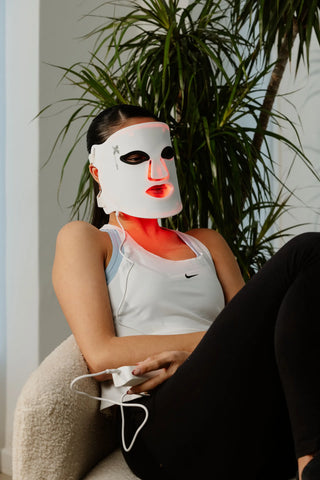
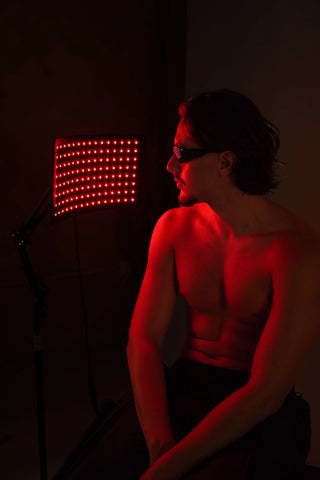
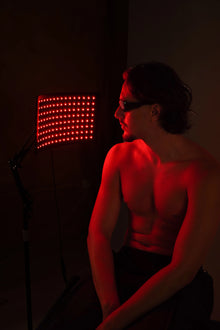
- LED Therapy as part of a care and regeneration routine (discover LED light therapy).
- Self-massage occasionally on calves and foot soles with a massage gun, if you tolerate it well (for example, KumoPulse Air).
Practical tip: if your feet are very sensitive, avoid high massage intensities on the sole. Better a gentle and short calf/soleus massage.
When NOT to use pressotherapy (or when to seek medical advice)
Pressotherapy is not for everyone. Regulatory documentation for sequential compression systems describes contraindications such as: severe arteriosclerosis or ischemic vascular disease, suspected deep vein thrombosis/pulmonary embolism/phlebitis, congestive heart failure, use on open skin or uncovered wounds, and massive edema, among others. (accessdata.fda.gov)
Additionally, consult promptly if any of these signs appear:
- Swelling of only one leg with pain, warmth, redness, or unusual tenderness.
- Shortness of breath, chest pain, or sudden symptoms (emergencies).
- Progressive worsening of swelling, or if accompanied by general symptoms.
Pressotherapy and travel: a "short session" that makes sense
If your feet get tired when traveling, you're not alone: the CDC reminds that over 300 million people take long-haul flights each year (generally >4 hours) and recommends measures such as occasional walking and calf exercises while seated. (cdc.gov)
Express routine upon arrival (10–15 min): quick shower, 60 s ankle mobility, gentle pressotherapy, and 3–5 min elevation.
A Kumo approach: making recovery a habit
The greatest benefit of a short session is adherence: if you can do it 3–5 days a week without it taking up too much time, you are more likely to notice changes in how you "end your day." At Kumo, we are committed to tools that fit into real life: simple, pleasant, and repeatable use.
The key is not to press harder, but to do it better: tolerable intensity, sufficient time, and complementary habits (movement, elevation, rest).
FAQ: frequent questions about pressotherapy for tired feet (Kumo)
How long should a Kumo pressotherapy session last for tired feet?
For feet fatigued by daily life, a short session of 12 to 20 minutes usually works well, especially if you do it with low or moderate intensity and combine it with 1 minute of ankle mobility beforehand and a couple of minutes of walking afterward. As a reference, in sports research, 15-minute protocols have been used after exercise with positive results in the recovery of muscle discomfort (2025). (pubmed.ncbi.nlm.nih.gov) Always adjust to sensations and follow your equipment's instructions.
Can I use pressotherapy every day if my feet hurt or swell?
Many people use it daily for well-being, but the smartest approach is to start with 3–4 days a week and observe how your feet respond (lightness, sleep, sensitivity). If you notice numbness, pain, or increased swelling, reduce intensity or frequency. And if your swelling is frequent or significant, review possible causes: MedlinePlus details ankle and foot swelling and basic measures such as elevation. (medlineplus.gov) For medical concerns, consult a doctor.
Does pressotherapy help with ankle swelling after sitting for many hours?
It can help improve the feeling of heaviness, but it doesn't replace the essential: moving. For travel or long periods of sitting, the CDC recommends getting up or walking occasionally and doing calf and ankle exercises while seated to promote blood flow in the legs. (wwwnc.cdc.gov) If you arrive with swollen ankles, a gentle, short session (12–15 min) plus a few minutes of elevation usually fits well into a comfort routine.
What pressure or intensity is "safe" for home use pressotherapy?
There is no single valid figure for everyone: it depends on your tolerance, your goal, and the device. In therapeutic settings (e.g., lymphedema), a systematic review (2018) reported protocols with 30–60 mmHg and durations of 45–60 minutes in sequential programs. (pubmed.ncbi.nlm.nih.gov) For tired feet, more comfortable intensities and shorter times are usually sufficient. Practical rule: pleasant pressure, without pain or tingling, and always following the equipment manual.
When should I avoid pressotherapy even if I want to "unburden" my feet?
Avoid it if you have signs compatible with a significant vascular problem or if a professional has advised you otherwise. Documentation for sequential compression devices lists contraindications such as suspected deep vein thrombosis, congestive heart failure, severe arterial disease, and use on open skin without adequate covering, among others. (accessdata.fda.gov) If there is unilateral swelling with pain/warmth/redness, prioritize medical evaluation.
What now?
If you want to turn recovery into an easy ritual (and not another task), explore pressotherapy boots and complement your routine with LED light therapy or a massage tool like KumoPulse Air. If you have questions about which solution best suits your needs, you can write to us from the contact page.
KumoWave pressotherapy
Choose your at-home pressotherapy
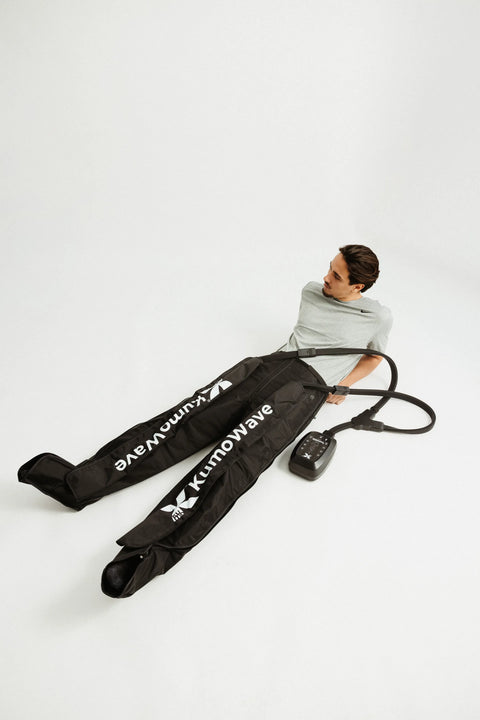
KumoWave Elite – Pressotherapy Pants
Full-coverage trousers. Ideal for lipedema, fluid retention and intensive use.
€799,00 €999,00
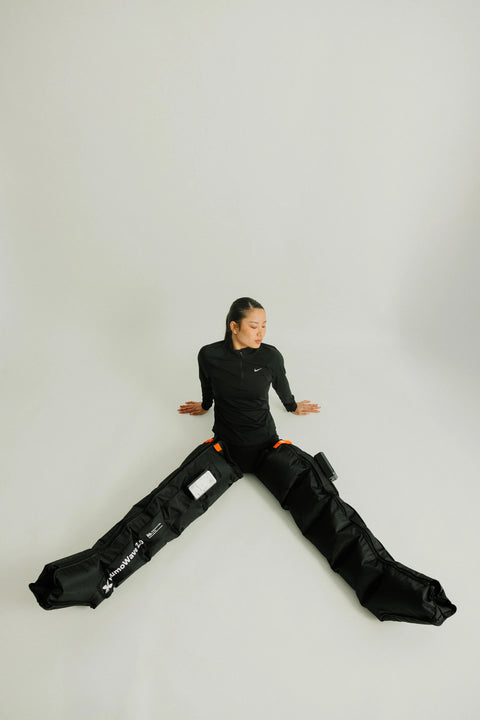
KumoWave 2.0 - Wireless Pressotherapy
Wireless, lightweight boots. Perfect for daily use and recovery.
€499,00 €599,00