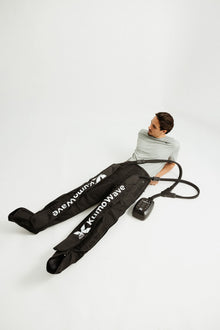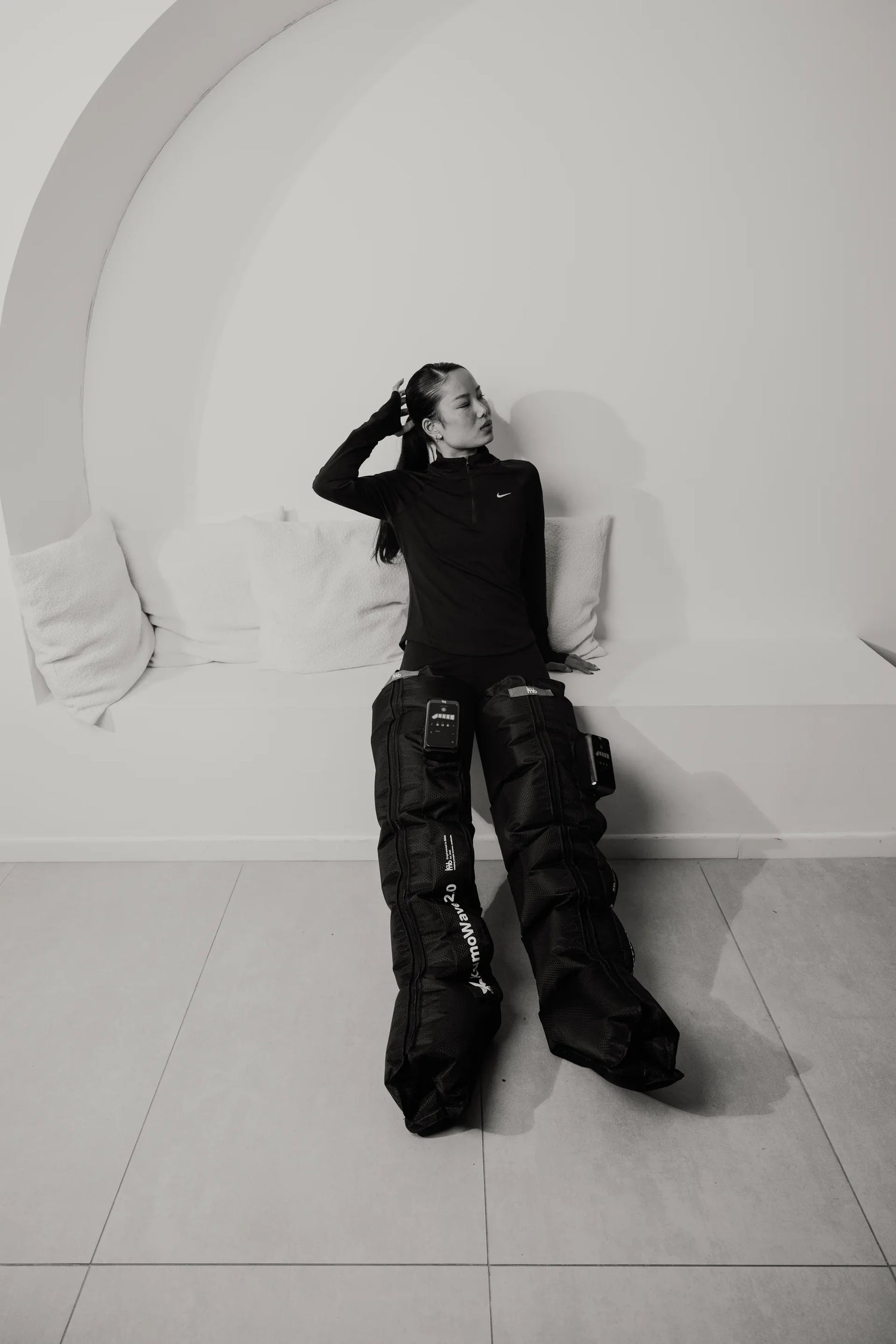
Pressotherapy for tight hamstrings works best when you adjust pressure and time judiciously.
If you feel tightness in the back of your thigh (hamstrings) and are looking for clear guidance on how to use pneumatic compression boots (pressotherapy), here is a practical guide: what settings are usually best tolerated, how long per session, how to progress, and what to combine to truly reduce the sensation of "shortening." Additionally, we'll apply it to a modern recovery routine, Kumo style.
Pressotherapy at home
End the day with light legs
★★★★★ 4,8/5 · rated by verified customers
KumoWave pressotherapy boosts circulation and helps drain fluid with sequential compression, in 20-minute sessions at home.
- Boosts circulation and helps drain fluid
- Chamber-based compression, adjustable to you
- Sequential compression that mimics manual drainage
€799,00€999,00
−10% on your 1st order when you subscribe to the newsletter

What it means to have tight hamstrings (and when it’s not the muscle)
Muscle shortening vs. neural tension (sciatic nerve)
Not all "tightness" behind the thigh is a shortened hamstring. In sports rehabilitation, it is considered that part of this sensation may come from neural tension (e.g., from the sciatic nerve), and in these cases, forcing intense stretches is often not the best idea. A clinical rehabilitation protocol for hamstrings (Mass General) even advises limiting hamstring stretching in early stages and suggests that, if neural tension exists, it may be more appropriate to work with neural glides/flossing instead of "stretching harder." (massgeneral.org)
How this translates to pressotherapy: Pressotherapy can improve the feeling of "unloaded" and lighter legs, but if your main problem is neural (tingling, symptoms that "travel," sciatica-like sensitivity), the strategy should not be "increase pressure and endure."
Personalized protocol · included with your purchase
Want us to tell you how to use it in your case?
With your purchase, our experts prepare a personalized usage protocol for your case: sport, circulation, fluid retention, pregnancy or lipedema.
Message us on WhatsAppOur experts reply · no obligation
Signs that it’s advisable to evaluate before compressing
- Acute pain in the hamstring (sharp pain, tear, recent bruise) or clear loss of strength.
- Tingling, numbness, electric pain, or pain radiating down the leg.
- Marked swelling of one leg, local heat, or redness (seek medical advice).
- Worsening after stretching or after compression (this is not "normal": adjust or stop).
What pressotherapy can offer for the back of the thigh
Mechanism: venous return, lymphatic flow, and a feeling of relief
Pressotherapy (or intermittent pneumatic compression) is used in clinical and recovery settings because it applies inflation/deflation cycles that partially "mimic" the effect of the leg's muscle pump, helping fluid movement. In hospitals, it is used to promote venous blood flow and help prevent blood clots in situations of immobility, and it is also used in the management of lymphedema under clinical indication. (hopkinsmedicine.org)
What it DOES NOT do: it does not "lengthen" the hamstring on its own
Important: Pressotherapy does not replace mobility work, strength training (especially eccentric), lumbopelvic control, or load management. It can improve the perception of recovery and heaviness, but "tight hamstrings" are usually multifactorial (fatigue, stiffness, motor control, neural tension, sedentary lifestyle, etc.).
Simple rule: Pressotherapy should feel like a firm, pleasant massage, not pain, tingling, or numbness. If it hurts, reduce pressure or stop the session.
−10%on your first order when you join the newsletter
We send you the code instantly. No spam.
What the evidence says (without hype)
In sports, the results are promising but not definitive: a systematic review with meta-analysis (2024) on intermittent pneumatic compression in sports recovery concludes that the evidence is still "nascent" due to the variety of protocols, but reports subjective improvements (fatigue/pain/DOMS) at certain times. In their meta-analysis, the effect on pain and muscle soreness ranged from small to moderate depending on the time point (e.g., around 48 h post-exercise showed a greater effect than at other times), while effects on performance/function tended to be less consistent. (pmc.ncbi.nlm.nih.gov)
It is also useful to know that the studies included used very different protocols (e.g., 15–60 minutes, pressures around 70–100 mmHg in several trials, and in some cases very high pressures), so the best practice for home use is to start conservatively and progress according to tolerance. (pmc.ncbi.nlm.nih.gov)
Safety: contraindications and basic precautions
When to avoid it or seek medical authorization
Intermittent pneumatic compression is considered a useful technique, but it is not for everyone. In healthcare settings, contraindications and cautionary situations are described (e.g., untreated or recent deep vein thrombosis, acute skin infections such as cellulitis, uncontrolled heart/kidney/liver failure, ischemic vascular disease, severe peripheral neuropathy, open wounds, etc.). If you have a history or doubts, consult a professional before using pressotherapy boots. (wsh.nhs.uk)
Signs to stop the session
- Numbness, tingling, acute pain, or "electric" sensation. (wsh.nhs.uk)
- Pain under the cuff, worrying discoloration changes, or severe skin irritation.
- Sudden shortness of breath or chest pain (emergency). (wsh.nhs.uk)
Key settings: pressure, programs, and times (what really makes a difference)
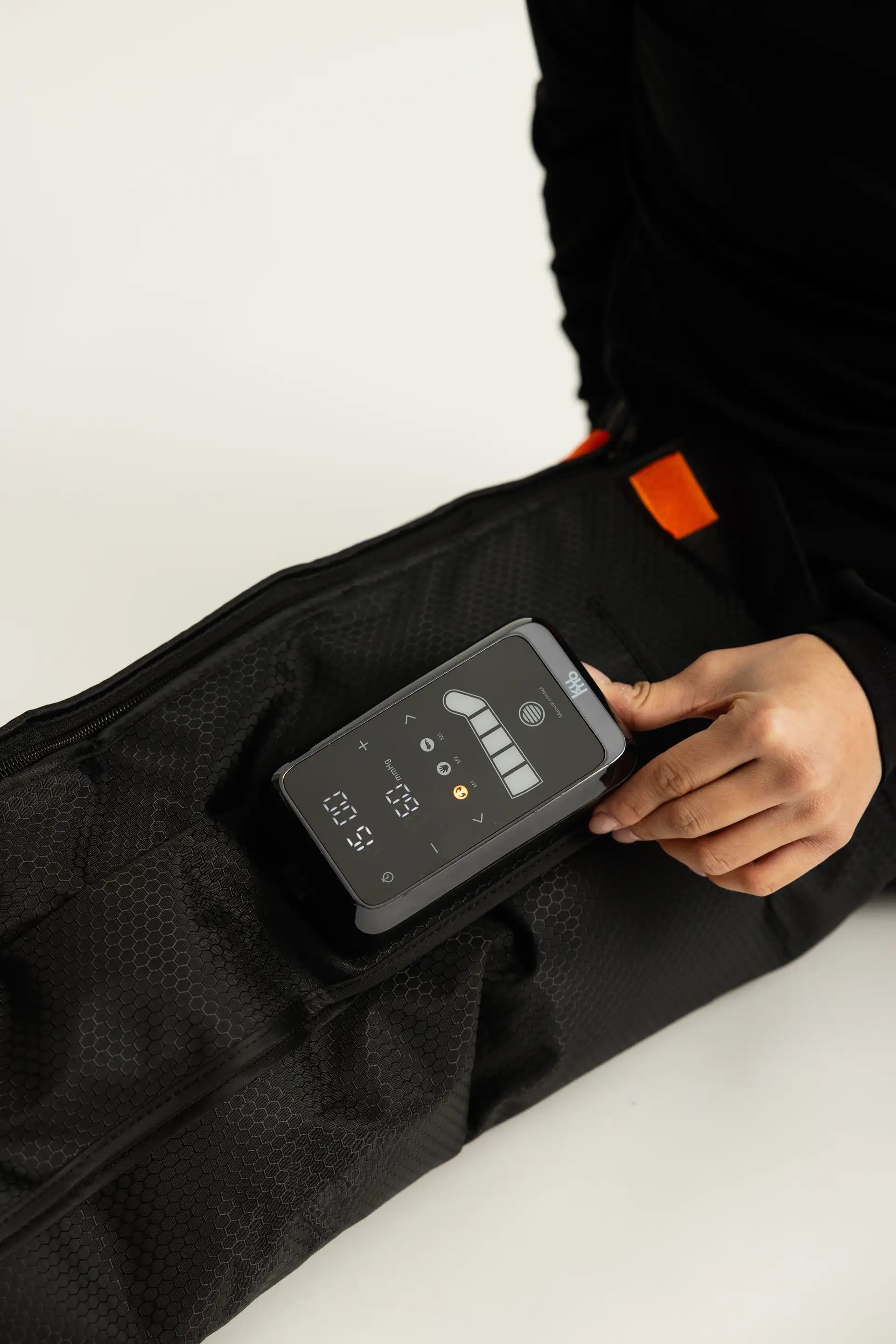
Pressure (mmHg): how to choose without overdoing it
In the literature and technical device documentation, wide pressure ranges appear. For example, a public FDA document on a pneumatic compression system describes operating modes with adjustable values that can reach 30–120 mmHg in some equipment. (accessdata.fda.gov)
And in physiological research, it is mentioned that commercial devices usually operate in approximate ranges of 65–120 mmHg (depending on the design and objective), with repeated compression cycles. (pmc.ncbi.nlm.nih.gov)
For tight hamstrings ("recovery" use): In practice, it is most sensible to prioritize tolerance and consistency:
- Conservative start: low to moderate (sensation 4–6/10 intensity, without pain).
- Progression: increase only if you feel lighter legs afterwards and there is no rebound stiffness/pain the next day.
- More pressure is not always more effective: the goal is not to "crush" the muscle, but to promote circulation and a feeling of relief.
Cycles and rhythm: why cadence matters
Cycles are as important as pressure. Clinically, it is described that the sleeves can inflate and deflate every 20 to 60 seconds (depending on the equipment and mode), which gives you a hint: pressotherapy is intermittent, not a constant "fixed squeeze." (my.clevelandclinic.org)
Furthermore, research shows how the inflation/deflation time changes fluid dynamics: not everything is achieved with very short inflations, and times influence how interstitial fluid moves. (pmc.ncbi.nlm.nih.gov)
Duration and weekly frequency
In the sports trials compiled in the 2024 review, typical sessions of 15 to 60 minutes (and sometimes more) are seen, with pressures frequently around 70–100 mmHg in various protocols, although the variety is high. (pmc.ncbi.nlm.nih.gov)
At home, for "heavy hamstrings" due to training or sedentary lifestyle, a sustainable routine usually works best: short/medium sessions, regular, and combined with mobility and strength.
Guidance protocols for tight hamstrings (according to your goal)
Table of recommended settings (starting point)
Note: These ranges are guidelines (not medical prescription). If your device allows adjustment by zones (foot/calf/thigh), prioritize comfortable compression in the thigh without a "pinching" sensation behind the knee.
| Objective | Suggested pressure | Time | Recommended mode | When to use it |
|---|---|---|---|---|
| Post-workout recovery (heavy legs) | Low–moderate (subjective 4–6/10) | 20–30 min | Sequential/waves (intermittent) | Within 2–6 hours after training or in the evening |
| DOMS/muscle soreness (24–48 h) | Moderate (no pain, no tingling) | 25–40 min | Gentle sequential + pause | The next day and/or 48 hours later |
| "Reset" on rest day | Low | 15–25 min | Relaxation/flow | Before gentle mobility or a walk |
| Before mobility/stretches (not as main warm-up) | Very low | 10–15 min | Gentle | To reduce stiffness sensation, then active mobility |
| Office day or travel | Low | 20–30 min | Comfortable sequential | Upon returning home; complement with a walk |
Example 1: after a strength training session (hip hinge / hamstring)
- Boots: 20–30 min at a comfortable intensity.
- Breathing and posture: lying on your back, knees slightly bent if your lower back gets strained, and focus on abdominal relaxation.
- After: 5 min gentle walk + hip mobility (see routine below).
If your workouts include Romanian deadlifts, good mornings, or sprints, your hamstrings can feel "stiff" due to eccentric loading. In that context, pressotherapy is a good complement for a feeling of relief, but "real change" is consolidated by sleep, nutrition, and load progression.
Example 2: runner with muscle soreness 24–48 h
The 2024 meta-analysis suggests that subjective improvement in pain/DOMS may be more noticeable at certain times (for example, around 48 h post-exercise, with larger effect sizes than at 24 or 72 h). (pmc.ncbi.nlm.nih.gov)
- Session 1 (24 h): 20–30 min gentle/moderate.
- Session 2 (48 h): 25–40 min moderate if session 1 went well.
- Extra: 15–25 min walk (low intensity) for natural "muscle pump."
Example 3: office day or long trip
In contexts of immobility, pneumatic compression devices are used in healthcare precisely to help venous flow in the legs. (hopkinsmedicine.org)
For a day spent sitting (without clinical objectives), use a comfortable session when you get home and prioritize: hydration, a gentle walk, and hip mobility. Avoid the temptation to "compensate" eight hours of sitting with very aggressive compression.
How to integrate Kumo into your routine (without turning it into an endless ritual)
Kumo's philosophy is clear: aesthetics, technology, and performance to make recovery a habit. If you are building your recovery "stack," the foundation is usually: compression + mobility + (optional) tissue work + light.
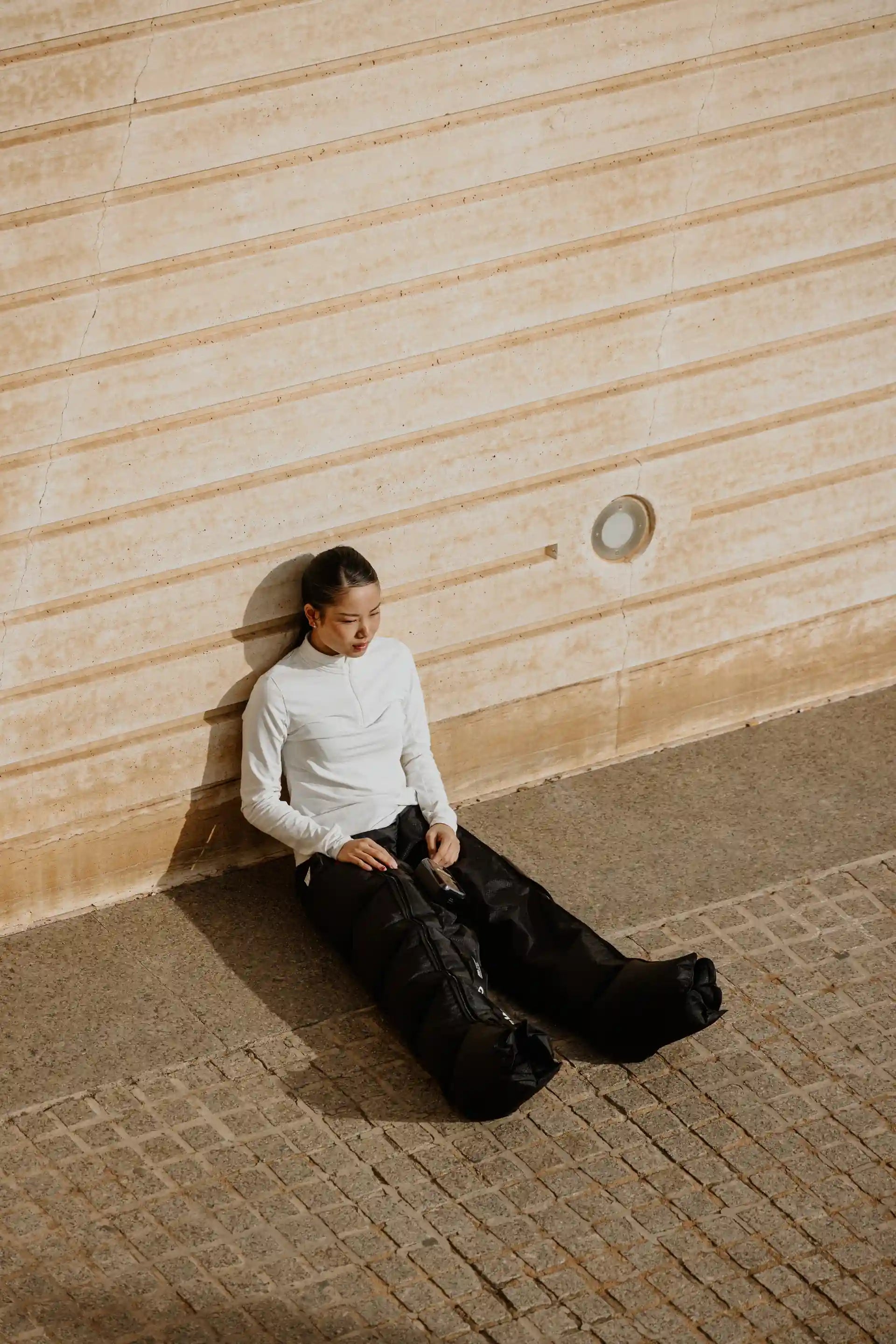
- For compression: explore Kumo's pressotherapy collection.
- To release local tension: controlled percussive massage (without overdoing it) like KumoPulse Air can help relax the posterior chain (glute, hamstring, calf) without relying solely on stretching.
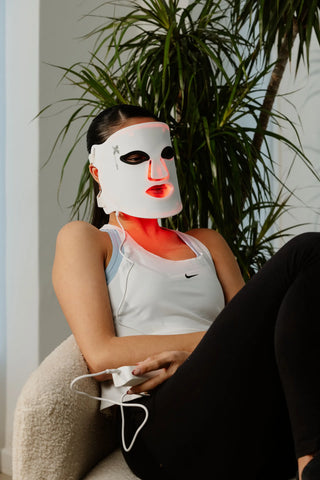
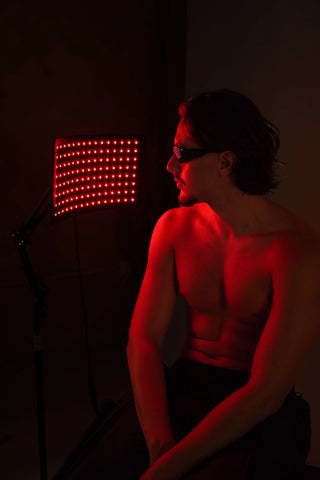
- For a more complete "recovery" approach: LED light therapy (including red light) is often integrated into wellness and recovery routines, especially on high-load days.
Mini-routine (12 minutes) after pressotherapy to truly "loosen" hamstrings
Pressotherapy reduces the "noise" (perceived heaviness/stiffness). Afterwards, your goal is to teach your body to move with less tension.
- 2 min: walk around the house (steps, gentle toe-to-heel raises).
- 3 min: unloaded hip hinge (8–10 slow repetitions) + assisted squat (6–8 reps).
- 3 min: glute bridge (2 sets of 8–10) with a 2-second hold at the top.
- 2 min: dynamic hamstring mobility (controlled front kick, comfortable range).
- 2 min: if you suspect neural tension, choose gentle neural glides (without pain), instead of long, intense stretches. (massgeneral.org)
Common mistakes (and how to correct them)
-
Mistake: increasing pressure until you "can take it."
Correction: reduce pressure and increase consistency (more comfortable sessions, less heroism). -
Mistake: using pressotherapy as a substitute for hamstring and glute strength.
Correction: add 2 days/week of strength training (hinge + progressive eccentrics) if you train. -
Mistake: compressing with numbness or tingling.
Correction: stop, check size/placement, and rule out neural tension or excessive compression. -
Mistake: not checking skin or using cuffs that are too tight.
Correction: it should fit snugly but without pain; in a healthcare setting, it is recommended to be comfortable and not "hurt," with correct placement and skin monitoring. (hopkinsmedicine.org)
FAQ: Kumo pressotherapy for tight hamstrings
What pressure should I use in Kumo pressotherapy boots if my hamstrings are very tight?
Start with low to moderate pressure that feels like a firm massage (intensity 4–6/10), without pain or tingling. Sports evidence uses varied protocols, and there is no universal "magic number"; also, technical documentation shows that some devices allow wide ranges (up to 120 mmHg), but that doesn't mean you need that for recovery. If you feel relief afterwards and don't worsen the next day, you can gradually progress. If numbness appears, reduce pressure or stop. (accessdata.fda.gov)
How long should I do pressotherapy to feel less tightness in my hamstrings?
As a starting point, 20–30 minutes is usually a practical range for "unloading" after training or a sedentary day. In sports studies, sessions from 15 minutes up to 60 minutes (and more) have been used, with clearer results in subjective measures than in performance. An efficient strategy is: moderate and regular sessions (e.g., 3–5 times a week) always followed by active hip and posterior chain mobility. If your goal is true flexibility, combine it with strength and motor control: pressotherapy alone does not "lengthen" the muscle. (pmc.ncbi.nlm.nih.gov)
Can I use Kumo pressotherapy if I feel it's not "hamstring" but more like a nerve pull?
If the sensation is accompanied by tingling, sharp pains, electric pain, or symptoms radiating down the leg, there could be neural tension (e.g., from the sciatic nerve). In that scenario, it is not advisable to use pressotherapy as if it were a purely muscular problem or to seek high intensities. Prioritize very comfortable pressure or stop and consult a professional if symptoms persist. Hamstring rehabilitation considers that, if neural tension exists, it may be more appropriate to use neural glides instead of aggressive hamstring stretching. (massgeneral.org)
Which mode is better: sequential, waves, pulse...?
For "tight hamstrings" due to load or stiffness, a sequential/intermittent mode (distal to proximal) that feels relaxing and sustained is usually more suitable. Clinically, intermittent operation with inflation/deflation cycles is described (e.g., every 20–60 seconds in some systems), which is usually more tolerable than sustained fixed pressure. If your device offers several programs, choose the one that allows you to finish with a feeling of lightness, without skin irritation or numbness. The optimal choice depends on your tolerance and the context of use. (my.clevelandclinic.org)
What other Kumo products would I combine it with for complete recovery?
If you are already building a "full" recovery routine, a layered approach is most consistent. First, pressotherapy (boots) for a feeling of relief and circulation; then, 8–12 minutes of mobility/activation so that the nervous system "accepts" the new range. If local work helps you, you can add controlled percussive massage to the glute and hamstring (without overdoing it, and avoiding areas with neural symptoms). And if you like a technological approach, red light/LED therapy is often integrated into wellness and recovery routines on high-load days. All without replacing sleep, nutrition, and training progression.
What now?
If you want to put this guide into practice, you can explore Kumo's pressotherapy boots and build a simple routine with mobility and strength. To complete your recovery "ecosystem," check out KumoPulse Air and LED therapy. And if you have questions about which option suits your use (training, travel, daily wellness), contact the team from the contact page.
KumoWave pressotherapy
Choose your at-home pressotherapy
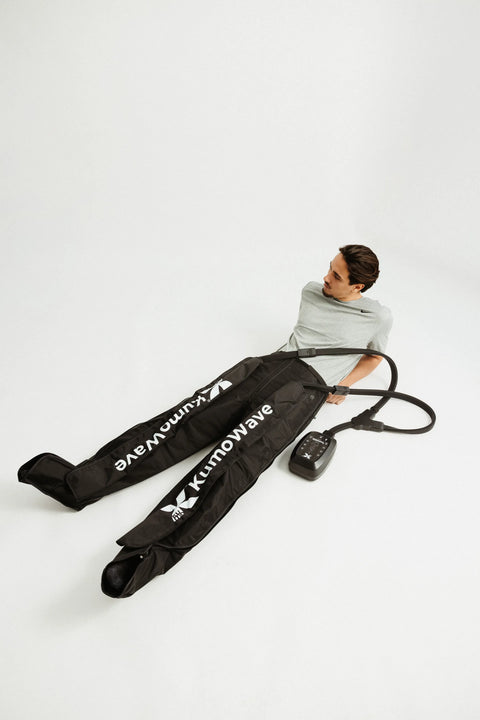
KumoWave Elite – Pressotherapy Pants
Full-coverage trousers. Ideal for lipedema, fluid retention and intensive use.
€799,00 €999,00
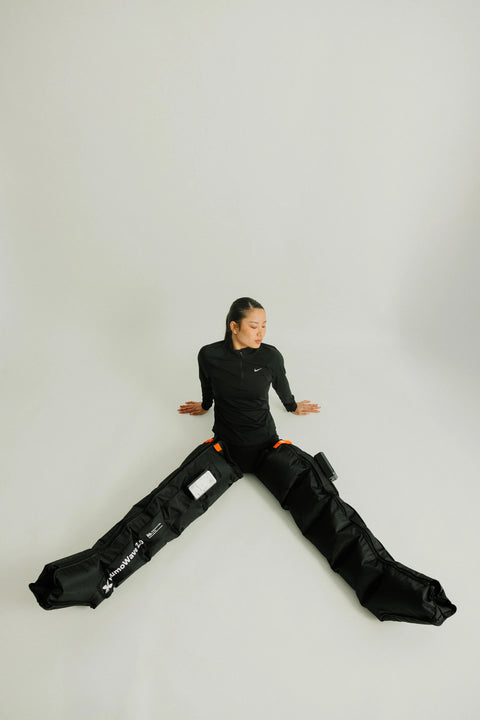
KumoWave 2.0 - Wireless Pressotherapy
Wireless, lightweight boots. Perfect for daily use and recovery.
€499,00 €599,00