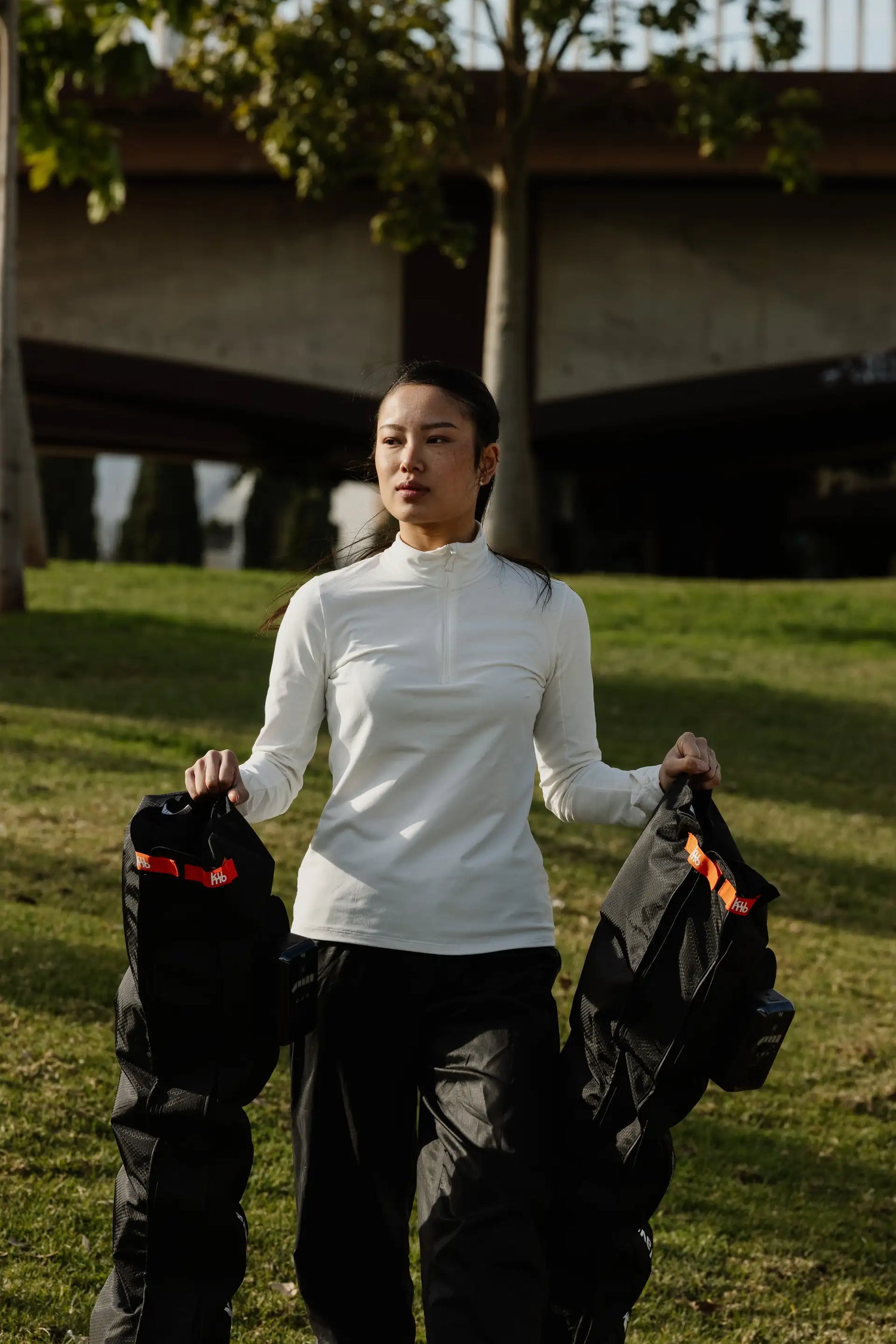
Pressotherapy can help you feel like your legs are "lighter" for your next training session.
In football, when you string together high-intensity sessions, strength training, travel, and (sometimes) matches with less than 72 hours of margin, recovery stops being an "extra" and becomes part of performance. In this guide, I'll explain what intermittent pneumatic compression (pressotherapy boots) is, what benefits it actually has according to evidence, how to use it practically between demanding training sessions, and how to integrate it into a complete recovery routine with Kumo's premium approach.
Pressotherapy at home
End the day with light legs
★★★★★ 4,8/5 · rated by verified customers
KumoWave pressotherapy boosts circulation and helps drain fluid with sequential compression, in 20-minute sessions at home.
- Boosts circulation and helps drain fluid
- Chamber-based compression, adjustable to you
- Sequential compression that mimics manual drainage
€799,00€999,00
−10% on your 1st order when you subscribe to the newsletter

Why Football Requires Fast (and Good) Recovery
Modern football combines intermittent efforts (sprints, changes of direction, jumps, decelerations) with high neuromuscular load and accumulated muscle damage. In season, this is amplified by tight schedules and short microcycles.
To put it in context, a review of elite football published in 2026 states that the match injury rate can be around 36/1000 hours compared to 3.7/1000 hours in training, and an elite team can accumulate an average of ~50 injuries per season. This explains why clubs invest so much in "marginal" but consistent recovery strategies.
Personalized protocol · included with your purchase
Want us to tell you how to use it in your case?
With your purchase, our experts prepare a personalized usage protocol for your case: sport, circulation, fluid retention, pregnancy or lipedema.
Message us on WhatsAppOur experts reply · no obligation
Furthermore, science points to a critical issue: 72 hours are not always enough to recover certain tissues. A study published in 2024 analyzed markers related to hamstring injury risk after a match and concluded that, after 3 days, some factors had not returned to baseline, suggesting that the usual time between matches may be insufficient for the hamstring complex in some cases.
Key idea: In weeks with high load or congestion (48–96 h between strong stimuli), the priority is to recover to sustain performance and reduce the "drag" of fatigue that alters movement quality.
What Pressotherapy Is (Intermittent Pneumatic Compression) and How It Works
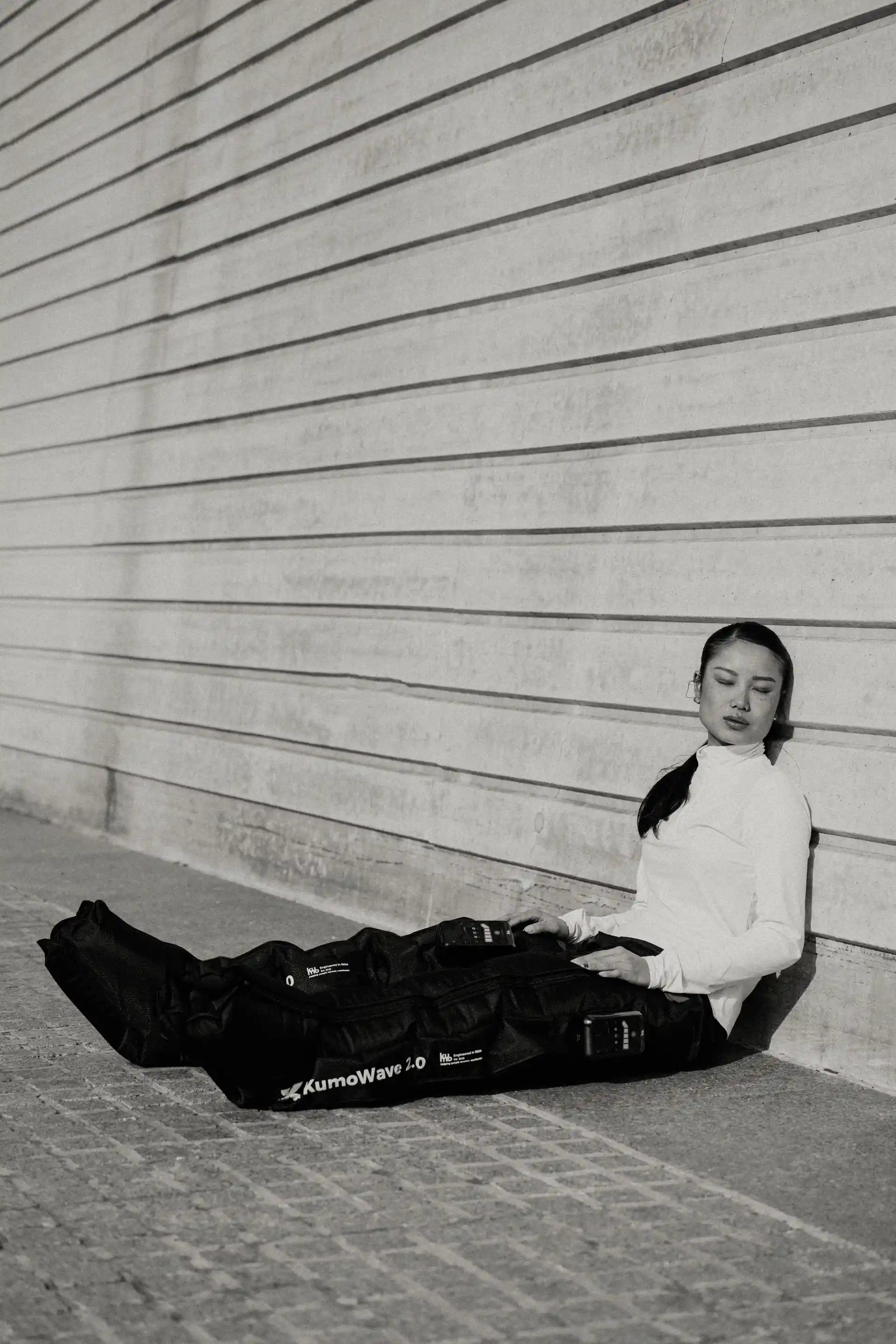
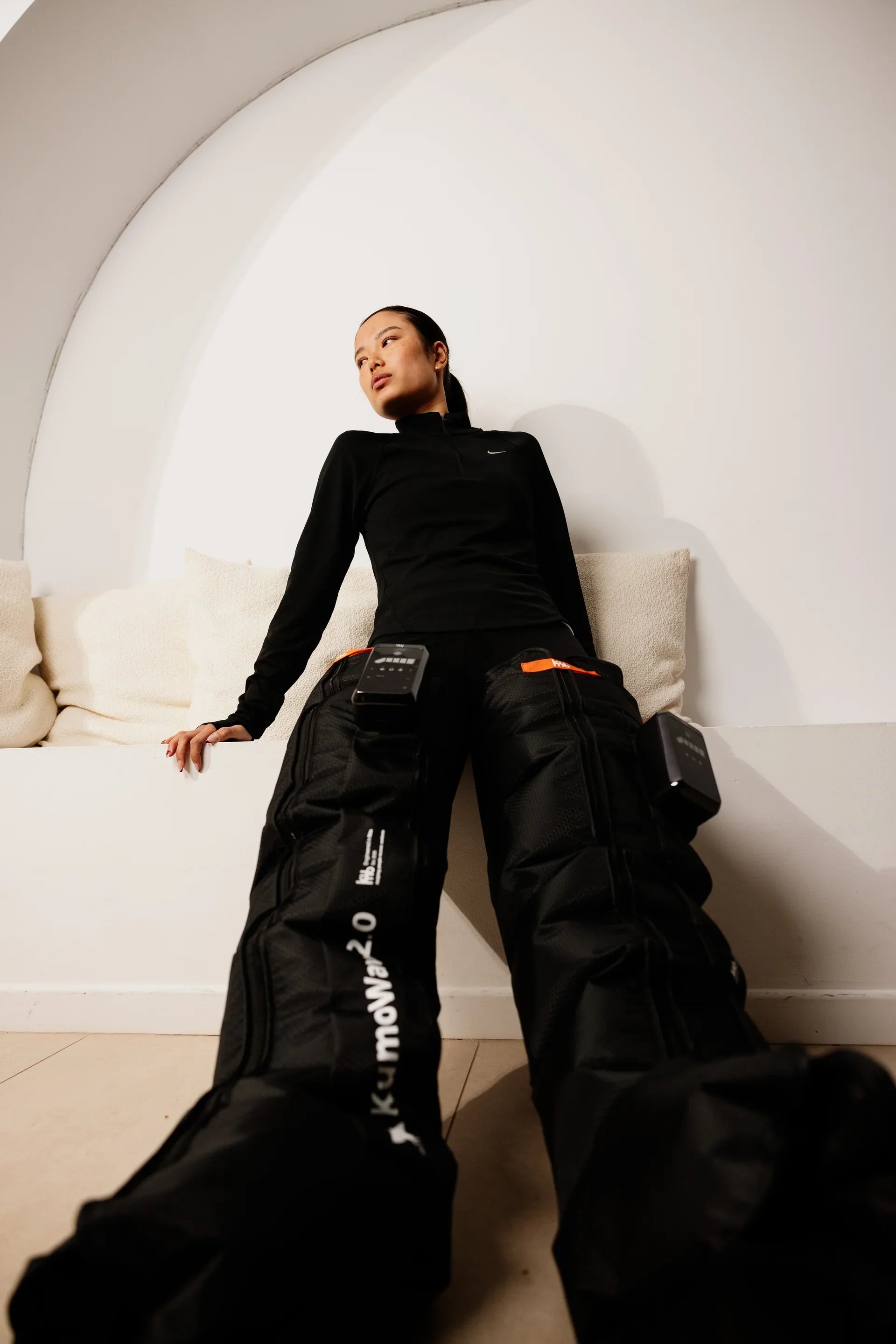
Pressotherapy applied to sports usually refers to intermittent pneumatic compression: boots (or sleeves) with air chambers that inflate and deflate following a pattern (often sequential, from distal to proximal). The goal is to generate rhythmic compressions that promote venous return and fluid dynamics in the limb.
on your first order when you join the newsletter
We send you the code instantly. No spam.
In the medical field, these types of devices are used, for example, to help prevent thrombosis in contexts of immobility: inflation "squeezes" the leg, and when deflated, the flow returns, repeating the cycle. In sports, the logic of "moving fluids" and improving the feeling of recovery is applied, especially for heavy legs.
What it can contribute to football (plausible mechanisms)
- Less feeling of heaviness after high-impact training (changes of direction, eccentrics, jumps).
- Subjective reduction of pain/stiffness (in some athletes and at certain times of the recovery cycle).
- "Downregulation" routine: 20–30 minutes of real pause, breathing, and rest, which also helps when the schedule is tight.
What the Evidence Says: Real Benefits (Without Magic Promises)
Pressotherapy is popular in high-performance environments, but scientific literature tends to be cautious: results depend on the protocol, the type of previous exercise, the athlete's level, and whether the placebo effect is controlled.
A systematic review and meta-analysis (open access article) on pressotherapy in sports recovery concludes that the effect can be moderate in perception of pain and soreness, while in muscle function variables, the benefits tend to be small and sometimes not significant; and in markers such as inflammation, muscle damage, or lactate, the results are variable or null.
Regarding specific studies:
- A randomized trial in an ultramarathon context (2015) found that pneumatic compression could reduce perceived fatigue immediately after the intervention, although there were no relevant differences in performance (running times) days later.
- A trial published in 2025 on delayed onset muscle soreness (DOMS) after plyometrics applied pressotherapy in repeated sessions (immediate and for several days) and observed improvements in pain and some muscle parameters compared to control.
Practical takeaway for a footballer: pressotherapy does not replace sleep or nutrition, but it can be a useful tool to feel better and arrive more "fresh" to the next session, especially during intense weeks.
How to Use Pressotherapy Boots Between Intense Training Sessions (Practical Guide)
If you're looking for smart use, think of pressotherapy as a "complement" to accelerate the feeling of recovery, not as a treatment that erases the previous day's load.
Indicative Protocols Based on Research (Duration and Pressure)
In sports studies, the most common protocols range around 20–30 minutes with a pressure of approximately ~80 mmHg (with variations depending on the device and tolerance). Nevertheless, for home use, it is advisable to start softer and gradually increase if there is no discomfort.
Table: Examples of Use in a Football Week
| Time | Main Objective | Duration | Intensity/Pressure (indicative) | Practical Notes |
|---|---|---|---|---|
| Post-intense training (HIIT / field) | Reduce feeling of heavy legs | 20–30 min | Moderate (in studies ~80 mmHg is used) | Ideal after shower, hydration, and some carbohydrates/protein. |
| Night (double session day) | Unload without adding stimulus | 15–25 min | Gentle–moderate | Useful if quality training (speed or strength) is scheduled for the next day. |
| Between match and MD+1 | Comfort + recovery routine | 20–30 min | Moderate | Also prioritize sleep and inflammation management due to load (do not "anesthetize" signals). |
| Travel (bus/plane) or many hours standing | Relieve heaviness from stasis | 20–30 min | Gentle | Combine with ankle mobility and short walks when possible. |
| Deload week | Maintain habit without dependency | 10–20 min | Gentle | Use it if it improves your feeling, but prioritize mobility and sleep. |
Step-by-step Checklist (to avoid "blind" use)
- Define the day's objective: unload legs, sleep better, or arrive fresher for speed/strength training?
- Start gentle: find a comfortable pressure, without tingling or pain.
- Breathe and rest: use the time for real recovery (screen off if you can).
- Evaluate the next day: notice stiffness when going down stairs, leg perception, and your warm-up quality.
- Adjust by schedule: in congestion, short, consistent sessions are better than "overdoing it" one day.
Pressotherapy + Other Kumo Tools: How to Fit Them In Without Overwhelm
At Kumo, recovery is understood as a routine (not a one-off event). If your week is intense, pressotherapy can coexist with other technologies as long as you maintain the order of priorities.
- Pressotherapy: for heavy legs and general comfort. You can see options in the pressotherapy collection.
- Percussive massage: useful if you have localized tension points (calf, soleus, quadriceps). If you're interested in this, you have the KumoPulse Air massage gun.
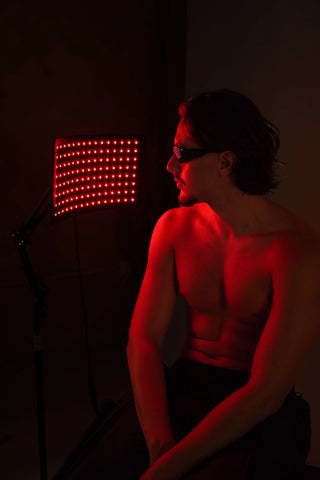
- LED light therapy: as part of a wellness and recovery routine (depending on objective and preference). You can explore LED light therapy.
Simple example (hard day): nutrition + shower → 20–30 min pressotherapy → 2–5 min percussive massage only where needed → dinner and sleep. Better "a little and good" than a recovery marathon that robs you of rest time.
Safety: When to Avoid Pressotherapy (and Warning Signs)
Although generally a well-tolerated tool, pressotherapy is not for everyone or every situation. In the clinical setting, there are guidelines and recommendations that emphasize assessing contraindications and risks, and that adverse events are rare if applied correctly.
Avoid using it and consult a professional if...
- There is suspicion or diagnosis of deep vein thrombosis (pain, warmth, redness, marked unilateral swelling).
- You have unexplained acute pain, loss of sensation, persistent tingling, or clear worsening of symptoms.
- There is a recent injury with significant inflammation and you do not have clear indication from your physio/doctor.
- You have wounds, skin infection, or skin problems that could worsen with compression.
In medical contexts, it is recommended to monitor the skin and report signs such as pain, inflammation, warmth, redness, or irritation under the cuff.
How to Choose a Home Pressotherapy Routine with a Performance Mindset
Beyond the device, what makes the difference is consistency and how it fits into your training. Some practical recommendations:
- Less is more if you have little time: 20–30 minutes well-placed (after the key stimulus) are usually more useful than random long sessions.
- Prioritize sensations and function: next day's warm-up, jump performance, stiffness upon waking, leg perception.
- Don't cover up the real problem: if you're systematically "exhausted," review load, sleep, nutrition, and intensity distribution.
- Make it easy: have the boots ready, define a schedule (post-training or before bed), and create the habit.
If you want guidance on integrating recovery into your routine, you can write to Kumo's contact and propose it as a plan (not an impulsive purchase).
FAQ: Pressotherapy and Football (Kumo)
How long should I use Kumo pressotherapy boots after football training?
As a practical reference, much research in sports recovery uses 20–30 minute sessions, and that range is usually a good starting point if you train hard several days in a row. If you're new, start with 15–20 minutes at gentle intensity and only increase if the sensation is comfortable (no tingling or pain). The most important thing is regularity: using it 3–5 days during intense weeks usually provides more benefit than an isolated long session.
Does pressotherapy help with DOMS in footballers?
It can help, especially with the perception of pain and stiffness. An open-access meta-analysis suggests moderate benefits for pain/soreness, although the effects on performance and physiological markers are more variable. Additionally, there are trials where improvements in pain were observed after pressotherapy protocols applied at various times during the days following exercise. In football, it can be useful when you need to maintain movement quality during a loaded week, without promising a "clean slate."
Can I use pressotherapy if I have varicose veins or a history of thrombosis?
If there is a history of thrombosis, suspicion of a clot, or compatible symptoms (leg more swollen, warm, painful, and red), it is prudent not to use intermittent pneumatic compression without medical indication. In clinical settings, it is used to promote flow and prevent clots in selected cases, but always under criteria and surveillance. With varicose veins, it depends on the case and venous status: if you have doubts, consult a healthcare professional before making it a habit.
Is pressotherapy or the KumoPulse Air massage gun better for recovering heavy legs?
It's not about "better or worse," but about when and for what. Pressotherapy usually fits very well when the sensation is global (heavy legs, general fatigue) and you want a passive 20–30 minute session. Percussive massage can be more useful if you notice specific areas of tension or trigger points (e.g., calves or quadriceps). If you train intensely, a reasonable combination is pressotherapy first, and then 2–5 minutes of local work with the KumoPulse Air where you need it.
Can I combine Kumo pressotherapy and LED therapy on the same day?
Yes, they can usually be combined because they act as complementary tools within a recovery routine (one focused on compression and fluid dynamics, the other on wellness habits and care). The key is not to turn recovery into a "second training session": if it takes away from your sleep or stresses you out, it subtracts. A simple scheme could be LED at a quiet time of day and pressotherapy after training or at night. For options, check the LED therapy collection.
What now?
If you want recovery to stop being improvised, start with the basics (sleep, nutrition, well-distributed load) and add a tool that you can maintain consistently. Explore Kumo pressotherapy to integrate compression boots into your routine between intense training sessions, and if you need help fitting it into your schedule and goals, contact the team from the contact page.
KumoWave pressotherapy
Choose your at-home pressotherapy
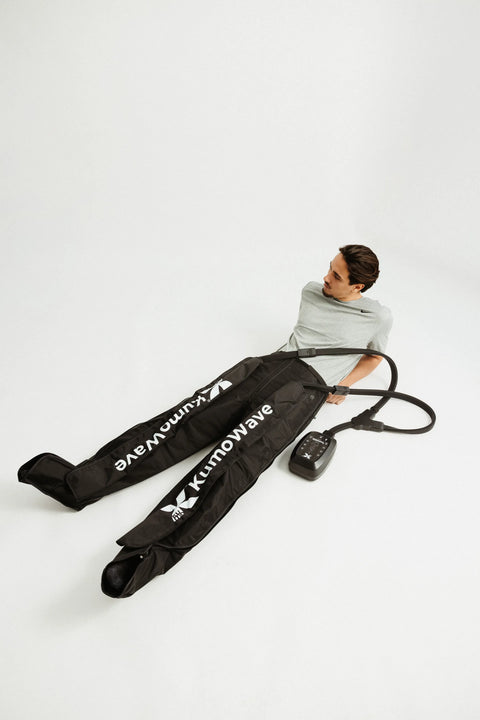
KumoWave Elite – Pressotherapy Pants
Full-coverage trousers. Ideal for lipedema, fluid retention and intensive use.
€799,00 €999,00
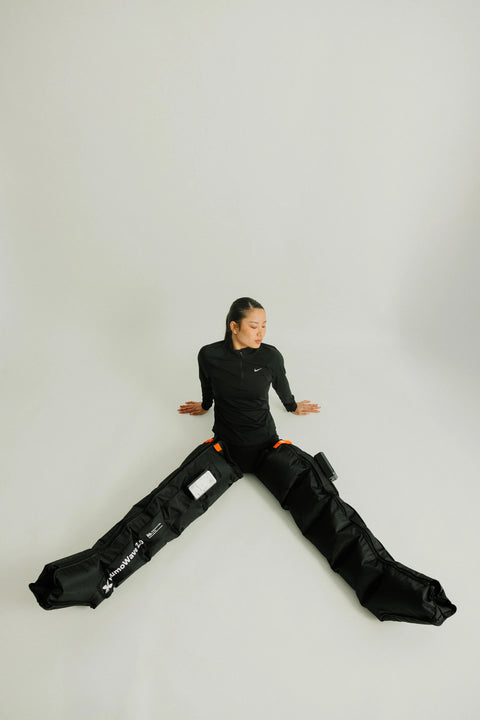
KumoWave 2.0 - Wireless Pressotherapy
Wireless, lightweight boots. Perfect for daily use and recovery.
€499,00 €599,00