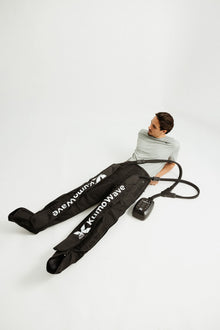
Heavy legs after a long run: there's a solution.
If you're a cyclist (road, gravel, or mountain bike), you know that your calves and quadriceps often feel the strain after long rides, consecutive climbs, or changes in pace. Pressotherapy (intermittent pneumatic compression) is an increasingly popular tool for activating circulation, relieving the feeling of fatigue , and helping you feel better the next day. In this article, I'll explain what it does , what the evidence says , and how to intelligently integrate it into your routine with Kumo 's premium recovery approach.
Pressotherapy at home
End the day with light legs
★★★★★ 4,8/5 · rated by verified customers
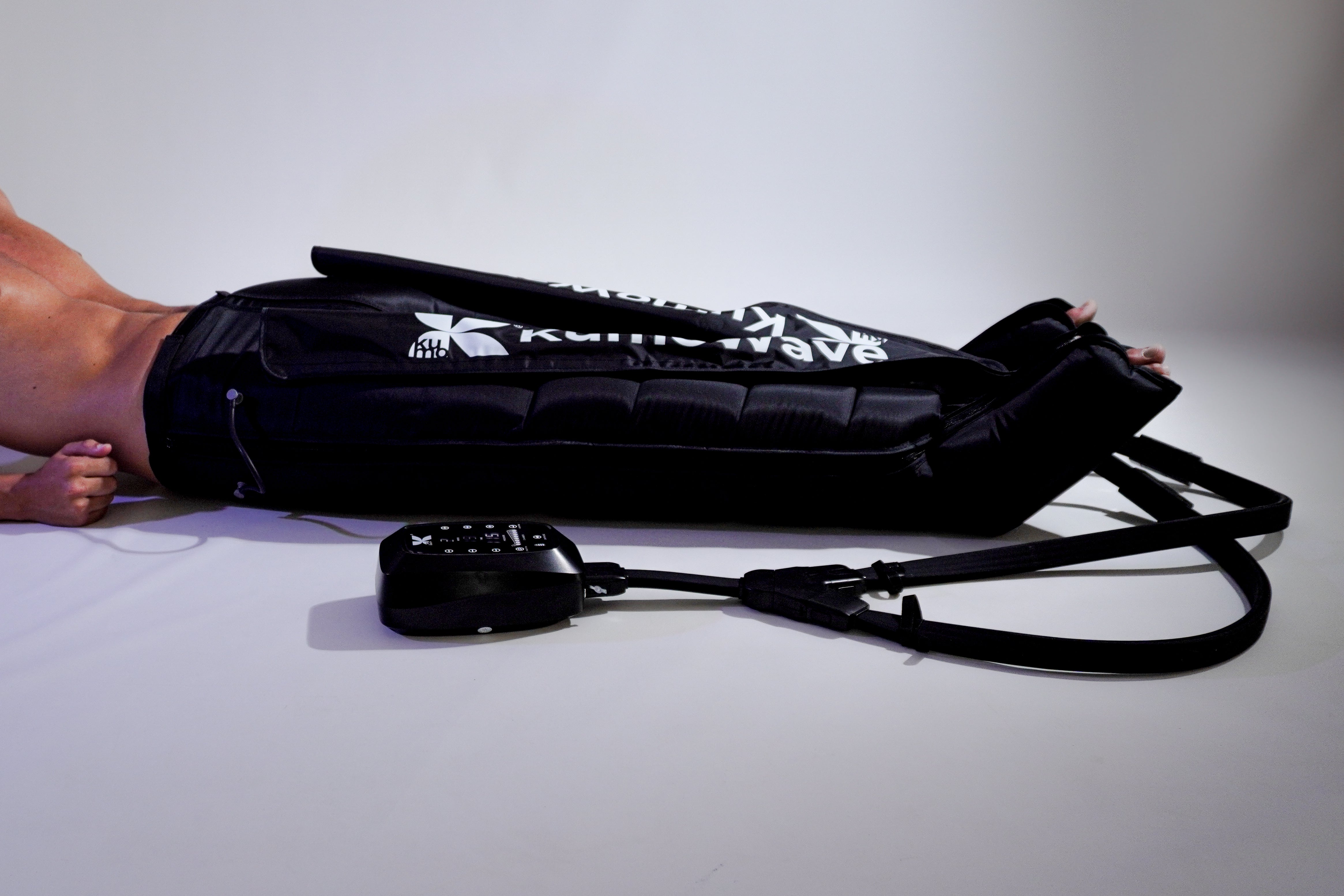
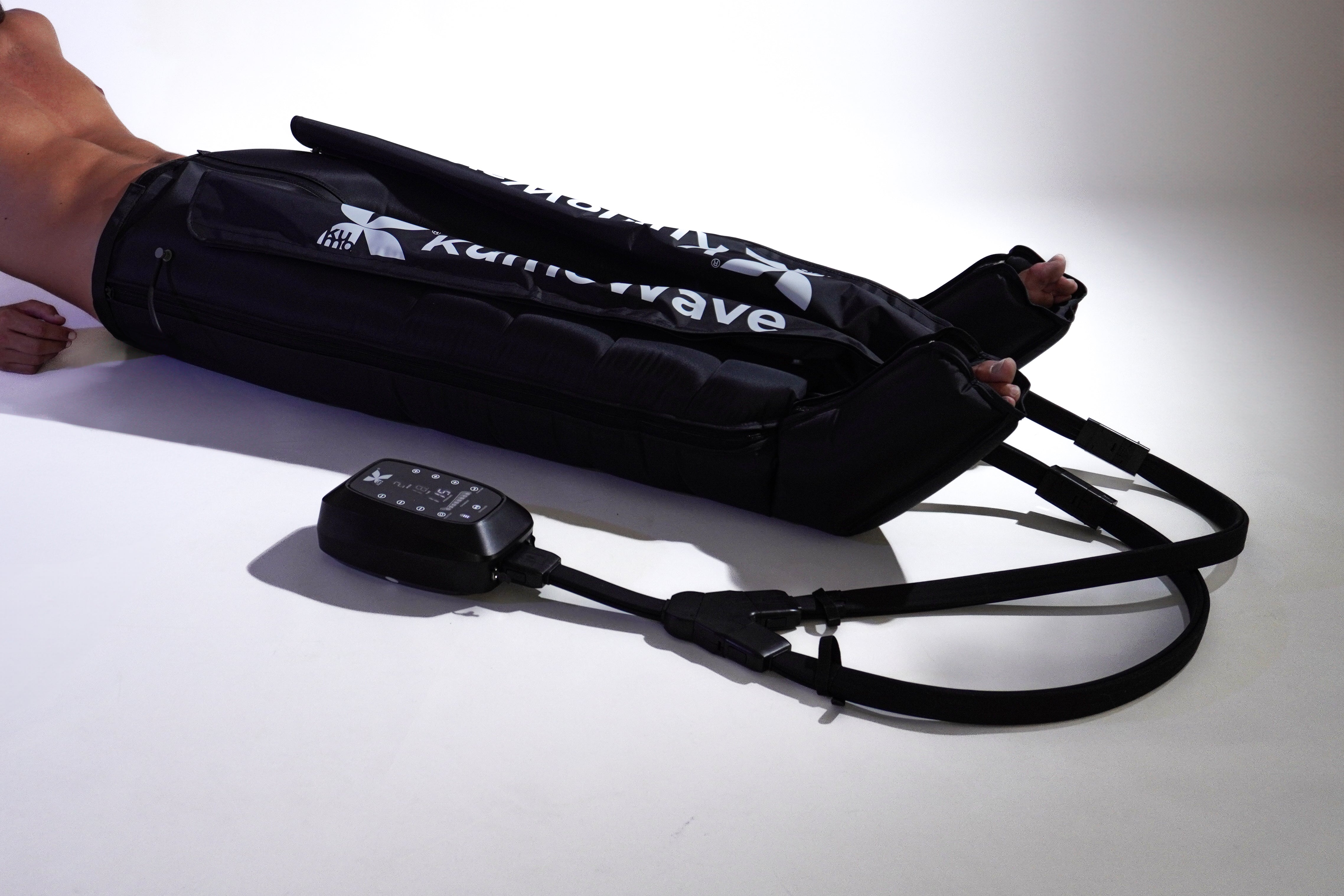
KumoWave pressotherapy boosts circulation and helps drain fluid with sequential compression, in 20-minute sessions at home.
- Boosts circulation and helps drain fluid
- Chamber-based compression, adjustable to you
- Sequential compression that mimics manual drainage
€799,00€999,00
−10% on your 1st order when you subscribe to the newsletter

Why do calves and quadriceps get so overloaded on long rides?
In cycling, the effort is cyclical and prolonged. Although joint impact is low, peripheral fatigue (in the muscle itself) can accumulate for hours. The two usual suspects are:
- Quadriceps (especially vastus lateralis and vastus medialis): contribute a large part of the work during the power phase of pedaling. On long climbs and at low cadences, muscle stress increases.
- Gastrocnemius and soleus (calf): stabilize the ankle, help transfer power to the pedal and can become overloaded with high cadences, standing work and uneven terrain (gravel/MTB).
After a demanding route, it is common to notice:
Personalized protocol · included with your purchase
Want us to tell you how to use it in your case?
With your purchase, our experts prepare a personalized usage protocol for your case: sport, circulation, fluid retention, pregnancy or lipedema.
Message us on WhatsAppOur experts reply · no obligation
- Feeling of “swollen” or heavy legs (especially at the end of the day).
- Stiffness when going down stairs (more typical in quadriceps).
- Tightness in the calves or the back of the knee.
- Less "spark" the next day, even if there is no intense pain.
What is pressotherapy (and what it is not)
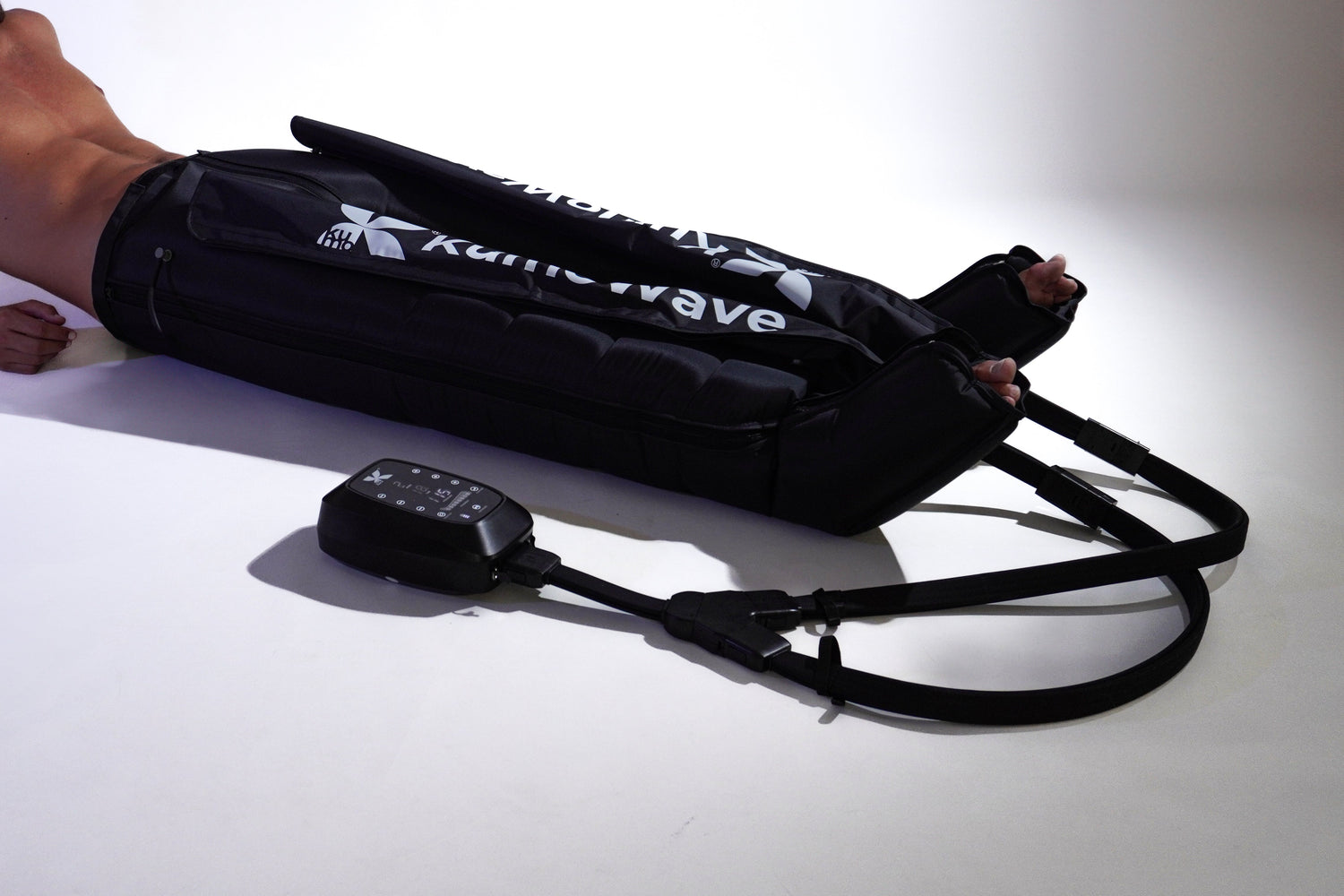
Pressotherapy, also known as intermittent pneumatic compression (IPC) , uses boots or sleeves with chambers that inflate and deflate sequentially. The aim is to generate a "massage effect" that promotes:
- Venous return (helping venous blood return to the heart).
- Lymphatic drainage (support for the movement of interstitial fluids).
- Comfort and reduction of the feeling of strain after exertion.
What it isn't: It doesn't replace good training planning, rest, nutrition, or mobility. And it's not a "shortcut" to training hard every day without paying the price of fatigue.
Expected benefits for cyclists (with a realistic approach)
In sports recovery, it's important to distinguish between how you feel (perception) and how you perform. In cycling, the evidence shows mixed results depending on the type of session, the protocol, and the timing of its application.
on your first order when you join the newsletter
We send you the code instantly. No spam.
What recent evidence suggests
- Perceived recovery: An open-access study (2024) in Sport Sciences for Health observed that, following intense, repeated sprint-type exercise, sequential pneumatic compression improved the perceived quality of recovery (TQR) , although it did not improve performance in the subsequent test. You can see the article here: Springer (2024) – intermittent sequential pneumatic compression .
- Subsequent performance in trained cyclists: A crossover trial in trained cyclists (2018) concluded that there was little additional benefit to subsequent performance from using pneumatic compression between two simulated race efforts. Reference: PubMed – Overmayer & Driller, 2018 .
- DOMS (delayed onset muscle soreness) and muscle fatigue: there are trials (e.g., 2025 ) that find improvements in markers of delayed onset muscle soreness in certain contexts, although the results depend heavily on the exercise that induces the damage and the protocol. Example: PubMed – IPC and DOMS (2025) .
Practical interpretation for cyclists: After long rides, compression therapy is often especially useful for a feeling of lightness , comfort , and recovery . If you're looking for a direct and consistent improvement in performance in an immediate test, the effect may be less pronounced or nonexistent (especially in the very short term). Even so, in the "real world" of the amateur or competitive cyclist, feeling better and regaining good sensations is important for maintaining training continuity.
How it specifically helps calves and quadriceps after cycling
After several hours of cycling, it's not just muscle fatigue that can occur: fluid retention and changes in microcirculation can also happen, especially if you finish in the heat, become dehydrated, or spend a lot of time sitting down on your way home. Compression therapy boots work the entire leg and can:
- Relieving tension in the calves by reducing the feeling of "tension" and improving comfort.
- Relieve quadriceps with a sequential massage that complements mobility and smooth post-ride pedaling.
- Improve the feeling of recovery (key if you train the next day or do a block of several days).
Simple idea: on long rides, you often don't need "more pain" (hard roller, more sets, more intensity), but rather better circulation, tissue relief, and rest . Pressotherapy fits right in.
Practical post-route protocol: when and how to use pressotherapy
There's no single perfect protocol. But there is a logical approach: first lower your heart rate and rehydrate, then reduce tissue fatigue. Here's a guide applicable to most cyclists.
Phased routine (0–72 h) for calves and quadriceps
| Moment | Aim | To do | Approximate duration |
|---|---|---|---|
| 0–30 min post-route | Transition and “reset” | Gentle cycling or walking, breathing, warm shower; start drinking and eating something easy to digest. | 10–30 min |
| 30–120 min post-route | Circulatory recovery + comfort | Pressotherapy (comfortable, pain-free session), legs elevated if you wish, continuous hydration. | 20–40 min |
| Night of day 0 | Deep rest | Dinner with sufficient protein, gentle stretching if you feel good (without forcing it), prioritize sleep. | — |
| 24 h | Reduce stiffness | Mobility (ankle/knee/hip), walking, very gentle rolling; pressotherapy if you notice heaviness. | 15–30 min |
| 48–72 h | Returning to “elastic” sensations | Active recovery + tissue work (massage gun with discretion) + pressotherapy if there is a load. | 10–30 min |
Tips for getting the intensity right (without obsessing over it)
- It should never hurt. Look for "firm but comfortable" pressure. Pain, tingling, or numbness: a bad sign.
- Consistency is better than heroism. A reasonable session after each long ride is usually more beneficial than a very aggressive session once a week.
- If you're feeling very fatigued: prioritize comfort, breathing, and a slightly longer session rather than increasing intensity.
How Kumo fits into a complete recovery routine for cyclists
Kumo 's philosophy is to make recovery a habit: technology, well-being, and performance without the hassle. In cycling, the most effective approach is usually to combine tools (each with its specific role) rather than searching for a single magic bullet.
- Compression therapy boots: ideal for tired legs after long runs, uneven terrain, or multi-day training sessions. You can see the selection at Kumo's pressotherapy collection .
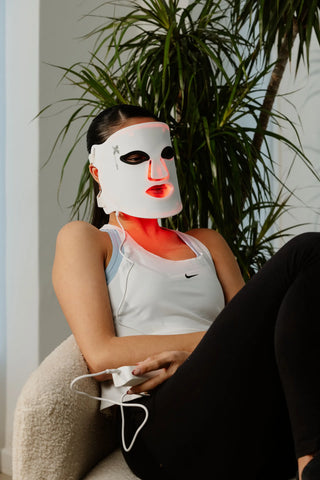
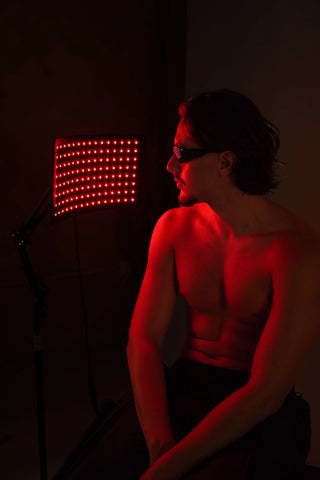
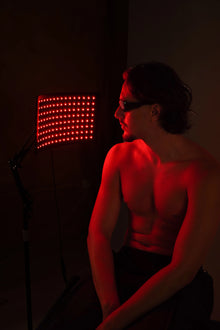
- LED light therapy (red): an interesting complement when the goal is to promote recovery, rest, and overall well-being. More information at Kumo LED light therapy .
- Massage gun: useful for specific points (e.g., calf muscle, vastus lateralis, or fascia lata) without overworking the entire leg. Product: KumoPulse Air .
If you want to explore the complete recovery ecosystem, you can start with Kumo and build your routine based on your training volume and how you feel.
Common mistakes when using pressotherapy after cycling
- Use it to "cover up" overtraining: if you end up destroyed every week, perhaps the problem is the load, sleep, or nutrition.
- Apply it with too much pressure: harder is not better. The goal is to facilitate recovery and comfort, not to cause pain.
- Forget the basics: a good cool-down , hydration, and eating something appropriate post-ride are still fundamental.
- Ignoring warning signs: unusual pain, marked unilateral swelling, redness, or shortness of breath require medical evaluation.
Safety and contraindications: when NOT to use it
Compression (including pneumatic compression) is a widespread technique in medical settings, but it is not suitable for everyone. Risks and contraindications are described in clinical consensus statements (for example, an international consensus statement on risks/contraindications of medical compression in 2020 : PubMed – Rabe et al., 2020 ).
In addition, health organizations remind us of good practices for using compression stockings and precautions (for example, NHS Inform updates recommendations on compression stockings and usage habits; update 12 February 2026 : NHS Inform ).
Consult a healthcare professional before using pressotherapy if you have (or suspect) vascular problems, a history of thrombosis, heart failure, skin infections, severe unexplained pain, or loss of sensation. The information in this article is for educational purposes only and is not a substitute for a diagnosis.
FAQ: Kumo pressotherapy and cycling leg recovery
When is it advisable to use Kumo compression boots after a long hike?
The most practical time to use them is usually once your heart rate has decreased and you've started rehydrating: within 30 to 120 minutes of arriving home. Many people notice the "light legs" effect more clearly at this point. If you've done a particularly long or hilly route, it can also be helpful to repeat a gentle session the following day, along with mobility exercises and active recovery. The key is for the session to be comfortable and consistent, not strenuous.
Does Kumo pressotherapy help eliminate muscle soreness in the quadriceps?
It can help improve the feeling of recovery and reduce heaviness, but it's not a guarantee of eliminating muscle soreness. Delayed onset muscle soreness (DOMS) depends on the type of effort (e.g., high-intensity, low-cadence work, changes in pace, or eccentric work off the bike). The scientific evidence on air compression and DOMS varies depending on the protocol and context. As a realistic strategy, use it for comfort and as part of your recovery routine, and combine it with sufficient sleep, nutrition, and active recovery.
Can Kumo pressotherapy be combined with a massage gun for the calves and quadriceps?
Yes, and it usually works well if you do it systematically and judiciously. An effective combination is: pressotherapy for general leg relief, followed by a massage gun only on specific points (for example, the medial/lateral gastrocnemius or vastus lateralis), using light pressure and without "chasing the pain." Avoid focusing on irritated areas, sensitive tendons, or bruises. If you're looking for targeted treatment, you can use the KumoPulse Air as a soft tissue tool.
What does Kumo offer if I already use compression socks for training or traveling?
Compression stockings provide sustained compression; compression therapy provides sequential and intermittent compression . In practice, many people find compression boots more helpful during "recovery time" (at the end of the day or after a long ride) because they generate a rhythmic massage that can be more comfortable for tired legs. If you already use compression garments, compression therapy can be a complement: stockings for specific situations and compression therapy for your post-ride routine.
Where can I get help choosing a Kumo solution for cyclist recovery?
If you want to create a coherent routine (pressotherapy, LED light therapy, and/or massage) based on your training volume, how you feel, and your goals, the most helpful thing to do is ask the team for guidance directly. You can do this through Kumo's contact page. This way, you avoid impulse purchases and end up with a recovery setup that you'll actually use after your long rides.
What now? (Next step)
If your priority is to improve calf and quad recovery after long rides, start by incorporating compression therapy into your routine regularly and comfortably. Explore compression boots as a base, and complement your routine with LED therapy or targeted massage if needed. For a personalized recommendation, contact Kumo through this page .
KumoWave pressotherapy
Choose your at-home pressotherapy
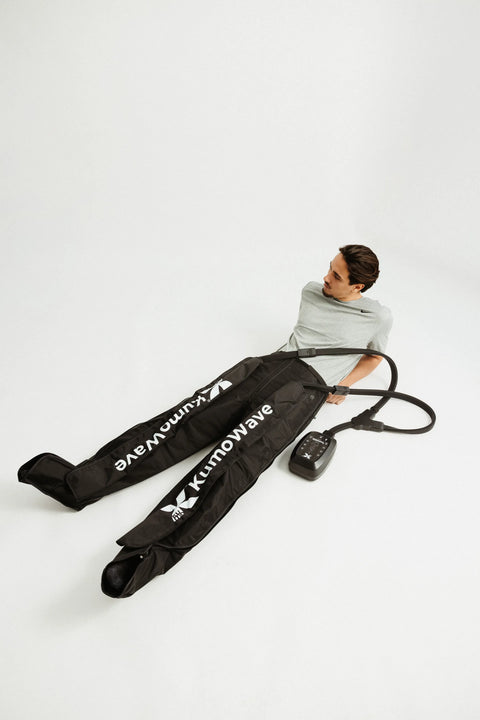
KumoWave Elite – Pressotherapy Pants
Full-coverage trousers. Ideal for lipedema, fluid retention and intensive use.
€799,00 €999,00
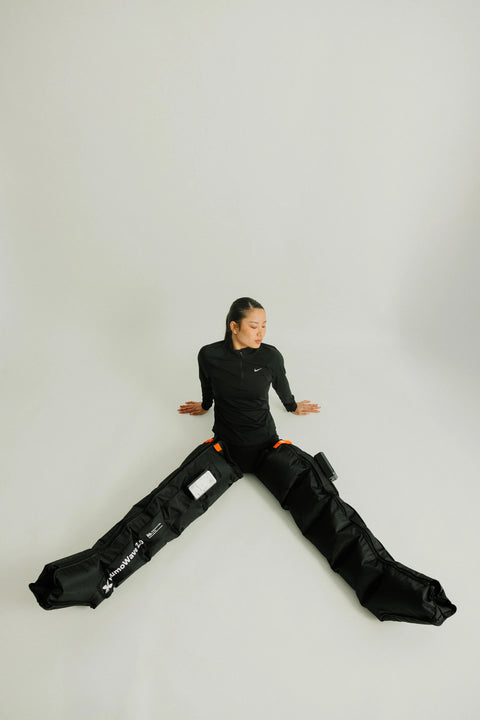
KumoWave 2.0 - Wireless Pressotherapy
Wireless, lightweight boots. Perfect for daily use and recovery.
€499,00 €599,00