
Consistency is everything.
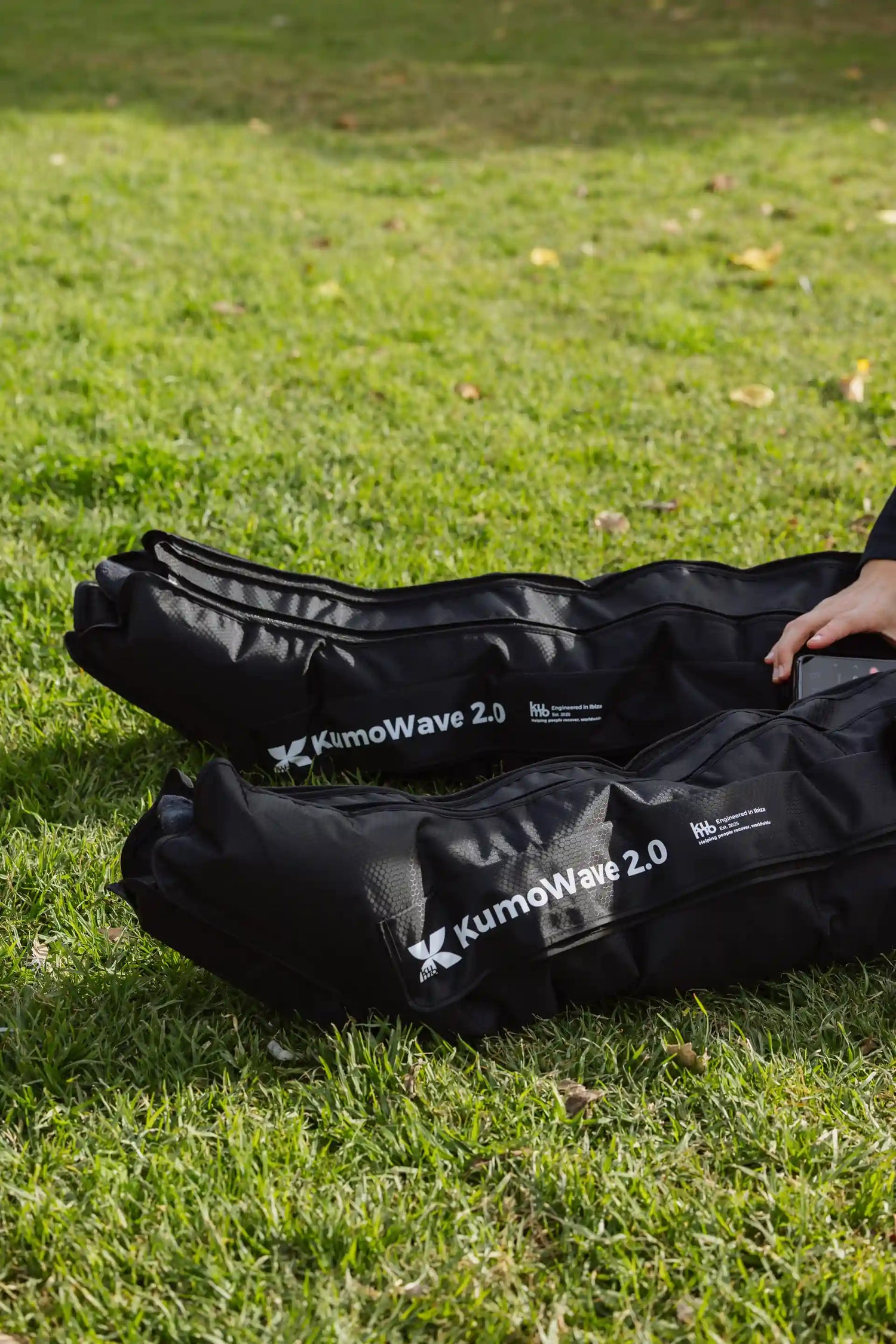
If you're interested in wireless pressotherapy, you're probably looking for the same thing as most people: to relieve heavy legs, feel light, and take care of your recovery without the hassle of lengthy setups, cables, or lack of time. The big advantage of a wireless system is precisely that: it reduces friction, and when something is easy to do, it gets done more often.
Pressotherapy at home
End the day with light legs
★★★★★ 4,8/5 · rated by verified customers
KumoWave pressotherapy boosts circulation and helps drain fluid with sequential compression, in 20-minute sessions at home.
- Boosts circulation and helps drain fluid
- Chamber-based compression, adjustable to you
- Sequential compression that mimics manual drainage
€799,00€999,00
−10% on your 1st order when you subscribe to the newsletter

At Kumo, we design premium recovery technology so that well-being isn't "another task," but a sustainable routine. You can learn about our universe and philosophy on the official Kumo website.
What is pressotherapy and why is it used?
Pressotherapy (in the context of boots) is usually based on intermittent pneumatic compression (IPC): air chambers inflate and deflate sequentially to promote venous return and support circulation in the legs. (hopkinsmedicine.org)
Personalized protocol · included with your purchase
Want us to tell you how to use it in your case?
With your purchase, our experts prepare a personalized usage protocol for your case: sport, circulation, fluid retention, pregnancy or lipedema.
Message us on WhatsAppOur experts reply · no obligation
In clinical settings, IPC is used, for example, to help prevent deep vein thrombosis (DVT) in situations of immobility or post-surgery, and can also be used in the treatment of lymphedema. (hopkinsmedicine.org)
What does it feel like during a session?
The sensation is often described as a rhythmic "massage": the boots squeeze and release in cycles. In IPC devices, these cycles can repeat every 20 to 60 seconds (depending on the system and program). (my.clevelandclinic.org)
Consistency is the real "secret" (not the perfect session)
In recovery, what makes the difference is rarely a heroic one-day effort: it's repetition. In other words: for pressotherapy to "fit" into your real life (work, family, travel, training, fatigue).
on your first order when you join the newsletter
We send you the code instantly. No spam.
The psychology of habit explains it well: a classic study on habit formation (2010) observed that, on average, automaticity tends to stabilize around 66 days, with great variability among individuals (approximate range 18–254 days). (transformationweightcontrol.com)
Therefore, rather than chasing the ideal routine, it's better to design a routine that is so simple it's hard to fail.
Practical rule: If a routine depends on "feeling like it," it's not a routine. If it depends on "being easy," it can become a habit.
Why wireless pressotherapy facilitates consistency
The key word here is adherence: the ability to maintain a pattern over time. And wireless pressotherapy usually wins for a very human reason: it removes barriers.
1) Less friction: fewer steps, more repetitions
When you don't depend on nearby outlets, cables crossing the living room, or having "the perfect spot" ready, you're more likely to do the session. In home-use devices, usability matters: a systematic review (2022) on the use of medical devices at home highlights that there are multiple interface and environment challenges, and that the actual user experience is key for safe and effective use. (pubmed.ncbi.nlm.nih.gov)
2) Adapts to your life (not the other way around)
A wireless format tends to fit better into everyday scenarios:
- After work, while showering or preparing dinner.
- At home, without rearranging furniture to "reach the outlet."
- While traveling (always respecting manufacturer's rules, safety, and common sense).
3) Allows you to "anchor" the session to a fixed signal
To form a habit, it helps to associate the session with a stable trigger: "after dinner," "after getting home from the gym," "after closing the laptop." This approach aligns with how the habit study was designed: a daily behavior linked to a repeated cue (signal) in context. (transformationweightcontrol.com)
4) Portability = continuity (when life moves)
In IPC research, the idea that portability facilitates adherence appears explicitly in recent literature (for example, systematic reviews in the context of lymphedema). (pmc.ncbi.nlm.nih.gov)
Table: wired vs. wireless (real impact on consistency)
| Aspect | Wired pressotherapy (typical) | Wireless pressotherapy (typical) | What it means for your consistency |
|---|---|---|---|
| Preparation | More dependent on space and outlets | More flexible in location | Fewer steps, easier to repeat |
| "Multitasking" use | Sometimes more limited by cables | Easier to integrate with reading/shows/remote work | The session is perceived as less of a "time cost" |
| Continuity during travel | Less practical | More viable (depending on model) | Fewer interruptions = stronger habit |
| Order and aesthetics | More visible components | More minimalist setup | If it doesn't "bother," it's kept more accessible and used more |
How to create a realistic routine (with sensible times and expectations)
There is no single "perfect dose" for everyone: it depends on the objective, the device, your tolerance, and if there is a medical indication. Even so, evidence on IPC in lymphedema suggests that results have been observed with 45–60 minutes per session and pressures in the range of 30–60 mmHg in sequential programs (low to moderate level evidence, with methodological caution). (pubmed.ncbi.nlm.nih.gov)
Practical translation: if you're looking for consistency, it's better to start with a pattern that is easy to maintain and adjust it.
Simple 4-step plan (designed not to fail)
- Choose your "anchor moment": for example, "after dinner."
- Start small: 2–3 sessions/week for 2 weeks (or the pattern recommended by your professional).
- Define a minimum viable: "if I can't do 60 min, I'll do 20–30 min." Staying on track is key.
- Make it visible: leave the boots within reach (this is where wireless usually helps).
Concrete examples: when pressotherapy really makes a difference
After standing for many hours
If your day involves many hours of standing, calf pumping may be insufficient and can promote venous stasis and discomfort. (pmc.ncbi.nlm.nih.gov)
In a crossover clinical trial (2022) with 39 people who worked standing for more than 8 hours/day and reported pain and swelling, an IPC intervention after work showed improved pain: in one of the protocols, pain on the VAS scale decreased by 1.9 points at 60 minutes post-intervention. (pmc.ncbi.nlm.nih.gov)
This doesn't mean it "works for everything" or that you should blindly copy that protocol, but it illustrates something important: a session well-placed in the day (post-work) can be more sustainable—and useful—than trying to "find time" at any moment.
After training (recovery and feeling of lightness)
In sports, many people use compression and recovery strategies to manage feelings of heaviness, stiffness, or soreness. IPC has been studied in various contexts of circulation, recovery, and fatigue, with variable results depending on design, population, and protocol. (pubmed.ncbi.nlm.nih.gov)
In practice, what usually works best is linking it to a post-training routine: hydration, shower, light dinner, and session.
During periods of immobility (travel, desk work)
Prolonged immobility is associated with an increased risk of circulatory problems, and in clinical settings, IPC has been used to help prevent clots in specific situations. (hopkinsmedicine.org)
If you spend many hours sitting, pressotherapy can become a "body reminder" to take care of your legs... but it doesn't replace the basics: breaks, walking, ankle mobility, and movement habits.
Safety: when to avoid pressotherapy (and why)
Pressotherapy is a wellness and recovery tool, but it's not for everyone. There are risks and contraindications in compression therapies, especially if there is vascular pathology or specific clinical situations. An international consensus on compression therapy (2020) summarizes that serious adverse events are rare if used correctly and contraindications are considered, emphasizing the importance of prior screening and proper adjustment. (pmc.ncbi.nlm.nih.gov)
Situations where you must consult (and sometimes avoid)
- Suspected or diagnosed DVT, sudden pain with marked swelling, redness, or warmth (medical emergency).
- Significant peripheral arterial disease: may require evaluation (e.g., ankle-brachial index) before using compression. (pmc.ncbi.nlm.nih.gov)
- Decompensated heart failure or other conditions where fluid management is delicate. (pmc.ncbi.nlm.nih.gov)
- Active skin infections, relevant open wounds, very fragile skin, or lesions: increased risk of irritation/damage. (hopkinsmedicine.org)
Furthermore, even in hospital use, possible complications such as discomfort, skin irritation, or, rarely, pressure injury or nerve damage are described; this is why sizing, adjustment, and supervision, when applicable, are important. (my.clevelandclinic.org)
What to look for when choosing wireless pressotherapy (without making an impulse purchase)
Without going into comparisons or prices, these criteria often make the difference between "I use it for 3 days" and "I keep it for 3 months":
Ergonomics, sizing, and ease of donning
If putting them on is an effort, you'll lose consistency. Prioritize a design that you can put on without help and that doesn't "cut" or create pressure points.
Clear programs and intensity control
Allowing the device to adjust intensity and rhythm helps adapt it to your tolerance. In IPC research, a wide variation of parameters has been observed, and there is no single consensus for all uses, so the ability to personalize is relevant. (pubmed.ncbi.nlm.nih.gov)
Maintenance and hygiene
Think about sweat, frequent use, and cleaning. What's "easy to maintain" is usually what gets maintained.
Home use: instructions and user experience
At home, you don't have a professional adjusting every detail. That's why clarity of use and user-centered design are key in home devices. (pubmed.ncbi.nlm.nih.gov)
How to integrate it into a complete recovery routine with Kumo
Pressotherapy works especially well when it's part of a simple system: move + recover + sleep better. At Kumo, the idea is to turn recovery into an aesthetic and functional habit, not a temporary "patch."
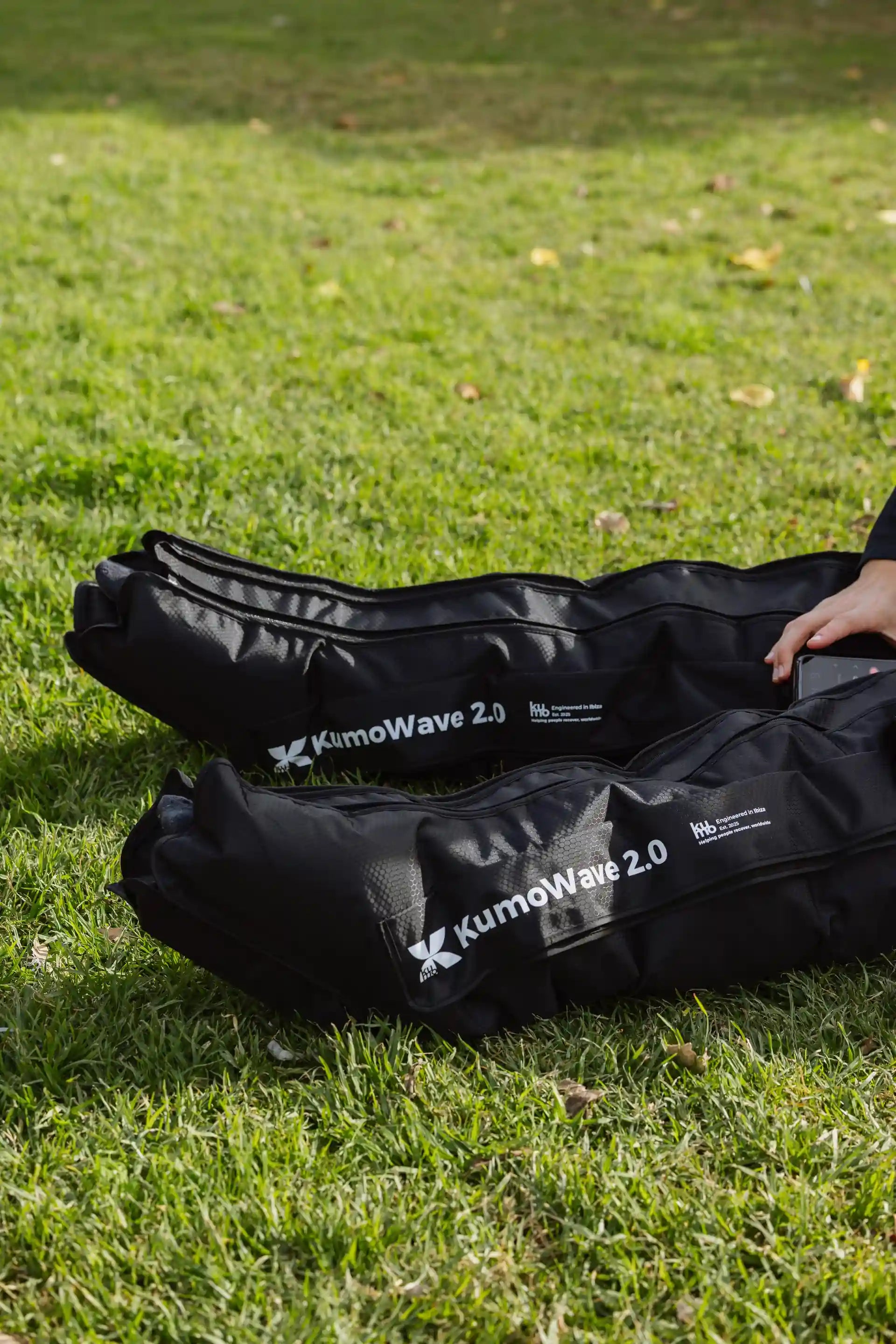
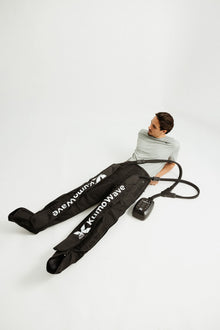
- Pressotherapy boots for legs: explore the Kumo pressotherapy collection.
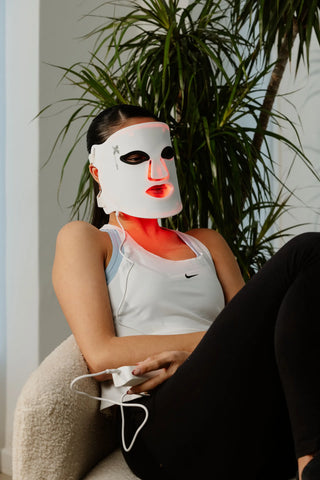
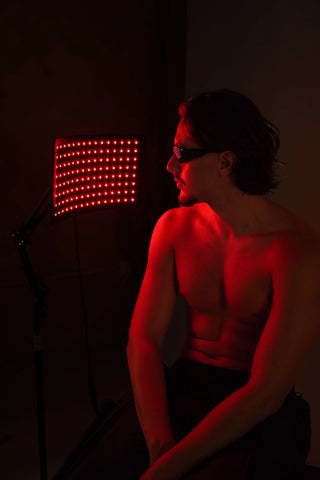
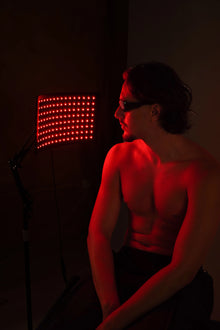
- LED therapy (skin / self-care routine): see Kumo LED light therapy.
- Muscle massage to release specific areas: learn about KumoPulse Air.
The logic is simple: pressotherapy integrates well into "quiet" moments (reading, shows, breathing), while massage usually fits better as a focal tool (calves, quads, glutes) when you're looking for more localized stimulation.
FAQ: frequently asked questions about wireless pressotherapy and Kumo
How often should I use wireless pressotherapy for tired legs?
It depends on your context (hours standing, sedentary lifestyle, training, sensitivity) and the device's indications. Studies on IPC for lymphedema have reported protocols with sessions of 45–60 minutes and pressures of 30–60 mmHg in sequential programs, although there isn't a "universal dose" for all objectives. (pubmed.ncbi.nlm.nih.gov) The most sustainable approach is usually to start with 2–3 sessions per week and increase if you tolerate it well. If you experience unusual pain, numbness, or alarming swelling, stop use and consult a professional.
Can I combine pressotherapy boots with Kumo LED therapy?
Yes, as a wellness approach, it's a frequent combination because they act at different "moments" in your routine: pressotherapy for a feeling of lightness and leg rest, and LED as a care ritual (skin or rest) at another time of day. To maintain consistency, the important thing is not to complicate it: for example, pressotherapy after the workday and LED at night as a brief routine. If you have a medical condition (vascular, dermatological, or postoperative), confirm the best sequence for your case with a professional.
Does wireless pressotherapy replace manual lymphatic drainage or compression stockings?
Not necessarily. Clinically, IPC can be considered a support in certain contexts and has been studied as a complementary home therapy, especially when self-care and continuity are challenging. (pmc.ncbi.nlm.nih.gov) Compression stockings and manual drainage have specific indications. If your goal is well-being and light legs, pressotherapy can be a practical tool; if we're talking about lymphedema, venous insufficiency, or other pathologies, a supervised plan is advisable.
What signs indicate that I should stop and consult a professional?
Stop the session and seek medical advice if severe or asymmetrical pain, sudden swelling, marked redness, localized warmth, shortness of breath, or alarming symptoms appear (they may require urgent evaluation). Additionally, if you notice numbness, loss of sensation, pressure pain, skin irritation, or skin lesions, review the fit and sizing: correct use and risk screening are key to minimizing complications in compression therapies. (pmc.ncbi.nlm.nih.gov)
What now?
If you want recovery to be a habit (and not an intention), choose a system that makes it easy for you. Discover Kumo pressotherapy, complement it with LED therapy or a localized massage with KumoPulse Air, and if you need guidance on what best fits your routine, you can write to us from the contact page.
KumoWave pressotherapy
Choose your at-home pressotherapy
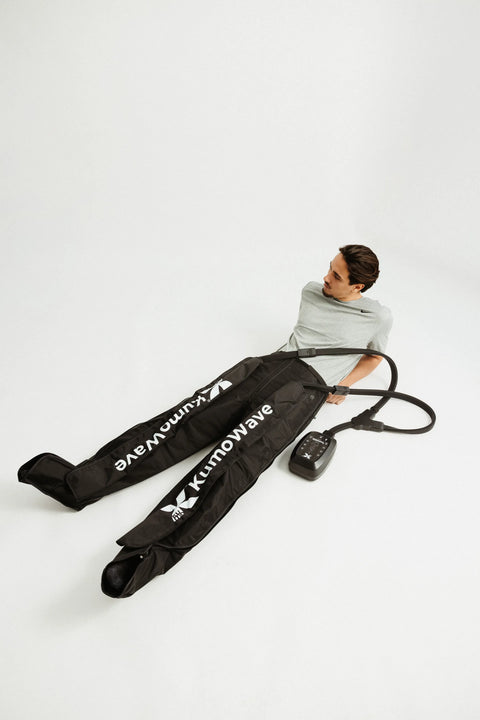
KumoWave Elite – Pressotherapy Pants
Full-coverage trousers. Ideal for lipedema, fluid retention and intensive use.
€799,00 €999,00
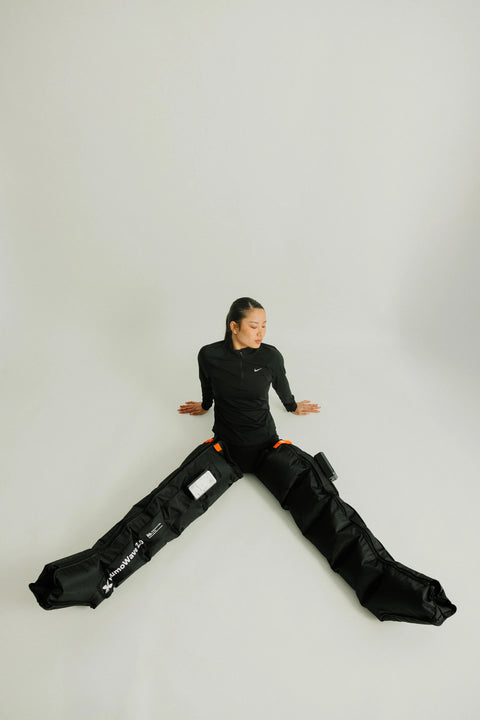
KumoWave 2.0 - Wireless Pressotherapy
Wireless, lightweight boots. Perfect for daily use and recovery.
€499,00 €599,00