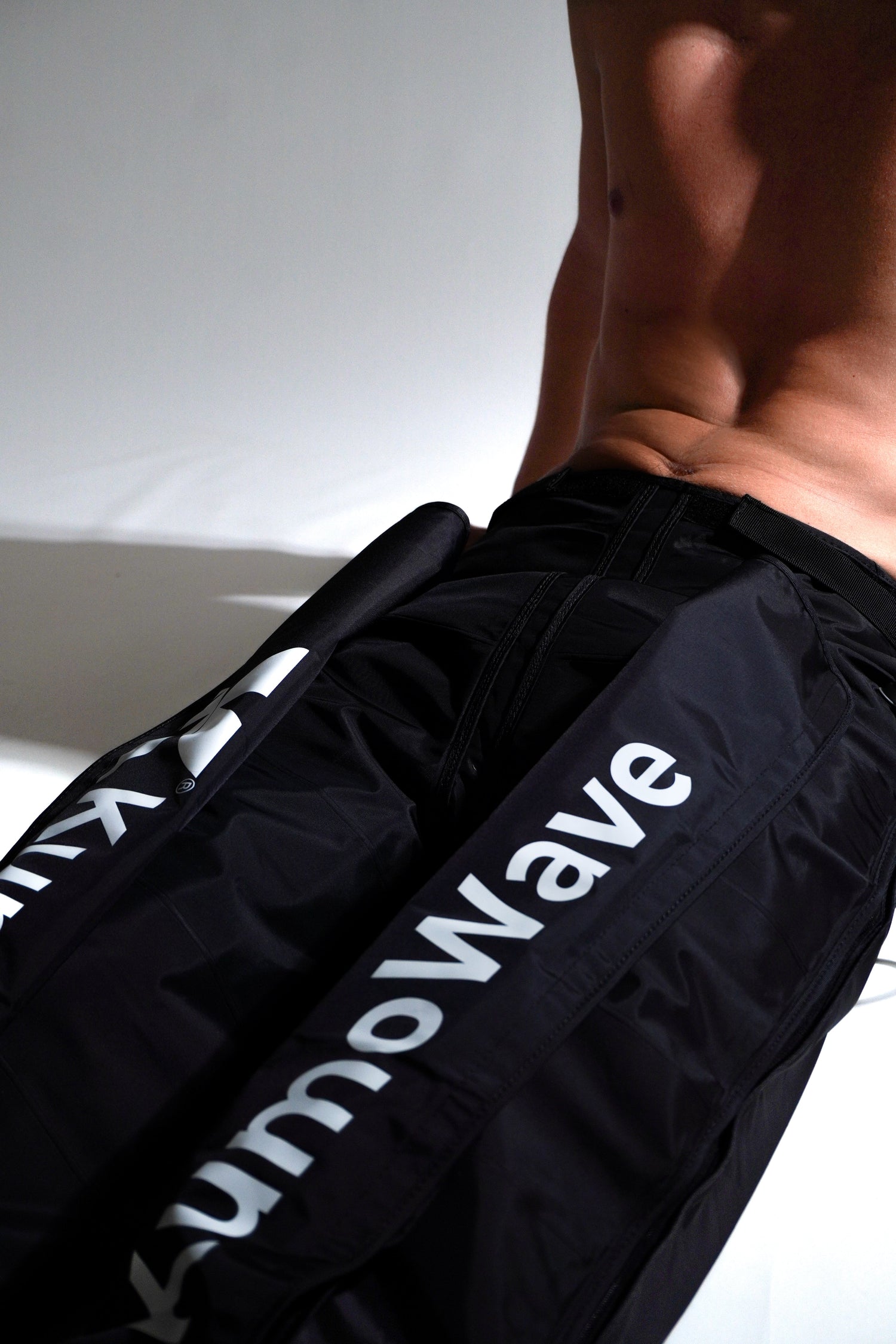
Pressotherapy at home: how it can help with cellulite and when it's best to use it. In this article, you'll find out what it is, how it works, what results to expect, and how to do it safely in your daily routine. Cellulite is multifactorial; intermittent pneumatic compression can be a good complement to improve circulation and relieve fluid retention, but it doesn't replace healthy habits or medical treatments when necessary.
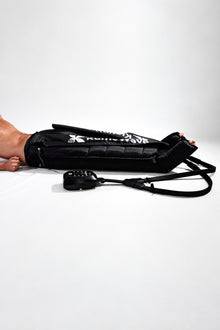
Pressotherapy applies cycles of pressure and decompression using boots or sleeves that promote venous and lymphatic return. At home, its goal is to relieve tired legs, enhance recovery, and, in some cases, smooth the appearance of cellulite associated with edema. Below, we explain what you really need to know.
Pressotherapy at home
End the day with light legs
★★★★★ 4,8/5 · rated by verified customers
KumoWave pressotherapy boosts circulation and helps drain fluid with sequential compression, in 20-minute sessions at home.
- Boosts circulation and helps drain fluid
- Chamber-based compression, adjustable to you
- Sequential compression that mimics manual drainage
€799,00€999,00
−10% on your 1st order when you subscribe to the newsletter

In summary
- Home pressotherapy improves venous/lymphatic return and can reduce the feeling of heaviness and fluid retention.
- When it comes to cellulite, it helps mainly with its edematous component; it does not eliminate fat or "erase" fibrous septa.
- Realistic results: lighter legs immediately; somewhat more even skin texture in weeks when combined with exercise, hydration and skin care.
- Safety first: avoid use with active venous thrombosis, decompensated heart failure, skin infections or other contraindications.
- Follow the device manual, start with gentle pressure, and consult a professional if you have any questions.
What is pressotherapy and how does it work?
Intermittent pneumatic compression, in simple terms
Compression therapy uses air chambers that inflate and deflate sequentially, from the distal to the proximal end. This pressure gradient facilitates the return of venous blood and lymph to the trunk, reducing stasis and edema. At home, compression boots are primarily used for the feet, calves, and thighs. The technique is related to medical compression used clinically for lymphedema and thrombosis prevention, with decades of supervised NHS use for lymphedema .
Cellulite: what it is and why it appears
Cellulite is a structural alteration of the subcutaneous tissue: the fibrous septa that connect the skin to deeper layers pull, causing the adipose tissue to protrude and creating the "orange peel" appearance. It primarily affects the thighs and buttocks, is very common in women, and does not necessarily imply excess fat. Hormonal factors, microcirculation, genetics, and lifestyle habits influence its development (AAD and Cleveland Clinic overview).
Personalized protocol · included with your purchase
Want us to tell you how to use it in your case?
With your purchase, our experts prepare a personalized usage protocol for your case: sport, circulation, fluid retention, pregnancy or lipedema.
Message us on WhatsAppOur experts reply · no obligation
Potential mechanisms affecting cellulite
Compression can:
- Promote lymphatic and venous drainage, reducing the liquid component of the tissue.
- Improve microcirculation and short-term metabolite exchange.
- Relieve the feeling of tension/heaviness. Direct evidence on cellulite is limited, but reviews indicate that treatments that improve microcirculation and edema can soften the appearance in mild to moderate cases (2015 review ). In lymphedema, pneumatic compression shows utility in reducing volume and symptoms, especially as an adjunct to other measures (2014 systematic review ).
Realistic benefits and limitations
- Likely benefits: lighter legs, reduced evening swelling, improved post-workout recovery, and overall well-being. If cellulite is edematous, the skin may appear more even after several weeks of regular use.
- Important limitations: it does not eliminate fat cells, break down fibrous septa, or replace strength training or a balanced diet. The effects are usually temporary if the routine is abandoned. In cases of pronounced cellulite, a multimodal approach guided by a qualified professional may be required: what works and what doesn't.
How to do pressotherapy safely at home
Initial setup and configuration
- Read the manual and check sizes and placement without creases.
- Clean skin, without creams or heavy oils before the session; moisturize afterwards.
- Start with low to moderate pressures and gentle cycles; adjust according to comfort.
- Semi-reclined position; avoid crossing your legs during the session.
- If you notice pain, numbness, or paleness, stop the session.
Frequency and progression
- For circulatory well-being: 2–4 sessions per week at the beginning, adjusting according to response and lifestyle.
- After intense exercise: short sessions to promote recovery, provided there is no acute injury.
- Maintain the routine for 4–8 weeks to assess visible changes. Consistency is more important than intensity.
Where and when it fits best
- Ideal for legs and thighs; on buttocks it can help with comfort and overall appearance.
- Avoid areas with wounds, active inflammation, or unexplained pain.
- Useful in the afternoon/evening to reduce daily swelling or on days of prolonged sitting/standing.
Quick checklist for home pressotherapy
| Situation/Objective | Usual adjustment and observations | Signals to adjust | Reference source |
|---|---|---|---|
| Tired and heavy legs | Low-medium pressure, sequential cycles; 15–30 min depending on tolerance | Numbness or pain: reduce or stop | NHS: Lymphedema treatment |
| Edematous component of cellulite | Regularity > intensity; combine with hydration, walking, and skincare | Persistent reddened skin: stop and consult a doctor | Review on cellulite (2015) |
| Recovery after training | Short post-exercise sessions for comfort and venous return | Acute muscle pain or injury: postpone | Cochrane on compression and circulation |
| Swelling from long hours of sitting/standing | Evening routine 3–4 days/week, along with active breaks | Unusual symptoms (localized heat, pain): assess risk of DVT | CDC: Information about DVT |
| Complementary healthy routine | Regular exercise, hydration, sleep, varied diet | Lack of progress: review habits and expectations | WHO: physical activity |
Is it effective for cellulite?
What the evidence says
The literature on pressotherapy and cellulite is less robust than that on lymphedema or venous insufficiency. However, by improving microcirculation and drainage, it can produce modest changes in the appearance of the skin when fluid retention is present. Clinical reviews highlight that the best results are achieved with a combined approach: physical activity, dermatological care, and, in selected cases, medical procedures (AAD: Cellulite Treatments and Cleveland Clinic: Overview).
What you will notice and within what timeframe
The most immediate effect is usually a feeling of lightness and reduced swelling. Changes in skin texture, if they occur, are typically subtle and gradual after several weeks of consistent use. The response varies depending on genetics, habits, and the severity of cellulite. If you're looking for dramatic transformations, this tool alone won't deliver them; however, it can complement other treatments by adding comfort and a more even complexion.
on your first order when you join the newsletter
We send you the code instantly. No spam.
Risks, contraindications and safety
Avoid pressotherapy if you have:
- Active or suspected deep vein thrombosis (DVT).
- Decompensated heart failure, severe peripheral artery disease.
- Skin infections, open wounds, or unevaluated inflammation.
- Severe neuropathy with decreased sensation.
- Pregnancy: avoid the abdomen and consult the professional who is treating you.
These precautions are aligned with clinical guidelines on lymphedema and NHS public health recommendations on lymphedema and CDC recommendations on DVT.
Essential advice: If you notice sharp pain, worsening edema, localized heat, or a change in color, stop the session and consult a healthcare professional.
How to boost results
Habits that add up
- Regular physical activity (walking, strength and mobility), as recommended by the current WHO 2020 guidelines.
- Hydration and reduction of sedentary behavior (active breaks every 45–60 minutes).
- Skin care: gentle exfoliation and good hydration to improve the surface appearance.
- Sleep and stress management: promote recovery and a sense of well-being.
Prudent synergies
Pressotherapy can be combined with gentle massage, mobility exercises, strength training, and other strategies recommended by dermatologists or physiotherapists in specific cases. If you have a diagnosed circulatory or lymphatic condition, always follow your specialist's personalized treatment plan and avoid self-sufficiency.
Frequently Asked Questions
How many pressotherapy sessions do I need to notice changes in cellulite?
Most users notice lighter legs after the first few sessions. For visible changes in skin texture, if they are to occur, consistent use over several weeks is usually required. Cellulite is multifactorial, and the response depends on its severity, habits, and genetics. Use it as a complement, not as a sole solution. Keep realistic expectations and review your exercise, hydration, and skincare routine. If you don't notice any changes after 8–12 weeks, consult a professional for a re-evaluation.
Does pressotherapy permanently eliminate fat or reduce inches?
No. Pressotherapy does not "burn" fat or offer permanent reductions in circumference. It can temporarily decrease circumference if there is fluid retention, by improving venous and lymphatic drainage. Sustained changes in body composition depend primarily on diet, strength training, and aerobic activity. Therefore, it should be integrated into a healthy lifestyle plan, without expecting miraculous results.
Is pressotherapy safe at home?
For healthy individuals, with a suitable device and following the instructions, it is generally well-tolerated. However, there are clear contraindications: active venous thrombosis, decompensated heart failure, skin infection, or wounds in the treated area, among others. If you have vascular, lymphatic, or complex metabolic conditions, or are pregnant, consult a doctor first. Stop the session immediately if you experience pain, numbness, paleness, or persistent redness, and seek professional evaluation.
Should I use it before or after training?
Many people use it after exercise to promote venous return, relax, and recover. It can also be used on days of prolonged sitting (travel, office) in the late afternoon or evening. Avoid applying it immediately over an acute injury or severe inflammation. Adjust the duration and pressure to your tolerance, and observe how your body responds to determine the weekly frequency.
The essentials
- Home pressotherapy promotes circulation and drainage; it can soften the edematous component of cellulite.
- Realistic results: immediate comfort and subtle improvements with consistency; does not replace habits or medical treatments.
- Safety first: know contraindications and warning signs; if in doubt, consult a doctor.
- Consistency is better than intensity: integrate 2–4 weekly sessions and review every 4–8 weeks.
- Combine it with movement, strength, hydration, and skincare to maximize the result.
- Discover KUMO's philosophy of wellness and recovery and how to integrate technology into your daily routine at kumobalance.com .
KumoWave pressotherapy
Choose your at-home pressotherapy
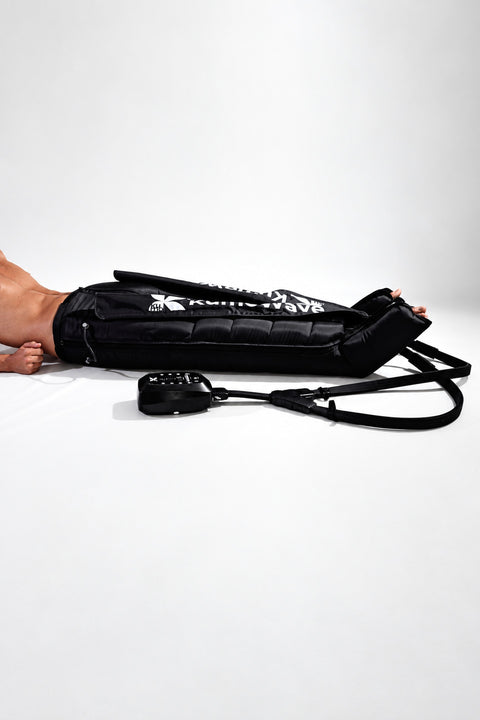
KumoWave Elite – Pressotherapy Pants
Full-coverage trousers. Ideal for lipedema, fluid retention and intensive use.
€799,00 €999,00
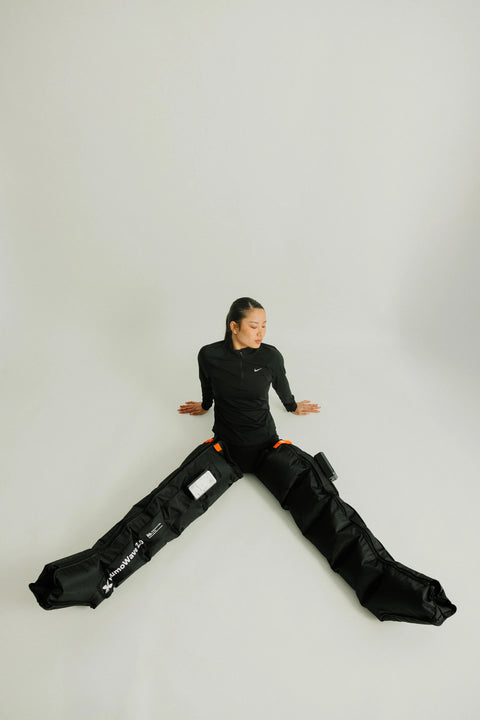
KumoWave 2.0 - Wireless Pressotherapy
Wireless, lightweight boots. Perfect for daily use and recovery.
€499,00 €599,00