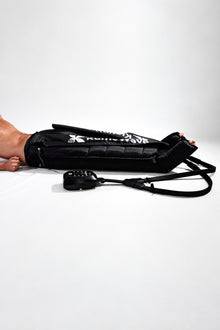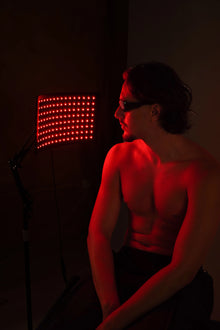

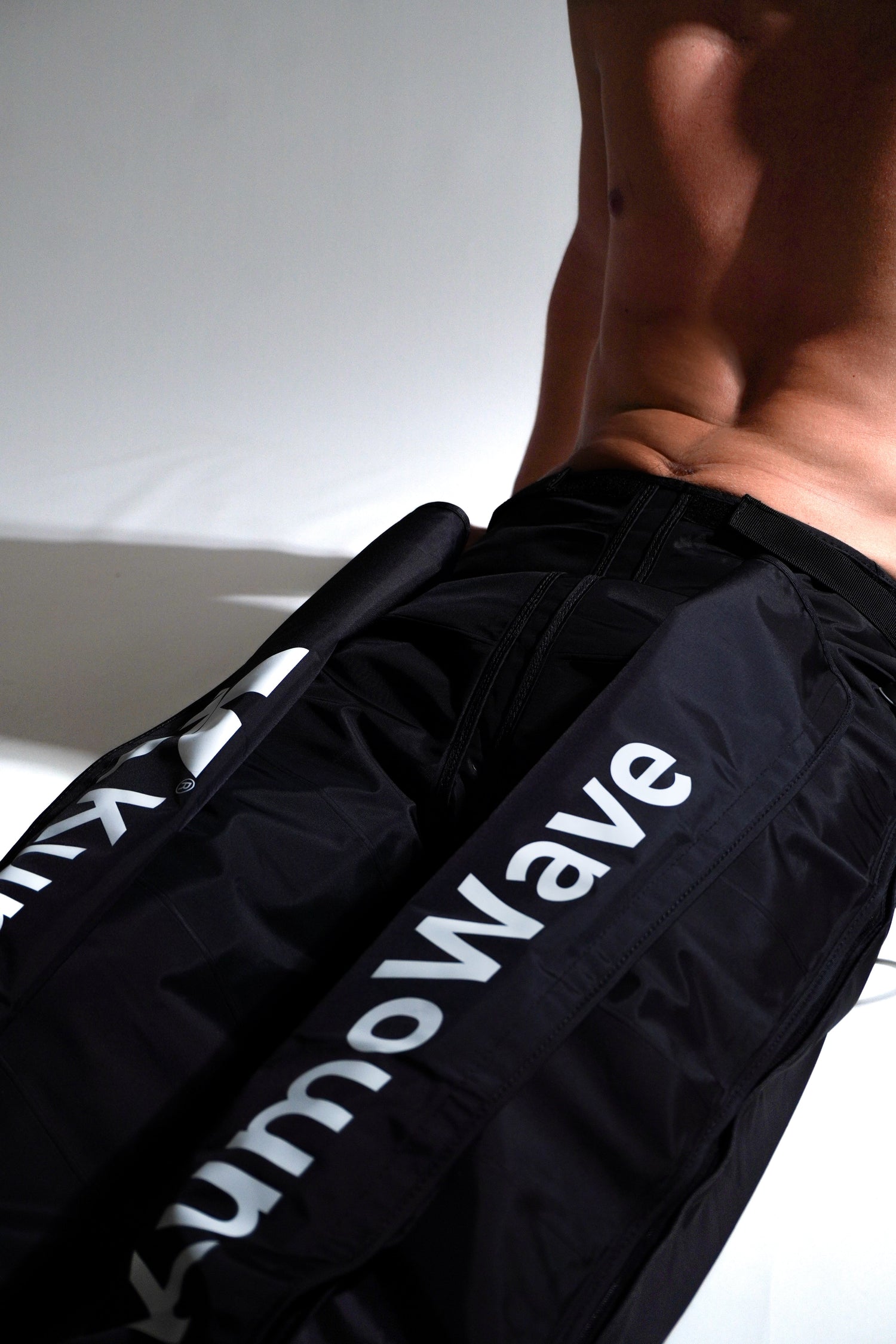
Getting a good night's sleep starts long before you go to bed. In this article, you'll discover how at-home pressotherapy can be a great way to relax, relieve leg pain, and prepare your body for a deep, restorative sleep.
Moving from the doctor's office or rehabilitation center to your living room isn't just about convenience. The ability to do pressotherapy at home with safe and easy-to-use equipment allows you to integrate this technology into your nightly routine regularly, without having to travel, and adapted to your schedule. Below, we'll see what science says, how to use it correctly, and how to combine it with other habits for better sleep.
Pressotherapy at home
End the day with light legs
★★★★★ 4,8/5 · rated by verified customers
KumoWave pressotherapy boosts circulation and helps drain fluid with sequential compression, in 20-minute sessions at home.
- Boosts circulation and helps drain fluid
- Chamber-based compression, adjustable to you
- Sequential compression that mimics manual drainage
€799,00€999,00
−10% on your 1st order when you subscribe to the newsletter

What is pressotherapy and why do it at home?
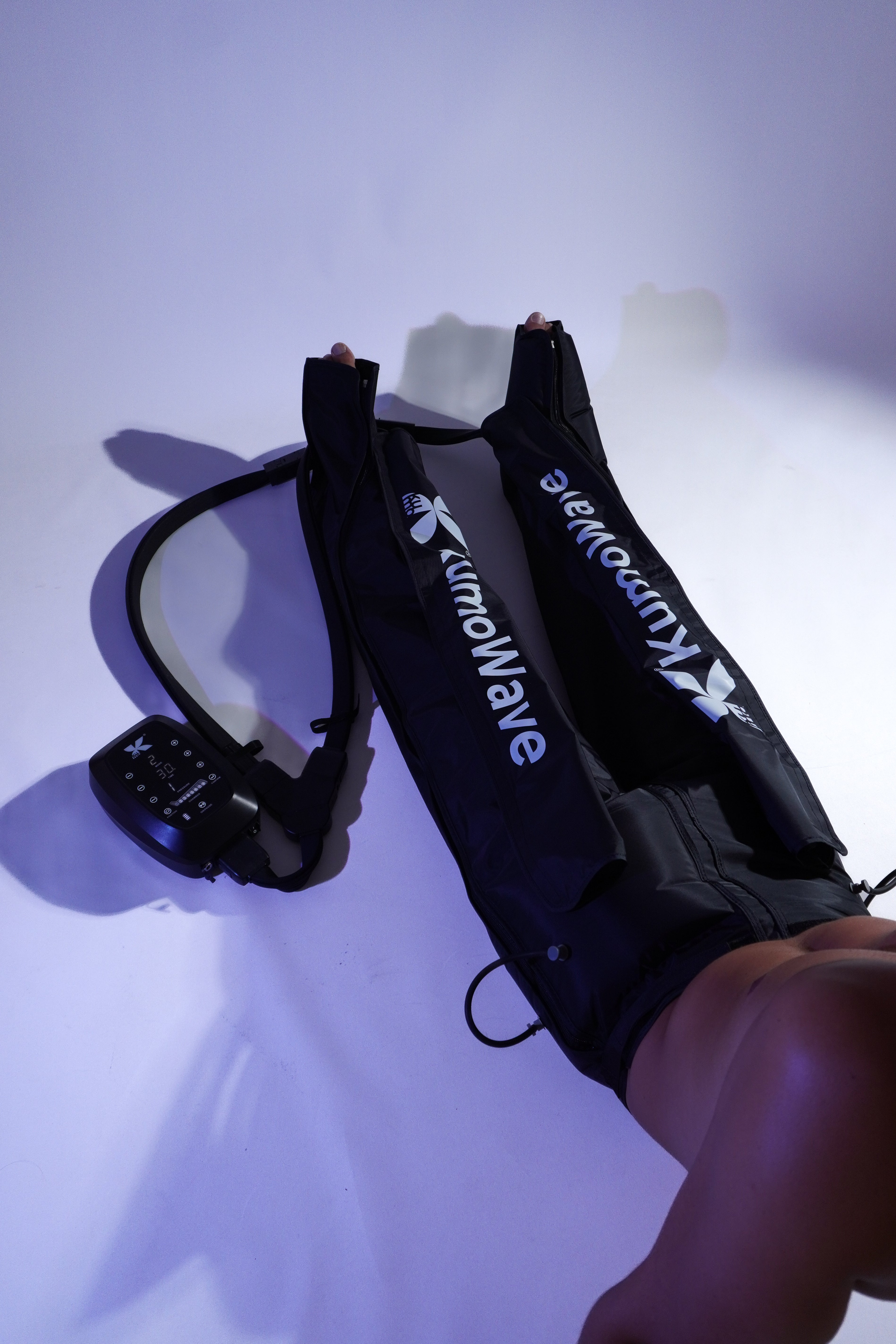
Pressotherapy is an intermittent pneumatic compression technique that uses inflatable boots or sleeves to apply progressive pressure to the legs (and, in some cases, hips or arms). This sequential pressure promotes venous and lymphatic return, helps reduce the feeling of heaviness, and can decrease minor swelling associated with daily life or intense exercise.
In a home setting, compression boots allow you to replicate this effect through pre-set pressure and cycle programs, designed for non-medical use. They are not a substitute for clinical treatment, but they are a very useful wellness tool for:
Personalized protocol · included with your purchase
Want us to tell you how to use it in your case?
With your purchase, our experts prepare a personalized usage protocol for your case: sport, circulation, fluid retention, pregnancy or lipedema.
Message us on WhatsAppOur experts reply · no obligation
- Athletes looking to accelerate their recovery between sessions.
- People who spend many hours standing or sitting.
- Those who feel their legs are heavy at the end of the day.
Integrating these sessions into your nighttime routine can facilitate the transition from alertness to relaxation, which is key to falling asleep.
Relationship between pressotherapy and sleep quality
Although pressotherapy isn't a direct treatment for insomnia, it does address several factors that influence sleep: pain, muscle tension, restless legs, and physical and mental stress. Regularly working on these elements can promote deeper, better-quality sleep.
Relief from heavy legs and restful sleep
Ending the day with swollen or aching legs isn't just annoying: it can make it difficult to find a comfortable position in bed, cause micro-awakenings, and worsen the perceived quality of sleep. Pneumatic compression helps mobilize fluids and improve venous return, resulting in a feeling of lightness and relief.
on your first order when you join the newsletter
We send you the code instantly. No spam.
If you often find your legs very heavy at night, incorporating 20–30 minutes of compression therapy before bed can reduce that initial discomfort and help your body "relax" and relax. It's not a magic solution, but it does provide very specific physical support for your nighttime well-being.
Relaxation of the nervous system and a feeling of calm
The rhythmic, enveloping pressure of compression boots generates continuous tactile stimulation, very similar to a deep but passive massage . This type of stimulation tends to activate the parasympathetic nervous system (the "rest and digest" system), decreasing heart rate and promoting relaxation.
Many people describe a nighttime at-home pressotherapy session as a "ritual to disconnect": during those minutes you put down your phone, sit or lie down, and allow your breathing to slow down. This state of calm is the ideal setting to begin your sleep hygiene routine.
Muscle recovery and sleep in active people
If you train frequently, sleep is an essential part of muscle recovery . By reducing leg fatigue and accelerating the elimination of metabolites, pressotherapy can help you go to bed with less discomfort and less intense muscle soreness.
Sleeping with less pain or muscle tension helps you enter and stay longer in deep sleep phases, where many tissue repair processes occur. Again, it doesn't replace rest or a good training program, but it is a valuable complement for those who push their bodies hard.
How to do pressotherapy safely at home
For at-home pressotherapy to help you sleep better, it's essential to use it responsibly and adapt it to your personal situation . It's not about using the maximum possible pressure, but about finding the point where you feel relief and relaxation, without discomfort.
Choosing the right pressotherapy equipment for home use
A home entertainment system should be:
- Easy to use : intuitive controls, predefined programs, clear instructions.
- Adjustable : different levels of pressure and intensity, configurable time.
- Ergonomic : boots that fit the contours of your legs and hips well.
- Safe : programs and pressures designed for wellness, not medical use.
In Kumo's pressotherapy collection you will find devices specifically designed for recovery and daily well-being, with a focus on the user experience: careful aesthetics, clear programs and compatibility with a relaxing night routine.
Frequency, duration, and best time of day
The specific guidelines will depend on your physical condition and goals, but as a general reference for improving nighttime sleep:
- Frequency : 3–5 times per week is sufficient for most people.
- Duration : 20–30 minute sessions are a good starting point.
- Timing : 1–2 hours before going to bed, so you don't end up too energized.
If you are very sensitive to physical stimulation, try doing the sessions in the early afternoon first and see how you sleep. Then you can gradually move them to the evening if you find they relax you.
Contraindications and when to consult a professional
Although wellness pressotherapy is safe for most healthy people, there are situations in which you should not use it without medical supervision , such as:
- Deep vein thrombosis or recent history of thrombi.
- Moderate or severe peripheral arterial disease.
- Decompensated heart failure.
- Active skin infections, open wounds, leg ulcers.
- High-risk pregnancy or vascular complications.
If you suffer from any cardiovascular or lymphatic condition, or are undergoing medical treatment, consult your doctor or physiotherapist beforehand. Home pressotherapy should be an ally to your health, never a source of added risks.
Nighttime routine: combine pressotherapy with other sleep habits
Pressotherapy works best when it is part of a recovery ecosystem : adequate light, digital disconnection, calm breathing, and a bedroom prepared for rest.
Prepare your body and mind for sleep
At the end of your day, try to follow a sequence that you repeat almost every time:
- Eat dinner at least 2–3 hours before going to bed.
- Gradually reduce the intensity of the ambient light.
- Perform your pressotherapy session at home (20–30 minutes).
- Continue with gentle stretching or deep breathing.
- Maintain a relatively consistent bedtime.
This repetition creates a very powerful mental association: when you put on the pressotherapy boots, your body understands that it is entering "night mode".
Integrating the right light: LED therapy and circadian rhythm
Exposure to bright screens at night can interfere with melatonin secretion and, therefore, with falling asleep. Reducing blue light and opting for warmer, dimmer lighting is a key step in good sleep hygiene.
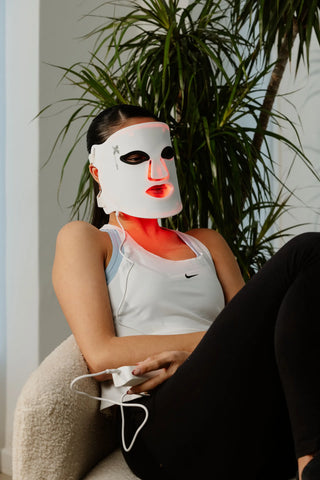
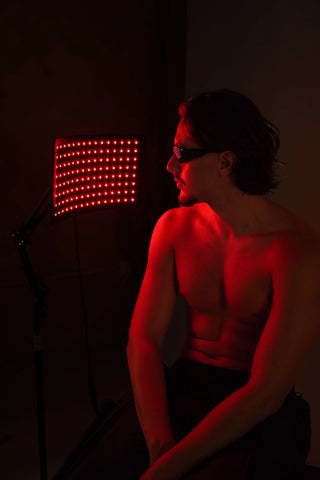
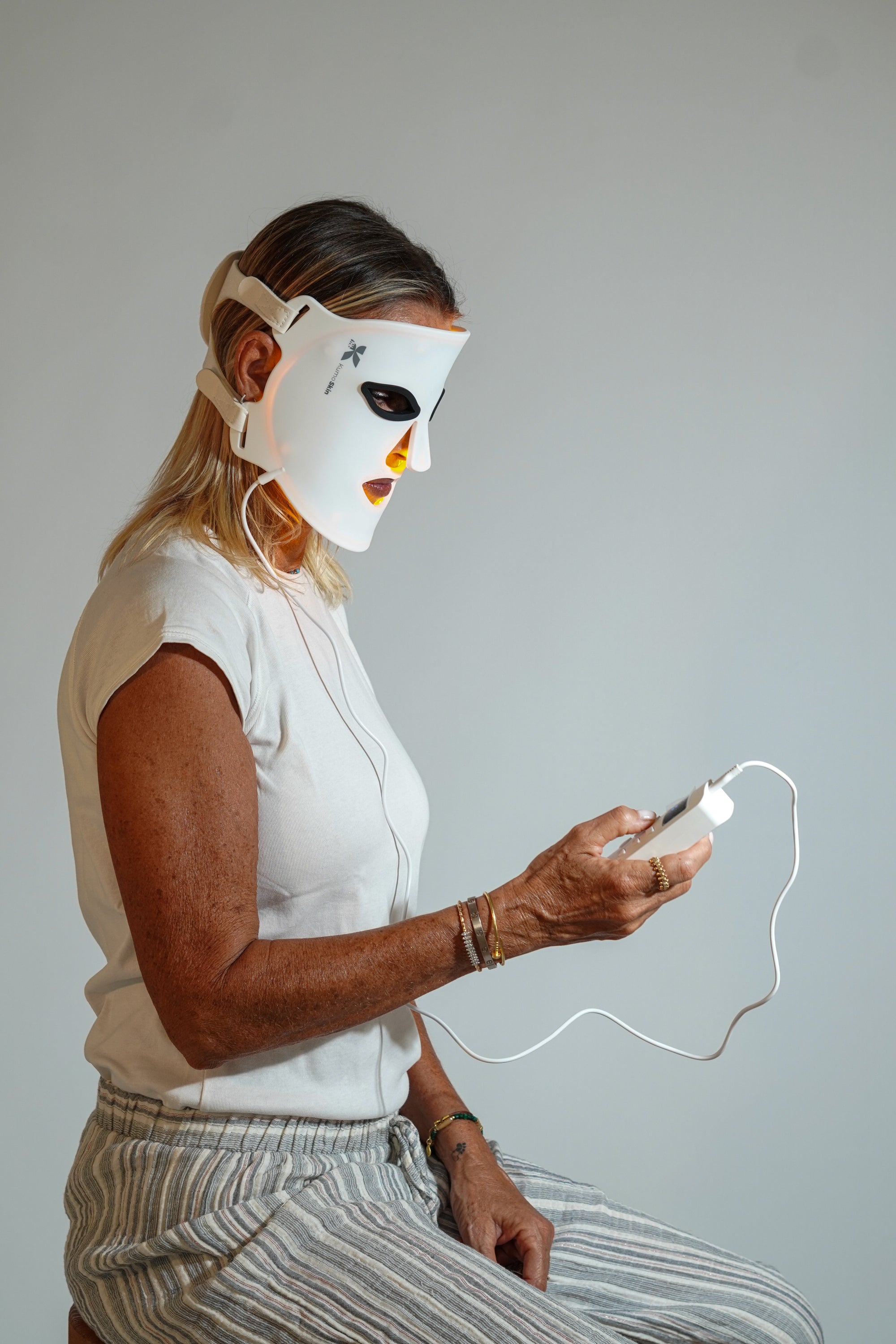
In this context, low-intensity red light therapy devices can help create a relaxing environment while supporting muscle and skin recovery. You can explore options in Kumo's LED therapy section to complement your pressotherapy routine with lighting designed for rest and regeneration.
Add localized massage to release more tension
If, in addition to heavy legs, you accumulate very specific tension points (calves, quadriceps, lower back), it may be helpful to combine pressotherapy with a short and controlled percussive massage .
A massage gun like KumoPulse Air allows you to apply a few minutes of targeted work to the most tense areas, before or after your compression session. This enhances the feeling of muscle relief and can help you lie down feeling more relaxed and ready for sleep.
Table: Example of a weekly home pressotherapy routine to improve sleep
| Day of the week | Time of day | Approximate duration | Suggested intensity | Main objective |
|---|---|---|---|---|
| Monday | 1.5 hours before bed | 25 min | Soft-medium | Relieving legs after the first day of work |
| Tuesday | Rest or light session | 15–20 min | Gentle | General relaxation |
| Wednesday | 2 hours after training | 25–30 min | Average | Muscle recovery |
| Thursday | 1.5 hours before bed | 20–25 min | Soft-medium | Reduce accumulated tension |
| Friday | Late evening | 30 min | Average | Release the week's workload |
| Saturday | According to physical activity | 20–30 min | Variable | Recovery after sport/active leisure |
| Sunday | Sunset | 20 min | Gentle | Prepare your body for the week |
Note: This table is a guide and should be adapted to your health status, activity level and personal sensations.
Practical tips to get the most out of pressotherapy at home
Beyond frequency and duration, there are small details that make a big difference in how you feel during and after each session.
Create a recovery environment
- Wear comfortable, lightweight clothing that doesn't compress under your boots.
- Adjust the room temperature to a comfortable level (neither too cold nor too hot).
- Choose soft music, a relaxing podcast, or simply silence.
- Avoid answering emails or messages during the session: it's your time to disconnect.
Listen to your body
- If you notice unpleasant tingling or pain, lower the pressure or stop the session.
- Adjust the intensity gradually; don't start directly at the maximum level.
- Observe how you sleep on the nights you do pressotherapy and on the nights you don't, and adjust your routine accordingly.
Frequently asked questions about home pressotherapy and sleep
How many times a week can I use pressotherapy at home to sleep better?
For most healthy people, 3 to 5 sessions per week is enough to notice benefits in terms of feeling lighter and more relaxed. If you're just starting out, try 2–3 sessions spaced out (for example, Monday, Wednesday, and Friday) and see how your body responds and how you sleep on those days. Over time, you can increase the frequency if you tolerate it well. More isn't always better: the goal isn't to "accumulate minutes," but to create a sustainable and enjoyable routine that you can maintain over time.
How long before going to bed should I do pressotherapy?
A good guideline is to schedule your session 1 to 2 hours before bedtime . This way, you enjoy the relaxing effect and leg relief just before starting your nighttime routine, but you also leave some time in case it energizes you a bit at first. Some people tolerate pressotherapy well right before bed, while others prefer that short interval. Experiment for a week or two and stick with the schedule that best suits your comfort level.
Can pressotherapy replace other treatments for insomnia?
No. Home compression therapy is a wellness and recovery tool, not a medical treatment for insomnia. It can help relieve physical discomfort, reduce bodily stress, and create a more conducive environment for sleep, but it should not be used as a substitute for professional care when a sleep disorder is present. If you have had difficulty sleeping for more than 3 months, experience very frequent awakenings, or have severe daytime sleepiness, it is important to consult a doctor or a sleep clinic for a comprehensive evaluation.
Is nighttime pressotherapy safe if I have poor circulation?
It depends on the type of circulatory problem. In mild cases of tired legs from standing or sitting for long periods, wellness pressotherapy is usually well-tolerated. However, if you suffer from significant varicose veins, a history of venous thrombosis, peripheral arterial disease, or heart failure , it is essential to speak with your doctor first. They can advise you on whether pressotherapy is suitable for you and under what conditions. If you have any doubts, always prioritize safety and seek a professional evaluation.
Can I use pressotherapy every day if I train a lot?
If you're an athlete and train several times a week, you could use pressotherapy almost daily, as long as you listen to your body and avoid excessive pressure. Many active people use it after their most intense sessions and reduce the frequency on lighter or rest days. The important thing is that pressotherapy contributes to your recovery, not that the session becomes another obligation. If you notice unusual fatigue, persistent discomfort, or changes in your performance, review your training load and consult a professional.
So what now?
If you want your night's rest to be as important as your day-to-day life, incorporating compression therapy at home can be an excellent starting point. At Kumo, you'll find recovery technologies designed for home use, from compression boots to LED therapy and deep massage solutions like KumoPulse Air . If you're unsure which option is best for you, you can contact us through our contact page for personalized advice and to start building your own restorative sleep routine.
KumoWave pressotherapy
Choose your at-home pressotherapy
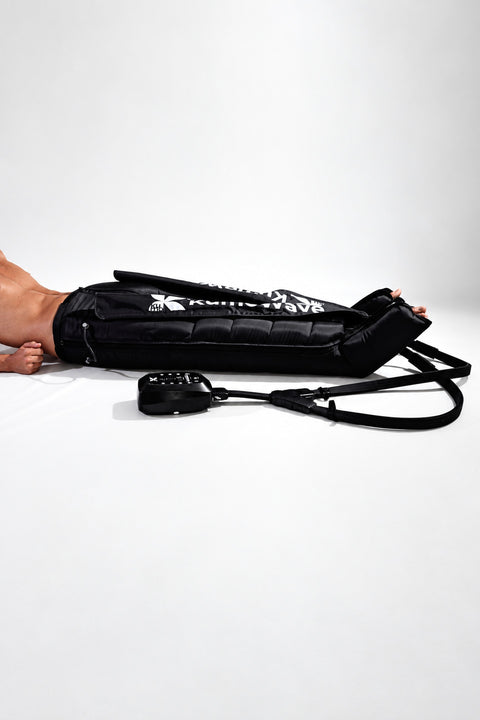
KumoWave Elite – Pressotherapy Pants
Full-coverage trousers. Ideal for lipedema, fluid retention and intensive use.
€799,00 €999,00
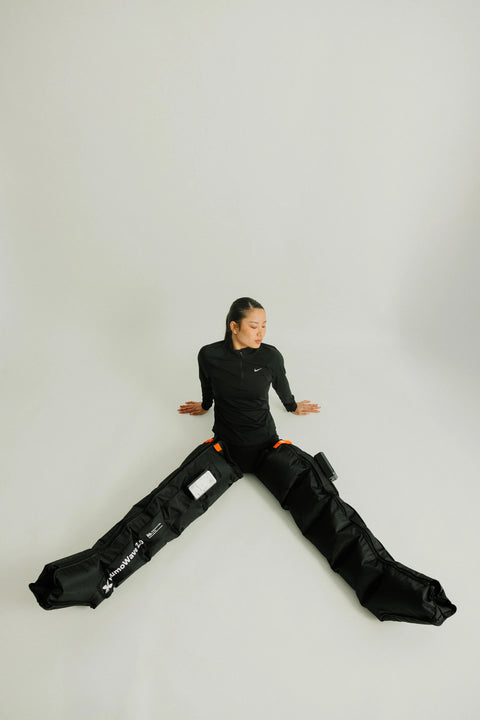
KumoWave 2.0 - Wireless Pressotherapy
Wireless, lightweight boots. Perfect for daily use and recovery.
€499,00 €599,00