What exactly is home pressotherapy?
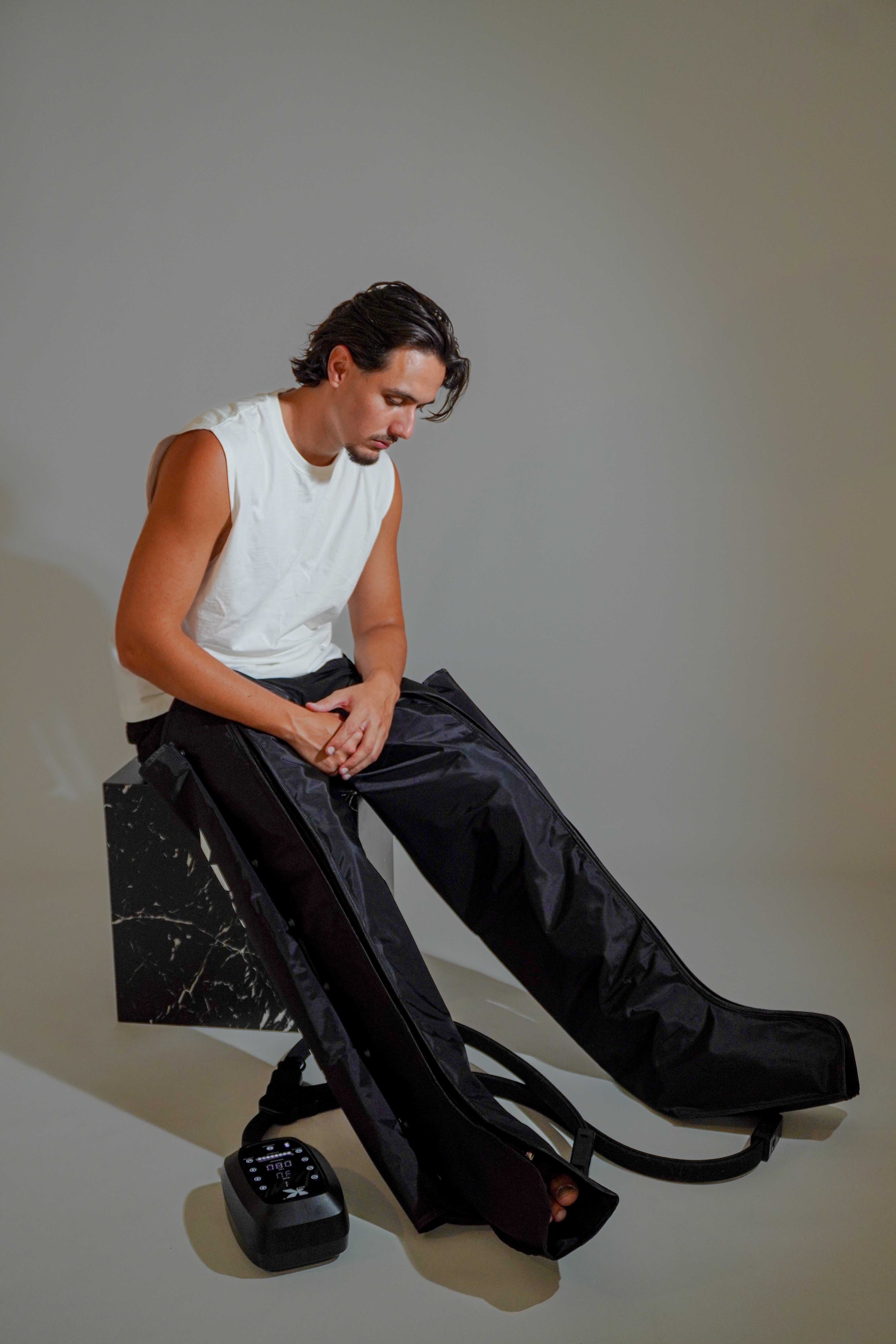
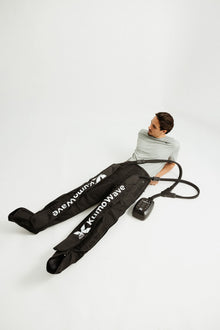
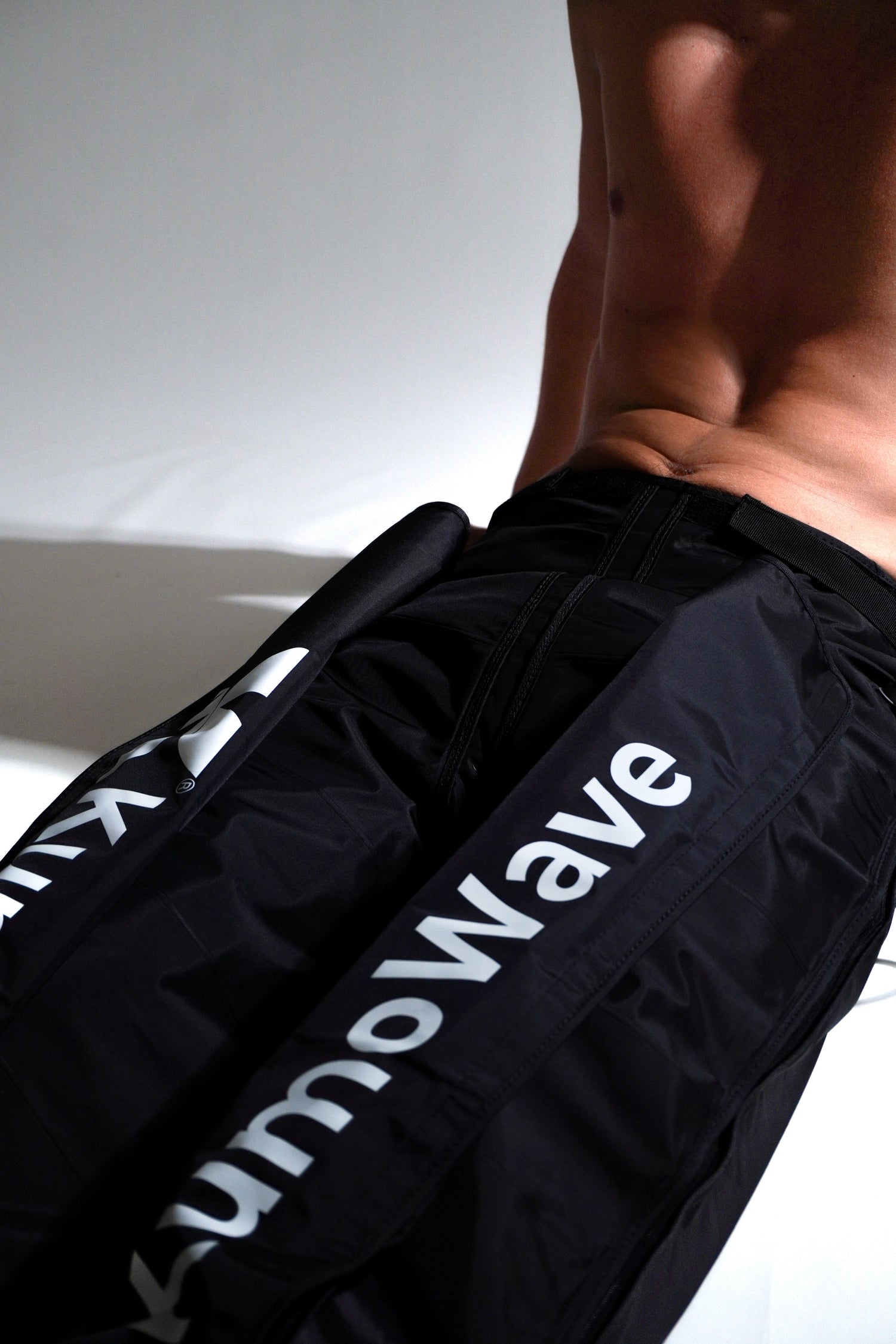
Home compression therapy uses inflatable boots or sleeves connected to a compressor that inflate and deflate sequentially to apply pressure to the legs. This system is known in medicine as intermittent pneumatic compression (IPC), and has been used for years in hospitals to improve circulation and prevent blood clots in immobilized individuals. ( my.clevelandclinic.org )
In the domestic and wellness sphere, the same technological foundations have been adapted to more compact and user-friendly devices, designed for:
Pressotherapy at home
End the day with light legs
★★★★★ 4,8/5 · rated by verified customers
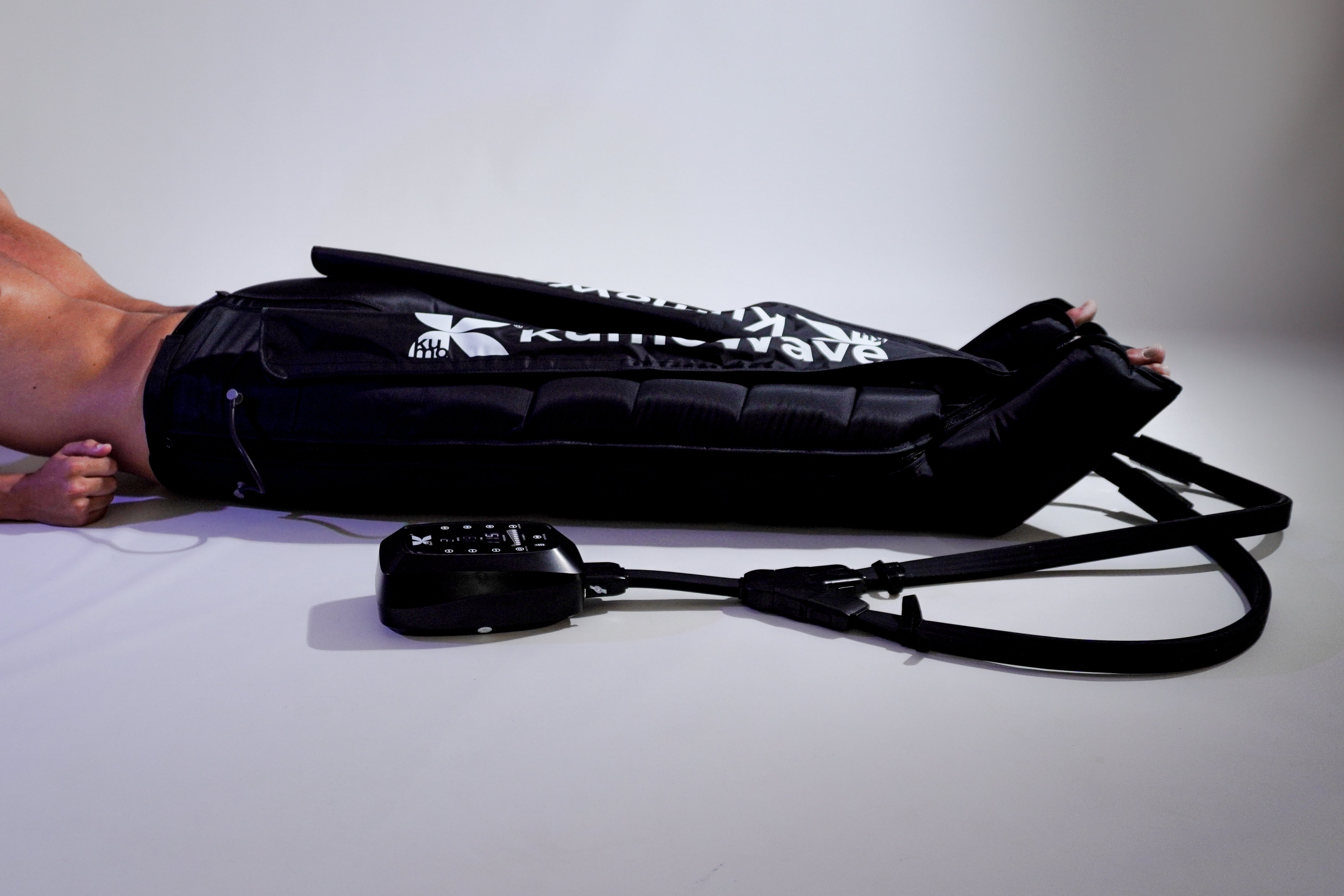
KumoWave pressotherapy boosts circulation and helps drain fluid with sequential compression, in 20-minute sessions at home.
- Boosts circulation and helps drain fluid
- Chamber-based compression, adjustable to you
- Sequential compression that mimics manual drainage
€799,00€999,00
−10% on your 1st order when you subscribe to the newsletter

- Relieve the feeling of tired and heavy legs.
- Promote recovery after exercise.
- Support certain rehabilitation programs under medical supervision. ( pubmed.ncbi.nlm.nih.gov )
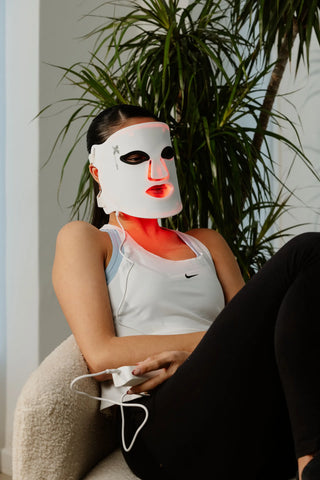
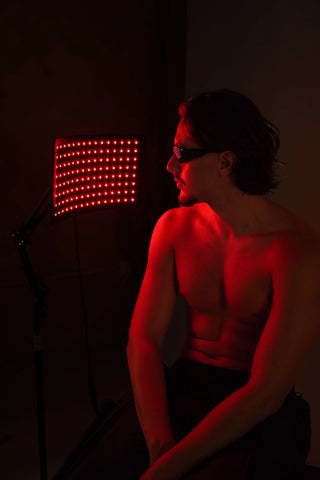
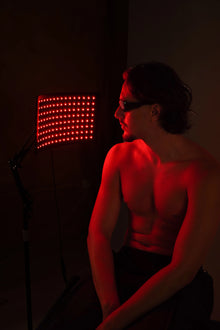
At KUMO , this philosophy is integrated into a global vision of recovery, along with technologies such as red light therapy and massage guns, seeking to make body care a natural part of the daily routine.
Home pressotherapy: most common opinions
What users say about their daily lives
When analyzing real opinions about at-home pressotherapy, several recurring patterns emerge:
Personalized protocol · included with your purchase
Want us to tell you how to use it in your case?
With your purchase, our experts prepare a personalized usage protocol for your case: sport, circulation, fluid retention, pregnancy or lipedema.
Message us on WhatsAppOur experts reply · no obligation
- A feeling of lightness in the legs after a session, especially in people who spend many hours standing or sitting.
- Deep relaxation , similar to a gentle, rhythmic massage.
- Less "annoying" muscle soreness the day after intense training, although it does not disappear completely.
- Better adherence to leg care because it can be used at home watching a series or reading.
These assessments are subjective but important: studies on compression devices show that when use is comfortable and pleasant, people wear them longer and more consistently, increasing the likelihood of noticing benefits. ( pubmed.ncbi.nlm.nih.gov )
Advantages that are most frequently mentioned in the reviews
- Convenience and time : no need to travel to a clinic; it fits easily into your schedule after work or training.
- Regularity : being able to use it several times a week improves the feeling of progress, something difficult to achieve with occasional sessions.
- Perception of better recovery : many users describe less heaviness, moderate swelling, and a greater willingness to train the next day.
- Self-care ritual : it becomes a moment of mental as well as physical disconnection.
Drawbacks that also appear in the reviews
- It requires time : 20–30 minute sessions that need to be fitted into your routine.
- Possible discomfort if the pressure is excessive : it may cause discomfort, heat, or skin irritation if not properly adjusted. ( my.clevelandclinic.org )
- Unrealistic expectations : Some people expect "miracle" results (such as completely eliminating cellulite or varicose veins), something that the evidence does not support.
- It does not replace exercise or healthy habits : it is a complement, not a sole solution.
What science says in 2026 about home pressotherapy
Sports recovery and muscle pain
In recent years, systematic reviews and meta-analyses have been published on intermittent pneumatic compression applied to the legs after exercise. A review of 17 studies with 319 participants concludes that IPC offers a small but consistent benefit in reducing pain and muscle soreness, and a trivial or small effect on muscle function, with no clear changes in markers of muscle damage. ( pubmed.ncbi.nlm.nih.gov )
The most common protocols in these studies are 20–30 minute sessions with pressures around 80 mmHg . ( pmc.ncbi.nlm.nih.gov ) A recent study found that this type of treatment can reduce delayed onset muscle soreness (DOMS) 48–72 hours after intense plyometric exercise. ( pubmed.ncbi.nlm.nih.gov )
on your first order when you join the newsletter
We send you the code instantly. No spam.
However, other controlled trials in demanding contexts (e.g., ultramarathons or very intense eccentric exercise) have not observed relevant improvements in subsequent performance compared to simply resting, although they have shown an acute reduction in the sensation of fatigue during and immediately after the session. ( pubmed.ncbi.nlm.nih.gov )
Conclusion for athletes: Home pressotherapy can help you feel better (less pain, more lightness) and perhaps be a little more ready to train, but it is not a guarantee of better performance nor does it replace adequate rest, sleep and nutrition.
Medical uses of home pressotherapy
Beyond sports, intermittent pneumatic compression has established medical uses:
- Prevention of deep vein thrombosis in hospitalized patients or those with reduced mobility, reducing the risk of blood clots in the legs. ( my.clevelandclinic.org )
- Chronic lymphedema : In a study of 30 patients with leg lymphedema following gynecological cancer, a 4-week home program with IPC combined with conventional compression showed good tolerance and satisfaction, with improvements in quality of life although without very marked changes in limb volume. ( pubmed.ncbi.nlm.nih.gov )
- Rehabilitation after stroke : In a trial with 31 people in the chronic post-stroke phase, 12 weeks of daily home CPI was associated with improved walking ability and reduction in peripheral and central blood pressure compared to usual care. ( pubmed.ncbi.nlm.nih.gov )
In these cases, home pressotherapy is part of a plan supervised by healthcare professionals. It should not be started independently if there is cardiovascular disease, a history of thrombosis, sensory problems, or vascular pathologies without a doctor's evaluation.
What can we conclude today (2026)
- Scientific evidence supports the safety and usefulness of intermittent pneumatic compression in specific medical contexts and under supervision.
- In healthy individuals and athletes, studies point to modest benefits in pain and perceived recovery, rather than in pure performance. ( pubmed.ncbi.nlm.nih.gov )
- Positive user reviews about light legs, rest, and self-care rituals fit with these effects, although commercial enthusiasm and unrealistic expectations should always be filtered out.
Real results: how they make a difference in everyday life
Profile 1: athletes and very active people
Those who train frequently (running, cycling, gym, team sports) often use pressotherapy at home at the end of the day or after demanding sessions. The effects they most frequently report are:
- Less stiffness and tightness in the calves and quadriceps.
- Feeling of faster recovery between intense workouts.
- Greater ease in maintaining a high weekly workload without feeling "so burdened".
These changes are subjective, but consistent with studies showing reduced muscle soreness and improved comfort following post-exercise CPI sessions. ( pubmed.ncbi.nlm.nih.gov )
Profile 2: People with tired legs and a sedentary lifestyle
Those who spend many hours sitting or standing (office, retail, healthcare, hospitality) describe especially:
- Reduction of heaviness at the end of the day.
- Less mild swelling in ankles and feet.
- A “massage effect” that helps you mentally disconnect.
In the absence of pathologies, this use is considered beneficial for well-being. If advanced varicose veins, a history of thrombosis, heart failure, or unexplained edema are present, a prior medical evaluation is essential, as in some cases pressotherapy may be contraindicated or require specific adaptation. ( my.clevelandclinic.org )
Profile 3: Users in rehabilitation programs
In people undergoing rehabilitation (e.g., after a stroke or cancer surgery), home-based CPI has been studied as an adjunct to physical therapy, with promising results in mobility, exercise tolerance, and blood pressure. ( pubmed.ncbi.nlm.nih.gov )
In this context, pressotherapy is not used "based on sensations," but rather following established protocols (duration, frequency, pressure) and with regular check-ups. Positive reviews often focus on the feeling of progress and the possibility of continuing to improve circulation at home between in-person sessions.
How to use pressotherapy at home safely and effectively
Before we begin: basic contraindications
Although pressotherapy is generally safe, there are situations in which it should only be used under medical supervision or avoided altogether. These include:
- Active or suspected deep vein thrombosis.
- Severe peripheral arterial disease.
- Decompensated heart failure.
- Skin infections or open wounds in the application area.
- Swelling of unclear cause or severe leg pain. ( my.clevelandclinic.org )
If you have any doubts, it is wise to consult your doctor or physiotherapist first before starting to use compression boots at home.
Indicative duration, frequency and pressure
Research available in 2026 suggests that many effective IPC protocols use:
- Duration per session : 20–30 minutes.
- Pressure : around 80 mmHg in sports recovery studies, adjustable according to tolerance. ( pmc.ncbi.nlm.nih.gov )
- Frequency : from after particularly intense sessions to several days a week, depending on the goal.
A good rule of thumb for wellness use is to start with lower pressures, check that no pain or tingling appears, and gradually increase until you find a firm but comfortable level.
Integrate pressotherapy into a complete recovery routine
Home pressotherapy works best when it's part of a comprehensive recovery strategy:
- Sleep and rest : it is the factor with the most proven impact on muscle and hormonal recovery.
- Gentle movement : walking, light stretching or joint mobility help venous return.
- Targeted muscle care : a massage gun like the KUMO Pulse Air allows you to work on specific tension points that pneumatic pressure cannot reach as precisely.
- Regenerative support : Technologies such as red or near-infrared LED light therapy are increasingly being explored to modulate inflammation and sleep quality.
Together, these tools aim to ensure that recovery is as carefully managed as the training itself.
Table: Expectations vs. Evidence-Based Results
| Typical expectations about home pressotherapy | What the evidence and experience indicate in 2026 |
|---|---|
| "It will get rid of all my muscle soreness in just one session." | It can reduce pain and stiffness, but muscle soreness does not disappear completely; the peak benefit is usually felt 48–72 hours after exercise. ( pubmed.ncbi.nlm.nih.gov ) |
| “I’m going to perform much better in my next training session.” | Studies show little to no improvement in objective performance; the main effect is feeling more recovered, not necessarily being faster or stronger. ( pubmed.ncbi.nlm.nih.gov ) |
| "Will it cure my varicose veins or lymphedema?" | In vascular or lymphatic problems, it is a supportive tool within a specific medical and compression treatment, not a cure on its own. ( my.clevelandclinic.org ) |
| "It's dangerous if I use it at home." | In healthy individuals without contraindications, studies show good safety and tolerability. The key is to properly adjust the pressure and follow professional recommendations. ( pubmed.ncbi.nlm.nih.gov ) |
| "It's only suitable for elite athletes." | The technology originated in the clinical field and is now used by athletes, people with sedentary lifestyles, and those undergoing rehabilitation, with programs tailored to each individual's needs. ( my.clevelandclinic.org ) |
How to choose a home pressotherapy device (without going crazy)
Without going into comparisons or prices, there are criteria that usually appear in the best user reviews of home pressotherapy:
- Comfort and ergonomics : boots that wrap well around the foot and leg, with a pleasant and easy-to-clean interior.
- Program adjustment : possibility to regulate pressure, duration and different sequential massage modes.
- Design and silence : an aesthetically pleasing and relatively quiet device makes it easy to use daily in your living room or bedroom, like the equipment in the KUMO pressotherapy collection .
- Quality and support : clear instructions, customer service and, if possible, guidance from movement or physiotherapy professionals.
Ultimately, the "best" equipment is the one you can and want to use consistently, because that's where most of the perceived benefits appear.
Frequently asked questions about at-home pressotherapy and real reviews
Does at-home pressotherapy replace a professional sports massage?
No. Compression therapy and manual massage share the goal of improving circulation and relieving tension, but they work differently. Compression boots apply rhythmic and even pressure across the entire leg, while a professional can specifically target areas of greater strain, adhesions, or restricted mobility. Comparative studies show that compression therapy reduces the perception of fatigue, but it doesn't always improve performance more than other passive techniques. ( pubmed.ncbi.nlm.nih.gov ) The smartest approach is to view compression therapy as a complement that allows you to receive "more time for care" between in-person massages.
How many times a week is it recommended to use pressotherapy at home?
It depends on your goal and your health status. In supervised rehabilitation settings, daily programs have been used for 12 weeks without significant safety concerns. ( pubmed.ncbi.nlm.nih.gov ) For athletes or active individuals, many wellness routines consist of 2 to 5 weekly sessions of 20–30 minutes, increasing the frequency during periods of higher training load. If you have vascular, cardiac, or lymphatic conditions, the frequency and intensity should be determined by your doctor or physical therapist.
Is home pressotherapy safe if I have varicose veins or circulatory problems?
The answer isn't the same for everyone. In mild cases, compression can relieve symptoms like heaviness or swelling, but the situation changes when there are advanced varicose veins, a history of thrombosis, venous ulcers, arterial disease, or heart failure. Clinical guidelines and referral centers emphasize the importance of individually assessing these cases before using pneumatic compression devices. ( my.clevelandclinic.org ) As a precaution, if you have any diagnosed vascular disease, it's advisable to consult your specialist before starting compression therapy at home.
How long does it take to see results from at-home pressotherapy?
Many people report immediate effects after the first session: lighter legs, a feeling of drainage, and relaxation. Studies on muscle recovery indicate that the greatest impact on pain and soreness is usually seen 48–72 hours after exercise when post-workout IPC has been used. ( pubmed.ncbi.nlm.nih.gov ) In medical programs (lymphedema, stroke), functional and quality-of-life improvements are usually observed after several weeks of consistent use. ( pubmed.ncbi.nlm.nih.gov ) The key is consistency; don't expect drastic transformations overnight.
So what now?
If you're considering incorporating at-home compression therapy into your recovery routine, the next step is to clearly define your goal: daily well-being, training support, or a complement to an existing rehabilitation program. At KUMO, you'll find a carefully curated selection of compression therapy boots designed for home use in our dedicated collection , as well as complementary technologies such as LED therapy and the KUMO Pulse Air massage gun. If you need more personalized guidance, you can contact our team through the contact page to design a recovery routine tailored to your specific needs.
KumoWave pressotherapy
Choose your at-home pressotherapy
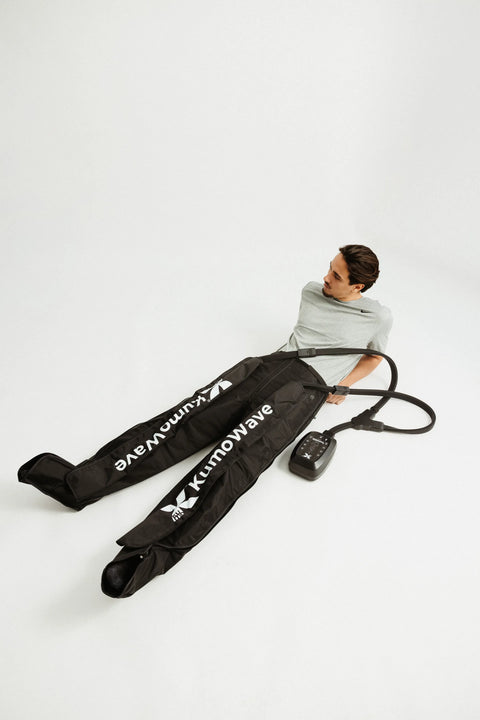
KumoWave Elite – Pressotherapy Pants
Full-coverage trousers. Ideal for lipedema, fluid retention and intensive use.
€799,00 €999,00
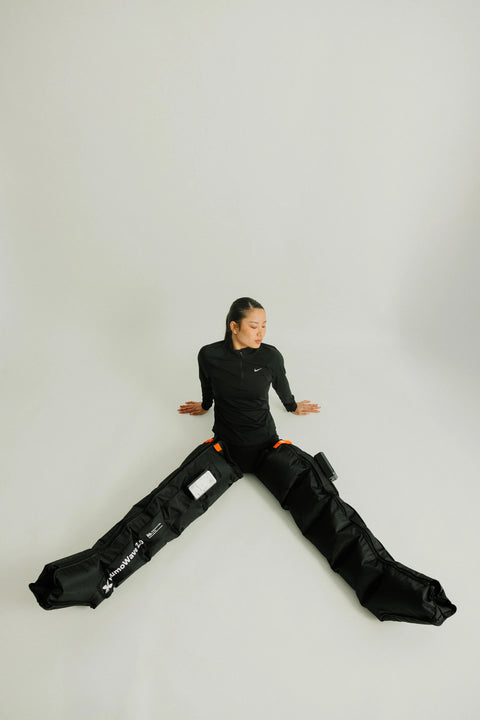
KumoWave 2.0 - Wireless Pressotherapy
Wireless, lightweight boots. Perfect for daily use and recovery.
€499,00 €599,00