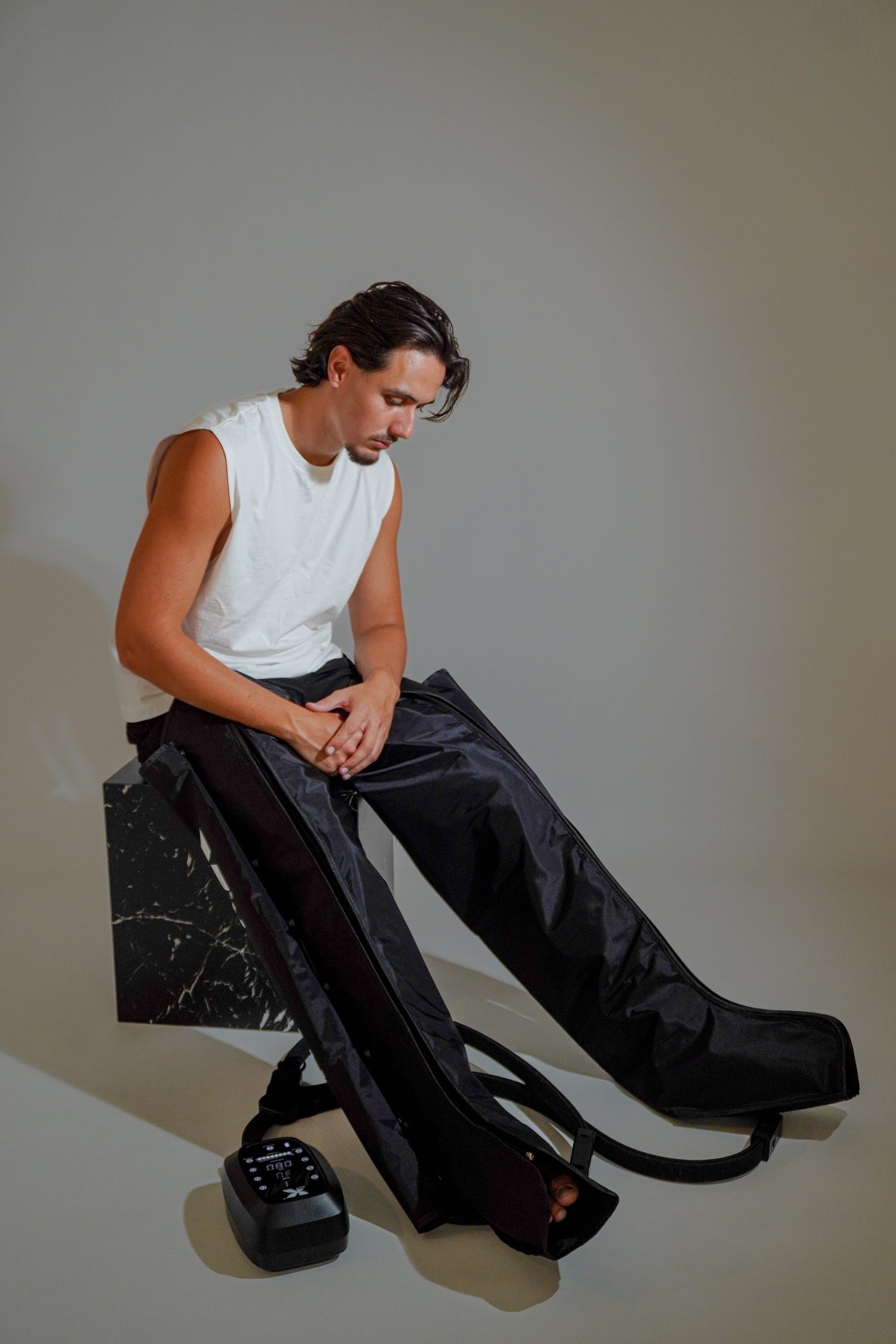
Introduction: Does home pressotherapy really work?
The short answer is yes, but with some nuances. Home pressotherapy can improve circulation, relieve tired legs, and promote muscle recovery, provided it's used correctly and doesn't replace medical treatment when necessary. In this article, we debunk the most common myths, explain what science says, and show you how to safely integrate pressotherapy into your wellness routine.
If you're considering pneumatic compression boots for home use, here you'll find a clear guide, free of unnecessary technical jargon and based on reliable sources.
Pressotherapy at home
End the day with light legs
★★★★★ 4,8/5 · rated by verified customers
KumoWave pressotherapy boosts circulation and helps drain fluid with sequential compression, in 20-minute sessions at home.
- Boosts circulation and helps drain fluid
- Chamber-based compression, adjustable to you
- Sequential compression that mimics manual drainage
€799,00€999,00
−10% on your 1st order when you subscribe to the newsletter

What exactly is pressotherapy and how does it work?
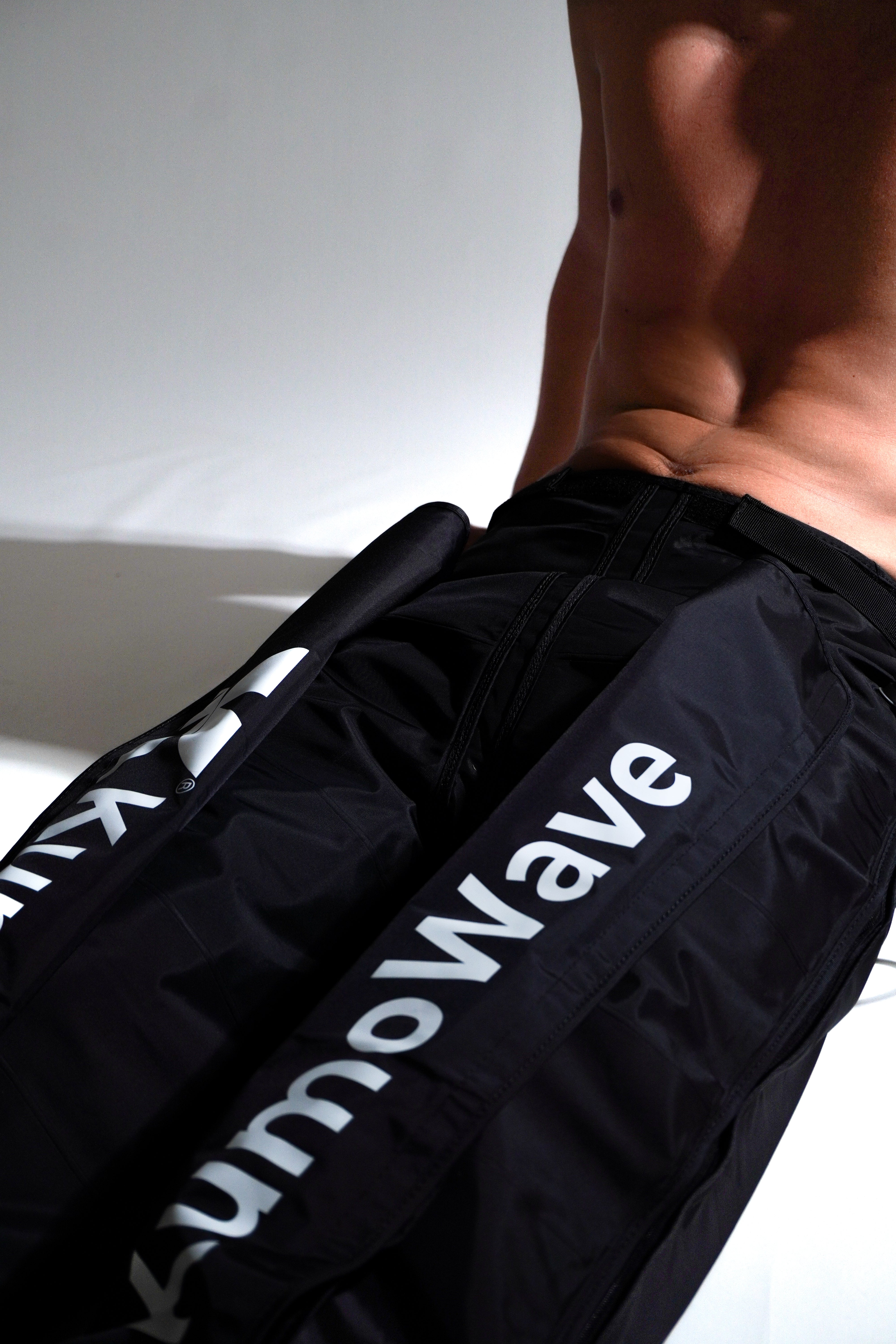
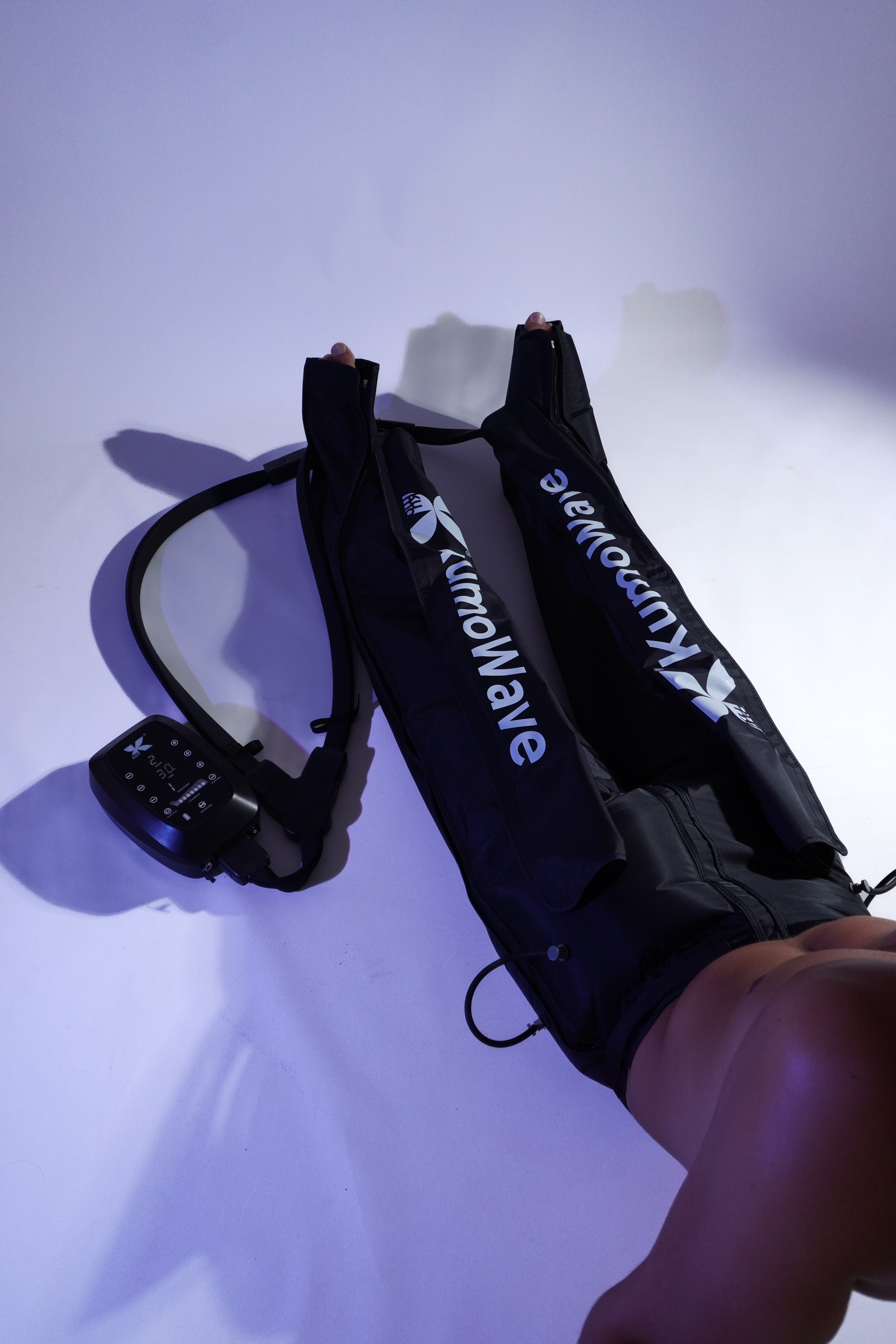
Pressotherapy is an intermittent pneumatic compression technique that uses air chambers that inflate and deflate in a specific sequence. Its main objective is to stimulate venous and lymphatic return, helping to mobilize fluids and reduce the sensation of swelling or heaviness in the lower extremities.
In simple terms, it acts as a rhythmic “pressure massage” that pushes blood and lymph back towards the torso, similar to what compression stockings or manual massage do, but in an automated and controlled way.
Personalized protocol · included with your purchase
Want us to tell you how to use it in your case?
With your purchase, our experts prepare a personalized usage protocol for your case: sport, circulation, fluid retention, pregnancy or lipedema.
Message us on WhatsAppOur experts reply · no obligation
In the medical field, intermittent pneumatic compression has been used for decades to prevent deep vein thrombosis in hospitalized patients or those with reduced mobility, and as support in some cases of lymphedema, always under professional supervision.
Home pressotherapy: how it's similar (and different) to the clinic
Home compression therapy devices are based on the same principle as clinical equipment: air chambers that exert sequential pressure on the legs. However, there are key differences in:
- Power and pressure range : professional-grade equipment usually offers higher pressures and a very wide range of programs, reserved for specific medical indications.
- Usage protocols : in the clinic, personalized guidelines are followed, adjusted to the patient's diagnosis and supervised by healthcare personnel.
- Main objective at home : well-being, sports recovery, fatigue relief and preventive leg care, not the treatment of serious pathologies.
That's why it's essential to understand that home pressotherapy is a tool for well-being and recovery , not a substitute for a medical assessment or specific treatments prescribed by a professional.
on your first order when you join the newsletter
We send you the code instantly. No spam.
Common myths about home pressotherapy
Myth 1: “Pressotherapy cures varicose veins and serious venous problems”
Pressotherapy can help improve symptoms such as tired legs, slight swelling, or discomfort after many hours of standing or sitting. However, established varicose veins or chronic venous insufficiency require a medical diagnosis and, in many cases, specific treatments (medication, medical compression stockings, sclerotherapy, surgery, etc.).
Wearing compression boots at home can provide comfort for people with mild discomfort, provided their doctor hasn't advised against it. However, it doesn't eliminate varicose veins or replace comprehensive vascular treatment.
Myth 2: “The more pressure and the more time, the better the results”
This is one of the most dangerous mistakes. More pressure does not mean more effectiveness, and it can be uncomfortable or even harmful in people with undiagnosed circulatory or lymphatic problems. Most clinical studies on pneumatic compression use controlled levels and limited session times , determined according to the objective (thrombosis prevention, edema management, etc.).
At home, it is recommended to start with moderate pressure , 15–30 minute sessions, and observe the body's response. Use should always be painless and without numbness, intense tingling, or alarming skin discoloration.
Myth 3: “Pressotherapy helps you lose weight and eliminates localized fat”
There is no solid scientific evidence to show that intermittent pneumatic compression directly reduces fat tissue. It may help decrease fluid retention and improve the appearance of swelling in some areas, which can visually give a feeling of lighterness or "less bloating."
Body fat loss depends primarily on energy balance (diet, calorie expenditure, lifestyle). Pressotherapy can be a helpful addition to your post-exercise recovery routine, but it doesn't replace movement or healthy habits.
Myth 4: “Anyone can use pressotherapy at home without consulting a doctor”
Pressotherapy is safe for most healthy people, but there are clear contraindications , such as a history of deep vein thrombosis, active skin infections, decompensated heart failure, or certain vascular conditions. In these cases, a doctor's evaluation is always necessary before using any compression system.
If you have any doubts, chronic illnesses, or are taking anticoagulant medication, it is best to consult your healthcare professional before incorporating pressotherapy sessions into your home routine.
Real benefits of home pressotherapy
Relief from tired and heavy legs
Many people who spend hours standing or sitting describe an immediate feeling of relief after a sequential compression session: less heaviness, less swelling in the ankles, and greater comfort at the end of the day. This effect is due to improved venous and lymphatic return and the mobilization of fluids toward the torso.
Support for muscle recovery
In the sports field, pneumatic compression is used as a post-training tool to accelerate recovery . Some studies have observed that it can reduce the perception of delayed onset muscle soreness (DOMS) in the 24–72 hours following intense exertion, when combined with other recovery pillars such as sleep, hydration, and proper nutrition.
For those who train frequently, incorporating short pressotherapy sessions after demanding workouts can help you arrive fresher for the next session, especially in endurance sports or high-load sports on the legs.
General well-being and a feeling of lightness
Beyond measurable parameters, many people point to a significant subjective well-being component: relaxation, a massage-like sensation, reduced daily stress, and improved bodily comfort. This aspect should not be underestimated, as stress management and sleep quality directly influence performance and recovery.
How to safely use pressotherapy at home
Before we begin: basic checklist
- Not to have open wounds, infections, or significant irritations on the legs.
- Do not experience severe pain, sudden swelling, or marked redness without a diagnosis (in these cases, see a doctor).
- Consult beforehand if you have cardiovascular disease, diabetes with vascular involvement, a history of thrombosis, or are pregnant.
Guidelines for home use
Each device has its own pressure ranges and programs. As a general guide for healthy individuals:
- Frequency : 2–5 times per week depending on your activity level and feeling of fatigue.
- Duration : 15–30 minute sessions are usually enough to notice a feeling of lightness.
- Intensity : Start with moderate levels and adjust upwards only if the session is fully comfortable.
- Time of day : after training, late in the afternoon or before going to sleep, depending on your routine.
Situations in which you should stop the session
Stop the pressotherapy and consult a professional if you notice:
- Sharp or stabbing pain in the leg.
- Intense tingling or prolonged loss of sensation.
- Very marked color change (extreme paleness, intense bluish or reddish color) that does not subside upon completion.
Integration with other recovery technologies
Pressotherapy can be combined with other modern recovery tools, such as LED light therapy for the skin and superficial muscle tissue, or percussion massage guns to target specific tension points. The goal is to create a cohesive wellness routine where each technology plays a complementary role.
Comparative table: Home pressotherapy vs. classic recovery habits
Home pressotherapy versus other recovery strategies
| Strategy | Main objective | Advantages | Limitations |
|---|---|---|---|
| Pressotherapy at home | Improve venous/lymphatic return and leg recovery | Automatic, reproducible, massage sensation, use sitting or reclining | Not indicated for certain conditions; requires a specific device |
| Walk softly | Activate calf muscle pump | Free, suitable for many people, overall health improvement | Not always possible (pain, weather, schedules); less specific for intensive recovery |
| Leg raise | Promote venous drainage by gravity | It's simple, you can do it at home without any materials. | Limited effect if done in isolation or very briefly |
| Manual massage | Relax muscles and mobilize soft tissues | Customizable, human contact, global approach | It depends on the therapist, requires an appointment, and there is a cost per session. |
| Massage gun | Release points of tension and localized stiffness | Very useful for specific muscle groups, portable | It doesn't work as much on the overall circulation of the legs. |
How to choose a home pressotherapy system
Technical aspects to consider
- Number of air chambers : more chambers allow for a more progressive and precise massage.
- Adjustable pressure range : to suit different users and sensations.
- Programs and modes : different sequences for a more lymphatic, more muscular or general relaxation focus.
- Comfort and ergonomics : ease of putting on and taking off the boots, quality of materials and compressor noise.
Safety and ease of use
Choosing equipment specifically designed for home use, with clear instructions and intuitive controls, is key to a safe experience. Systems designed for the wellness environment, such as those available in Kumo's pressotherapy collection , facilitate seamless integration into your daily routine without technical complications.
Pressotherapy, sports performance and daily life
For athletes and active people
If you train several times a week, especially in disciplines that put a lot of strain on your legs (running, cycling, team sports…), at-home pressotherapy can be a valuable tool for:
- Reduce the feeling of stiffness after intense sessions.
- Improve the perception of recovery between workouts.
- Incorporate a structured "pause" and relaxation time after exercise.
For those who spend many hours standing or sitting
Professions such as healthcare, hospitality, retail, or prolonged office work are associated with tired legs, swollen ankles, and a feeling of heaviness at the end of the day . In this context, home pressotherapy can be a valuable tool, always combined with active breaks, gentle stretching, and regular movement throughout the day.
For well-being at home
Beyond performance enhancements, pressotherapy can become part of your self-care routine, alongside other technological recovery tools such as LED skin masks or red light therapy for rest. The idea is to make recovery a pleasant habit, not just another chore.
Common mistakes when using pressotherapy at home
- Using it immediately after an acute injury (sprain, hard blow, etc.) without medical evaluation.
- Ignoring discomfort such as intense pain or tingling, thinking that "it's normal for it to hurt."
- Use maximum pressure levels from day one without progression.
- Relying solely on pressotherapy and neglecting other key pillars: sleep, nutrition, stress management, and daily movement.
Frequently asked questions about home pressotherapy
How many times a week is it recommended to do pressotherapy at home?
In healthy individuals, a frequency of 2 to 5 sessions per week is usually sufficient to experience leg relief and support muscle recovery. If you are a beginner, you can start with 2–3 sessions of 15–20 minutes and adjust according to how you feel. Athletes with high training loads can even use it daily during periods of intense activity, always prioritizing comfort and avoiding pain. If you have any pre-existing conditions or concerns, consult your doctor or physiotherapist first.
Is it safe to use pressotherapy at home if I have varicose veins or poor circulation?
It depends on the type and severity of the problem. In mild cases, some people with varicose veins find relief from the feeling of heaviness, but in advanced venous insufficiency, a history of thrombosis, or serious circulatory problems, pneumatic compression may be contraindicated. It should never replace an evaluation by a vascular surgeon or the use of prescribed compression stockings. If you have been diagnosed with venous disease or have any concerns about your circulation, it is best to consult a doctor before using any home compression therapy system.
Can I use pressotherapy at home during pregnancy?
Pregnancy is often associated with increased fluid retention and swollen legs, which is why many women are interested in pressotherapy. However, not all cases are the same . There are significant changes in circulation, and the risk of thrombosis can increase at certain stages. Therefore, it is essential to discuss this with your gynecologist or midwife before starting. In many cases, measures such as walking, leg elevation, and specific compression stockings are recommended first. Pressotherapy should only be considered if your healthcare professional expressly recommends it.
Does at-home pressotherapy replace sports massage or a massage gun?
No, they are complementary tools. Pressotherapy works on overall circulation and the feeling of lightness in the legs, while manual massage or a massage gun allows you to address very specific tension points, contractures, or particularly tense areas. Ideally, you should combine them according to your needs: for example, pressotherapy after training for overall recovery, and targeted massage on specific days or before strenuous activity.
What does it feel like during a pressotherapy session at home?
Most users describe a sensation of progressive pressure and rhythmic release , similar to a firm but not painful massage. You'll typically feel the chambers inflating from your foot up to your thigh, then releasing the pressure to repeat the cycle. You shouldn't experience sharp pain or intense tingling; if this occurs, reduce the pressure or stop the session. After 15–30 minutes, it's common to notice lighter, less swollen legs and an overall feeling of relaxation.
So what now? Integrate pressotherapy into your recovery routine
If you want to make recovery as important a habit as your workout or workday, at-home compression therapy can be a great ally. At Kumo, you'll find recovery technologies designed for everyday use, from compression boots to LED therapy devices and deep tissue massage solutions. If you're unsure which tool best suits your lifestyle, you can contact us through our contact page for personalized advice on creating your own wellness routine.
KumoWave pressotherapy
Choose your at-home pressotherapy
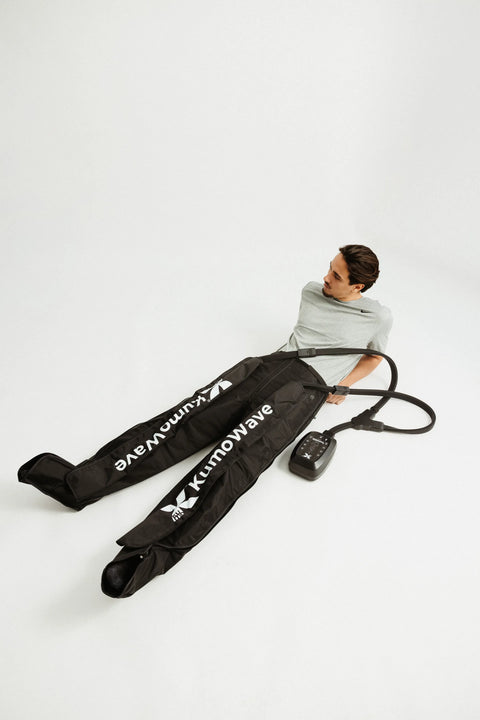
KumoWave Elite – Pressotherapy Pants
Full-coverage trousers. Ideal for lipedema, fluid retention and intensive use.
€799,00 €999,00
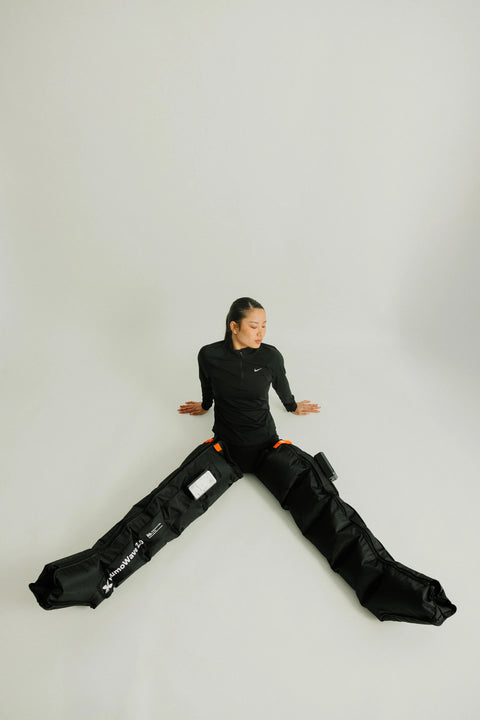
KumoWave 2.0 - Wireless Pressotherapy
Wireless, lightweight boots. Perfect for daily use and recovery.
€499,00 €599,00