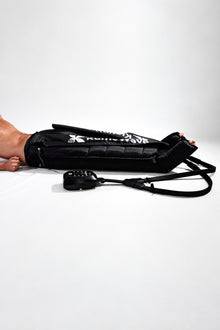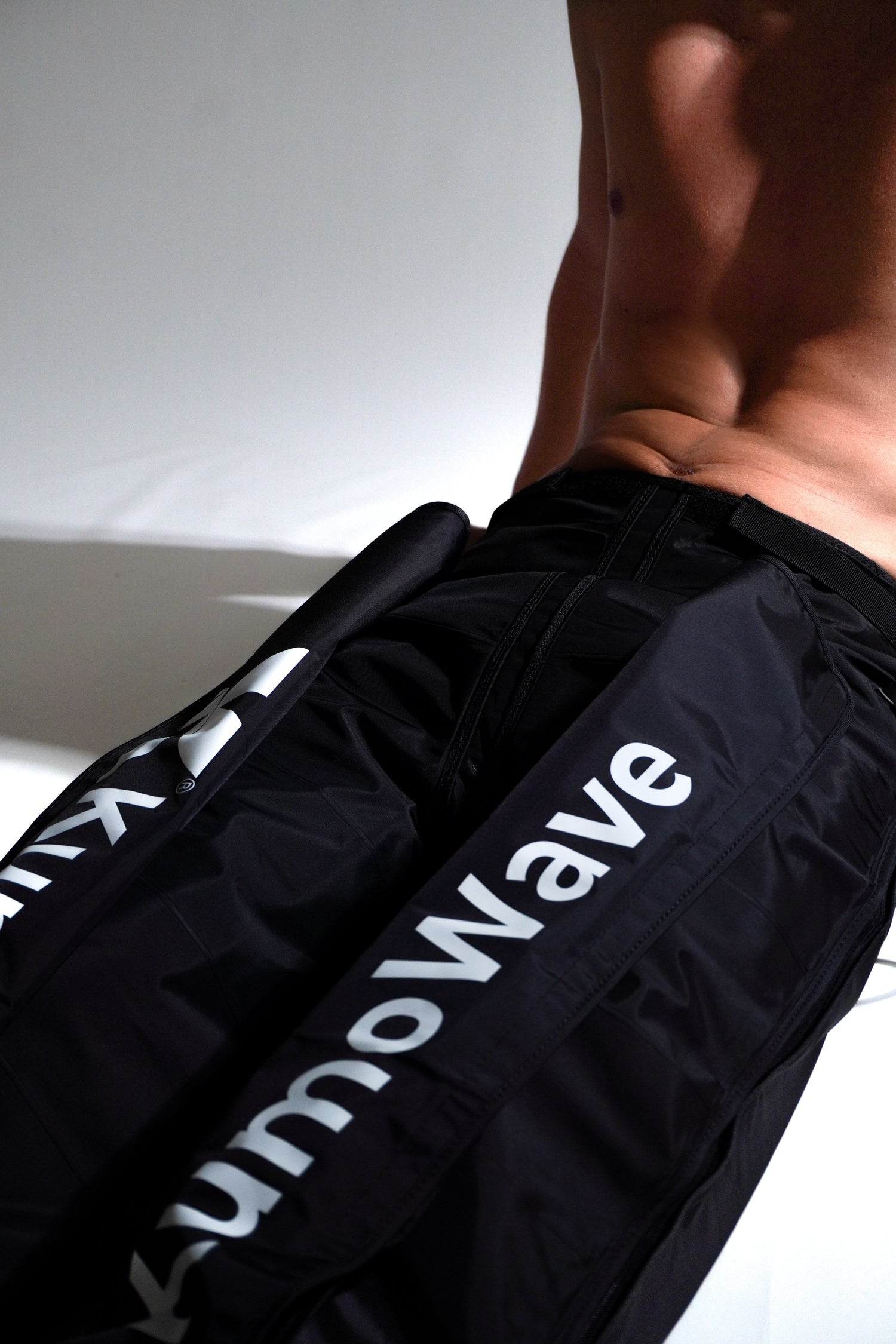
Pressotherapy at home, clearly explained and easy to apply. In this guide, you'll learn how to choose the right size boots, how to adjust them for a comfortable seal, and how to set up safe and effective sessions to suit your goals.
The intention of this guide is clear: to help you measure, choose and adjust your home pressotherapy equipment to improve circulation, relieve tired legs and optimize recovery, without risks or doubts.
Pressotherapy at home
End the day with light legs
★★★★★ 4,8/5 · rated by verified customers
KumoWave pressotherapy boosts circulation and helps drain fluid with sequential compression, in 20-minute sessions at home.
- Boosts circulation and helps drain fluid
- Chamber-based compression, adjustable to you
- Sequential compression that mimics manual drainage
€799,00€999,00
−10% on your 1st order when you subscribe to the newsletter

In a little while
- Measure leg length and circumferences (thigh, calf and ankle) to choose the right size.
- The correct fit seals without pinching: no creases, free toes and comfortable pressure.
- Start with low pressures and short sessions; progress according to tolerance and goal.
- Avoid use with contraindications (e.g., active venous thrombosis); consult if in doubt.
- Maintain a routine: 3–5 days/week promotes results; record sensations and adjustments.
What is pressotherapy and why does the fit matter?
Pressotherapy (intermittent pneumatic compression) applies sequential pressure to chambers surrounding the leg to promote venous and lymphatic return. When the garment fits properly, the pressure is distributed evenly, creating an effective gradient from the foot to the thigh. An improper fit leads to pressure leaks, discomfort, and reduced effectiveness.
- Clinical guidelines describe pneumatic compression as a useful tool in venous and lymphatic return when used correctly, under clear indications and contraindications. Cleveland Clinic: Intermittent Pneumatic Compression.
- Evidence supports its usefulness in certain cases of venous and lymphatic pathology, always with good selection and adjustment of the device . Cochrane Library – IPC and venous ulcers .
Expert tip: Size and sealing are invaluable. Two extra minutes of measuring and testing translates to better sessions for years to come.
Personalized protocol · included with your purchase
Want us to tell you how to use it in your case?
With your purchase, our experts prepare a personalized usage protocol for your case: sport, circulation, fluid retention, pregnancy or lipedema.
Message us on WhatsAppOur experts reply · no obligation
How to choose your size: measurement guide
What measures to take (step by step)
- Leg length: from the groin (inguinal fold) to the heel, with the leg extended.
- Thigh circumference: at its widest point, without tightening the tape.
- Calf circumference: in the area of greatest perimeter.
- Ankle circumference: above the malleolus.
- Foot length (if the boot covers it): from heel to tip of longest toe.
Note each measurement and compare them to the manufacturer's size chart. If your measurements are borderline, prioritize ensuring the length doesn't go past your groin and that the waistband isn't too tight.
How to interpret manufacturer sizes
- Most offer contour ranges and a maximum leg length. Make sure the boot isn't too short (creases) or too long (pushes into the groin).
- If your calf or thigh is wider than the range, look for extenders or a larger size.
- Also check the foot size: it should fit without bending your toes.
If you are between two sizes
- Choose the size that guarantees the correct length and a comfortable seal at the ankle and calf.
- Consider extenders/modular for large contours.
- Avoid "forcing" a smaller size: folds and pinches reduce effectiveness.
Table of measurements and key adjustment
| Measure/Element | How to measure it | Why it matters | Common mistake | Sign of a good fit |
|---|---|---|---|---|
| Leg length | Groin to heel, in cm | Prevent the boot from pushing against the groin or being too short | Choose by general height without measuring | The upper edge sits below the groin, without pressure. |
| Ankle circumference | Over malleoli | Point of greatest distal seal | It's loose; air leak | It feels firm without pain, without gaps. |
| Calf circumference | Widest area | It distributes pressure across the largest muscle mass | Too tight, it makes you go numb. | Firm, does not bleach skin, no tingling |
| Thigh circumference | 10–15 cm above the knee | Close the gradient towards the proximal | Fold or roll | Smooth surface, without creases |
| Foot | Longest heel to toe | Avoid finger compression | Bent fingers | Free and mobile fingers |
Correct adjustment: step by step
Preparation and posture
- Sit or lie down with legs extended; barefoot/or with thin socks.
- Clean, dry skin. Avoid oily creams before the session.
Putting on the boots
- Insert your foot all the way in without bending your toes.
- Align zippers and cameras with the calf and thigh; avoid twisting.
- Close from the ankle upwards, smoothing the fabric to remove creases.
Closure and fit check
- Connect the hoses without forcing them; check for leaks.
- Quick test: run a finger along the top edge; it should fit snugly, without leaving noticeable gaps.
- Observe the skin: it should not blanch for an extended period or cause sharp pain.
First session: pressure, duration and progression
- Start with a gentle, short-term program; gradually increase according to comfort and goals.
- Maintain calm breathing; if you notice persistent tingling, pain, or coldness, stop the session and readjust.
- Consistency matters more than intensity: prioritize regular, comfortable sessions.
Clinical references recommend individualizing intensity and duration, especially in the presence of venous or lymphatic pathology ESVS 2022 – Chronic venous disease guide.
Common mistakes and how to correct them
- Creases in the fabric: smooth and reposition from the ankle; creases create pressure points.
- Compressed toes: adjust the foot and, if necessary, slightly loosen the toe.
- Ankle leak: check size or extenders; the ankle should seal well.
- Numbness sensation: reduce pressure or duration; there should be no pain.
- Use after acute injury without consultation: seek medical evaluation first.
Guiding protocols according to objective
Tired legs and venous return
- Prioritize ascending sequential pressure programs that empty from distal to proximal.
- Comfortable pace and regularity: frequent sessions, of low to moderate intensity, are usually better tolerated.
- In people with venous insufficiency, pneumatic compression is part of a broader approach (movement, leg elevation, footwear) Mayo Clinic – Lymphedema and compression .
Sports recovery
- Use it after demanding training sessions or competitions, seeking comfort.
- Combine it with hydration, sleep, and nutrition. Avoid stress that worsens fatigue.
- Evidence on recovery points to subjective and functional benefits when use is consistent and well adjusted; it requires individualization.
Lymphatic drainage and mild fluid retention
- Opt for gentle, progressive, pain-free programs.
- If a lymphedema diagnosis is made, follow the guidelines of your healthcare professional and recognized guidelines such as the International Lymphoedema Framework – Best Practice .
Safety: who should check before using it
Do not use pressotherapy without medical supervision if you have:
on your first order when you join the newsletter
We send you the code instantly. No spam.
- Acute or suspected deep vein thrombosis (DVT).
- Severe peripheral arterial insufficiency.
- Decompensated heart failure, pulmonary edema.
- Active skin infections, uncovered wounds, cellulitis.
- Severe sensory neuropathy or disorders that prevent the perception of pain/pressure.
Always consult your doctor if you are pregnant, have a diagnosed lymphedema, or other chronic conditions. Reference organizations detail the indications and contraindications for pneumatic compression (ISL – Consensus 2020) and the NICE NG89 thrombosis prevention guidelines.
Care, hygiene and maintenance
- Clean the inside of the boots with a soft cloth and neutral solution after sweaty sessions.
- Wear thin socks to protect the garment and improve glide.
- Avoid bending hoses at sharp angles; check connectors regularly.
- Store the equipment in a dry place, away from direct heat and intense sunlight.
FAQ
What pressure should I use for home pressotherapy?
There is no universal "magic number." The right pressure is the one that produces a firm, progressive massage without pain, persistent tingling, or coldness. Start with low levels and gradually increase according to your tolerance and goals, always following the manufacturer's instructions. If you have venous or lymphatic disorders, consult your healthcare professional to adjust the range and session time. Signs of excessive pressure: throbbing discomfort, pale skin, or numbness. Signs of proper pressure: a feeling of relief and lighter legs afterward.
How much time and how many times per week are recommended?
For wellness and recovery, many people benefit from short, regular sessions. Start with brief sessions and progress based on how well you feel and how comfortable you are. Consistency often provides more benefits than very long sessions. If you have a clinical condition (venous/lymphatic), adjust the duration and frequency with a healthcare professional, following recognized Cochrane clinical guidelines – evidence in venous pathology .
Can I use pressotherapy if I'm pregnant?
Pregnancy involves significant circulatory changes. Some women report relief from heavy legs with gentle compression; however, it is essential to consult your gynecologist or doctor first. Avoid high pressure and prolonged unsupervised sessions. Also, rule out risk factors for thrombosis and other contraindications. Recommendations should be individualized and reviewed as the pregnancy progresses . NICE – VTE prevention .
Pressotherapy before or after sports?
You can use it at both times, with different objectives. Beforehand, a very gentle session can help activate circulation without causing fatigue. Afterward, it's often used to promote perceived recovery. In either case, prioritize comfort, stay hydrated, and avoid pressure that leaves your muscles sore. Adjust the duration according to the training load and your response. Remember that it should be part of a comprehensive recovery plan that includes adequate rest and nutrition.
To take you
- Measure leg length and circumferences: the correct size guarantees effectiveness and comfort.
- It fits without creases; toes are free and there is a firm seal at the ankle/calf.
- Start gently and progress: regular sessions are better than sporadic intense ones.
- Check for contraindications and consult if you have any medical conditions.
- Take care of the equipment: hygiene, hoses without kinks and proper storage.
- Integrate pressotherapy into your daily wellness and performance routine.
Want to get inspired to make recovery a habit? Discover the KUMO philosophy at kumobalance.com .
KumoWave pressotherapy
Choose your at-home pressotherapy
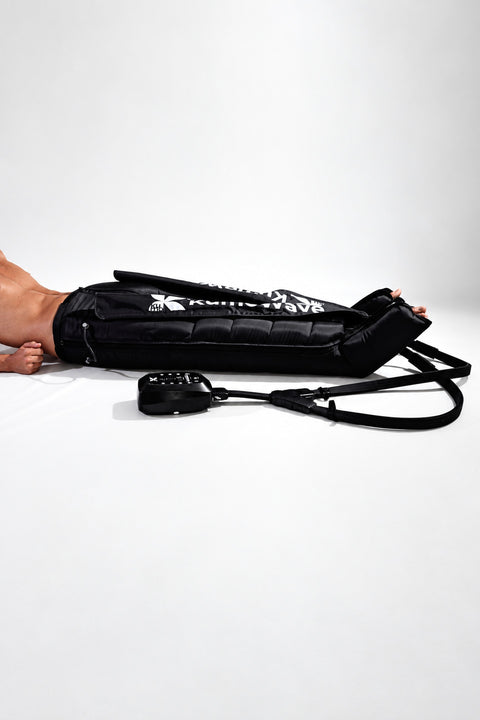
KumoWave Elite – Pressotherapy Pants
Full-coverage trousers. Ideal for lipedema, fluid retention and intensive use.
€799,00 €999,00
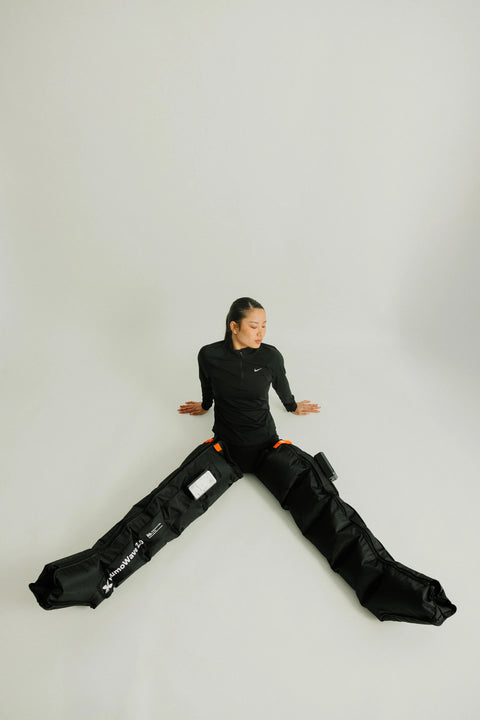
KumoWave 2.0 - Wireless Pressotherapy
Wireless, lightweight boots. Perfect for daily use and recovery.
€499,00 €599,00