
What is pressotherapy and why take it home?
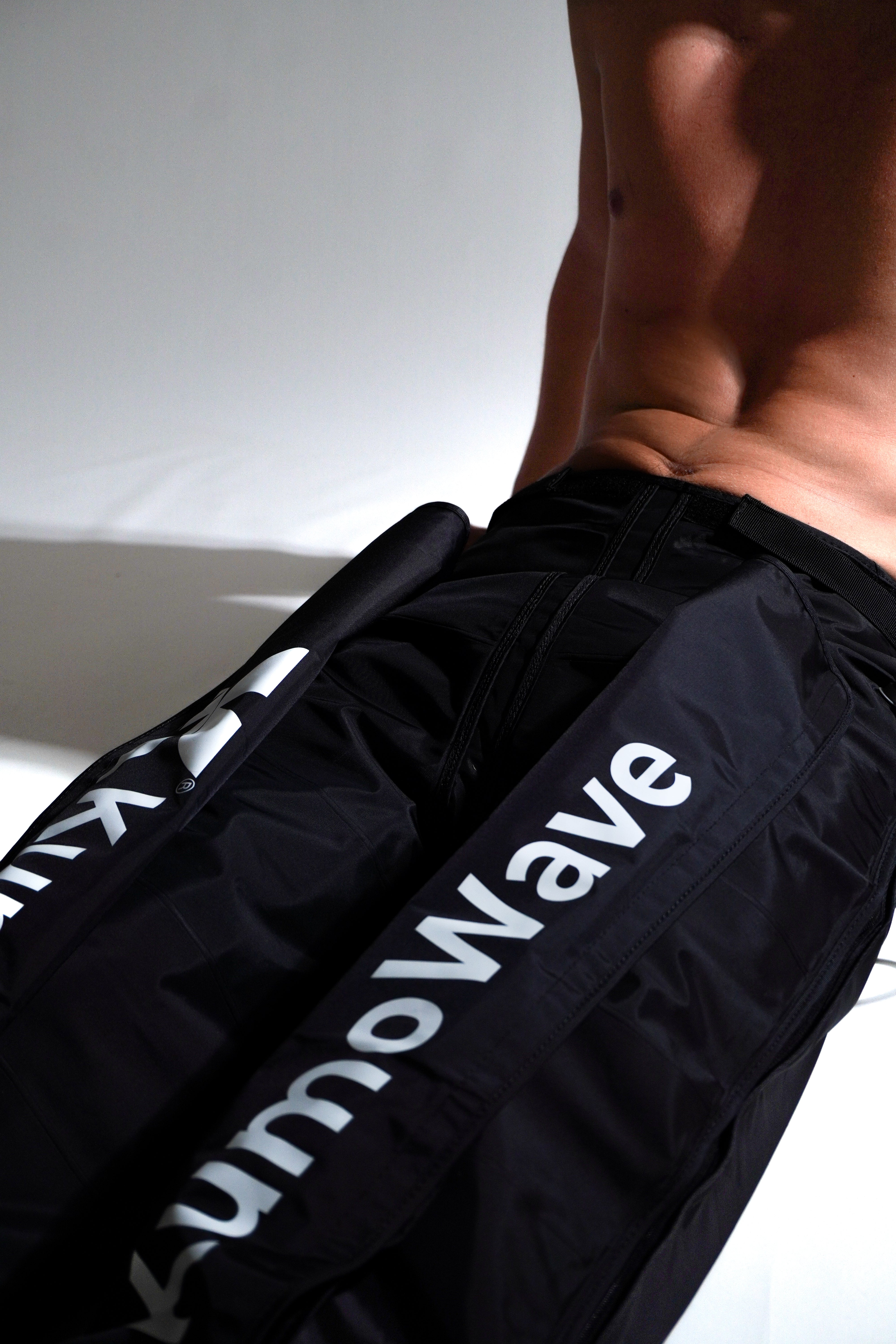
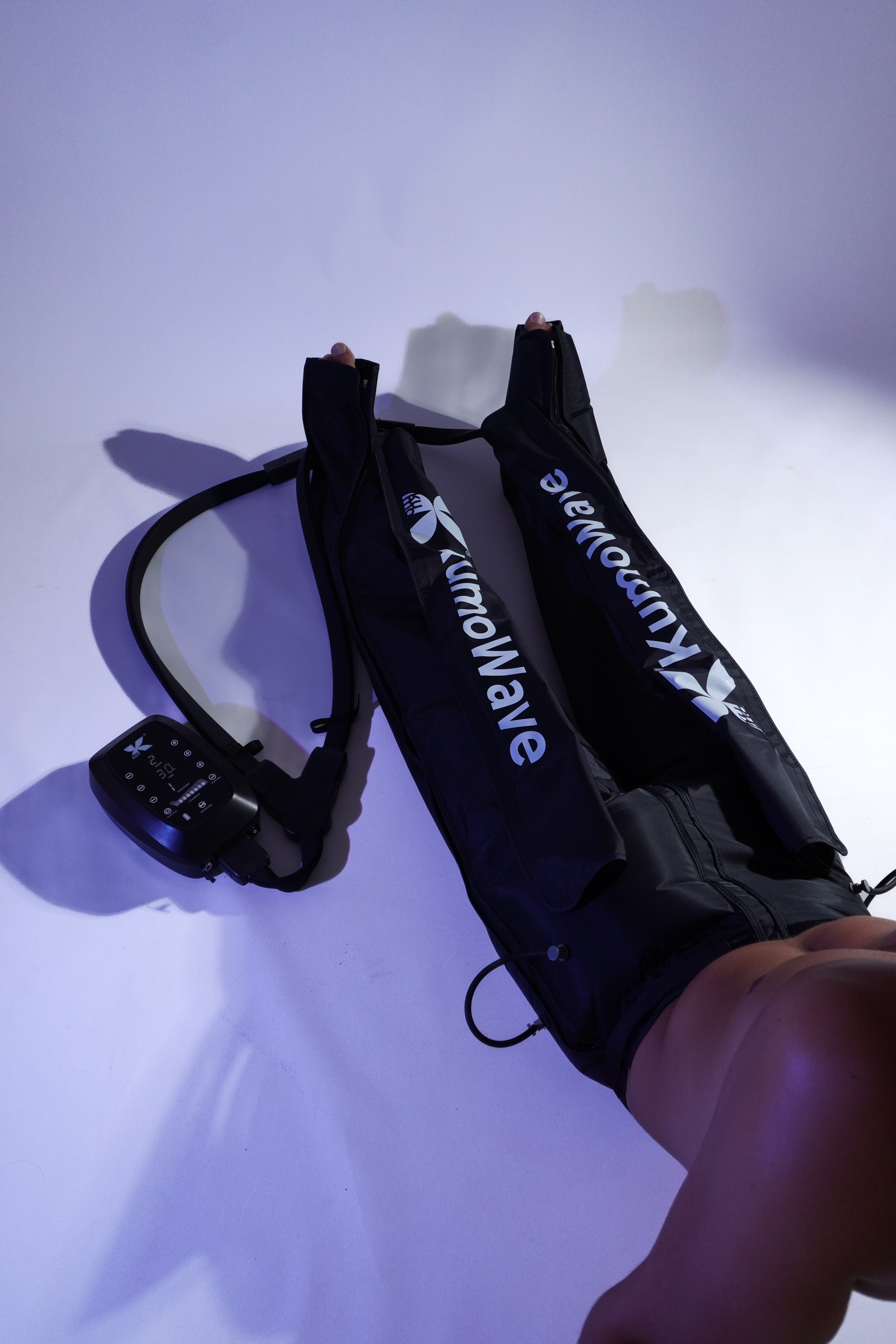
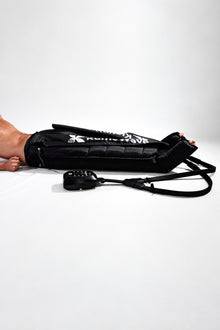
Home compression therapy uses pneumatic compression boots that inflate and deflate sequentially to apply pressure to the legs. This pressure mimics the action of the "muscle pump" and promotes venous and lymphatic return, helping to mobilize fluids and reduce the feeling of heaviness.
In medicine, this technique is known as intermittent pneumatic compression and has been used for years to improve blood flow and reduce edema in clinical settings. Studies with sequential compression devices have shown significant increases in venous flow velocity in the lower extremities, sometimes exceeding 50–200% compared to rest. ( pubmed.ncbi.nlm.nih.gov )
Pressotherapy at home
End the day with light legs
★★★★★ 4,8/5 · rated by verified customers
KumoWave pressotherapy boosts circulation and helps drain fluid with sequential compression, in 20-minute sessions at home.
- Boosts circulation and helps drain fluid
- Chamber-based compression, adjustable to you
- Sequential compression that mimics manual drainage
€799,00€999,00
−10% on your 1st order when you subscribe to the newsletter

Bringing this technology into your home allows you to integrate a professional recovery and wellness method into your daily routine, without relying on appointments or travel.
Context: sedentary lifestyle, tired legs, and need for recovery
Our lifestyles are becoming increasingly sedentary. In 2022, around 31% of the world's adults (some 1.8 billion people) did not meet the minimum recommended levels of physical activity, according to the World Health Organization (WHO). ( who.int ) This lack of movement is associated with a higher risk of cardiovascular disease, type 2 diabetes, and other chronic problems.
Personalized protocol · included with your purchase
Want us to tell you how to use it in your case?
With your purchase, our experts prepare a personalized usage protocol for your case: sport, circulation, fluid retention, pregnancy or lipedema.
Message us on WhatsAppOur experts reply · no obligation
In addition to the major health risks, many people live daily with more “silent” but very bothersome symptoms:
- Heavy and tired legs at the end of the day.
- Swelling (edema) around ankles and calves.
- Nighttime cramps or a feeling of restlessness in the legs.
- Slow recovery after intense training.
Home pressotherapy does not replace physical exercise or good posture, but it can be a very effective complementary tool to relieve these discomforts and support circulation, especially in people who spend many hours sitting or standing.
Potential benefits of home pressotherapy
Scientific evidence on intermittent pneumatic compression comes primarily from the medical and research fields. Not all studies have been conducted using home-use devices, but their results help us understand the potential benefits of this technology when integrated sensibly into a self-care routine.
on your first order when you join the newsletter
We send you the code instantly. No spam.
1. Stimulation of venous circulation
Several studies have shown that pneumatic compression devices significantly increase the speed of venous flow in the veins of the legs, approaching the effect of active muscle contraction. ( pubmed.ncbi.nlm.nih.gov ) By improving the speed of blood return to the heart, the time that blood remains stagnant in the extremities is reduced, a factor involved in the sensation of heaviness and the formation of edema.
In people with chronic venous insufficiency and varicose veins, clinical studies have observed improvements in blood flow, pain reduction, and improved quality of life following multi-week programs of sequential pneumatic compression applied to the legs. ( pmc.ncbi.nlm.nih.gov )
2. Supports fluid drainage and relieves swelling
Sequential compression gently “squeezes” soft tissues, helping to mobilize excess interstitial fluid into the venous and lymphatic systems. Trials of patients with venous insufficiency who used home compression devices for three months showed significant improvements in leg swelling and pain, along with favorable changes in hemodynamic parameters. ( pubmed.ncbi.nlm.nih.gov )
In the context of well-being, this often translates into lighter legs, less swollen ankles at the end of the day, and a greater sense of comfort after prolonged periods of standing or sitting.
3. Muscle recovery and comfort after exercise
Increased blood flow during and after exercise promotes the removal of metabolites and the delivery of oxygen and nutrients to the muscles. An experimental study showed that pneumatic compression during exercise and recovery significantly increased femoral artery flow and stroke volume, indicating improved muscle perfusion. ( pubmed.ncbi.nlm.nih.gov )
Therefore, many athletes incorporate compression boots into their post-training recovery protocols for:
- Feel less stiffness and muscle heaviness.
- Relax your legs after high-intensity training sessions.
- Prepare for frequent training sessions, while maintaining a feeling of "fresh legs".
4. Relaxation and mindful self-care ritual
Beyond the physiological benefits, at-home pressotherapy can become a true self-care ritual. By setting aside 20–30 minutes for a session, you create a mental space for pause: disconnect from screens, take deep breaths, read quietly, or even meditate while the boots work for you.
At KUMO, the philosophy is precisely that: to transform recovery and body care into a lifestyle habit, integrating technology, aesthetics, and well-being into a single experience. You can explore this holistic vision of wellness on the brand's homepage: kumobalance.com .
How to integrate pressotherapy into your daily self-care ritual
There is no single "correct" way to use pressotherapy at home. The important thing is that incorporating it is realistic, pleasant, and compatible with your lifestyle.
Before the session: prepare the body and the environment
- Hydration: Drink some water before and after to promote fluid movement.
- Comfortable clothing: thin leggings or lightweight pants; avoid thick seams or garments that compress additionally.
- Position: lying down or semi-reclined, with legs supported; make sure you can remain comfortable for 20–30 minutes.
- Atmosphere: soft light, pleasant temperature, perhaps relaxing music or light reading.
During the session: focus on sensation and breathing
While the device performs the inflation and deflation cycles:
- Observe the sensation of progressive pressure, which should be firm but never painful.
- Take this opportunity to practice deep, slow breathing, synchronizing it with your cycles if it feels natural to you.
- Avoid working with the computer or mobile phone; the goal is for the session to be a mental "break" as well.
After the session: consolidate the effect
- Walk around the house for a few minutes to keep venous return active.
- If you train, you can do gentle stretches or a short mobility session.
- Assess how your legs feel (lightness, temperature, swelling level) to adjust the frequency and duration to what is optimal for you.
Example of a daily routine with pressotherapy at home
The following example is intended for a person who combines office work with moderate training and seeks to improve circulation and recovery.
Example of weekly planning
| Day | Moment | Approximate duration | Main objective |
|---|---|---|---|
| Monday | Evening, 1–2 hours after dinner | 25 min | Relieve heavy legs after a day at the office |
| Tuesday | After training | 20–30 min | Post-exercise muscle recovery |
| Wednesday | Evening | 20 min | Maintaining circulation, lighter day |
| Thursday | Post-workout | 25–30 min | Reduce stiffness and prepare your legs for the next day |
| Friday | Evening | 20–25 min | Closing out the work week, focus on overall relaxation |
| Saturday | Late | 20 min | Gentle recovery after outdoor activity |
| Sunday | Evening | 20–30 min | Reset your legs and mind to start the week |
This schedule is for guidance only. The actual frequency should be adjusted to your activity level, how you feel, and the recommendations of your healthcare professional, if applicable.
Home pressotherapy and other recovery technologies
One of the great advantages of pressotherapy is its compatibility with other recovery and wellness tools. When combined effectively, they can create a comprehensive care ecosystem.
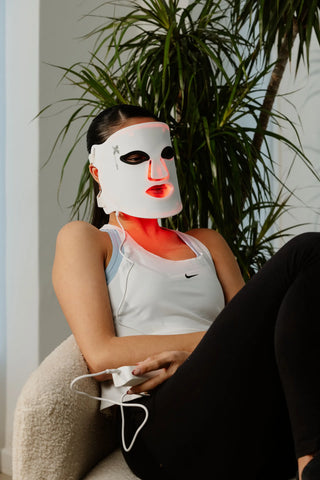
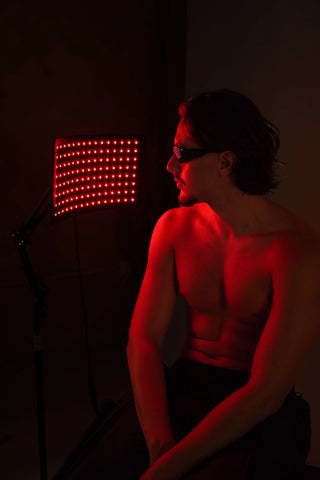
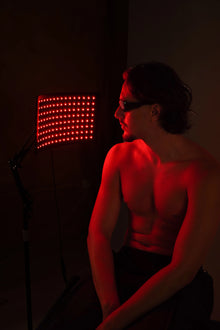
1. Red light and LED therapy for muscles and skin
Photobiomodulation with LEDs and low-level lasers has been studied as a support for muscle recovery and performance. A systematic review with meta-analysis found that, in numerous controlled trials, phototherapy applied before or after exercise improved performance and reduced markers of muscle damage. ( pubmed.ncbi.nlm.nih.gov )
Integrating LED light therapy sessions with compression boots can help both deep muscle tone and skin quality, especially in nighttime recovery rituals.
2. Massage gun for specific tension points
While pressotherapy works globally on the entire leg, massage guns allow for targeted intervention in very specific areas (calves, hamstrings, glutes). A common practice is to apply percussion massage before pressotherapy, releasing tension points, and then let the boots take care of venous return.
A device like the KUMOPULSE Air massage gun can be part of this protocol, adding depth to the mechanical work on muscle tissue.
3. Breathing, sleep and overall well-being
The at-home pressotherapy ritual is also an opportunity to work on diaphragmatic breathing and improve sleep hygiene. Small changes such as reducing screen time before bed, dimming ambient light, and combining the session with relaxation techniques can enhance the restorative effect of the night.
Safety, contraindications, and when to consult a professional
Although pressotherapy is a widely used technique, it is not suitable for everyone or in every circumstance. Before starting a home pressotherapy program, it is advisable to consult a healthcare professional (doctor, vascular specialist, physiotherapist) if:
- You have a history of deep vein thrombosis, pulmonary embolism, or serious clotting disorders.
- You suffer from uncontrolled heart failure, severe peripheral arterial disease, or active infections in your legs.
- You have open ulcers, unhealed wounds, or acute inflammatory processes in your extremities.
- You are pregnant and have vascular risk factors (your doctor should assess this).
Guidelines and reviews on pneumatic compression highlight its usefulness as a complementary tool, but also emphasize the need for appropriate and personalized use, especially in patients with significant venous or lymphatic pathology. ( pubmed.ncbi.nlm.nih.gov )
In case of severe pain, numbness, sudden change in color or temperature in the legs during the session, the use of the device should be discontinued immediately and medical evaluation sought.
How to choose a pressotherapy device for your home
Without going into comparisons of brands or prices, there are several technical and practical criteria that should be considered when choosing a home pressotherapy system:
- Air chamber design: models with sequential chambers that wrap well around the foot, calf and thigh usually offer a more homogeneous massage.
- Adjustable pressure range: being able to adjust the intensity allows it to adapt to different needs (sports recovery vs. gentle daily well-being).
- Predefined programs: different modes (draining, relaxing, focused) make it easy to use without needing to be an expert.
- Ergonomics and aesthetics: if the device is going to be part of your self-care ritual, making it pleasing to the eye and easy to store helps you use it consistently.
- Quality of materials and maintenance: durable fabrics, easy cleaning and reliable after-sales service.
In KUMO's pressotherapy collection you will find boots designed precisely to combine performance, aesthetics and ease of use, designed to integrate into the real routines of active people.
Frequently asked questions about home pressotherapy
How many times a week can I do pressotherapy at home?
In wellness and recovery programs, many people use compression therapy 3 to 7 days a week, adjusting the frequency to their activity level and how their legs feel. If you train intensely or spend many hours sitting, it's reasonable to start with 3–4 weekly sessions of 20–30 minutes and adjust according to your response (more lightness, better rest, less swelling). If you have a diagnosed venous or lymphatic condition, the ideal regimen should be agreed upon with your doctor or physical therapist, as clinical trial protocols may be more specific and longer. ( pubmed.ncbi.nlm.nih.gov )
How long should a home pressotherapy session last?
Protocols vary depending on the objective. In the context of home wellness, many users limit their sessions to between 20 and 30 minutes, enough time to experience a clear sense of relief without it being uncomfortable or difficult to fit into their day. In clinical studies with patients with venous insufficiency, longer durations (e.g., 2 hours a day for several months) have been used under medical supervision. ( pubmed.ncbi.nlm.nih.gov ) For personal preventive and self-care use, it is preferable to start with moderate durations and increase only if the body tolerates it well and your healthcare professional deems it appropriate.
Does at-home pressotherapy help you lose weight or eliminate cellulite?
Pressotherapy is not a local slimming method nor a standalone solution for cellulite. Its main action is mechanical: it promotes fluid mobilization and venous and lymphatic return, which can reduce swelling and improve the appearance of the legs by decreasing edema. However, body composition (fat and muscle mass) depends primarily on diet, exercise, and overall energy balance. Using pressotherapy boots as part of an active and healthy lifestyle can contribute to improved skin and leg appearance, but it does not replace these fundamental pillars.
Can I use pressotherapy after exercising?
Yes, many people use compression therapy as a post-workout recovery tool. Increased blood flow and fluid drainage can help relieve the feeling of heaviness and promote the elimination of metabolites generated during exertion. ( pubmed.ncbi.nlm.nih.gov ) A common practice is to hydrate well, perform a short active cool-down (walking or gentle cycling), and then do a 20–30 minute session with the compression boots. If you have had recent injuries, surgeries, or vascular conditions, it's advisable to have your physiotherapist or doctor confirm that compression therapy is suitable for your specific case.
Who should not use pressotherapy at home without consulting a doctor first?
People with a history of deep vein thrombosis, pulmonary embolism, decompensated heart failure, advanced peripheral arterial disease, active leg infections, or open ulcers should avoid compression therapy without prior medical evaluation. ( ncbi.nlm.nih.gov ) Caution is also important in cases of clotting disorders, diabetes with significant vascular involvement, or pregnancy with risk factors. If you have any doubts, the general rule is clear: consult a healthcare professional before incorporating home compression therapy. Good personalized advice always carries more weight than any generic recommendation.
So what now?
If you want to transform leg recovery and care into a daily wellness ritual, you can explore KUMO compression boots and combine them with LED therapy devices and tools like the KUMOPULSE Air massage gun . If you need personalized guidance on which solution best suits your lifestyle and activity level, you can contact the KUMO team and design your own at-home recovery ecosystem.
KumoWave pressotherapy
Choose your at-home pressotherapy
KumoWave Elite – Pressotherapy Pants
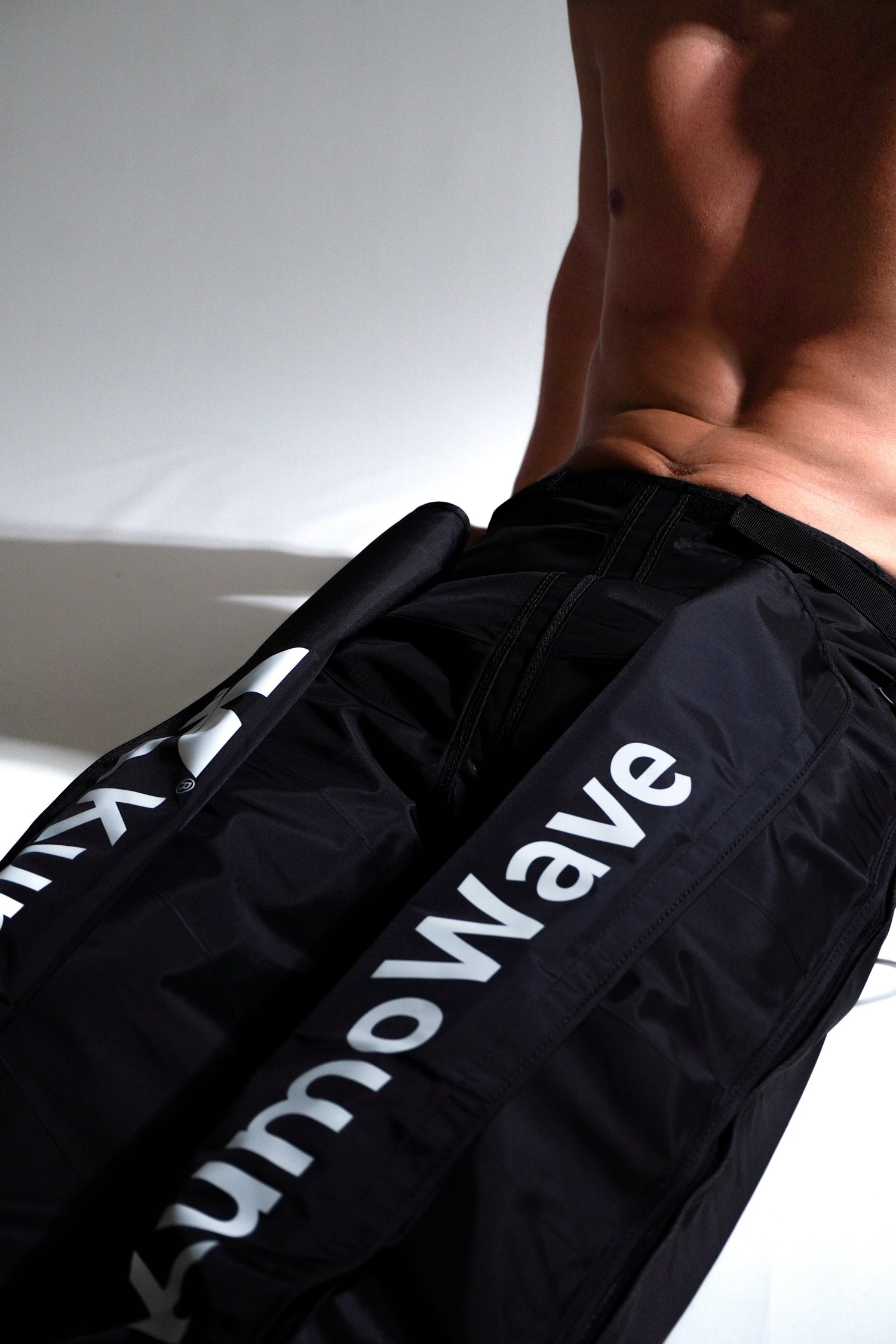
Full-coverage trousers. Ideal for lipedema, fluid retention and intensive use.
€799,00 €999,00
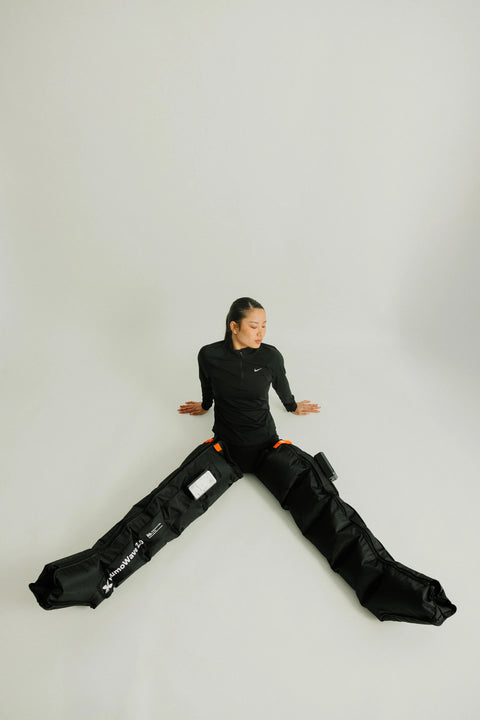
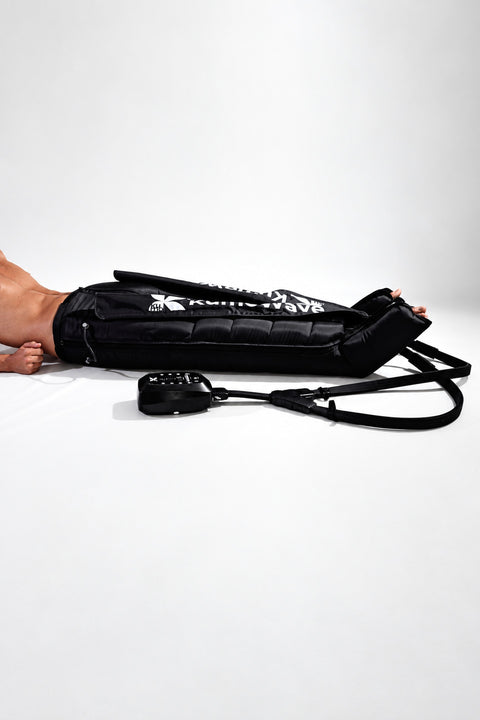
KumoWave 2.0 - Wireless Pressotherapy
Wireless, lightweight boots. Perfect for daily use and recovery.
€499,00 €599,00