
It's not always a good idea to use pressotherapy before training.
If you're thinking of putting on pneumatic compression boots right before a session, the "correct" answer depends on your goal (performance vs. feeling of lightness), the type of training (strength, HIIT, light running) and, above all, safety. In this guide, I'll explain when it's not advisable to do pre-workout pressotherapy, what alternatives work better for warming up, and how to intelligently integrate it into a recovery routine with Kumo.
Pressotherapy at home
End the day with light legs
★★★★★ 4,8/5 · rated by verified customers
KumoWave pressotherapy boosts circulation and helps drain fluid with sequential compression, in 20-minute sessions at home.
- Boosts circulation and helps drain fluid
- Chamber-based compression, adjustable to you
- Sequential compression that mimics manual drainage
€799,00€999,00
−10% on your 1st order when you subscribe to the newsletter

What is pressotherapy (and why it's not the same as "warming up")
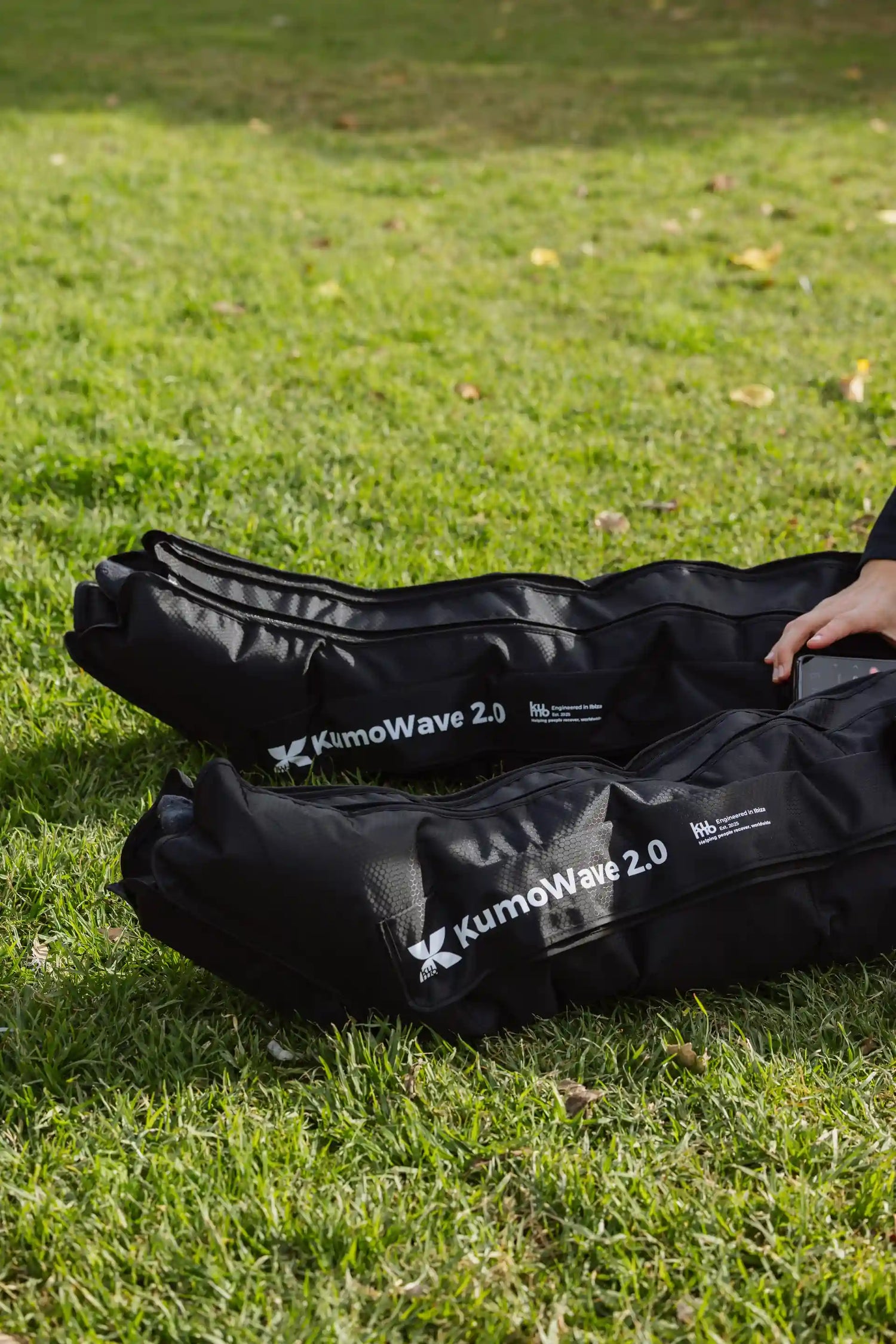
Leg pressotherapy usually refers to the use of intermittent pneumatic compression: "boots" with air chambers that inflate and deflate in cycles, applying pressure sequentially. In a clinical context, this type of compression is used (among other things) to promote venous flow and help prevent thrombosis in situations of immobility. (hopkinsmedicine.org)
In wellness and sports, it is primarily used for the feeling of relief (less "heavy" legs), comfort, and as part of recovery strategies. But beware: feeling lighter does not equate to being better neuromuscularly prepared for lifting heavy, sprinting, or changing pace.
Personalized protocol · included with your purchase
Want us to tell you how to use it in your case?
With your purchase, our experts prepare a personalized usage protocol for your case: sport, circulation, fluid retention, pregnancy or lipedema.
Message us on WhatsAppOur experts reply · no obligation
Pressotherapy vs. warm-up: what each "prepares"
- Warm-up: increases muscle temperature, activates the nervous system, improves coordination, and prepares tendons/joints for impact and force.
- Pressotherapy: aims to stimulate venous/lymphatic return and reduce feelings of congestion or swelling; it is more "passive."
Pressotherapy before training: what it can provide… and what it can't
Before training, pressotherapy can make sense in very specific cases: for example, if you've been on a long trip, stood for many hours, or notice fluid retention and want to get to the gym feeling better in your legs. Even so, its usefulness as a direct strategy to improve performance is not so clear: the evidence in athletes focuses much more on post-exercise recovery than on pre-exercise "preparation." (pmc.ncbi.nlm.nih.gov)
What you should normally not expect from pressotherapy before training:
- That it replaces dynamic mobility or warm-up sets.
- That it consistently improves power, speed, or acute performance (depends on the protocol and type of session).
- That it is a "universal" solution: some people find it too relaxing or it leaves them with a strange sensation right before explosive efforts.
When not to use pressotherapy before training
1) Right before explosive sessions (max strength, sprints, plyometrics, HIIT)
If your session requires elastic stiffness (a "reactive" tendon), fine coordination, and high activation, the priority is a well-designed warm-up: dynamic mobility + specific progressions (light jumps, technique, ascending sets). Adding pressotherapy right before can be unnecessary or even counterproductive if it leaves you too "flat" or with a feeling of soft legs.
on your first order when you join the newsletter
We send you the code instantly. No spam.
Practical rule: If you have to "give 100%" in the first 10-15 minutes (test, competition, hard sets), avoid experimenting with pre-workout pressotherapy that day.
2) When the real reason is "it hurts" or "I'm injured"
If you're seeking pressotherapy before training to "see if a pain goes away" (knee, calf, ankle) or a new discomfort, bad idea. Compression can momentarily change the sensation, but it doesn't correct the cause. In such cases, it's advisable to adjust the load, evaluate the origin, and decide whether to train, modify, or rest.
3) If you're already "just right" on hydration or get dizzy easily
Compression can be very pleasant, but in some people, it can cause a feeling of warmth, discomfort, or even dizziness if they are tired, dehydrated, or their system is "halfway." In thrombosis prevention, possible effects such as discomfort, warmth/sweating, or skin irritation with the use of these devices are described. (hopkinsmedicine.org)
4) If you have irritated skin, wounds, or infection in the area
Before training, your skin will sweat, rub, and move. If there is already irritation, a wound, or signs of infection, adding intense compression can worsen the area or increase the risk of discomfort. Additionally, health guides/leaflets include open wounds and acute skin inflammation (e.g., cellulitis) as contraindications or situations where intermittent pneumatic compression should be avoided. (wsh.nhs.uk)
5) If you fit medical contraindications (no "negotiating" here)
This point is the most important. There are situations where intermittent pneumatic compression is discouraged for safety. For example, an NHS hospital leaflet mentions as contraindications (among others): untreated or recent deep vein thrombosis, pulmonary edema, ischemic vascular disease, uncontrolled severe heart/kidney/liver failure, severe peripheral neuropathy, acute skin inflammation, or open wounds. (wsh.nhs.uk)
Safety note: If you have a history of thrombosis, vascular problems, heart failure, loss of sensation in your legs/feet, or any relevant pathology, consult a healthcare professional before using pressotherapy (whether before or after training).
Clear signs that you should stop (and not "push through")
- Acute pain, marked tingling, or numbness during the session.
- Worrisome color change (intense pallor, cyanosis) or a "dead leg" sensation.
- Difficulty breathing, chest tightness, or sudden dizziness.
- Obvious worsening of an inflamed or irritated area.
If you still want to use pressotherapy before training: a prudent protocol
If you are someone who already knows that pressotherapy feels good before light sessions, maintain a conservative approach. The idea is to seek comfort without interfering with your activation.
- Allow time: avoid finishing pressotherapy and starting your workout "immediately." Allow a few minutes to walk and move around.
- Short duration: prioritize brief sessions (especially if it's your first time trying pre-workout).
- Moderate intensity: if your equipment allows adjustments, start low/medium. This is not the day for aggressive pressures.
- Finish with a real warm-up: dynamic mobility + sport-specific activation + progressions.
- Don't use it for the first time in competition: try it first in low-pressure training (and note sensations and performance).
When pressotherapy is a better fit: after training and on rest days
In practice, pressotherapy usually fits better post-workout (or at night) than right before. And here there is literature that analyzes its role as a recovery strategy, although with variable results depending on the protocol, sport, and type of fatigue.
What the evidence says (2021–2025) without promising miracles
A systematic review and meta-analysis published in Biology of Sport (2024) concludes that the evidence is still limited and heterogeneous; it also notes that the most commonly used recovery protocols usually last 20–30 minutes and apply around 80 mmHg (in studies), and that several physiological markers such as heart rate or lactate do not always change with IPC. (pmc.ncbi.nlm.nih.gov)
It is also important to know that not all trials find benefits: a randomized trial (2021) with 30-minute sessions after eccentric exercise observed no clear differences compared to placebo in biochemical or functional markers in the first 48 hours, suggesting that the protocol (duration/frequency) may be decisive. (pmc.ncbi.nlm.nih.gov)
In contrast, more recent trials do observe improvements in variables related to pain/perception or muscle status. For example, a randomized trial (2025) on DOMS after plyometrics applied IPC for 15 minutes at various post-exercise intervals and reported improvements in pain (VAS) and parameters measured by tensiomyography, with peak effects around 48–72 hours post-exercise. (pubmed.ncbi.nlm.nih.gov)
Another trial (2025) in combat sports athletes compared pneumatic compression at different pressures versus rest and observed improvements in muscle perfusion and elasticity compared to the control, with differences depending on the type of intervention. (pubmed.ncbi.nlm.nih.gov)
How to integrate it with Kumo (without complicating your life)
Kumo's philosophy is to make recovery a habit: technology, aesthetics, and performance to make self-care sustainable. If your goal is to recover better and feel better for your next workout, you can approach it as a simple "stack":
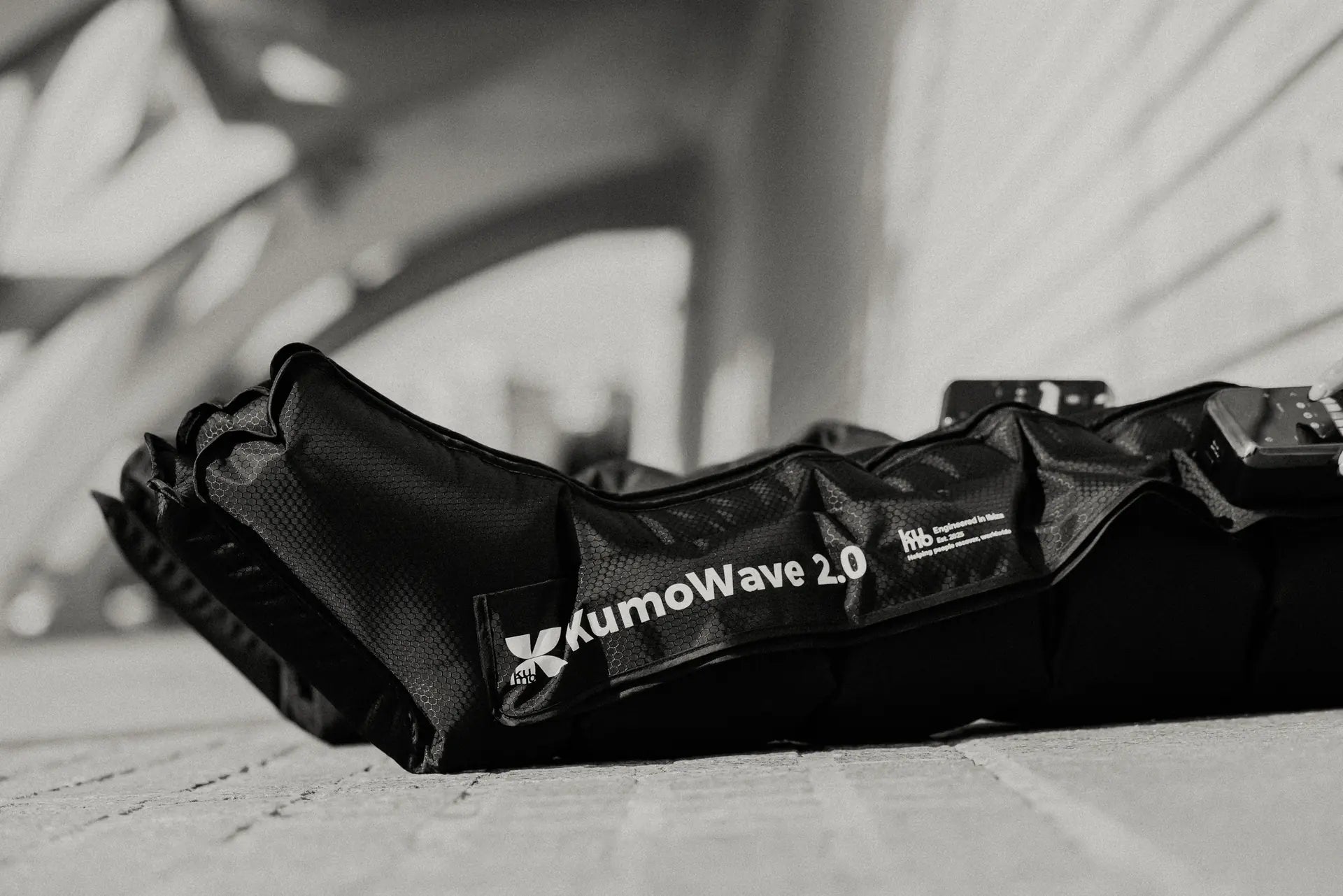
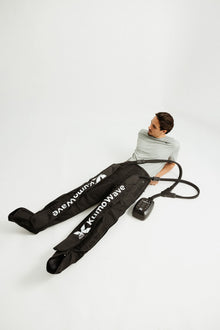
- Leg pressotherapy as a tool for relief and circulation on heavy days or after many hours of sitting/standing. You can view the selection of boots in the pressotherapy collection.
- Local work when there are tension points (calves, quadriceps, IT band): a targeted massage is usually more useful than "compressing everything" before lifting heavy. In that case, a massage gun type massager can fit, such as KumoPulse Air.
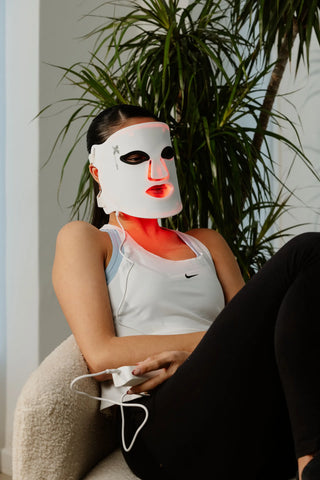
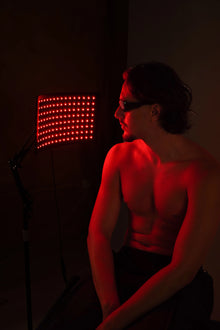
- Red light/LED as part of a wellness routine (recovery, relaxation, and rest habits) when you want to create an environment conducive to recovery; explore options in LED light therapy.
Simple example (post-leg workout): 5–10 min cool-down + hydration/food + pressotherapy + breathing/relaxation. Pre-workout example (if it works for you): brief pressotherapy with time to spare + walk + full dynamic warm-up.
Quick guide: pressotherapy before training (decision table)
When NOT to use (and practical alternative)
| Situation | Why it's not suitable before | What to do instead |
|---|---|---|
| HIIT, sprints, plyometrics, 1RM | Priority: neuromuscular activation and specific warm-up | Dynamic mobility + progressions + warm-up sets |
| New pain or "hot" injury | Can mask sensations and delay load decisions | Modify session, lower intensity, assess cause |
| Irritated skin / wound / suspected infection | Risk of worsening the area | Local care/rest and avoid compression until well |
| Dizziness, dehydration, excessive heat | Can increase discomfort (heat/sweat) or malaise | Water + salts if appropriate, ventilation, gentle warm-up |
| History or suspicion of thrombosis / relevant vascular pathology | There are contraindications and risks; requires medical judgment | Consult a healthcare professional before use |
FAQ: Kumo pressotherapy before training
Can I use Kumo pressotherapy boots right before going for a run?
It depends on the type of run. For a light jog, some people use it to feel "light" in their legs, provided they then do a dynamic warm-up. For intervals, hills, or an intense day, it's usually not ideal: activation is key there (mobility, technique, progressions). If you try it, do so with ample time (don't finish and then immediately run) and on a day without performance goals. If your legs feel strange, heavy, or "flat," it's better to save it for afterward.
How much time should I leave between pressotherapy and a strength training session?
As a prudent guideline, avoid chaining pressotherapy and squats/deadlifts without transition. Allow a few minutes to move around, walk, and activate glutes-core-ankles, and perform progressive warm-up sets. Maximum strength requires coordination and tendon stiffness; if pressotherapy relaxes you too much, use it post-workout. And if your goal is to reduce local tension before lifting, a brief and targeted approach (mobility + activation + localized massage) is usually more efficient than prolonged passive compression.
Does Kumo pressotherapy replace warming up?
No. Pressotherapy can be part of your wellness routine, but a good warm-up remains irreplaceable: it raises temperature, activates the nervous system, and prepares joints and connective tissue for effort. Even if you feel better after compression, your body needs sport-specific movements (hip hinge, lunges, light jumps, running technique, etc.). If you're short on time, cut back on pressotherapy and keep the essentials: 8–12 minutes of a well-executed warm-up usually yields more return.
What if I have varicose veins or a history of thrombosis?
If you have a history of deep vein thrombosis, suspected blood clots, significant vascular disease, or worrying symptoms (unilateral pain/swelling, local heat, shortness of breath), do not use pressotherapy on your own. There are health documents that list vascular conditions and thrombosis (untreated or recent) as contraindications for intermittent pneumatic compression. (wsh.nhs.uk) In these cases, it is responsible to seek advice from a healthcare professional who can assess your specific situation before using any compression system.
What now?
If you want to make your recovery a habit (and not something you do "when you remember"), explore the Kumo ecosystem and choose the tool that fits your routine. And if you have questions about which solution best suits your daily life, you can write to us from the contact page.
KumoWave pressotherapy
Choose your at-home pressotherapy
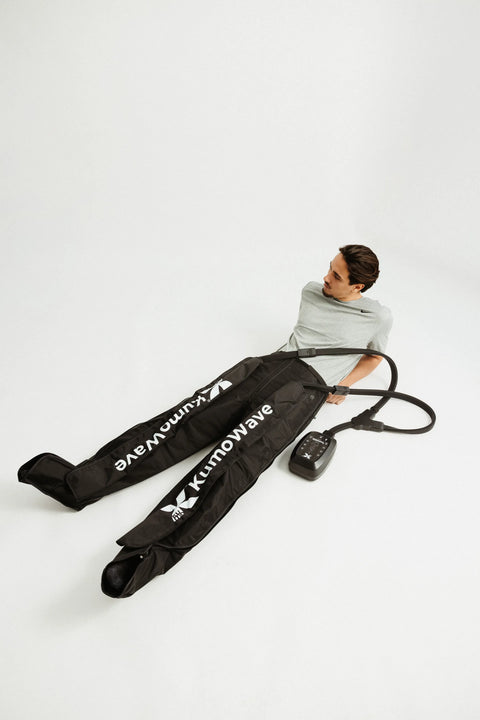
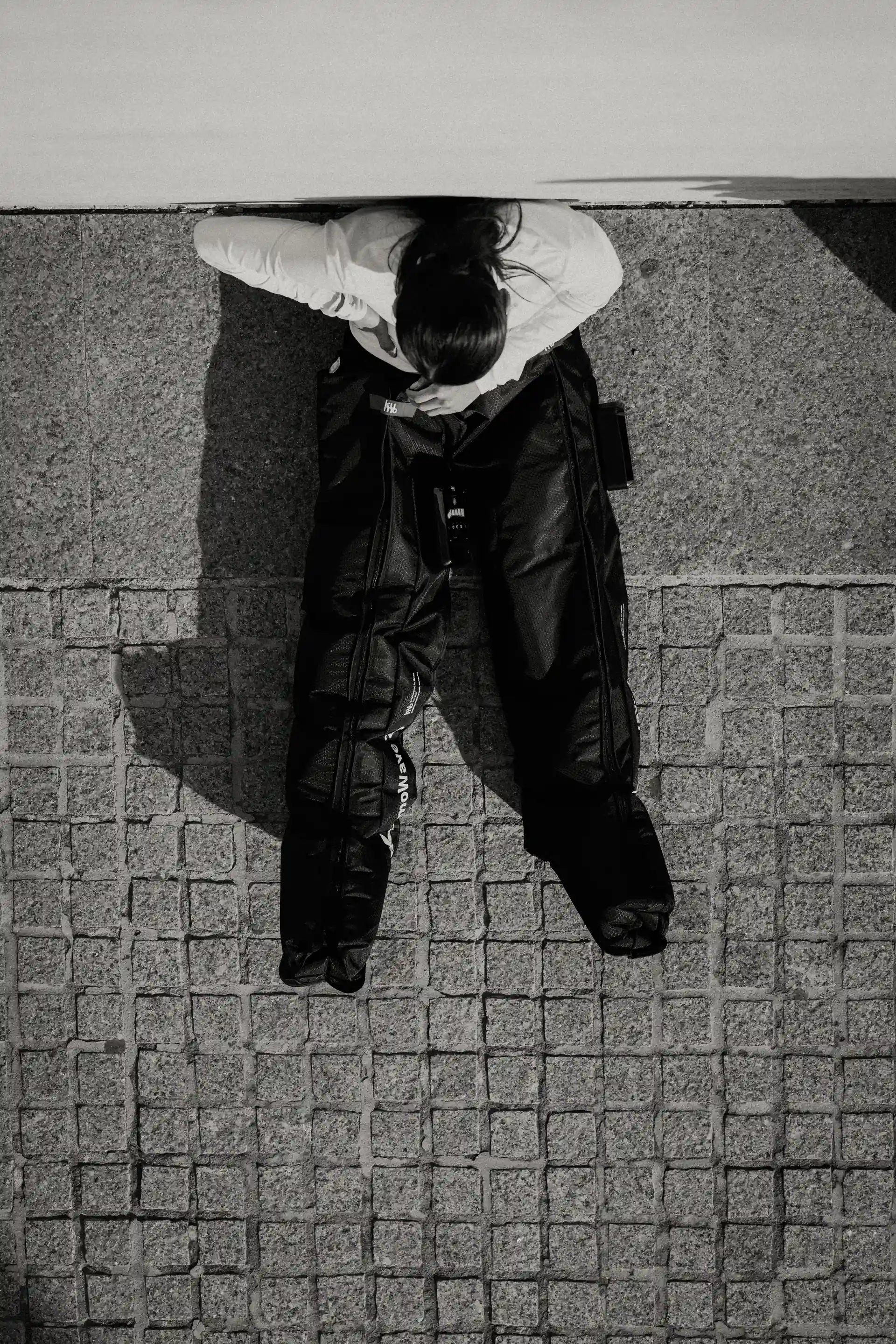
KumoWave Elite – Pressotherapy Pants
Full-coverage trousers. Ideal for lipedema, fluid retention and intensive use.
€799,00 €999,00
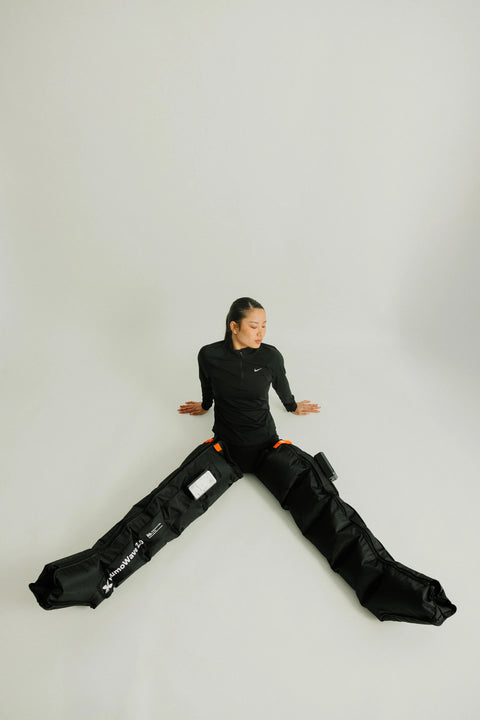
KumoWave 2.0 - Wireless Pressotherapy
Wireless, lightweight boots. Perfect for daily use and recovery.
€499,00 €599,00