
What is physical well-being and why does it matter today?
Physical wellness is not just about “not being sick.” It’s your body’s ability to move, recover, and sustain your daily life with energy, without constant pain or chronic fatigue.
It includes several components: cardiovascular fitness, strength and mobility, sleep quality, energy level, recovery capacity, stress management, and the absence of clearly harmful habits (smoking, extreme sedentary behavior, etc.). All of this is built through routines, not isolated decisions.
Pressotherapy at home
End the day with light legs
★★★★★ 4,8/5 · rated by verified customers
KumoWave pressotherapy boosts circulation and helps drain fluid with sequential compression, in 20-minute sessions at home.
- Boosts circulation and helps drain fluid
- Chamber-based compression, adjustable to you
- Sequential compression that mimics manual drainage
€799,00€999,00
−10% on your 1st order when you subscribe to the newsletter

The data shows we're just barely making it: the WHO estimates that 31% of adults and nearly 80% of adolescents worldwide do not meet the minimum recommended levels of physical activity, increasing the risk of cardiovascular disease, type 2 diabetes, and some types of cancer. ( who.int )
The good news: small, consistent changes in a few key areas can transform your physical health and sense of well-being in weeks and consolidate it over months.
Personalized protocol · included with your purchase
Want us to tell you how to use it in your case?
With your purchase, our experts prepare a personalized usage protocol for your case: sport, circulation, fluid retention, pregnancy or lipedema.
Message us on WhatsAppOur experts reply · no obligation
In this article you will see what the key pillars of physical well-being are and, above all, how to work on them realistically, with practical examples and relying, when it makes sense, on recovery technologies such as those offered by KUMO .
The 5 pillars of physical well-being (and how to work on them)
Pillar 1: Daily movement and physical activity
Physical activity is the most visible pillar of physical well-being. It's not just about "exercising," but about reducing sitting time and increasing movement throughout the day.
The WHO recommends that adults get at least 150–300 minutes of moderate-intensity aerobic activity (brisk walking, gentle cycling, relaxed swimming) or 75–150 minutes of vigorous-intensity activity (running, HIIT, intense sports) per week, plus strength training on 2 or more days per week. ( who.int )
on your first order when you join the newsletter
We send you the code instantly. No spam.
Furthermore, people who are not sufficiently active have a 20% to 30% higher risk of mortality than those who are. ( who.int )
How to work on this pillar (practical ideas):
- The 5x30 rule: 5 days a week, 30 minutes of brisk walking or similar activity. If you prefer, 3 blocks of 10 minutes per day.
- Walking meetings: whenever possible, stand or walk around and hold phone calls and meetings.
- Micro-movement breaks: every 60 minutes of sitting, 2–3 minutes of stretching or walking.
- Minimalist strength: 2-3 days per week with basic exercises (squats, supported push-ups, planks) using only body weight.
- Playful movement: dancing, playing with children, team sports: counts as much as the gym and is usually more sustainable.
Pillar 2: Sleep and restorative rest
Without quality sleep, the body cannot fully repair tissues, regulate hormones, or consolidate memory. In the long term, chronically sleeping less than necessary is associated with a higher risk of obesity, diabetes, cardiovascular disease, and mental health problems. ( elpais.com )
The recommendations from the National Institute of Child Health and Human Development (NICHD) indicate that adults aged 18–64 need between 7 and 9 hours of sleep per night, and those over 65 need between 7 and 8 hours. ( espanol.nichd.nih.gov )
Key habits to improve your sleep:
- Regular schedule: go to bed and get up at similar times, even on weekends.
- Digital disconnection: avoid bright screens at least 60 minutes before going to sleep.
- Relaxing ritual: light reading, deep breathing, gentle stretching, or brief meditation.
- Optimal environment: dark, cool and quiet room; reserve the bed for sleeping and resting.
- Managing daytime stress: The calmer you manage your day, the less activated your nervous system will be at night. ( health.harvard.edu )
If serious problems with insomnia, heavy snoring, or breathing pauses persist, it is important to consult a healthcare professional.
Pillar 3: Food that sustains your energy
Nutrition is fuel and building blocks for repair. An unbalanced diet not only affects weight, but also inflammation, the immune system, muscle recovery, and sleep quality.
It's not necessary to follow a perfect diet, but it is important to pay attention to some basic principles:
- Prioritize minimally processed foods: fruits, vegetables, legumes, nuts, whole grains, eggs, fish, and lean meats.
- Sufficient protein: helps maintain muscle mass and satiety (include a source at each meal: legumes, eggs, yogurt, tofu, fish…).
- Constant hydration: tiredness, headaches and poor physical performance are aggravated by even slight dehydration.
- Avoid extreme sugar spikes: reduce sugary drinks, pastries and ultra-processed foods consumed daily.
- Respect your dinner schedule: very large and late dinners worsen the quality of sleep.
In case of specific pathologies or needs, it is advisable to consult a qualified dietitian-nutritionist.
Pillar 4: Stress management and mind-body balance
Acute stress is a normal bodily response. The problem is chronic stress , when the "alarm" system remains activated for weeks or months. The Mayo Clinic notes that prolonged activation of hormones like cortisol increases the risk of high blood pressure, cardiovascular disease, digestive problems, sleep disturbances, anxiety, and depression. ( mayoclinic.org )
Simple, evidence-based strategies for managing stress:
- Diaphragmatic breathing: 5–10 cycles of slowly inhaling through the nose, expanding the abdomen, and slowly exhaling through the mouth, helps activate the relaxation response. ( health.harvard.edu )
- Mindful movement— walking, swimming, or cycling while paying attention to breathing and bodily sensations—reduces stress and anxiety. ( health.harvard.edu )
- “Windows” of disconnection: 1–2 daily breaks without screens, noise or multitasking.
- Mental hygiene: write down what worries you, practice gratitude, or talk to someone you trust.
- Deep rest: relaxation techniques, gentle yoga, massage, or self-massage can reduce muscle tension and complement physical exercise. ( health.harvard.edu )
If stress is accompanied by intense anxiety, depression, or persistent physical symptoms, it is crucial to seek professional help.
Pillar 5: Muscle recovery and body care
Many people focus on training more, but neglect the care of their muscle and joint tissue . Recovery is the process by which the body repairs micro-damage, reduces inflammation, and returns to a state of equilibrium.
Incorporating recovery routines improves performance, decreases feelings of fatigue, and can reduce the risk of overtraining. Helpful practices include:
- Stretching and gentle mobility exercises after training or after many hours of sitting.
- Self-massage and percussion massage: foam rollers or a KumoPulse Air massage gun help to relax tense areas and increase local blood flow.
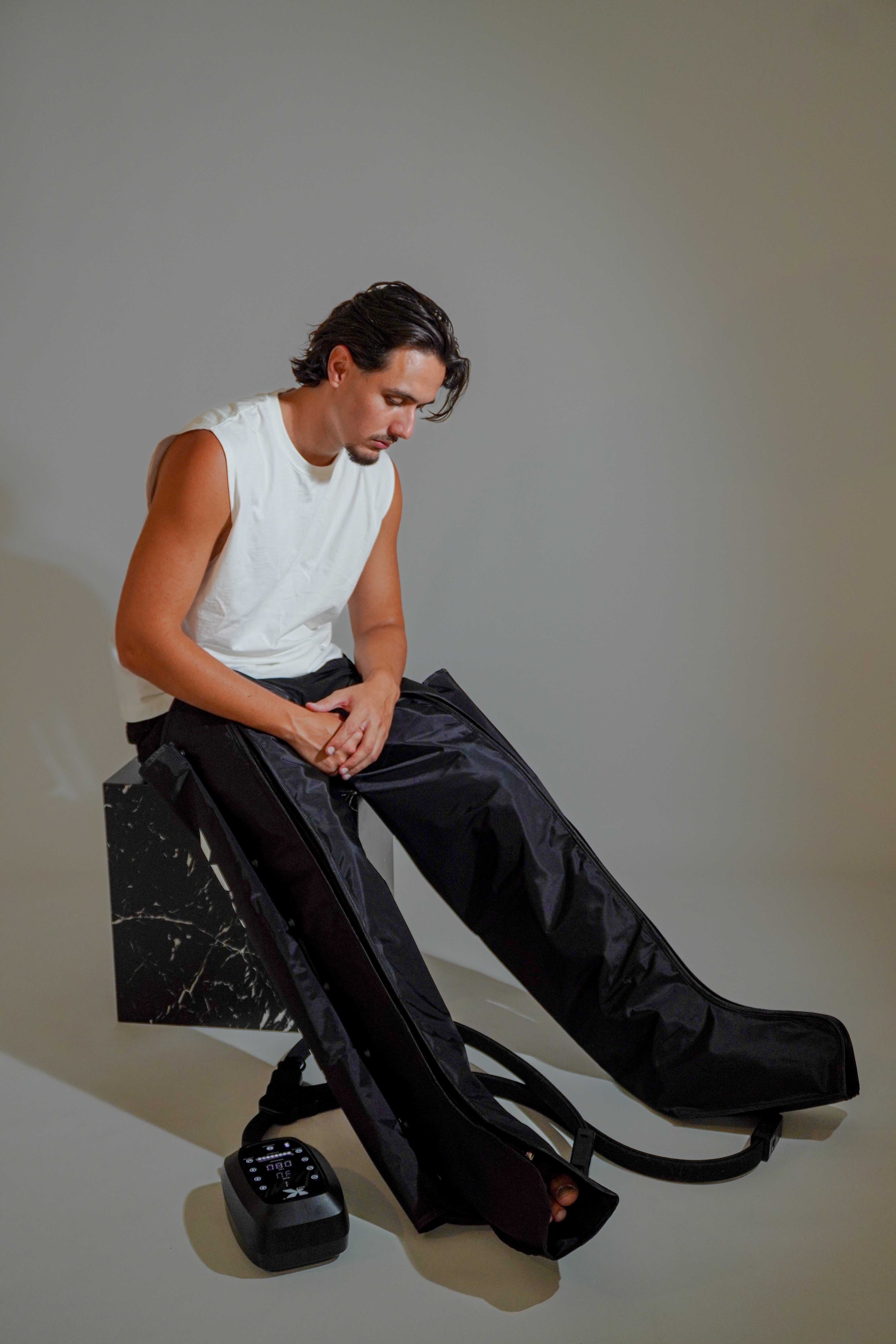
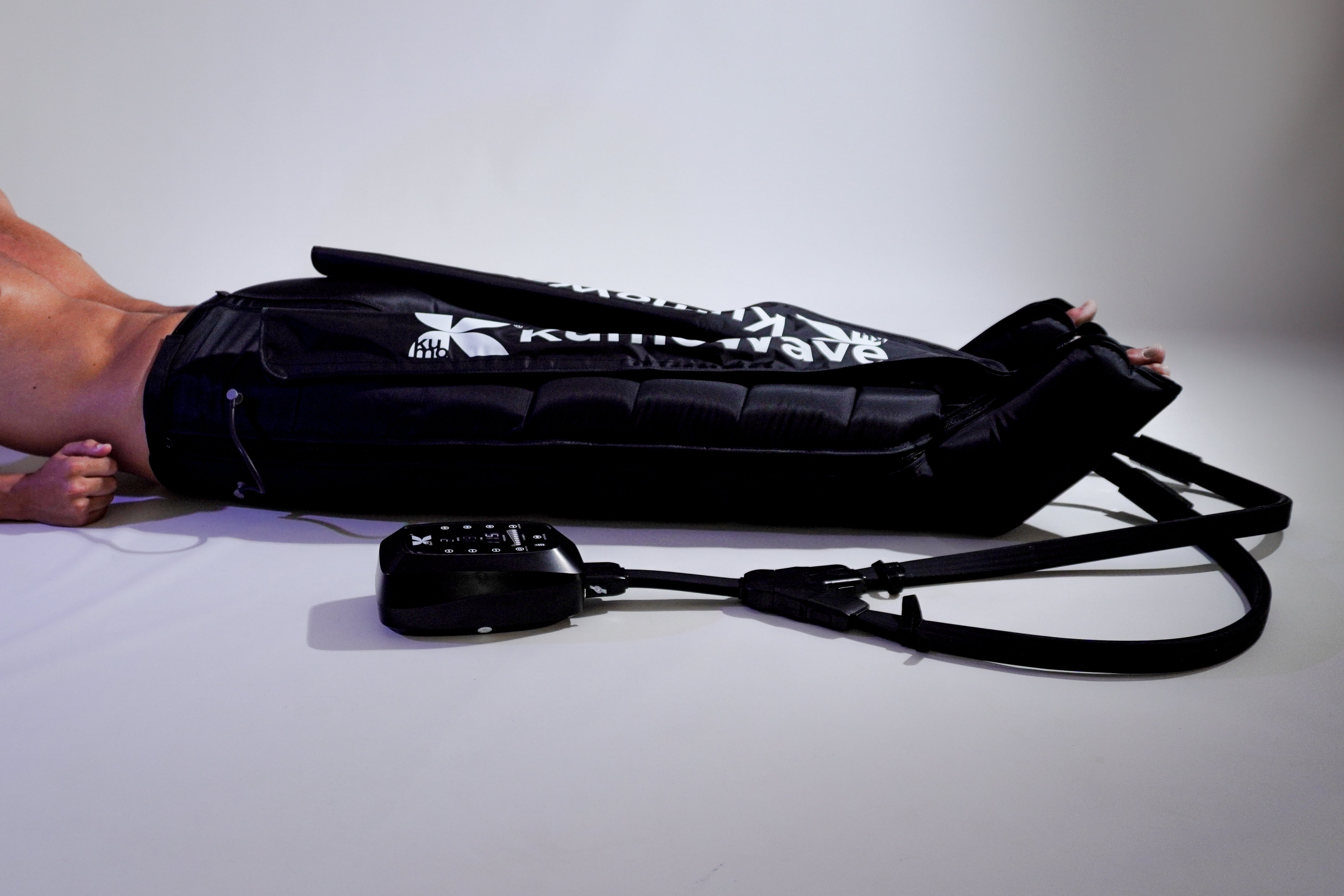
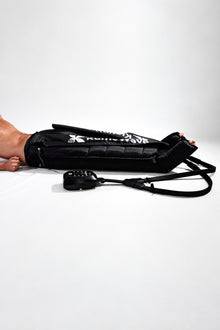
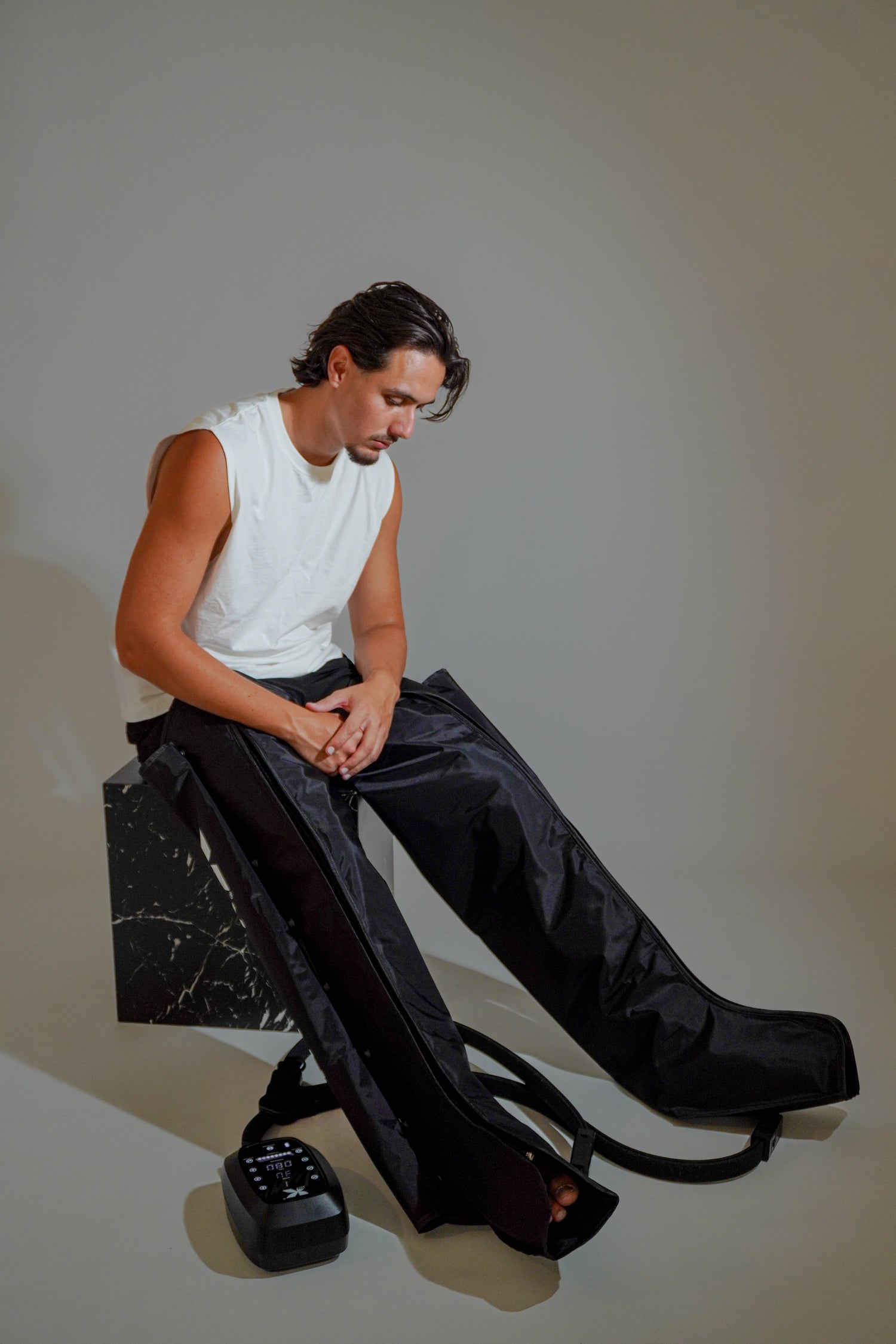
- Pneumatic compression: Leg compression boots can be helpful in relieving the feeling of heavy legs after training, standing for long periods, or traveling.
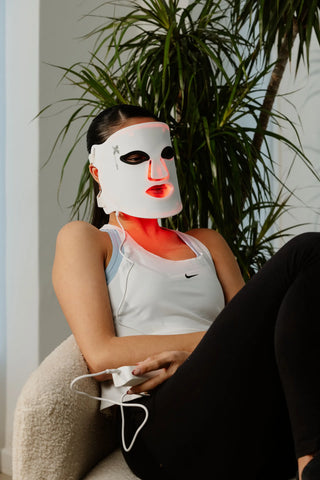
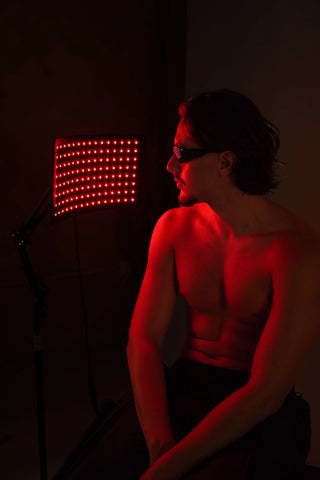
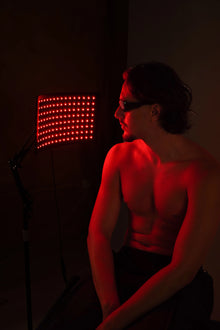
- Light therapy: some studies suggest that red light can support muscle recovery processes and skin health; devices such as LED light therapy equipment allow it to be easily integrated at home.
- Posture check: brief daily posture checks (especially when working from home) to reduce tension in the neck, back and shoulders.
The idea is not to replace exercise, but to complement it. KUMO specializes in recovery technologies that make it easy to turn this self-care into a daily, aesthetic, and enjoyable habit, without leaving home.
Summary table: pillars of physical well-being and key habits
| Pillar | Main objective | Recommended daily habits | Useful tools or supports |
|---|---|---|---|
| Movement and physical activity | Increase energy expenditure, improve heart, lungs and strength. | Walk 30 min/day, use stairs, 2–3 strength training sessions per week. | Comfortable shoes, step monitor, training apps. |
| Sleep and rest | Enabling muscle repair, hormonal regulation, and cognitive restoration. | Fixed night routine, digital disconnection, dark and quiet environment. | Sleep mask, earplugs, meditation apps, dim lighting. |
| Feeding | To provide stable energy and nutrients for tissues and the immune system. | Meals based on fresh foods, sufficient protein, and good hydration. | Menu planner, reusable bottle, healthy portion guide. |
| Stress management | Reduce chronic activation of the nervous system and cortisol. | Breathing breaks, mindful movement, daily moments of leisure and social connection. | Breathing apps, gratitude journals, online yoga or mindfulness classes. |
| Muscle recovery | Accelerate the return to balance after exertion and sustained postures. | Stretching, self-massage, active rest days, listening to signs of fatigue. | Foam rollers, massage guns , leg pressotherapy , LED light therapy devices . |
How to design a week focused on physical well-being
Knowing the basics is good, but what changes your body is what happens from Monday to Sunday. A reference framework could be:
- Define your minimum viable: for example, 20–30 minutes of movement 5 days a week and go to bed before 11:30 p.m.
- Block out time: book your "appointments" with movement and rest in your calendar as if they were important meetings.
- It combines pillars: walking outdoors (movement + stress management), eating a light dinner (nutrition + sleep), stretching with slow breathing (recovery + nervous system regulation).
- Include 2–3 strength sessions: they can be short, at home, but regular.
- Program recovery spaces: for example, 2-3 weekly sessions of pressotherapy at home or percussion massage in the areas that are most stressed.
The important thing is continuity: a simple plan that you can maintain for months is better than a perfect one that you abandon in two weeks.
Common mistakes that sabotage your physical well-being
- "All or nothing" mentality: believing that if you can't do an hour at the gym, it's not worth doing 10 minutes of walking or stretching. Every movement counts. ( who.int )
- Undervaluing sleep: always sacrificing rest time to work, watch TV shows, or use your phone. In the medium term, accumulated fatigue limits your progress in all other areas. ( espanol.nichd.nih.gov )
- Ignoring underlying stress: living constantly "putting out fires" without taking the time to examine what is chronically causing tension. This keeps cortisol levels elevated and damages cardiovascular and brain health. ( mayoclinic.org )
- Neglecting recovery: training hard without allowing enough time for muscles, tendons, and the nervous system to adapt increases the likelihood of overtraining, pain, and quitting.
- Focusing solely on weight: the scale is only one indicator. Strength, daily energy, sleep, and mood are equally or even more important markers of physical well-being.
Frequently asked questions about physical well-being
What exactly is physical well-being and how does it differ from “being fit”?
Being "fit" is often associated with athletic performance or aesthetics (running fast, lifting a certain weight, having a specific body fat percentage). Physical well-being is broader: it means your body functions well on a daily basis, with good energy, few aches and pains, range of motion, restful sleep, and adequate recovery after exertion. It includes factors such as cardiovascular health, strength and mobility, the absence of chronic pain, stress management, and a healthy diet. You can be very fit for a specific sport but not have overall physical well-being, and vice versa.
How can I improve my physical well-being if I have very little free time?
When time is limited, intensity and integration are key. Break your exercise into 5–10 minute blocks spread throughout the day: taking the stairs, brisk walking between errands, or doing a mini strength workout (squats, push-ups, planks) all add up. Swap some screen time for sleep and light movement. Incorporate breathing techniques or stretching while watching a show or between meetings. Even short recovery sessions (a few minutes with a massage gun or compression therapy after a day on your feet) can make a difference in how your body feels. Consistency is more important than the duration of a single session.
How many hours of sleep should I get to take care of my physical well-being?
Most adults need between 7 and 9 hours of sleep per night to maintain good physical and mental function, while those over 65 typically require between 7 and 8 hours, according to organizations such as the NICHD and the National Sleep Foundation ( espanol.nichd.nih.gov ). It's not just about quantity: quality matters just as much, if not more. Frequent awakenings, loud snoring, non-restorative sleep, or excessive daytime sleepiness are warning signs. If these appear, it's advisable to review habits (caffeine, screen time, schedules) and, if they persist, consult a sleep health professional.
What can I do after training to promote recovery and prevent pain?
After training, spend at least 5–10 minutes cooling down and gently stretching the muscle groups involved. Hydrate and have a meal or snack with some protein and carbohydrates to support muscle repair. Avoid prolonged periods of inactivity after an intense session; light movement (walking, gentle mobility exercises) helps eliminate metabolites and reduce muscle soreness. Recovery techniques such as self-massage, using a massage gun, compression boots, or red light therapy can complement this process and make your muscles feel less strained. If pain is severe or persistent, always consult a healthcare professional.
Is it necessary to go to the gym to improve physical well-being?
No. The gym is just one of many possible tools. You can significantly improve your physical well-being by combining brisk walking , bodyweight strength exercises at home (squats, lunges, push-ups, resistance band rows), climbing stairs, and staying active in your daily tasks. The important thing is to meet the recommended minimum weekly activity levels and reduce the amount of time you spend sitting, rather than focusing on where you sit. ( who.int ) If you enjoy the gym, fantastic; if not, focus on activities you do enjoy and can maintain long-term.
So what now? Take the next step in your physical well-being
Physical well-being is built on small, sustainable choices related to movement, rest, nutrition, stress management, and recovery. If you'd like to leverage recovery technology designed to integrate seamlessly into your daily life—such as leg compression therapy, LED light therapy, or massage guns—you can explore KUMO's solutions on their website and see which best suits your routine and personal goals. And if you're unsure which type of recovery is right for you, you can contact the KUMO team for personalized guidance on integrating these tools into your overall fitness strategy.
KumoWave pressotherapy
Choose your at-home pressotherapy
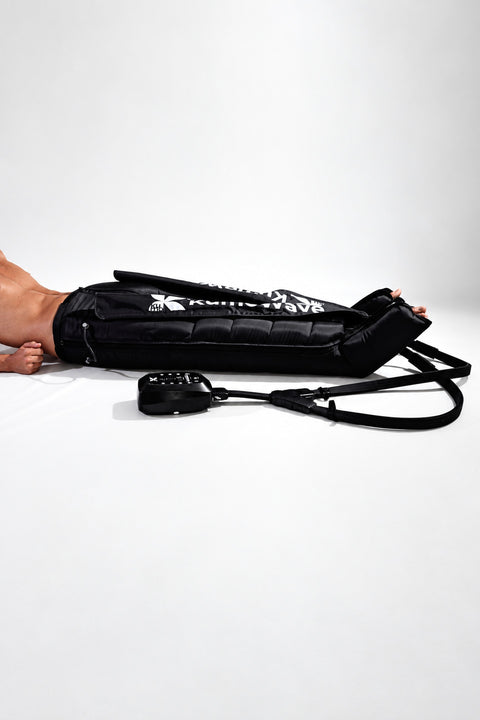
KumoWave Elite – Pressotherapy Pants
Full-coverage trousers. Ideal for lipedema, fluid retention and intensive use.
€799,00 €999,00
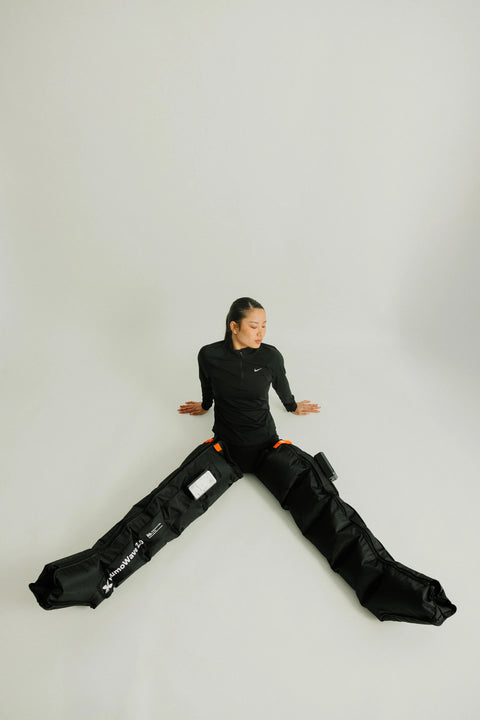
KumoWave 2.0 - Wireless Pressotherapy
Wireless, lightweight boots. Perfect for daily use and recovery.
€499,00 €599,00