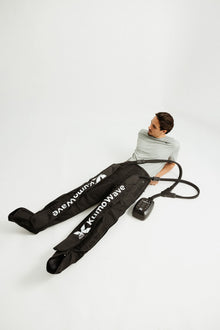
Tired legs are not just a passing annoyance.
Behind that feeling of heaviness, tingling, or swelling at the end of the day can lie circulatory problems, excessive sedentary behavior, or even venous diseases that shouldn't be ignored. In this article, you'll see why tired legs appear, when to worry, and what to do—from daily habits to recovery technologies—to relieve and prevent this discomfort.
Pressotherapy at home
End the day with light legs
★★★★★ 4,8/5 · rated by verified customers
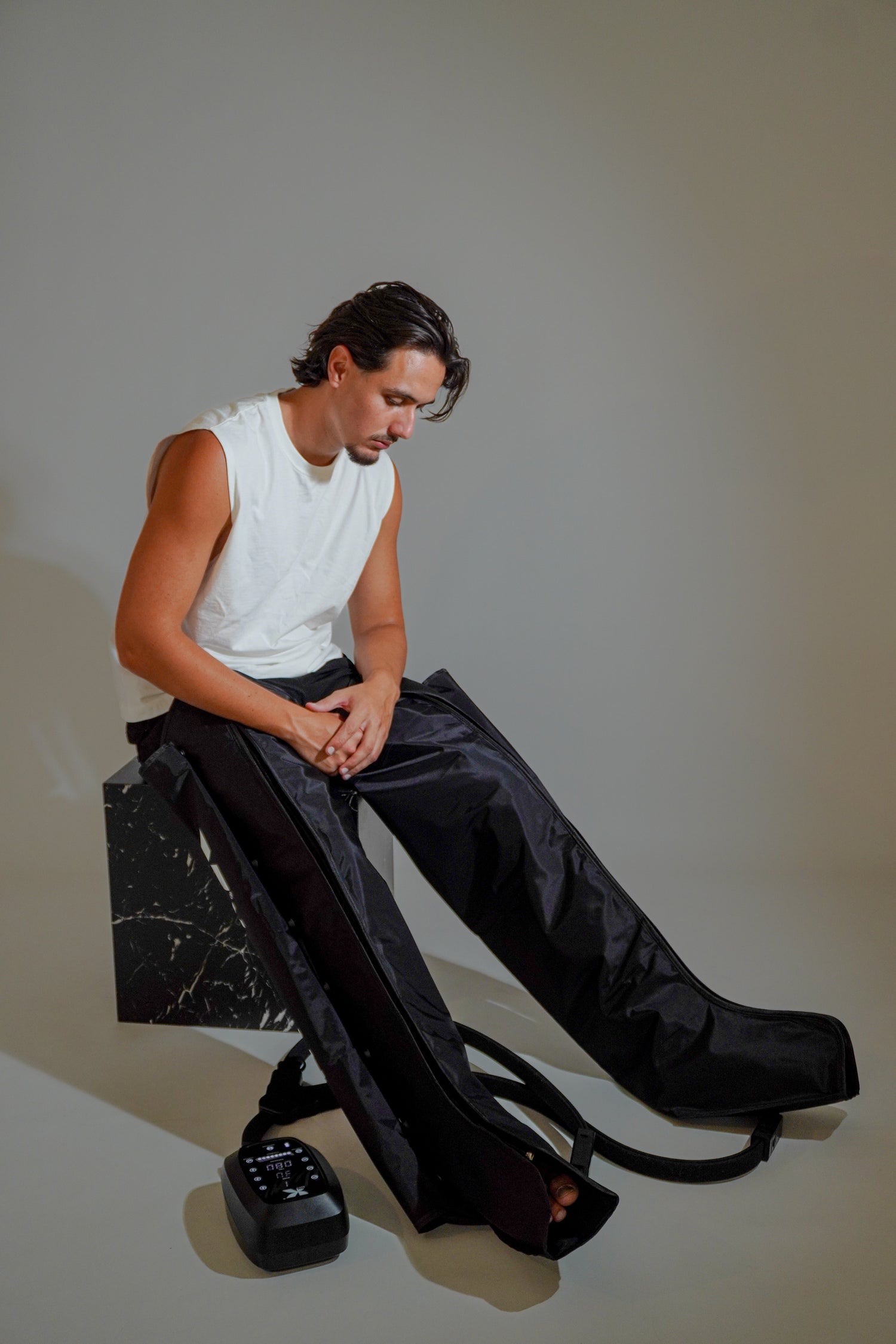
KumoWave pressotherapy boosts circulation and helps drain fluid with sequential compression, in 20-minute sessions at home.
- Boosts circulation and helps drain fluid
- Chamber-based compression, adjustable to you
- Sequential compression that mimics manual drainage
€799,00€999,00
−10% on your 1st order when you subscribe to the newsletter

What does it really mean to have tired legs?
We talk about “tired legs” when a combination of symptoms appears, such as:
- Heaviness or a feeling of "lead" in the legs.
- Cramps, especially at night.
- Swelling in ankles and calves at the end of the day.
- Tingling, itching, or burning sensation.
- Worsens after many hours of standing or sitting, improves when legs are elevated.
It is not a disease in itself, but a common symptom associated with venous disorders, muscle strain, a sedentary lifestyle, or hormonal changes, among other factors. Studies on chronic venous disease show that the sensation of heavy, tired legs is present in more than 80% of people with documented venous problems, and it usually worsens at the end of the day and after prolonged periods of standing or sitting.
Personalized protocol · included with your purchase
Want us to tell you how to use it in your case?
With your purchase, our experts prepare a personalized usage protocol for your case: sport, circulation, fluid retention, pregnancy or lipedema.
Message us on WhatsAppOur experts reply · no obligation
The good news is that, in many cases, significant improvement can be achieved by combining lifestyle changes, specific exercises, and, where appropriate, technological recovery tools such as pressotherapy or light therapy.
Main causes of tired legs
Sedentary lifestyle and lack of movement
Spending many hours sitting (at the office, in the car, while working from home) reduces the action of the calf muscle pump, which is key to propelling blood back to the heart. Without this regular pumping, blood tends to pool in the veins of the legs, leading to swelling and fatigue.
According to data from the World Health Organization published in 2024, around 31% of adults worldwide do not reach the minimum recommended levels of physical activity (2022), which is associated with more cardiovascular and metabolic problems, but also with worse leg comfort due to poor circulation.
on your first order when you join the newsletter
We send you the code instantly. No spam.
Venous problems: varicose veins and chronic venous insufficiency
Varicose veins and chronic venous insufficiency are among the most frequent causes of tired legs:
- The veins in the legs have valves that prevent blood from "flowing" down to the feet.
- When these valves are damaged or weakened, blood accumulates in the veins, which dilate and become tortuous (varicose veins).
- This stagnation translates into heaviness, cramps, tingling, and, over time, changes in skin color or even ulcers if left untreated.
Population studies in Spanish adults have described a prevalence of varicose veins of around 16% , with significantly higher figures in women (around 27%) and a clear increase with age. Clinical guidelines from centers such as the Mayo Clinic and the British NHS indicate typical symptoms such as heaviness, dull pain, worsening after prolonged standing, and relief when elevating the legs.
Overweight, pregnancy and hormonal factors
Being overweight increases pressure on the veins in the legs and hinders venous return, increasing the risk of varicose veins and fatigue in the lower extremities. During pregnancy , blood volume increases and hormones relax the vein walls, which explains why many women notice much more tired and swollen legs, especially in the third trimester.
Hormonal changes related to oral contraceptives or hormone replacement therapy can also influence the appearance of varicose veins and symptoms of heaviness.
Jobs that require standing or sitting for many hours
Professions such as shop assistants, healthcare workers, hairdressers, or teachers involve spending many hours standing with little movement. At the other extreme, office jobs involve long periods of sitting. Both scenarios hinder venous return and promote fluid retention in the legs.
In fact, leading health organizations recommend avoiding staying in the same position for more than 30–60 minutes without getting up or moving your legs, precisely to reduce the risk of venous problems and the feeling of tired legs.
Other causes to consider
Although in most cases tired legs are due to venous or lifestyle factors, it is important to remember that they can also be a sign of other health problems:
- Acute venous disease , such as deep vein thrombosis (DVT): sudden, severe pain, swelling of a leg, heat, and redness require urgent medical attention.
- Arterial problems (peripheral artery disease), most associated with pain when walking that improves when stopping.
- Restless legs syndrome : an irresistible urge to move the legs, especially at night, with unpleasant sensations that improve with movement.
- Neuropathies , thyroid disorders, heart or kidney failure, and certain medications.
If the symptoms are new, very intense, asymmetrical (only one leg) or are accompanied by shortness of breath, chest pain or fever, it is essential to see a doctor immediately .
How to relieve tired legs in everyday life
Immediate measures and lifestyle changes
Some simple strategies can make a big difference if you apply them consistently:
- Elevate your legs : several times a day, 15–20 minutes, above heart level (e.g., lying down with your legs supported on cushions).
- Showers or cool water baths on the legs at the end of the day to reduce swelling.
- Avoid prolonged intense heat (very hot baths, saunas) which dilates the veins.
- Comfortable clothing and footwear : avoid tight-fitting garments around the waist, groin, or thighs; low heels are preferable to very high heels to promote calf action.
- Adequate hydration and a moderate salt diet to avoid fluid retention.
- Active breaks : If you work sitting down, get up and walk for 2–3 minutes every hour; if you work standing up, change posture and make small ankle movements.
Exercise to improve leg circulation
Regular physical activity is one of the most effective treatments for tired legs. The WHO recommends at least 150 minutes of moderate activity per week (for example, brisk walking) or 75 minutes of vigorous activity.
Some simple and specific exercises for circulation:
- Walk 20–30 minutes a day, prioritizing flat surfaces and comfortable footwear.
- Ankle flexion-extension : sitting or lying down, bring your toes towards you and then away from you, 20–30 repetitions several times a day.
- “Bicycle” in the air : lying on your back, imitate pedaling for 1–2 minutes.
- Heel raises : Standing, raise and lower yourself on your toes, 2–3 sets of 15 repetitions.
If you already have a diagnosis of venous disease or any cardiovascular problem, consult your doctor about what type and intensity of exercise is most suitable for you.
Post-exercise care and muscle recovery
It's not just a sedentary lifestyle that puts strain on the legs: intense workouts, long hours of walking, or the aftermath of a run can also leave them feeling stiff and tired. In these cases, the goal is to accelerate muscle recovery and improve blood flow.
Scientific literature describes the benefits of various techniques:
- Self-massage and foam rolling : Myofascial release methods using rollers or massage devices help reduce delayed onset muscle soreness (DOMS) and improve joint range of motion, without impairing performance.
- Vibration/percussive massage : Meta-analyses on vibration show significant reductions in muscle pain in the 24–72 hours following exercise, resulting in less stiffness and fatigue.
- Photobiomodulation (red/infrared light) : several controlled trials indicate that, when applied with appropriate parameters, it can improve muscle endurance and promote strength recovery after intense efforts, although the evidence is still heterogeneous and dependent on the dose and the population studied.
The key is to integrate these tools as a complement to a proper rest, hydration and nutrition plan, not as a substitute for progressive training or medical advice.
External aids: compression and pressotherapy
External compression is one of the cornerstones of managing venous insufficiency and preventing leg swelling:
- Compression stockings : recommended for symptomatic varicose veins, pregnancy or after certain procedures; they help push blood upwards and reduce the feeling of heaviness.
- Intermittent pneumatic compression therapy : devices with "boots" that inflate and deflate following a sequence from the foot to the thigh.
Hemodynamic studies have demonstrated that intermittent pneumatic compression significantly increases venous flow velocity in the femoral veins and improves microcirculation, explaining its use in both thrombosis prevention and the management of symptomatic varicose veins and post-exercise recovery. In women with varicose veins, multi-week programs of sequential compression therapy have been associated with improved pain and quality of life .
Although many people use these systems at home, it is advisable to discuss it with a healthcare professional beforehand, especially if you have a history of thrombosis, heart problems, or are pregnant.
Quick summary: common causes and relief strategies
| Cause or situation | Typical signs | What can help | When to see a doctor |
|---|---|---|---|
| Sedentary lifestyle / many hours sitting | Heavy legs at the end of the day, ankles somewhat swollen | Daily walks, active breaks every hour, ankle exercises, self-massage, or low-intensity massage gun | If the swelling worsens rapidly, is on one side of the body, or is accompanied by severe pain |
| Varicose veins / chronic venous insufficiency | Visible and twisted veins, heaviness, night cramps, worsens when standing | Compression stockings, regular exercise, leg elevation; for support, pneumatic compression boots such as those in the KUMO compression therapy line | If there are ulcers, changes in skin color, very intense pain, or bleeding from varicose veins |
| Muscle overload / intense sport | Delayed onset muscle soreness, stiffness, and a feeling of "stone legs" after training | Active rest, gentle stretching, foam roller, KumoPulse Air massage gun , adequate hydration | If the pain is debilitating, there is deformity, inability to bear weight on the foot, or a suspected injury |
| Pregnancy | Progressive swelling of feet and ankles, heaviness, new or more visible varicose veins | Daily walking, leg elevation, compression stockings prescribed by a doctor, and supervised gentle pressotherapy | If the swelling is sudden, asymmetrical, or accompanied by chest pain, difficulty breathing, or severe headache |
| Acute problems (e.g., deep vein thrombosis) | Intense pain in one leg, heat, redness, marked swelling | Do not apply massage or pressotherapy at home. Urgent evaluation required. | Always: go to the emergency room immediately |
When should you worry about tired legs?
Consult a healthcare professional without delay if you notice any of these warning signs:
- Sudden, intense, localized pain in one leg (especially in the calf or thigh).
- Sudden swelling of one leg, with a feeling of heat and reddening of the skin.
- Shortness of breath, chest pain or palpitations accompanying leg swelling.
- Ulcers or wounds on the legs that do not heal in weeks.
- Striking changes in skin color (dark brown, purplish) around ankles and legs.
It is also advisable to make an appointment if tired legs are very frequent, interfere with your sleep or daily activity , or if you have a family history of significant varicose veins, thrombosis, or cardiovascular disease.
How recovery technology can help with tired legs
In addition to lifestyle changes, there are technologies designed to optimize muscle recovery and circulation. KUMO specializes in precisely these types of solutions, combining design, technology, and effectiveness to integrate recovery into your daily routine.
Pressotherapy boots to activate circulation
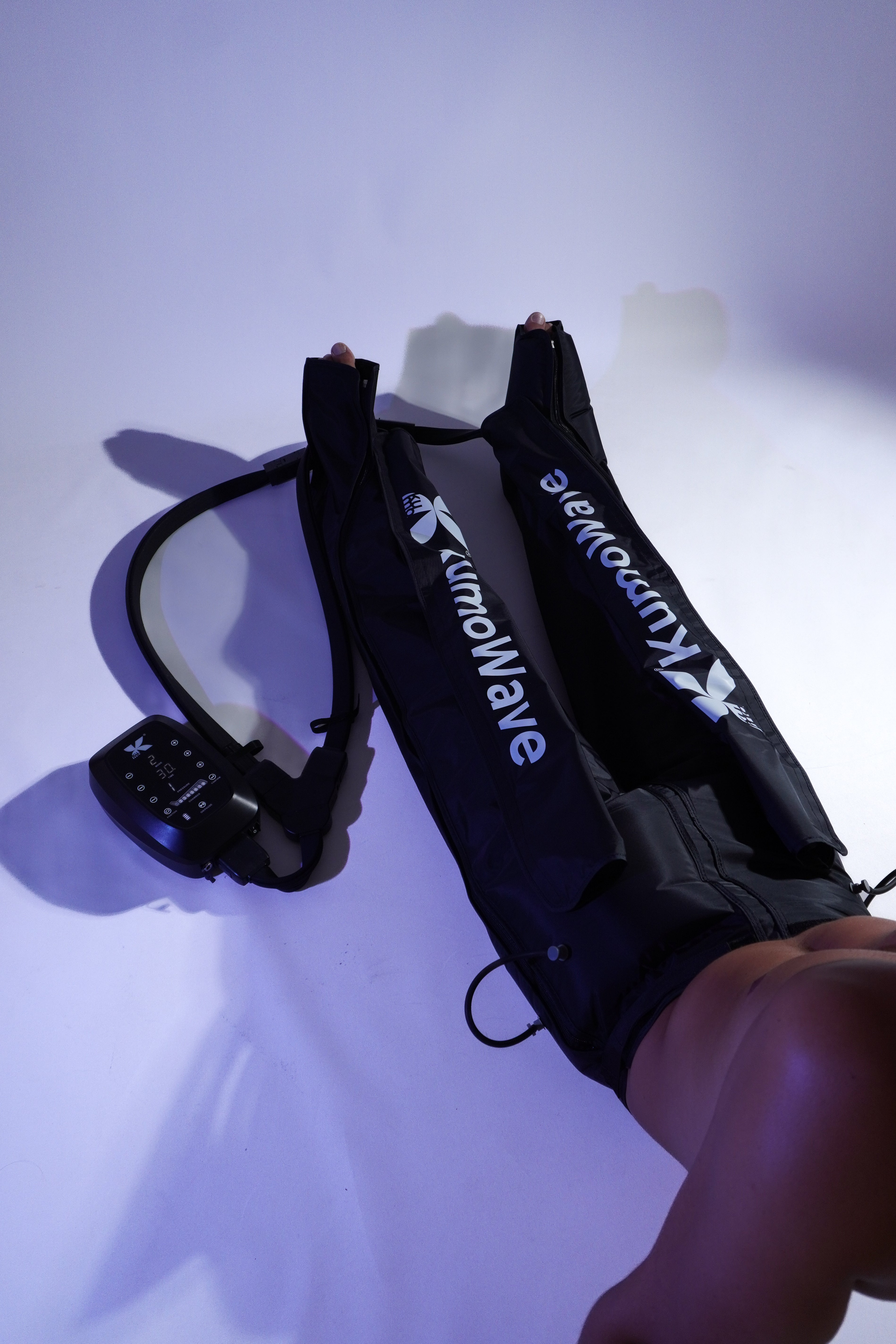
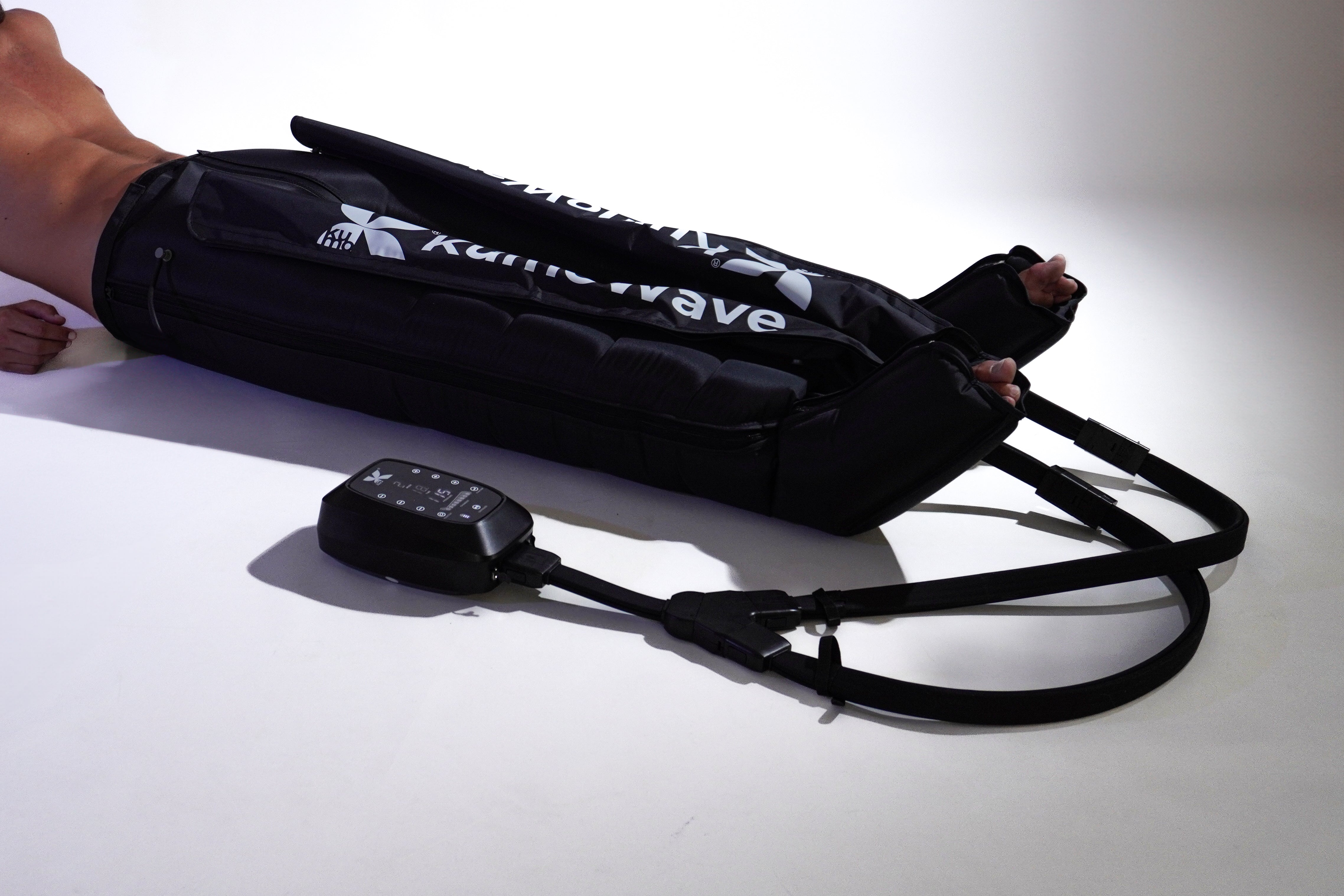
Pneumatic compression boots encircle the legs and apply sequential compression from the foot to the thigh. This mechanical massage mimics the action of the muscle pump, promoting venous and lymphatic return.
Clinical studies have shown that intermittent pneumatic compression can increase blood flow velocity in the veins of the legs by more than 50–200% during compression cycles, and that in patients with symptomatic varicose veins it is associated with less pain and better quality of life after programs of several weeks.
KUMO compression boots utilize this technology to offer at-home recovery sessions, which can be especially helpful if you spend many hours on your feet or train intensely. They are not a substitute for medical treatment in cases of advanced venous disease, but they can be a useful complement to relieve the feeling of heavy legs in people without contraindications.
Red and LED light therapy for muscle and skin recovery
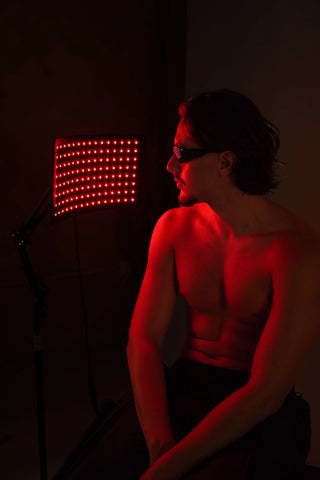
Photobiomodulation (low-intensity red and infrared light) uses specific wavelengths that interact with the mitochondria of cells, promoting processes such as energy production and modulation of inflammation.
Recent clinical trials indicate that, when applied with appropriate parameters, red/IR light can:
- To improve muscle endurance and strength recovery after intense exercise in certain populations.
- Reduce markers of muscle damage (such as creatine kinase) when applied before exercise in specific protocols.
- To improve skin quality and reduce some signs of photoaging (tone, texture, firmness) after several weeks of continuous use of LED masks.
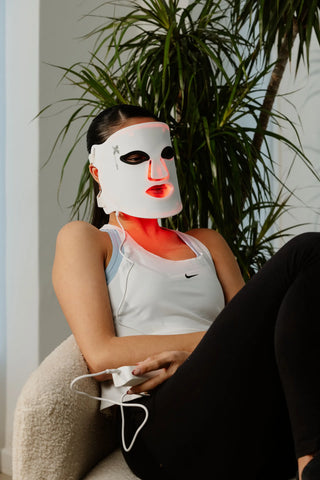
KUMO's range of LED light therapy devices includes options for both muscle recovery (red/infrared light) and skin care. It is important to always follow the usage instructions, protect your eyes if necessary, and understand that results are gradual and depend on consistency.
Massage guns for deep tension release
Percussion massage guns , such as the KumoPulse Air , apply rapid, controlled pulses to muscle tissue. This type of percussion massage falls under the umbrella of vibration and myofascial release techniques.
Studies on vibration and foam rolling show that these techniques can:
- Reduce delayed onset muscle soreness for up to 72 hours after exercise.
- Acutely improve joint range of motion without impairing performance.
- Promote a subjective feeling of recovery and less stiffness.
When applied to the calves, hamstrings, and quadriceps at low to moderate intensity, massage guns can help relieve the accumulated strain from sports, long hours on your feet, or long walks, contributing to a faster reduction of tired legs. As always, it's best to avoid using them on very prominent varicose veins, acutely inflamed areas, or if you have any medical concerns.
Frequently asked questions about tired legs
Why do my legs feel tired at the end of the day even though I don't exercise?
Even if you don't exercise, your legs work hard to maintain circulation against gravity for hours on end. If you spend a lot of time sitting or standing still, the calf muscle pump is underactive, blood pools, and you experience a feeling of heaviness, especially in your ankles and calves. Heat, tight clothing, and being overweight exacerbate the problem. Incorporating short walks, ankle flexes, elevating your legs for a few minutes, and staying hydrated usually improves these symptoms significantly within a few weeks.
Is it normal to have very tired legs during pregnancy?
During pregnancy, blood volume increases and hormones relax the vein walls, which can lead to varicose veins, swelling, and a feeling of heaviness in the legs, especially at the end of the day and during the third trimester. This is a common phenomenon, but it shouldn't be ignored. Walking daily, wearing compression stockings if your doctor recommends it, and elevating your legs are very helpful. However, if the swelling is sudden, affects only one leg, or is accompanied by intense pain or shortness of breath, you should go to the emergency room to rule out thrombosis or other more serious problems.
Can tired legs indicate a serious health problem?
In most people, tired legs are related to a sedentary lifestyle or mild to moderate venous insufficiency. However, in some cases, they can be a sign of more serious problems: deep vein thrombosis, advanced venous insufficiency with a risk of ulcers, heart failure, or kidney disease. You should pay attention if the symptoms appear suddenly, the swelling is marked and asymmetrical, there is intense pain, or noticeable changes in skin color. Also, be concerned if they are accompanied by shortness of breath or chest pain. When in doubt, it's always best to consult a doctor.
What exercises are best for improving circulation in tired legs?
The most beneficial exercises are those that gently activate the calf and thigh muscles without excessive impact. Brisk walking for 20–30 minutes a day, using a stationary bike, or swimming are excellent options. Additionally, performing sets of heel raises, ankle flexions (bringing your toes toward you and then away from you), and "bicycle" exercises while lying down improves venous return. Ideally, combine slightly longer walking sessions with active micro-breaks throughout the workday. If you have a diagnosed venous disease or heart condition, always seek personalized guidance from your doctor or physical therapist.
Are compression boots effective for tired legs if I don't have severe varicose veins?
In people without medical contraindications, compression boots can be a helpful aid in relieving the feeling of heavy legs after intense days, long trips, or demanding workouts. The sequential compression promotes venous and lymphatic return, mimicking the action of the muscle pump. Studies in patients with varicose veins show improvement in pain and venous flow with programs lasting several weeks, and many users without serious conditions report lighter legs after sessions. Even so, compression therapy should be viewed as a complement to an active lifestyle, and if you have any concerns, discuss them with your healthcare professional.
So what now?
If tired legs are a part of your daily life, the first step is to review your routine: moving more, elevating your legs, being mindful of your weight, and avoiding excessive heat make a big difference. In addition, KUMO 's technological recovery solutions—from compression boots to LED light therapy and the KumoPulse Air massage gun —can help you integrate recovery into your daily life simply and effectively. If your symptoms are intense, persistent, or cause you concern, don't hesitate to speak with your doctor. For any questions about products or usage, you can contact the KUMO team directly through the contact page.
KumoWave pressotherapy
Choose your at-home pressotherapy
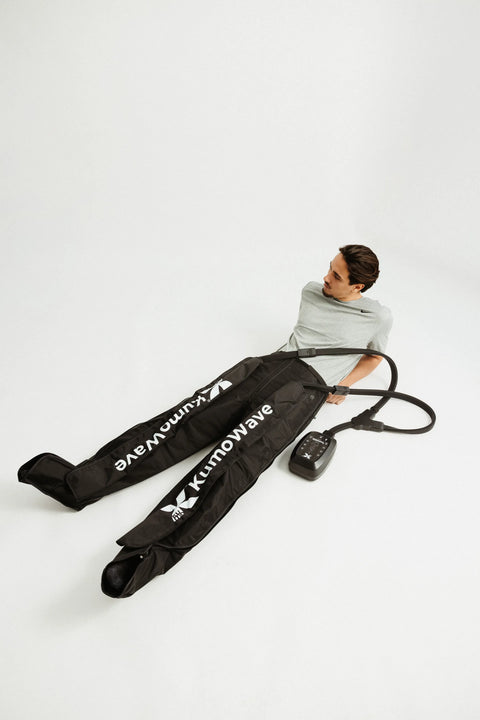
KumoWave Elite – Pressotherapy Pants
Full-coverage trousers. Ideal for lipedema, fluid retention and intensive use.
€799,00 €999,00
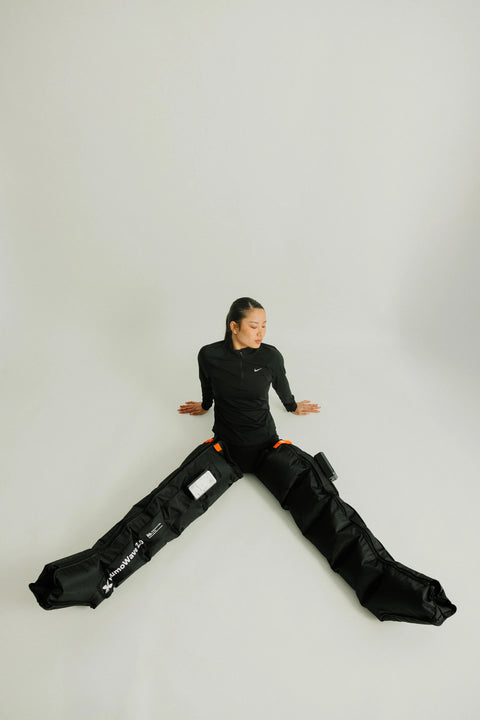
KumoWave 2.0 - Wireless Pressotherapy
Wireless, lightweight boots. Perfect for daily use and recovery.
€499,00 €599,00