Why do my legs get so tired at the end of the day?
Heavy, tight, burning, or throbbing legs when you get home… you're not alone. In industrialized countries, the so-called “heavy leg syndrome” affects about half of the working-age population, especially those who spend many hours standing or sitting. ( pubmed.ncbi.nlm.nih.gov )
Behind those tired legs there is almost always a combination of three factors:
Pressotherapy at home
End the day with light legs
★★★★★ 4,8/5 · rated by verified customers
KumoWave pressotherapy boosts circulation and helps drain fluid with sequential compression, in 20-minute sessions at home.
- Boosts circulation and helps drain fluid
- Chamber-based compression, adjustable to you
- Sequential compression that mimics manual drainage
€799,00€999,00
−10% on your 1st order when you subscribe to the newsletter

- Slow venous circulation : blood tends to accumulate in ankles and calves, especially with varicose veins or chronic venous insufficiency.
- Muscle overload : many hours of walking, running or working on your feet fatigue your calves and feet.
- Sedentary lifestyle : sitting without moving also tires the legs because the calf muscle pump is barely activated.
Epidemiological literature estimates that venous diseases in the lower extremities (visible varicose veins, swelling, skin changes) affect between 40–50% of men and 50–55% of adult women, with significant chronic venous insufficiency in up to 3–7% of the population. ( pubmed.ncbi.nlm.nih.gov ) They are not always serious, but they do explain many daily discomforts.
Common causes of tired legs
Although every person is different, these are very common causes described by reference medical guides and portals: ( healthline.com )
Personalized protocol · included with your purchase
Want us to tell you how to use it in your case?
With your purchase, our experts prepare a personalized usage protocol for your case: sport, circulation, fluid retention, pregnancy or lipedema.
Message us on WhatsAppOur experts reply · no obligation
- Varicose veins and chronic venous disease : dilated veins where blood stagnates, causing heaviness, tingling and sometimes cramps.
- Excessive use of muscles : many hours of walking, intense training, or physical work.
- Inactivity : spending the day in front of a computer or driving reduces circulation and promotes swelling.
- Muscle cramps and electrolyte imbalances (such as potassium).
- Dehydration : can cause muscle fatigue, worse circulation, and a feeling of heavy legs.
- Overweight, pregnancy, hormones , and very tight clothing, which increase pressure on the veins.
In many cases, it's a functional and reversible problem. But sometimes tired legs can be the tip of the iceberg of something more serious.
Warning signs: when tired legs are NOT normal
You should consult a healthcare professional (emergency room or your doctor) quickly if, in addition to fatigue, any of these signs appear:
- Sudden swelling of one leg, with intense pain, redness or local heat.
- Leg pain associated with shortness of breath, chest pain or dizziness (risk of thromboembolism).
- Wounds that do not heal, significant changes in skin color, or ulcers near the ankle.
- Loss of sensation, marked weakness, or difficulty walking.
- Fever or other general signs of infection.
Deep vein thrombosis and other vascular problems can manifest as leg pain and heaviness, but require medical diagnosis and specific treatment. ( en.wikipedia.org ) What you will see below are quick and general solutions , which in no case replace the evaluation of a professional if you suspect a disease.
on your first order when you join the newsletter
We send you the code instantly. No spam.
Quick solutions for tired legs at the end of the day
If your doctor has already ruled out serious illness, these strategies can quickly relieve heaviness and tired legs after a long day.
1. Raise your legs (well done)
Elevating your legs is one of the most effective, simple, and supported remedies for improving venous return. ( healthline.com )
- Lie on your back on the sofa or bed.
- Place your calves on cushions or against the wall, so that they are above heart level.
- Hold the position for 10 to 20 minutes, breathing deeply.
This gesture allows the blood accumulated in the ankles and calves to "return" more easily, reducing the feeling of heaviness and swelling after a day of standing or sitting.
2. 5-minute express mobility
The worst enemy of your legs is immobility. Five minutes of gentle movement can noticeably change how they feel.
- Ankle pumps : Sitting or standing, raise and lower your toes 30–40 times.
- Heel raises : Standing, raise your heels until you are on your toes and lower them slowly (2-3 sets of 15 repetitions).
- Ankle circles : draw circles with each foot, 10–15 towards each side.
- Mini squats without weight, respecting your comfortable range.
These exercises activate the calf muscle "pump," essential for boosting blood to the heart and relieving fatigue. ( healthline.com )
3. Cold, heat and contrast showers
Water can be a powerful ally for your tired legs:
- Contrast shower : alternate 30–45 seconds of warm-hot water with 20–30 seconds of cool water on the legs, always ending with cold.
- Warm bath with salts : relaxes the muscles and relieves the feeling of a "heavy" leg. ( healthline.com )
- Localized cold : a cold gel pack wrapped in a cloth, 5–10 minutes on particularly inflamed areas (always with caution to avoid burning the skin).
Thermal contrast causes alternating vasodilation and vasoconstriction, which can promote microcirculation and relieve the feeling of stiffness.
4. Localized massage and massage guns
A well-applied massage can improve venous and lymphatic drainage, reduce muscle tension, and provide an immediate feeling of lightness. ( healthline.com )
- Use a slippery cream or oil.
- Perform upward passes from the ankles to the knees, with light to moderate pressure.
- Focus on the calves and the soles of the feet, where the load tends to accumulate the most.
Massage guns are a modern alternative for those seeking deep relief in a short amount of time. Devices like the KumoPulse Air apply controlled percussion to the muscles, helping to release tension points and improving the feeling of recovery after work or training. Always use them following the manufacturer's recommendations and avoiding painful areas or those with very pronounced varicose veins unless advised by a professional.
5. Home pressotherapy: deep relief for heavy legs
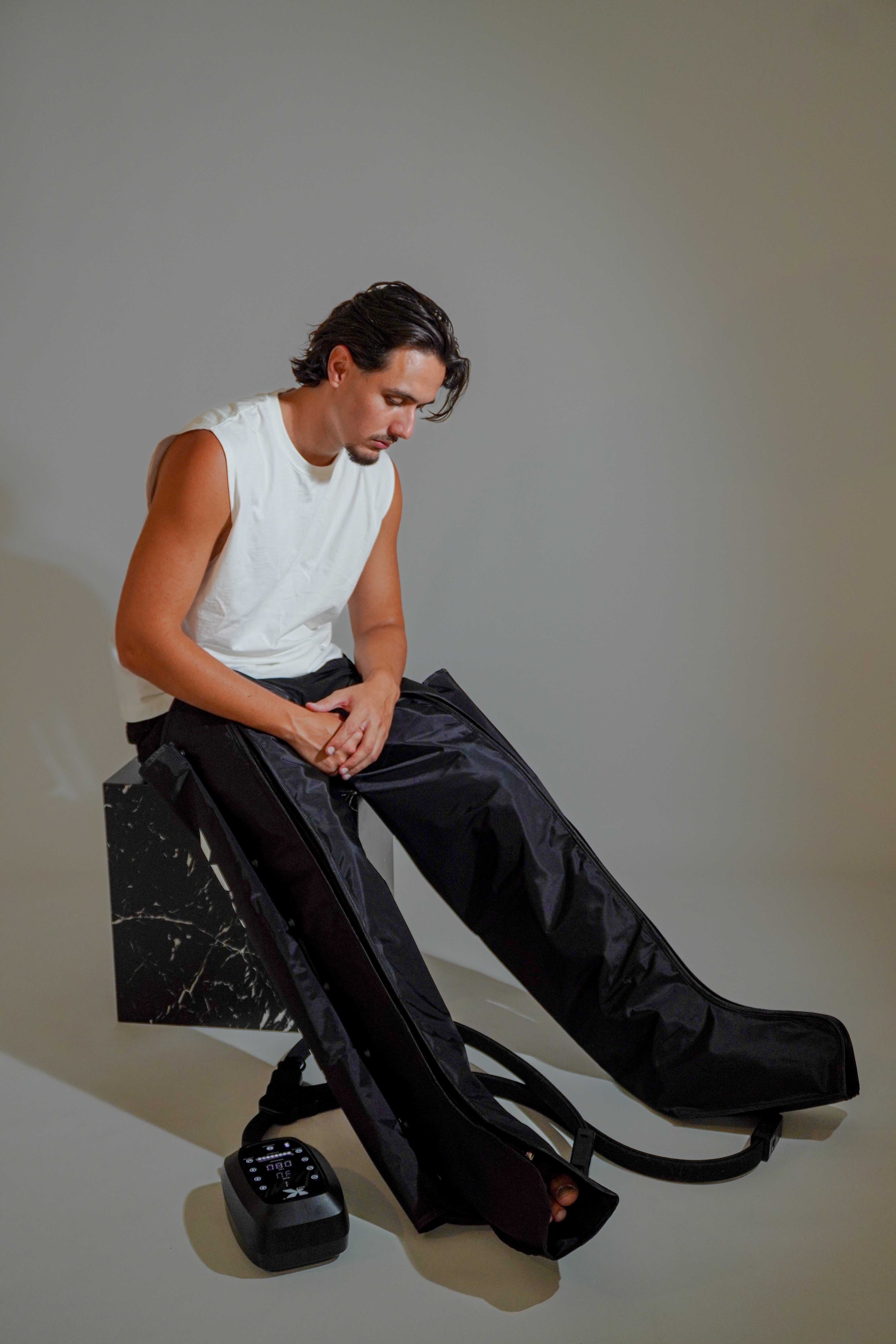
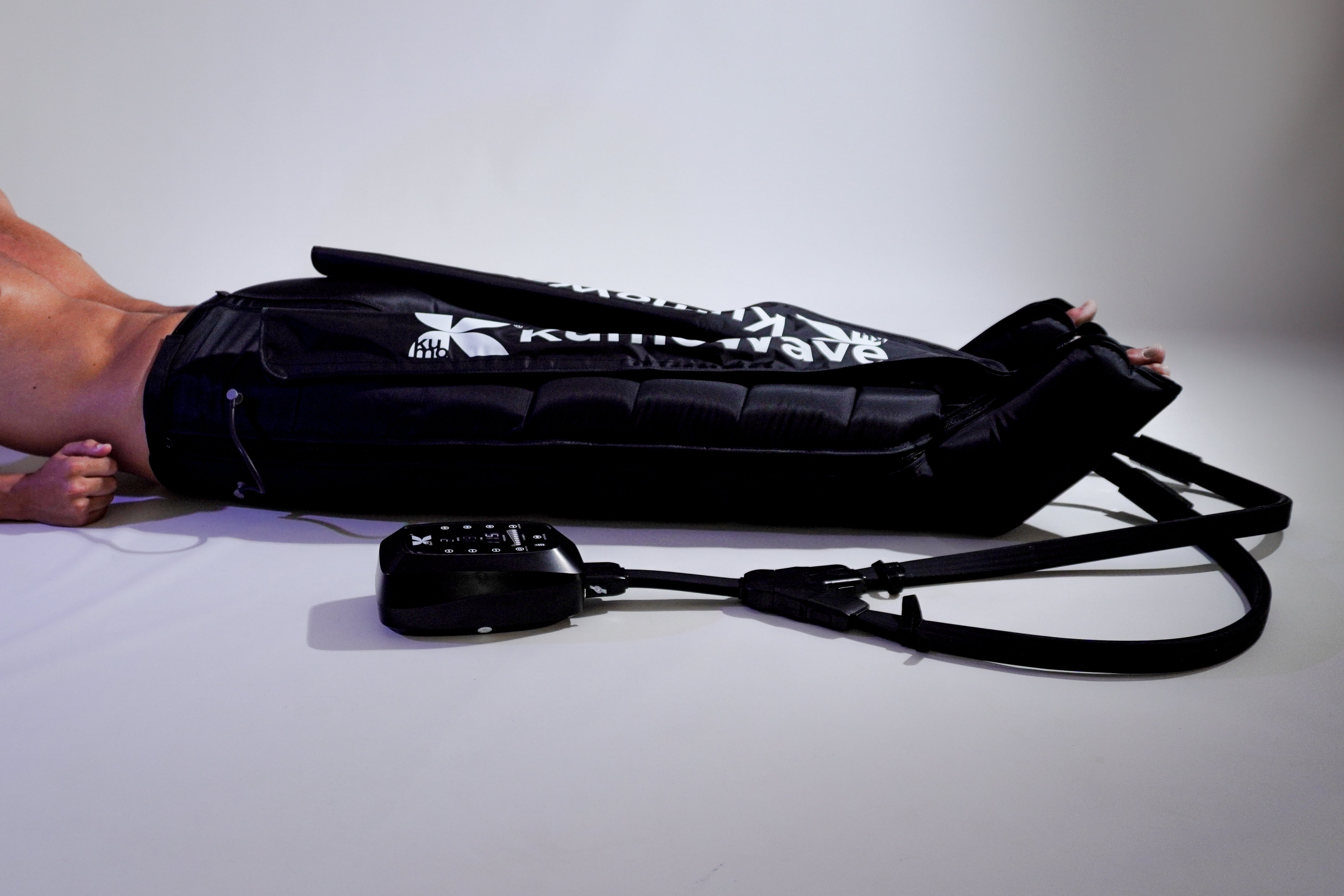
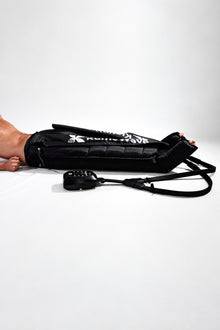
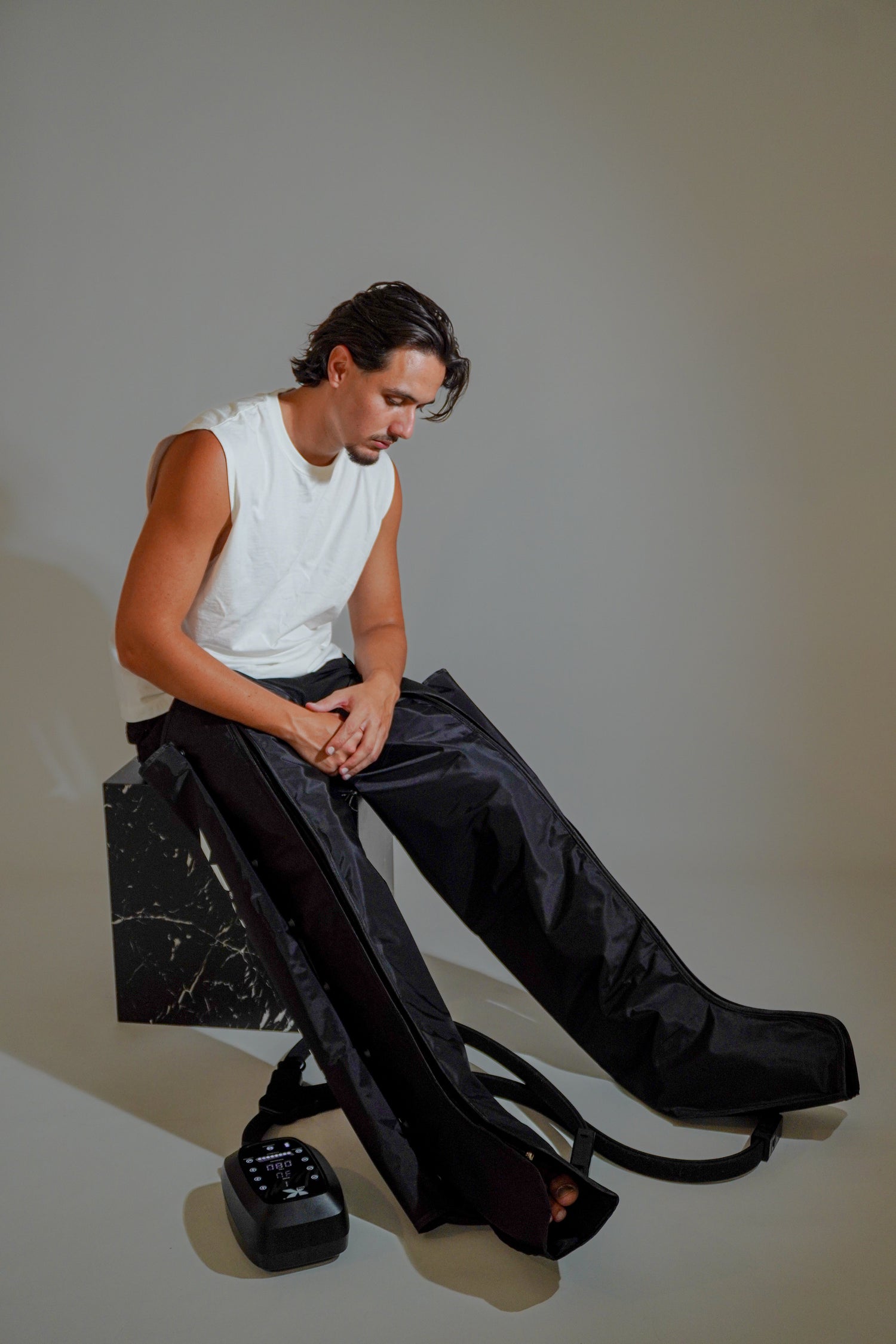
Pneumatic compression therapy uses inflatable boots that inflate and deflate sequentially, exerting controlled pressure from the foot to the thigh. This mechanism helps to propel venous blood and lymph back to the torso.
Clinical research shows that intermittent pneumatic compression can:
- Increase the speed of venous flow in the legs. ( pubmed.ncbi.nlm.nih.gov )
- Promoting the healing of venous ulcers and controlling edema in some patients with chronic venous insufficiency. ( journals.cambridgemedia.com.au )
- Improve the subjective feeling of heavy and tired legs after prolonged periods of standing or sitting.
Today, there are pressotherapy systems designed for home use, easy to operate while reading or watching a show. If your discomfort is recurring, you can explore options like the pressotherapy boots from KUMO , designed to offer high-level recovery in a home environment. Remember that if you suffer from arterial disease, heart problems, or are pregnant, you should consult your doctor first.
6. Red light and LED therapy: support for muscle recovery and rest
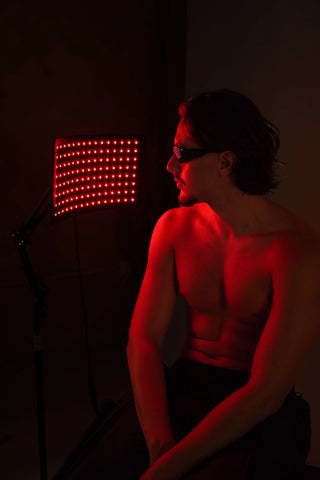
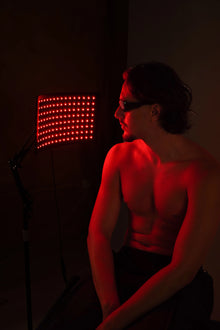
Photobiomodulation (red and near-infrared light therapy) uses specific wavelengths to stimulate cellular processes involved in energy production and tissue repair. Several clinical trials indicate that, when applied in specific protocols, it can improve performance and accelerate muscle recovery after intense exercise, reducing pain and some markers of damage. ( pubmed.ncbi.nlm.nih.gov )
A recent review on whole-body photobiomodulation also suggests a possible benefit on sleep quality , although data on recovery and performance are still contradictory and research is ongoing. ( pubmed.ncbi.nlm.nih.gov )
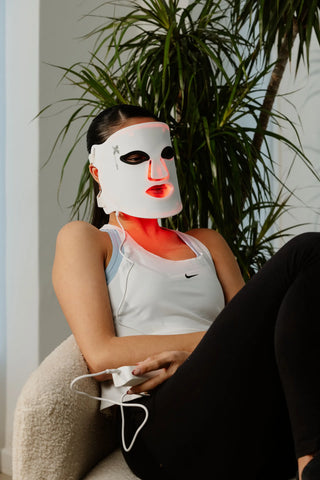
In practice, red light can be integrated as a complementary tool to relax muscles and promote restful sleep after a demanding day. At KUMO, you'll find LED therapy devices designed to combine aesthetics, technology, and performance, seamlessly integrating them into your daily recovery routine.
7. Express habits: what you can change today
In addition to the techniques above, small daily adjustments make a big difference in how your legs feel at the end of the day: ( healthline.com )
- Hydration : Aim for about 2–3 liters of water and sugar-free drinks per day (depending on your weight, climate and activity).
- Active breaks : Get up for at least 5 minutes every hour if you work sitting down, or if you spend many hours standing, try to sit down briefly and raise your feet.
- Appropriate footwear : comfortable shoes with good support and, if necessary, cushioned insoles.
- Avoid crossing your legs for long periods, so as not to hinder venous return.
- Avoid excessively tight clothing around the thighs and groin.
Table of quick solutions according to your type of workday
| Typical situation | Feeling at the end of the day | Recommended quick solutions |
|---|---|---|
| I work long hours on my feet (healthcare, retail, hospitality) | Heavy legs, swollen ankles | Elevate legs for 15 minutes, contrast shower, upward massage, pressotherapy session |
| Office, teleworking or long drive | Numbness, stiffness, tingling | 5-minute mobility exercises every hour, ankle pumps, a short walk at the end, and a red light for nighttime relaxation. |
| Intense leg workouts or high-impact sports | Muscle soreness, deep muscle fatigue | Gentle stretching, massage gun, localized photobiomodulation, restful sleep |
| Long journeys by plane or car | Swelling of feet and calves | Short walks whenever possible, compression stockings if indicated, pressotherapy upon arrival |
Medium-term prevention: preventing your legs from "dying" every night
Quick fixes provide relief, but if you end each day feeling the same, you need a preventative strategy . Recommendations from vascular societies and large studies agree on several key points: ( healthline.com )
- Regular physical activity : brisk walking 30 minutes a day, climbing stairs, or doing aerobic exercise.
- Strengthen leg muscles : calf exercises, squats, glute and hip work.
- Weight control : Excess weight increases pressure on the venous system of the legs.
- A high-fiber diet helps prevent constipation, which is associated with increased venous pressure in the lower limbs. ( pubmed.ncbi.nlm.nih.gov )
- Graduated compression stockings if your doctor recommends them, especially if you already have venous disease.
- Sleep hygiene and stress management , which influence the perception of general fatigue.
Integrating recovery technologies (pressotherapy, massage, photobiomodulation…) can be especially interesting if you train frequently, work in prolonged standing or simply want your legs to reach the end of the day with more energy.
Frequently asked questions about tired legs
Why do my legs feel tired every day even though I don't exercise?
You don't need to train hard to experience tired legs. Spending many hours sitting or standing still slows venous and lymphatic return, leading to swelling, heaviness, and fatigue. ( healthline.com ) Other contributing factors include being overweight, heat, dehydration, hormones, certain medications, and, of course, varicose veins or chronic venous insufficiency. If the discomfort is daily, worsens, or occurs asymmetrically (affecting only one leg), a medical evaluation is recommended to rule out underlying circulatory, metabolic, or neurological problems.
What vitamin or mineral deficiency can cause tired legs?
Some nutritional deficiencies can contribute to leg cramps, weakness, and fatigue. For example, low iron levels are associated with anemia and general fatigue; vitamin D deficiency is linked to muscle weakness; and electrolyte imbalances, such as potassium, magnesium, or calcium, can contribute to painful cramps. ( nhs.uk ) However, these problems aren't diagnosed by guesswork: they require blood tests and professional evaluation. Before taking supplements on your own, it's advisable to speak with your doctor or a registered dietitian to identify the underlying cause and safely adjust your diet or treatment accordingly.
Can tired legs be a symptom of a serious circulatory problem?
Yes, sometimes the feeling of heaviness and fatigue in the legs is the initial manifestation of chronic venous insufficiency or significant varicose veins. ( pubmed.ncbi.nlm.nih.gov ) It can also occur with arterial problems, deep vein thrombosis, or neurological diseases. Warning signs include sudden, severe pain, abrupt swelling of one leg, changes in color, localized heat, ulcers that do not heal, or associated symptoms such as shortness of breath. In these situations, massage or rest is not enough: it is essential to see a doctor for an evaluation and, if necessary, imaging tests and specific treatment.
What's better for tired legs: cold or heat?
It depends on the underlying cause. If there is significant swelling and inflammation , brief application of cold (always with protection) is usually more helpful, as it reduces edema and slightly numbs the area. Conversely, when muscle tension is the primary issue, gentle heat or a warm bath can relax the tissues and relieve pain. ( healthline.com ) Many people experience good results with contrast showers (alternating warm and cool water) and by combining hot and cold at different times of the day. If you have a diagnosed vascular condition, follow your doctor's instructions.
Are compression boots helpful for heavy legs at the end of the day?
Sequential pneumatic compression therapy has been used clinically for years to improve venous return and treat complex edema. Doppler ultrasound studies show that intermittent compression boots increase venous flow velocity in the legs, and some studies indicate benefits in the healing of venous ulcers and in controlling swelling in certain patients. ( pubmed.ncbi.nlm.nih.gov ) When used at home, it can provide a marked feeling of lightness and rest after long days of standing or sitting. However, it should be used with caution, and you should always consult a doctor beforehand if you have heart or arterial problems, a history of thrombosis, or are pregnant.
So what can you do for your tired legs now?
If your legs are crying out for help every night, start today with the basics: elevate them, move more, stay well-hydrated, and take care of your footwear. If you want to go a step further and integrate recovery as a lifestyle habit, you can find inspiration in KUMO 's approach, which combines aesthetics, technology, and performance with solutions like pressotherapy, LED light therapy, and percussive massage. And if you have specific questions about your situation or which devices would be best for you, don't hesitate to contact us through our contact page for personalized guidance.
KumoWave pressotherapy
Choose your at-home pressotherapy
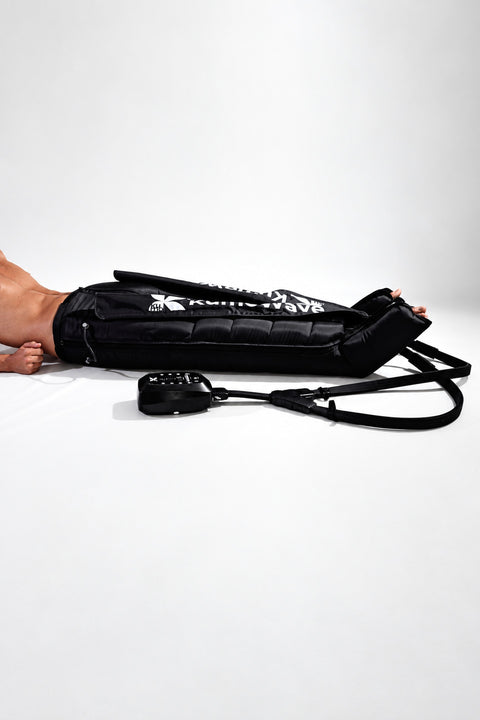
KumoWave Elite – Pressotherapy Pants
Full-coverage trousers. Ideal for lipedema, fluid retention and intensive use.
€799,00 €999,00
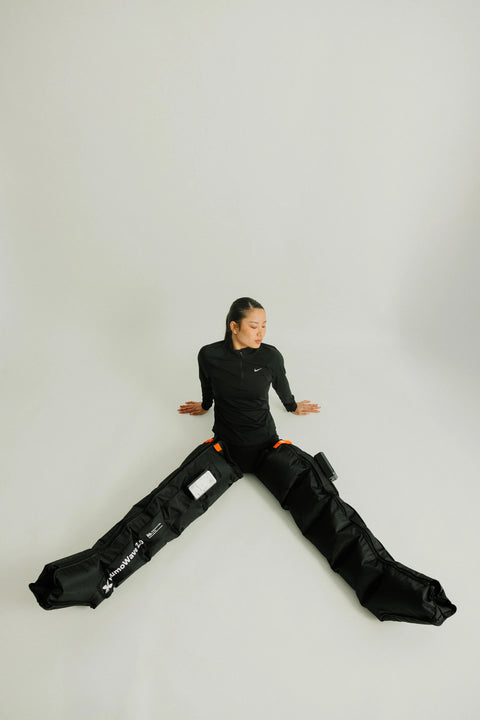
KumoWave 2.0 - Wireless Pressotherapy
Wireless, lightweight boots. Perfect for daily use and recovery.
€499,00 €599,00