Introduction: Why the LED face mask has become key for men
The LED facial mask could become your best skincare ally in 2025. More and more men are looking for fast, non-invasive technological solutions to improve their complexion, reduce acne, and smooth wrinkles without resorting to harsh treatments.
LED light therapy, used for years in dermatology, has arrived at home in the form of facial masks that are easy to integrate into your daily routine. Organizations such as the American Academy of Dermatology and Harvard Health indicate that red and near-infrared light can help improve skin texture, fine lines, and redness when used consistently and safely, while blue light is primarily used for mild to moderate acne.
Red & infrared light
Recover faster, at home
★★★★★ 4,8/5 · rated by verified customers
The KumoLux panel supports muscle recovery with full-body red and infrared light.
- 660 nm red + 850 nm infrared light
- Full-body muscle recovery
- Clinically validated biohacking protocols
€399,00€499,00
−10% on your 1st order when you subscribe to the newsletter

In KUMO 's recovery and performance ecosystem, the LED facial mask fits in as another tool to optimize well-being, appearance, and recovery after sports.
What is an LED face mask and how does it work?
Photobiomodulation: the scientific basis
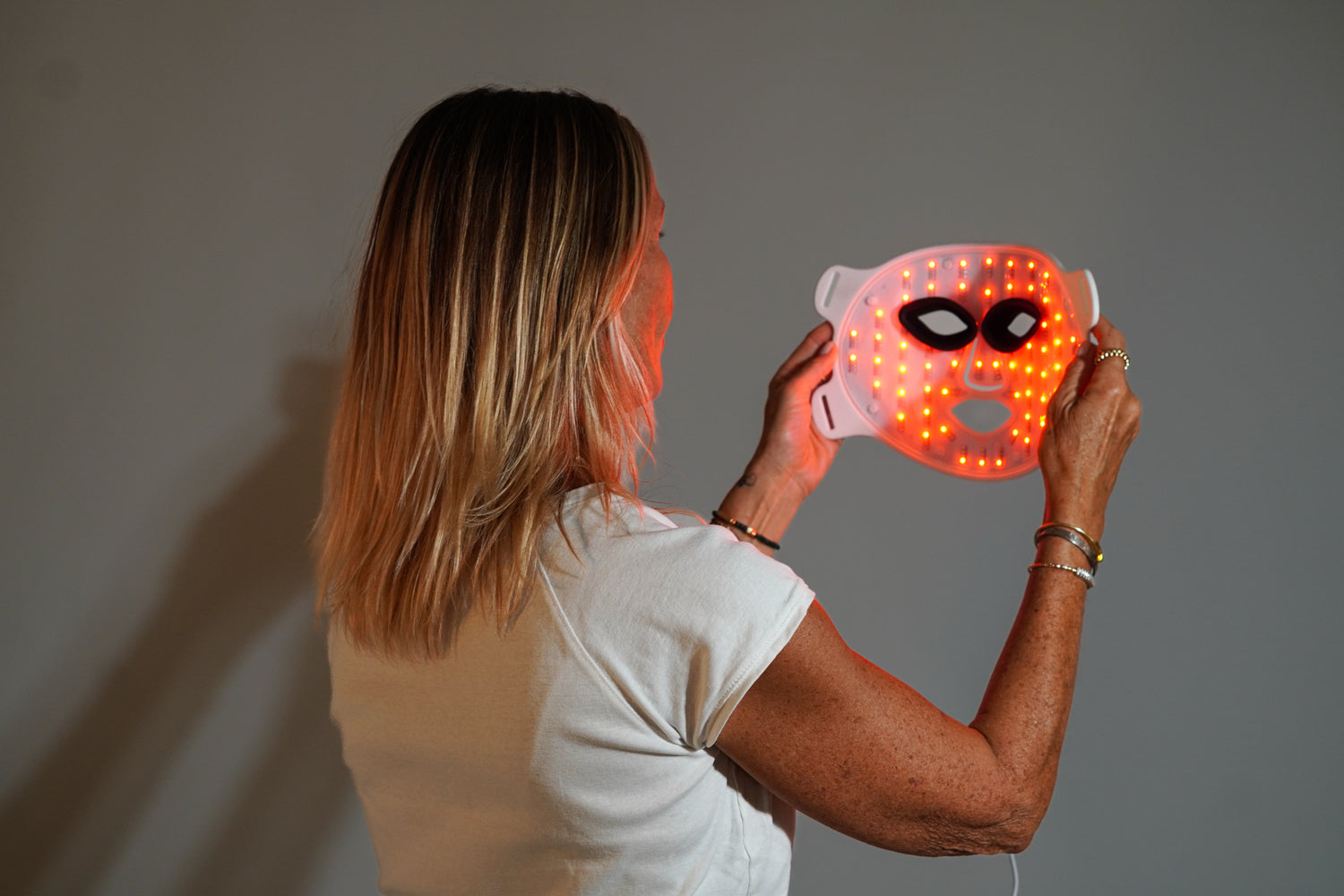
A facial LED mask is a device that emits light of different wavelengths (red, blue, amber, infrared, etc.) at low intensity. This stimulates biological processes in skin cells, a phenomenon known as photobiomodulation .
Personalized protocol · included with your purchase
Want us to tell you how to use it in your case?
With your purchase, our experts set up your red and infrared light sessions for your sport and goal.
Message us on WhatsAppOur experts reply · no obligation
According to recent dermatology reviews, red and near-infrared light can:
- Stimulate mitochondrial activity and cellular energy production.
- Promotes the synthesis of collagen and elastin, improving firmness and elasticity.
- Reduce inflammation and accelerate tissue repair.
Blue light, meanwhile, is primarily used to reduce bacteria involved in acne and modulate sebum production. A review and meta-analysis published in 2025 by Mass General Brigham concluded that at-home red and/or blue light devices can be a safe and effective option for mild to moderate acne in 216 participants.
Light colors and main benefits
Each color on an LED face mask is usually associated with a specific purpose:
on your first order when you join the newsletter
We send you the code instantly. No spam.
- Red light (approx. 630–660 nm): support in reducing fine wrinkles, improving texture and tone, support in healing.
- Near-infrared light (approx. 800–850 nm): penetrates deeper, used to support tissue recovery and inflammation.
- Blue light: targeted at mild/moderate acne, by reducing bacteria and helping to control excess oil.
- Amber/yellow light: being investigated to improve redness and photoaging; a 2024–2025 study with 30 patients showed significant improvements in pores, wrinkles and spots by combining yellow, red and infrared.
A 2021 systematic review of at-home dermatology devices concluded that LEDs for acne vulgaris have a good safety profile, although more data on long-term outcomes are still needed. The overall conclusion: it is a promising technology, especially as a complement to a well-designed skincare routine.
Benefits of the LED facial mask for men
Anti-aging: wrinkles, firmness and a more even tone
Signs of facial aging—fine lines around the eyes and forehead, loss of firmness, and a dull complexion—are a major motivation for men interested in LED facial masks. Clinical studies using low-intensity red light have shown statistically significant reductions in wrinkles and improvements in elasticity and pigmentation after several weeks of regular treatment.
For the man who wants to look rested without resorting to invasive procedures, the LED mask becomes a maintenance tool: it's not a "digital scalpel," but it can contribute to smoother, fresher-looking skin, especially when combined with adequate hydration, daily sun protection, and good sleep habits.
Acne, pores and marks: extra support without drugs
The combination of blue and red light has been investigated for mild to moderate inflammatory acne. A 2025 review by Mass General Brigham on home LED devices found that, in six studies with 216 people, these technologies were associated with significant reductions in acne lesions, with few relevant adverse effects.
For many men, this is an advantage: they can reinforce the treatment prescribed by their dermatologist or, when indicated, use the mask as a supplement without relying solely on topical medications. Furthermore, regular use can help improve the appearance of visible pores and superficial blemishes, provided you have realistic expectations and are patient.
Redness, post-shave irritation, and sensitized skin
Men's skin, subjected to frequent shaving, razor use, and often factors like stress and outdoor sports, tends to become irritated and red. According to organizations like the American Academy of Dermatology, red and amber light can help reduce redness and promote skin barrier repair when used as part of a good skincare routine.
A properly used LED facial mask can be that quick "reset" after a day of work, travel, or intense training. It doesn't replace a good soothing cream or broad-spectrum sunscreen, but it does contribute to more stable and resilient skin.
Global recovery and performance
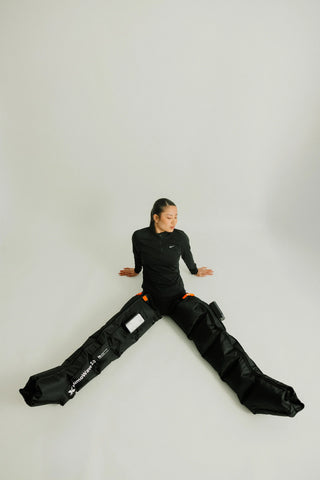
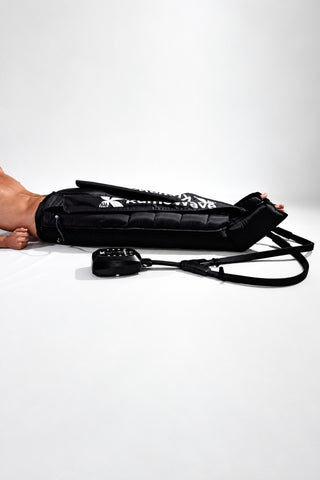
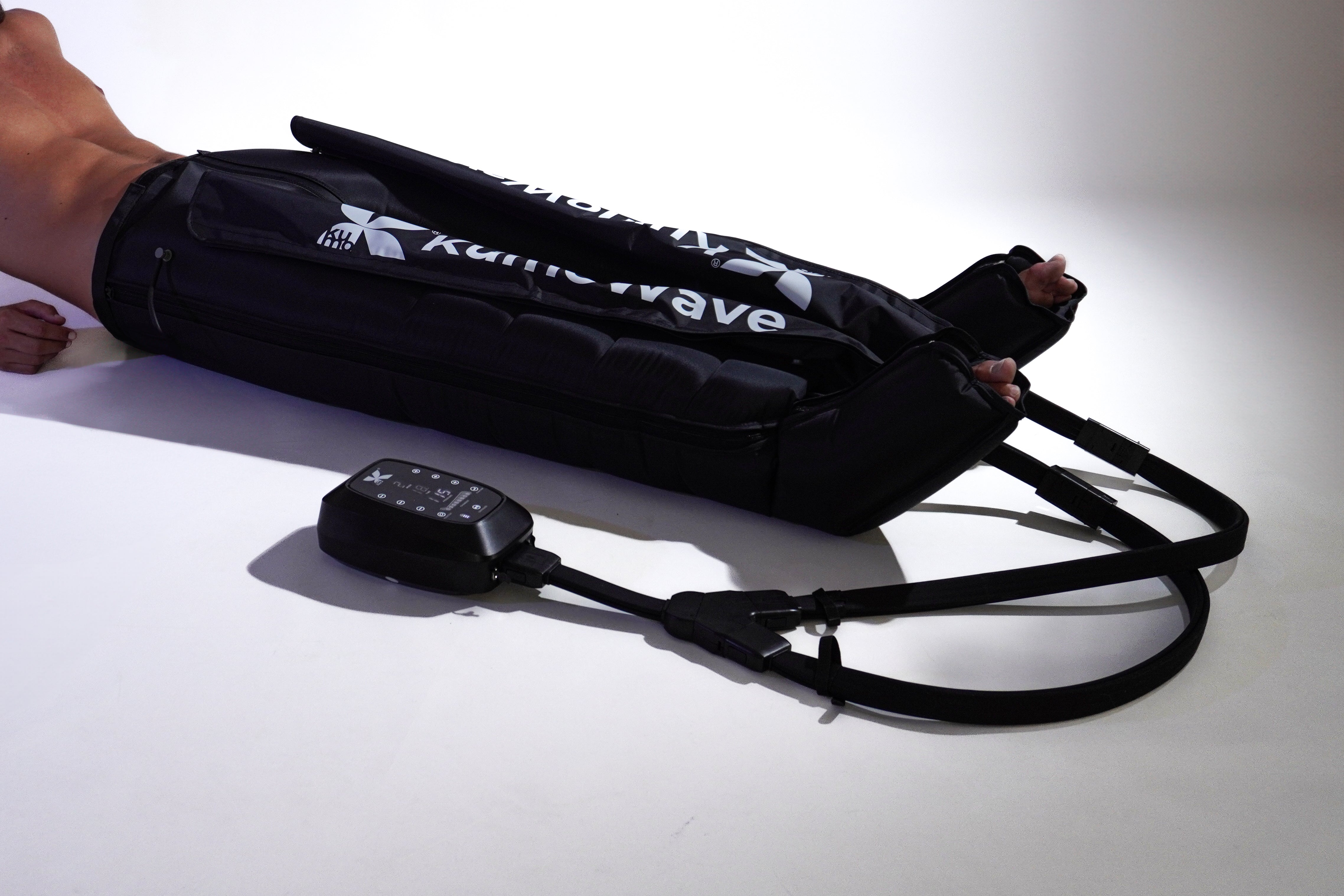
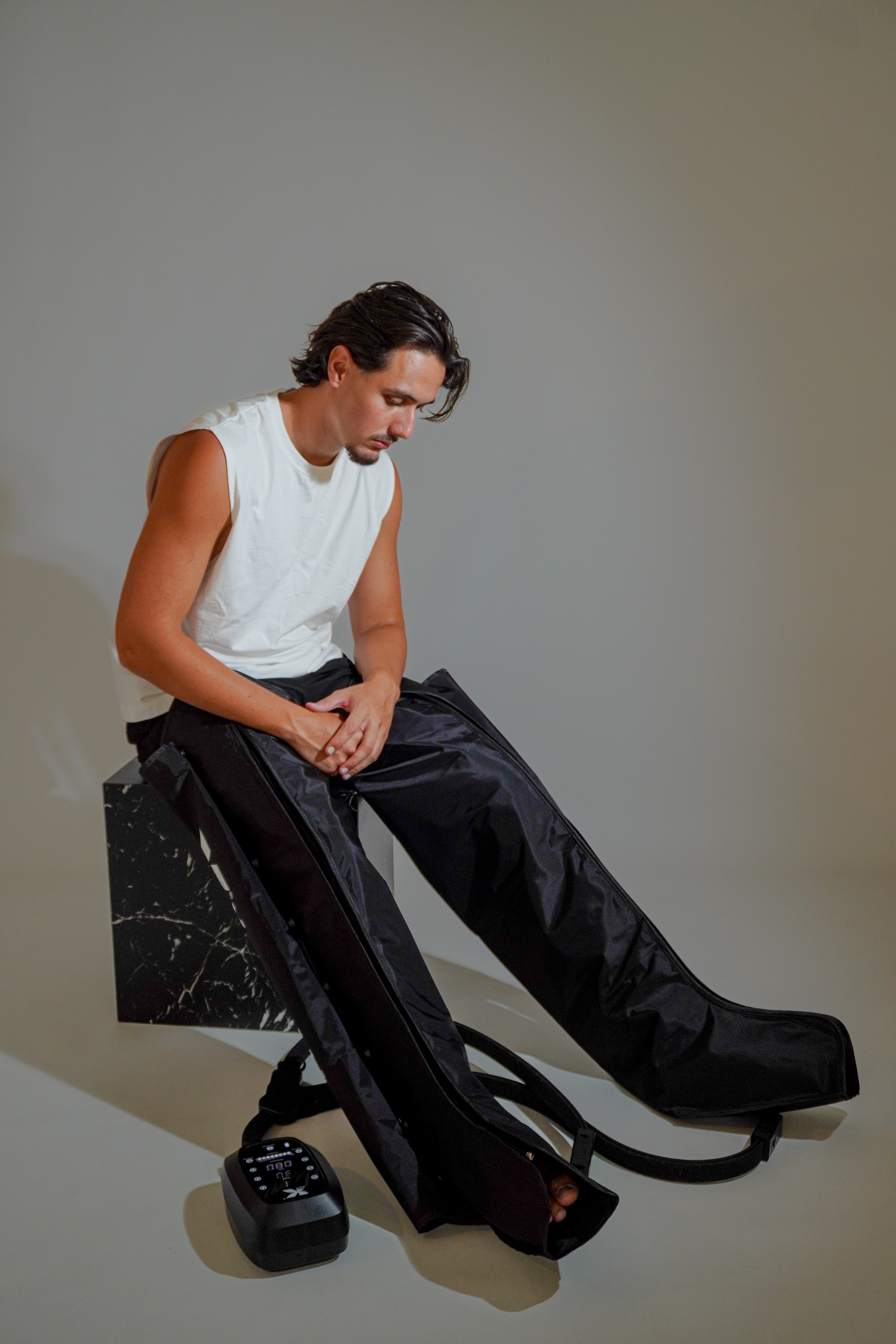
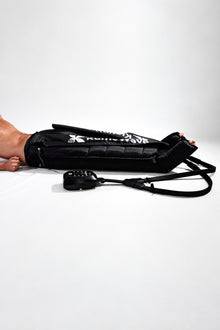
Beyond aesthetics, many men seek ways for their skin to recover more effectively from physical and environmental stress. Photobiomodulation with red and infrared light is also used on muscles and joints to support recovery. Integrating the LED facial mask with other technological tools—such as compression boots or a massage gun—allows for a holistic approach to recovery, where skin health and overall well-being go hand in hand.
How to choose your first LED face mask in 2025
Safety: the first thing a man should check
When choosing your LED face mask, safety comes first. Always check that:
- The device includes adequate eye protection or specific glasses are used during the session.
- Clear information about wavelengths and power should be available; reliable household devices usually operate at low, well-defined intensities.
- Comply with applicable regulations and certifications in your region (e.g., CE marking in Europe or appropriate registration in other countries).
- Include a detailed user manual, contraindications, and an identifiable after-sales service.
Harvard Health and the American Academy of Dermatology agree that red light therapy with approved devices used as directed is generally considered safe with mild side effects (transient irritation, mild redness), although very long-term data are still lacking.
Functions and features useful for men
Besides safety, there are features that make a difference in real-world use:
- Shape and fit: Flexible or silicone masks tend to fit facial features and beards better.
- Treatment modes: specific programs for acne, anti-aging or radiance make it easy to use without technical knowledge.
- Automatic timer: prevents overexposure and makes it easier to respect the recommended duration.
- Comfort: Lightweight, reduced cables or integrated battery help you use it while resting or meditating.
If you're interested in making your LED mask part of a comprehensive performance and wellness strategy, you can explore KUMO's LED light therapy collection , integrated into a high-level recovery ecosystem.
First steps: how to use an LED face mask step by step
Before the session: prepare the skin and assess contraindications
Before turning on your LED face mask:
- Cleanse your face thoroughly with a gentle cleanser; your skin should be dry and free of makeup or sunscreen.
- Avoid applying potentially irritating products (strong acids, retinoids) just before the session, unless advised by the dermatologist.
- Check for contraindications: photosensitizing drugs, a history of epilepsy, eye diseases, skin cancer, or active melasma require prior medical consultation.
- If it's your first time, test it on a small area (e.g., cheek) for a few minutes to assess the reaction.
During the session: a sample routine to get started
Specific recommendations always depend on the manufacturer, but many dermatologists agree on general guidelines for home use: between 10 and 20 minutes per session, between 3 and 5 times per week, for at least 4–8 weeks to assess initial results.
Example session:
- Place the LED face mask, adjusting it well to your face, and protect your eyes if necessary.
- Select the appropriate program (e.g., anti-aging red light or red/blue combination for acne).
- Start the timer and stay relaxed, breathing deeply or taking the opportunity to do a short meditation.
- When finished, wait for the skin to cool for one or two minutes before applying serums or moisturizer.
Integrate the session into a fixed time of day (for example, at night after showering) to create a sustainable habit.
Example of a weekly routine with an LED face mask
| Day | Approximate duration | Main objective | Quick tip |
|---|---|---|---|
| Monday | 15 min | Anti-aging (red light) | Use after shaving, on calm, dry skin. |
| Wednesday | 15–20 min | Acne/pores (red + blue) | Do not apply oily products beforehand; cleanse with a gentle gel. |
| Friday | 10–15 min | Recovery and brightness | Ideal after training, combined with stretching. |
| Saturday | 10–15 min (optional) | General maintenance | Perfect while watching a series or listening to a podcast. |
Common mistakes to avoid
Even a good device can produce poor results if used incorrectly. Avoid:
- Don't expect drastic changes in a few days; the effect is gradual.
- Increase the recommended maximum intensity or time on your own.
- Use the LED facial mask on sunburned skin, open wounds, or after aggressive procedures without medical approval.
- Forgetting daily sun protection : without sun protection, any improvement in tone and texture will be lost quickly.
Precautions, limits, and when to consult a dermatologist
Although LED light therapy is generally considered safe when performed with quality devices and following instructions, it is not without its nuances. Some reviews caution that very long-term safety data is still lacking, and dermatologists have described cases where the heat generated by certain devices has worsened pigmentation problems such as melasma in susceptible skin.
Always consult a professional if:
- You have a history of melasma, extensive dark spots, or hyperpigmentation after sun exposure.
- You are being treated with photosensitizing drugs (some antibiotics, oral retinoids, etc.).
- You suffer from eye diseases, epilepsy, or complex skin conditions.
- You notice a clear worsening of your symptoms (more spots, more inflammation, pain) after starting to use the LED facial mask.
If in doubt, prioritize a dermatological evaluation and bring the technical information of the device you are using to the specialist.
Frequently asked questions about the LED facial mask for men
How often should a man use the LED facial mask to see results?
There is no single frequency that works for everyone, but many studies and dermatologists agree on a general guideline: between three and five sessions per week, lasting 10 to 20 minutes, for at least four to eight weeks. This allows the skin to receive sufficient stimulation without overloading it. Afterward, many users transition to a maintenance phase with two or three sessions per week. It is crucial to always follow the manufacturer's instructions and observe how your skin responds; if you notice persistent irritation, reduce the frequency and consult a professional.
Does the LED facial mask work if I have a beard?
A beard makes it difficult for the light to reach the skin evenly, especially in areas with dense hair. Areas with more coverage (jawline, chin) will receive less energy than the cheeks or forehead. If you have a short beard, you can still see partial benefits, particularly in less dense areas. For issues like wrinkles or acne in the lower third of the face, it's usually more effective to trim or shave before sessions. In any case, the LED facial mask can still be useful on the forehead, around the eyes, and on the cheekbones, where hair is sparse or nonexistent.
Is the LED face mask safe if I train hard or do high-performance sports?
Yes, in general, LED facial masks are considered compatible with sports and can even be integrated into your post-workout recovery routine. Red and near-infrared light has been used to support tissue regeneration and modulate inflammation, which fits with an active lifestyle. However, it's not a substitute for rest, hydration, or proper nutrition. Avoid using it immediately on skin that is very red from the sun or extreme heat (sauna, spa), and respect the recommended session times. If you have skin lesions or specific medical conditions, consult your doctor or dermatologist beforehand.
Can an LED face mask replace my moisturizer or serum?
No. The LED facial mask is a complementary tool, not a replacement for basic skincare. Photobiomodulation acts on cellular processes, but the skin still needs hydration, lipids, and antioxidants provided by creams and serums suited to your skin type. An effective approach usually combines: gentle cleansing, LED mask use according to the recommended schedule, and then application of specific products (for example, antioxidant serum and moisturizer). During the day, sun protection is essential. This synergy between technology and well-chosen skincare is what truly enhances the results.
Is the LED facial mask suitable for brown or dark skin?
The wavelengths used in LED facial masks (red, blue, infrared, amber) are not UV rays and, in principle, can be used on all skin types. However, darker skin tones are more prone to post-inflammatory hyperpigmentation and problems such as melasma. Some experts warn that the heat from certain devices could aggravate these spots in predisposed individuals. Therefore, it is advisable to start with shorter sessions, closely monitor the response, and always use broad-spectrum sunscreen. If you have a history of dark spots, consult a dermatologist before starting treatment.
So what now?
If you want to take your skincare and recovery to the next level, the LED facial mask can be the first step toward a robust tech routine. You can integrate it with tools like compression boots or the KUMOPULSE Air massage gun to build a complete wellness and performance protocol. Explore KUMO's universe of recovery solutions at kumobalance.com , and if you need more personalized advice, contact us through the contact form to design a routine that best suits your goals.

Red & infrared light
KumoLux Panel – Red and Infrared LED Panel
★★★★★ 4,8/5 · rated by verified customers
- 660 nm red + 850 nm infrared light
- Full-body muscle recovery
- Clinically validated biohacking protocols
€399,00€499,00· pay in installments with seQura or Klarna