
The LED face mask has become the new ally of many athletes.
If you train hard, compete outdoors, and sweat several times a week, your skin is also in "high-performance mode." In this article, you'll learn what an LED facial mask is, how phototherapy works with different light colors, what benefits it can offer those who exercise regularly, what the scientific evidence says, and how to safely integrate it into your recovery routine alongside other technologies like pressotherapy or percussive massage.
What exactly is an LED face mask?
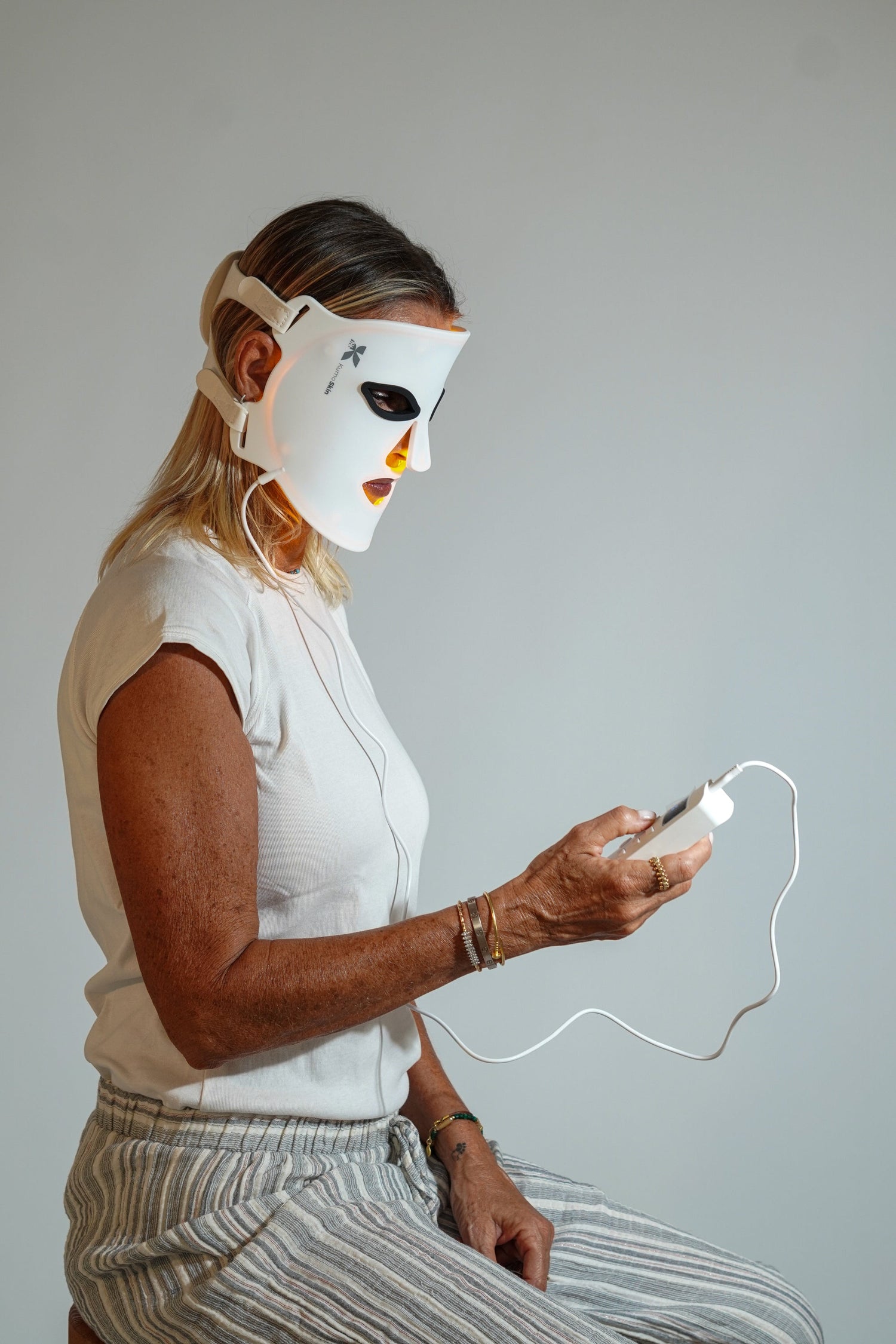
An LED face mask is a device that is placed on the face and emits low-intensity light at specific wavelengths (red, blue, amber, infrared, etc.). It does not incorporate UV rays, so it does not tan or damage the skin like the sun or tanning beds.
This light acts on key cellular structures, such as mitochondria, in a process known as photobiomodulation . Depending on the color and wavelength, the light can help to:
- Modulate skin inflammation.
- Influencing the production of collagen and elastin.
- Reduce bacteria associated with mild to moderate acne.
- Promote the repair of the skin barrier after external aggressions.
For the athlete, the main appeal is being able to passively care for their skin while resting, without adding more "active tasks" to their day.
Why an athlete's skin needs a specific strategy
Factors that damage your skin when you train
Those who practice running, cycling, triathlon, team sports or high-intensity training are exposed to a combination of factors that wear down the skin:
- Continuous sweat and humidity , which alter the pH and promote bacterial proliferation.
- Friction from helmets, glasses, caps, bands and sports masks.
- Sun, cold and wind , especially in outdoor sports.
- Frequent showers with hot water and harsh cleaners.
- Competitive stress and lack of sleep , which are reflected in the face (dark circles, dull tone, acne breakouts).
The result can be a mixture of dehydration, redness, sensitivity, sweat pimples (mechanical acne), and signs of premature aging.
How does the LED face mask fit into this context?
The LED facial mask does not replace sun protection, good hygiene, or habits like getting enough sleep, but it can be a very interesting skin recovery complement for athletes:
- It is used sitting or lying down for 10–20 minutes, while you rest after training.
- It requires no physical effort and does not overload your nervous system.
- Some users incorporate it into their nightly "unwind ritual" before going to sleep.
In KUMO 's philosophy, recovery is not limited to muscle: skin, nervous system and general well-being are all part of the same ecosystem.
Potential benefits of LED facial masks for athletes
1. Support in the control of acne and sweat pimples
Many athletes experience acne breakouts on their face and around their helmet/goggle line due to sweat, occlusion, and hormonal changes associated with intense training. Blue light (around 410–470 nm) and the combination of blue and red light have shown an ability to reduce mild to moderate inflammatory lesions in various clinical studies and systematic reviews. ( pubmed.ncbi.nlm.nih.gov )
In a 2021 review, for example, more than 80% of areas treated with blue light experienced at least a 40% reduction in inflammatory lesions after 12 weeks, with fewer side effects than some classic topical treatments. ( mdpi.com )
It is important to note that the evidence is stronger in mild-to-moderate acne , as a complement to other measures (cleansing, appropriate cosmetics, medication when prescribed by a dermatologist), and not as a substitute for medical treatments in severe cases.
2. Support for skin regeneration and elasticity
Red light and near-infrared light have been studied in the context of photobiomodulation for their ability to stimulate mitochondrial activity, modulate inflammation, and promote collagen synthesis in the dermis. ( pubmed.ncbi.nlm.nih.gov )
A systematic review and meta-analysis of 31 studies published in 2022 concluded that different LED wavelengths (red, blue, yellow, and infrared) showed favorable results in skin rejuvenation, improved texture, and reduction of fine wrinkles , as well as acne. ( pubmed.ncbi.nlm.nih.gov ) For athletes, this translates to:
- Skin that looks less tired after periods of intense training.
- Support for the recovery of the skin barrier after cold, wind or chlorine.
- Over time, possible improvement in skin tone and fine lines.
3. Rest and disconnection routine
Although LED masks are designed for the skin, many users report that turning the session into a relaxation ritual (low lights, calm breathing, no screens) helps signal to the body that the day is over. Better sleep is closely linked to an athlete's ability to recover muscle and skin.
LED light used in cosmetics is usually low intensity and does not replace proper sleep hygiene , but it can be part of that calming environment if used before going to bed and subsequent exposure to screens and intense blue light is avoided.
4. Comfort and consistency
Another key benefit for those who train hard is adherence . Regularly visiting an aesthetic clinic can be difficult with training and competition schedules. This is why at-home devices (face masks and panels) have gained popularity.
In 2025, an analysis by researchers at Mass General Brigham concluded that at-home LED devices (including masks) can be considered a safe and effective option for treating mild-to-moderate acne when used as directed. ( massgeneralbrigham.org )
What science says about LED face masks
Evidence in favor
- A 2022 systematic review and meta-analysis on LED in dermatology found positive results in acne, rejuvenation, psoriasis, and herpes simplex with different wavelengths. ( pubmed.ncbi.nlm.nih.gov )
- A 2021 review on blue light in acne vulgaris showed clinically relevant reductions in lesions with a favorable safety profile compared to some topical treatments. ( mdpi.com )
- A 2025 study published in JAMA Dermatology and reported by Mass General Brigham highlighted that at-home red and/or blue LED light devices are safe and effective as adjunctive therapy for mild-to-moderate acne. ( jamanetwork.com )
Limitations and caution
At the same time, Cochrane-type systematic reviews and other methodological analyses remind us that the quality of evidence is still limited in many studies on phototherapy for acne and rejuvenation: small trials, short duration, and heterogeneous outcome measures. ( cochrane.org )
The American Academy of Dermatology (AAD) notes that red light therapy appears safe in the short term and that some devices have FDA clearance, but emphasizes that the long-term effects and efficacy of all devices available on the market are not yet fully known. ( aad.org )
In summary: the LED face mask is a promising tool and, when used correctly, reasonably safe for many users, but it is not a miracle cure nor does it replace the judgment of a dermatologist, especially if you suffer from complex skin diseases.
Important safety considerations for athletes
- High skin types and melasma: Some dermatologists warn that, in people prone to hyperpigmentation or melasma, certain visible lights and the heat from the device could worsen spots. ( harpersbazaar.com )
- Photosensitive disorders and medication: If you have lupus, porphyria, or are taking photosensitizing drugs (some antibiotics, oral retinoids, etc.), always consult your dermatologist first.
- Eye protection: Follow the manufacturer's instructions and always wear the recommended protective eyewear.
- Use responsibly: respect usage times and frequencies. More is not always better.
How to integrate an LED facial mask into an athlete's routine
Main wavelengths in LED face masks
| Light color | Approximate wavelength (nm) | Main target on the skin* | Typical use in athletes |
|---|---|---|---|
| Blue | 410–470 | Reduce acne-associated bacteria and modulate surface inflammation. | Pimples from sweat on the forehead, chin or helmet/glasses area. |
| Red | 620–660 | Photobiomodulation, collagen support and microcirculation. | Improve texture, luminosity and signs of fatigue on the face. |
| Near infrared | 800–850 | To act at a deeper level, modulating inflammation and tissue repair. | Global support for skin recovery after cold, wind or chlorine. |
| Amber/yellow | 560–590 | Calm redness and even out skin tone in some skin types. | Sensitive faces after intense environmental exposure. |
*The specific effects depend on the device, the energy applied, and consistency of use. Always consult the manufacturer's specifications and, if you have any questions, consult your dermatologist.
Ideal time of day to use the LED mask
For most athletes, two moments tend to work well:
- After your post-workout shower: clean skin, free of sweat and sunscreen residue. It's a great time for sessions focused on acne and skin regeneration.
- At night, before bed: this can be incorporated into your sleep-wake routine. Finish your session and avoid bright screens so as not to interfere with your circadian rhythm.
Avoid using it on irritated skin, severe sunburn , or open wounds. In these cases, prioritize basic recovery (hydration, sun protection, rest) and seek medical advice.
Indicative frequency and duration
Specific recommendations vary depending on the device, but many household guidelines fall into the following categories:
- 3–5 sessions per week at the beginning (4–8 weeks).
- Sessions of 10–20 minutes , depending on the strength of the mask.
- Subsequently, maintenance 1–3 times per week.
The key is consistency : just like with training, results come from consistent use, not from sporadic, very intense sessions.
Compatibility with other recovery products and technologies
A simple routine for athletes could be:
- Cleanse your skin with a gentle cleanser, free of harsh sulfates.
- Use the LED facial mask on completely dry skin (unless otherwise indicated by the manufacturer).
- Apply a light moisturizer afterwards and, during the day, a broad-spectrum sunscreen.
At a global recovery level, you can combine the mask with other specific body technologies:
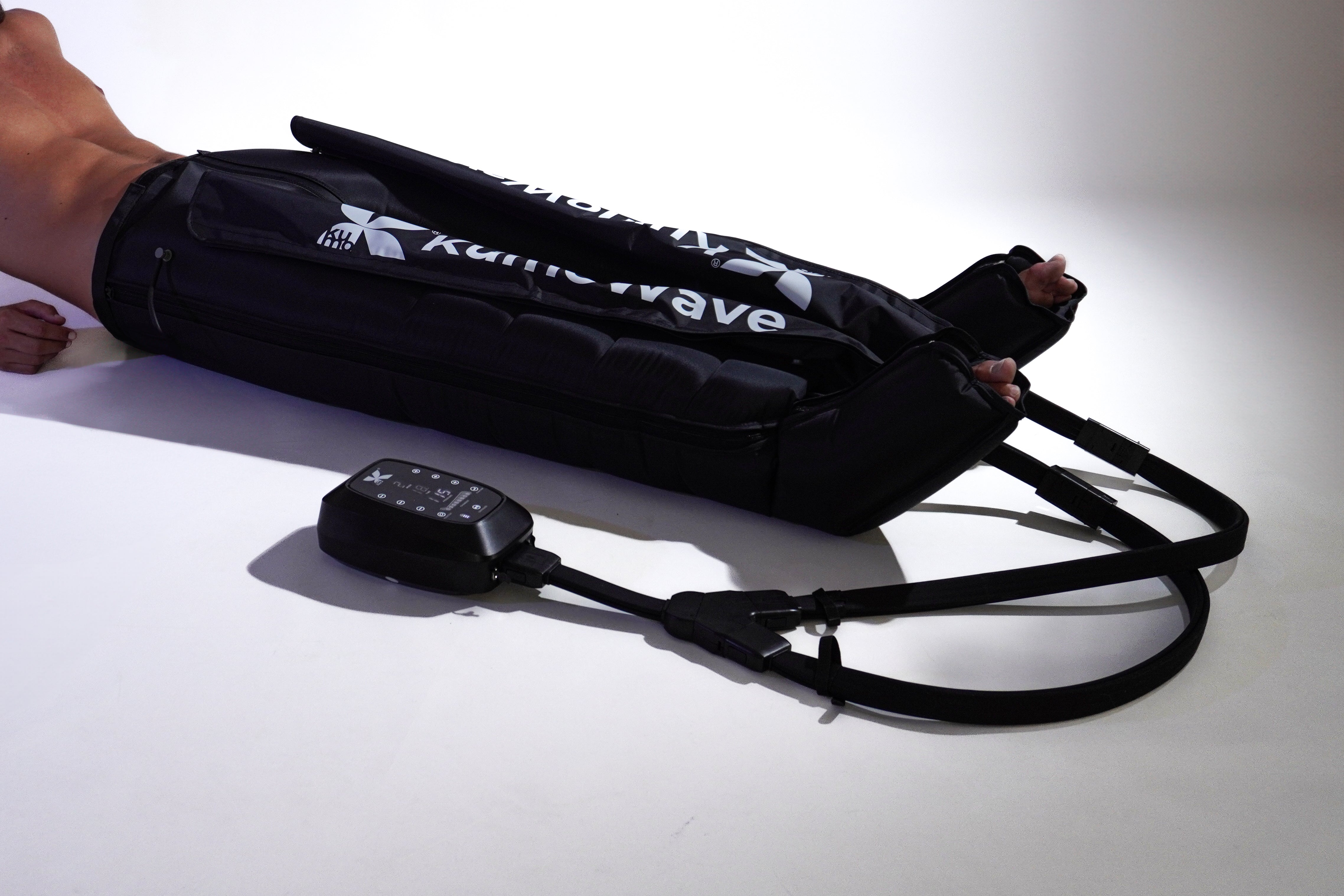
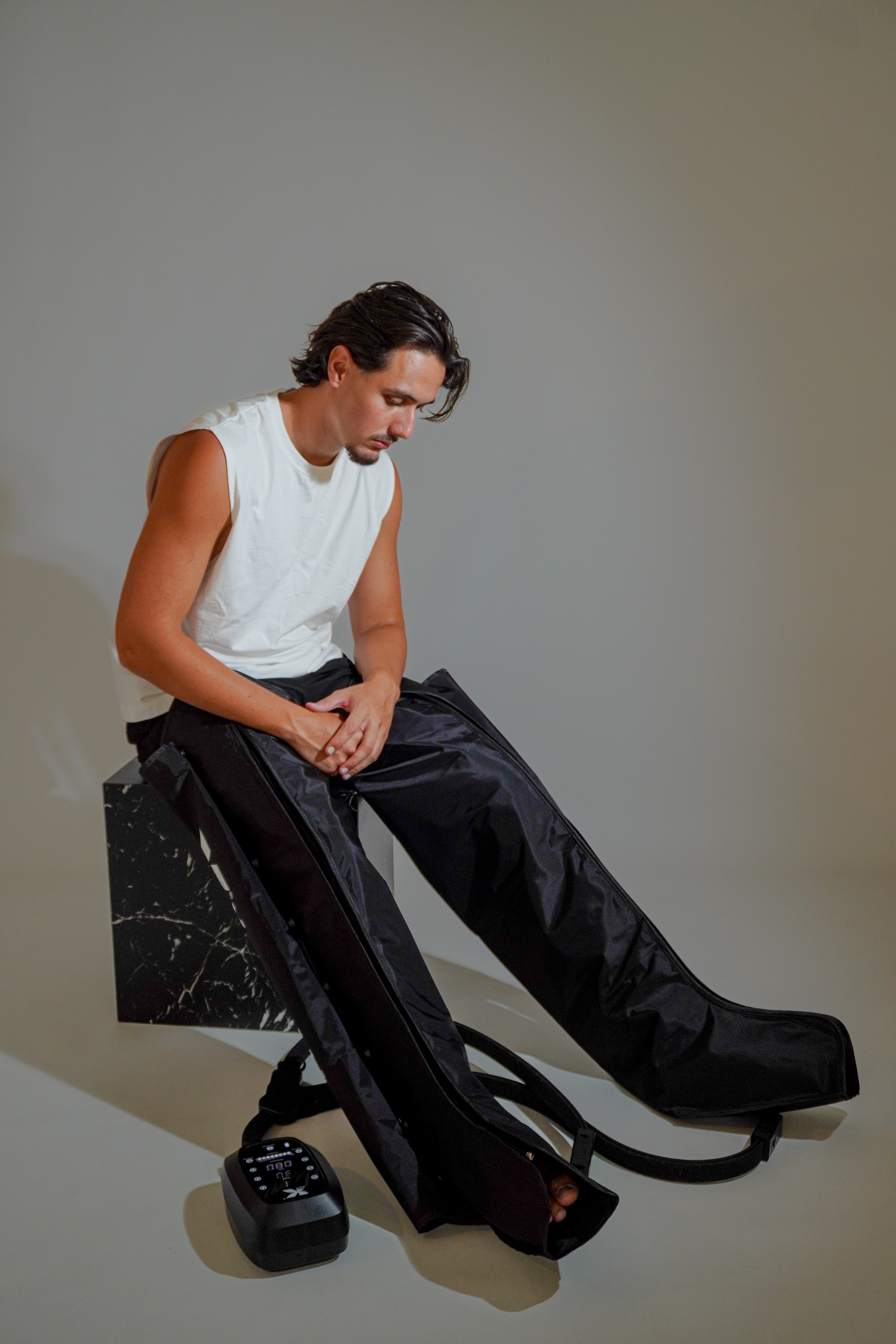
- Pressotherapy boots to activate circulation and relieve tired legs after high-demand workouts.
- LED light therapy devices for other areas of the body, always following the instructions for use.
- Massage guns like KumoPulse Air , to release specific muscle tension points.
In this way, you turn recovery into a comprehensive system: muscle, joints, skin and nervous system worked in a coordinated manner.
Common mistakes when using an LED face mask (and how to avoid them)
Do not cleanse your skin before the session
Applying the mask to skin with traces of makeup, sunscreen, or sweat reduces the effectiveness of the light and can clog pores. Before each session:
- Wash your face with a gentle cleanser.
- Dry your skin thoroughly with a clean towel.
- Avoid using greasy products just before use, unless otherwise indicated.
Abusing the frequency or exposure time
Some users think that if 15 minutes is good, 45 minutes will be better. This is not only untrue, but it can actually increase irritation, overheating, and discomfort. Always respect:
- The maximum time per session recommended by the manufacturer.
- The indicated weekly frequency .
- Rest periods between treatment and maintenance cycles.
Forgetting sun protection in outdoor sports
An LED face mask does not replace sunscreen . If you practice outdoor sports, your daily priority remains:
- Use a broad-spectrum sunscreen, reapplied according to the intensity of the activity.
- Complement with a cap, glasses and technical clothing when possible.
The LED mask acts as a regenerative supplement at home, not as a shield against UV radiation.
Frequently asked questions about the LED facial mask for athletes
How often should I use an LED face mask if I train daily?
If you train almost every day, you can consider using the LED facial mask 3 to 5 times a week for the first 6–8 weeks, provided your skin tolerates it well and you follow the device's instructions. It's not necessary to use it after every workout; consistency is more important than the maximum frequency. Once you experience the initial benefits (more even skin tone, fewer minor acne breakouts), many users move to a maintenance phase with 1–3 sessions per week. If you experience any persistent irritation, reduce the frequency and consult a specialist.
Is it safe to wear an LED face mask after exercising outdoors in the sun?
Yes, it's safe for most healthy people if the skin isn't burned or severely irritated and you use the device according to the instructions. After intense outdoor exercise, it's best to shower, thoroughly cleanse your face, and make sure there's no sunburn. If the skin is reddened but not burned, many people tolerate low-intensity red light well, which can help soothe and support regeneration. However, in the case of sunburn, blisters, or pain, it's best to wait for the skin to recover and, if necessary, consult a healthcare professional.
Which LED light color is best for acne caused by sweat and helmets?
Available scientific evidence indicates that blue light (around 410–470 nm) and the combination of blue and red light are the most studied for mild to moderate acne, including acne that appears in areas exposed to sweat and friction, such as the forehead and chin. ( pubmed.ncbi.nlm.nih.gov ) Blue light helps reduce bacteria involved in acne, and red light supports the modulation of inflammation and regeneration. Remember that a face mask should be seen as a complement to good hygiene, non-comedogenic products, and, if acne is severe or scarring, to treatment prescribed by a dermatologist.
Can an LED face mask replace sunscreen for outdoor athletes?
No. LED face masks and sunscreen serve completely different purposes. The mask emits low-intensity visible or near-infrared light , designed to modulate specific biological processes in the skin. In contrast, a broad-spectrum sunscreen creates a barrier against the sun's UVA and UVB rays, which are directly responsible for photoaging and an increased risk of skin cancer. ( aad.org ) However advanced your LED mask may be, it should never be considered a substitute for sunscreen, especially if you run, cycle, trail run, or participate in other outdoor sports.
Are LED face masks suitable if I have blemishes or melasma?
In cases of melasma or a tendency towards hyperpigmentation , extreme caution is advised. Some dermatologists have observed that, in predisposed skin, certain types of visible light and the heat generated by the device could worsen the spots. ( harpersbazaar.com ) If you have a history of melasma, especially related to hormones, pregnancy, or heat exposure, it is essential that you consult with a specialist before starting any treatment with a facial LED mask. They will assess your individual case, potential risks, and alternatives (depigmenting ingredients, low-level laser therapy, specific peels, etc.).
So what now?
If you want to turn recovery into a true high-performance routine , think of your face as another "muscle group" that also needs specific care. Explore KUMO's LED light therapy collection to find devices designed to optimize well-being and performance, combine them with compression boots and massage tools like KumoPulse Air , and, if you have any questions about which solution best suits your skin type and sport, contact the team through the contact page. Your recovery can be as smart as your training.