
What is an LED face mask and why does it work?
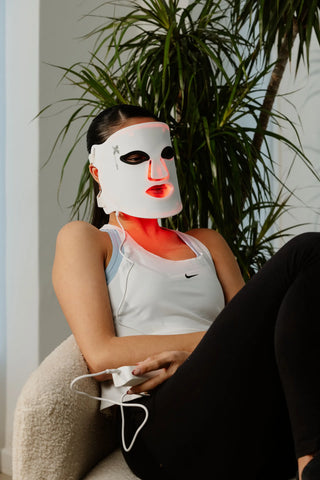
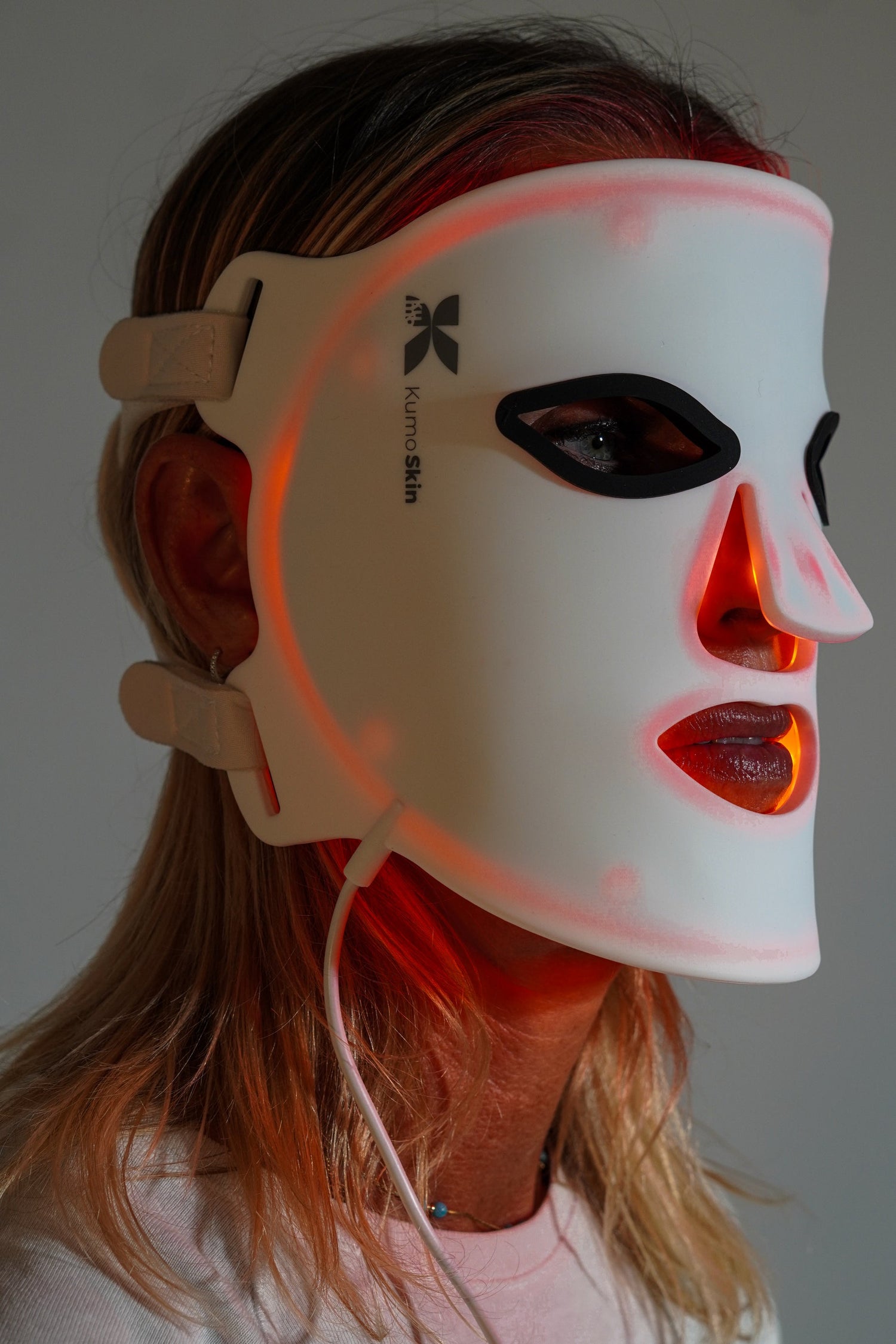
The LED facial mask is a photobiomodulation device that emits specific wavelengths (red, infrared, blue, amber, etc.) to stimulate biological processes in the skin without intense heat or UV radiation. Clinical studies have shown that red light (around 633 nm) and near-infrared light (830 nm) can improve fine wrinkles and skin elasticity by increasing collagen production and modulating inflammation. ( pubmed.ncbi.nlm.nih.gov )
In a recent study (2024–2025) with 30 people, the combination of yellow (570–590 nm), red (620 nm) and infrared (850 nm) light, three times a week for 8 weeks, improved pores, texture, wrinkles and brown spots associated with photoaging. ( pubmed.ncbi.nlm.nih.gov ) All this explains why LED masks have become so popular at home and in salons.
Red & infrared light
Recover faster, at home
★★★★★ 4,8/5 · rated by verified customers
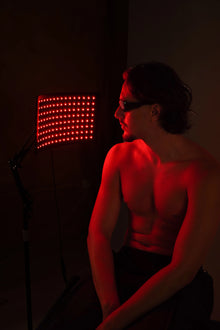
The KumoLux panel supports muscle recovery with full-body red and infrared light.
- 660 nm red + 850 nm infrared light
- Full-body muscle recovery
- Clinically validated biohacking protocols
€399,00€499,00
−10% on your 1st order when you subscribe to the newsletter

Furthermore, a systematic review and meta-analysis published in 2025 in JAMA Dermatology concluded that at-home red and/or blue LED light devices significantly reduce inflammatory and non-inflammatory lesions of mild-to-moderate acne, with a favorable safety profile. ( medscape.com )
Real benefits… and why mistakes can ruin them
When used correctly, the LED face mask can:
Personalized protocol · included with your purchase
Want us to tell you how to use it in your case?
With your purchase, our experts set up your red and infrared light sessions for your sport and goal.
Message us on WhatsAppOur experts reply · no obligation
- Improve skin texture and radiance.
- Smooth fine lines and promote collagen synthesis. ( pubmed.ncbi.nlm.nih.gov )
- Helps control mild-to-moderate acne (especially with blue + red light). ( medscape.com )
- Reduce some redness and inflammation.
The American Academy of Dermatology emphasizes that, in the short term, red light therapy is generally considered safe, provided that devices with appropriate certifications (e.g., “FDA cleared”) are used and the manufacturer's instructions are followed. ( aad.org ) However, it also notes that long-term studies are still lacking and that not everyone is a good candidate.
The problem is that many users make basic mistakes: overexposure, use on irritated skin, lack of eye protection, or ignoring medical contraindications. This not only reduces results; it can cause irritation, worsen blemishes, or create unrealistic expectations. ( theinia.com )
Common mistakes when using an LED face mask (and how to avoid them)
Mistake 1: Using it without considering your skin type, medical history, and medication
Before incorporating an LED face mask into your routine, it's essential to check your health status. People with photosensitive conditions (such as lupus), a history of epilepsy, or who are taking photosensitizing medications (some antibiotics, oral retinoids, chemotherapy, etc.) should exercise extreme caution or avoid these types of devices without medical supervision. ( neoelegance.co.uk )
on your first order when you join the newsletter
We send you the code instantly. No spam.
Ideally, you should discuss the plan with a dermatologist if:
- You have an active skin disease (lupus, severe rosacea, severe dermatitis).
- You are taking medication that increases your sensitivity to light.
- Do you suffer from epilepsy or have you had seizures triggered by lights?
- Do you have active skin cancer or suspicious lesions? ( spamanzanita.com )
Error 2: Ignoring the risk of spots in melasma and high phototypes
People prone to hyperpigmentation (melasma, heat spots) or with medium to darker skin tones should be especially cautious. The AAD indicates that darker skin is more sensitive to visible light, which can contribute to the development of persistent dark spots. ( aad.org ) Furthermore, dermatologists have described cases where certain LED masks worsened melasma, likely due to the heat generated by the device or specific wavelengths. ( harpersbazaar.com )
If you notice your dark spots worsening, discontinue use and consult a professional. In all cases, always combine the LED mask with a broad-spectrum sunscreen , preferably with mineral filters and, for pigmented skin, with color. ( harpersbazaar.com )
Error 3: Overexposure (sessions too long or too many days)
More isn't always better. Many clinical guidelines and experts recommend sessions of between 10 and 20 minutes , 2 to 5 times per week , depending on the device and the goal. ( health.com ) Systematically exceeding the recommended time can cause irritation, redness, dryness, and even minor burns or blisters in sensitive skin. ( health.com )
The key is to follow the manufacturer's instructions and start with the shortest time setting, gradually increasing it if your skin tolerates it well. If you experience intense heat, stinging, or excessive tightness, stop the session.
Error 4: Using it irregularly and expecting express results
Clinical studies with facial LED therapy typically show improvements after several weeks of consistent use. For example, some trials with red and infrared light observed wrinkle reductions of up to 36% and an increase in elasticity of 19% after 4 weeks, with 2 sessions per week. ( pubmed.ncbi.nlm.nih.gov ) In the case of acne, significant improvement usually appears between 4 and 12 weeks of regular treatment. ( medscape.com )
If you use the mask one day on and three days off, or give up after 10 days because you "can't see anything," you probably won't get much benefit. Consistency and patience are just as important as the device itself.
Error 5: Not protecting the eyes properly
LED light is very bright, and prolonged direct exposure can cause eye strain and even eye damage, especially with powerful or poorly designed devices. The AAD and various safety guidelines emphasize the use of specific eye protection glasses when recommended by the manufacturer, and advise against substituting them with simple sunglasses. ( aad.org )
If your mask doesn't include opaque eye shields or protective goggles, purchase certified ones and incorporate them into your routine. Keeping your eyes closed isn't always enough.
Error 6: Using it on irritated, inflamed, or actively infected skin
Many contraindications for LED light therapy include active skin infections (bacterial, viral, fungal), open wounds, burns, or severe dermatitis outbreaks. (hr-led.com) Applying an LED mask to these types of lesions can worsen the condition or complicate healing.
The general rule is simple: only use the LED mask on clean, dry skin that is not noticeably irritated. If you have any doubts (for example, after a recent chemical peel, laser treatment, or filler injections), wait at least several days and consult your doctor. ( spamanzanita.com )
Mistake 7: Combining it incorrectly with other harsh treatments or cosmetics
Facial LED therapy can complement retinoids, exfoliating acids, or in-office procedures, but the sequence must be carefully planned. Some centers recommend waiting a few days after botulinum toxin or fillers before applying LED phototherapy, and avoiding using it immediately after highly irritating treatments. ( lighttreeventures.com )
Furthermore, if you are taking strong anti-inflammatory drugs or systemic corticosteroids, photobiomodulation may lose some of its effectiveness, since these medications modulate the inflammatory pathways that light also acts upon. ( lighttreeventures.com ) Coordinating your routine with a professional will help you get the most out of the device without damaging your skin barrier.
Error 8: Not cleaning the LED face mask after each use
One of the most common mistakes is neglecting to clean the device. If you don't clean the surface that comes into contact with your face, sebum, cosmetic residue, and microorganisms accumulate, which can cause breakouts or worsen acne. ( lightmask.net )
After each use, wipe the mask with a soft cloth slightly dampened with a neutral cleaner or the solution recommended by the manufacturer, dry it thoroughly, and store it in a clean, dry place. Avoid abrasive products, high-concentration alcohol, or wipes with harsh surfactants that could damage the plastic or LEDs. ( lightmask.net )
Error 9: Using it without daily sun protection
The LED facial mask does not emit UV rays and has not been linked to an increased risk of skin cancer, but that doesn't mean you can neglect sun protection. ( aad.org ) After treatment, your skin may be somewhat more sensitive, and if you expose yourself to the sun without protection, you increase your risk of spots and photoaging.
In people with melasma or a tendency towards hyperpigmentation, combining LED lighting with a lack of sun protection and exposure to heat (sun, saunas, intense sun sports) is almost guaranteed to worsen the spots. ( harpersbazaar.com ) Include a broad-spectrum SPF 30–50 daily, reapplying it if you spend time outdoors.
Error 10: Buying low-quality devices without certifications
The popularity of LED therapy has led to a surge in the availability of extremely cheap masks, lacking clear wavelength data, certifications, and reliable safety information. Several reviews of home-use devices emphasize the importance of choosing products with CE marking in Europe or “FDA cleared” devices in the United States, as this implies a minimum safety assessment. ( aad.org )
Be wary of devices without a detailed manual, after-sales service, or that make unrealistic promises (“total rejuvenation in 7 days”). Opting for brands specializing in rejuvenation and photobiomodulation technology , such as KUMO’s LED light therapy range, is a sensible way to prioritize safety and performance.
Table of common mistakes and best practices
| Error with the LED face mask | Main risk | Recommended good practice |
|---|---|---|
| Do not review medical history or medication | Photosensitive reactions, epileptic seizures, worsening of skin diseases | Consult a dermatologist if you are taking photosensitizing medications or have underlying medical conditions. |
| Overexposure (excessive times) | Irritation, minor burns, intense dryness | Respect the manufacturer's recommended time (10–20 min) and the indicated weekly frequency. |
| Irregular use and little patience | Poor or non-existent results | Maintain a consistent routine for at least 6–8 weeks before assessing changes |
| Lack of eye protection | Eye strain, possible eye damage | Always wear approved protective eyewear if the device requires it |
| Do not clean the mask | Acne breakouts, mild skin infections | Clean and dry the device after each use, following the manual. |
| Do not use daily sun protection | Spots, accelerated photoaging | Apply SPF 30–50 every day, especially on skin with melasma |
| Buying uncertified devices | Risk of unsafe or ineffective parameters | Choose equipment with certifications (CE, FDA cleared) and specialized brands |
Quick guide to using your LED face mask properly
A basic, safe and effective routine can follow these general steps (always adapted to the instructions of your device and your dermatologist):( mohs-md.com )
- Prior assessment: check contraindications and, if you have underlying health conditions or are taking complex medication, make an appointment with a specialist.
- Gentle cleansing: clean and dry face, without makeup or sunscreen residue.
- LED session: position the mask comfortably, protect your eyes and respect the indicated time (e.g. 10–20 minutes).
- Post-treatment: apply a serum or gentle moisturizer (without strong acids or retinoids) immediately afterwards.
- Daily sun protection: In the morning, use broad spectrum SPF, even if you are not going to be in the sun directly.
A good device, used consistently, realistically, and safely, usually provides more than a combination of powerful but poorly planned treatments.
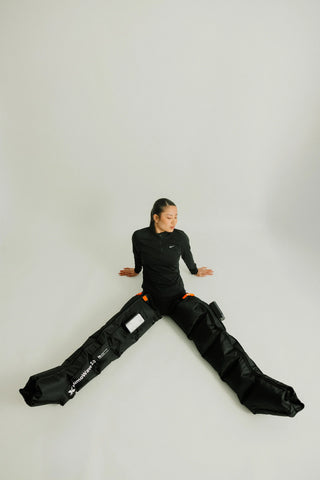
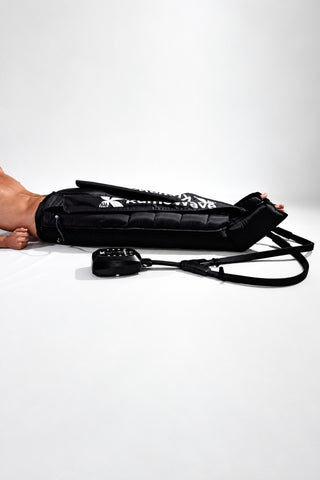
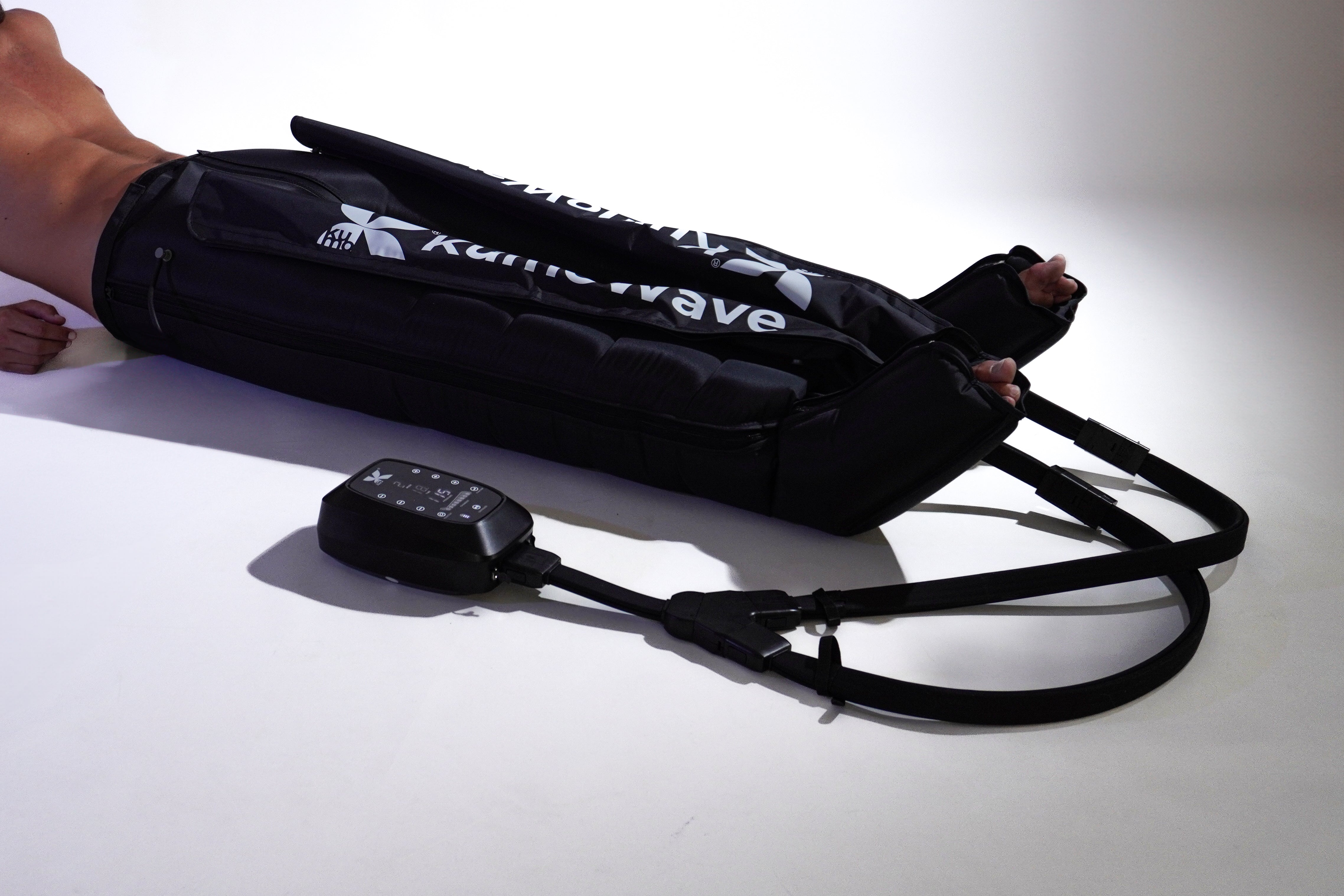
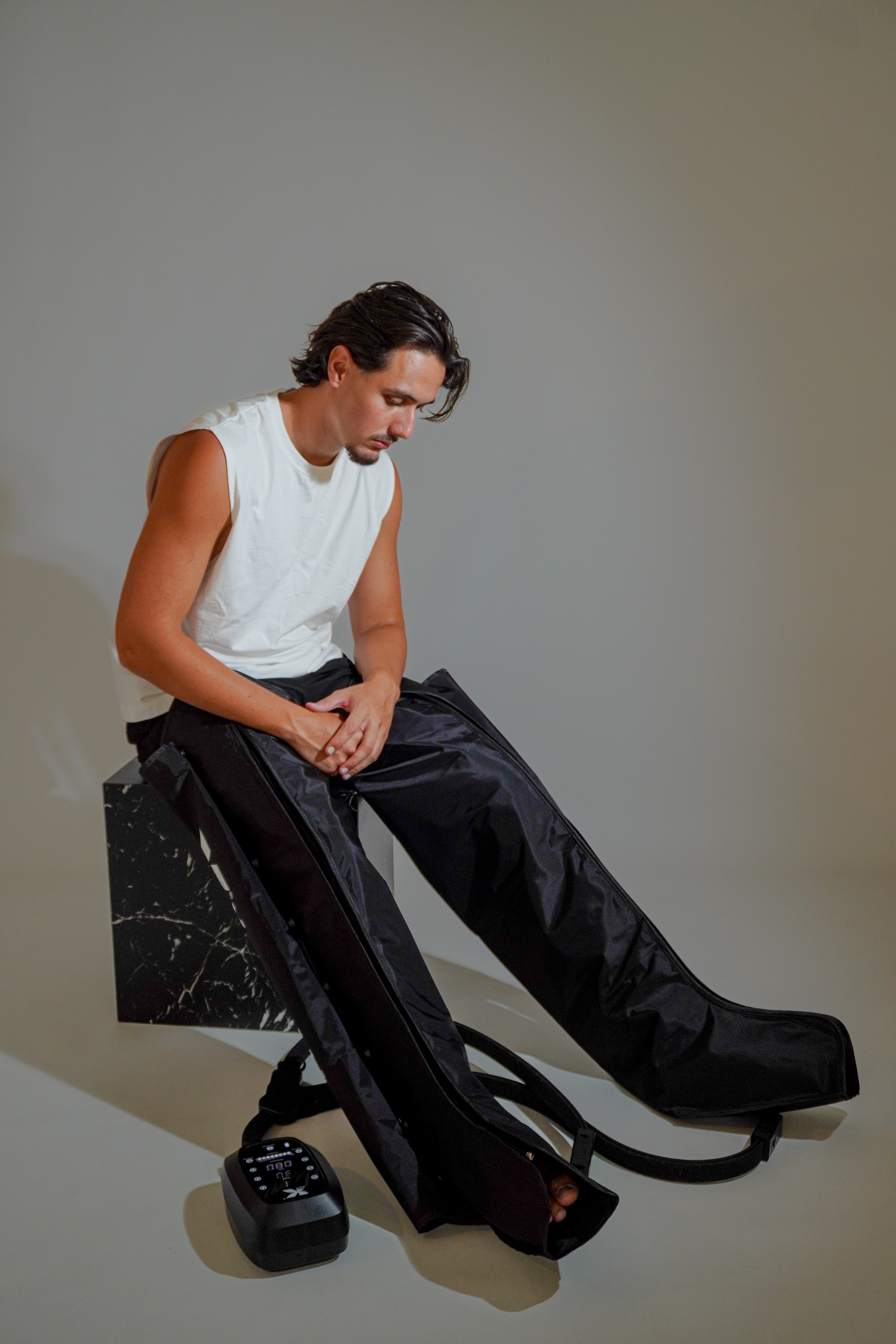
Remember that the LED facial mask can complement other overall body recovery habits: from good sleep hygiene to specific technologies such as pressotherapy boots or percussion massage guns for the muscles.
Frequently asked questions about the LED face mask
How many times a week should I use an LED face mask?
The ideal frequency depends on the device and the goal, but many guides and dermatologists recommend 10–20 minute sessions, 3 to 5 times per week for the first 6–8 weeks. ( health.com ) After that, you'll usually switch to a maintenance regimen (for example, 1–3 times per week). It's important not to exceed the maximum time indicated in the manual to avoid irritation or minor burns. If your skin is very sensitive, start with fewer minutes and less frequently, and only increase the duration if you tolerate it well. ( theinia.com )
Is the LED facial mask safe for all skin types?
In general, LED light therapy is considered safe for most skin types when certified devices are used and the instructions are followed. ( aad.org ) However, darker skin tones and people with melasma may be more sensitive to visible light and heat, with a risk of hyperpigmentation if the skin is not properly protected and exposure time is not controlled. ( aad.org ) Those with photosensitive conditions or who take photosensitizing medication should also be especially careful. If in doubt, a prior dermatological evaluation is advisable.
Does an LED facial mask really help with acne?
Yes, there is growing clinical evidence. A systematic review and meta-analysis published in 2025 showed that at-home LED devices with red and/or blue light achieved reductions of nearly 45% in inflammatory and non-inflammatory lesions of mild-to-moderate acne, with a good safety profile. ( medscape.com ) Even so, they don't necessarily replace traditional medical treatments; they usually work best as a complement to appropriate cleansers, topical retinoids or salicylic acid, and a consistent skincare routine. A dermatologist can advise you on whether your type of acne is a good candidate for LED therapy and how to integrate it into your overall treatment plan. ( pubmed.ncbi.nlm.nih.gov )
Can I use the LED face mask if I'm pregnant?
Data on the use of LED therapy during pregnancy is still limited, and many professionals recommend a cautious approach. Although no clear risk to the fetus has been demonstrated, various contraindication guidelines advise avoiding unnecessary treatments and postponing LED use until after delivery, unless specifically indicated by a doctor. ( neoelegance.co.uk ) If you are pregnant or breastfeeding and are interested in this technology, always discuss it with your obstetrician and dermatologist before starting.
What is the difference between a home LED mask and professional equipment?
Professional systems are typically more powerful, allow for precise adjustment of parameters such as wavelength, energy density, and exposure time, and are applied under expert supervision. Therefore, they can offer faster or more complete results, although at a higher cost per session. ( pubmed.ncbi.nlm.nih.gov ) Home-use LED masks, on the other hand, have lower power and are designed for frequent and convenient use at home. A review of home devices supports the safe use of LEDs for acne vulgaris, but emphasizes that long-term data are still lacking for other cosmetic purposes. ( pubmed.ncbi.nlm.nih.gov )
So what now?
If you want to incorporate an LED facial mask into your skincare routine, start by reviewing the best practices in this article, assessing your medical history, and seeking professional advice if needed. At KUMO , you'll find high-level recovery technologies—such as LED light therapy devices and pressotherapy solutions—designed to easily integrate into your daily life. If you have any questions about which product is best suited to your skin or routine, you can contact us through our contact page, and we'll help you create a safe and effective protocol.

Red & infrared light
KumoLux Panel – Red and Infrared LED Panel
★★★★★ 4,8/5 · rated by verified customers
- 660 nm red + 850 nm infrared light
- Full-body muscle recovery
- Clinically validated biohacking protocols
€399,00€499,00· pay in installments with seQura or Klarna