The LED facial mask is effective, but it has contraindications and requires care.
In recent years, this type of phototherapy has become popular as a home solution for fine lines, blemishes, and acne. However, not all skin types or people can safely use an LED light mask. In this guide, you'll learn who shouldn't use it, what risks are involved, and how to use it correctly to reap its benefits without putting your skin or health at risk.
Facial red light
Bring your skin back to life
★★★★★ 4,8/5 · rated by verified customers
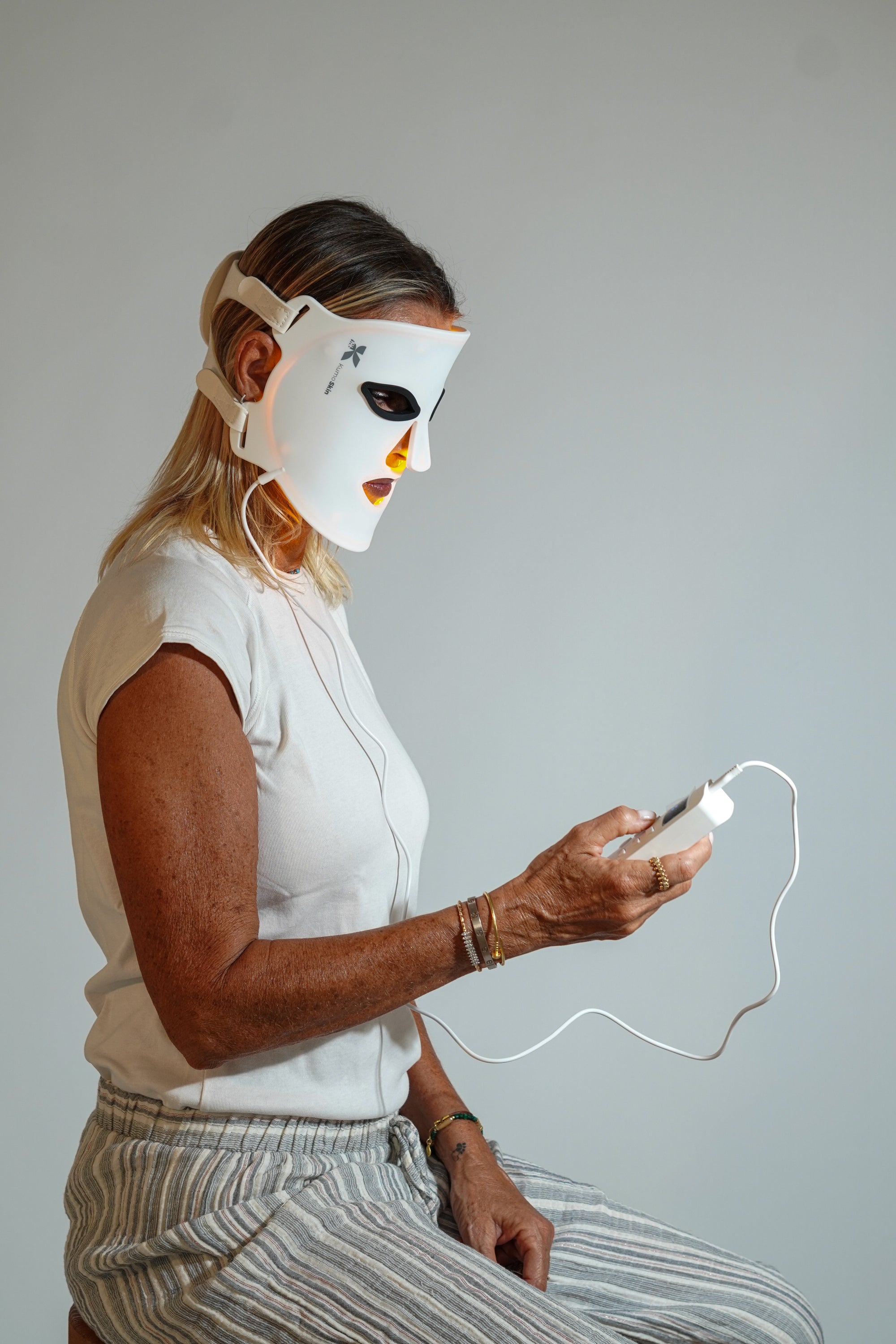
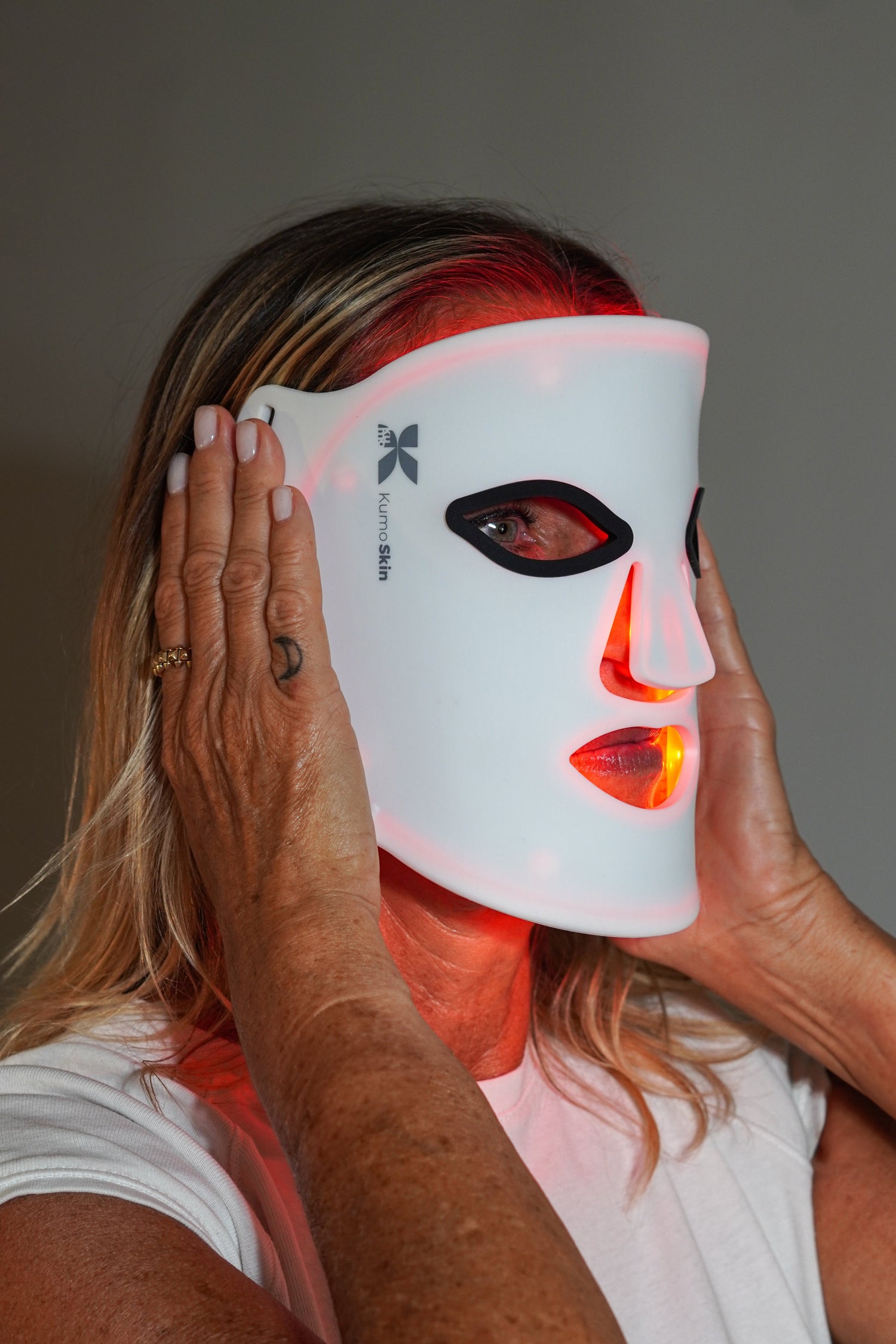
The KumoSkin LED mask helps repair and calm your skin in short sessions at home.
- 250 LEDs in flexible medical silicone
- Red light to boost collagen and glow
- 4 lights: red, infrared, blue and yellow
€299,00€429,00
−10% on your 1st order when you subscribe to the newsletter

What exactly is an LED face mask?
An LED facial mask is a device that emits visible light (red, blue, amber, etc.) and, in some cases, infrared light onto the skin of the face. Unlike ultraviolet rays, it does not emit UV radiation , so it is not associated with the same risk of skin cancer as tanning beds or the sun. ( my.clevelandclinic.org )
Each color of light has been associated with certain potential effects:
Personalized protocol · included with your purchase
Want us to tell you how to use it in your case?
With your purchase, our experts prepare the ideal LED protocol for your skin type and goal (acne, wrinkles, dark spots...).
Message us on WhatsAppOur experts reply · no obligation
- Red light : collagen stimulation and inflammation reduction.
- Blue light : action on bacteria involved in acne (Cutibacterium acnes).
- Other wavelengths (amber, near infrared…): are studied for elasticity, healing, etc.
Home-use masks are generally less powerful than medical equipment, so their effects are more subtle and gradual . ( my.clevelandclinic.org )
Benefits and limitations of the LED face mask
What can LED phototherapy do for the face?
Several clinical studies have observed improvements in:
- Mild-to-moderate inflammatory acne , especially with the combination of blue and red light. ( pubmed.ncbi.nlm.nih.gov )
- Skin texture and luminosity , with a moderate reduction of fine wrinkles after several weeks of regular use.
- Skin inflammation in certain conditions, always as a complement to medical treatment.
A systematic review of at-home LED devices for acne published in JAMA Dermatology concludes that they can improve lesions when used consistently and as an adjunct to other treatments, with an overall good safety profile . ( jamanetwork.com )
on your first order when you join the newsletter
We send you the code instantly. No spam.
What the LED face mask cannot do
It's important to adjust expectations:
- It does not replace a complete dermatological treatment for moderate-to-severe acne or inflammatory diseases.
- It does not erase deep wrinkles or marked sagging: for that, other medical techniques are needed.
- Results are gradual , usually requiring several weeks (4–12) of consistent use, and may vary from person to person. ( jamanetwork.com )
Contraindications of the LED facial mask
Although LED phototherapy is considered low-risk in the short term, it's not suitable for everyone. Before incorporating an LED facial mask into your routine, review these contraindications and precautions.
Skin diseases and photosensitivity
There are conditions in which the skin reacts excessively to light:
- Lupus and other photosensitive autoimmune diseases.
- Photosensitive dermatoses (e.g., certain chronic photodermatoses).
- People with a tendency towards hyperpigmentation or melasma , especially medium and dark phototypes.
The American Academy of Dermatology and other experts warn that people with darker skin may be more sensitive to visible light , with a risk of spotting and worsening of hyperpigmentation. ( aad.org )
In these cases, the prudent recommendation is to always consult with a dermatologist before using an LED mask and, in active melasma, often to avoid it altogether.
Pregnancy, breastfeeding and systemic pathologies
For phototherapy in general (including some forms of visible light), several medical centers point out situations in which it may not be advisable :
- Pregnancy and breastfeeding, due to a lack of specific data and a precautionary approach.
- History of certain types of skin cancer.
- Liver or genetic diseases that increase sensitivity to light.
- People who have had significant reactions to previous phototherapy. ( my.clevelandclinic.org )
In the specific case of the LED face mask, studies in pregnant women are very limited, so the most sensible thing is to avoid its use unless expressly indicated by a doctor .
Medications and cosmetics that increase sensitivity to light
Many common treatments can make your skin more reactive to light:
- Oral medication: some antibiotics, anti-inflammatories, retinoids, diuretics, acne drugs, etc.
- Topical treatments: retinoids , hydroxy acids (AHA/BHA), certain depigmenting agents.
- Recent procedures: medium-deep chemical peels, laser, microneedling, etc.
If you are undergoing any of these treatments:
- Discuss your intention to use an LED mask with your dermatologist or prescribing physician .
- Avoid sessions on the same day as highly irritating treatments.
- Introduce the LED light gradually and monitor for any reactions.
Eye problems and light sensitivity
The eyes are especially sensitive to light. Medical sources recommend:
- Do not use an LED mask without adequate eye protection (opaque glasses or a specific insert).
- Exercise extreme caution if you have eye disease, have recently undergone surgery, or are taking medications that increase your eyes' sensitivity to light. ( my.clevelandclinic.org )
If you experience pain, visual discomfort, blurred vision, or severe headaches during or after the session, stop the treatment and consult a specialist.
Other cases where it is advisable to consult beforehand
You should talk to a dermatologist before using an LED facial mask if:
- You have or have you had skin cancer .
- You have very recent dermal fillers in the area to be treated.
- You suffer from photosensitive epilepsy or a history of seizures triggered by light.
- You have open wounds, active infections, or burns on your face.
Individual assessment is key: the specialist will decide if LED phototherapy is suitable for you and, if so, under what parameters.
Possible side effects of the LED face mask
Although they are infrequent and generally mild, it is important to know what reactions may occur.
Studies and reviews on LED phototherapy indicate a good safety profile, with adverse effects that are usually transient, such as redness, a feeling of warmth, mild itching, or occasional worsening of acne. ( my.clevelandclinic.org )
In isolated cases, hyperpigmentation or outbreaks have been described in predisposed individuals, especially with improper use or without good subsequent sun protection.
Table: Common side effects of LED facial masks and how to treat them
| Side effect | How it manifests | To do |
|---|---|---|
| Mild redness and heat | Skin slightly red, warm to the touch, no intense pain | Space out sessions, reduce time, apply soothing moisturizer |
| Dryness or slight flaking | Feeling of tightness, small patches of skin | Increase hydration, avoid exfoliants and retinoids during those days |
| Itching or burning sensation during the session | Annoyance while the light is on | Stop the session; if the problem persists, discontinue use and consult a doctor. |
| Temporary worsening of acne | More pimples in the first few days or weeks | Review frequency and combination with other medical treatments |
| Skin spots or darkening | Darker areas after several sessions | Stop use immediately, use strict sun protection and see a dermatologist |
| Headache or eye strain | Headache, visual discomfort after use | Review and improve eye protection; if it recurs, discontinue use |
If you notice any severe reaction (pain, obvious burning, marked swelling) or general symptoms (dizziness, nausea), discontinue use and seek medical evaluation .
Care before, during and after using an LED face mask
A good care routine reduces risks and improves the effectiveness of phototherapy.
Before the session
- Cleanse your face with a gentle gel, without exfoliants or alcohol.
- Avoid it, at least a few hours before:
- Retinoids (tretinoin, adapalene, etc.).
- Powerful chemical exfoliants (AHA, BHA, peels).
- Photosensitizing vitamins as prescribed by your dermatologist.
- Dry your skin completely and, unless otherwise instructed, do not apply irritating products just before light exposure.
- If it's your first time, test on a small area of your face for less time than recommended and observe the reaction for 24–48 hours.
During the session
- Respect the time and intensity indicated by the manufacturer ; more time does not imply better results.
- Make sure you wear the eye protection included with the device.
- Avoid excessive movement to maintain the correct distance between LEDs and skin.
- If you experience pain, intense burning, or dizziness, turn off the mask immediately .
After the session
- Apply a soothing moisturizer (for example, with ingredients such as ceramides, panthenol, or hyaluronic acid).
- During the day, always use high sun protection (SPF 30–50) , especially if you are treating blemishes or acne.
- Do not combine too many aggressive stimuli in the same day (strong peels, laser hair removal, intense sun, etc.).
- Keep a journal of the frequency and reaction of your skin so you can adjust your routine with your professional.
How to integrate the LED facial mask into a comprehensive recovery routine
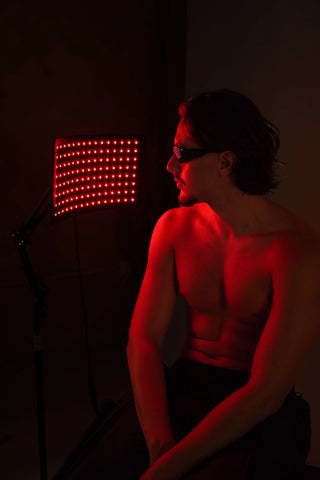
LED light therapy is not only used on the face: it is also being explored for muscle recovery, pain relief, and improved sleep , within a holistic approach to wellness. ( axios.com )
If you are interested in integrating the LED facial mask into a comprehensive recovery routine:
- Combine red light facial sessions with good sleep habits and stress management .
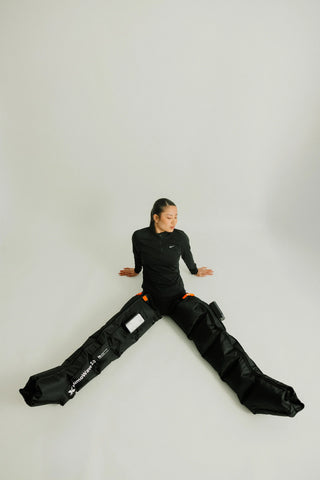
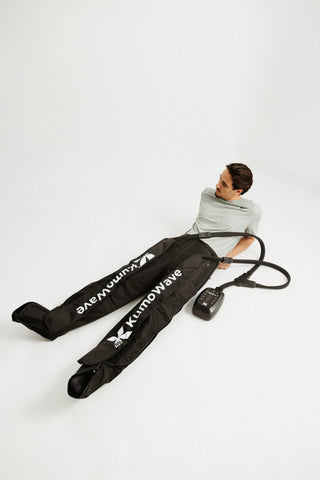
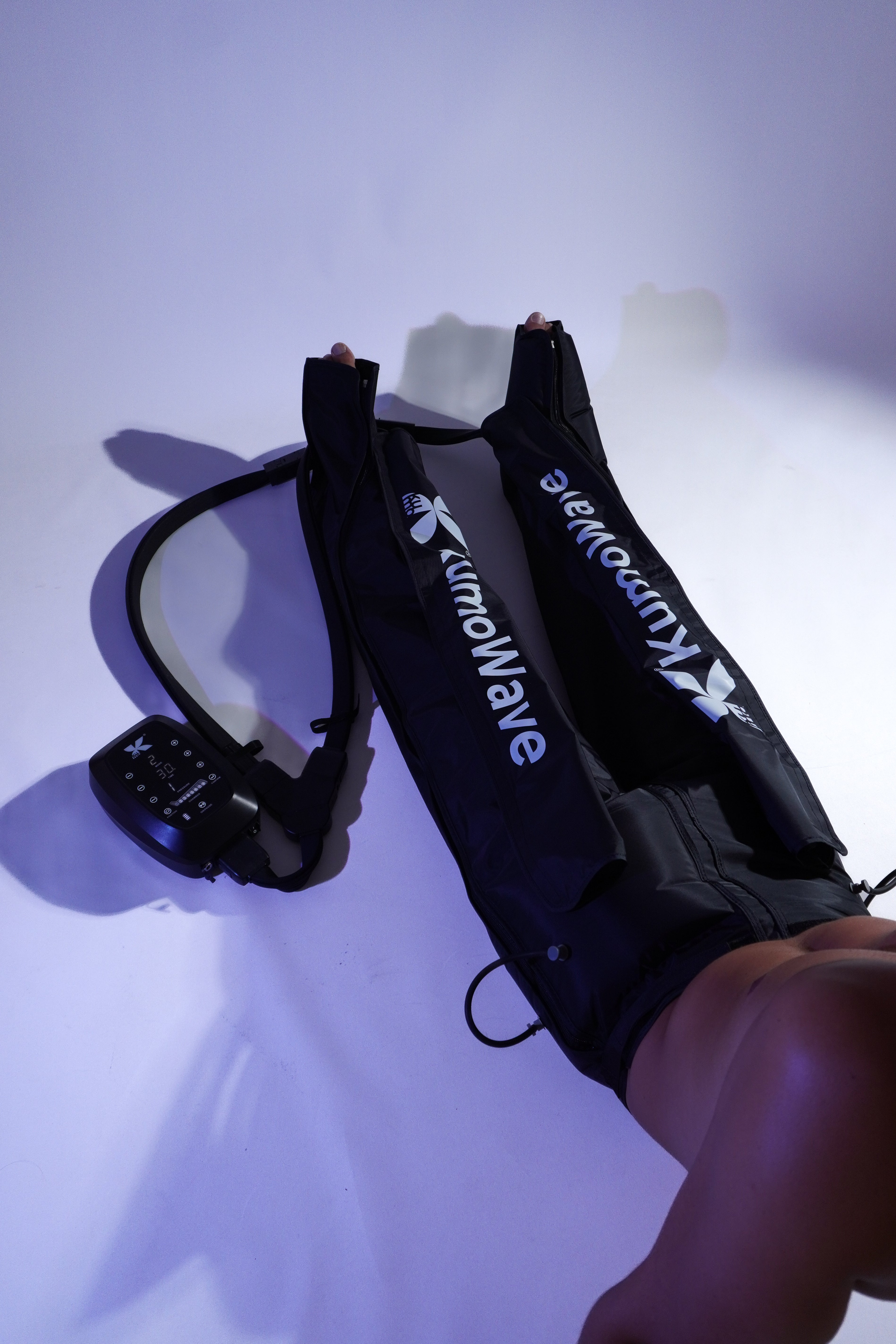
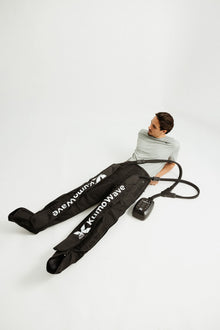
- At the same time, you can work on muscle recovery with specific tools such as pressotherapy for tired legs or a massage gun to relieve muscle tension after exercise.
- Always maintain a "whole system health" view: skin, muscles, sleep, and energy are all connected.
At KUMO Balance you will find a selection of recovery technologies designed to support you in this holistic approach: from LED light therapy devices for skin and wellness, to compression boots and massage guns for the body.
You can explore, for example:
- The LED light therapy collection to work on skin regeneration and overall balance.
- Pressotherapy solutions to activate circulation and relieve the feeling of heavy legs.
- The Kumopulse Air massage gun for deep muscle relaxation.
Frequently asked questions about the LED face mask
How many times a week can I use an LED facial mask?
It depends on the device and the specific indication. Many studies using red and blue light therapy for acne have employed sessions several times a week for 4–12 weeks , with good safety levels. ( pubmed.ncbi.nlm.nih.gov ) Some home devices recommend short daily uses, while others focus on 3–4 sessions per week. The most important thing is to follow the manufacturer's instructions and, if you are undergoing medical treatment, adjust the dosage with your dermatologist. Using it for longer or more frequently than directed does not guarantee better results and may increase irritation.
Is the LED facial mask safe for sensitive skin or skin with rosacea?
Sensitive skin can benefit from LED light therapy, but it can also react more easily. In rosacea, for example, some patients improve with certain wavelengths, while others experience increased redness. Since sensitivity to light and heat is common in this skin type, it's wise to start with very short sessions at a low frequency, always under dermatological supervision. If you experience burning, increased redness, or flare-ups, you should discontinue use and consult a dermatologist.
Can I use an LED facial mask if I have acne and am already undergoing medical treatment?
In many cases, LED facial masks are used as a complementary therapy to medical acne treatment, never as a replacement. Clinical trials have shown improvement in inflammatory lesions with blue and red light in combination with other treatments. ( pubmed.ncbi.nlm.nih.gov ) However, if you are taking photosensitizing medication (such as certain antibiotics or oral retinoids), the combination could increase the risk of irritation or burns. Therefore, it is essential that your dermatologist assess whether LED phototherapy is appropriate for your specific case and under what guidelines.
How long does it take to see results with an LED face mask?
Most studies with LED devices report gradual improvements between weeks 4 and 12 of consistent use, both for acne and mild signs of aging. ( pubmed.ncbi.nlm.nih.gov ) For inflammatory acne, some people notice calmer skin as early as a few weeks; for fine lines, the change is usually more subtle and slower. It's key to maintain consistency while also having realistic expectations: a home LED mask offers complementary results, not equivalent to high-energy medical procedures.
Can an LED facial mask worsen spots or melasma?
In people predisposed to hyperpigmentation or with melasma , some dermatologists warn that visible light and the heat generated by certain devices can worsen dark spots, especially if not accompanied by strict sun protection. ( aad.org ) For this reason, if you have active melasma or a tendency to develop dark spots easily, extreme caution is recommended: consult a specialist beforehand, consider alternatives, and, if authorized, use them under a very controlled protocol and with broad-spectrum sunscreen every day.
So what now?
If you're considering adding an LED facial mask to your routine, the next step is clear: talk to your dermatologist first , especially if you have active acne, blemishes, very sensitive skin, or are taking medication. Afterward, you can explore complementary LED light solutions and recovery technologies within the KUMO Balance ecosystem, from LED light therapy to pressotherapy and deep tissue massage with Kumopulse Air .
And if you need help choosing the most suitable tool for your goal, you can contact the team through the contact page.

Facial red light
KumoSkin Mask – LED Facial Mask
★★★★★ 4,8/5 · rated by verified customers
- 250 LEDs in flexible medical silicone
- Red light to boost collagen and glow
- 4 lights: red, infrared, blue and yellow
€299,00€429,00· pay in installments with seQura or Klarna