
LED face masks have gone from being a fad to becoming a real anti-aging tool.
If you're considering adding an LED facial mask to your routine, the big question is: what results can I realistically expect, and how long will it take? In this article, we'll explore how this type of light therapy works, what realistic skin improvements are expected, what the science says, its limitations, and how to safely and effectively integrate it into your skincare and recovery routine.
What is an anti-aging LED facial mask?
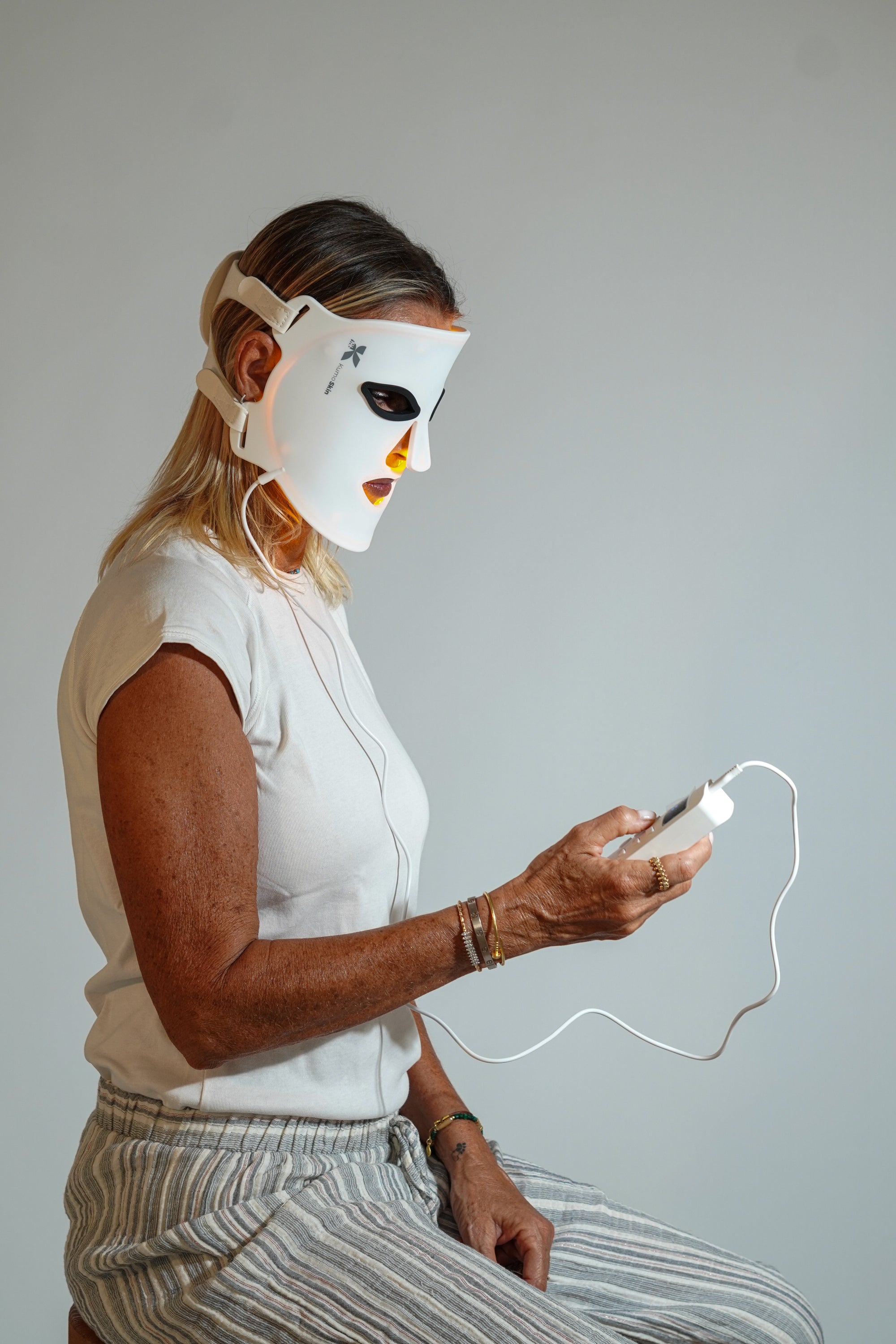
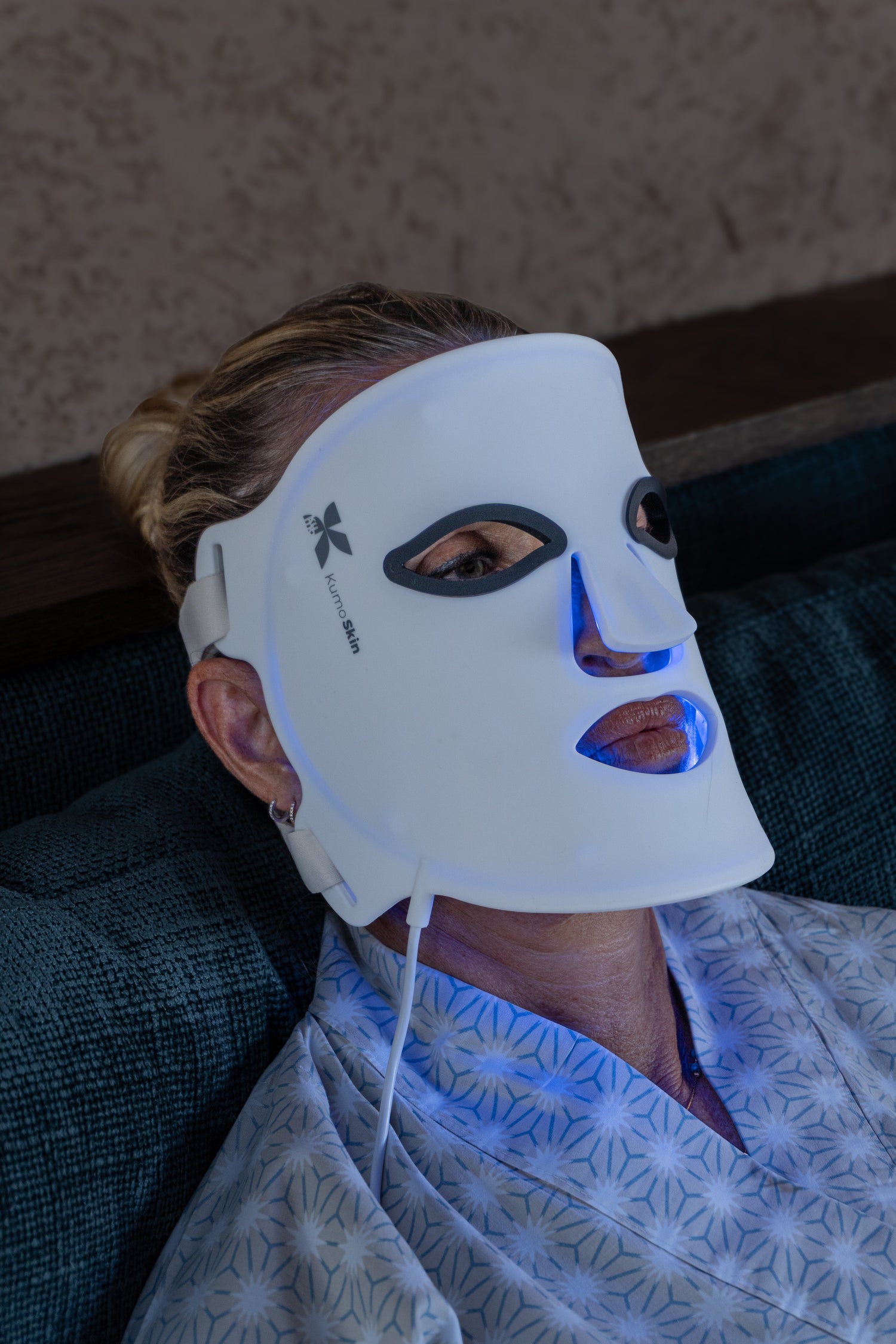
An LED facial mask is a device that emits light of different wavelengths (colors) onto the skin of the face. It does not heat or burn the skin like a laser; it works at low intensity to stimulate cellular processes (photobiomodulation) related to tissue repair, collagen production, and inflammation modulation. ( pubmed.ncbi.nlm.nih.gov )
It is mainly used for:
- Smooth fine lines and wrinkles.
- Improve firmness and elasticity.
- To even out the tone and brightness.
- Reduce redness or mild inflammation.
- Support skin recovery after intense exercise or daily stress.
At Kumo , light therapy is integrated within a holistic approach to recovery and wellness , along with technologies such as pressotherapy and muscle therapy.
How does light therapy work on the skin?
The skin contains light-absorbing molecules (photoreceptors), primarily in the mitochondria. When exposed to certain wavelengths (red and near-infrared, for example), ATP production increases, inflammatory pathways are modulated, and collagen synthesis is stimulated. ( pubmed.ncbi.nlm.nih.gov )
In practice, this translates to:
- Greater cell repair and renewal.
- Improved microcirculation .
- Reduction of oxidative stress .
- Gradual reorganization of collagen and elastin fibers.
It's a cumulative process: it's not an immediate social media filter, but a gentle, repeated stimulation that, over time, can improve the overall appearance of the skin.
Most commonly used light colors and their effects
Although each device has its own "recipe" of wavelengths, the most common are:
- Red light (≈ 620–660 nm)
- Recommended for: wrinkles, firmness, dull complexion.
- Main effect: stimulates fibroblasts and collagen, modulates inflammation. ( my.clevelandclinic.org )
- Near-infrared light (≈ 800–850 nm)
- It penetrates deeper, reinforcing the anti-aging action and tissue recovery.
- Blue light (≈ 400–470 nm)
- Suitable for: acne-prone skin.
- Main effect: helps reduce bacteria involved in acne and some inflammation. ( pubmed.ncbi.nlm.nih.gov )
- Amber/yellow light (≈ 570–590 nm)
- Supportive treatment for mild photoaging, redness, and dullness.
Not all masks use all colors, and you don't need them all at once: the important thing is that the device is well designed and used consistently.
Results you can expect from an LED face mask
The results depend on three key factors:
- Device quality (power, wavelengths, design).
- Proof of use (frequency and duration).
- Initial skin condition (age, habits, sun exposure, etc.).
Even so, scientific literature and the experience of dermatologists allow us to describe certain fairly common patterns of evolution. ( my.clevelandclinic.org )
Short term (first sessions: 1–3 weeks)
In the first few weeks, the changes are usually subjective and subtle :
- Feeling of fuller and more hydrated skin.
- Slight increase in brightness .
- A feeling of calm if there is mild redness or occasional irritation.
- Subtle improvement in fine texture (skin is slightly softer to the touch).
It is common for visible changes to be minimal during this period; most of the work is being done "inside," at the cellular level.
In the medium term (4–12 weeks): wrinkles, firmness and tone
After 4–6 weeks of regular use, more objective changes begin to be noticeable:
- Fine lines and crow's feet : may appear softer and less pronounced, especially around the eyes and on the forehead.
- Firmness : a feeling of a slightly more toned facial contour.
- Texture : less visible pores and a more homogeneous surface.
- Tone : A more even and luminous skin appearance. ( pmc.ncbi.nlm.nih.gov )
For example, a recent clinical trial with red and near-infrared LED light masks observed significant improvements in crow's feet after 8–16 weeks of use, compared to a placebo device. ( pmc.ncbi.nlm.nih.gov ) Another study with a red LED mask twice a week for 3 months describes a progressive improvement in elasticity, dermal density, and overall skin quality. ( pmc.ncbi.nlm.nih.gov )
Long-term results: maintenance and healthy aging
With several months of consistent and well-planned use, the benefits tend to become established:
- Moderate wrinkles : softer and less deep appearance.
- Overall skin quality : more resilient, less dull, with better recovery capacity.
- Support for healthy aging : It doesn't stop time, but it can help your skin look better as you age. (nationalgeographic.com)
It's important to understand that the LED facial mask doesn't replace other essential elements (sunscreen, hydration, sleep, stress management). It works best as part of a comprehensive routine, which aligns with Kumo 's holistic recovery philosophy.
Scientific evidence and safety of the LED face mask
What clinical research says
LED therapy has been studied for both medical and cosmetic purposes. Several studies show:
- Improvement in periorbital wrinkles (crow's feet) after weeks of using masks with combinations of red and infrared light, compared to "sham" devices with no effect. ( pmc.ncbi.nlm.nih.gov )
- Increased dermal density, elasticity, and smoothness after 3 months of photobiomodulation with red light on the face. ( pmc.ncbi.nlm.nih.gov )
- A systematic review and meta-analysis suggests that different wavelengths (red, blue, yellow, infrared) have a relevant impact on rejuvenation and other skin conditions, with globally consistent results. ( pubmed.ncbi.nlm.nih.gov )
The general conclusion from centers like the Cleveland Clinic is that LED therapy can improve fine lines, texture, and some forms of acne, provided there is regularity and realistic expectations: changes are usually more subtle at home compared to in-office medical teams. ( my.clevelandclinic.org )
Safety, contraindications and precautions
In general terms, LED face masks:
- They are non-invasive and do not use UV radiation.
- They have few side effects when used as directed.
- The most frequent symptoms are: mild, transient redness, some warmth, slight tightness. ( my.clevelandclinic.org )
However, it is important to keep in mind:
- People taking photosensitizing drugs (some antibiotics, oral retinoids, certain antidepressants…) should consult their dermatologist first. ( webmd.com )
- There are doubts about the effect of blue light on long-term aging and on skin prone to hyperpigmentation; use it with caution in these cases. ( webmd.com )
- In cases of melasma or highly heat-reactive spots, some specialists recommend caution, as the heat from certain devices could worsen pigmentation; in these cases, prior dermatological evaluation is essential. ( harpersbazaar.com )
It is always recommended:
- Use appropriate eye protection if indicated by the manufacturer.
- Strictly follow the user manual.
- Stop use and consult a doctor if severe reactions occur (pain, marked inflammation, unexpected outbreaks).
How to integrate the LED facial mask into your routine
Frequency of use and duration of sessions
Recommendations vary depending on the device, but many guides and studies agree on a general pattern:
- Initial phase (loading):
- 2–5 sessions per week, of 10–20 minutes, for 4–8 weeks. ( health.com )
- Maintenance phase:
- 1–3 sessions per week, depending on response and lifestyle.
Practical tips:
- Choose a fixed time (for example, late afternoon or evening) to associate with your facial care routine.
- Apply the mask to clean skin; you can then use your usual topical treatment.
- Avoid overtreatment: longer than recommended does not mean better results and can cause irritation. ( my.clevelandclinic.org )
If you want to explore LED light therapy devices geared towards wellness and recovery, you can visit Kumo's dedicated collection:
See LED light therapy in Kumo .
Synergies with other wellness and recovery habits
The LED facial mask gives better results when combined with:
- Daily sun protection (essential to preserve any anti-aging improvements).
- Gentle cleansing routines and good hydration.
- Quality sleep and stress management (both directly influence the skin).
- Other recovery technologies that improve circulation and sleep quality include:
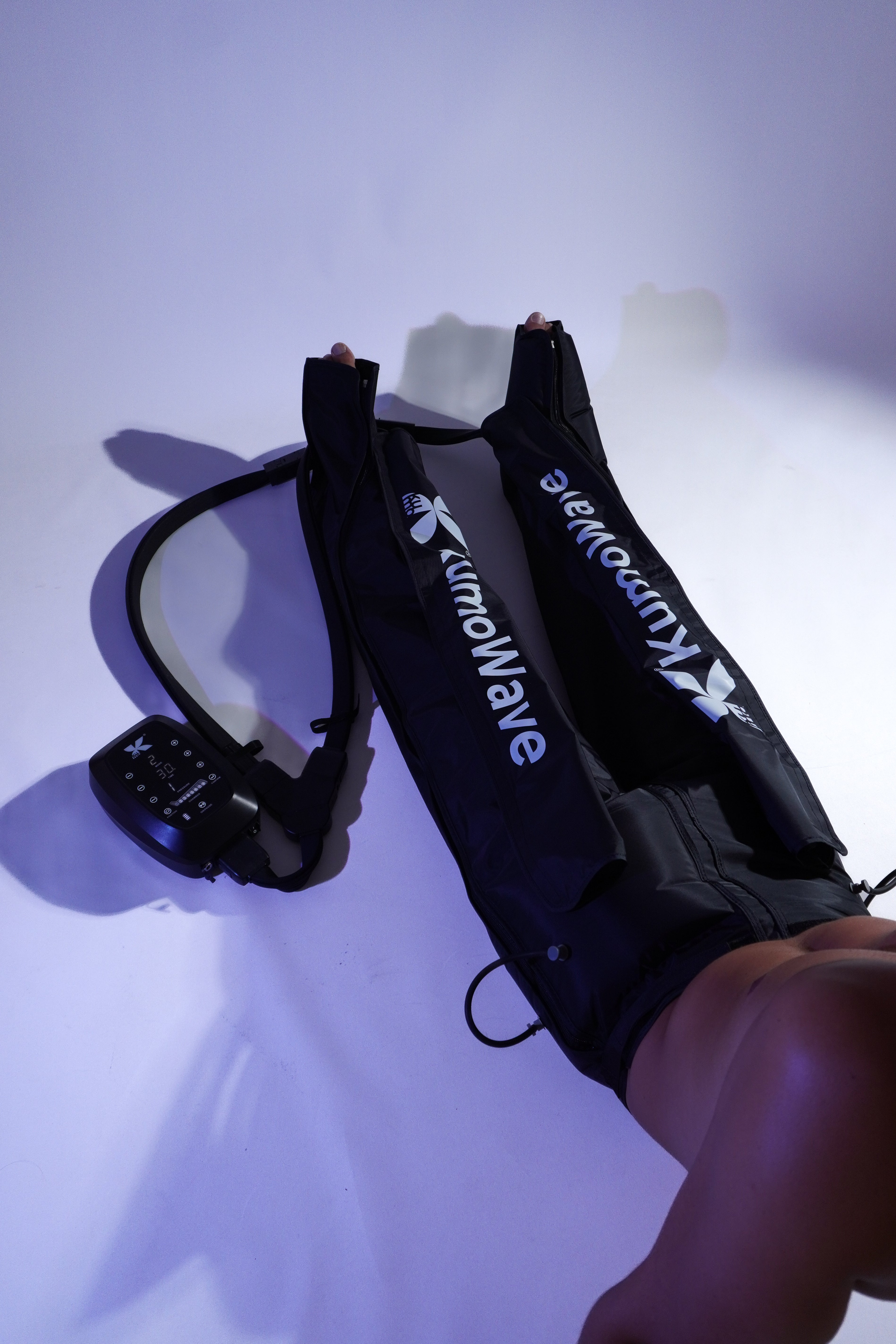
- Kumo pressotherapy boots to activate circulation and relieve tired legs.
- KumoPulse Air massage gun to relieve muscle tension and reduce accumulated stress.
Thus, the LED face mask is not an isolated gesture but part of a global strategy for performance, recovery, and well-being.
Reference table: expected results based on usage time
Indicative summary of typical evolution with a facial LED mask
| Approximate usage time | Most common skin changes | What to observe in the mirror | Key recommendations |
|---|---|---|---|
| 1–3 weeks | Subjective improvement in comfort, slight brightness | Skin that is somewhat softer and with a better "glow" at times | Don't draw conclusions yet; prioritize consistency. |
| 4–6 weeks | More uniform texture, small lines somewhat softened | Less visible pores, less pronounced fine lines | Maintain the recommended frequency |
| 8–12 weeks | Noticeable improvement in overall quality and firmness | More defined contours, a more rested face | Evaluate before/after photos to gain objectivity |
| > 3 months | Stable results with good maintenance | Slower aging and more resilient skin | Transition to long-term maintenance protocol |
This table is for guidance only: each skin responds differently and times may vary depending on the device, routine and lifestyle.
Frequently asked questions about the LED face mask
How often do you need to use an LED face mask to see results?
It depends a lot on the device and the initial condition of your skin, but most recommendations and studies suggest several sessions per week for at least 4–6 weeks ( my.clevelandclinic.org ). Many people begin to notice subtle changes in radiance and texture after a month; improvements in fine lines and firmness are usually best seen between 8 and 12 weeks. The most important thing is to be consistent: frequently skipping sessions delays and diminishes the results.
Does the LED facial mask replace anti-aging creams and sunscreen?
No. Think of the LED facial mask as a technological addition to your routine, not a replacement. Light therapy can stimulate cellular processes related to collagen and repair, but it doesn't provide hydration or UV protection. ( my.clevelandclinic.org ) You'll still need a basic routine with gentle cleansing, a moisturizer suited to your skin type, and broad-spectrum sunscreen every day. Combined, these pillars can make a significant difference in the medium and long term.
Is the LED facial mask safe for all skin types?
In general, properly designed LED masks used as directed are safe for most skin types and phototypes , with few side effects. ( my.clevelandclinic.org ) However, if you are taking photosensitizing medications, have a history of significant pigmentation disorders, melasma, lupus, photosensitive epilepsy, or eye problems, you should consult a dermatologist before starting. It is also advisable to start gradually (with shorter sessions initially) and discontinue treatment if any unexpected reactions occur.
Can I use an LED face mask if I have acne or blemishes?
Many masks include blue light and/or combinations of red and blue light, which can help with mild to moderate acne and associated inflammation. ( pubmed.ncbi.nlm.nih.gov ) However, in cases of highly reactive spots or melasma, some specialists recommend caution, especially with devices that generate heat; in certain individuals, heat can worsen pigmentation. ( harpersbazaar.com ) Therefore, if your main concern is spots, a prior dermatological evaluation is highly recommended to adjust the type of light, frequency, and the rest of your depigmenting routine.
So what now?
If you want to take your anti-aging and recovery routine to the next level, an LED facial mask can be a powerful tool, provided you see it as a medium-term investment and combine it with healthy habits. You can explore the range of LED light therapy and recovery devices available at Kumo , and if you have any questions about which one best suits your lifestyle, contact the team through the contact page. Making recovery a daily habit is one of the best strategies for taking care of both your skin and your overall well-being.