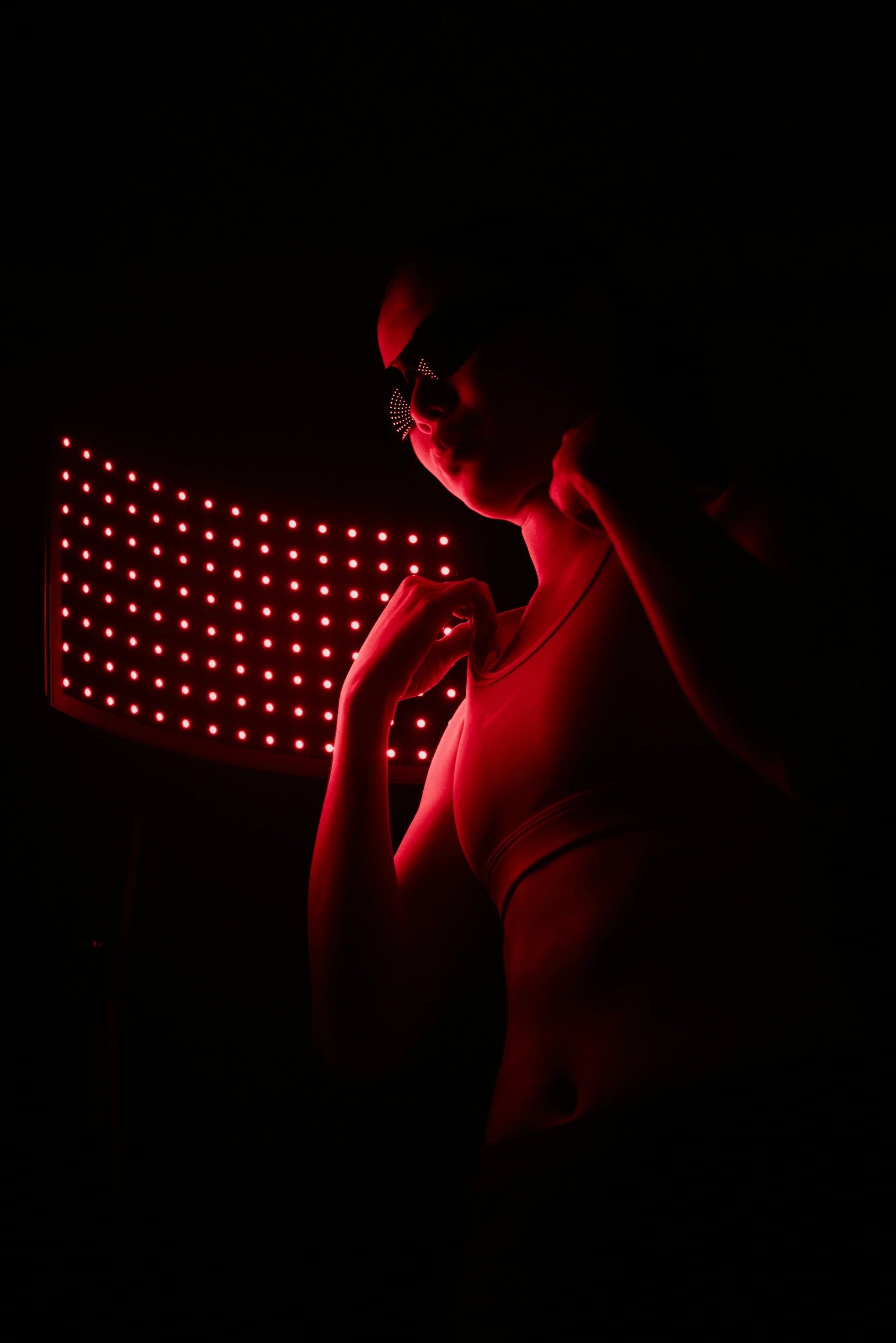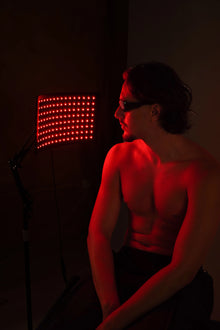

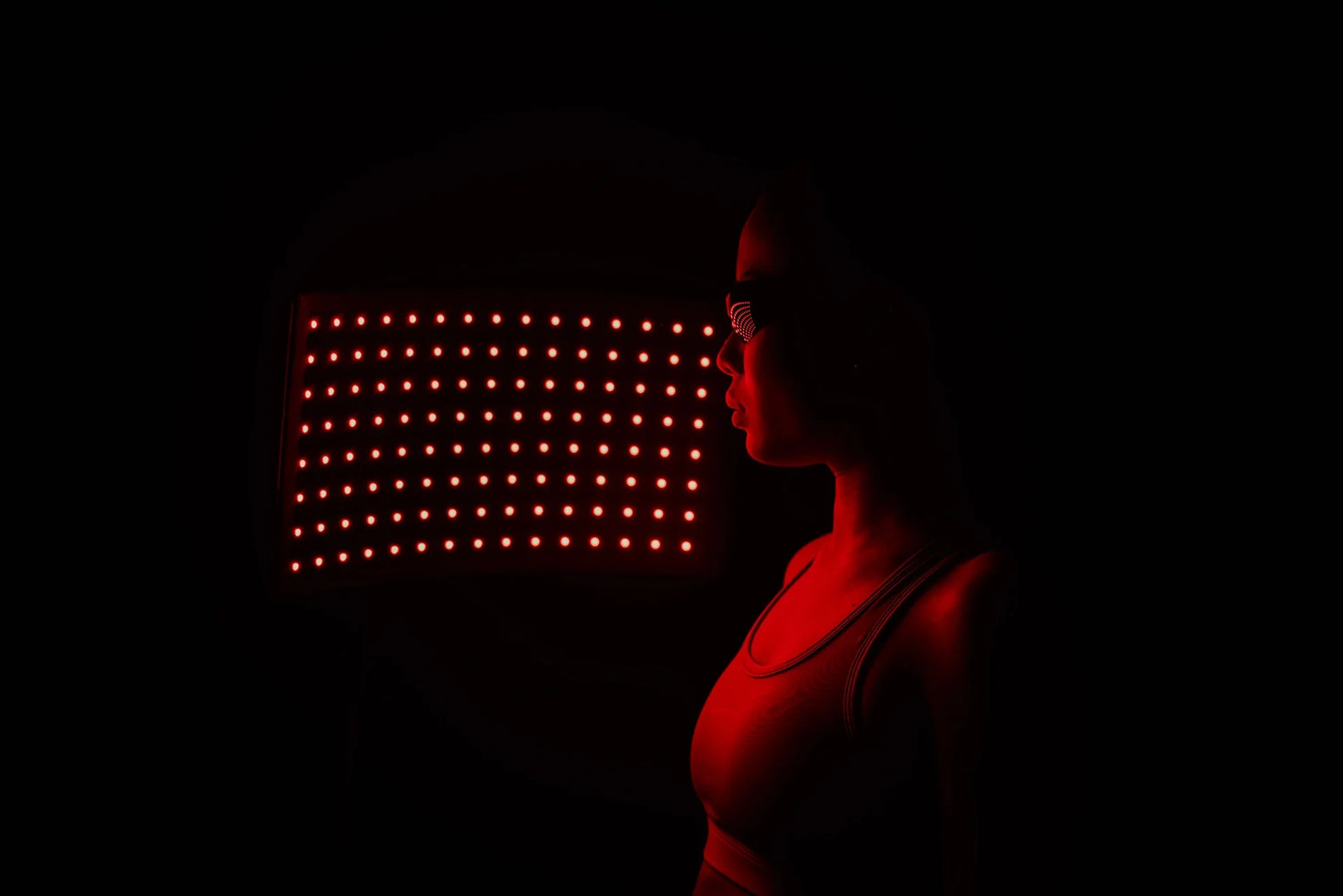
Red light can be a simple support for your joints at home.
If you're looking for a practical way to promote comfort, mobility, and a more consistent recovery, photobiomodulation (also known as red light therapy or PBM ) has been studied for musculoskeletal pain, particularly common problems like knee osteoarthritis. In this guide, you'll learn what to expect, how to use it effectively (without guessing the dosage), and how to integrate it into a Kumo- style wellness routine: technology, consistency, and recovery habits.
Red & infrared light
Recover faster, at home
★★★★★ 4,8/5 · rated by verified customers
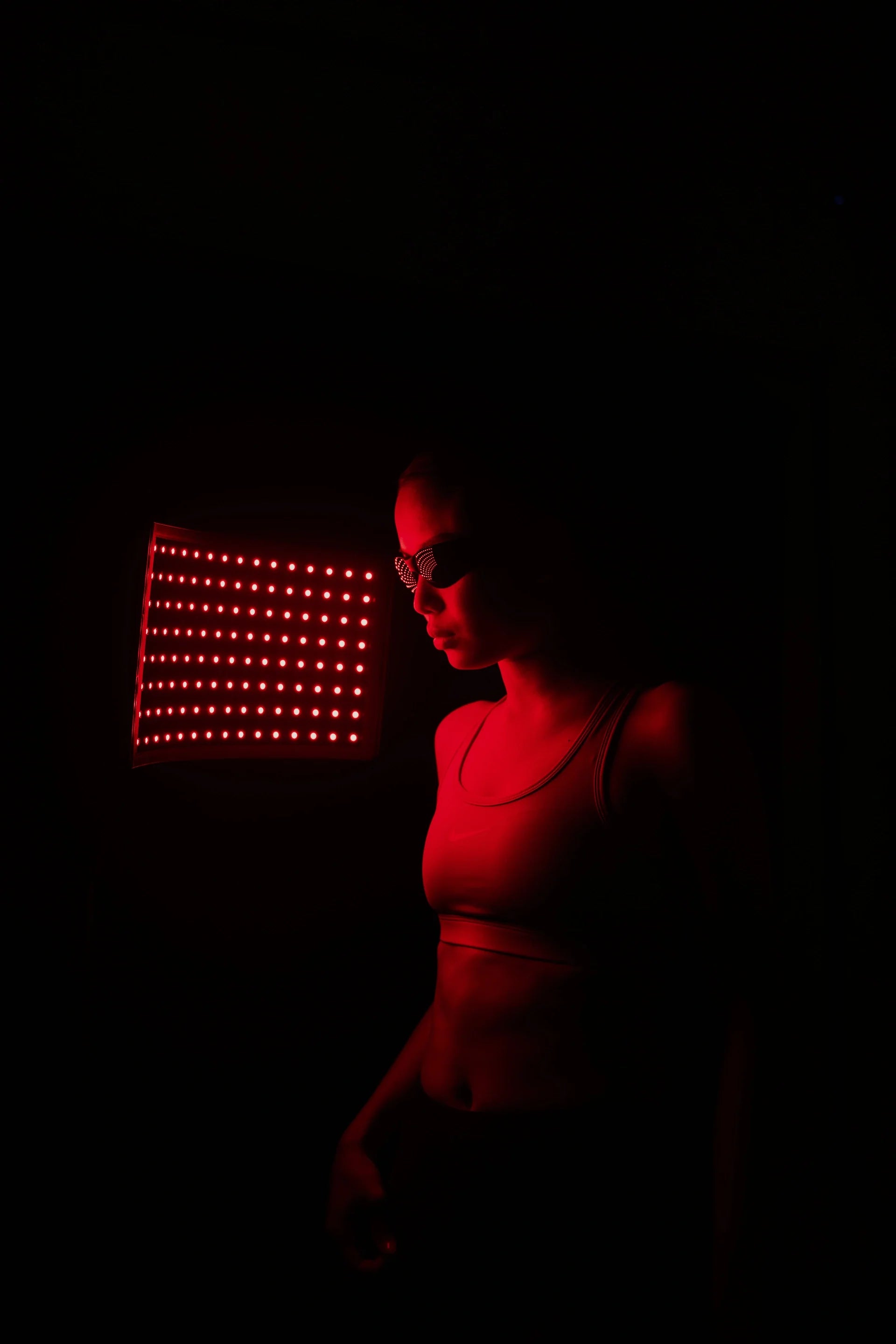
The KumoLux panel supports muscle recovery with full-body red and infrared light.
- 660 nm red + 850 nm infrared light
- Full-body muscle recovery
- Clinically validated biohacking protocols
€399,00€499,00
−10% on your 1st order when you subscribe to the newsletter

To learn about the Kumo universe and its premium recovery approach, you can start with the Kumo homepage .
What can red light do for the joints (and what can't)
What exactly is the “red light” in recovery?
When talking about a “red light” for recovery, two ranges are usually included:
Personalized protocol · included with your purchase
Want us to tell you how to use it in your case?
With your purchase, our experts set up your red and infrared light sessions for your sport and goal.
Message us on WhatsAppOur experts reply · no obligation
- Visible red (approx. 620–700 nm): more superficial.
- Near infrared (NIR, approx. 700–1100 nm): tends to penetrate more deeply.
Collectively, the term photobiomodulation is used: low-intensity light applied with specific parameters (wavelength, power/irradiance, time, frequency) to seek biological effects compatible with recovery and comfort.
Expected benefits (in plain language)
In joints, the reasonable expectation is not to "cure" a pathology, but to support it :
- Comfort (feeling of relief or less discomfort).
- Movement tolerance (moving with less “resistance” or subjective stiffness).
- Recovery routine (an easy habit that improves adherence to gentle exercise, mobility, and strengthening).
What not to promise
The red light does not replace:
on your first order when you join the newsletter
We send you the code instantly. No spam.
- A diagnosis (for example, if there is joint locking, significant swelling, or persistent nighttime pain).
- Basic evidence-based treatments for osteoarthritis (exercise, load control, strength, education, etc.).
- Medical follow-up is necessary if there is an inflammatory, neurological, or traumatic cause.
What does the scientific evidence say about pain and mobility?
Research in photobiomodulation is extensive but heterogeneous: devices, doses, treated areas, and protocols vary. Even so, there are interesting signs (with some nuances).
- Knee osteoarthritis: A systematic review with meta-analysis published in 2024 concluded that photobiomodulation reduces pain and may improve disability, but with very low certainty and without sufficient support to recommend it as a standalone intervention. Source (PubMed, 2024)
- Clinical trial (knee): A randomized, double-blind study in 2021 observed improvements in knee osteoarthritis pain with photobiomodulation, with follow-up up to 6 months (depending on the group and combination with other therapies). Source (PubMed, 2021)
- Global view (multiple conditions): An umbrella review in 2025 reviewed meta-analyses of randomized trials (more than 9000 patients in total) and found benefits in several painful conditions, although without high-certainty results . Source (BMC Systematic Reviews, 2025)
Furthermore, it's worth noting that relevant clinical guidelines for knee osteoarthritis focus primarily on interventions with strong evidence (exercise, weight loss if applicable, education, etc.). For example, the AAOS updated its guidelines in 2021 . Source (AAOS, 2021)
Practical tip: If you decide to use red light for joints, use it as a "consistency multiplier" (comfort + adherence), not as a substitute for smart movement.
How photobiomodulation works: relevant mechanisms for joints
The proposed mechanisms (according to modern reviews) are related to:
- Modulation of pain and neural pathways.
- Inflammatory response (changes in pro- and anti-inflammatory mediators).
- Microcirculation and cell signaling associated with repair.
These hypotheses appear repeatedly in the photobiomodulation literature and help to understand why some people perceive better comfort or better load tolerance in recovery programs. General reference (2025)
Practical guide for home use: parameters, dosage and routine
Choosing a realistic device for home use
At home, LED devices (panels, lamps, or strips) are most common. For a recovery-oriented routine, it's important that the manufacturer clearly states:
- Wavelength (nm) and whether it includes red, NIR, or both.
- Irradiance (power per area, e.g. mW/cm²) at a specific distance.
- Useful area (to cover the joint area and surrounding tissues).
Within the Kumo ecosystem, you can explore the LED device category in Kumo LED Light Therapy .
How to calculate the dose (without guessing)
In photobiomodulation, a standard way to think of “dose” is as energy per unit area (J/cm²). The basic relationship is:
Energy (J/cm²) = Irradiance (W/cm²) × Time (s)
If your device gives irradiance in mW/cm² , remember: 1000 mW = 1 W.
Reference table: Clinical doses recommended by WALT (2010)
The World Association for Laser Therapy (WALT) tables (revised in April 2010 ) are a widely cited historical reference for low-power lasers (not necessarily 1:1 equivalent to household LEDs). Even so, they help in understanding orders of magnitude, typical treatment times, and the concept of "points" per area.
WALT (2010) references for frequent joints
| Area / diagnosis (arthritis) | Range | Points or area | Indicative total dose | Document Notes |
|---|---|---|---|---|
| Knee (medial) | 780–860 nm (GaAlAs) | 3–6 | 12 J | Minimum 4 J per point; times 20–300 s |
| Hip | 780–860 nm (GaAlAs) | 2–4 | 12 J | Minimum 6 J per point |
| Doll | 780–860 nm (GaAlAs) | 2–4 | 8 J | Minimum 4 J per point |
| Knee (anteromedial) | 904 nm (GaAs) | 4–6 | 4 J | Therapeutic window ±50%; times 30–600 s |
- and Table 904 nm (WALT
Example of time calculation (to translate specifications into practice)
Let's assume your panel or lamp indicates an irradiance of 50 mW/cm² at the distance you're going to use it. That's equivalent to 0.05 W/cm² .
- If you are aiming for an example dose of 6 J/cm² in an area, the time would be:
Time = 6 J/cm² ÷ 0.05 W/cm² = 120 s (≈ 2 minutes)
Important: This is a mathematical example. In practice, the "effective dose" depends on the area, the type of device, the actual distance, the angle, and how much tissue you want to cover. That's why it's crucial to start with clear parameters from the manufacturer and proceed conservatively.
Frequency and progression: how to organize a domestic routine
The WALT recommendations suggest daily treatment for 2 weeks or every other day for 3–4 weeks (for the laser protocols included in their tables). You can use this as a guideline, adjusting the treatment time per area to your LED device and your tolerance. Reference (WALT, 2010)
- Week 1 (test phase): Start with short times per zone, and observe your response (comfort, stiffness when getting up, tolerance to walking/training).
- Week 2–4 (consistency phase): maintain frequency and adjust only one variable at a time (time or distance).
- Maintenance: When you notice stability, reduce to a sustainable frequency and always accompany it with mobility and strength.
Integration with mobility: what usually “moves the needle”
The most effective strategy is usually: red light + smooth movement . Simple ideas:
- Knee: 5–10 minutes of mobility (gentle extension/flexion) + 2–3 sets of quadriceps isometrics (always without acute pain).
- Hip: controlled mobility (rotations, unloaded hip hinge) + easy walking.
- Shoulder: scapular mobility + gentle external rotation with a very light band.
If the pain is intense, there is noticeable swelling, or the joint "locks up," prioritize clinical evaluation.
Smart combinations in a Kumo recovery approach
Kumo was created to transform recovery into a new way of life : aesthetics, technology, and performance. For joints, a layered approach often works best:
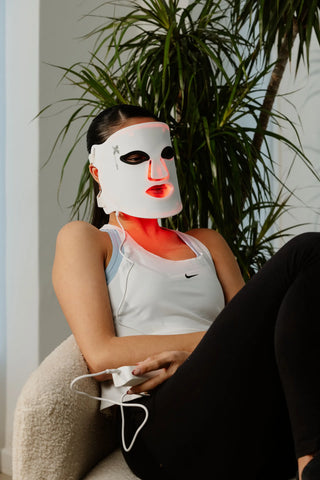
- LED lighting as a routine base: consistency, convenience and support for comfort. Explore options in the LED therapy collection .
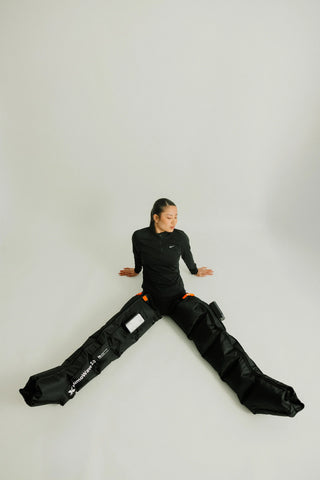
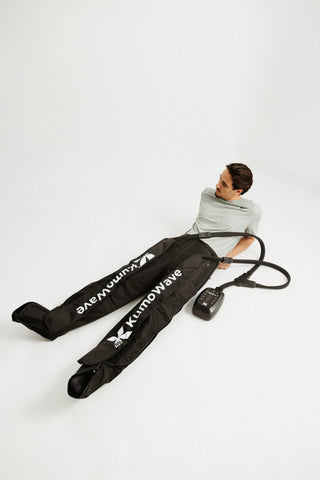
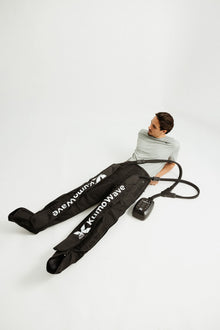
- Circulation and feeling of light legs: if your goal is to relieve and promote a feeling of fluidity in the lower limbs, pressotherapy can be an interesting complement. Discover the pressotherapy collection .
- Tissues around the joint: Many joint discomforts are amplified by peripheral muscle tension. Percussive massage can help work neighboring muscles (not directly over an inflamed joint). See KumoPulse Air .
This combination does not aim to "do it all", but to prioritize: comfort + movement + recovery , in a sustainable way.
Safety, precautions, and when to ask for help
In general, clinical studies report a favorable safety profile, with infrequent and mild adverse events (e.g., transient local heat or temporary sensations), although protocols vary. Review of trials in chronic pain (Frontiers, 2026)
- Eyes: Avoid looking directly at the light source. Follow the manufacturer's instructions regarding eye protection.
- Undiagnosed injuries: If there is severe pain without a clear cause, deformity, fever, loss of strength, or rapid swelling, consult a doctor.
- Cancer and special situations: In oncology, photobiomodulation has been studied for treatment complications and is considered safe in specific contexts, but it should always be individualized with the medical team. Systematic review (Cancer Medicine, 2020)
- Don't delay what's important: if the base plan is therapeutic exercise, load control and monitoring, the red light should add to it, not replace it.
If you need guidance in choosing a recovery solution that fits your routine, you can contact Kumo via the contact page .
FAQ: Red Light, Joints and Kumo
How long does it take for the red light to become noticeable in a knee with discomfort?
It depends a lot on the origin of the pain, the protocol (dosage, frequency), and whether you combine it with movement and strength training. The literature on photobiomodulation for knee osteoarthritis shows results that reduce pain, but with limited variability and certainty; therefore, it's best to consider a 2–4 week window to assess trends, rather than expecting "miracles" in 48 hours. The most useful way to measure progress is to record 2–3 simple metrics: pain upon standing, walking tolerance, and perceived stiffness. If you clearly worsen, adjust or stop the treatment.
Can red light therapy be combined with Kumo pressotherapy on the same day?
Yes, it's often a practical combination if your goal is to feel your legs looser and maintain a recovery routine. Red light therapy can be used before or after, but the important thing is to avoid overdoing it and losing consistency. A simple approach is: first, gentle mobility exercises, then red light therapy on the target area, and finally, pressotherapy if you're looking for extra circulatory relief. At Kumo, you can find pressotherapy options in their dedicated collection and create a short, repeatable routine.
What's better for joints: red light or a massage gun?
They are not equivalent. Red light therapy is applied to a specific area (including the joint and surrounding tissues) to promote comfort. A massage gun is generally more useful for muscles surrounding the joint (for example, the quadriceps and calves if the knee is bothering you), helping to release tension and improve the feeling of mobility. For many people, a combination works best: red light therapy as the basis of their routine and percussive massage on the surrounding muscles, without directly "hammering" a sensitive joint. If there is acute inflammation, prioritize gentleness and sound judgment.
Does red light therapy replace exercises for osteoarthritis or joint stiffness?
No. Current evidence suggests that photobiomodulation may help with pain and disability in knee osteoarthritis, but it is not considered a replacement for core interventions, especially exercise and weight-bearing education. Think of red light as a tool to improve comfort and make it easier for you to do what most sustains results: walking, strengthening, daily movement, and progressing without peak loads. If your goal is real and lasting mobility, red light can be the push you need to be consistent, but the driving force remains well-paced movement.
So what now?
If you want to make recovery a habit, start with the simple things: a short, repeatable, and measurable routine. Explore the Kumo ecosystem, discover LED therapy options, and complement your approach with compression therapy or muscle work with KumoPulse Air . If you need help choosing the best combination for your goal (mobility, comfort, or daily recovery), contact the team through the contact page .

Red & infrared light
KumoLux Panel – Red and Infrared LED Panel
★★★★★ 4,8/5 · rated by verified customers
- 660 nm red + 850 nm infrared light
- Full-body muscle recovery
- Clinically validated biohacking protocols
€399,00€499,00· pay in installments with seQura or Klarna