
Light can also be a recovery tool.
Photobiomodulation (PBM) is the use of red and/or near-infrared light to influence biological processes without burning or damaging tissue. The interest stems from a powerful and rather intuitive idea: if mitochondria are the cell's energy engine, certain light ranges could help that engine function better at key times (after exercise, at the end of the day, or to support skin health). ( pubmed.ncbi.nlm.nih.gov )
Red & infrared light
Recover faster, at home
★★★★★ 4,8/5 · rated by verified customers
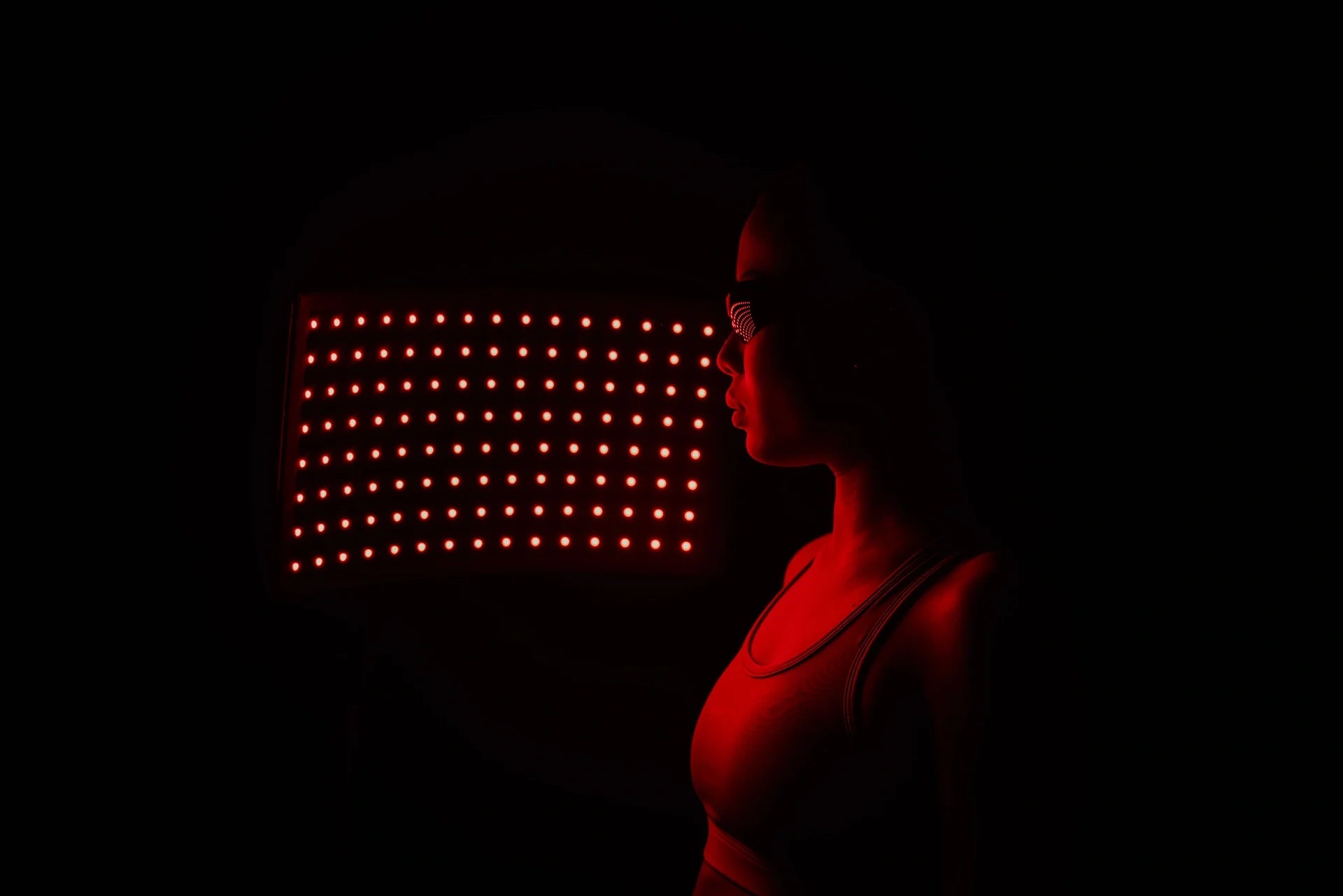
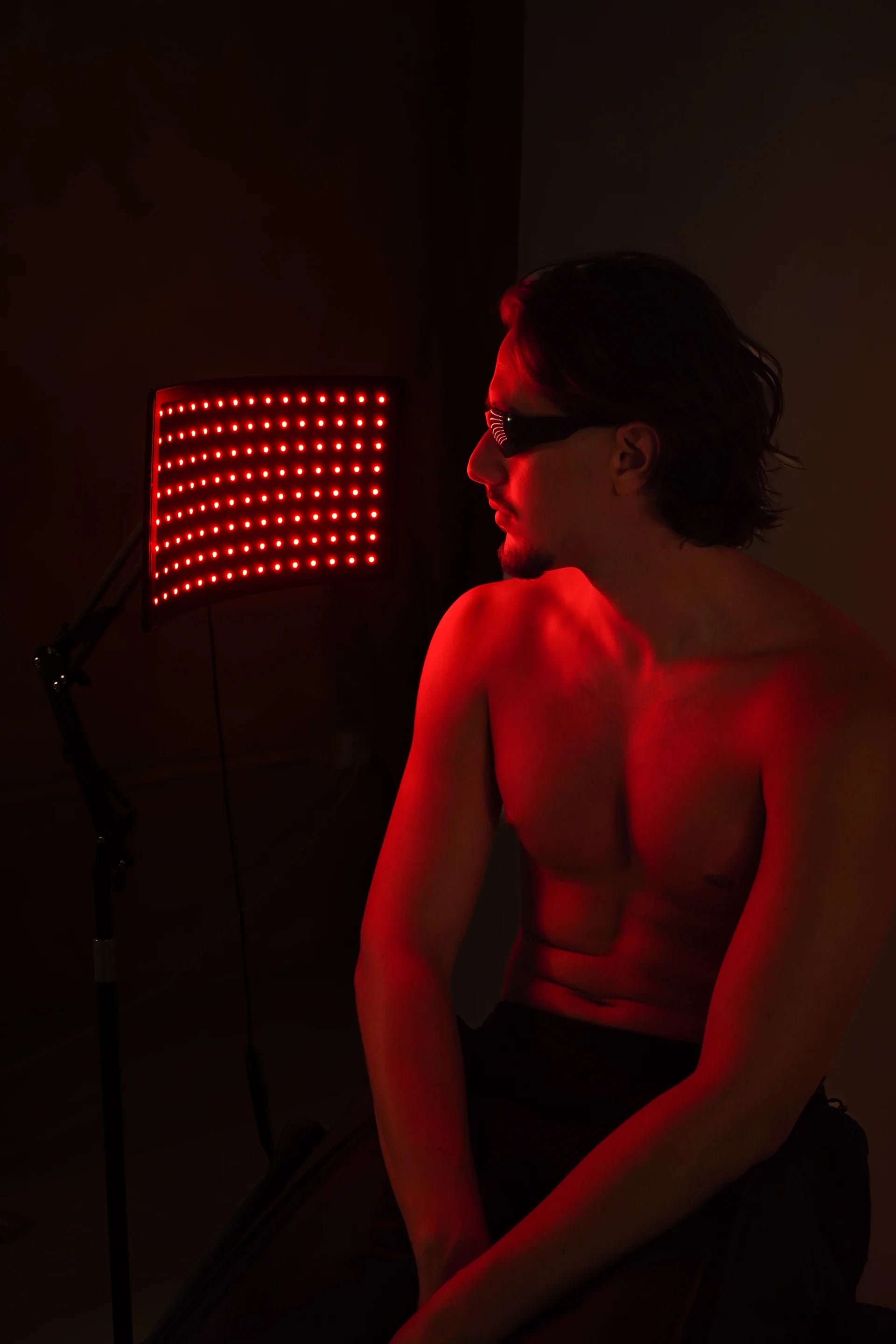
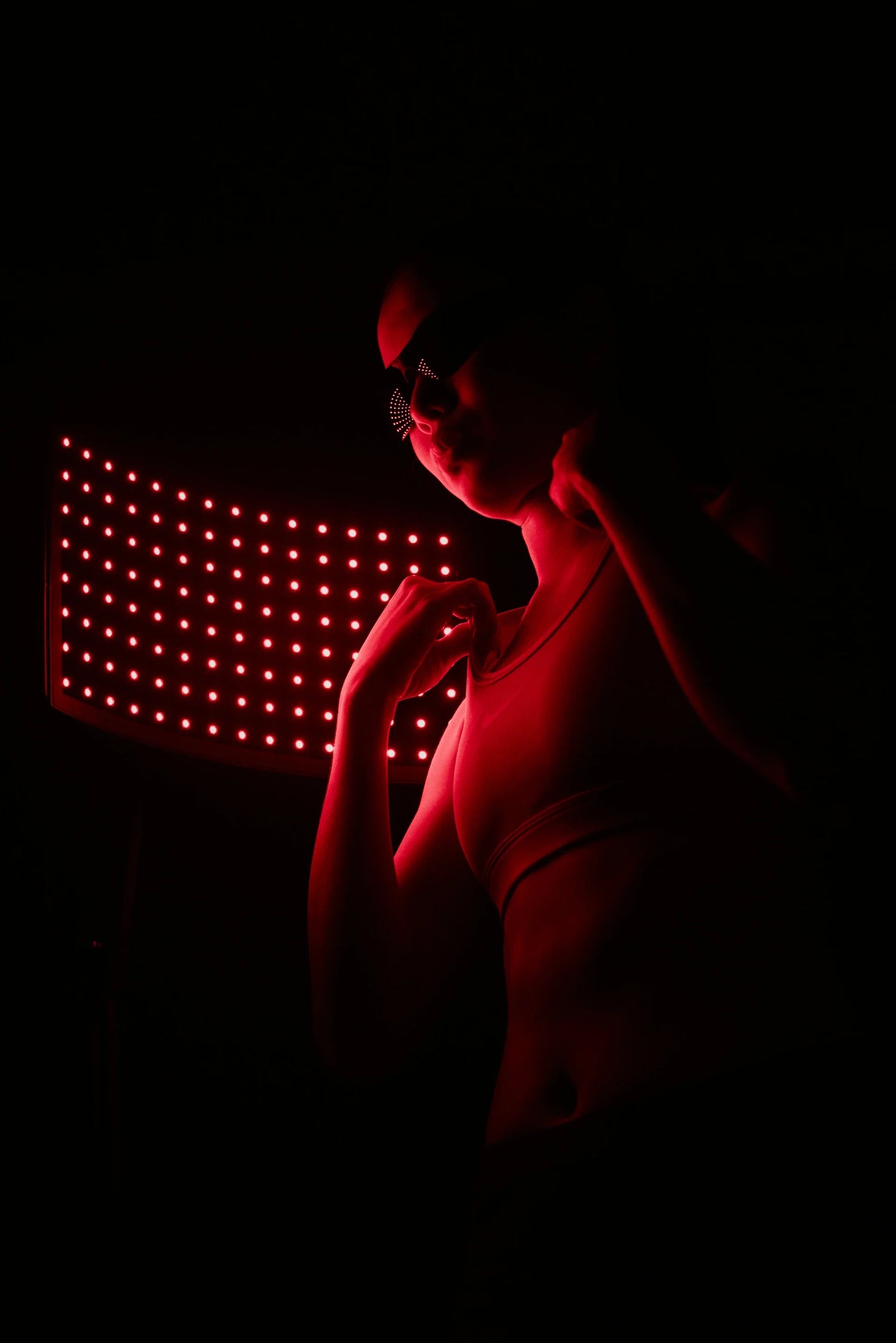
The KumoLux panel supports muscle recovery with full-body red and infrared light.
- 660 nm red + 850 nm infrared light
- Full-body muscle recovery
- Clinically validated biohacking protocols
€399,00€499,00
−10% on your 1st order when you subscribe to the newsletter

At Kumo, we understand recovery as a habit: helpful technology, thoughtful aesthetics, and easy-to-maintain routines. In this article, we explain what is known (and what isn't) about light, mitochondria, and cellular energy, and how to practically integrate it into your daily life with Kumo 's wellness approach. ( pubmed.ncbi.nlm.nih.gov )
What is photobiomodulation (PBM) and why is it related to mitochondria?
Photobiomodulation—also called “red light therapy” or “low-level light therapy” in many contexts—describes the application of non-ionizing light (primarily red and near-infrared ) to modulate inflammation, pain, tissue repair, and certain cellular markers associated with performance and well-being. ( pubmed.ncbi.nlm.nih.gov )
Personalized protocol · included with your purchase
Want us to tell you how to use it in your case?
With your purchase, our experts set up your red and infrared light sessions for your sport and goal.
Message us on WhatsAppOur experts reply · no obligation
The connection with mitochondria arises because one of the most studied hypotheses proposes that components of the respiratory chain (in particular, cytochrome c oxidase , Complex IV) act as “photoacceptors” and trigger a signaling cascade that can result in changes such as:
- variations in ATP (usable cellular energy),
- modulation of nitric oxide (NO) and microcirculation,
- redox signals (ROS at transient levels) and gene regulation.
This framework is summarized in academic reviews and is also being investigated in very different clinical applications (skin, mucositis, rehabilitation, sports, etc.). ( pubmed.ncbi.nlm.nih.gov )
Mitochondria, the "optical window," and why red or near-infrared light is often used
For light to be effective, it must reach the target tissue at a wavelength that penetrates skin and surface structures reasonably well. This is why we speak of a "window" where light penetrates best and is absorbed by relevant chromophores. In PBM, this window is usually located in the red and near-infrared light range. ( pubmed.ncbi.nlm.nih.gov )
on your first order when you join the newsletter
We send you the code instantly. No spam.
Cytochrome c oxidase (CCO), nitric oxide (NO) and energy signal
One influential proposal is that light can modulate functions related to the CCO and NO . A review article (2011) discusses how NO fits into the mechanistic explanation and how the CCO might be involved in pathways related to its production/signaling, affecting intra- and extracellular processes. ( pubmed.ncbi.nlm.nih.gov )
Furthermore, experiments in neurons observed that certain wavelengths (e.g., 670 nm and 830 nm ) aligned better with beneficial responses than others (such as 728 nm ), supporting the idea of a non-uniform biological action spectrum. ( pubmed.ncbi.nlm.nih.gov )
Important nuance: not the entire field is “closed” or monocausal. For example, a 2016 study with isolated CCO reported no significant changes in enzyme activity under certain irradiation conditions, a reminder that real biology is complex and that the “CCO = everything” model does not explain every finding. ( pubmed.ncbi.nlm.nih.gov )
Secondary signs: ROS, calcium, and inflammation
Beyond the initial photoacceptor, reviews describe “cascade” effects: increases in ATP, a brief pulse of reactive oxygen species (ROS) with signaling function, changes in NO, and modulation of calcium. These pathways connect with the inflammatory response and tissue repair, which is why PBM often comes up in discussions about recovery. ( pubmed.ncbi.nlm.nih.gov )
The two-phase answer: why “more light” isn’t always better
A key concept for using photobiomodulation meaningfully is the biphasic dose response : with doses that are too low, little may happen; with adequate doses, useful responses are observed; and with excessive doses, the response may diminish or even be counterproductive. A review (2011) addresses this idea as part of the historical problem of inconsistent results in the literature when parameters are not well chosen. ( pubmed.ncbi.nlm.nih.gov )
Practical table: parameters that usually determine the “result” in PBM
| Parameter | What does it mean | Why it matters | Examples of ranges cited in literature |
|---|---|---|---|
| Wavelength (nm) | “Color” of light (red / near infrared) | It determines penetration and which chromophores absorb | Red and NIR wavelengths are used; in neurons, 670–880 nm were tested with differences between 670/830 vs 728 nm. ( pubmed.ncbi.nlm.nih.gov ) |
| Irradiance (mW/cm²) | Power per unit area on the surface | It affects "how quickly" you deliver energy and thermal tolerance | Technical recommendations in clinical settings (WALT 2022) mention, for example, 30–150 mW/cm² for a specific indication. ( pmc.ncbi.nlm.nih.gov ) |
| Fluency or dose (J/cm²) | Total energy per area (irradiance × time) | It is related to the biphasic response (therapeutic window) | Preclinical studies report doses as high as 18 J/cm² in transcranial PBM in mice (810 nm). ( pubmed.ncbi.nlm.nih.gov ) |
| Time and frequency | Duration of each session and how many times it is repeated | Consistency is often more important than "one intense session" | In a trial with athletes, 30 minutes of treatment were administered nightly for 14 days (resulting in improvements in sleep and melatonin levels). ( pubmed.ncbi.nlm.nih.gov ) |
| Distance and treated area | How close is the device and how much surface area does it cover? | It modifies the actual dose that reaches the skin. | Clinical protocols specify distance/spot and the number of application points (examples in WALT tables). ( pmc.ncbi.nlm.nih.gov ) |
What the evidence in humans says (without magical promises)
Photobiomodulation is studied in multiple areas. The most honest—and useful—approach is to understand it as a complementary tool : it can enhance, but does not replace, fundamental habits (sleep, strength, nutrition, stress management) or medical treatments when appropriate. ( aad.org )
Skin: texture, inflammation and signs of aging
In dermatology, red light/NIR therapy is frequently used for cosmetic improvements (texture, tone, fine lines) and as adjunctive treatment for acne or post-procedure recovery . The American Academy of Dermatology notes that some studies show results ranging from subtle to noticeable, but also points out that it is difficult to compare studies and that there are still open questions about optimal dosage and at-home use. ( aad.org )
A clinical review (2021) describes a "reasonable" body of evidence from trials for aesthetic applications such as rejuvenation, acne, and alopecia, although with methodological limitations and variability between devices (LED vs. laser). ( academic.oup.com )
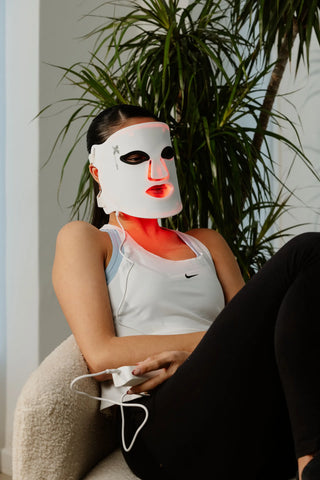
If your goal is skin, a practical way is to explore solutions designed for the face within Kumo's LED light therapy collection , integrating them into simple and sustainable routines.
Sleep and recovery: what a study with athletes suggests
In 2012, a trial with female basketball players evaluated nighttime exposure to red light for 14 days and reported improvements in sleep quality (PSQI), increased serum melatonin , and positive changes in endurance performance. It is a small study, but interesting for linking red light with a hormonal marker and sleep perception. ( pubmed.ncbi.nlm.nih.gov )
Practical translation: if you train late or find it hard to "slow down", a light routine (well dosed) can be part of your disconnection ritual — without falling into the idea that it alone "fixes" sleep.
Inflammation, pain, and recovery: why it matters for performance
A 2017 review summarizes the anti-inflammatory mechanisms of photobiomodulation and describes chromophores (such as CCO) and secondary pathways (ATP, transient ROS, NO, calcium) as pieces of the puzzle. In simpler terms: PBM is being investigated because it may help modulate the inflammatory response following physical exertion or in irritated tissues. ( pubmed.ncbi.nlm.nih.gov )
How to integrate photobiomodulation into your daily routine (the “Kumo” approach: simple and consistent)
The key isn't making it perfect, but making it repeatable . Here are realistic ways to integrate light into a recovery-minded wellness routine.
1) “Morning” routine: skin + gentle start
- 5 minutes of preparation : clean and dry the area (less barrier = better consistency).
- Light therapy session according to device instructions (avoid improvising doses; remember the biphasic response). ( pubmed.ncbi.nlm.nih.gov )
- Afterwards : basic hydration and sun protection if you are going to be exposed to the sun (red light does not replace SPF).
For this type of use, explore specific options in Kumo's LED therapy line , designed to be integrated into everyday habits.
2) “Post-workout” routine: from stimulus to recovery
If you train for strength, HIIT, or high-impact sports, you can structure your recovery as a 10–20 minute “pack”:
- Photobiomodulation as part of your cooldown (consistency > intensity; adjust according to tolerance). ( pubmed.ncbi.nlm.nih.gov )
- Release massage to relieve muscle stiffness: the KumoPulse Air massage gun integrates well into quick routines by muscle group.
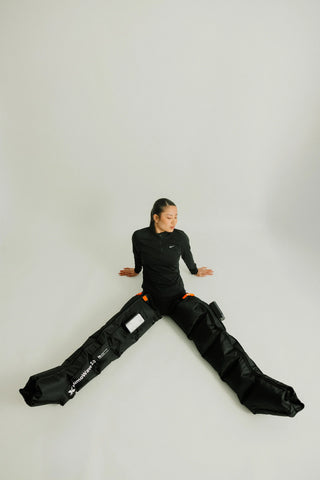
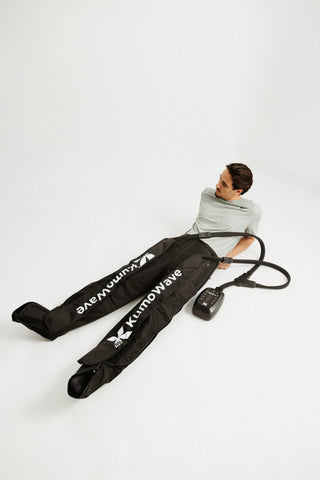
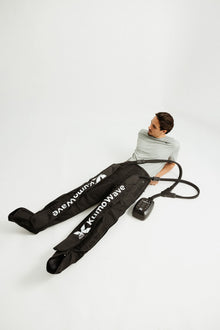
- Circulation and light legs (especially if you work on your feet, travel, or accumulate training volume): Kumo's compression boots fit as a passive recovery session.
This “ecosystem” approach is consistent with what is sought in premium recovery: combining signals (light + mechanics + circulation) without depending on a single tool.
3) “Night” routine: a calming ritual (without screens)
If your goal is rest, prioritize a routine that reduces friction:
- 15–30 minutes before bed : dim environment, no screens.
- Red light session (if your device allows it and always following its guide).
- Clear exit : slow breathing for 2–3 minutes or light reading.
As a scientific reference, a nighttime sleep schedule was evaluated in athletes over 14 days, showing changes in sleep patterns and melatonin levels; it's not a universal guarantee, but it is an interesting clue for developing healthy habits. ( pubmed.ncbi.nlm.nih.gov )
Safety and good practices (what should be taken seriously)
PBM is often described as non-invasive and having a favorable safety profile when used correctly, but “safe” does not mean “no rules.” Device quality, dosage, and personal context all matter. ( aad.org )
Eyes, skin and tolerance: basic precautions
- Eyes : Avoid looking directly at intense light sources; wear eye protection if indicated by the device (especially near the face). ( aad.org )
- Reactive skin : If you're using retinoids, acids, or have recently had peels, be especially careful and reduce exposure if you notice irritation (and consult a doctor if you have any questions). ( aad.org )
- Consistency and moderate dosage : remember the biphasic response; more is not always better. ( pubmed.ncbi.nlm.nih.gov )
When to seek medical advice before using photobiomodulation
Consult a professional if you have:
- known malignant lesions or cancer history (especially for direct treatment of suspicious areas),
- pregnancy if you plan to treat abdominal areas,
- medication or photosensitivity disorders (some conditions require special caution).
Even in manufacturer documents and practice guides, these precautions are mentioned as "relative contraindications" or situations requiring supervision. ( thorlaser.com )
Recovery as a habit: how Kumo fits into a holistic approach
A common mistake in wellness is looking for a single "lever" for everything. Practical experience is usually the opposite: recovery improves when we streamline the system and repeat small habits. Kumo specializes in premium technologies to turn that recovery into a routine.
- LED light therapy (skin, routine and wellness): see light options at Kumo .
- Pressotherapy (circulation, legs): discover pressotherapy .
- Deep massage (localized discharge): KumoPulse Air .
If your goal is performance, sleep, or a feeling of "lightness in body," think of these tools as layers of support that add to the essentials: training wisely, getting enough sleep, and managing stress.
FAQ: Frequently asked questions about Kumo, photobiomodulation and cellular energy
Does Kumo photobiomodulation guarantee to "increase ATP"?
The literature describes how photobiomodulation can trigger cellular changes associated with ATP, transient ROS, and NO, and that some interest focuses on mitochondrial chromophores such as cytochrome c oxidase. ( pubmed.ncbi.nlm.nih.gov ) However, in practice, it is unrealistic to promise identical results for everyone: it depends on parameters (dose, distance, frequency), the tissue, the target (skin, muscle, etc.), and the individual's condition. The useful approach is to use light as a consistent support within a routine, not as a "shortcut."
How long does it take to see results with Kumo LED therapy?
In photobiomodulation, the "when" depends on the goal and consistency. For skin, the American Academy of Dermatology suggests that some studies show improvements after several sessions, but also emphasizes that protocols vary and results cannot always be compared between devices. ( aad.org ) For sleep or recovery, changes may be perceived sooner, but the most sensible approach is to establish it as a weekly habit: simple monitoring (photos, sensations, rest, stiffness) and conservative adjustments.
Can I combine red light (Kumo) therapy with pressotherapy on the same day?
Yes, many people combine different tools as long as they respect tolerance and allow for rest. Photobiomodulation is being researched for its relationship with cell signaling (ATP/NO/ROS), and pressotherapy focuses on circulation and leg relief, so they can fit together as different parts of the same routine. ( pubmed.ncbi.nlm.nih.gov ) Practical advice: use the light therapy during a quiet time (morning or evening) and leave the pressotherapy for after work/training when you want a more passive session. If you have vascular conditions or medical concerns, consult a doctor beforehand.
Does red light at night affect sleep or improve it?
It depends on the person and the protocol. A study with athletes (2012) reported improvements in sleep quality and increased melatonin after 14 days of nighttime exposure to red light. ( pubmed.ncbi.nlm.nih.gov ) Even so, this shouldn't be generalized: if a session energizes you or causes eye discomfort, reduce its duration, move it away from bedtime, or avoid exposing your face. The idea is to support a calming routine, not add a stimulus that keeps you awake.
What precautions should I take when using an LED mask or panel at home?
Prioritize eye safety (do not look directly at intense light sources and use protection if indicated), follow the device instructions, and avoid overdosing, as the response can be biphasic (more is not always better). ( pubmed.ncbi.nlm.nih.gov ) If you have photosensitivity, take medication that increases light sensitivity, or have a history of suspicious skin lesions, seek medical advice. In dermatology, it is also recommended to consider it as a complementary, not a replacement, therapy. ( aad.org )
Reliable external sources for further information
- Hamblin (2017) – Anti-inflammatory mechanisms of photobiomodulation (review, PubMed)
- Lane (2011) – Nitric oxide and mitochondrial function in PBM (review, PubMed)
- Zhao et al. (2012) – Red light, sleep and melatonin in athletes (trial, PubMed)
- American Academy of Dermatology – Red light therapy and precautions
- WALT Position Paper (2022) – Parameters and technical recommendations in clinical contexts (PMC)
- Wong-Riley et al. (2005) – Wavelengths and relationship with CCO in neurons (PubMed)
- Stanford Medicine (2025) – State of clinical evidence in skin and hair
So what now?
If you want to make recovery a realistic routine, start with a single layer: LED light therapy for daily habits, and add, depending on your lifestyle, pressotherapy or the massage gun for muscle release and legs. If you need guidance on what best suits your goals, you can contact us here: Kumo contact .

Red & infrared light
KumoLux Panel – Red and Infrared LED Panel
★★★★★ 4,8/5 · rated by verified customers
- 660 nm red + 850 nm infrared light
- Full-body muscle recovery
- Clinically validated biohacking protocols
€399,00€499,00· pay in installments with seQura or Klarna