Not all cellulite is the same. In practice, it is assessed by its appearance at rest or when the skin is pinched, and by whether flaccidity, fibrosis, or edema predominates; this is why there are several clinical scales and not a single universal classification. (pmc.ncbi.nlm.nih.gov)
Recognizing the dominant pattern helps to decide which habits can improve appearance and when it is advisable to rule out lipedema or a different skin infection. (my.clevelandclinic.org)
Pressotherapy at home
End the day with light legs
★★★★★ 4,8/5 · rated by verified customers
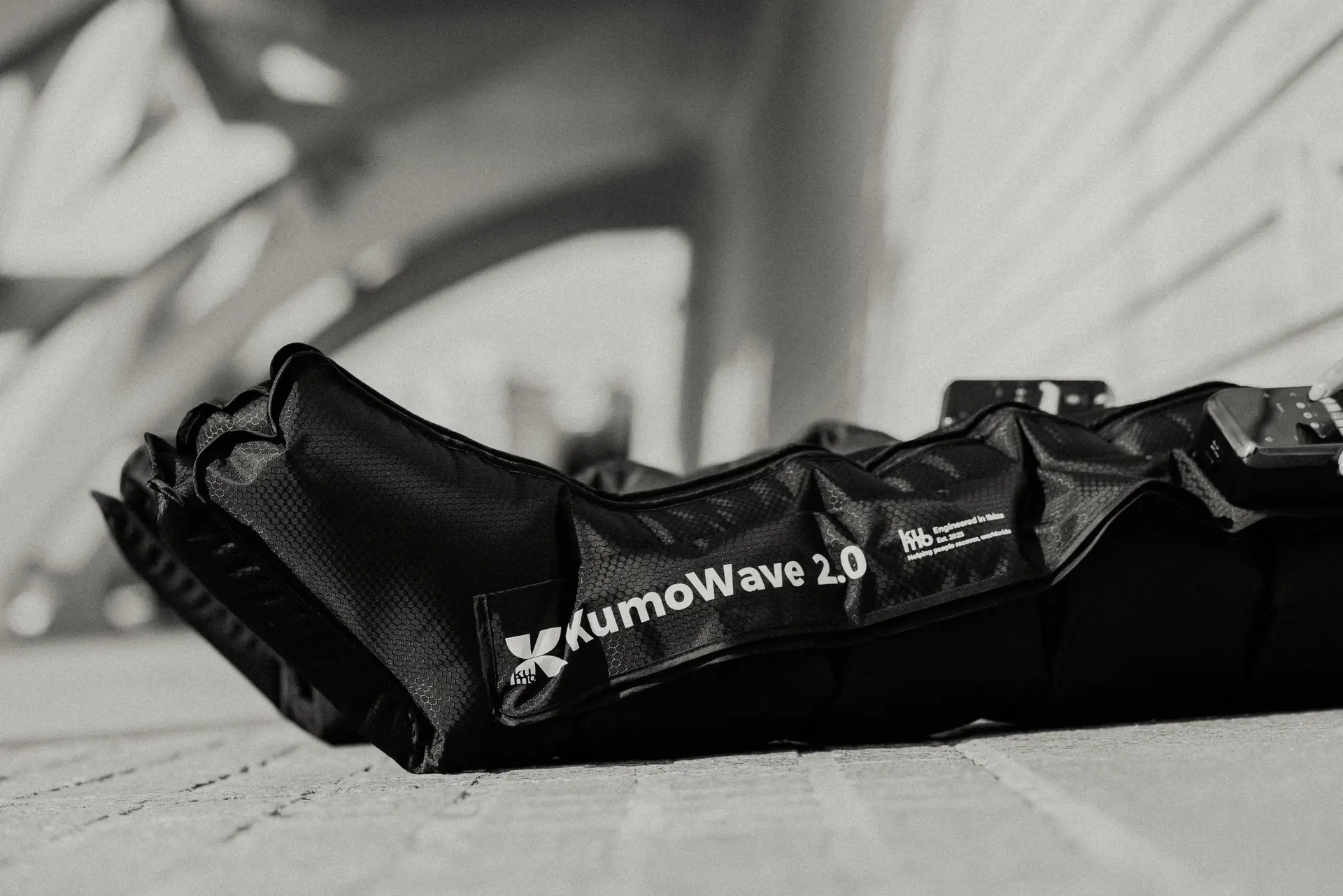
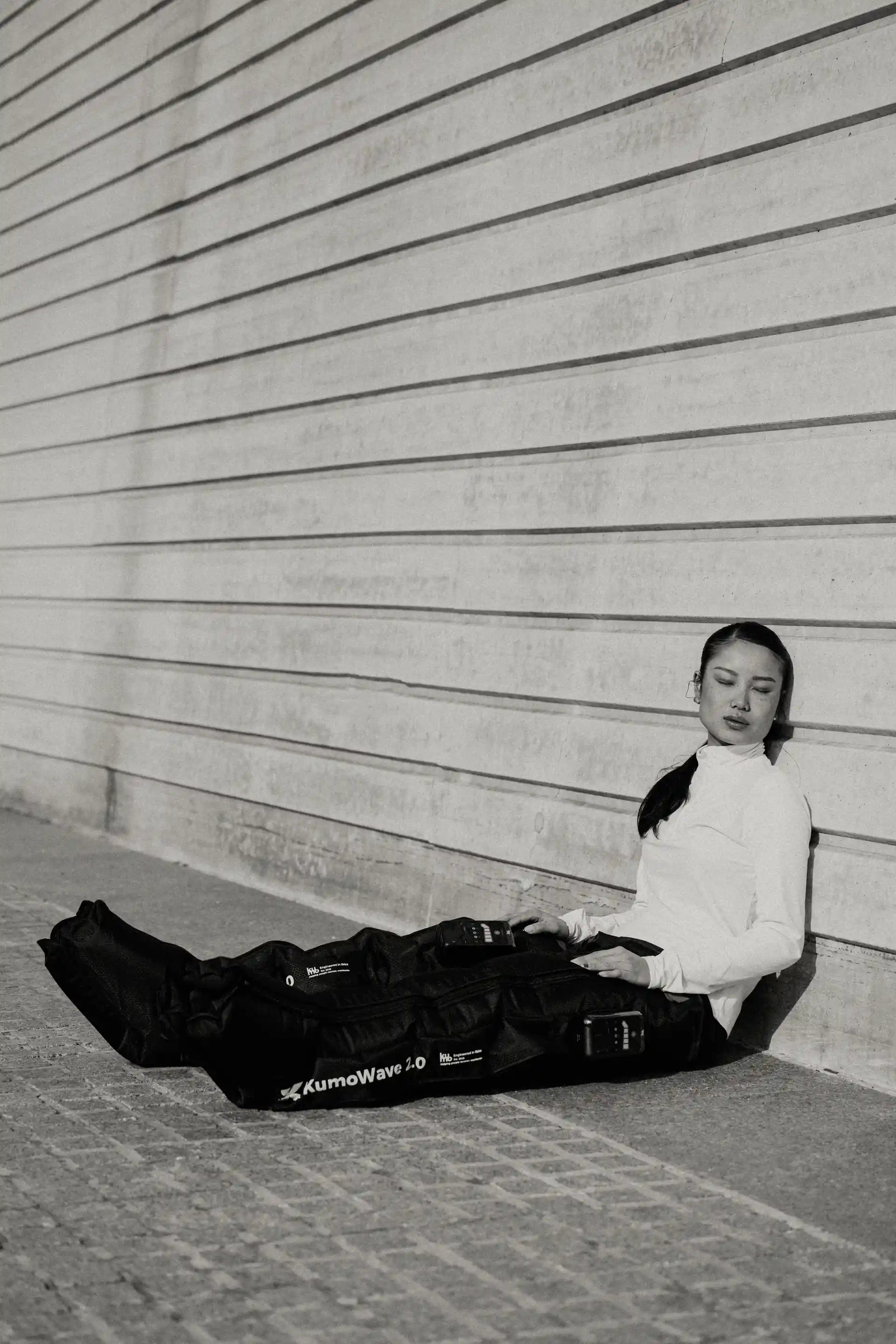
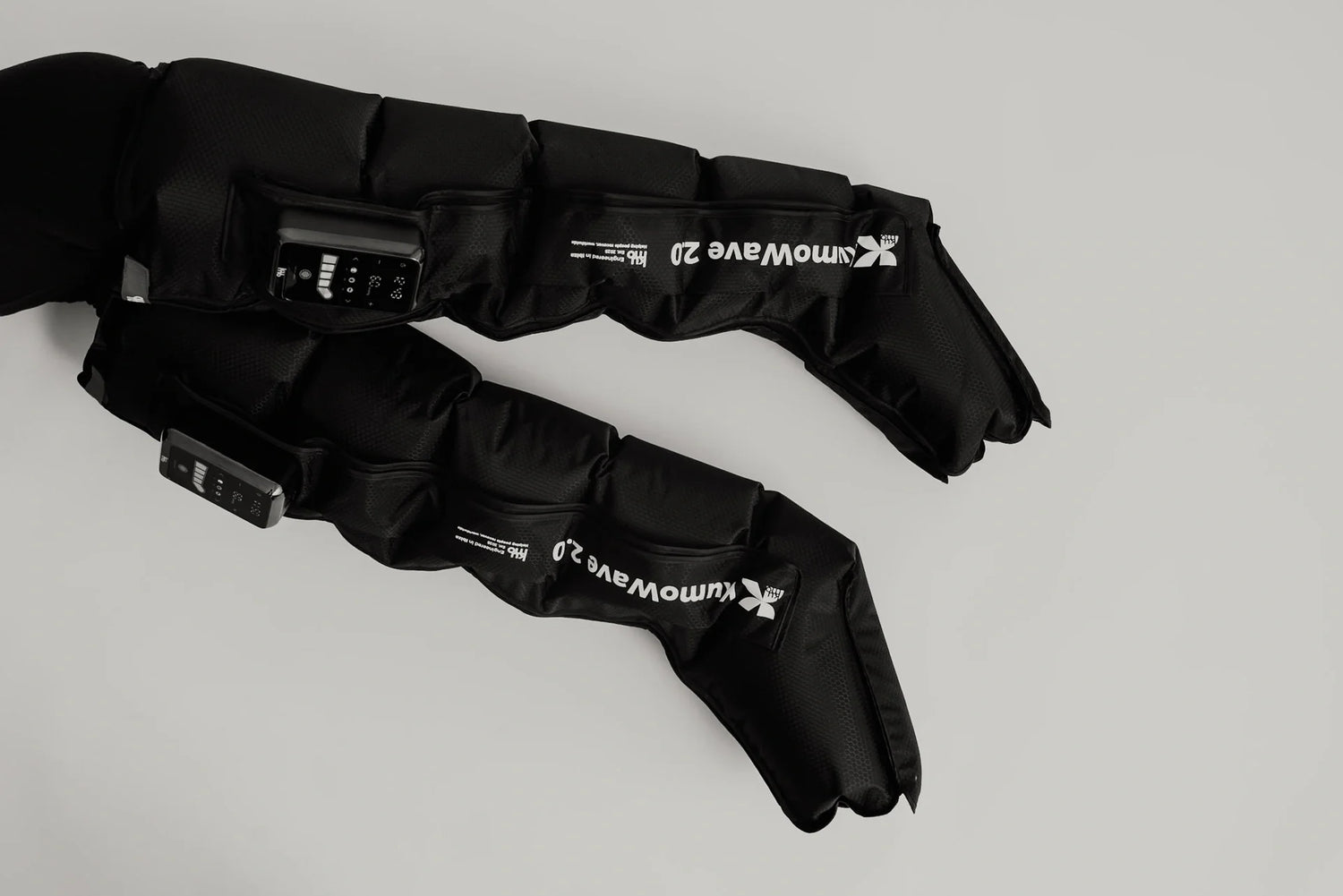
KumoWave pressotherapy boosts circulation and helps drain fluid with sequential compression, in 20-minute sessions at home.
- Boosts circulation and helps drain fluid
- Chamber-based compression, adjustable to you
- Sequential compression that mimics manual drainage
€799,00€999,00
−10% on your 1st order when you subscribe to the newsletter

What is cellulite and why does it appear?
From a medical point of view, cellulite is subcutaneous fat that pushes against connective tissue and causes dimpling on the thighs, hips, abdomen, or buttocks, as the Cleveland Clinic clinical definition explains. It is not usually dangerous, but it is very visible and aesthetically bothersome.
A 2015 review placed it at 80-90% of postpubertal women; in men, it is much less common and is usually associated with specific hormonal situations. (pubmed.ncbi.nlm.nih.gov)
Personalized protocol · included with your purchase
Want us to tell you how to use it in your case?
With your purchase, our experts prepare a personalized usage protocol for your case: sport, circulation, fluid retention, pregnancy or lipedema.
Message us on WhatsAppOur experts reply · no obligation
The most repeated factors in the literature are genetics, hormonal changes, fat distribution, connective tissue structure, and, in some cases, local circulation.
The most common types of cellulite
In aesthetic divulgation, soft, hard or fibrous, and edematous cellulite are mainly discussed. Even so, medical papers usually describe it by grades, dimple depth, flaccidity, and presence of nodules, because there is no single taxonomy accepted by all.
Soft or flaccid cellulite
Soft cellulite usually looks like skin that is "softer" to the touch, with reliefs that change when moving or changing posture. It often coexists with loss of firmness or flaccidity of the tissue, a characteristic that clinical scales include as part of the picture.
on your first order when you join the newsletter
We send you the code instantly. No spam.
Hard or fibrous cellulite
Hard or fibrous cellulite usually presents a more compact surface, with more defined dimples and a more pronounced component of fibrous septa. In the most obvious cases, dimples appear even at rest and may coexist with nodules or irregular reliefs. (pmc.ncbi.nlm.nih.gov)
Edematous cellulite
Edematous cellulite is more related to swelling, a feeling of heaviness, and fluid retention. Here, the key is not to focus only on the appearance: when edema and pain predominate, lipedema or other causes of increased leg volume must also be considered. (pmc.ncbi.nlm.nih.gov)
Quick summary of the most common types
| Type | How it usually looks | Useful clue for recognition | What needs to be checked |
|---|---|---|---|
| Soft or flaccid | More changing relief and less firm skin. | It usually feels more noticeable with movement or when changing position. | |
| Hard or fibrous | More pronounced dimples and more compact tissue. | The action of the fibrous septa predominates. | |
| Edematous | More swelling, heaviness, and possible sensitivity. | It is advisable to rule out lipedema or edema from another cause. |
If you want to better gauge the visual intensity, this guide on cellulite grades and how to identify yours can help you. (pmc.ncbi.nlm.nih.gov)
The best strategy is not the most aggressive one, but the one that aligns with the actual skin pattern: flaccidity, fibrosis, edema, or a different cause.
How to recognize yours at home
To guide you at home, look at your skin while standing, with side lighting, and repeat the observation while gently pinching the area. In classic clinical systems, changes that are only visible when pinching or contracting the muscle usually correspond to milder degrees; if they appear even at rest, the pattern is more pronounced.
- Observe your thighs, buttocks, and hips while standing and sitting, because gravity and tissue tension change the visibility of dimples.
- Gently pinch the skin: if the relief only appears when compressed, it is usually a milder form.
- Check for flaccidity, swelling, or heaviness, as these data indicate a soft or edematous component. (pmc.ncbi.nlm.nih.gov)
- If you notice pain to the touch, easy bruising, and symmetrical increase in volume in both legs, consider lipedema and not just cellulite.
If that last pattern sounds familiar, this guide on how to differentiate lipedema and cellulite without errors can give you a clearer map before deciding the next step.
What can help depending on the pattern
There is no magic treatment that permanently erases cellulite. Recent evidence insists that the response is usually partial and variable, although there are useful strategies depending on the pattern and aesthetic goal. The clinical review published in 2023 summarizes that mild cases usually start with habits, while more pronounced ones benefit more from procedures aimed at the fibrous structure.
- If it's soft or mild: prioritize strength, movement, hydration, and consistency. These measures can improve the overall appearance, although they do not completely eliminate cellulite.
- If it's hard or fibrous: procedures that act on fibrous septa, such as subcision, usually fit better than creams alone. The AAD notes that some techniques can reduce visible indentation, although the results are not identical in everyone. (aad.org)
- If there is edema or a feeling of heavy legs: it is worth evaluating whether there is another cause behind it, such as lipedema or a venous problem, because the approach changes there.
Among the most studied approaches are radiofrequency, laser, acoustic therapy, and other office procedures; they can improve appearance, but improvements are usually temporary and depend on the case.
When the swelling component outweighs the "orange peel" component, review this explanation on edematous cellulite and practical approach.
Don't confuse it with infectious cellulite
Aesthetic cellulite is not an infection. Infectious cellulite, on the other hand, is a skin and deep tissue infection that usually causes redness, warmth, pain, swelling, and sometimes fever; Mayo Clinic warns that it can spread quickly and require antibiotics. The symptoms of infectious cellulite are not similar to those of a simple aesthetic irregularity.
If you develop a spreading red rash, fever, blisters, chills, or disproportionate pain, seek medical attention promptly. In that scenario, we are no longer talking about a cosmetic problem.
FAQ about types of cellulite
What types of cellulite exist and how exactly do they differ?
In popular discourse, we usually talk about soft, hard or fibrous, and edematous cellulite. The main difference lies in what predominates: flaccidity, more compact tissue, or swelling. However, medical literature primarily uses grades and severity scales, as there is no single, universally accepted classification. Therefore, rather than applying a rigid label, it's better to observe how the skin changes when standing, pinching it, and contracting the muscle.
How can I recognize my type of cellulite at home without needing a doctor?
Start by observing your thighs, buttocks, and hips in good light, while standing and sitting. Then gently pinch the skin to see if dimples only appear with compression or if they are already present at rest. If you also notice heaviness, symmetrical swelling, or pain to the touch, consider an edematous form or a different problem, such as lipedema. This combination of signals provides much more guidance than just looking in the mirror.
What are the warning signs that indicate I might require urgent medical attention?
The alarm is not raised by aesthetic cellulite, but by a possible infectious condition. Seek attention if a red area appears and expands, local warmth, significant pain, fever, chills, blisters, or rapid worsening. Infectious cellulite usually requires antibiotics and can progress quickly, so it's not advisable to wait to "see if it goes away." If you have any doubt, it's best to seek medical evaluation as soon as possible.
What treatments are usually most effective depending on the type of cellulite I have and where can I get them?
When cellulite is mild or soft, it usually starts with sustainable habits: exercise, strength training, hydration, and consistent skin care. If the component is more fibrous, some dermatology or aesthetic medicine procedures, such as subcision or energy-based techniques, can improve the surface more. In general, treatments are obtained in specialized consultations, while habits and daily routines are done at home. The response, however, is variable.
Is aesthetic cellulite the same as infectious cellulite?
No. Aesthetic cellulite is an alteration of the skin's texture, very common and primarily cosmetic. Infectious cellulite, on the other hand, is a bacterial infection of the skin and deep tissues, with signs such as pain, warmth, redness, fever, and possible rapid spreading. These are distinct entities, with completely different causes and treatments. Therefore, it's important to consider the context and not use both words as if they were synonymous.
What's next?
If you want to delve deeper, start with the Kumo Balance homepage and review this guide to identifying cellulite grades; if you suspect the problem includes edema or pain, you should also read how to differentiate lipedema and cellulite without errors.
KumoWave pressotherapy
Choose your at-home pressotherapy
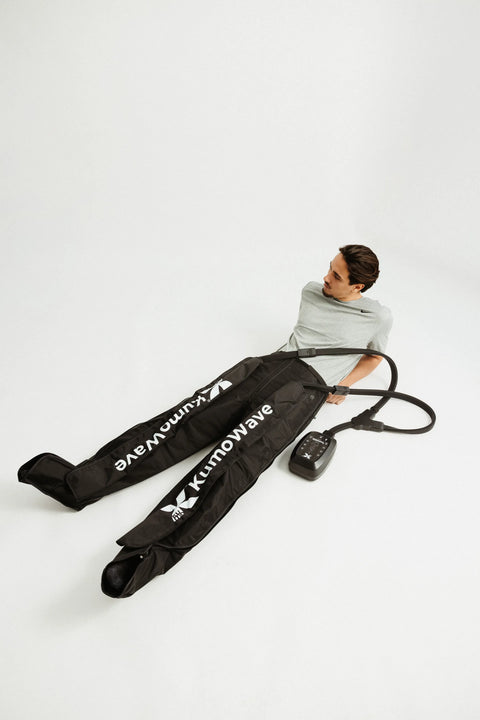
KumoWave Elite – Pressotherapy Pants
Full-coverage trousers. Ideal for lipedema, fluid retention and intensive use.
€799,00 €999,00

KumoWave 2.0 - Wireless Pressotherapy
Wireless, lightweight boots. Perfect for daily use and recovery.
€499,00 €599,00